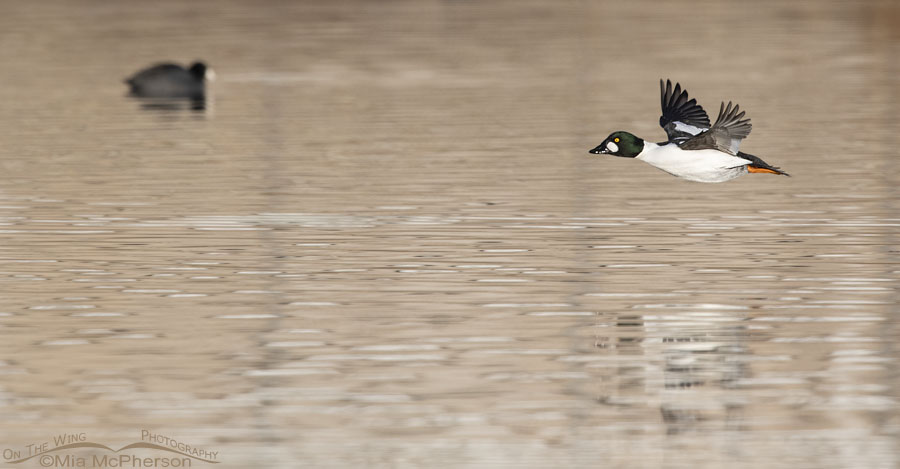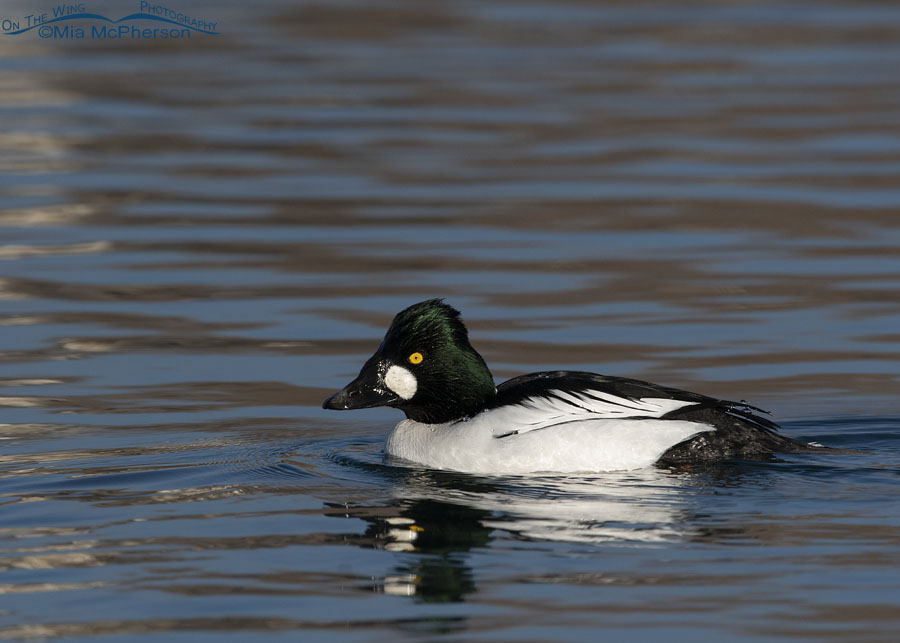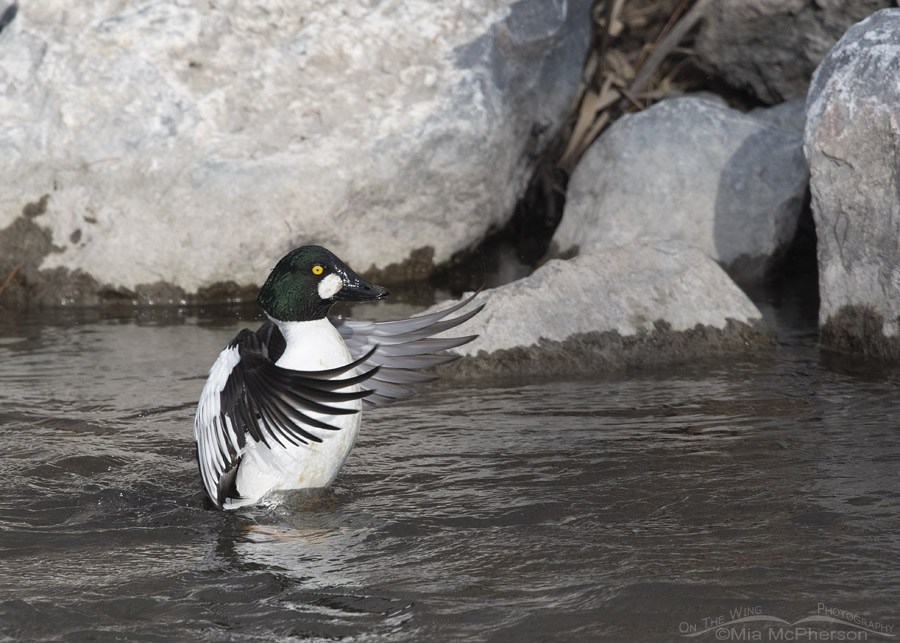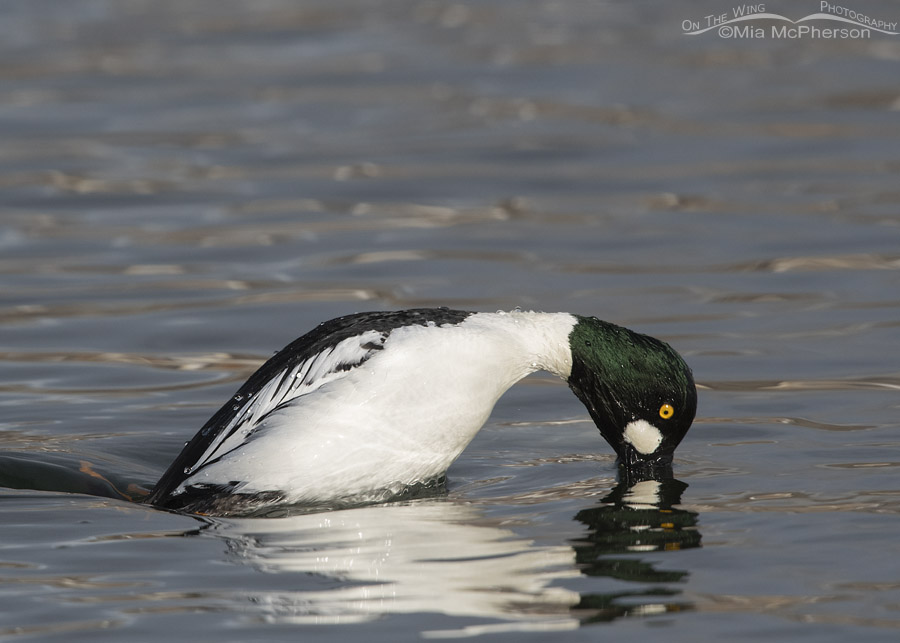

Three years ago today when it was actually Winter

It has been too warm here in Utah to be called “Winter” yet, the snow that we have had hasn’t lasted long and even most of the mornings have been above freezing but the weather forecasters say that is going to change this weekend. Well, weather forecasters are often wrong so I won’t be holding my breath but it does give me a little hope.

Three years ago today though the ground was covered in drifts of snow, the temps were below freezing, there was ice on the ponds & lakes and there was a sharp briskness to the air that can only be found in winter. These are a few of the images I took that morning at a pond a few blocks from where I live.

American Coot wing flapping

American Coot wing flapping – Nikon D200, tripod mounted, f7.1, 1/640, ISO 320, Nikkor 200-400mm VR with 1.4x TC at 400mm, natural light

We have tons of American Coots here in the winter until the water freezes solid and then the coots move to find open water. Coots aren’t the most colorful of birds but they are amusing to watch and photograph and they are a challenge because of the high contrasts between the whites and the darks.

Mallard drake

Mallard drake – Nikon D200, tripod mounted, f8, 1/500, ISO 250, Nikkor 200-400mm VR with 1.4x TC at 400mm, natural light

We also have plenty of Mallards too, domestic, wild and hybrids. Behind this drake this there is a  sheet of ice on the pond. By the time I took this image my hands were getting cold even with gloves on and a heat pack tucked into them.

Juvenile Pied-billed Grebe in an icy pond

Juvenile Pied-billed Grebe in an icy pond – Nikon D200, tripod mounted, f7.1, 1/350, ISO 250, Nikkor 200-400mm VR with 1.4x TC at 400mm, natural light

Pied-billed Grebes are another species that will be on my local pond until it freezes over and they are great fun to photograph because they are feisty little characters. This one was a hatch year bird when I photographed it as it still shows evidence of the striped head that juvenile Pied-billed Grebes have in their first year.

American Coot in pre-attack pose

American Coot in pre-attack pose – Nikon D300, tripod mounted, f7.1, 1/500, ISO 250, Nikkor 200-400mm VR with 1.4x TC at 400mm, natural light,

The coots squabble and fight a lot amongst each other, this coot was getting ready to chase another one across the icy pond.

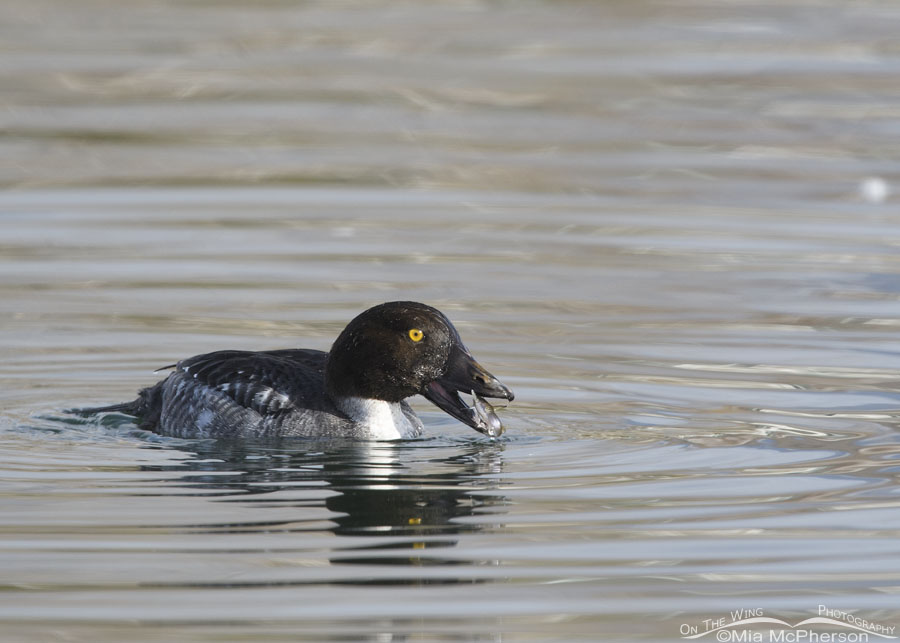
Common Goldeneye female

Common Goldeneye female – Nikon D200, tripod mounted, f7.1, 1/400, ISO 250, Nikkor 200-400mm VR with 1.4x TC at 400mm, natural light

There are times we get other duck species  including Common Goldeneyes but they never seem to stick around long. This female Common Goldeneye was gone the next time I visited the pond a few days later.

Ring-billed Gull on the edge of ice

Ring-billed Gull on the edge of ice – Nikon D200, tripod mounted, f7.1, 1/1250, ISO 250, Nikkor 200-400mm VR with 1.4x TC at 400mm, natural light

There are also California and Ring-billed Gulls at my local pond during the winter. This Ring-billed Gull had walked too close to the edge of the thin ice and nearly fell in, it was walking back from where one of its feet cracked through the ice and it was using its wings to regain its balance.

Snow is supposed to arrive this Saturday, I hope it does, it is time for winter!

Mia

Facebook Twitter

Things are getting Ducky in Utah!

BuffleheadBufflehead (Bucephala albeola)
Farmington Bay Waterfowl Management Area, Davis County, Utah
Nikon D200, f7.1, 1/1250, ISO 400, -0.3 EV, Nikkor 200-400mm VR with 1.4x TC at 400mm, natural light

You wouldn’t know it by the recent daytime high temperatures that fall has arrived here in Utah but I can see the changes. Higher up than the valley the leaves have begun to change to bright yellows, rust red and oranges while the grasses have gotten that pale golden look I associate with this season.

Another wonderful change that I have been seeing is that a variety of duck species have been arriving at the Great Salt Lake and the freshwater marshes, lakes and ponds in the Salt Lake Valley.

Mallard
Mallard (Anas platyrhynchos)
Salt Lake County, Utah
Nikon D200, f8, 1/640, ISO 320, Nikkor 200-400mm VR with 1.4x Tc at 400mm, natural light

Mallards like the one shown above are present in the valley pretty much all year long but even the mallard population does seem to increase when autumn arrives. I know a lot of people who say they take them for granted because they are common throughout North America but I sure find the rich colors of the males appealing and the more subtle colors of the females equally so.

I was laying on a small rug of a snowy shoreline when I took the image above with my tripod as close to the ground as I was able to adjust it to get this low angle. The duck was eyeing me cautiously.

Cinnamon Teal

Cinnamon Teal (Anas cyanoptera)
Farmington Bay Waterfowl Management Area, Davis County, Utah
Nikon D200, f8, 1/400, ISO 250, Nikkor 200-400mm VR with 1.4x TC at 400mm, natural light

Not only I am seeing ever increasing numbers of ducks along the causeway to Antelope Island State Park, I am also seeing more ducks in flight. Duck hunting season starts today in Utah so the ducks will be even more wary than usual and will require well-developed stalking skills to photograph them,  a blind; either fixed, portable or using a vehicle as a mobile blind, can help with the skittishness of the waterfowl during this period of time.

I love the brilliant red eye of male Cinnamon Teals combined with the rich, bronzey-red of their plumage.

Gadwall
Gadwall (Anas strepera)
Salt Lake County, Utah
Nikon d200, f7.1, 1/500, ISO 250, Nikkor 200-400mm with 1.4x TC at 400mm, natural light

Some of the ducks that frequent ponds and lakes in the city parks are less skittish and will allow a closer approach than those in more “wild” areas. The Gadwall photo above was taken at a city park pond near where I live and was a very cooperative subject. I’m quite fond of the silvery tertials against the black rump of this species.

Greater ScaupGreater Scaup (Aythya marila)
Farmington Bay Waterfowl Management Area, Davis County, Utah
Nikon D200, f6.3, 1/1000, ISO 400, +0.7 EV, Nikkor 200-400mm VR with 1.4x TC at 400mm, natural light

Greater Scaups are a duck species I do not see or photograph as often as I would like, the bird above was warming itself on a sunlit; albeit muddy, bank along a stream of water, well away from the larger inpoundments where hunting is allowed.

The angle I used was a bit on the steep side, I had to aim my lens downward to photograph this scaup because it was about 6 – 8 feet lower than where I was located in a mobile blind. If I had so much as cracked the door open to get out to take a shot this duck would have been long gone before I could set up my tripod and mount the camera.

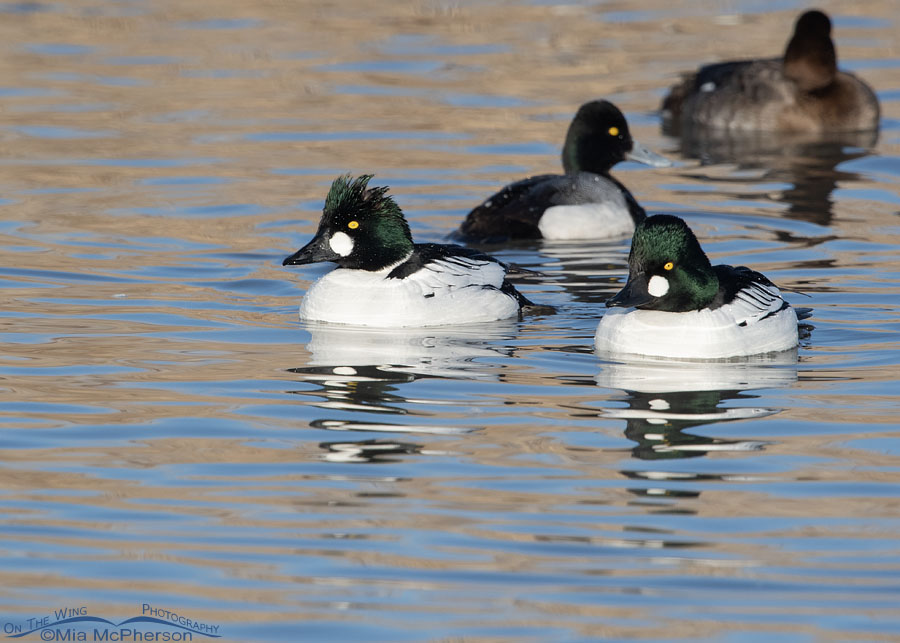
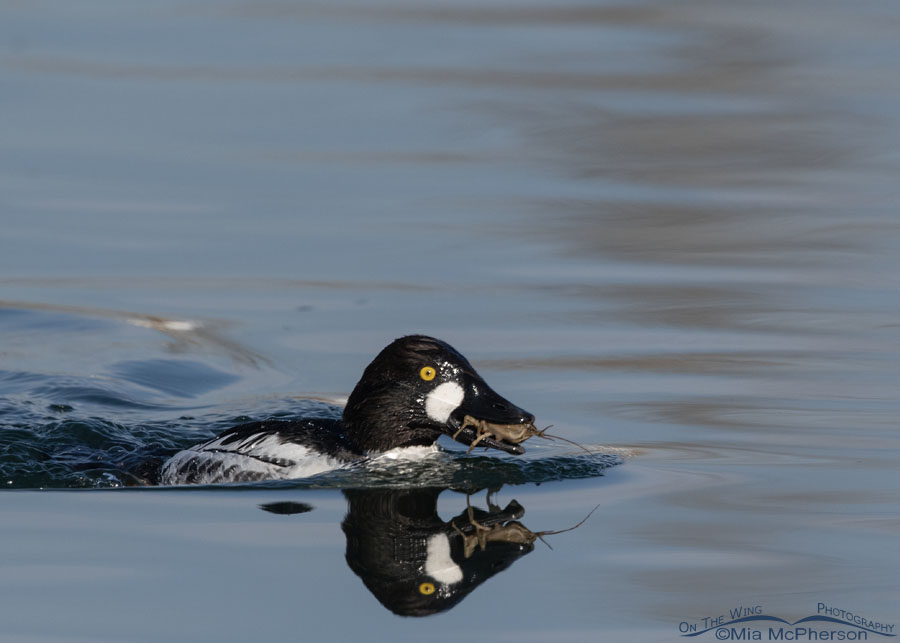
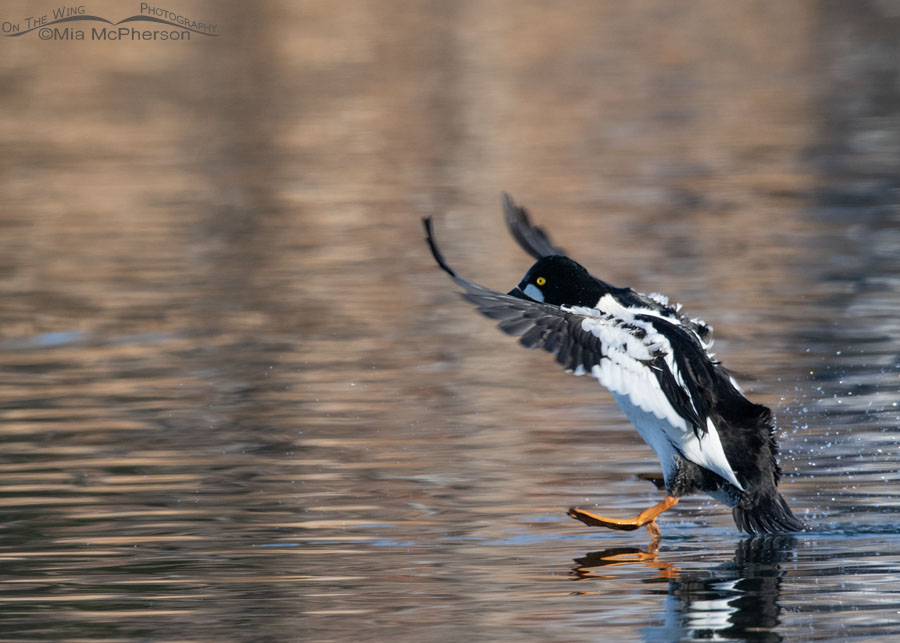
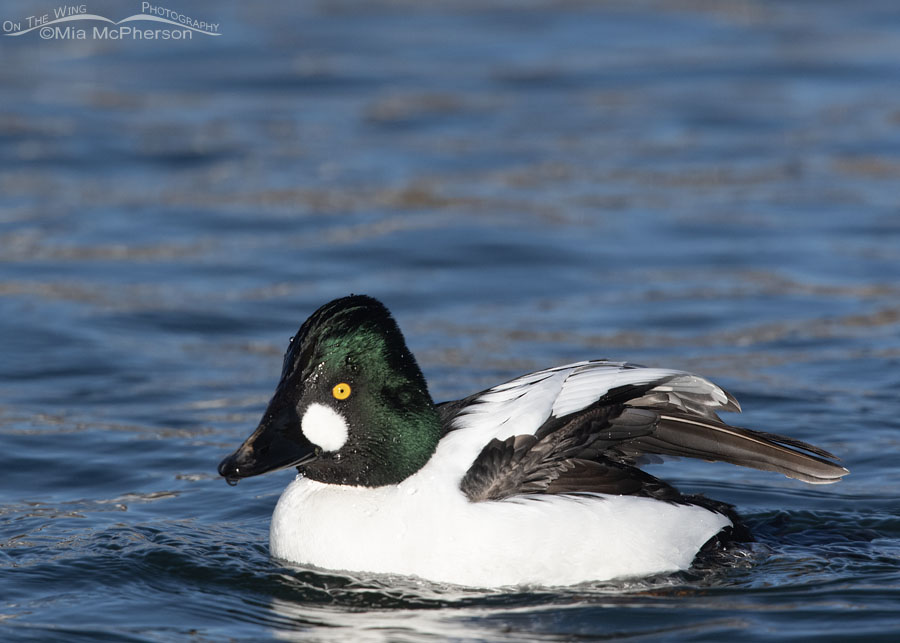
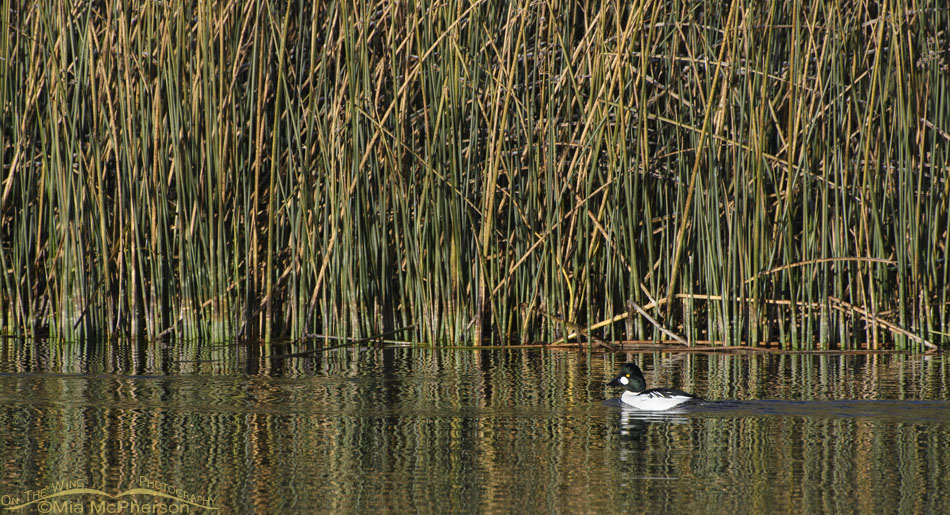
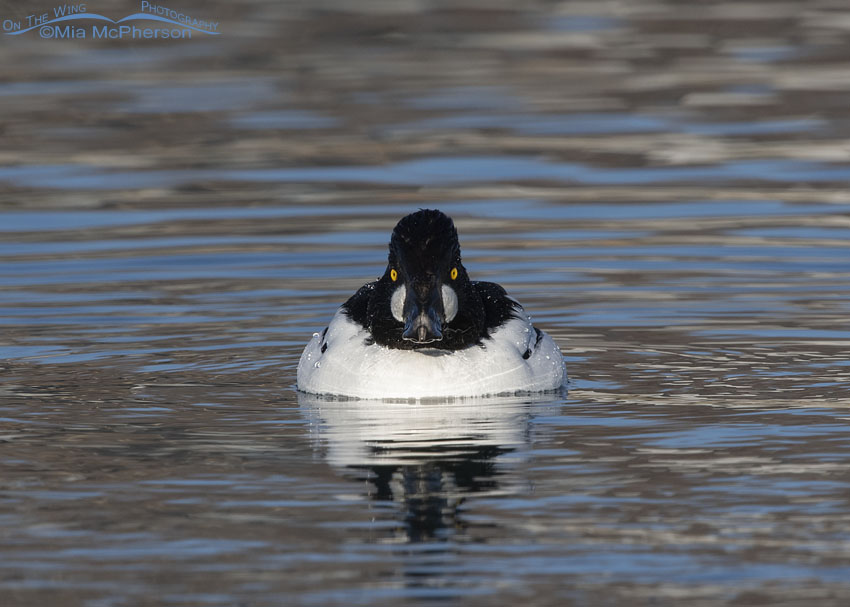
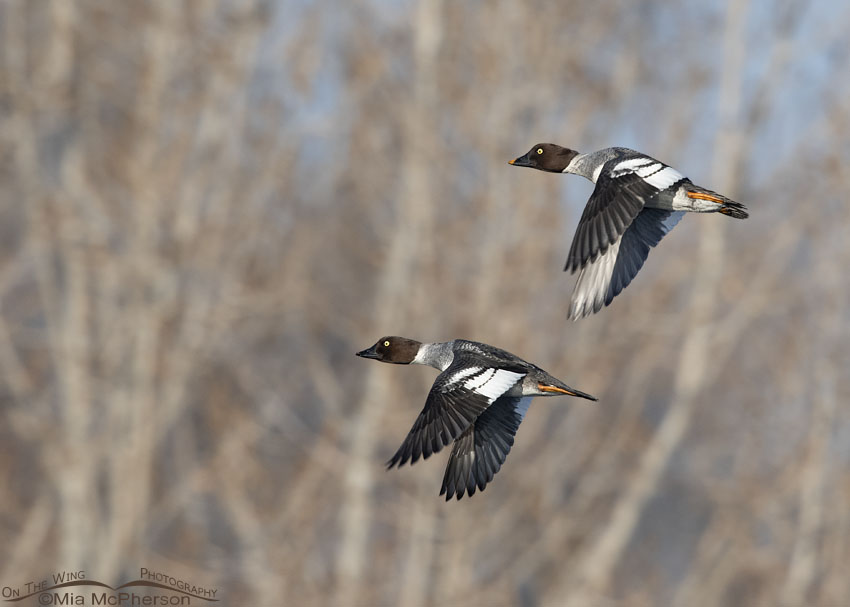
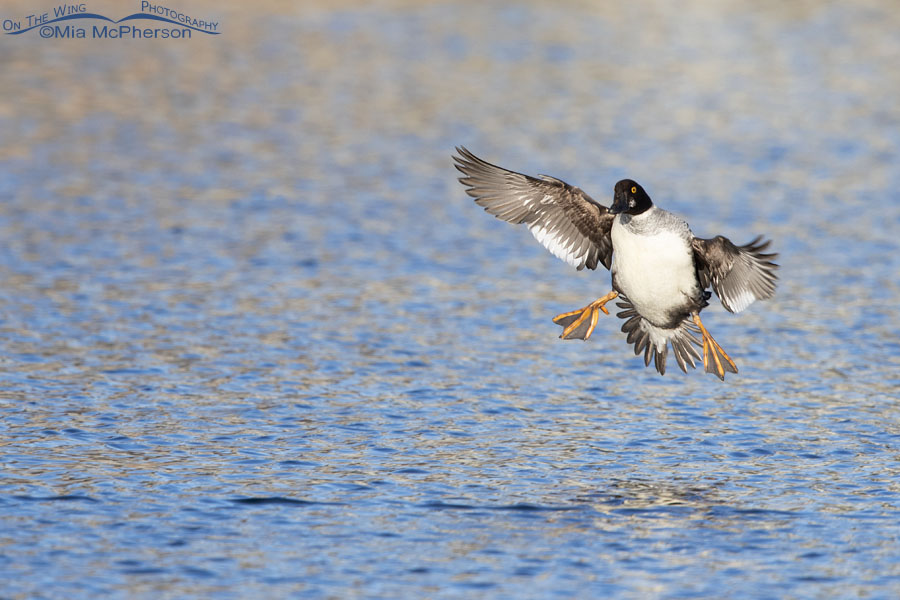
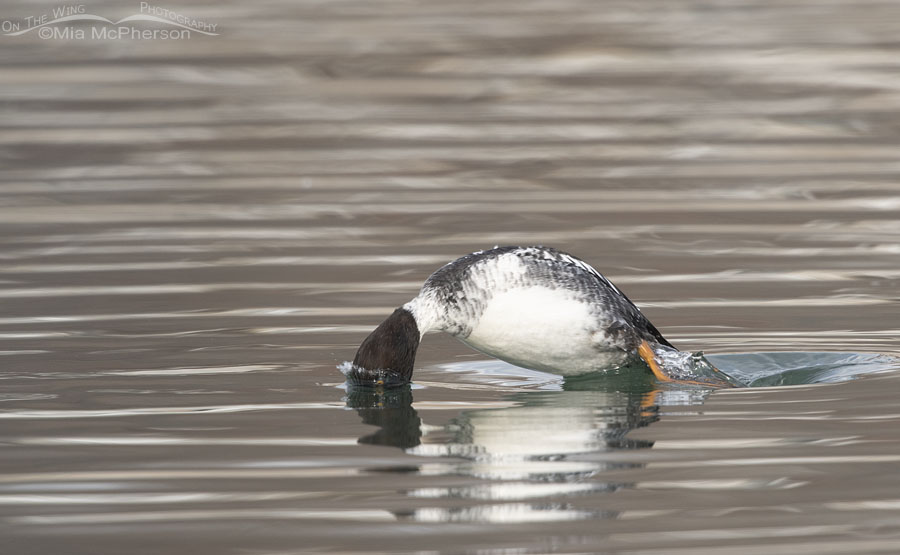
Common GoldeneyeCommon Goldeneye (Bucephala clangula)
Salt Lake County, Utah
Nikon D200, f7.1, 1/640, ISO 250, Nikkor 200-400mm VR with 1.4x TC at 400mm, natural light

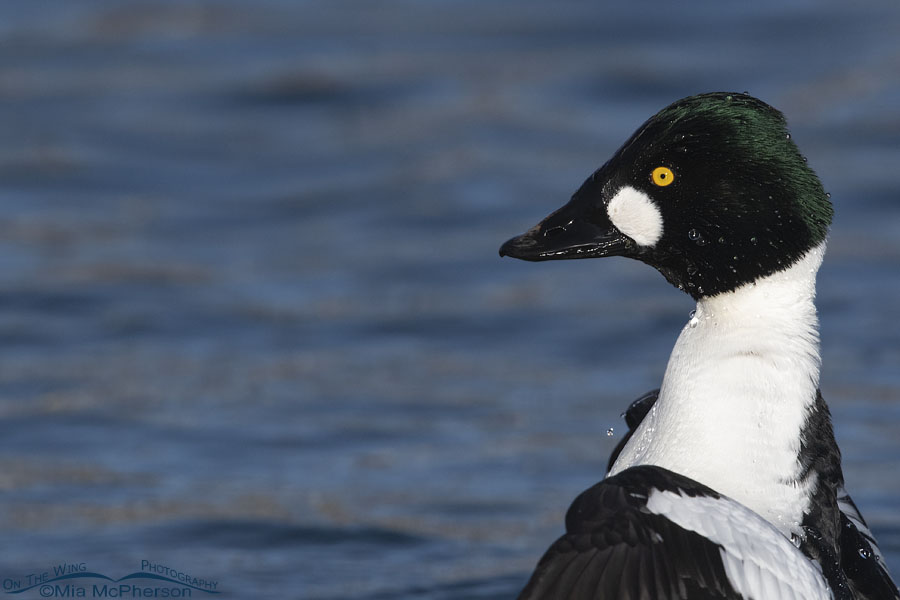
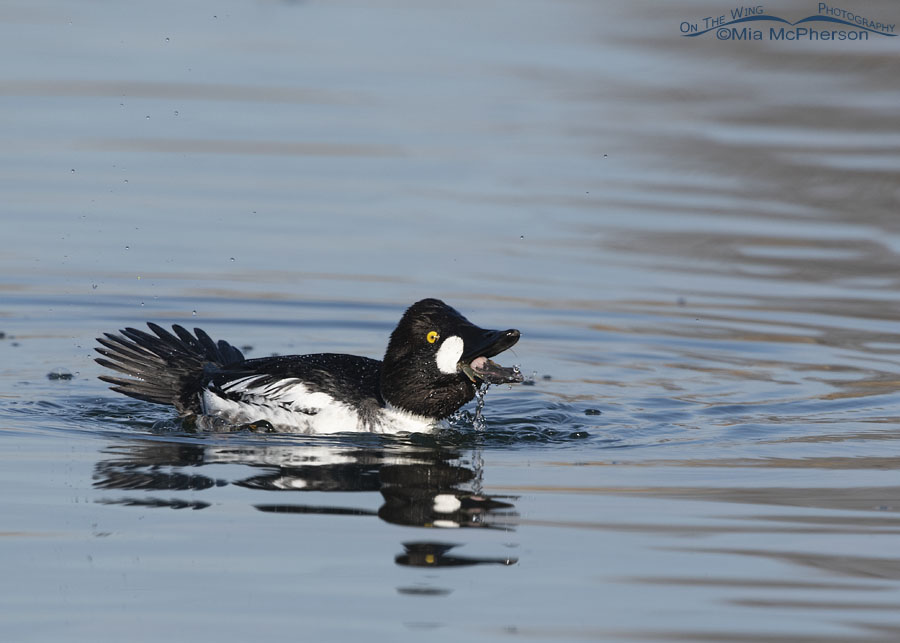
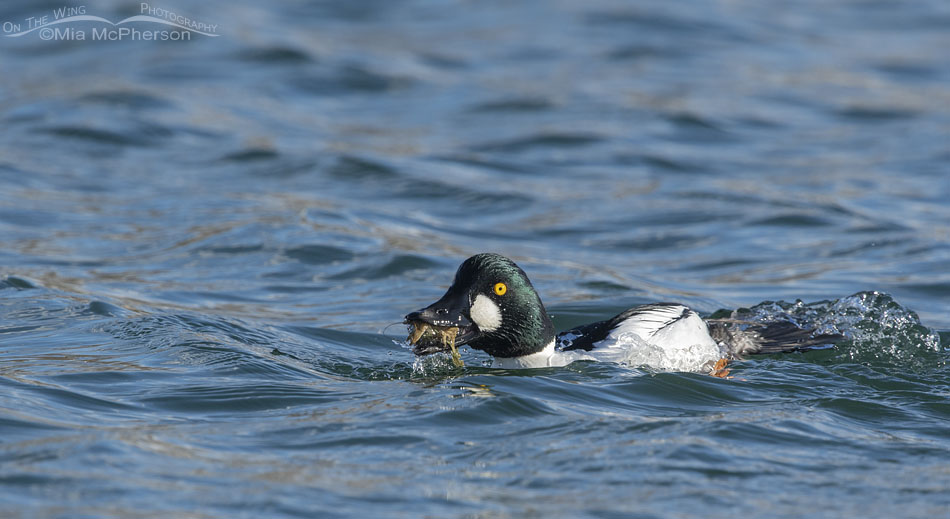
I have yet to have the pleasure of photographing any Barrow’s Goldeneyes but have found a few cooperative Common Goldeneyes near where I live and at other locations in the Salt Lake Valley. This beautiful bird was a bit more wary of me than the Gadwall I posted earlier and stayed hugged close to the edge of the cattails which are seen reflecting on the water’s surface. I’d love the opportunity to photograph the males in breeding plumage though they breed well north of here.

Northern ShovelerNorthern Shoveler (Anas clypeata)
Farmington Bay Waterfowl Management Area, Davis County, Utah
Nikon D200, f7.1, 1/1250, ISO 400, +0.7 EV, Nikkor 200-400mm VR with 1.4x TC at 400mm, natural light

Another species that are seen in the Salt Lake valley in large numbers are Northern Shovelers. Huge flocks of shovelers can be found along the Antelope Island causeway and in the fresh water areas of the valley. The bills of the male and female shovelers are quite distinctive because of the length. I often think that the shiny black bill of the males remind me of black patent leather because they are shiny and look slick. Even from long distances; both in the water and in flight, Northern Shovelers are easy to identify because of their bills.

Ring-necked Duck

 Ring-necked Duck (Aythya collaris)
Salt Lake County, Utah
Nikon D200, f7.1, 1/750, ISO 250, Nikkor 200-400mm VR with 1.4x TC at 400mm, natural light

This male Ring-necked Duck was a visitor at the pond near my home, when I photographed it the middle of the pond was partially frozen and open nearer the shore. I have a feeling that this duck would have liked to have been a bit further away from where I was photographing it but in order to do that it would have had to get out of the water and walk on the thin ice. For the most part it stayed close to where the water met the ice. It was preening just before I took this frame and was flapping its wings to settle its feather back in place. There is a bit of the reddish color showing of the “ring” around its neck.

Red-breasted Merganser

 Red-breasted Merganser (Mergus serrator)
Farmington Bay Waterfowl Management Area, Davis County, Utah
Nikon d200, f6.3, 1/640, ISO 400, -0.3 EV, Nikkor 200-400mm VR with 1.4x TC at 400mm, natural light

Mergansers don’t have “paddle shaped” bill that other ducks have, their bills are relatively thin in width and all merganser species in North America have serrated (saw like) bills that aid them in catching and maintaining a grip on their prey. The two large mergansers; the Red-breasted and Common, are long bodied, diving ducks.

The bird shown in the image above had been preening its belly when it struck this pose while giving me great eye contact. The bills of Red-breasted Merganser are more orange than the bills of the Common Mergansers whose bills are more reddish toned.

Common Merganser

Common Merganser (Mergus merganser)
Farmington Bay Waterfowl Management Area, Davis County, Utah
Nikon D200, f7.1, 1/1500, ISO 500, -0.7 EV, Nikkor 200-400mm VR with 1.4x TC at 400mm, natural light

Common Mergansers also have dark eyes while the eyes of Red-breasted Mergansers are lighter and somewhat reddish in coloration.

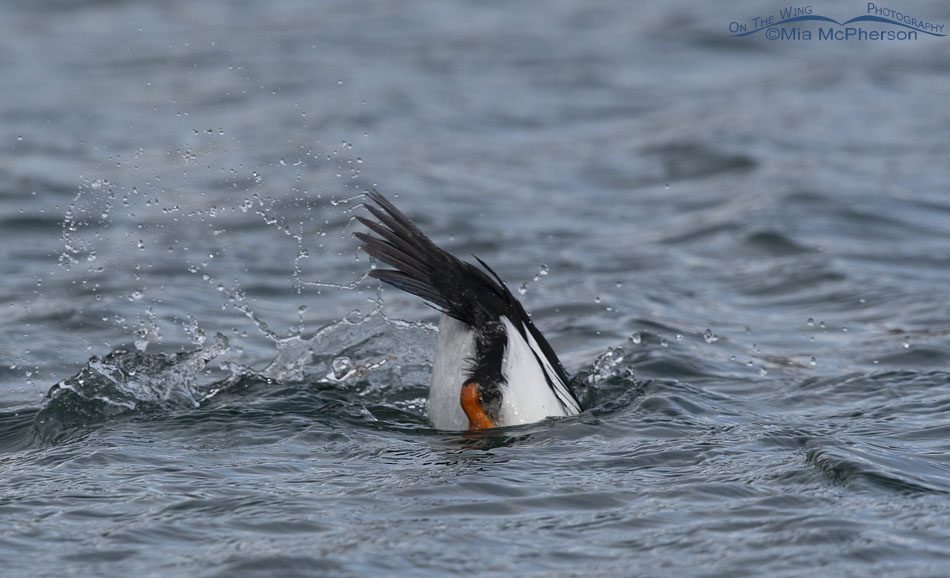
I love to watch both of these mergansers hunting for prey, they move very quickly under the water and just below its surface. They amuse and delight me. Photographing them can be a challenge because the whites of their speculums are easy to blow out. I usually have to dial in some negative exposure compensation to prevent that from happening.

Northern Pintails

Northern Pintails (Anas acuta)
Farmington Bay Waterfowl Management Area, Davis County, Utah
Nikon D200, f6.3, 1/1600, ISO 320, Nikkor 200-400mm VR with 1.4x TC at 400mm, natural light

It is my opinion that Northern Pintails are one of the most beautiful ducks I have ever seen, I sure hope to have more chances to photograph them while they are here.

The ducks that I have shown in this post are just some of the ducks species that have or will soon descend onto the lakes, marshes and ponds in Utah, filling the air with their calls or the sounds of their wings as they fly by.

Yes, things are getting Ducky in Utah and for awhile they are just going to get even duckier!

Mia

More of my Duck images

*PS, I spent last week photographing at Flaming Gorge National Recreation Area, stay tuned for images from there!

Facebook Twitter