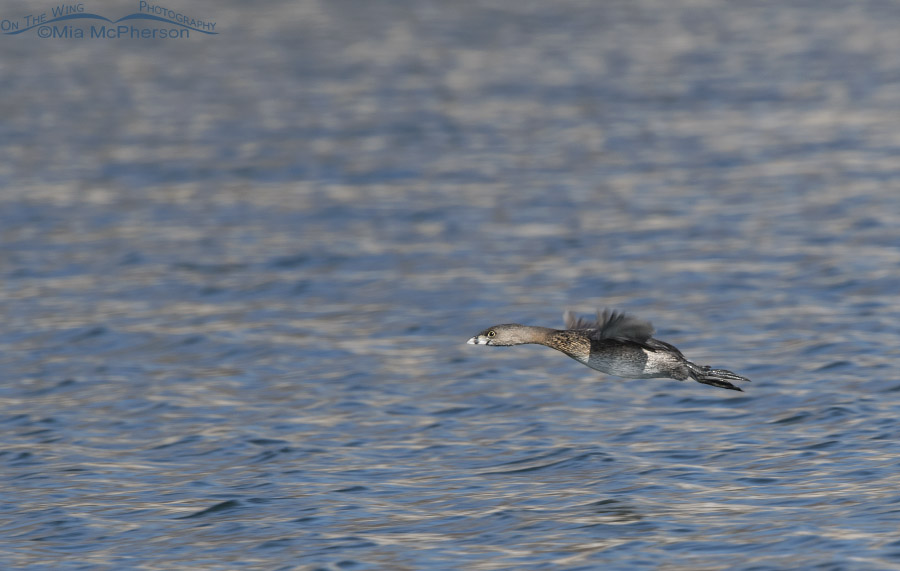
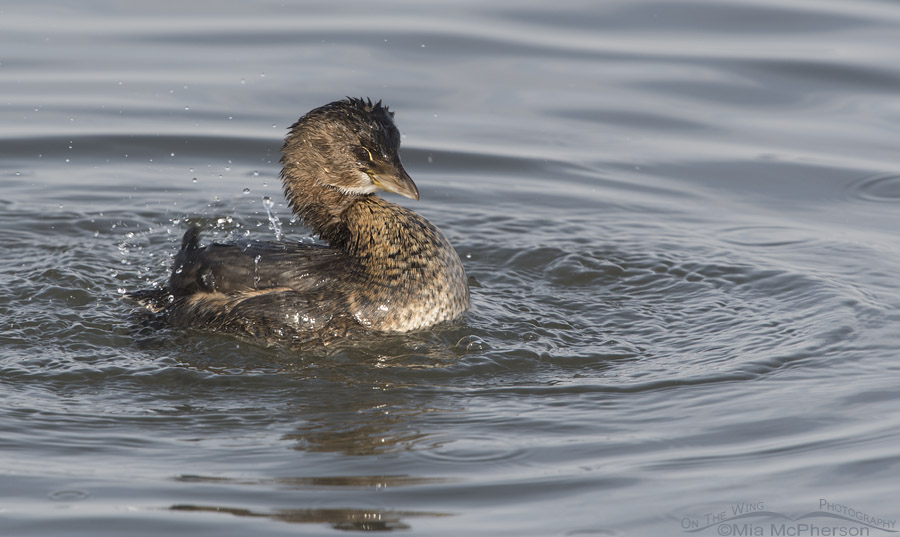
Pied-billed Grebe juvenile

I’ve posted adult Pied-billed Grebes (Podilymbus podiceps) before but hadn’t posted any images of their young on my blog yet so I am posting a few images of one of them today. These images were created at Farmington Bay Wildlife Management Area, just to the north of Salt Lake City, Utah.

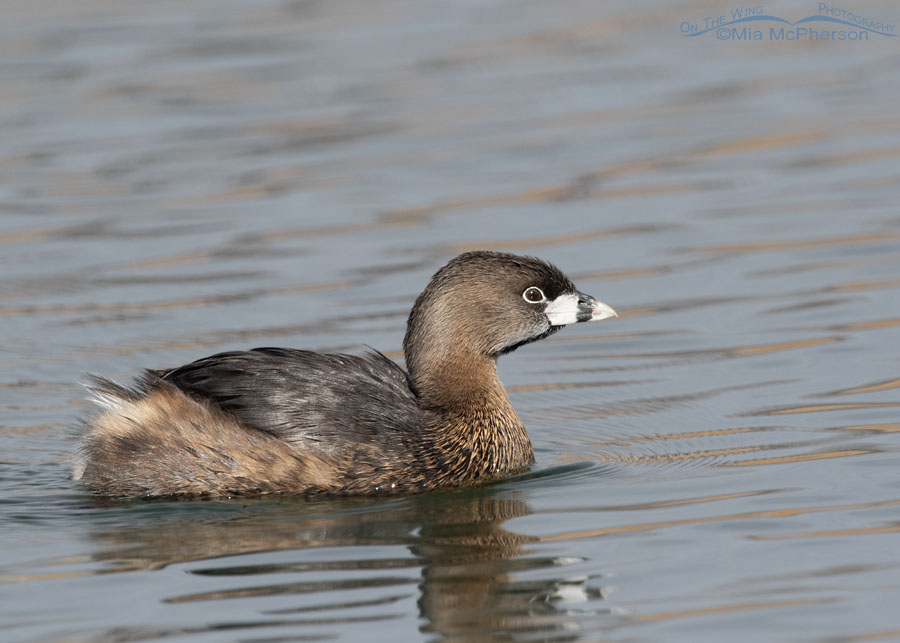
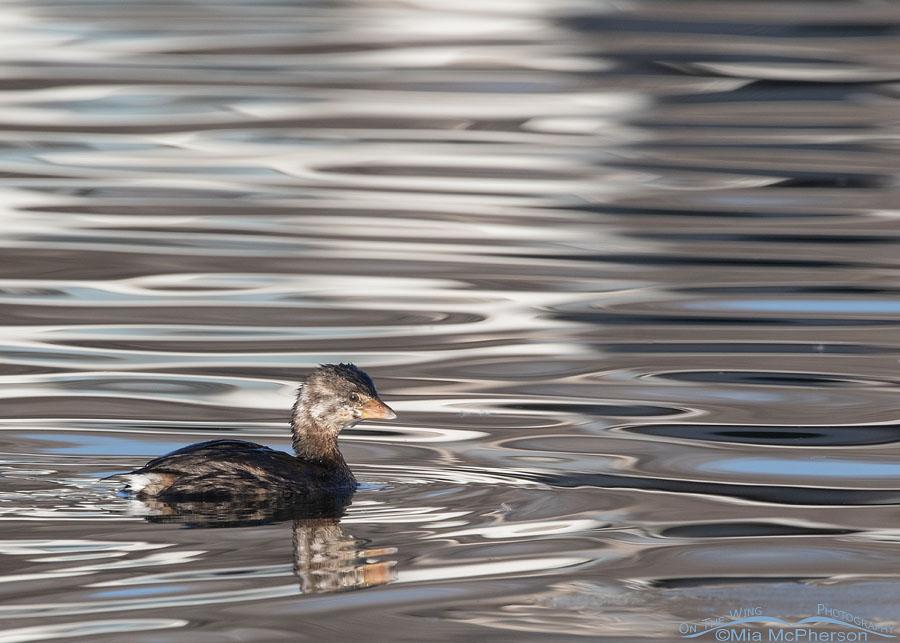
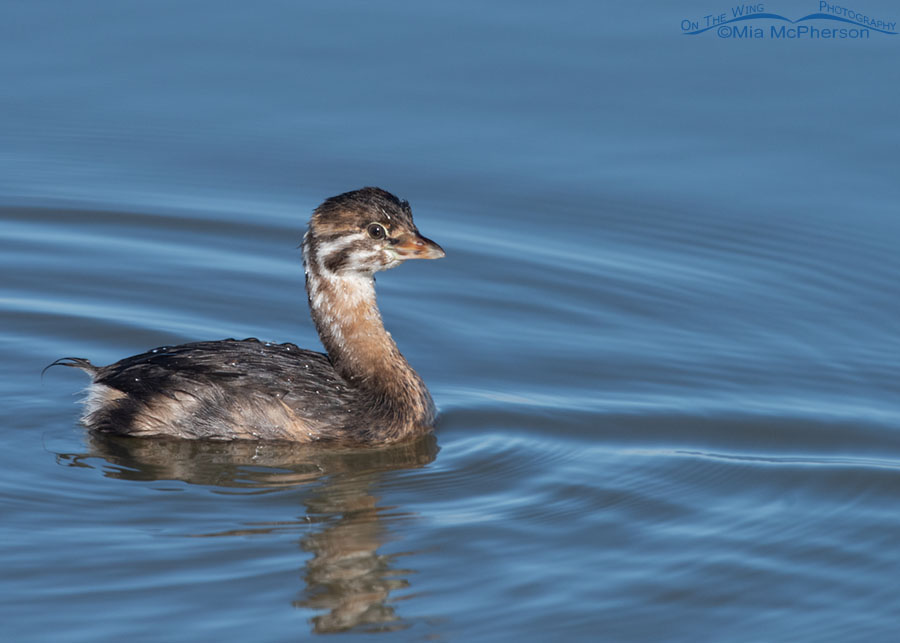
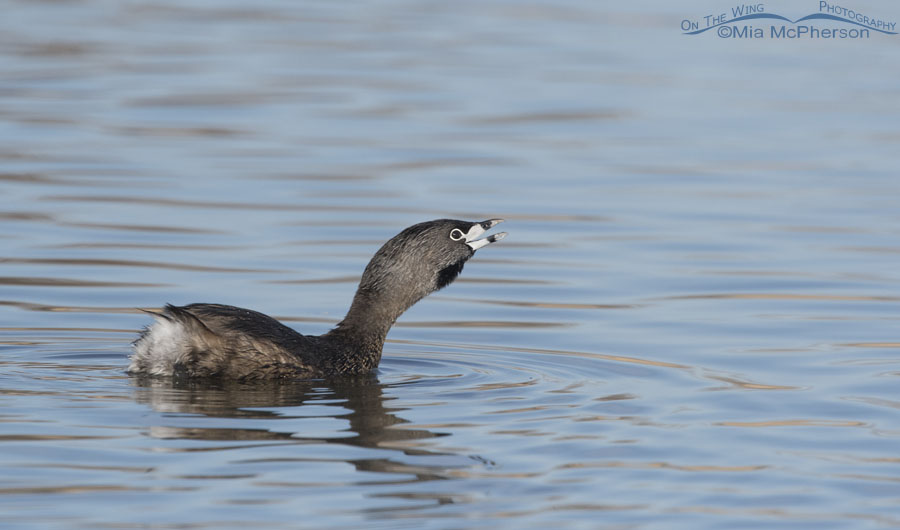
Juvenile Pied-billed Grebe in morning light

Juvenile Pied-billed Grebe in morning light - Nikon D300, f7.1, 1/1000, ISO 500, Nikkor 200-400mm VR with 1.4x TC at 400mm, natural light

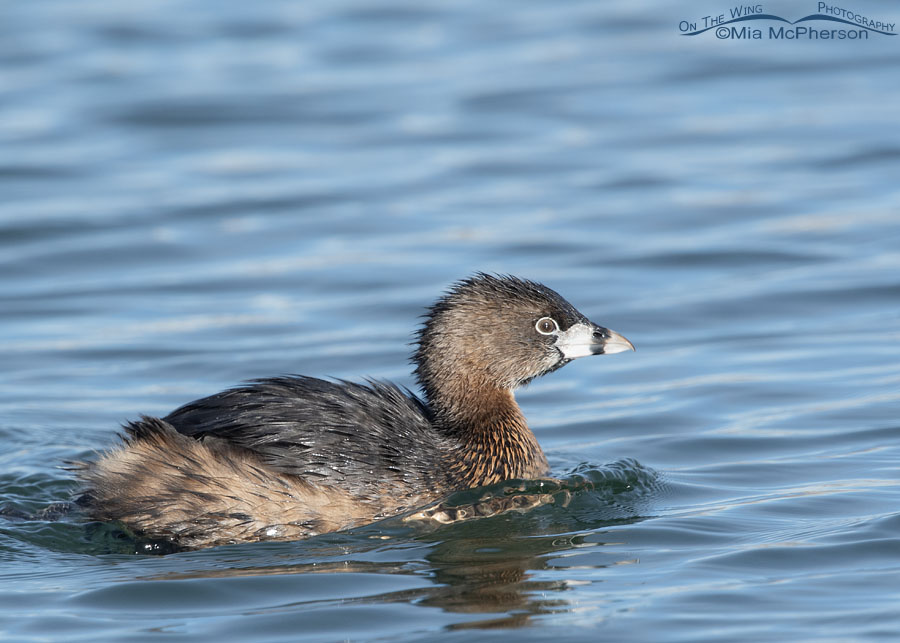
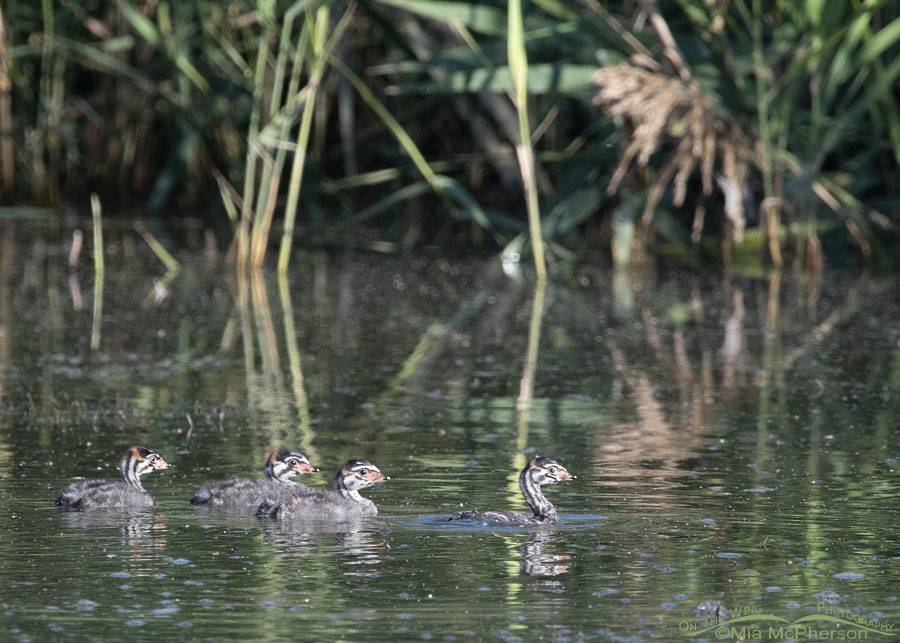
This is a hatch year Pied-billed Grebe and it still shows some of the camouflage that the immature birds have to help them hide from predators. This bird is in the “Stripe-head stage” but it is not nearly as striped as younger Pied-billed Grebes are.

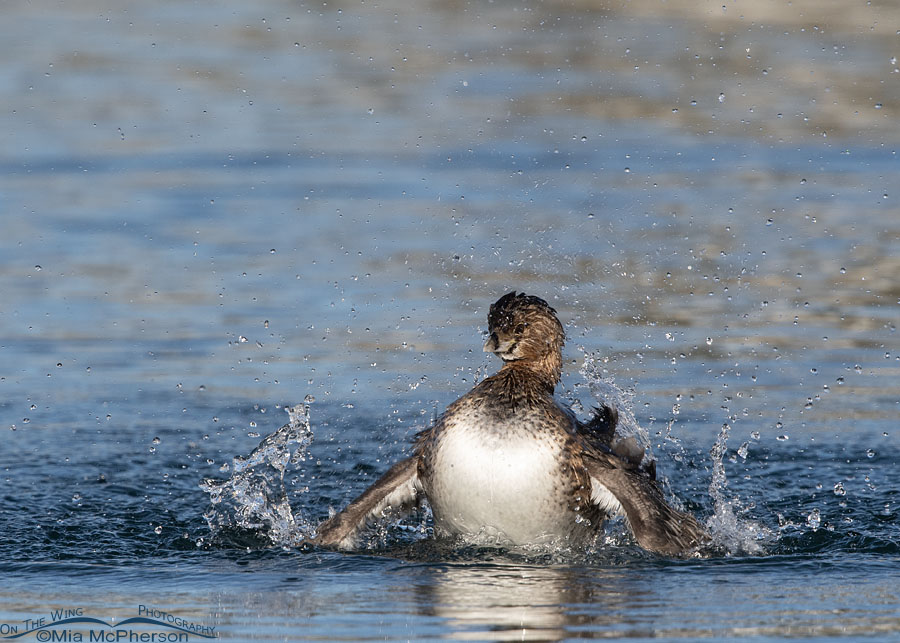
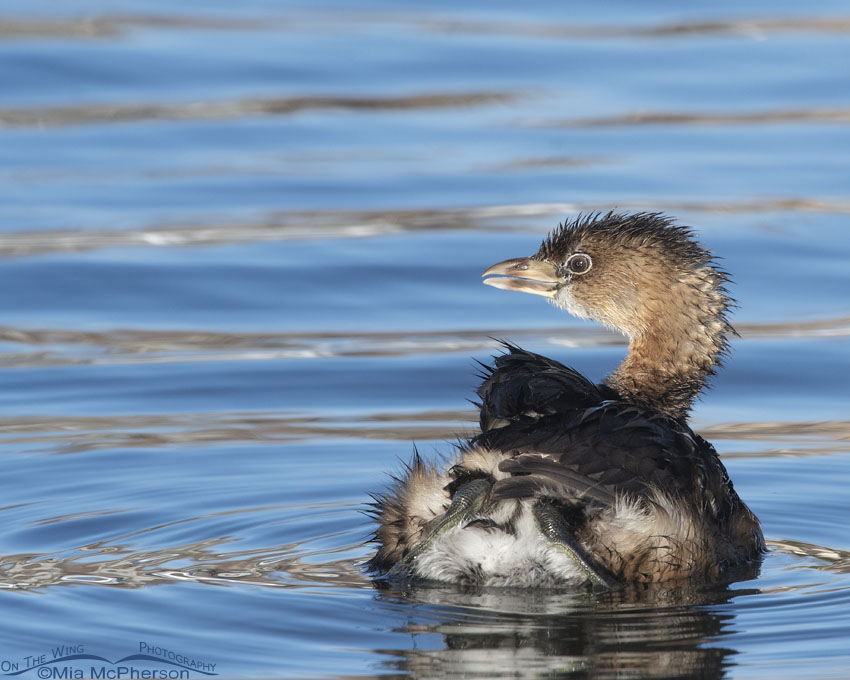
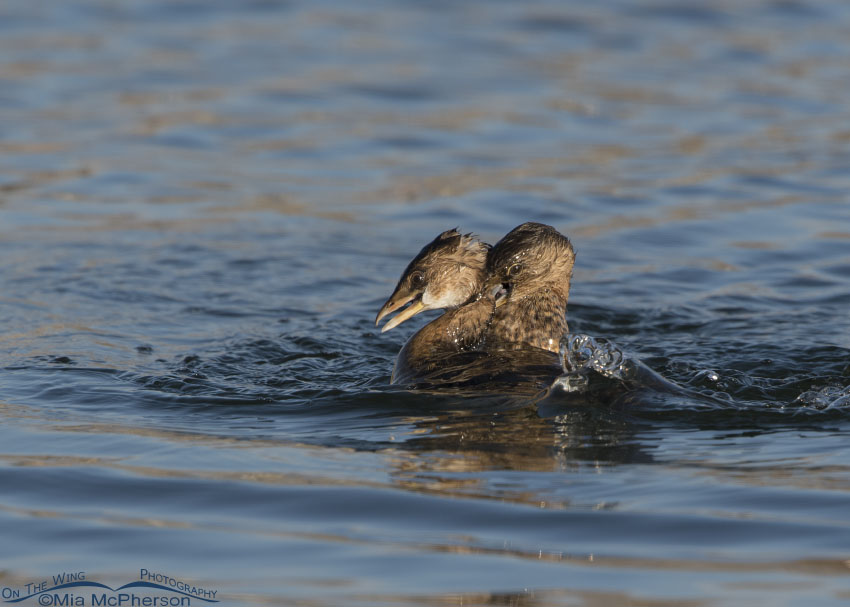
Juvenile Pied-billed Grebe stretching

Juvenile Pied-billed Grebe stretching - Nikon D300, f7.1, 1/1000, ISO 500, Nikkor 200-400mm VR with 1.4x TC at 400mm, natural light

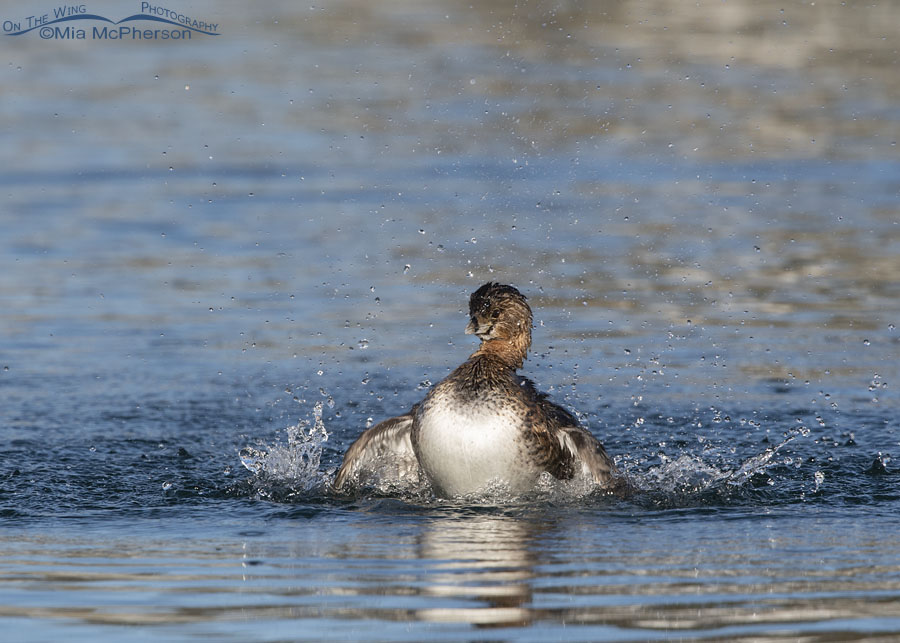
As I observed and photographed this immature Pied-billed Grebe it preened some, did a few stretches and fluffed up it feathers. The image above shows the lobed foot of the bird.

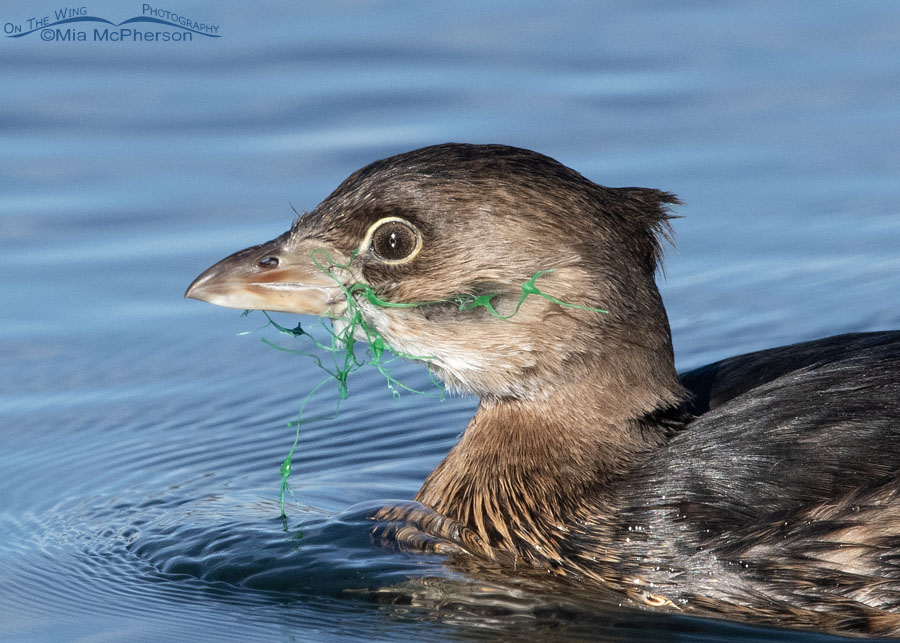
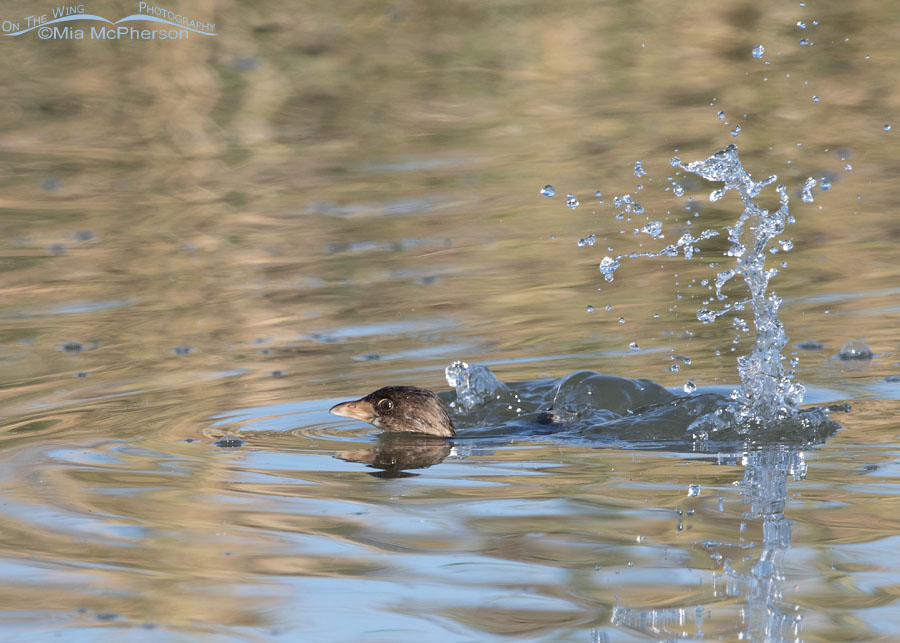
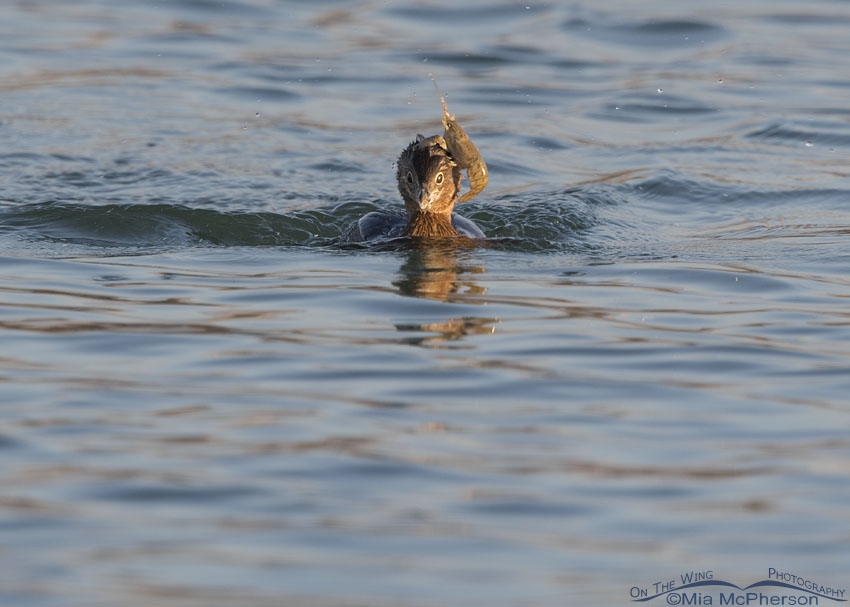
Juvenile Pied-billed Grebe

Juvenile Pied-billed Grebe - Nikon D300, f7.1, 1/1000, ISO 500, Nikkor 200-400mm VR with 1.4x TC at 400mm, natural light

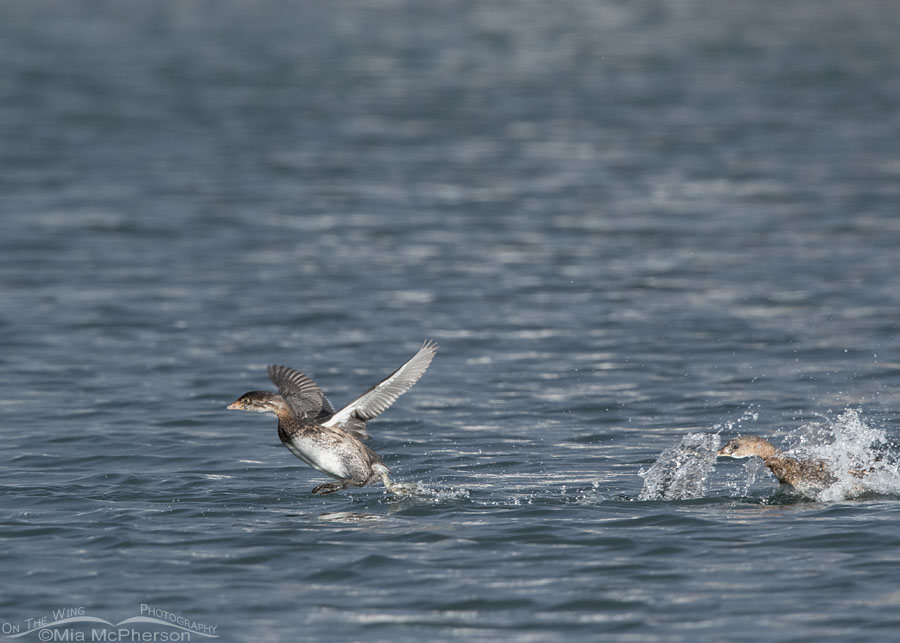
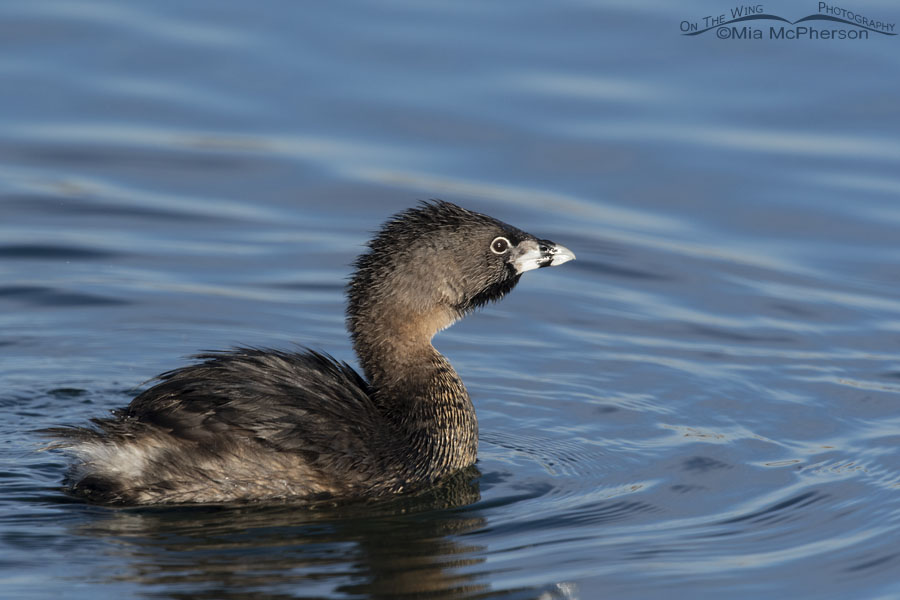
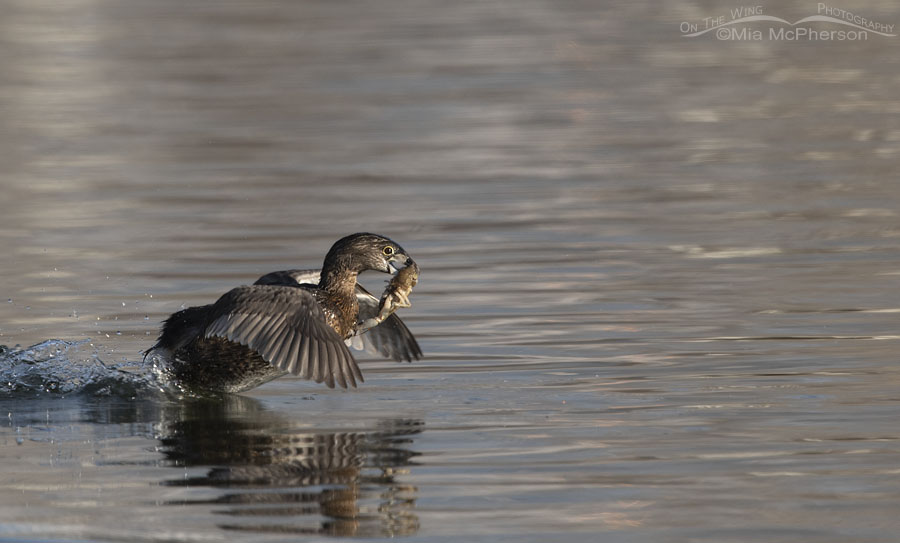
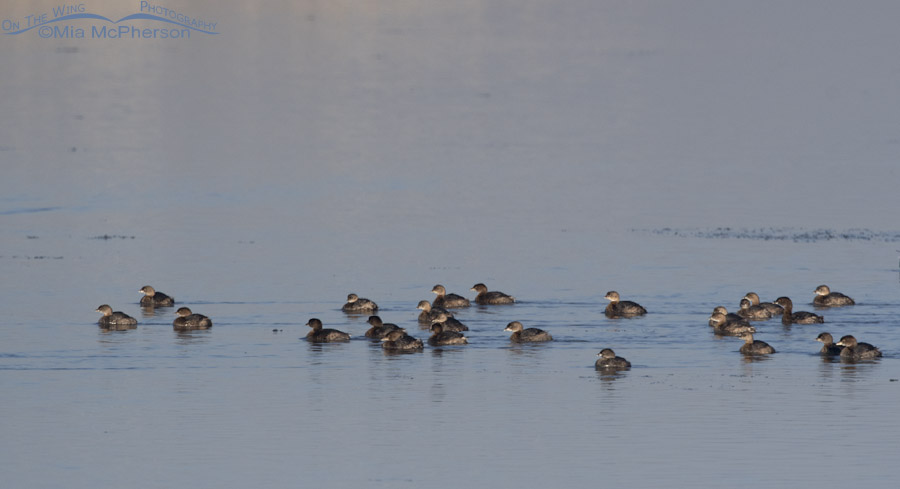
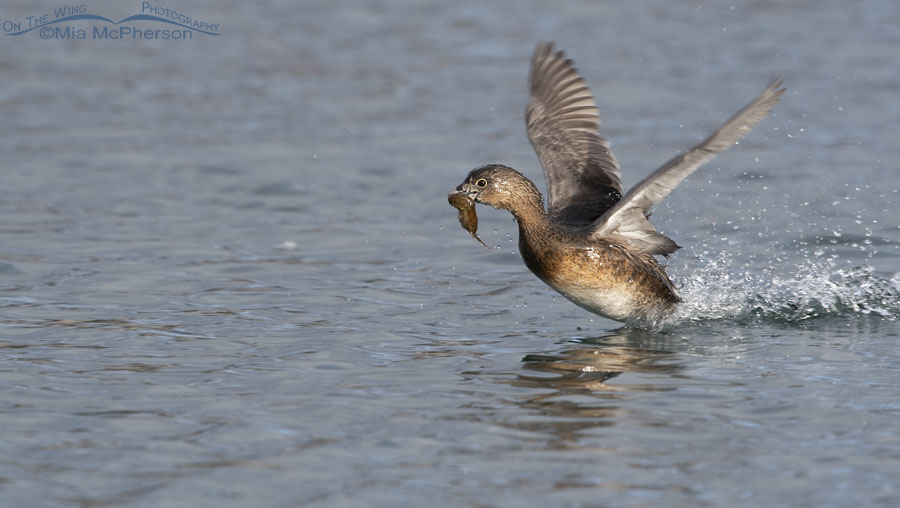
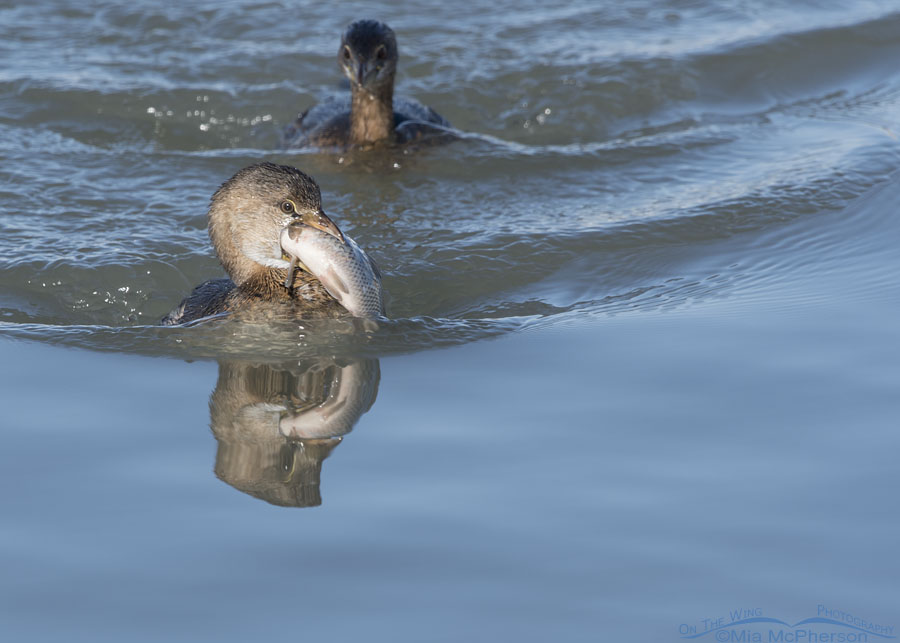
Personally, I think that Pied-billed Grebes (of any age) are fun to photograph because they are so feisty with each other, they often chase each other around when one of them catches a fish in an effort to steal it away.

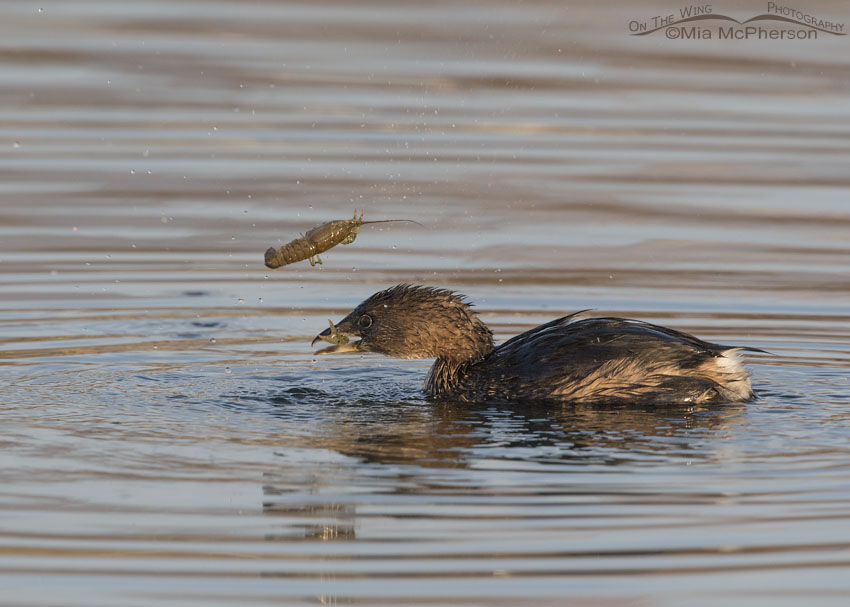
Pied-billed Grebe juvenile

Pied-billed Grebe juvenile - Nikon D300, f7.1, 1/800, ISO 500, Nikkor 200-400mm VR with 1.4x TC at 400mm, natural light

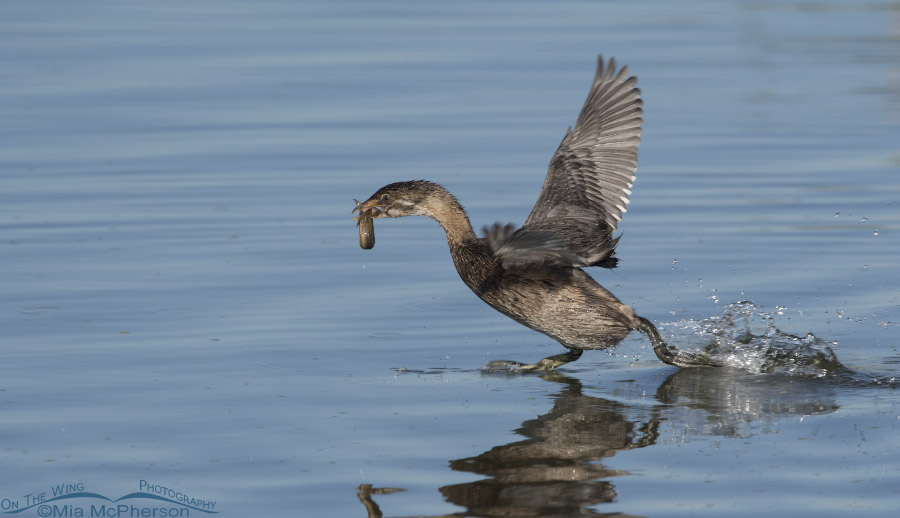
Pied-billed Grebes can live to be at least 3 years old, if not longer. They are rarely seen in flight because they migrate at night. They are capable of long distance flights, some Pied-billed Grebes have flown to Europe, the Azores and the Canary Islands. ¹

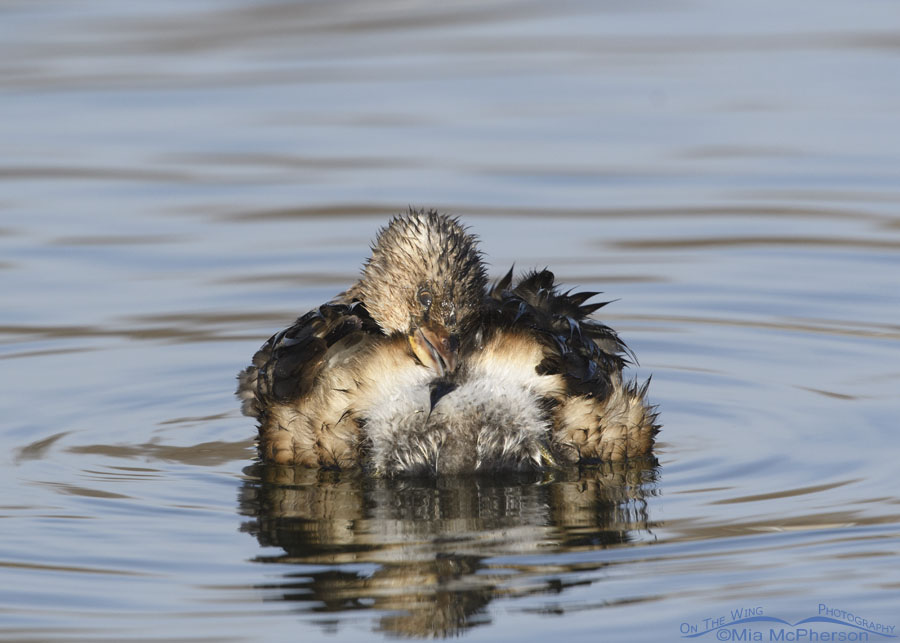
Fluffed up juvenile Pied-biled Grebe

Fluffed up juvenile Pied-billed Grebe - Nikon D300, f7.1, 1/640, ISO 500, Nikkor 200-400mm VR with 1.4x TC at 400mm, natural light

It won’t be long before the adult Pied-billed Grebes in this area begin the nesting season and more of these young grebes will be seen floating on the water near the adults, begging for food or chasing after each other.

Mia

More Pied-billed Grebe images

¹ Birds of North America

Facebook Twitter Stumbleupon Digg Delicious Reddit Posterous Pinterest Email

Share

Taking a look back on a few previous Autumn Birds

Male Ring-necked Pheasant in autumn grasses and Pickleweed
Male Ring-necked Pheasants in autumn grasses and Pickleweed (from 2010)
Farmington Bay Wildlife Management Area, Davis County, Utah
Nikon D200, f6.3, 1/1250, ISO 400, Nikkor 200-400mm VR with 1.4x TC at 400mm, natural light

Some days when I don’t go out to photograph I look back through my files to find out what birds I had seen around the same time last year so I’ll know what birds I might find in certain locations. I also like looking back through the files because I find images I haven’t edited yet.

There are quite a few Ring-necked Pheasants to be found at the Farmington Bay Wildlife Management Area but they can be a challenge to find out in the open. I photographed these two males (one is mostly hidden) last year. We’d already had frost so the Pickleweed had turned crimson red in some spots, combined with the straw colored grasses this turned out to be a rather colorful image. Ah, autumn is very beautiful.

Juvenile White-crowned Sparrow

Juvenile White-crowned Sparrow (from 2010)
Farmington Bay Wildlife Management Area, Davis County, Utah
Nikon D200, f6.3, 1/1600, ISO 400, Nikkor 200-400mm VR with 1.4x TC at 400mm, natural light

I like the subdued colors in the image above of this juvenile White-crowned Sparrow. The leaves on this shrub had already fallen and pale golden grasses made for a nice background setting. Despite the bird and the setting having similar coloration the birds stands out very well.

Pied-billed Grebe
Pied-billed Grebe (from 2008)
Farmington Bay Wildlife Management Area, Davis County, Utah
Nikon D200, f6.3, 1/1000, ISO 320, +0.7 EV, Nikkor 200-400mm VR with 1.4x TC at 400mm, natural light

The Pied-billed Grebes that I have seen very little of during the summer are now making their appearance. They might be “plain” birds but what they lack in color they make up for with their attitudes, they are fiesty little grebes. I’ve seen them chasing after Red-breasted and Common Mergansers with fish to try and grab the food, Red-breasted Mergansers outweigh the Pied-billed Grebe by approximately 1.3 lbs and  Common Mergansers out weigh them by 2.4 lbs. Pretty gutsy birds.

Red-winged Blackbird male

Red-winged Blackbird male
Farmington Bay Wildlife Management Area, Davis County, Utah
Nikon D200, f6.3, 1/500, ISO 400, -0.3 EV, Nikkor 200-400mm VR with 1.4x TC at 400mm, natural light

In October and November large flocks of Red-winged Blackbirds can be found in the Salt Lake Valley along with similar flocks of Starlings and Yellow-headed Blackbirds. I love the sound of the flocks lifting off in unison when I can hear the “whoosh” of their wings.

The Red-winged Blackbird above posed for over 10 minutes on this cattail giving me plenty of time to get my exposure right, photographing black birds is a challenge. When the temps get really chilly Red-winged Blackbirds (and other species) get “sticky”, meaning they are less apt to fly off right away.

Male Northern Harrier hovering in flight
Male Northern Harrier hovering in flight (from 2010)
Farmington Bay Wildlife Management Area, Davis County, Utah
 Nikon D200, f5.6, 1/500, ISO 640, +1.0 EV, Nikkor 200-400mm VR with 1.4x TC at 400mm, natural light, not baited

Autumn means more Northern Harriers in the local places where I photograph birds, although harriers are year-round residents in the Salt Lake Valley, I see them most often and in greater numbers during the fall and winter. Male and female harriers look very different from each other. The male is often called the “Gray Ghost” though I’ve had many hits on my blog for the key words “light morph northern harrier”. The females are darker, brownish and have paler yellow eyes than the male.

Juvenile Red-tailed Hawk

Juvenile Red-tailed Hawk (from 2010)
Tooele County, near the Stansbury Mountains, Utah
Nikon D200, f6.3, 1/1250, ISO 400, Nikkor 200-400mm VR with 1.4x TC at 400mm, natural light, not baited

Raptors like this juvenile Red-tailed Hawk move down fom the high country during the autumn to the valleys to stay during the winter, the past few weeks I have seen their numbers increasing.

This Red-tailed Hawk was basking in the morning light near the top of an earthen dam with the Stansbury Mountains in the background. I couldn’t have asked for better light.

Photographing birds during Autumn is a wonderful time for me in Utah, the beautiful fall colors delight and enthrall me, the air gets nippy and I find myself feeling a surge of energy whenever I am outdoors. I’m thinking  about adding new base layers to my clothing, warmer, insulated boots and buying a box of hand warmers so I don’t freeze my finger tips off.

Yes, I am looking forward to the birds I’ll see and photograph this autumn and winter but just being out there with them is great too.

Mia

Facebook Twitter Stumbleupon Digg Delicious Reddit Posterous Pinterest Email

Share

Friday Photos – Pied-billed Grebes

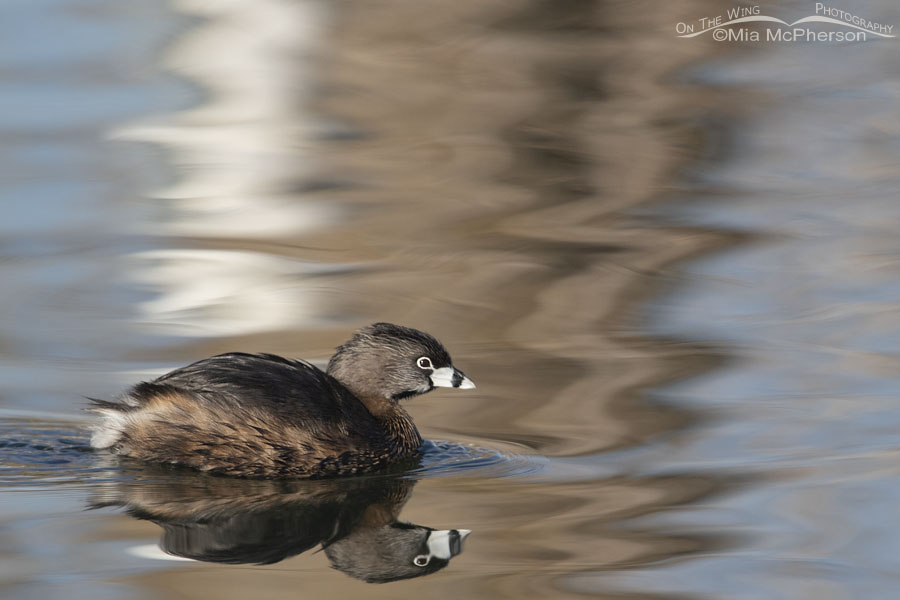
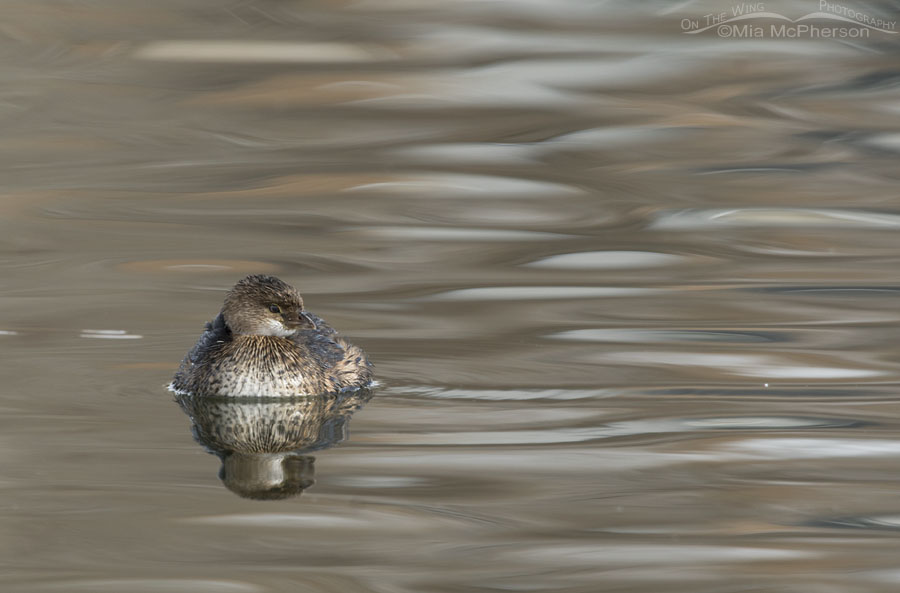
Pied-billed Grebe (Podilymbus podiceps) Reflections

Pied-billed Grebe (Podilymbus podiceps) Reflections
Salt Lake County, Utah
Nikon D200, tripod mounted, f7.1, 1/500, ISO 250, Nikkor 200-400mm VR with 1.4x TC at 400mm, natural light

This morning I did something I haven’t done in awhile, I put a sweatshirt on because the morning had a slight nip in the air and it reminded me that fall will be here soon. I’m looking forward to the crisp cool air after all the summer heat but most of all I am looking forward to the birds I have missed seeing during the hottest part of the year, one of those birds are the Pied-billed Grebes.

When the heat arrives here in Utah I just do not see the Pied-billed Grebes frequently and I get to missing the saucy, feisty little grebes but as cooler temperatures prevail I begin to see them far more often. Pied-billed Grebes are the widest ranging of the grebes of North America and what they lack in size they make up for with big attitudes. They sure don’t hesitate to chase much larger birds out of their territories.

An interesting fact about Pied-billed Grebes is that they only migrate at night. I’ve seen them flap their wings when they are agressively chasing other birds but I have never seen them in flight. Also; their legs are placed so far back on their body that walking is extremely difficult for them, I have only seen them walking on the shoreline a few times. Here in Utah they will migrate south only after the ponds and lakes freeze completely over.

The image above was taken after the frost had turned the vegetation surrounding this pond a warm golden color, it sure made for delightful colors reflected on the water’s surface that compliments the shades of browns of the grebe very nicely.

Some people call them “drab little birds” but I find their subtle coloring very appealing plus I love to watch these small grebes and the funny things they do.

Mia

More Pied-billed Grebe images


Facebook Twitter Stumbleupon Digg Delicious Reddit Posterous Pinterest Email

Share

Bird Photography Close to Home

Many beginning photographers dream of taking images in far off places of exotic birds, and there is nothing wrong with that. But we shouldn’t overlook the benefits of photographing birds closer to home.

  • When you photograph species local to your area you can spend time learning about the behavior of the birds, the habitats they prefer and when and where to find them in the best light. You’ll also learn to anticipate certain actions of the birds as well.
  • When you photograph close to home you have ample opportunities to hone your techniques, learn your cameras settings as well as the strengths and limitations of your equipment.
  • You will begin to see the seasonal patterns of migration for birds and will be able to anticipate when those species will be arriving in your locale.

Male Ring-necked Duck on a winter day

Male Ring-necked Duck on a winter day
Salt Lake County, Utah
D200, tripod mounted, f8,1/800, ISO 250, 200-400mm VR with 1.4x TC at 400mm, natural light.

The Ring-necked Duck (Aythya collaris) photo above was taken at a city park pond a few blocks from where I live on a cold but sunny winter day. The duck was closer to the shoreline than it would be in summer because of the ice in the center of the pond. I’ll know this coming winter to look to see when the ice forms and will be able to anticipate that the ducks and grebes may be closer to shore.

Another reason to photograph birds closer to home are the resources that you can tap into to locate good birding spots.

  • Join or access the website for your local Audubon Chapter. You will find a wealth of information about the birds and quite often they write about great locations to find them.
  • Find the local bird listserve or online bird listing sites, you will be up to date with which birds are being seen where.
  • If there is a local website (like UtahBirds.org here) you can find information on locations to see & photograph birds there too.

Male Red-breasted Merganser

 Male Red-breasted Merganser
Salt Lake County, Utah
D200, tripod mounted, 1/800, ISO 400, 200-400mm VR with 1.4x TC at 400mm, natural light

The Male Red-breasted Merganser (Mergus serrator) photograph above was also taken at the pond near where I live, in fact all of the images you will see on this post were taken there.

This merganser stayed at the pond for several weeks allowing me plenty of time to practice my exposure settings for this species in breeding plumage. The high contrast of blacks, whites and reds make it a challenge to expose correctly. Because of my close proximity to this location I was able to spend quite a few mornings photographing this bird. I didn’t have to travel far plus I could sit and sip my coffee while I waited for it to get closer.

Pied-billed Grebe look back

Pied-billed Grebe look back
Salt Lake County, Utah
D200, tripod mounted, f7.1, 1/640, ISO 250, 200-400mm VR with 1.4x TC at 400mm, natural light

I took this Pied-billed Grebe (Podilymbus podiceps) photo above because when I looked through my viewfinder I loved the golden tones of the water caused by the reflection of a stand of dried Phragmites along the shoreline and was very pleased with the pose of the grebe in this image.

I don’t believe that you need to go to exotic locations to create beautiful and compelling images, you can most likely accomplish that within less than 10 -15 miles from where you live.  Even a town dump might be a fine location if you watch the background!

  • Look for “greenspaces” within your community. These areas can offer food, water and shelter, birds may live there all year long or migrate through.
  • Look  for small city or county parks and visit them at different times of the day and through the year, you might be surprised by what might show up.

American Whie Pelican about to lift offAmerican White Pelican about to lift off
Salt Lake County, Utah
D200, tripod mounted, f7.1, 1/2000, ISO 250, 200-400mm VR with 1.4x TC at 400mm, natural light

A flock of American White Pelicans (Pelecanus erythrorhynchos) flew down to the pond on the day I took the image above. I liked the pose this one took and how the feathers on the top of the head lifted up with a slight breeze.  

Get to know the managers, caretakers and visitors to your local parks, greenspaces and other areas, you will be surprised at how much you can learn from talking to people. Quite often a big lens is enough to encourage strangers to speak to you and they might share another location you might not be aware of.

American Coot reflections

 American Coot and reflections
Salt Lake County, Utah
D200, tripod mounted, f7.1, 1/500, ISO 250, 200-400mm VR with 1.4x TC at 400mm, natural light.

American Coots (Fulica americana) can be challenging to photograph because of their dark plumage and by photographing close to home you will have time to learn how to expose them correctly.

By knowing your photographic locations well, learning what species of birds are present and at which time of the year, knowing the lighting in those locales at different times of the day and becoming knowledgeable about the subjects you want to photograph you can produce images that rival or surpass those taken in exotic locations.

And you won’t have to take out a second mortgage to do it.

Mia

More of my Bird images

Facebook Twitter Stumbleupon Digg Delicious Reddit Posterous Pinterest Email

Share