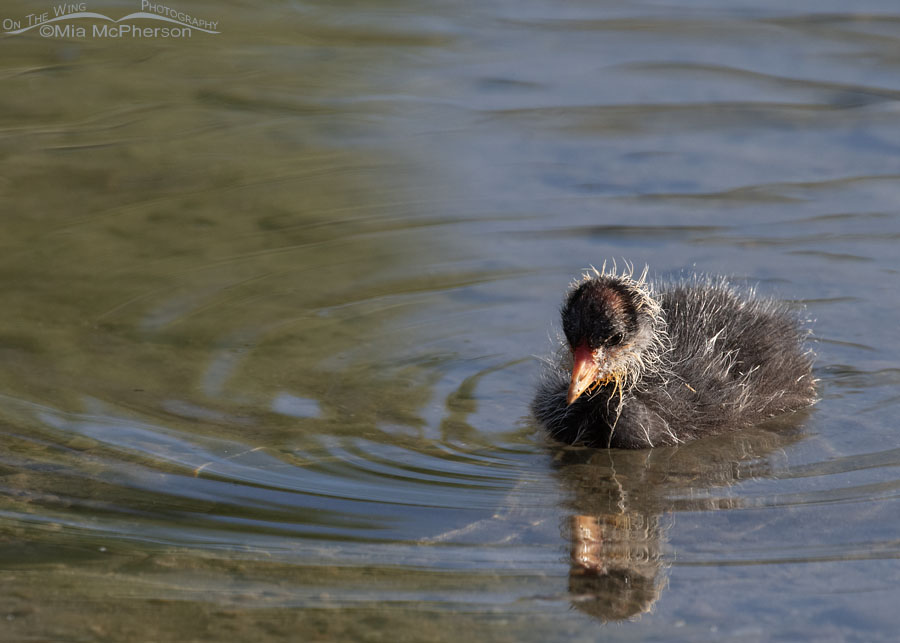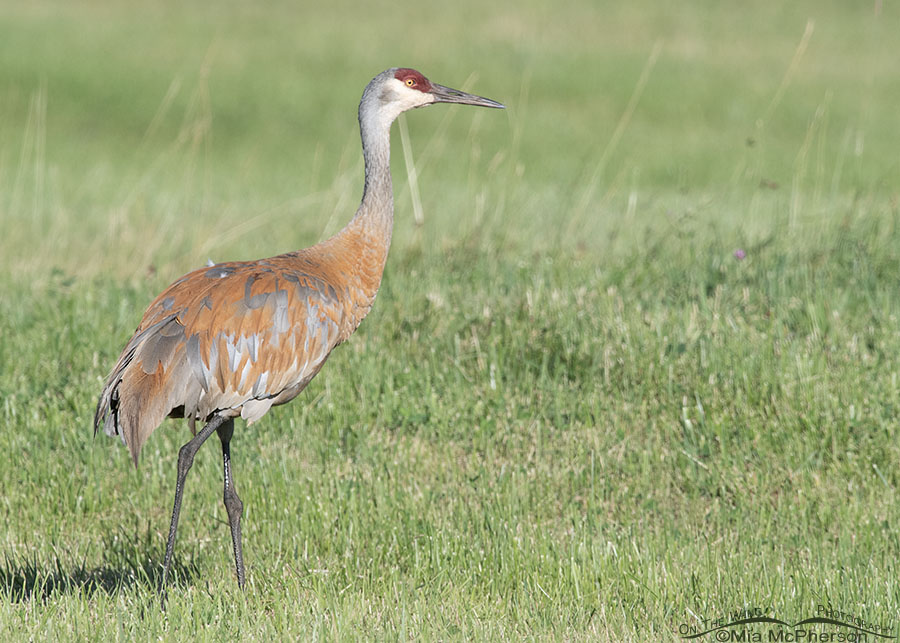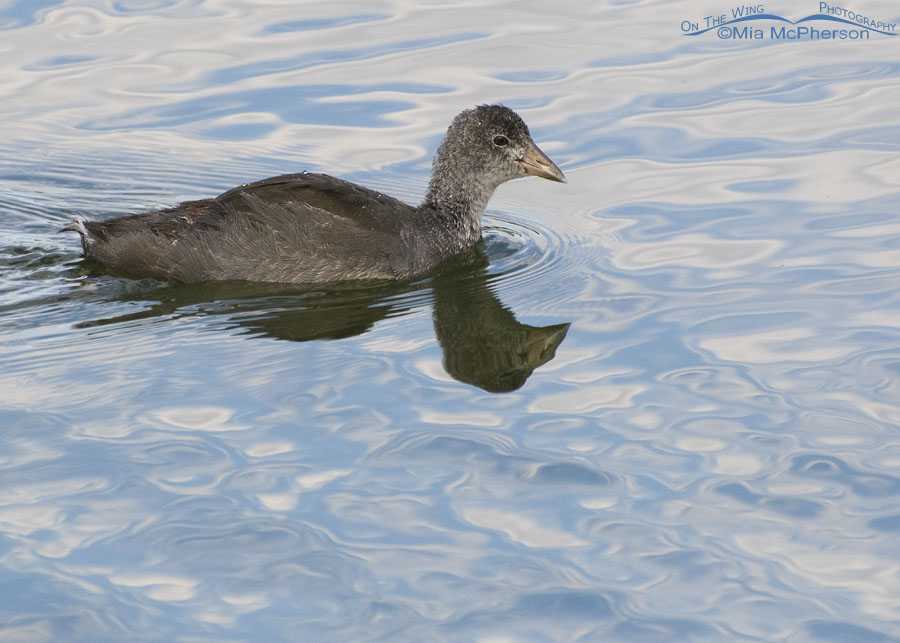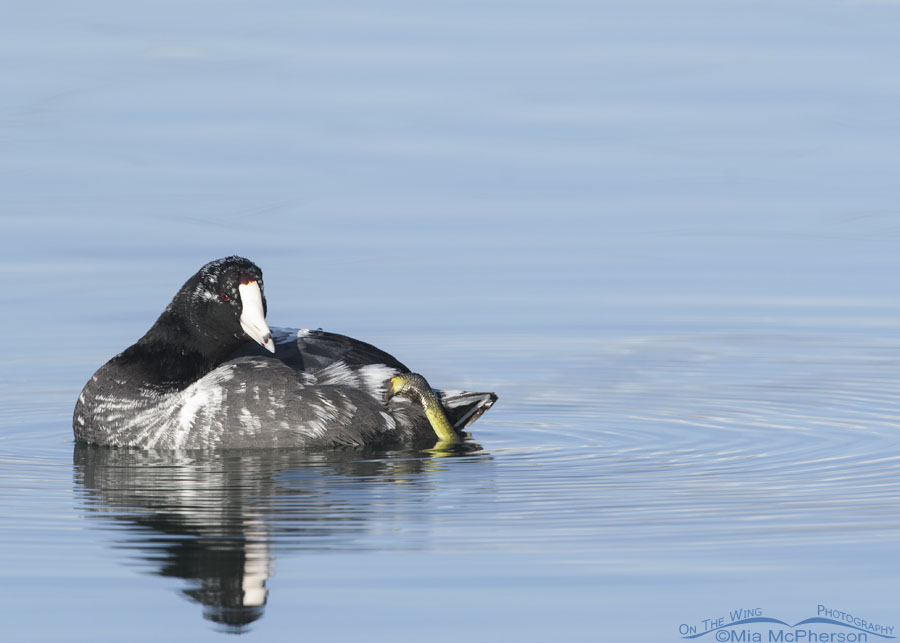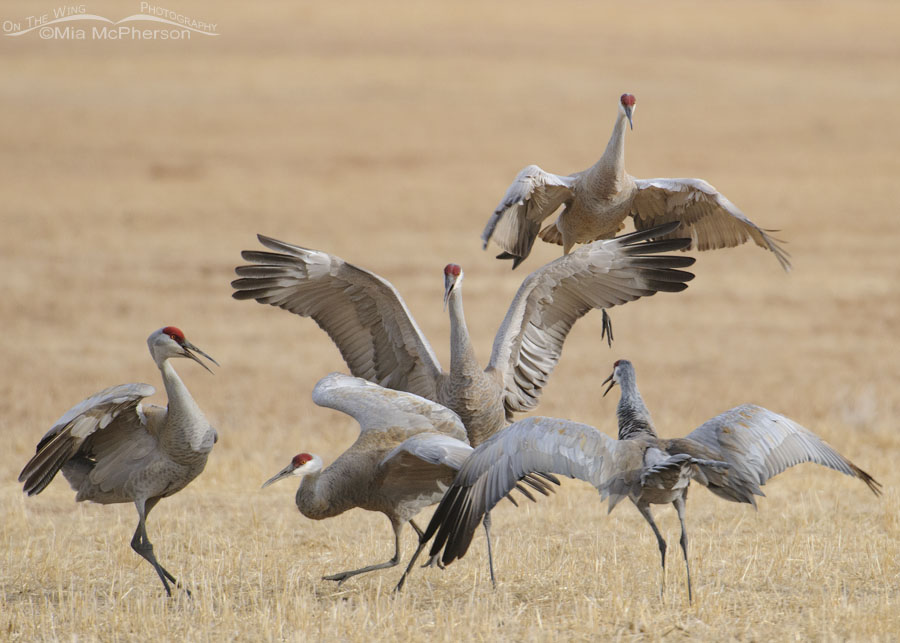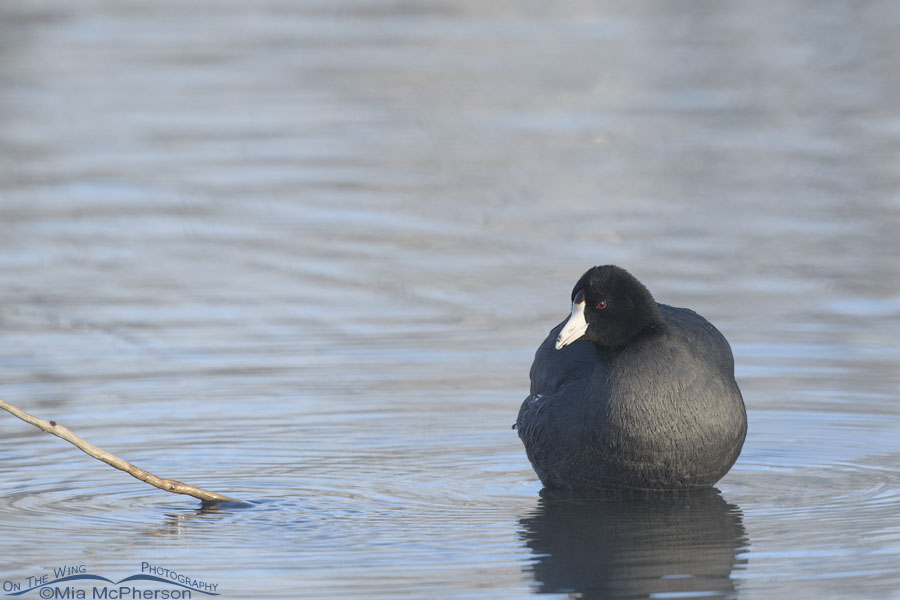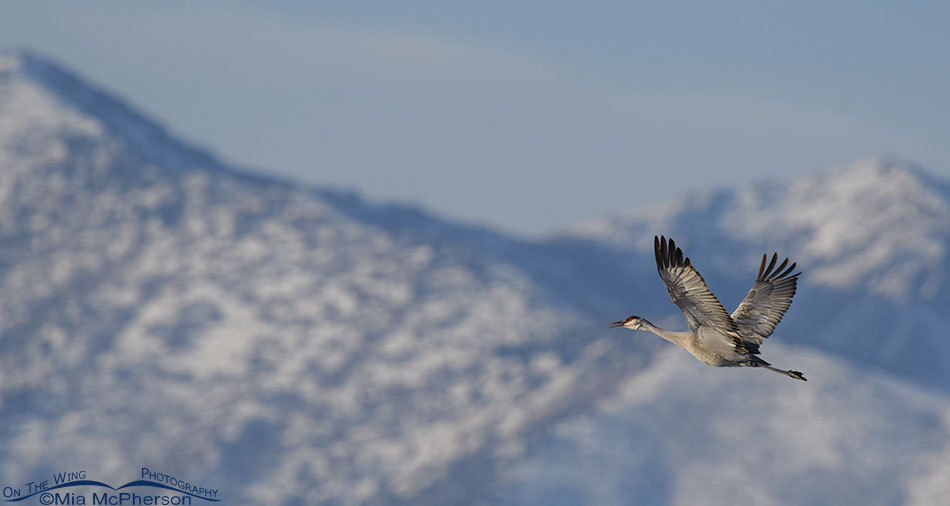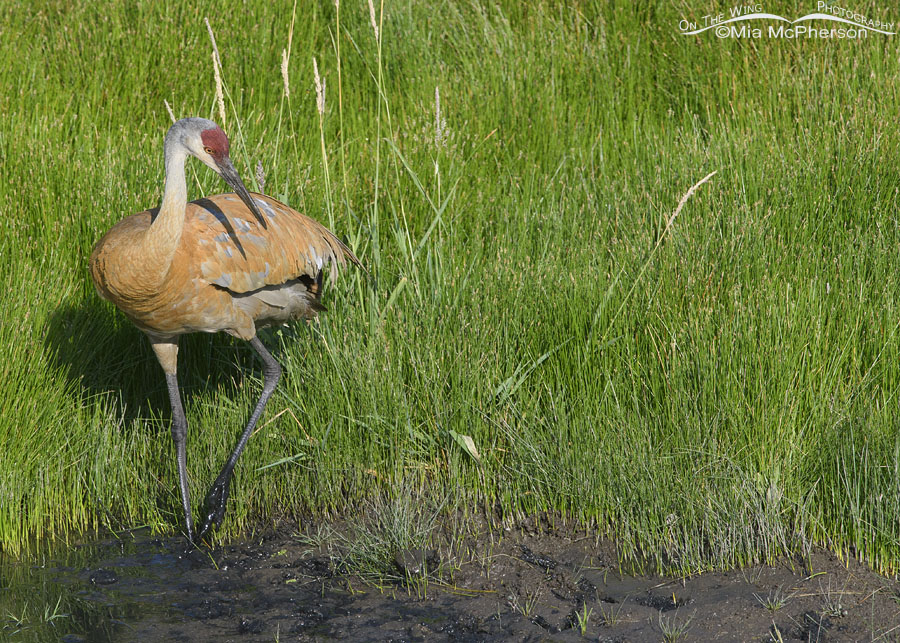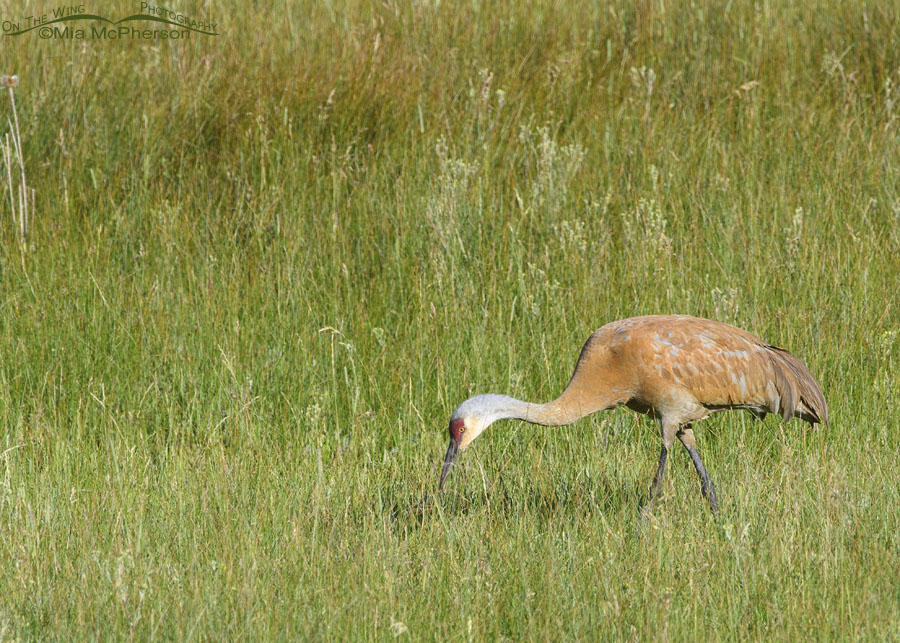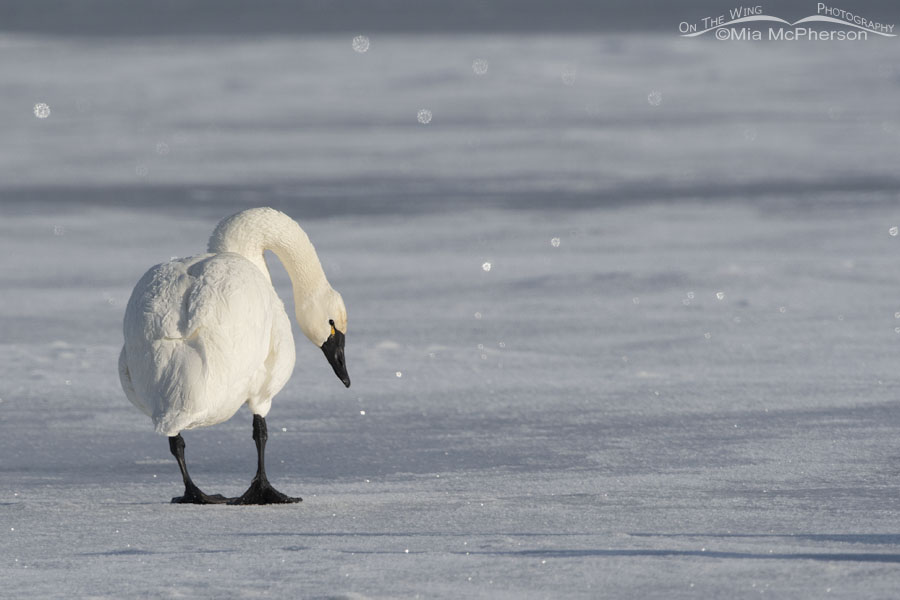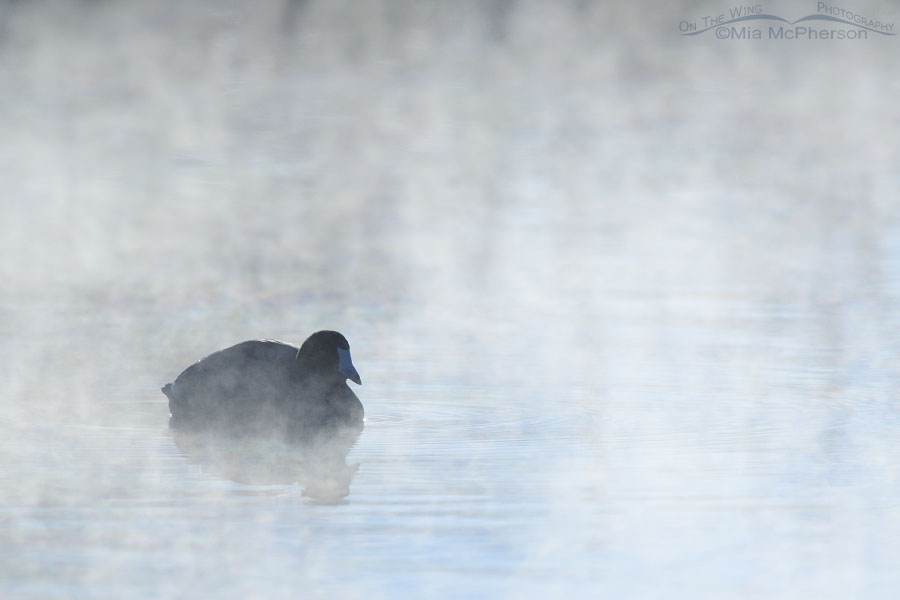

This time of the year I start dreaming about the Centennial Valley of Montana and of the birds that call the valley home during the summer. In my mind I can hear the Sandhill Cranes and Coyotes calling as the mist rises off of the lake. And the pungent smell of Sagebrush as I move past them.
Juvenile Swainson’s Hawk in the Centennial Valley
I know that if I am lucky I will get to see hawks, eagles, owls and falcons. I enjoy seeing the hatch year hawks like this Swainson’s Hawk juvenile perched on a fence post near Red Rock Creek.
Juvenile Red-tailed Hawk in the Centennial Valley
And juvenile Red-tailed Hawks warming in the light of the rising sun.
Dark morphHarlan’s Red-tailed Hawk juvenile with an American Coot
I haven’t had many opportunities to photograph the Harlan’s subspecies of the Red-tailed Hawk so I was thrilled yesterday when I spotted a juvenile dark morph Harlan’s Hawk feeding on a dead American Coot on the bank of a creek. There were coot feathers all over the snow and the juvenile Harlan’s didn’t seem bothered by our presence as it kept feeding on its prey.
A pile of feathers and a Harlan’s Hawk
This was a real treat for me to see this bird up close, observe its behavior and to be able to photograph it. Harlan’s are a dark subspecies of Red-tailed Hawk and typically I see far fewer of them than western Red-tailed Hawks.
Harlan’s Hawk juvenile
I was able to get a couple hundred images of this young raptor while it fed on the coot.
Harlan’s lifting off with prey
Then another vehicle that had passed by the pickup backed up to see what we were photographing and that was too much for the Harlan’s comfort so it grasped the coot in its talons…
Juvenile Harlan’s flying away with an American Coot
And flew away to finish its meal in peace.
Mia
*All images were taken with a Nikon D300, f8, ISO’s of between 400 to 500, shutter speeds between 1/1250 and 1600, +0.3 EV, a Nikkor 200-400mm VR with 1.4x TC at 400mm, natural light, not baited, set up or called in. The Harlan’s provided its own meal.
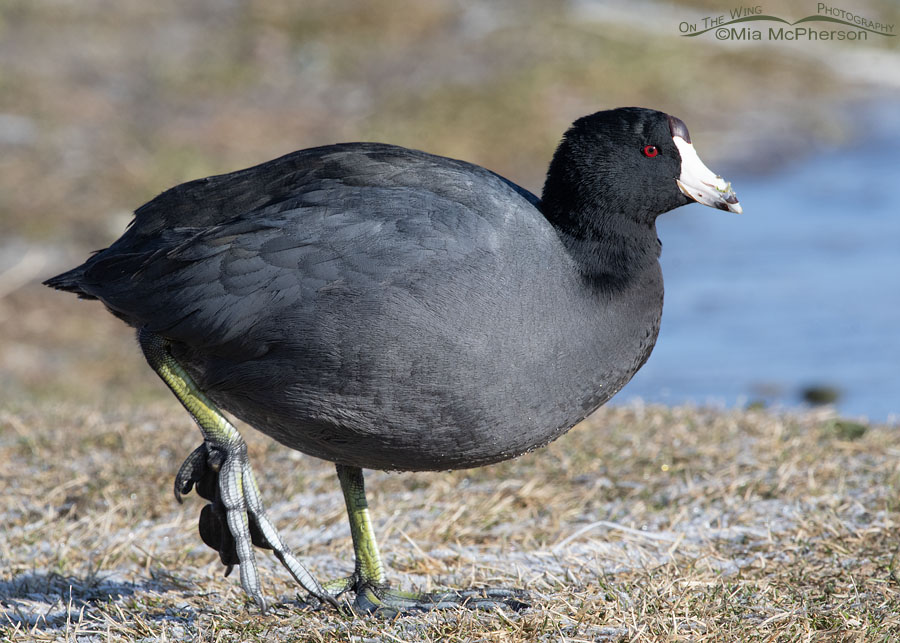
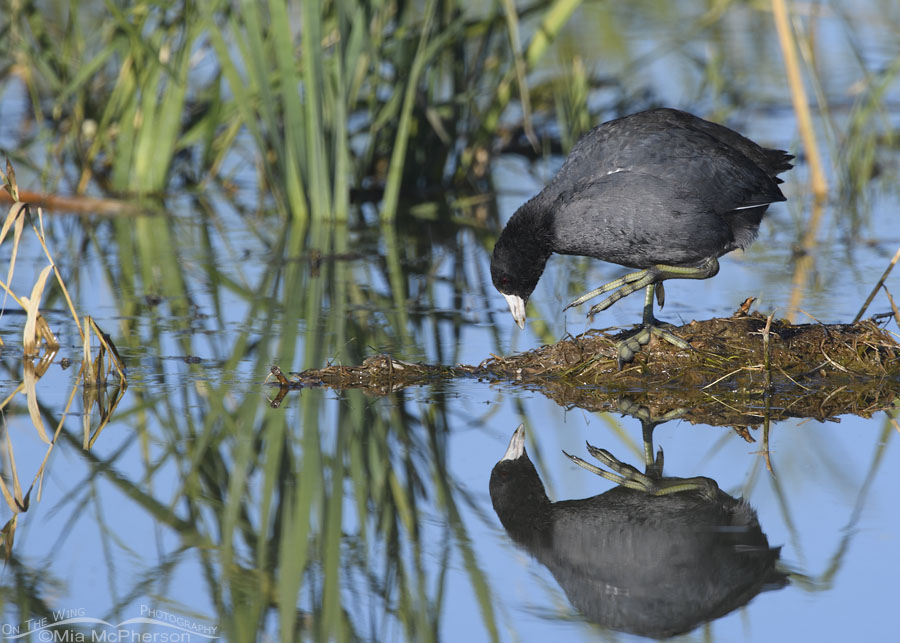
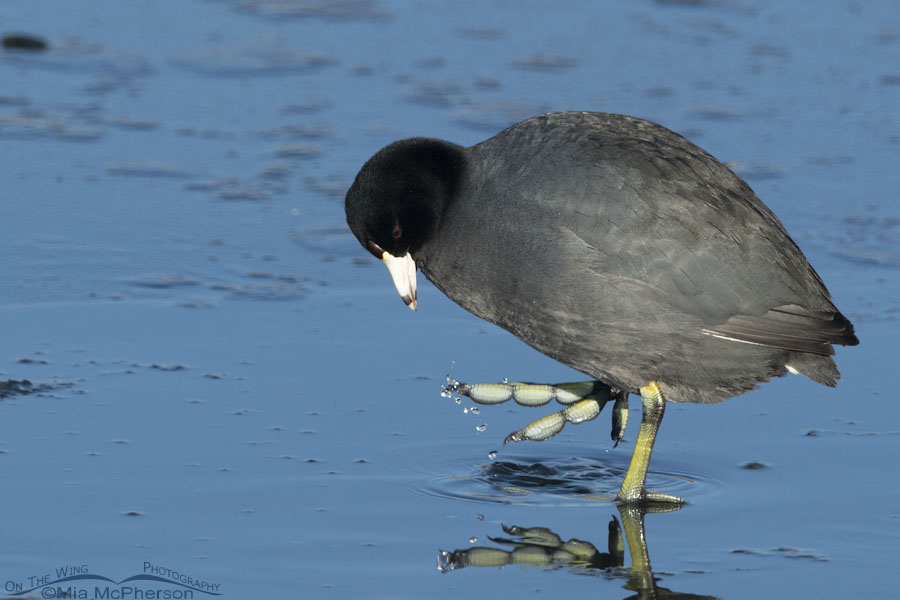
American Coot’s large lobed feet – Nikon D300, f6.3, 1/1250, ISO 400, Nikkor 200-400mm VR with 1.4x TC at 400mm, natural light
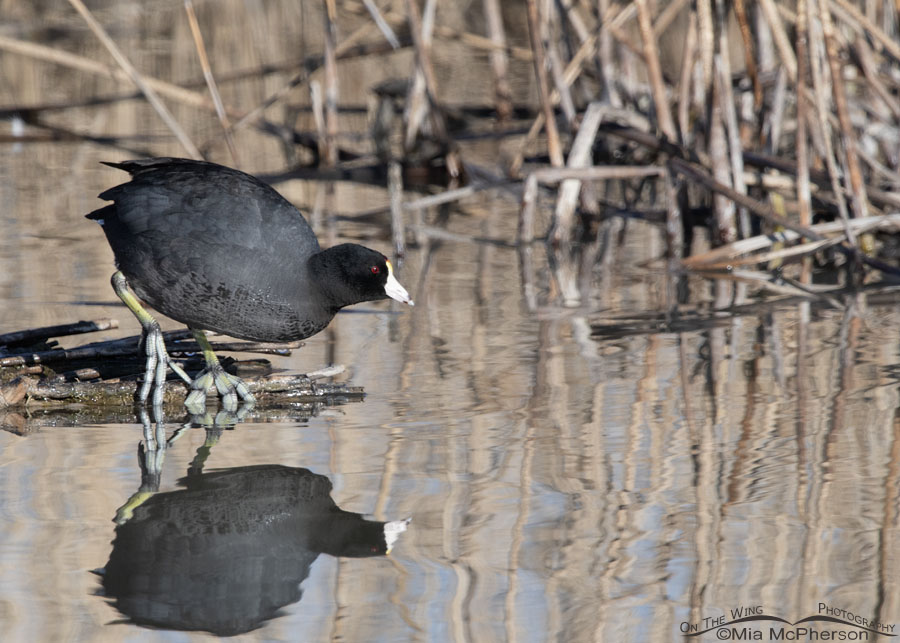
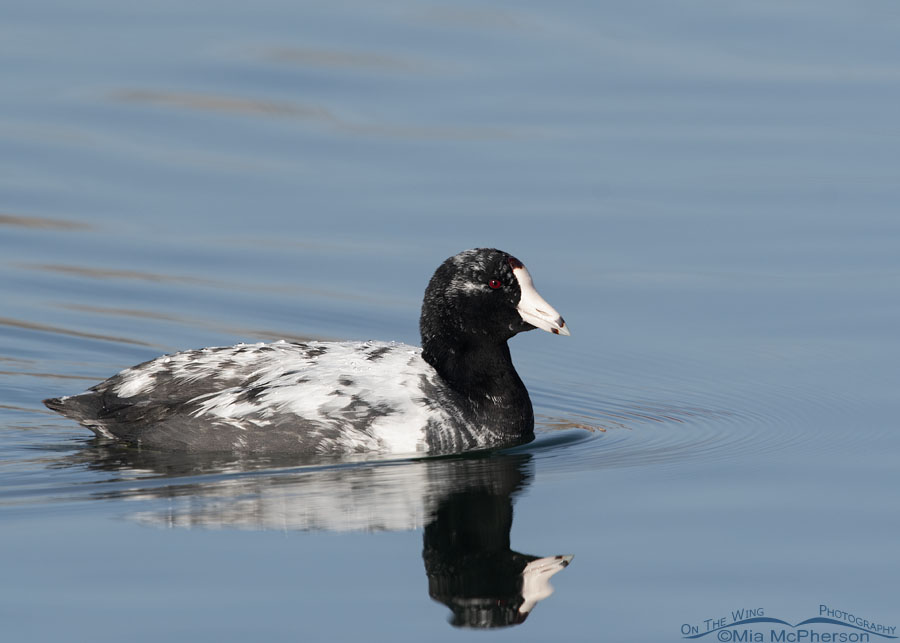
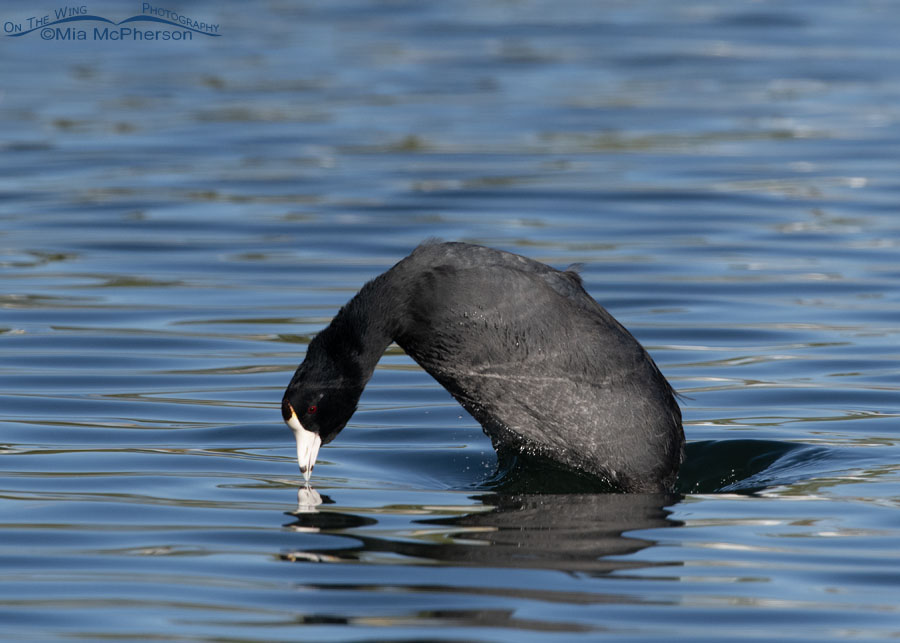
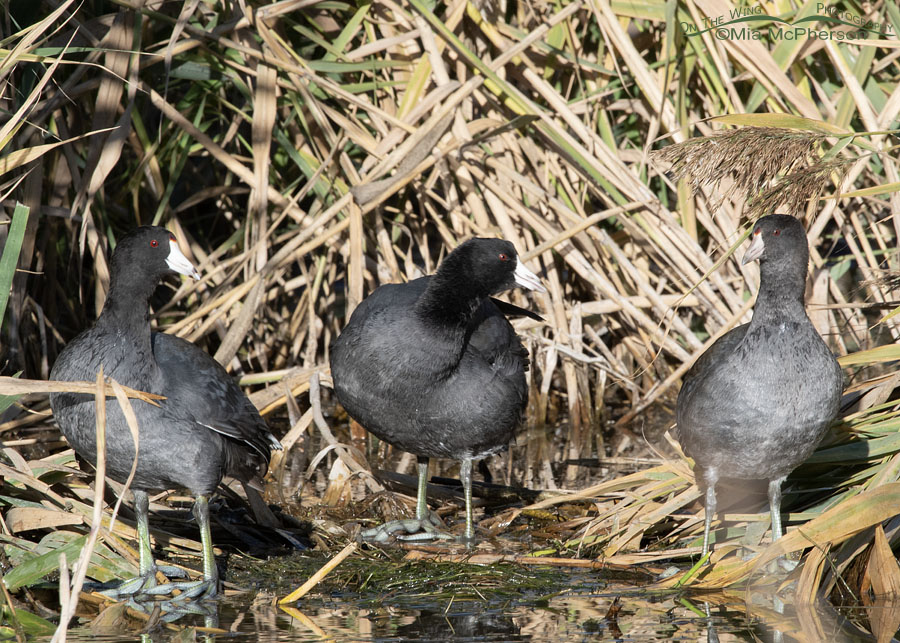
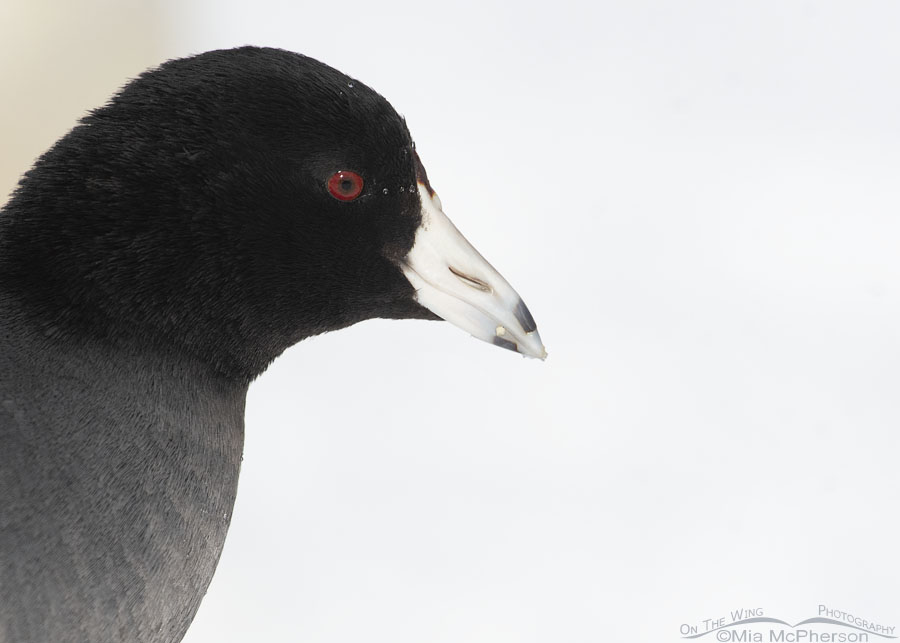
I am unable to pass up opportunities to photograph American Coots, they aren’t as majestic as raptors, they aren’t as cute as hummingbirds and they certainly aren’t as colorful as Cardinals, Tanagers or birds from the parrot family but they are great subjects. I believe every bird is a worthy subject.
Looking at the huge lobed feet of American Coots is enough to make me laugh. Yesterday I just could not resist these birds.
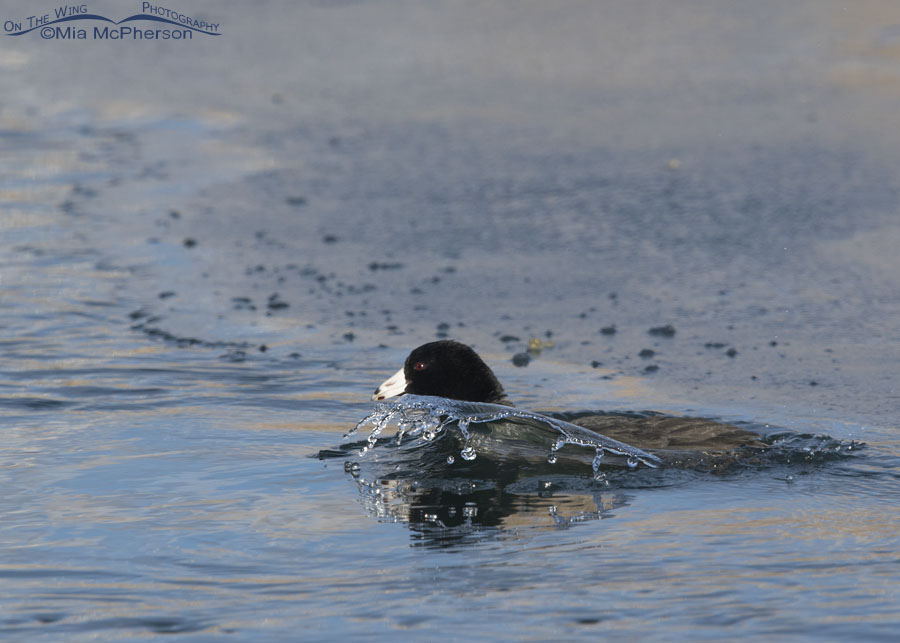
American Coot shaking off – Nikon D300, f6.3, 1/1000, ISO 400, Nikkor 200-400mm VR with 1.4x TC at 400mm, natural light
With every click of my shutter I am improving my skills as a photographer, I learn more about the subject and become closer to the natural world. Even when I mess up a shot I am learning.
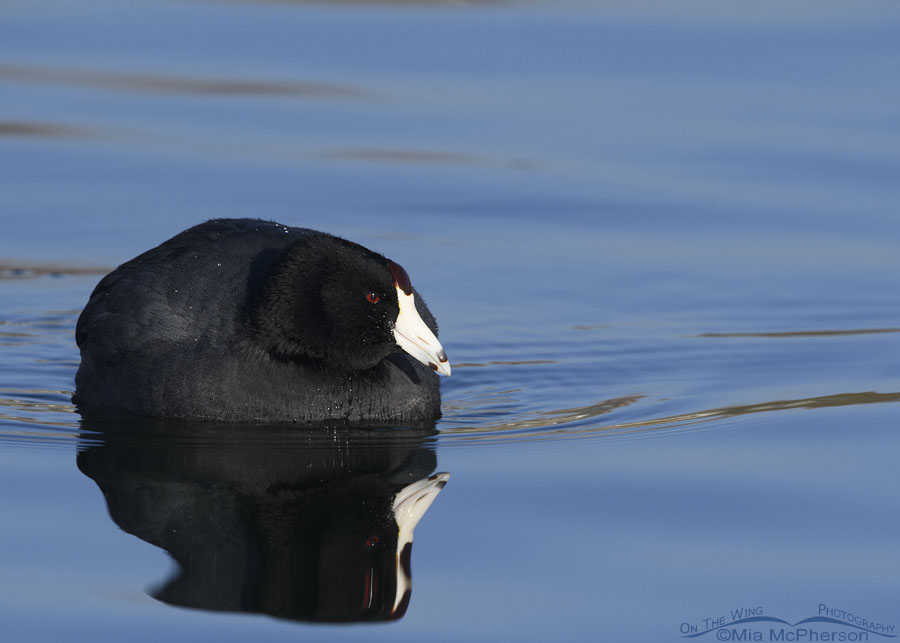
I’ve mentioned before that I enjoy challenges and American Coots are definitely a challenge to photograph with their dark plumage and ivory-colored bills. Getting the right light and exposure is critical for bringing out the details in the plumage without blowing out the whites of the bill. Add snow-covered ice on a pond and that increases the difficulty.
This Coot makes me think of the popular game “Angry Birds” because it does look grumpy. I’ve never played the game, I have only seen the ads for it and the cartoonish “Angry Birds”.
American Coot walking on snow-covered ice – Nikon D300, f6.3, 1/1600, ISO 400, Nikkor 200-400mm VR with 1.4x TC at 357mm, natural light
Yes, I am addicted to bird photography but I am equally addicted to the birds themselves because each one is different and holds its own beauty.
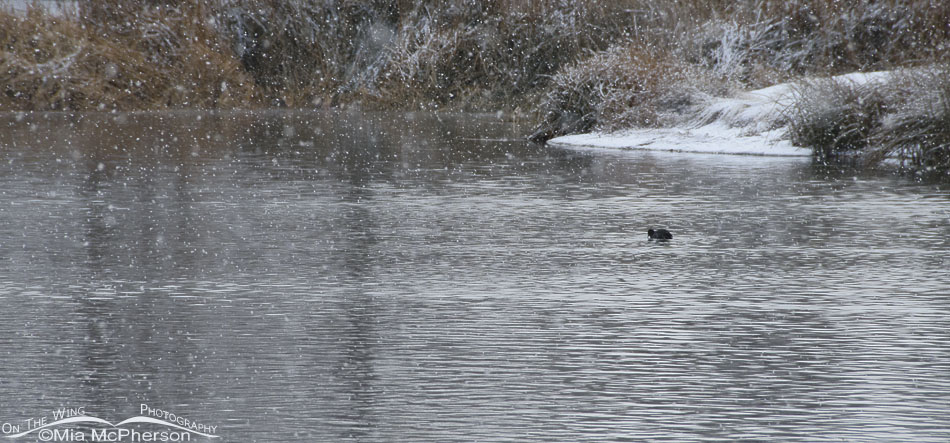
It has been too warm here in Utah to be called “Winter” yet, the snow that we have had hasn’t lasted long and even most of the mornings have been above freezing but the weather forecasters say that is going to change this weekend. Well, weather forecasters are often wrong so I won’t be holding my breath but it does give me a little hope.
Three years ago today though the ground was covered in drifts of snow, the temps were below freezing, there was ice on the ponds & lakes and there was a sharp briskness to the air that can only be found in winter. These are a few of the images I took that morning at a pond a few blocks from where I live.
American Coot wing flapping – Nikon D200, tripod mounted, f7.1, 1/640, ISO 320, Nikkor 200-400mm VR with 1.4x TC at 400mm, natural light
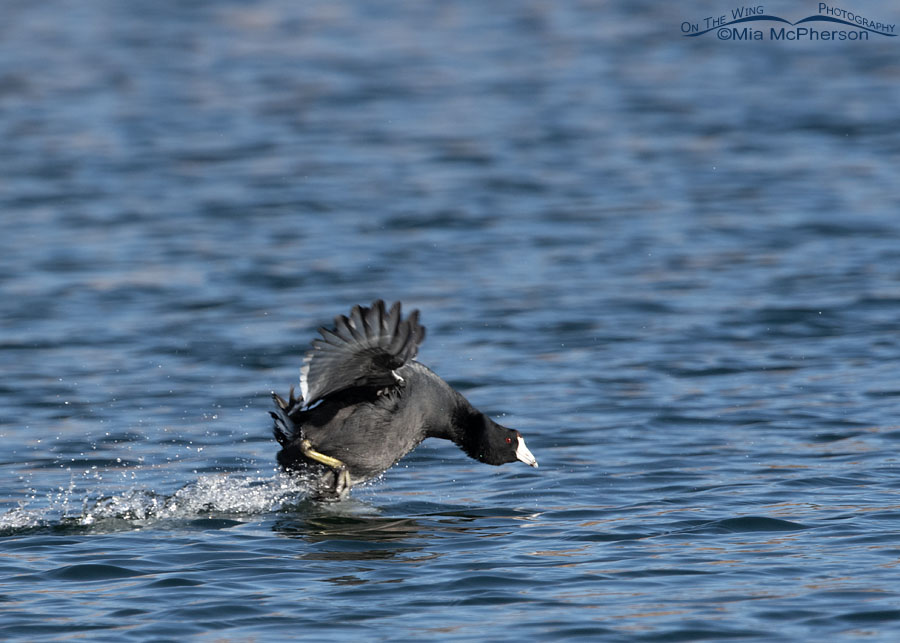
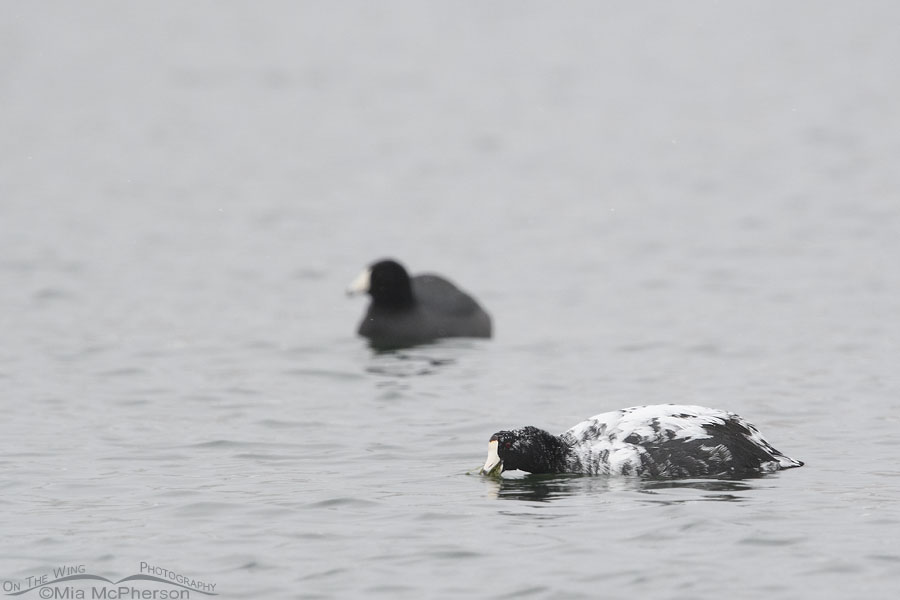
We have tons of American Coots here in the winter until the water freezes solid and then the coots move to find open water. Coots aren’t the most colorful of birds but they are amusing to watch and photograph and they are a challenge because of the high contrasts between the whites and the darks.
Mallard drake – Nikon D200, tripod mounted, f8, 1/500, ISO 250, Nikkor 200-400mm VR with 1.4x TC at 400mm, natural light
We also have plenty of Mallards too, domestic, wild and hybrids. Behind this drake this there is a sheet of ice on the pond. By the time I took this image my hands were getting cold even with gloves on and a heat pack tucked into them.
Juvenile Pied-billed Grebe in an icy pond – Nikon D200, tripod mounted, f7.1, 1/350, ISO 250, Nikkor 200-400mm VR with 1.4x TC at 400mm, natural light
Pied-billed Grebes are another species that will be on my local pond until it freezes over and they are great fun to photograph because they are feisty little characters. This one was a hatch year bird when I photographed it as it still shows evidence of the striped head that juvenile Pied-billed Grebes have in their first year.
American Coot in pre-attack pose – Nikon D300, tripod mounted, f7.1, 1/500, ISO 250, Nikkor 200-400mm VR with 1.4x TC at 400mm, natural light,
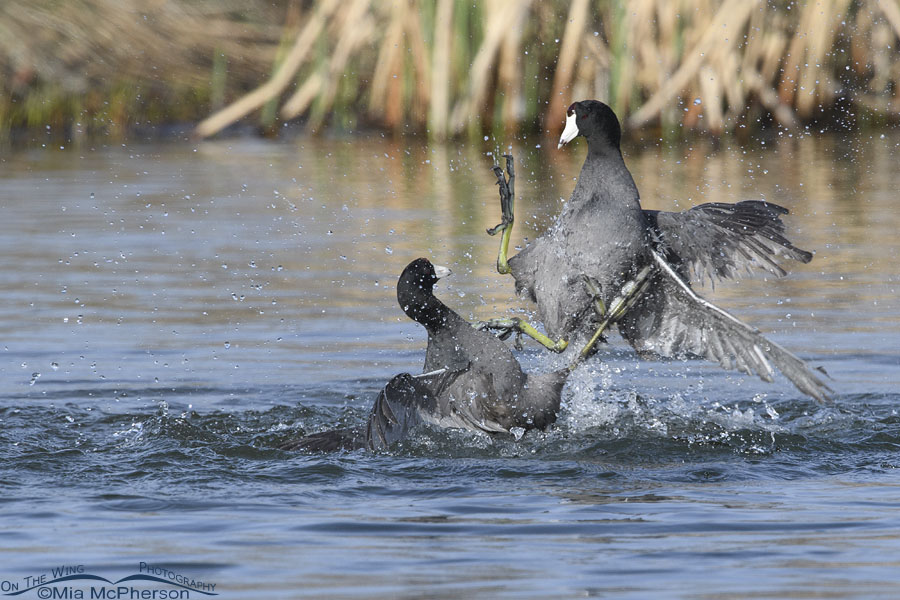
The coots squabble and fight a lot amongst each other, this coot was getting ready to chase another one across the icy pond.
Common Goldeneye female – Nikon D200, tripod mounted, f7.1, 1/400, ISO 250, Nikkor 200-400mm VR with 1.4x TC at 400mm, natural light
There are times we get other duck species including Common Goldeneyes but they never seem to stick around long. This female Common Goldeneye was gone the next time I visited the pond a few days later.
Ring-billed Gull on the edge of ice – Nikon D200, tripod mounted, f7.1, 1/1250, ISO 250, Nikkor 200-400mm VR with 1.4x TC at 400mm, natural light
There are also California and Ring-billed Gulls at my local pond during the winter. This Ring-billed Gull had walked too close to the edge of the thin ice and nearly fell in, it was walking back from where one of its feet cracked through the ice and it was using its wings to regain its balance.
Snow is supposed to arrive this Saturday, I hope it does, it is time for winter!
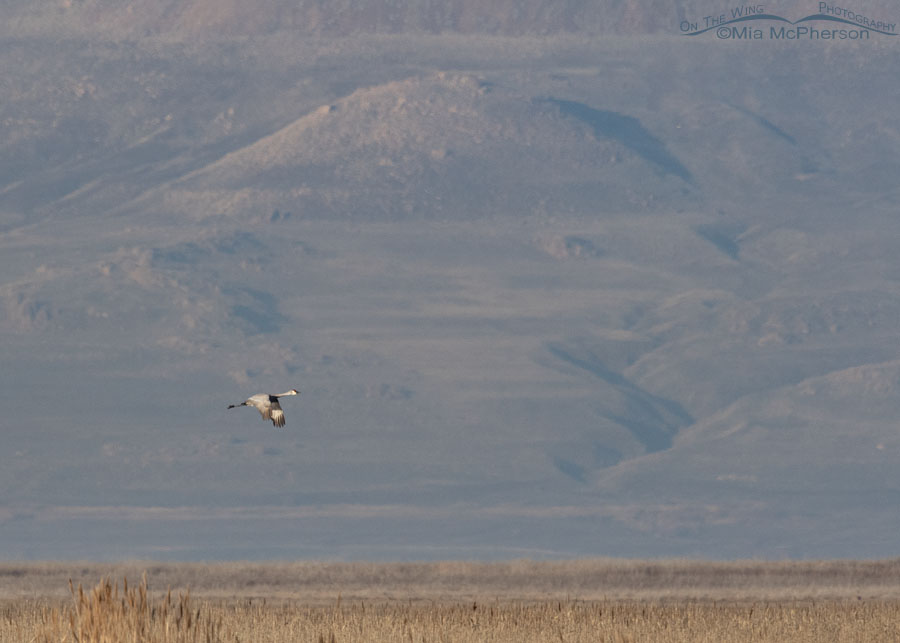
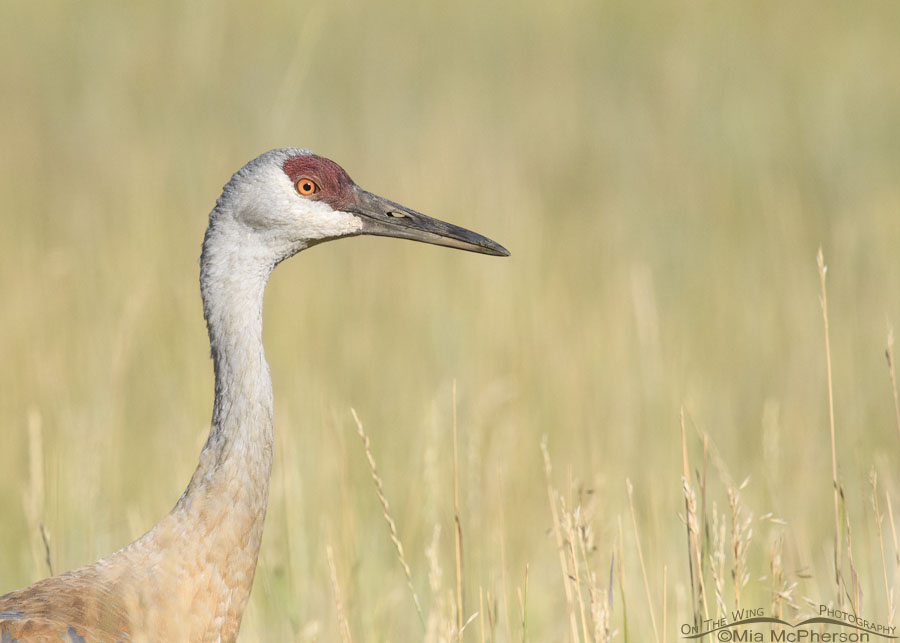
Sandhill Crane at Red RocK Lakes National Wildlife Refuge – Nikon D200, f6.3, 1/320, ISO 400, Nikkor 200-400mm VR with 1.4x TC at 400mm, natural light, not baited or called in
This Sandhill Crane image was taken last year at Red Rock lakes National Wildlife Refuge in southwestern Montana. During the summer months the calls of the Sandhills echo across the Centennial Valley which is a prime nesting area for these large birds.
A ten million year old Sandhill Crane fossil from the Miocene period was found in Nebraska which is identical in structure to modern Sandhills. Although that fossil record has been disputed the oldest unequivocal Sandhill Crane fossil is 2.5 million years old, over one and a half times older than the earliest remains of most living species of birds making them the oldest known surviving bird species.
So, each time we see or hear Sandhill Cranes we are listening to and looking at a real living fossil. The cranes still follow the same ancient migration routes too.