Sturnella neglecta
Western Meadowlarks have yellow chests, long thin bills, brown to buff backs with intricate patterns and a black V on their chests.


Sturnella neglecta
Western Meadowlarks have yellow chests, long thin bills, brown to buff backs with intricate patterns and a black V on their chests.
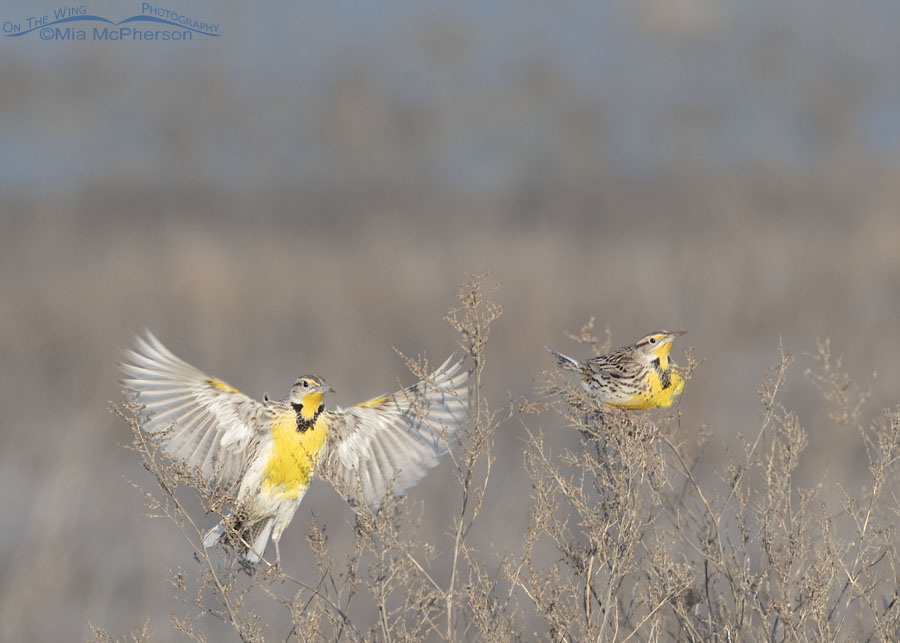
Much like the Great Blue Herons I shared yesterday, the Western Meadowlarks I found at Farmington Bay WMA two days ago were also behaving as if it were spring.
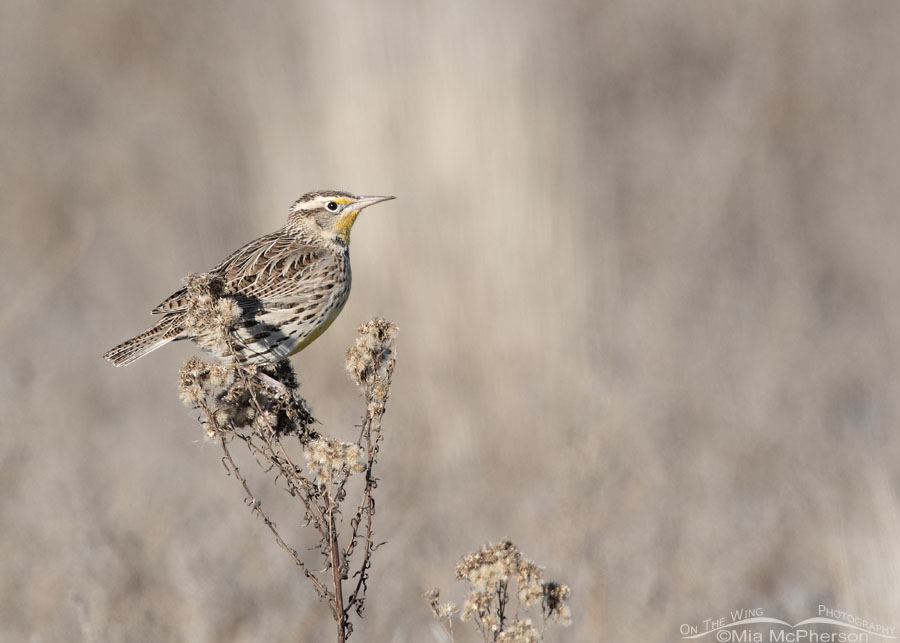
I didn't photograph many birds at Bear River MBR yesterday because it was windy. I did take photos of this handsome Western Meadowlark at the refuge though.
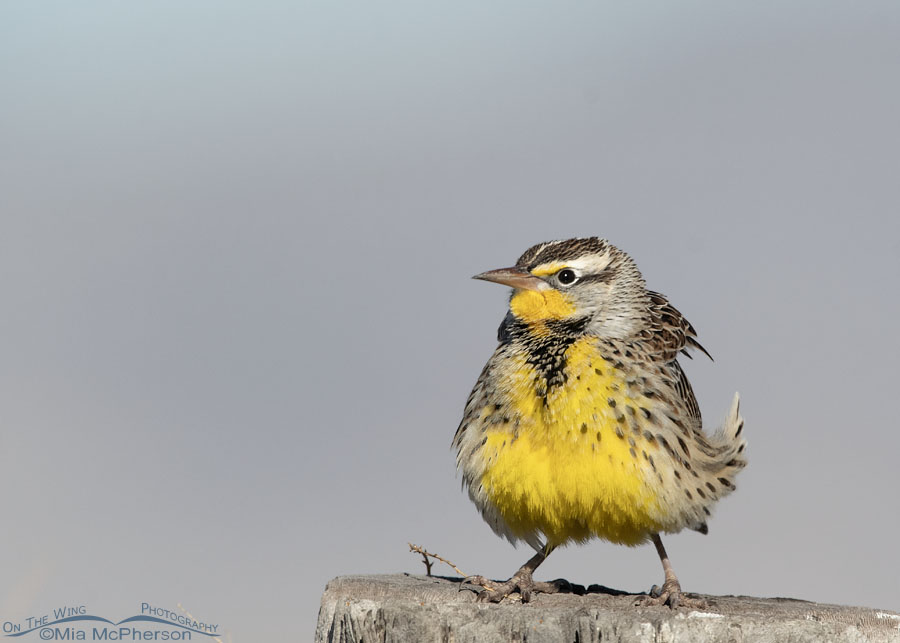
Photographing this Western Meadowlark on Monday on my way back to I-15 from Bear River MBR was so much fun for me that it probably ought to be illegal.
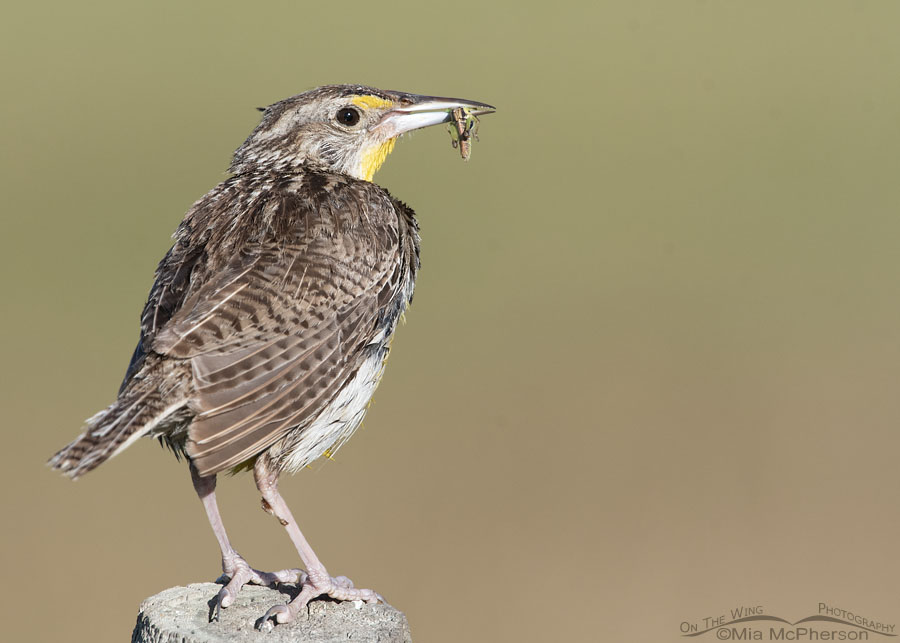
The first bird I photographed last week from the side of the road in the Kamas Valley was this scruffy Western Meadowlark with a grasshopper.
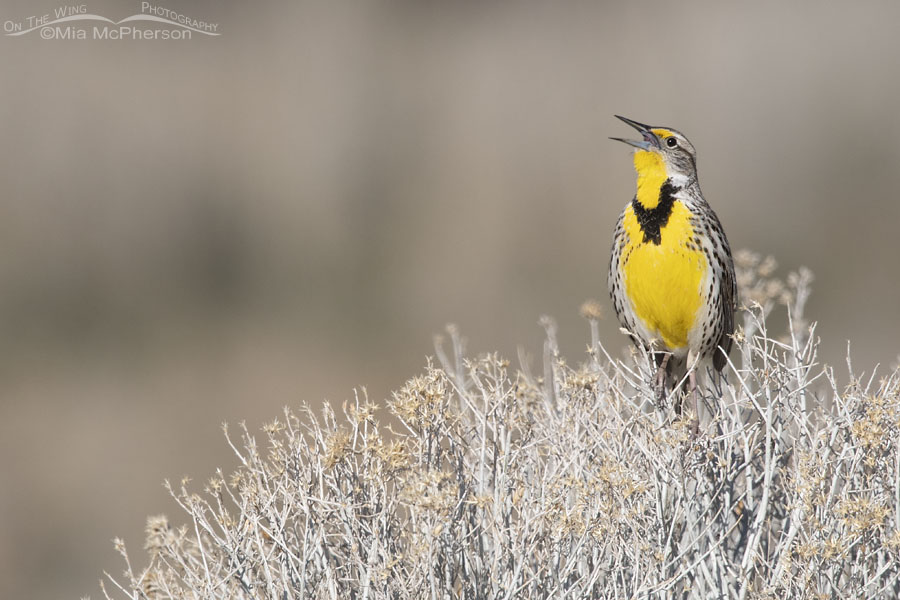
The song of this Western Meadowlark that I found two days ago on Antelope Island State Park was a wonderful springtime melody that I needed to hear.
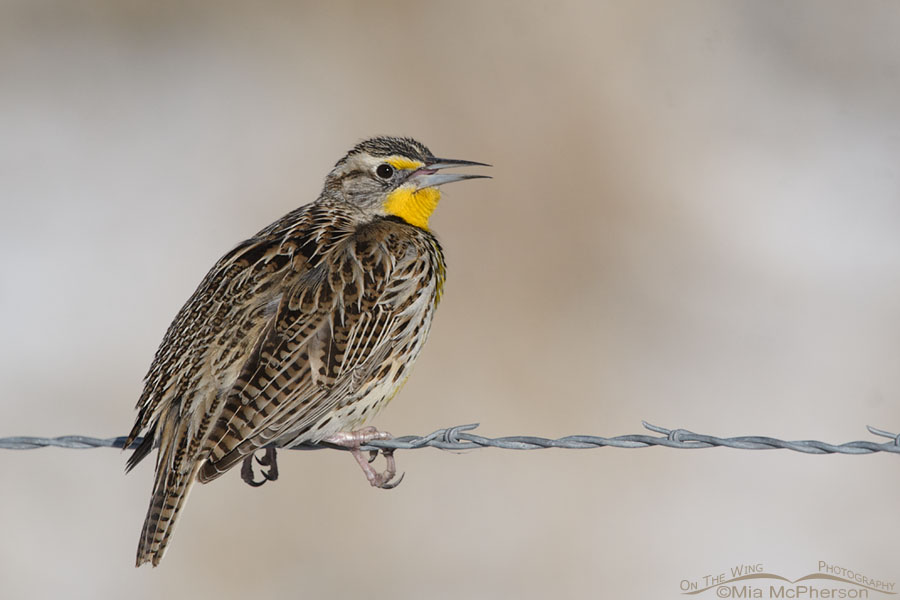
I took a series of Western Meadowlark photos three mornings ago at Farmington Bay WMA while the sun was shining.
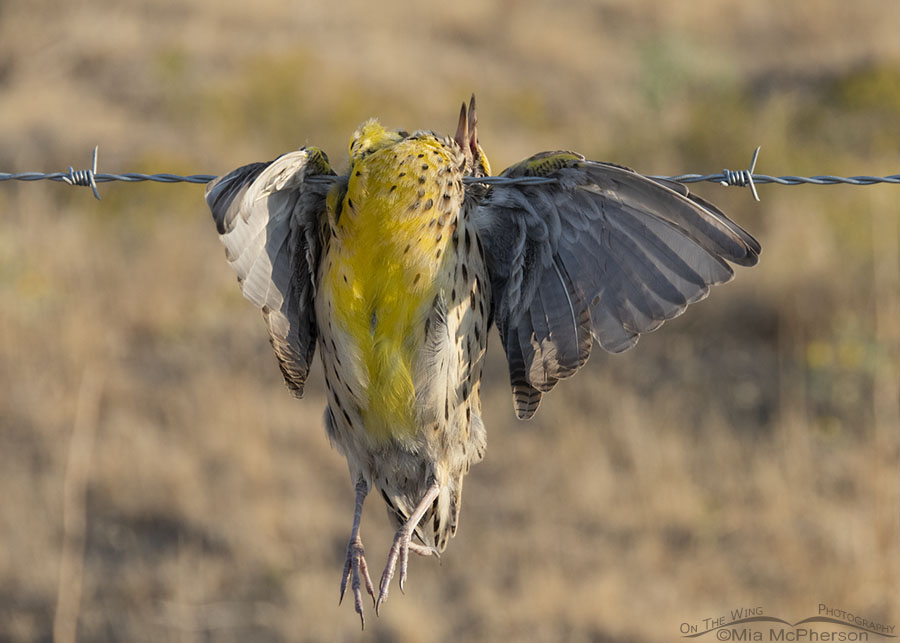
Over the past month I thought about whether I wanted to share images and tell the story of this Western Meadowlark that lost its life because of a barbed wire death trap and finally decided that the story needed to be told.
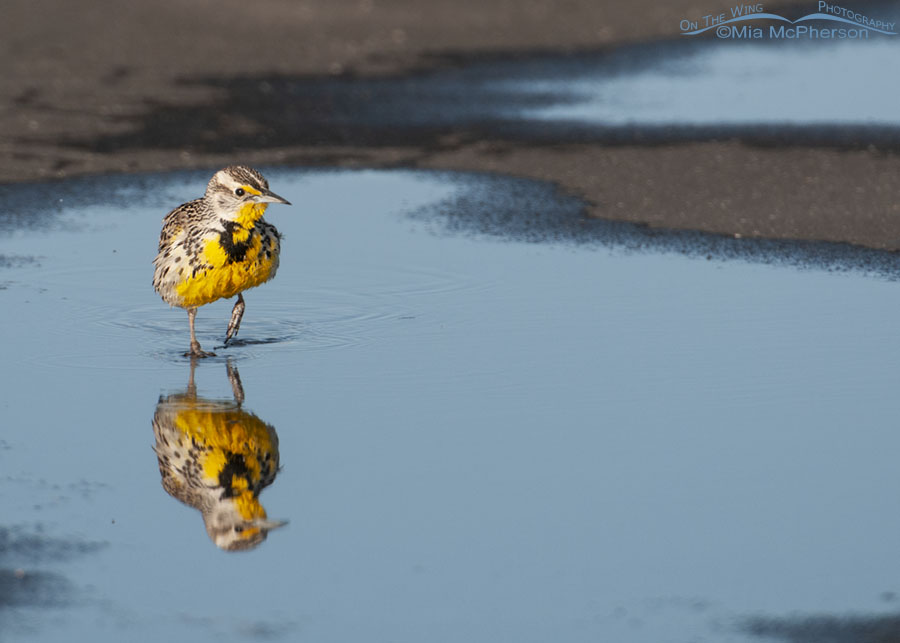
What I like about this photo was the reflection of the Western Meadowlark, the still water, the one raised foot and the curvy edges of the puddle. I feel drawn into the frame.
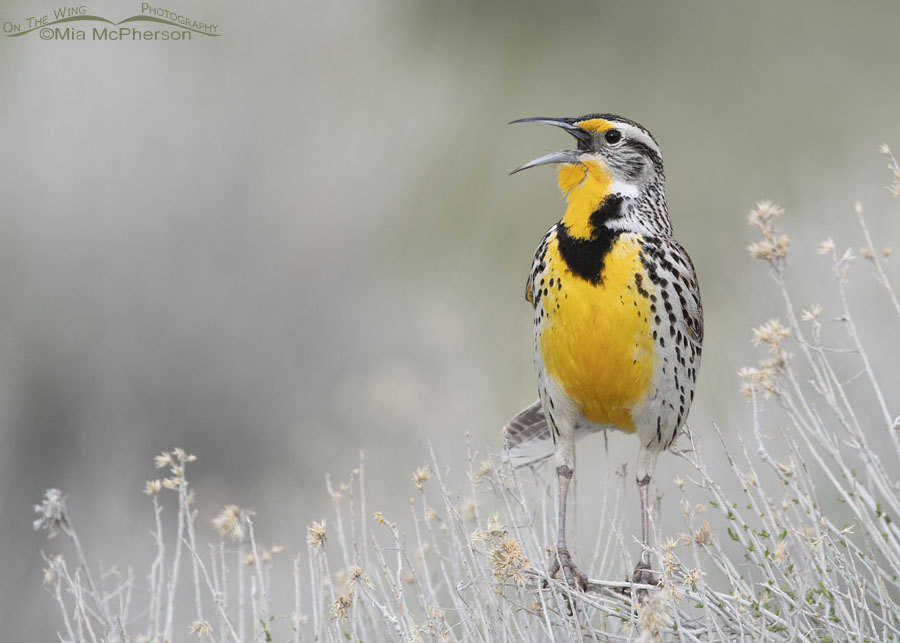
The birds I heard and saw on the island with the most frequency were Western Meadowlarks, most of them were too far away or too skittish to photograph but one of them was cooperative and I was grateful for that.
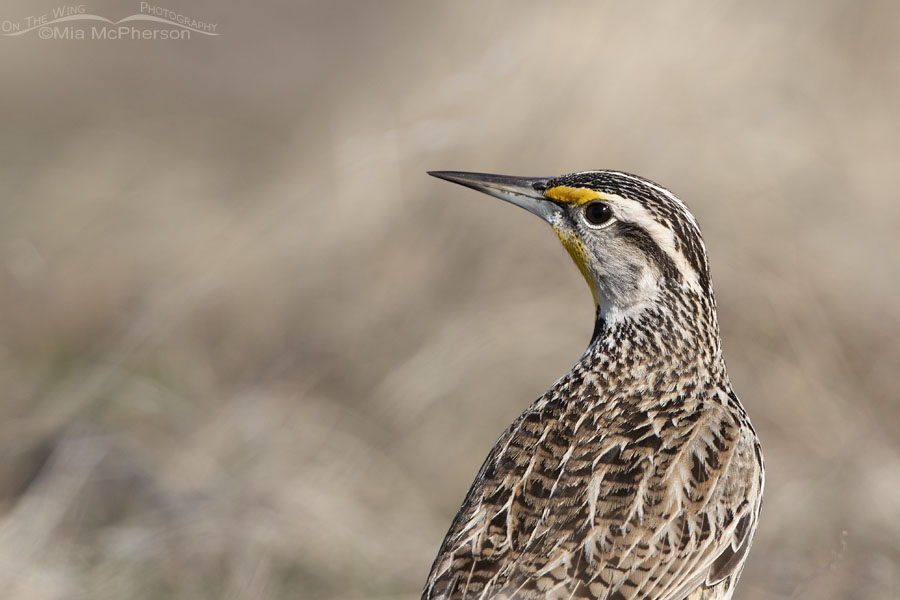
This close up of a Western Meadowlark was taken nearly two years ago on Antelope Island State Park while the bird foraged on the ground.
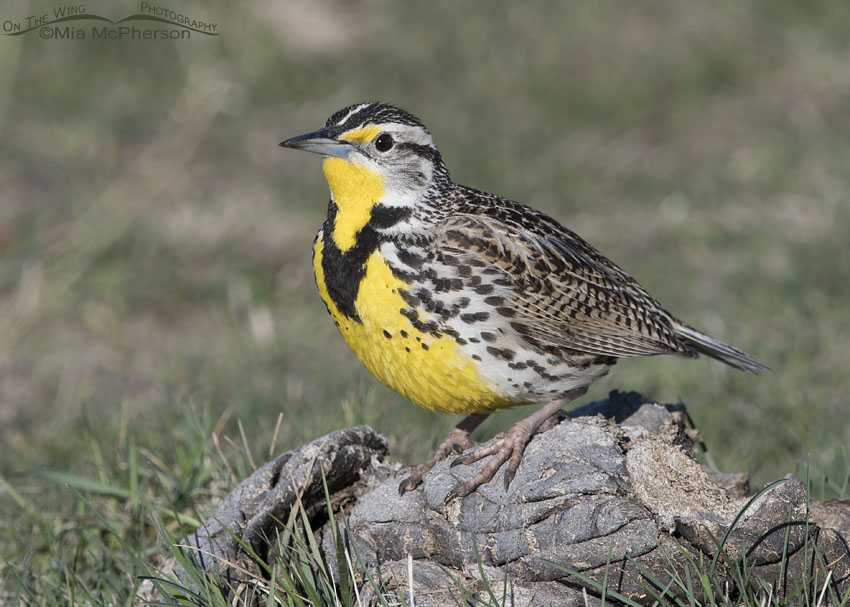
I photographed this Western Meadowlark one year ago today on Antelope Island State Park and seeing the new growth of the grasses felt great after a long winter.
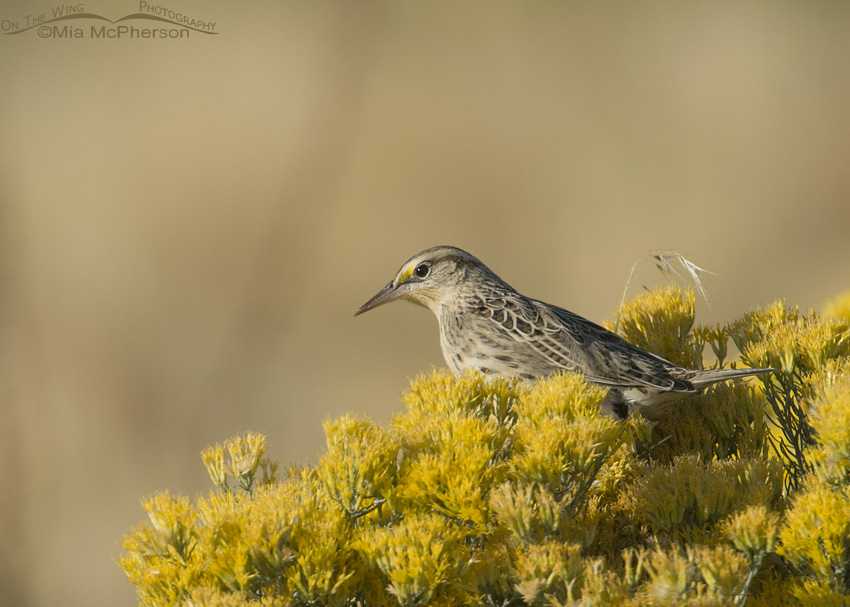
This Western Meadowlark perched on a blooming Rabbitbrush the first September after I had moved to Utah and I was thrilled to take this photograph on Antelope Island State Park.
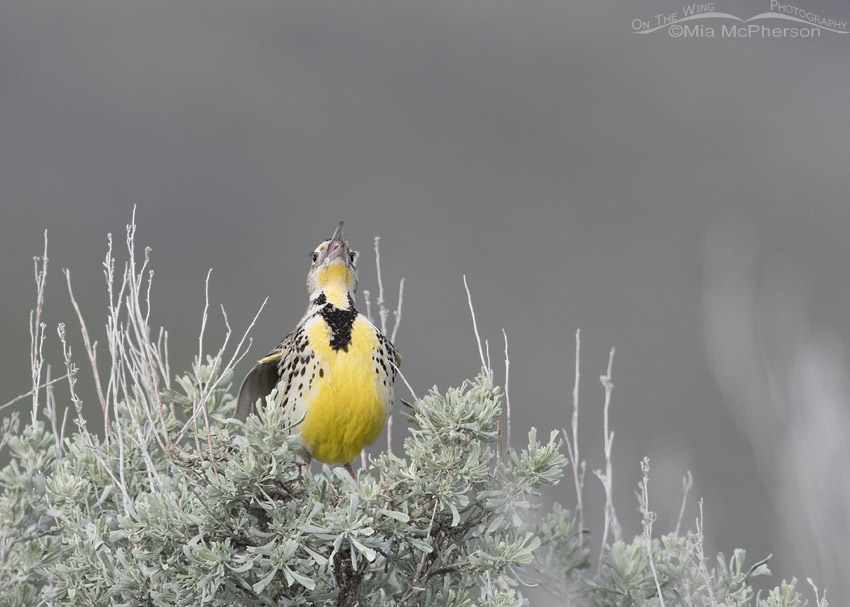
Three days ago while out on Antelope Island State Park under cloudy skies I was able to observe a glimpse into the mating behaviors of a pair of Western Meadowlarks.
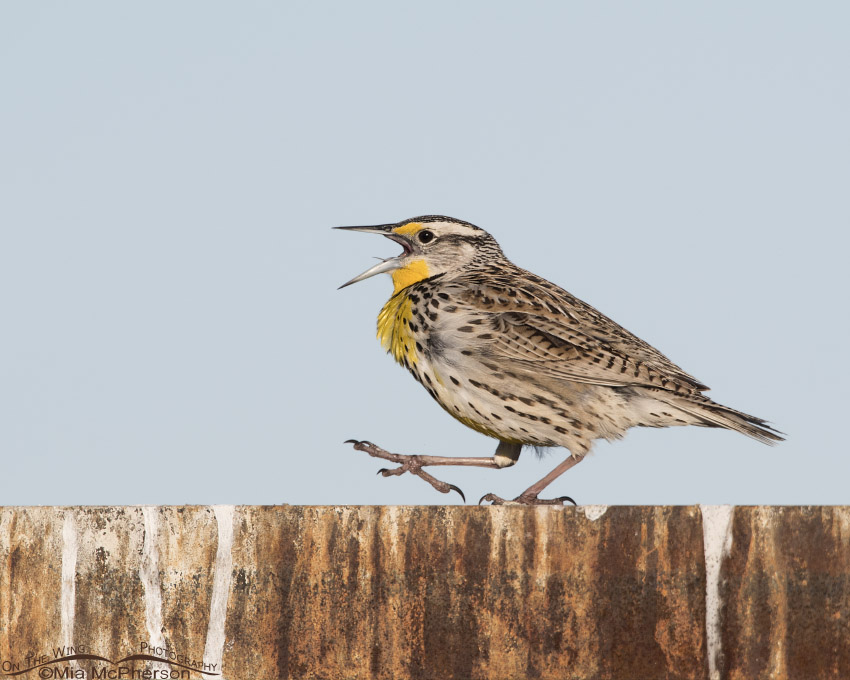
Western Meadowlarks are very active right now on the island, searching for insects, scurrying through the grasses and singing their hearts out from their favorite perches.
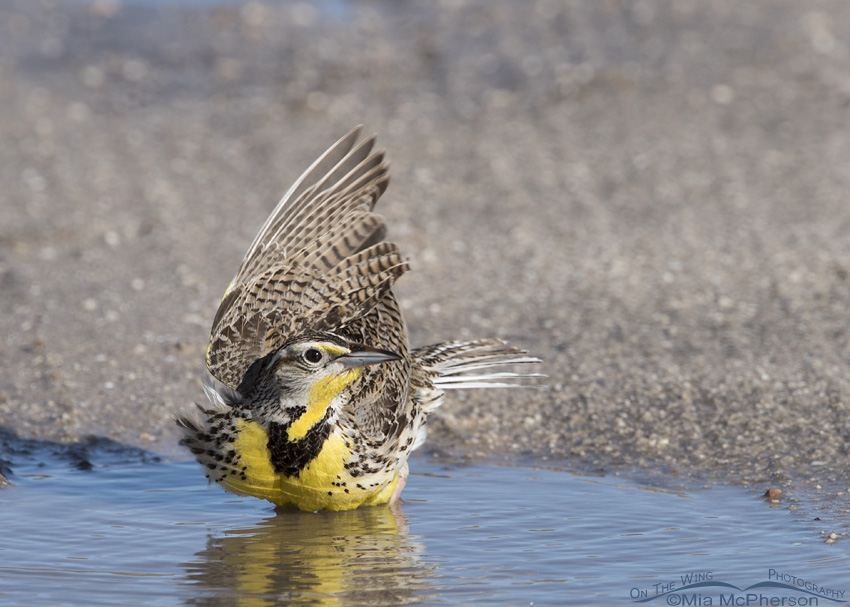
Yesterday I was able to photograph a Western Meadowlark bathing in a puddle in a gravel road on Antelope Island State Park under mostly sunny skies.
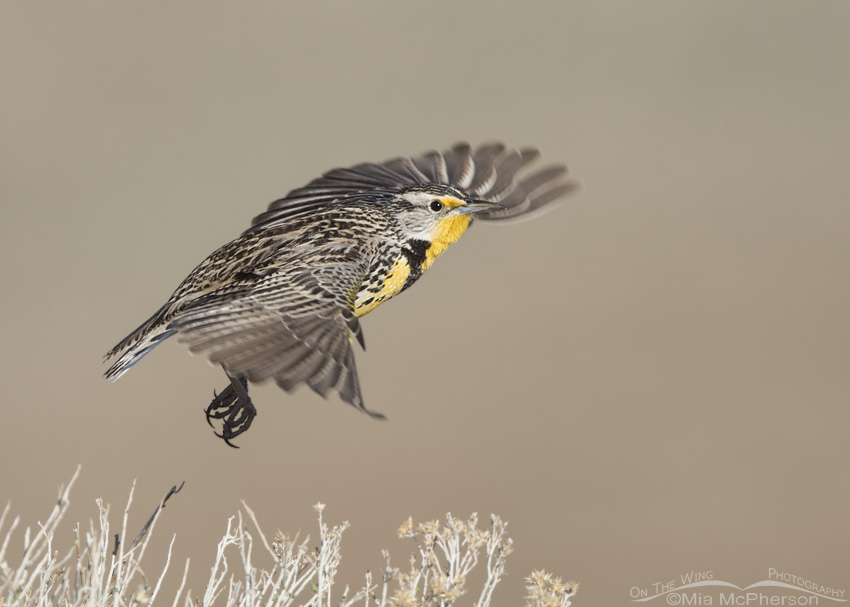
Yesterday I found this Western Meadowlark take off photo that I took last year on Antelope Island State Park.
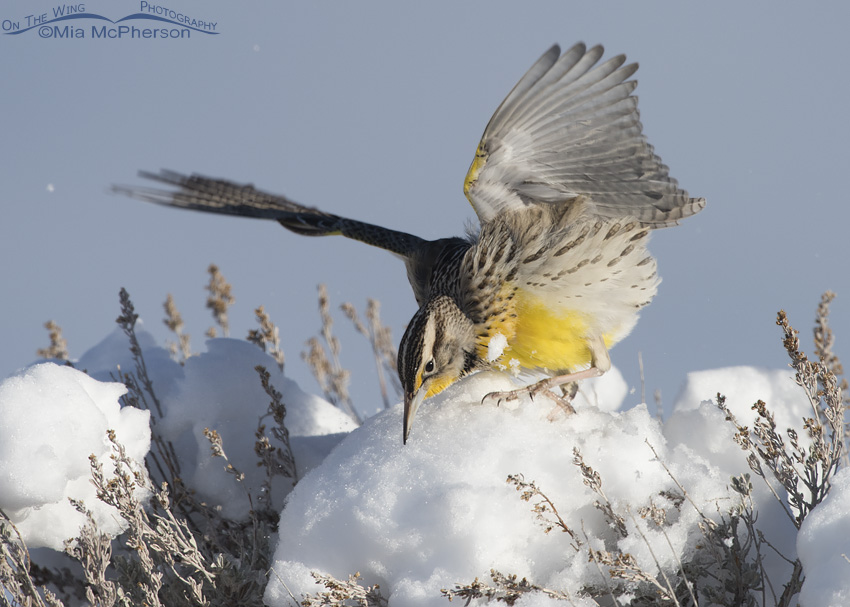
I had a great time photographing a Western Meadowlark in snow yesterday on Antelope Island State Park near the White Rock Bay campgrounds.

The heat of summer has turned the green grasses brown on Antelope Island State Park so I thought I'd share some of the "brown birds" I photographed there yesterday.

I have already seen Sage Thrasher chicks on Antelope Island State Park and I suspect it won't be long before I see juvenile Western Meadowlarks learning how to fly and feed on their own.
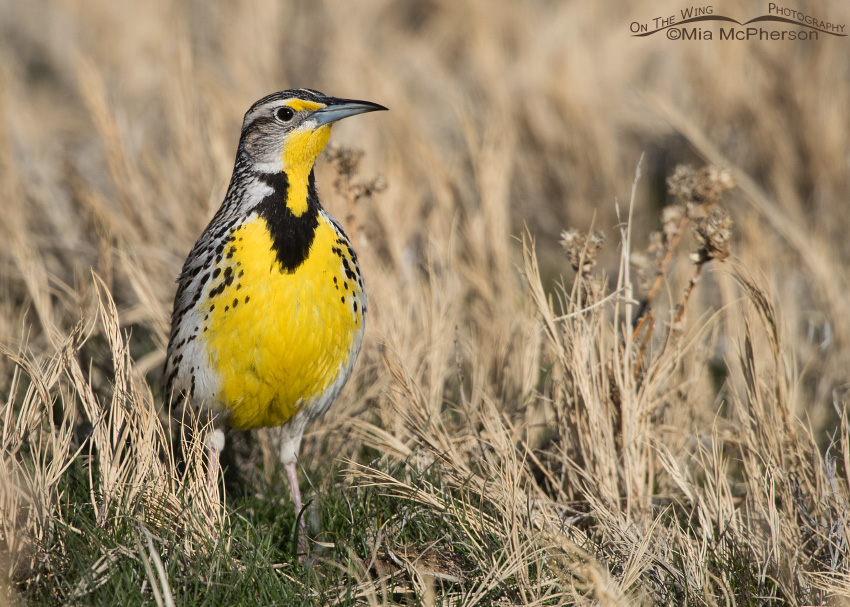
This Western Meadowlark was busy yesterday poking its sharp bill through the emerging grasses to find prey in the warming soil.
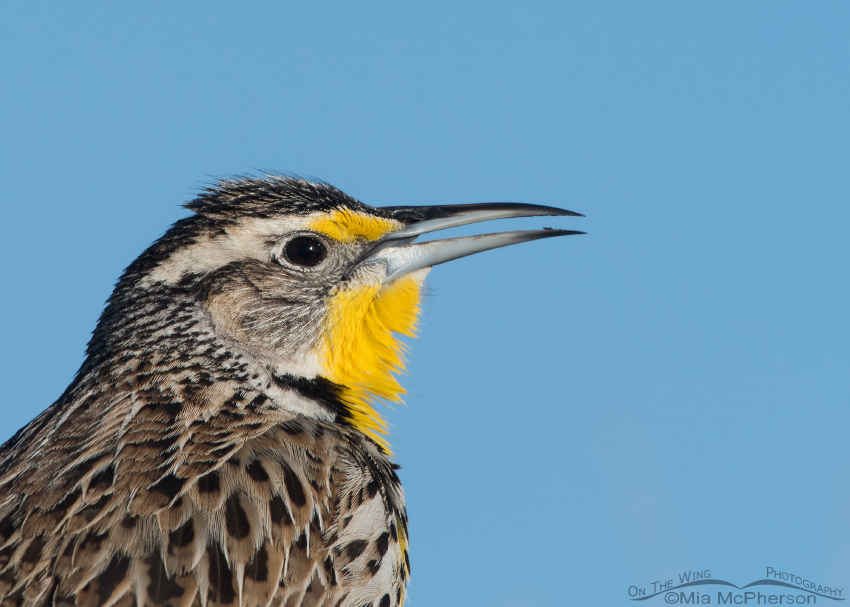
It was chilly yesterday on Antelope Island but the Western Meadowlarks were singing from perches on rocks and on top of sagebrush.
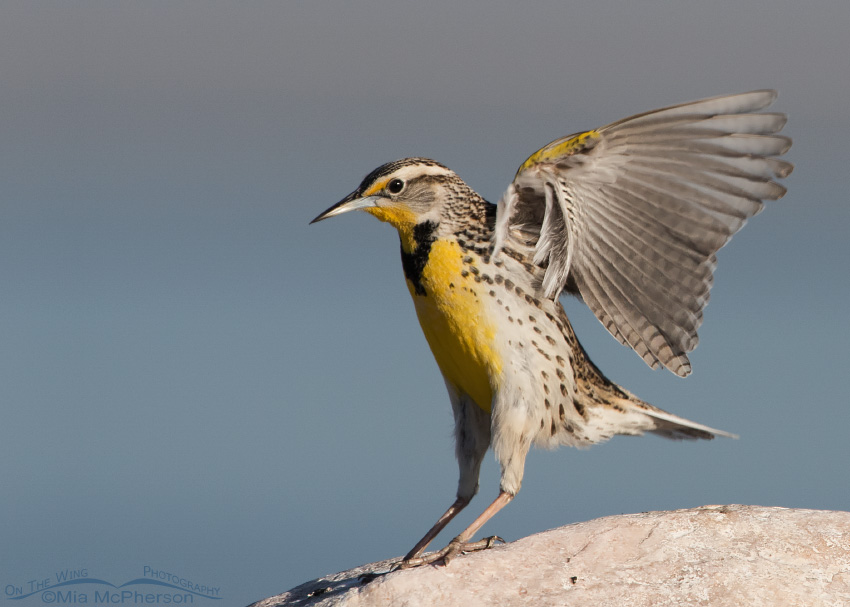
Yesterday there was a springtime chorus being sung almost every where on Antelope Island and the flute-like melody of the Western Meadowlarks resonated the loudest.
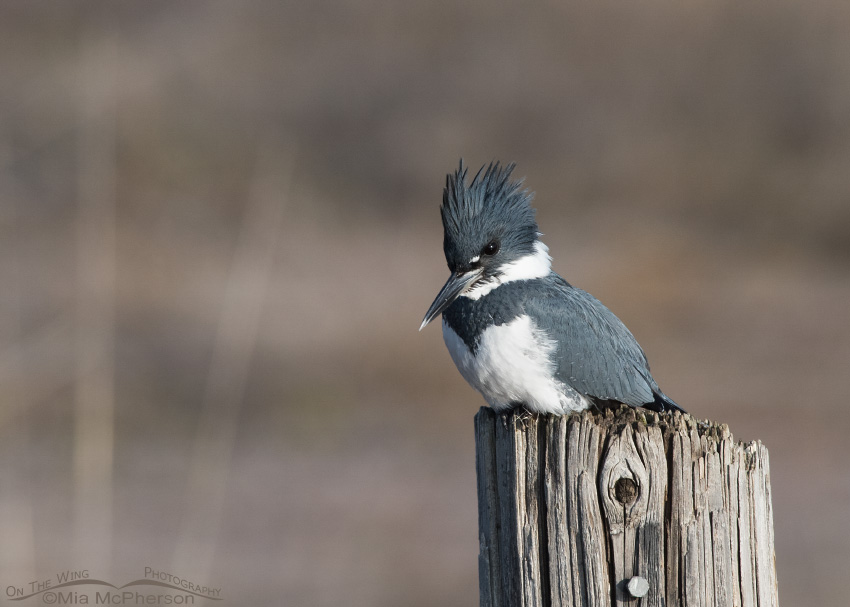
It was lovely to see the sunshine yesterday and to have the Western Meadowlark and Belted Kingfisher in my viewfinder.
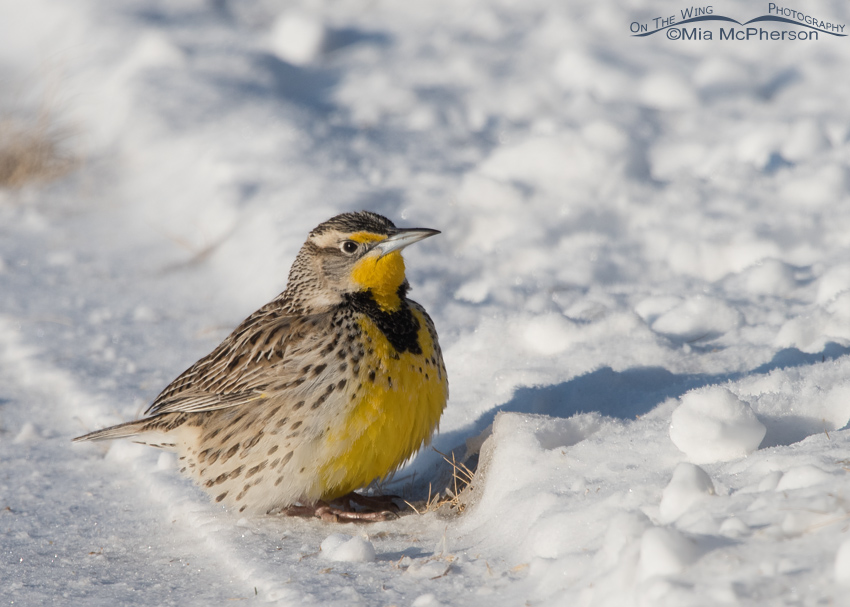
This Western meadowlark image was taken January 2nd on Antelope Island after a snow fall and it made me think of how hard life can be for these birds.
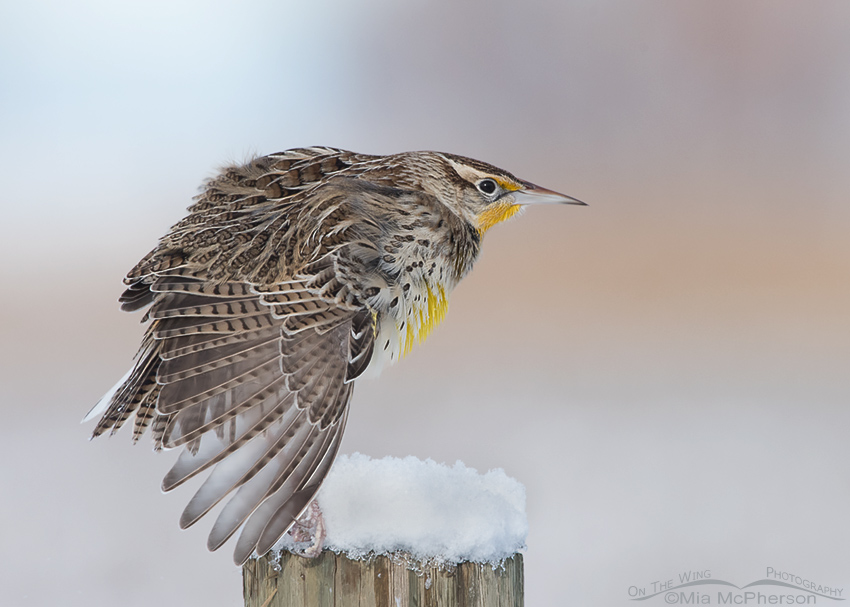
Two days ago this Western Meadowlark kept me from being skunked at Farmington Bay WMA because there weren't many other birds to photograph up close.
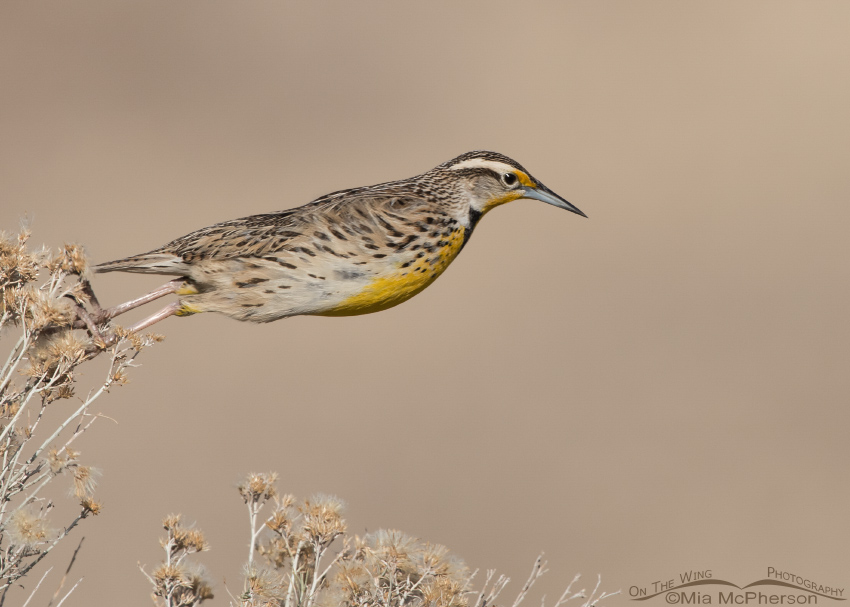
I think the 10 Lords A-leaping are hanging up their their shoes after this Western Meadowlark out leaped them!
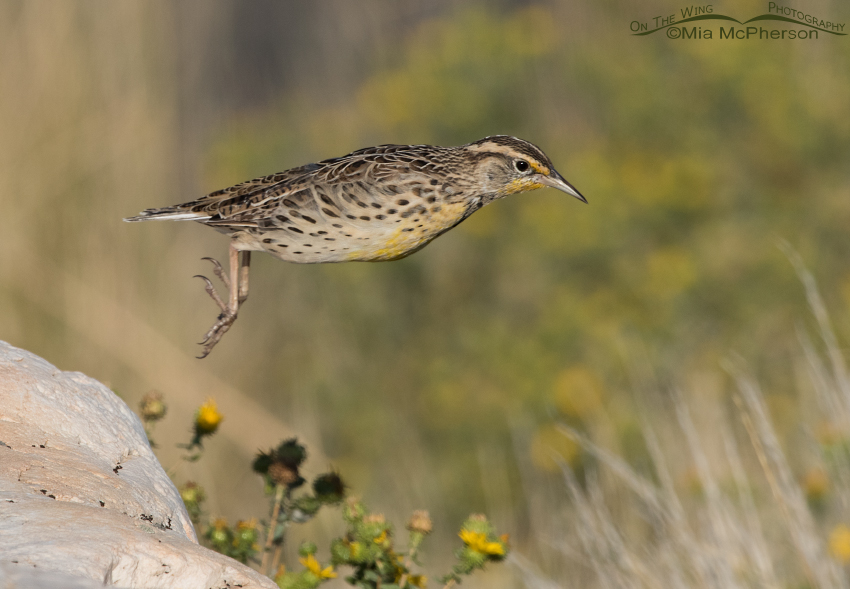
I was ready when I thought this Western Meadowlark was going to take flight but instead the meadowlark took a flying leap towards the ground.
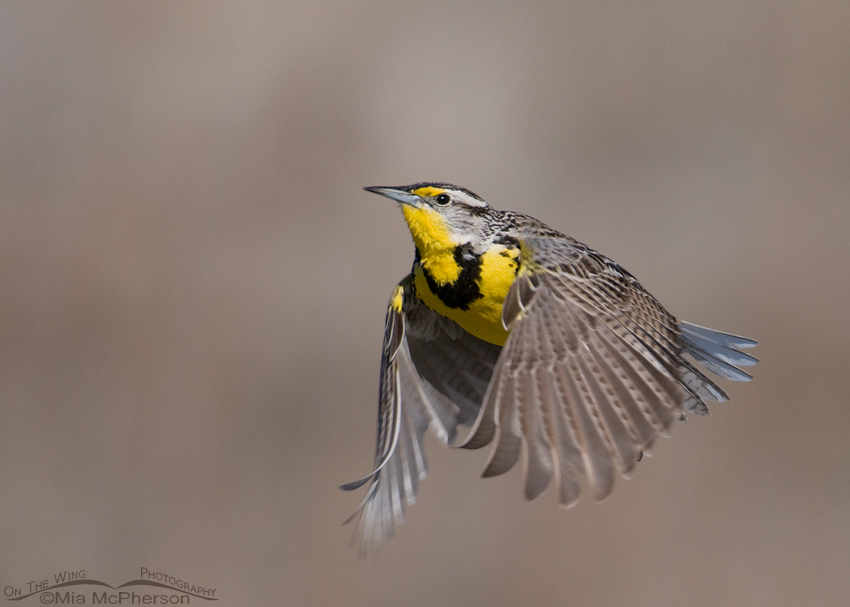
The smaller a bird is the harder it is to get flight shots of them and track them with a long lens so I was very happy to get this Western Meadowlark on the wing.
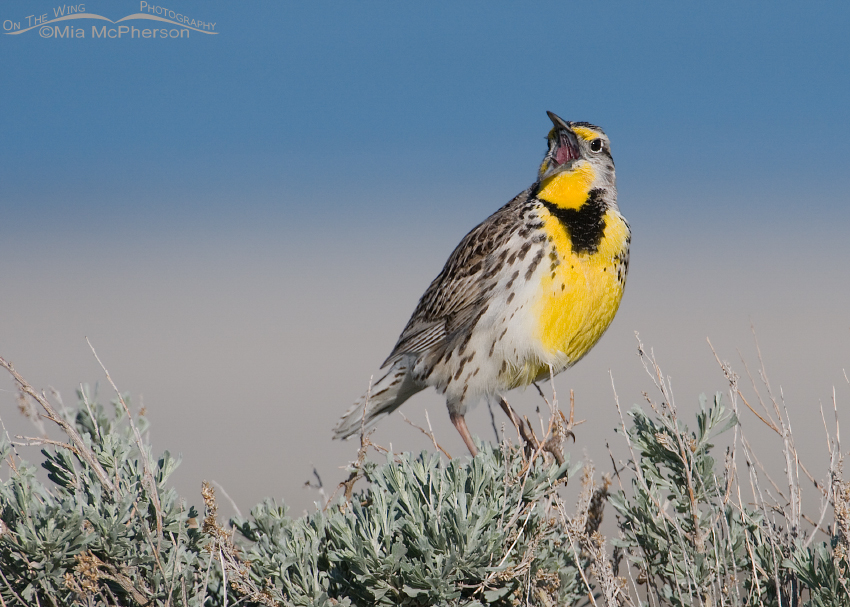
Yesterday was a bit like a wonderful open air concert on Antelope Island with the calls of Curlews, Willets, Chukars, Red-winged Blackbirds and Western Meadowlarks floating through the air.
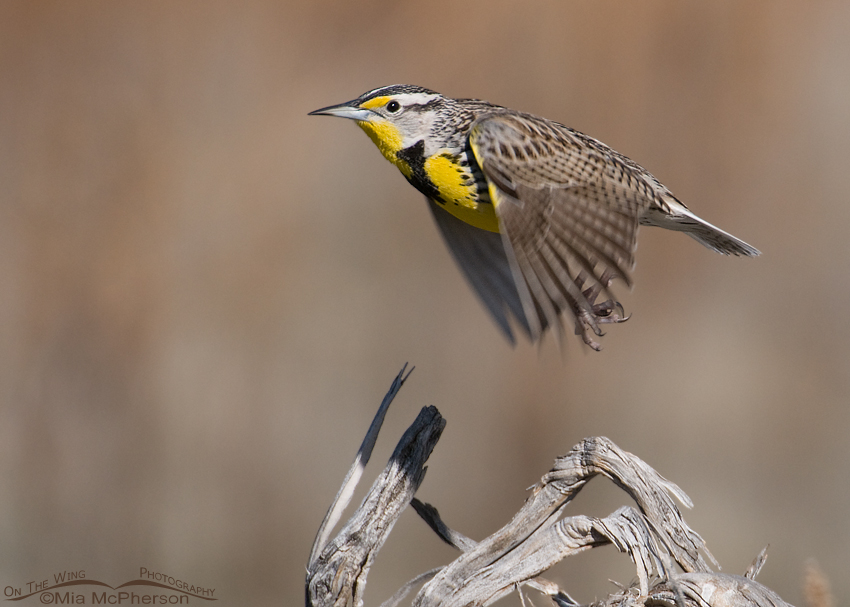
Five days ago while on Antelope Island I photographed this Western Meadowlark as it sang on the stump of a dead Sagebrush.