Montana is beckoning to me…

Lately every where I go I see the word “Montana”, I see it on billboards, license plates, TV commercials, written on the side of semi-tractor trailers and on the back of camping trailers. Seeing the word “Montana” so often has gotten me anxious, antsy and itching to head north soon to see more of a state that beckons to me because I have fallen in love with it. I’m posting a smattering of images from my journeys in Montana.

Snow on the 6th of June in Cut Bank, Montana

Snow on the 6th of June in Cut Bank, Montana

The first time I spent time in Montana other than driving through the state was in June of 2009, even though I have lived in other western states with wide open skies I realized then why Montana is called “Big Sky Country”.  It delighted me to drive north from Idaho and see the wide open prairies with big fluffy clouds in the sky, to see the craggy cliffs along I-15, the lakes sparkling along the roads, mountains that still had snow up top and I am certain that I mumbled ohhhs, ahhs and “this is just so beautiful” too many times to count.  That was the trip that Montana started flowing in my veins.

The morning I was to leave Montana on that first trip to head south I woke to snow coming down hard on the 6th of June. It snowed all the way south to just across the Idaho state line. I’ve been snowed on before in July but that was very high up in the Rocky Mountains of Colorado but still I was a touch surprised to see snow in June.

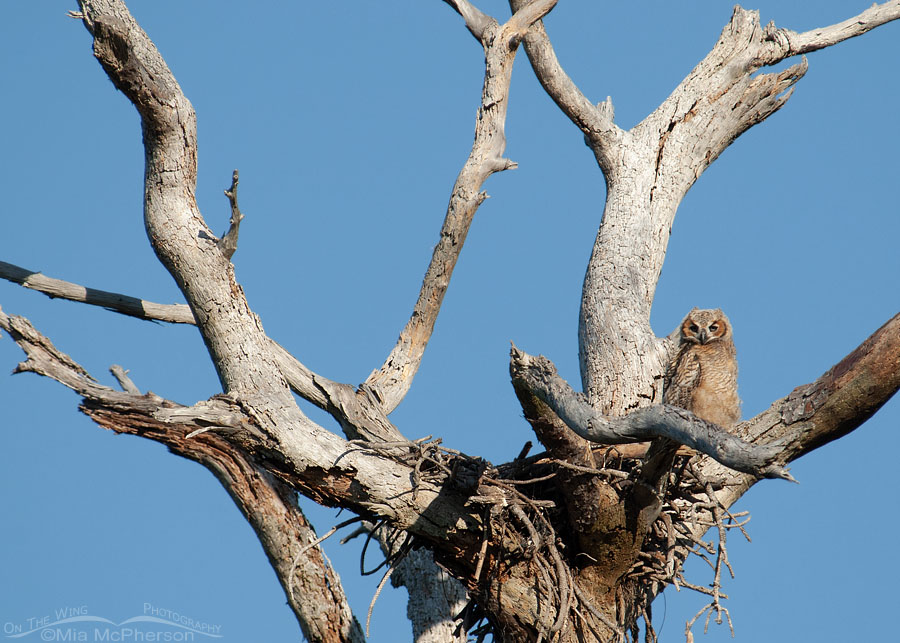
Juvenile Great Horned Owl - Glacier County, Montana

Juvenile Great Horned Owl - Glacier County, Montana

I had a great time that first trip photographing juvenile Great Horned Owls in early morning light, they are so photogenic! I love those fluffy feathers by their rump, those big lovely eyes and the little nubbins of ear tufts.  They don’t look as fierce as the adults do but one day they will also be “Tigers of the Sky”.

Eastern Kingbird, Glacier County, Montana

Eastern Kingbird, Glacier County, Montana

 On and near the farm I was staying at both Western and Eastern Kingbirds can be found hawking for insects from fenceposts, old farm equipment and from barbed wire during the summer months.

Glacier National Park, Montana

Glacier National Park, Montana

I would be remiss if I didn’t post a few images from Glacier National Park which I believe is fantastic, stunning and incredibly amazing.

Glacier National Park - The Crown Jewel of Montana

Glacier National Park - The Crown Jewel of Montana

It is a cliché to say that a location is “The Crown Jewel” but I believe that it suits Glacier National Park well.

The Madison River, Madison County, Montana

The Madison River, Madison County, Montana

In Madison County there are many beautiful views of the Madison River, this view is from a bridge that crosses the river on the way to Cliff and Wade Lakes which are higher up in the Gravelly Range of the  Beaverhead National Forest. The Madison River is classified as a Blue Ribbon Fishery and anglers come from all over the world to cast their flies for Brown Trout, Rainbow Trout and Mountain Whitefish. There are plenty of Ospreys and Bald Eagles in the area, I guess they know where the fishing is good too!

Madison County is west of Yellowstone National Park.

Red-tailed Hawk lifting off, just above Wade Lake, Madison County, Montana

Red-tailed Hawk lifting off, just above Wade Lake, Madison County, Montana

My words can not adequately describe Cliff and Wade Lakes. Cliff Lake, which is higher than Wade Lake, is nestled in between steep mountains covered Aspens, Firs and Pines. Near the campground the bottom of the lake has a sandy bottom and the water can be the most delicious shade of turquoise.

Ospreys and Bald Eagles soar over the lake looking for fish below. The calls of both birds echo against the mountain walls.  There are other raptors in the area including Red-tailed Hawks and during warmer months Turkey Vultures float on the thermals. It is said there is a Great Gray Owl in the area but I haven’t seen it yet. More birds include Northern Flickers, migrant warblers, Common Mergansers, White-crowned Sparrows, Great Blue Herons, Mountain Chickadees and a nemesis bird for me; Gray Jays who are also known as “Camp Robbers”, so far the only thing they have robbed from me is the opportunity to get some acceptable images of them! There are many more birds there too.

Ah, just writing about Cliff Lake makes me smell the aroma of coffee brewing plus the smokey scent of frying bacon and crisp mornings.

Chipmunk at Cliff Lake, Montana

Chipmunk at Cliff Lake, Montana

One of the mammals I photographed at the campsite of Cliff Lake was this Chipmunk who popped up out of its burrow just before the sun set behind the mountain bathing it in brilliant light. I’m not sure exactly which species this Chipmunk is so if anyone knows, please let me know. There are Moose near Cliff and Wade Lakes also.

More great fishing can be found in Cliff and Wade Lakes, Wade Lake holds the Montana State record for a Brown Trout at 29 pounds.

Pronghorn doe on a ridge, Madison County, Montana

Pronghorn doe on a ridge, Madison County, Montana

In between the Gravelly Range and the Madison River after leaving Cliff and Wade Lakes there are smooth slopes and ridges covered with Sagebrush where cattle graze and Pronghorns roam. This lovely doe and several others were being closely watched by a buck in rut. The Madison Mountain Range definitely creates a wonderful background for this unique and wonderful creature.

An old homestead in Madison County, Montana

An old homestead in Madison County, Montana

When I saw this old homestead I simply had to stop and take photos of it. The rocks for the building construction were probably collected nearby, I have no idea of when it was built but I’m guessing it was a long time ago. The homestead is on a grassy plain with very little to break the wind, it must have been very challenging to live there when the winds would blow hard or in depths of Montana’s frigid winters. I wish I knew more about the people who built and lived in that homestead, what they thought about the incredible area and if children’s laughter rang out across the valley. Were they happy in a place I felt was a paradise? I’ll never know but I like to muse about it.

Old Barn on the way to Red Rock Lakes National Wildlife Refuge, Montana

Old Barn on the way to Red Rock Lakes National Wildlife Refuge, Montana

I’ve spent a great deal of time on my journeys to Montana at Red Rock Lakes National Wildlife Refuge and I usually enter from the west by getting off of I-15 and heading east from Monida on a 30 mile gravel road. I’ve posted a different  image of this ancient barn on another post I wrote about the refuge but I can’t seem to get enough views or images of it.  Perhaps this barn represents a “Welcome” sign to me just by knowing one of my favorite photographic locations is only a few miles up the road. I think of it as “my barn” now, not in a possessive sense but more like I am saying “my friend”.

Male Mountain Bluebird, Red Rock Lakes NWR, Montana

Male Mountain Bluebird, Red Rock Lakes NWR, Montana

During the summer months; on the way to and within the refuge at Red Rock Lakes, Mountain Bluebirds flit about, fly up from the road, perch on fenceposts and nest in the boxes that wonderful people in the  valley have provided for them. Their blues are wonderfully vibrant against a background of the gray greens of Sagebrush.

Male Tree Swallow, Red Rock Lakes NWR, Montana

Male Tree Swallow, Red Rock Lakes NWR, Montana

Another species often seen along the roads to and in Red Rock Lakes National Wildlife Refuge are Tree Swallows, in fact they often compete with Mountain Bluebirds for the nest boxes. I have a fun series of images about that kind of competition. I love seeing all the different types of swallows on the refuge because they eat the mosquitoes and other bugs that… well… bug me.

Rainbow and clearing storm at Red Rock Lakes NWR, Montana

Rainbow and clearing storm at Red Rock Lakes NWR, Montana

The weather at Red Rock Lakes NWR is very changeable, it pays to bring clothes for cold and warm days all summer long. It can be bright and sunny and then huge storms will rush through the Centennial Valley while the cracks of thunder and lightning reverberate off of the Centennial Mountains and small white caps form on the lakes.

I’ve heard it said that “mountains create their own weather”.

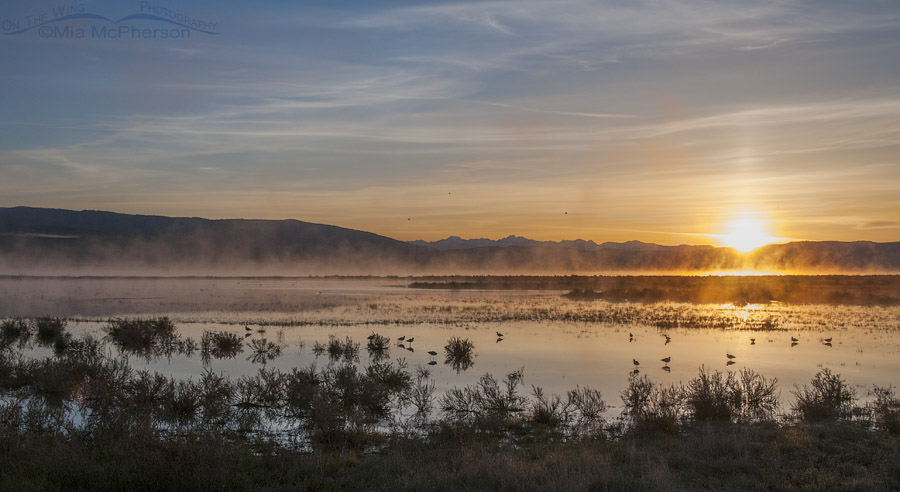
Lake mist over the Lower Lake at Red Rock Lakes NWR, Montana

Lake mist over the Lower Lake at Red Rock Lakes NWR, Montana

Large bodies of water can create their own weather too. Mornings at the refuge can be misty to very foggy near the lakes. The image above shows the morning mist rising from the Lower Lake.

Pronghorn buck in a fog, Red Rock Lakes NWR, Montana

Pronghorn buck in a fog, Red Rock Lakes NWR, Montana

The fog can be very dense at times making it difficult to see birds or animals approaching. This Pronghorn buck along with several does and young wandered past in one of those dense fogs near the Lower Lake campground.

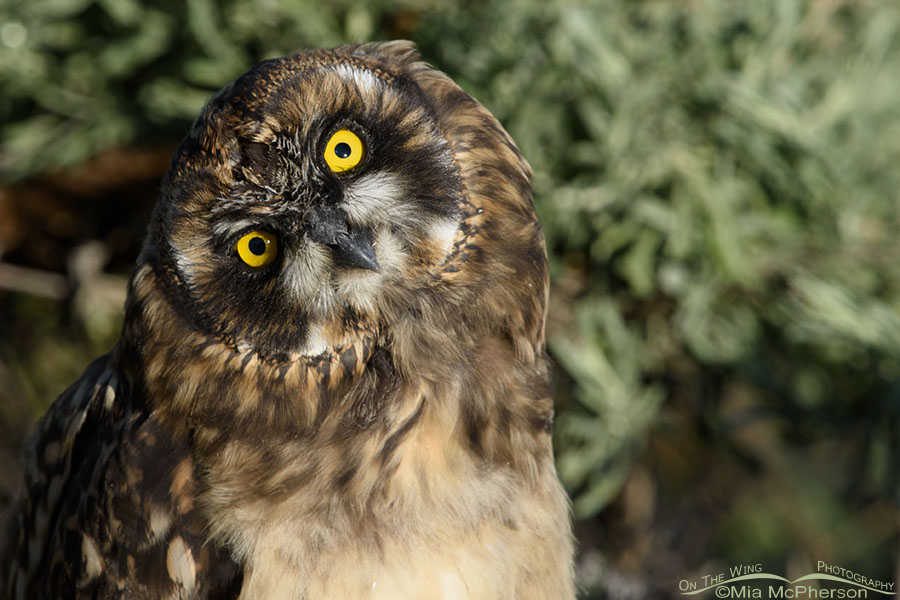
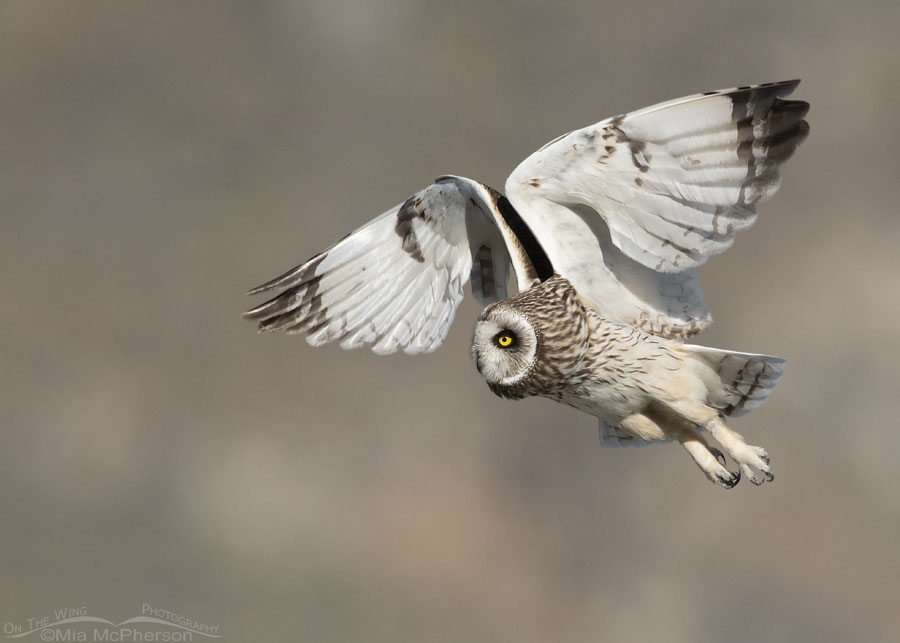
Female Short-eared Owl at Red Rock Lakes NWR, Montana

Female Short-eared Owl at Red Rock Lakes NWR, Montana

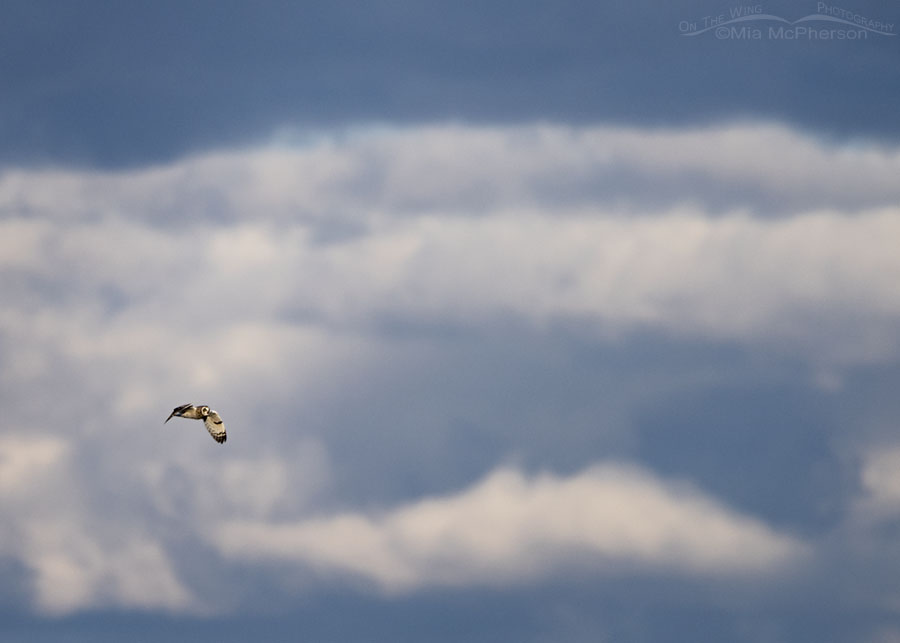
Photographing this female Short-eared Owl at the edge of a fog was delightful, the fog behind the owl created a velvety, buttery smooth background.  I have such fond “Montana” memories of the morning I photographed her.

Calling Wilson's Snipe, Red Rock Lakes NWR, Montana

Calling Wilson's Snipe, Red Rock Lakes NWR, Montana

 Along the Upper Lake’s eastern most section there are riparian habitats where many different species of warblers, ducks and shorebirds can be found along and in the streams. This Wilson’s Snipe was perched on a fencepost calling when we stopped to take some photos of it. I felt very lucky getting as many images of it as I did since in Florida about the only pictures I got were of the backside of the birds as they flew away.

Calling juvenile Swainson's Hawk, Red Rock Lakes NWR, Montana

Calling juvenile Swainson's Hawk, Red Rock Lakes NWR, Montana

There are; of course, bright, sunny days in the Centennial Valley where the mornings start off cool but the sun soon warms everything up and my layered clothing gets shed slowly. It was a beautiful day when I photographed this juvenile Swainson’s Hawk calling to another hawk overhead. It was young enough that it approached us rather closely  few times.

Below the dam at the Lower Lake at Red Rock Lakes NWR, Montana

Below the dam at the Lower Lake at Red Rock Lakes NWR, Montana

Mornings can be golden at Red Rock Lakes National Wildlife Refuge and evenings just as glorious.

Montana is once again beckoning to me. I can hear it calling.

Mia

Facebook Twitter Stumbleupon Digg Delicious Reddit Posterous Pinterest Email

Share

Burrowing Owls – Friday Photos

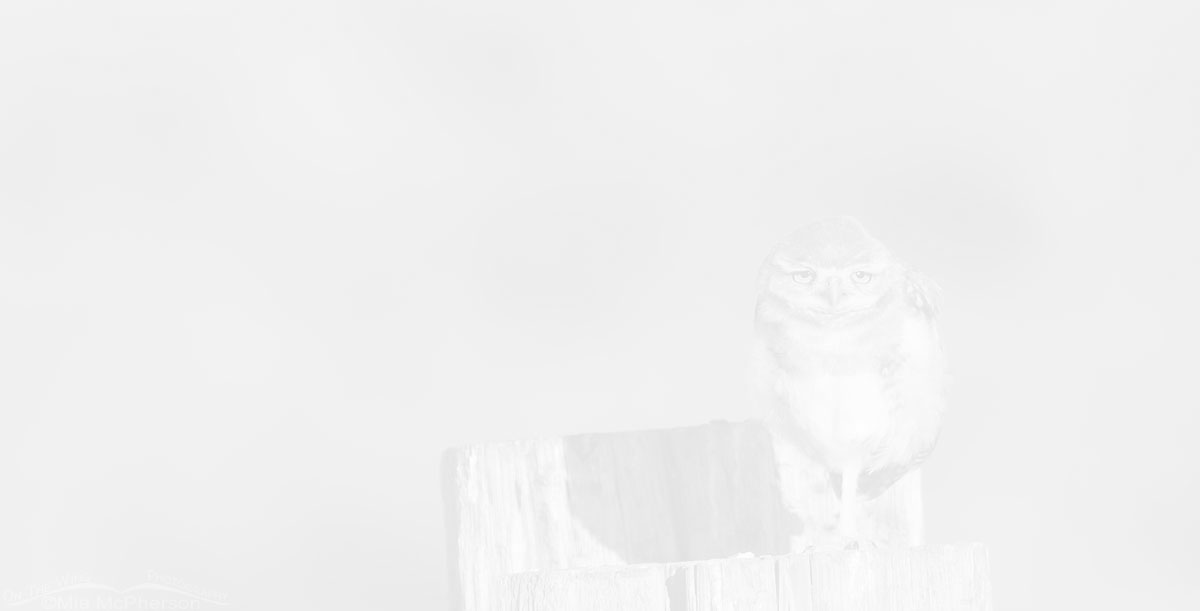
I’ve selected a few Burrowing Owl (Athene cunicularia) images taken a few years ago to post today.

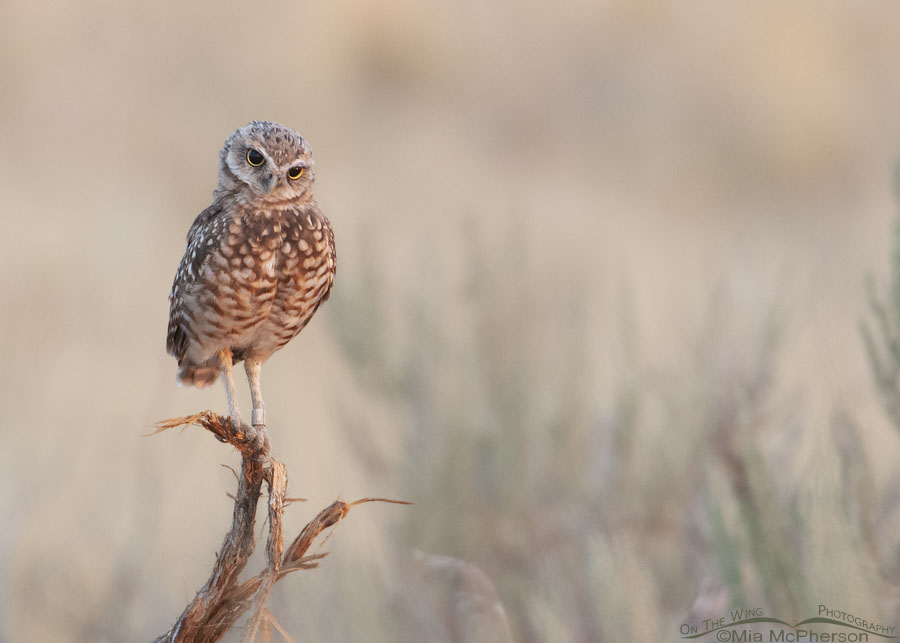
Burrowing Owl juvenile

Burrowing Owl juvenile - Nikon D200, f8, 1/400, ISO 250, Nikkor 200-400mm VR with 1.4x TC at 400mm, natural light, not baited

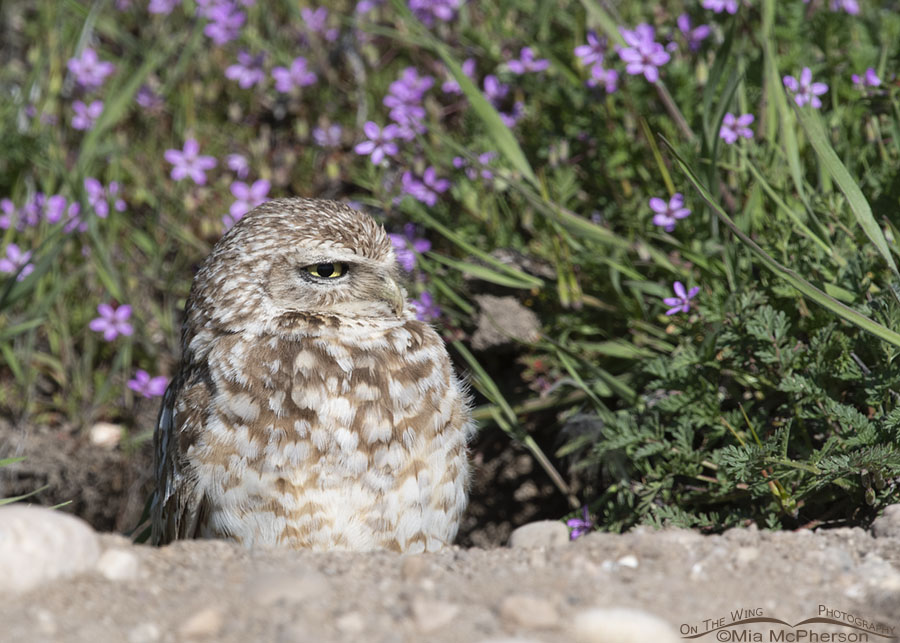
This juvenile Burrowing Owl posed very nicely in the light of the rising sun on Antelope Island State Park. I love those bright yellow eyes and the long rictal bristles surrounding the curved beak.

Adult Burrowing Owl

Adult Burrowing Owl - Nikon D200, f6.3, 1/400, ISO 200, Nikkor 200-400mm VR with 1.4x TC at 400mm, natural light, not baited

Adult western Burrowing Owls have paler plumage than the juveniles, lighter barring on the chest and always seem to me to be more serious looking than the juveniles who can at times appear to be quite clownish. I’ve heard them called the “Clowns of the western deserts”. 

Peekaboo Burrowing Owl fledgling

Peekaboo Burrowing Owl fledgling - Nikon D200, f8, 1/250, ISO 200, Nikkor 200-400mm VR with 1.4x TC at 400mm, natural light, not baited

There used to be a burrow on Antelope Island State Park where Burrowing Owls could be seen and photographed  frequently from the road but that appears to be no longer the case.

Last year there was an incident involving a few photographers walking on top of the burrow that may have caused the burrow to be abandoned, or worse; they may have crushed the burrow while walking on it and killed an adult that may have been inside because after that incident I only ever saw one adult owl near it and it seemed in distress for several weeks as it sounded frequent alarm calls from the tops of Sagebrush near the burrow.  More about that incident can be read here and here.

It is my dream to find more Burrowing Owls to photograph this year. They are beautiful, interesting and entertaining owls to observe and photograph.

Mia

More Burrowing Owl images

Facebook Twitter Stumbleupon Digg Delicious Reddit Posterous Pinterest Email

Share

Any day now…

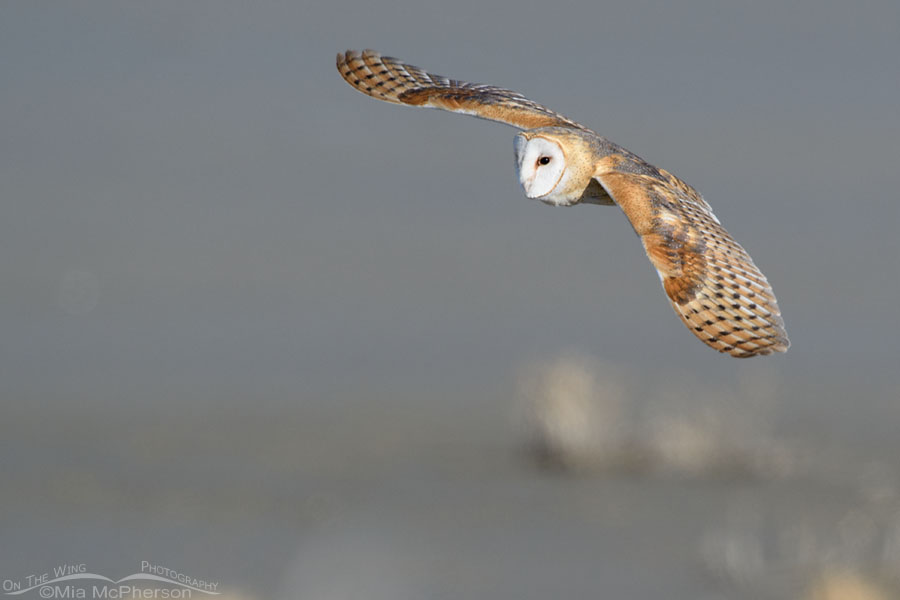
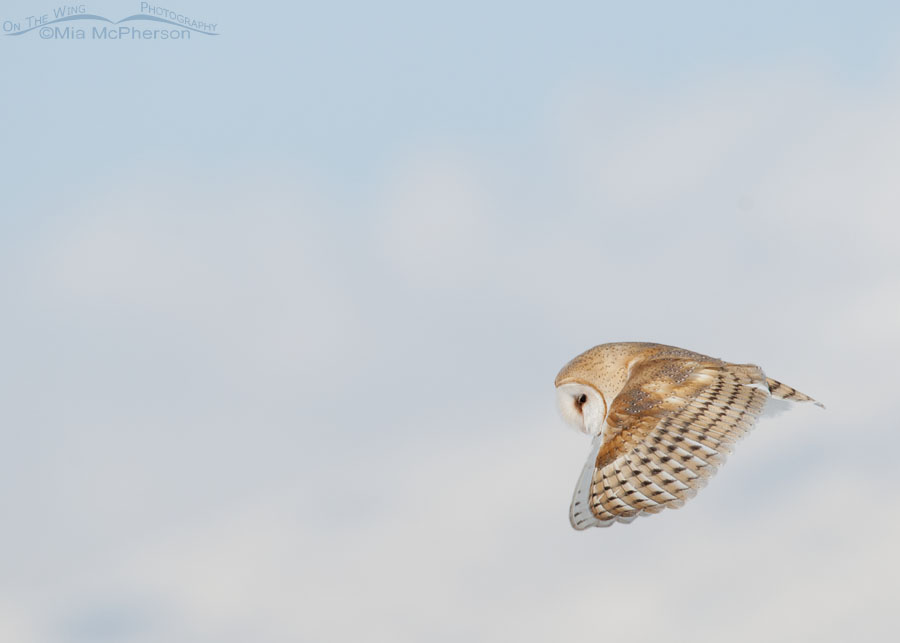
Barn Owl in flight

Barn Owl in flight - Nikon D200, f6.3, 1/640, ISO 400, Nikkor 200-400mm VR with 1.4x TC at 400mm, natural light, not baited

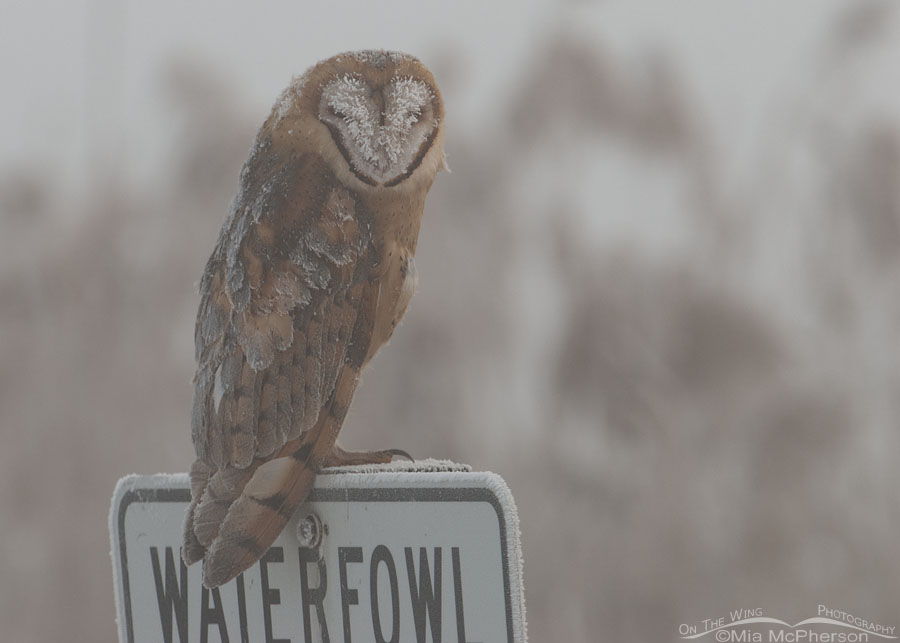
In early spring after Barn Owl (Tyto alba) chicks have hatched there are opportunities here in Utah to see the adult owls hunting just after dawn breaks. Barn Owls are primarily nocturnal but when they have hungry chicks to feed they will hunt later in the morning and earlier in the evening than they do when they don’t have young which gives me wonderful opportunities me to photograph them in natural light.

Because we have had an earlier spring than normal the Barn Owls here may be slightly ahead of their normal cycle so I have been keeping an eye out for them. Any day now…

Mia

Facebook Twitter Stumbleupon Digg Delicious Reddit Posterous Pinterest Email

Share

Burrowing Owl juvenile Wallpaper

Burrowing Owl juvenile

Burrowing Owl (Athene cunicularia) juvenile Wallpaper ~ Antelope Island State Park, Utah

It has been awhile since I posted a wallpaper for downloading and this time I decided to pick a photo of a Burrowing Owl juvenile. Burrowing Owls are a favorite of mine and many other people have expressed that same opinion. They are funny, comical, beautiful and they have such wonderful characters.  They can be such clowns!

This juvenile Burrowing Owl was photographed just after the sun had risen on the causeway to Antelope Island State Park. Unfortunately this particular burrow has not been used since 2009. 

Antelope Island State Park is one of my favorite locations for bird and wildlife photography. You can read more about my thoughts about this incredible place and view pictures I have taken there at these posts about the scenery, wildlife and birds of the island by clicking these links.

Wild and Wonderful – Antelope Island State Park – The Scenery
Wild and Wonderful – Antelope Island State Park – The Wildlife
Wild and Wonderful – Antelope Island State Park – The Birds

Download my Burrowing Owl juvenile wallpaper for your screen resolution by clicking the links below:

1920 x 1200
1680 x 1050
1440 x 900
1280 x 1024
1280 x 800
1024 x 768

A new page will open with the image, save to your computer and once you open the file you can set the image as your Desktop Background.

I hope that you enjoy this wallpaper. 

Mia

These wallpapers are for personal use only.

Facebook Twitter Stumbleupon Digg Delicious Reddit Posterous Pinterest Email

Share

Birds with “Blown Eyes”

Because I am a bird photographer I get to see and photograph our beautiful feathered friends, learn their habits and behaviors and sometimes I get to take a look at unusual conditions in the birds themselves.

Yellow-crowned Night Heron composite with blown eye
Yellow-crowned Night Heron (Nyctanassa violacea) composite with blown eye

The Yellow-crowned Night Heron above exhibits what I and other bird photographers have come to call “blown eye“.  Both of the images are photos of the same bird and the right eye frame at the top is normal. The second image shows two tear drop shaped black blobs in the iris which is abnormal. I don’t know if this was caused by an injury or if this might be a congenital condition.

American Oystercatcher composite with blown eye

American Oystercatcher (Haematopus palliatus) composite with blown eye

While I lived in Florida I often noticed “blown eyes” in American Oystercatchers and I have seen it where it was evident in both eyes of adult birds. The juvenile Oystercatchers have dark irises and it might be difficult to detect if their eyes are “blown” without getting images that are lit well and close up. These images of of two different birds that were a mated pair.

I recently read about a congenital condition in humans called “iris colobomas” which is also found in other mammals and birds and have begun to wonder if that might not be the cause of the abnormal pupils I see in some species of birds instead of an injury to the eye.

Great Horned Owl composite with blown eye Great Horned Owl (Bubo virginianus) composite with blown eye

 The top Great Horned Owl (photographed in Utah) in the composite above has normal eyes, the difference in the size of the pupils is caused by the angle of light dilating the pupils differently. The Great Horned Owl (photographed in Montana) shows a left “blown” eye. To me it looks like the pupil has leaked into the iris.

I’ve seen this condition in the species I have shown in my images and I’ve also seen it occur in Bald Eagles.

None of the birds I have photographed with blown eyes appear to have any difficulty seeing and it doesn’t seem to limit their ability to stalk or hunt prey. The Yellow-crowned Night Heron in the image above stalked, captured and ate three Ghost Crabs while I observed and photographed it. American Oystercatchers probe for their prey and none of the birds with blown eye that I observed exhibited any more difficulty in locating food than the adults nearby that did not have this condition. The Great Horned Owl with the blown eye was a male and the pair had three chicks and I am almost certain he had no difficulties providing food for them.

I wonder how many other species exhibit “blown eyes” and what the cause is. Injury or Congenital Defect. I would love to read additional input on this topic so please feel free to comment.

Mia

Facebook Twitter Stumbleupon Digg Delicious Reddit Posterous Pinterest Email

Share