
Some of the Birds I love at Bear River National Wildlife Refuge

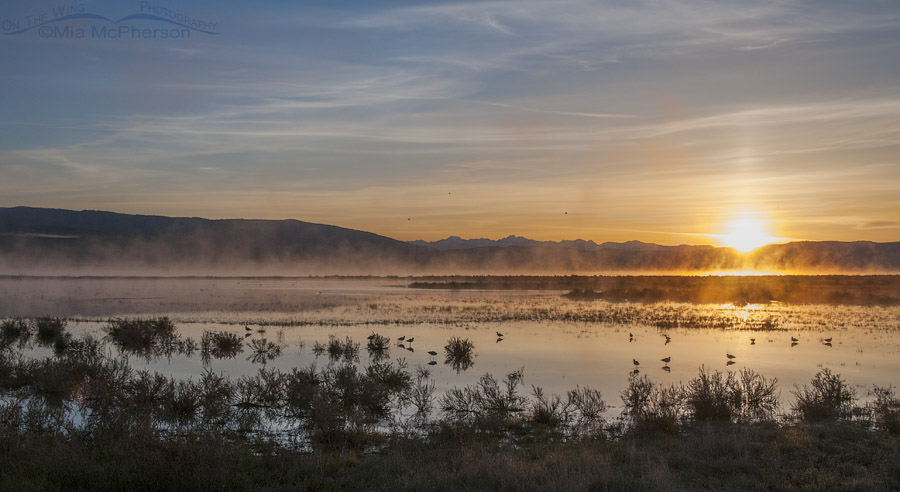
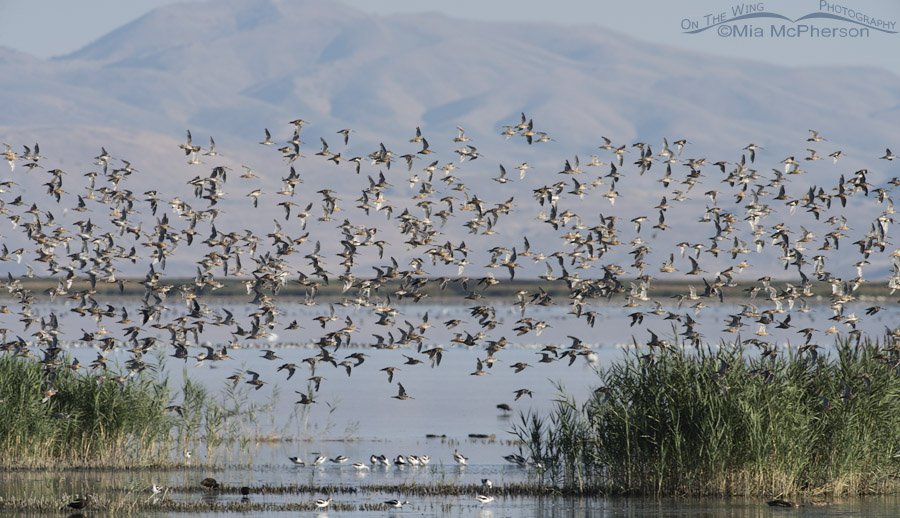
One of my favorite locations to photograph birds in northern Utah is Bear River National Wildlife Refuge. I’ve selected some of the birds there that delight and entertain me while I observe and photograph them.

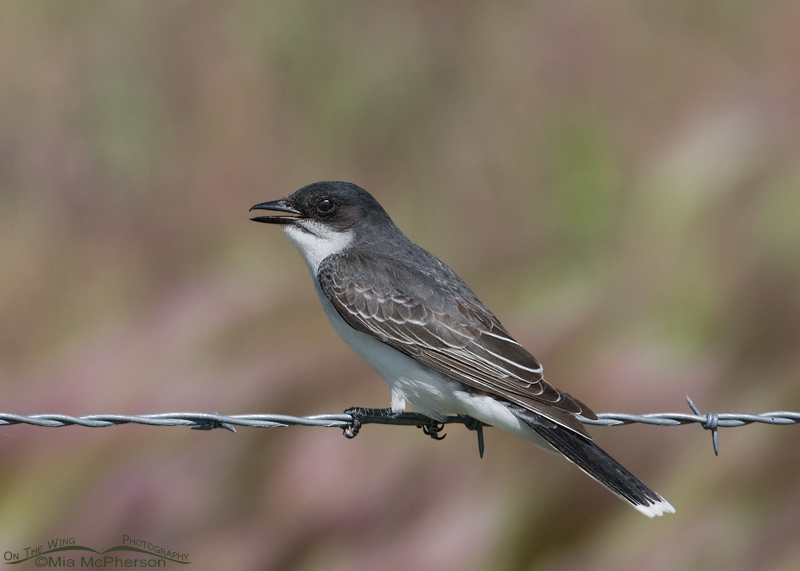
Eastern KingbirdEastern Kingbird

There are several different species of Flycatcher that visit the Bear River Migratory Bird Refuge, among them the ones I see most often during the warmer months are the Eastern Kingbirds…

Western KingbirdWestern Kingbird

and Western Kingbirds. Both of them look rather dapper in my opinion.

Male Black-necked StiltMale Black-necked Stilt

There are also many shorebirds the pass through or nest on the refuge, Black-necked Stilts nest on the refuge…

American AvocetAmerican Avocet

as do American Avocets. Both of these shorebirds appear rather elegant in looks and movements.

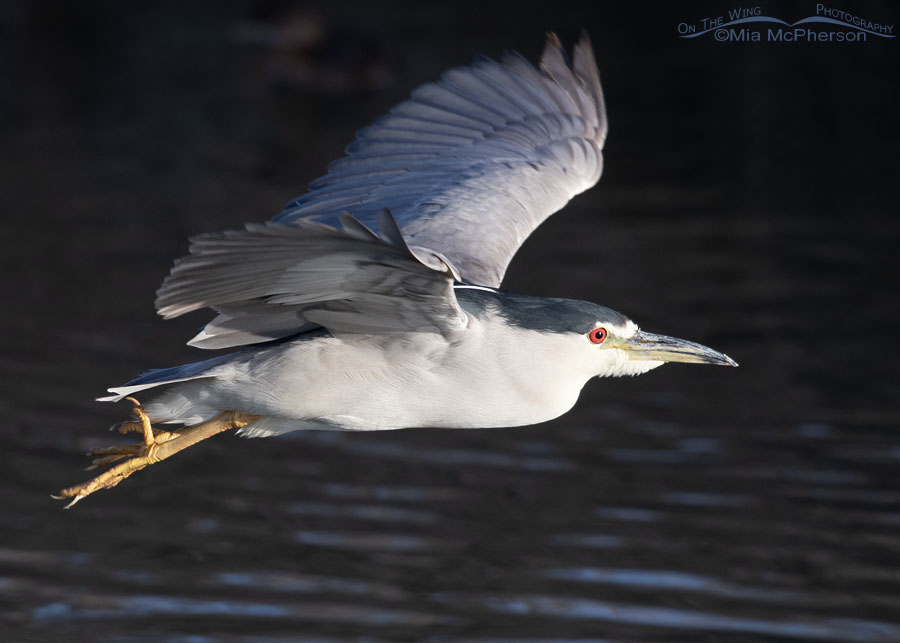
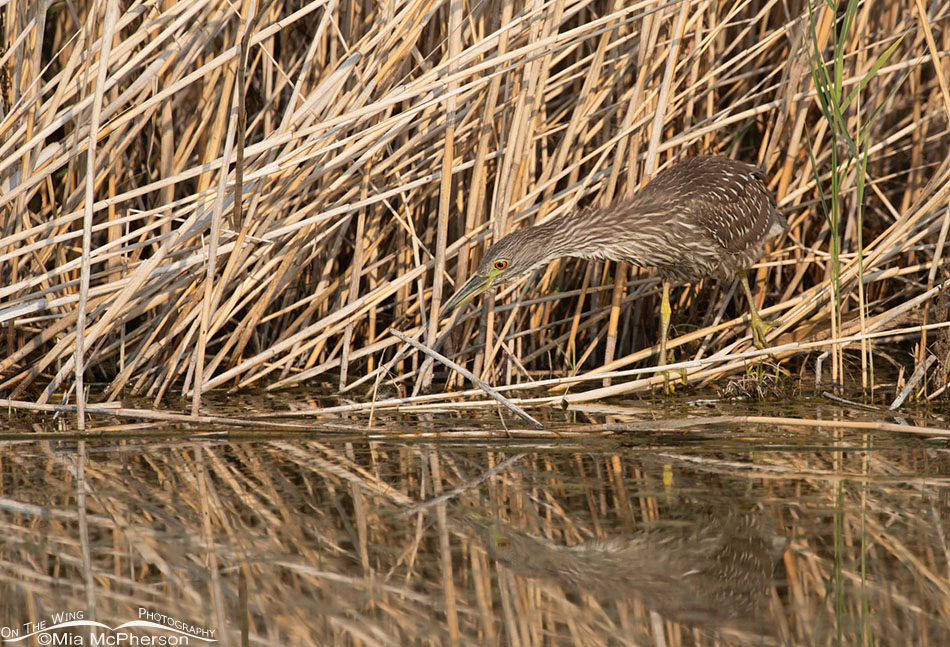
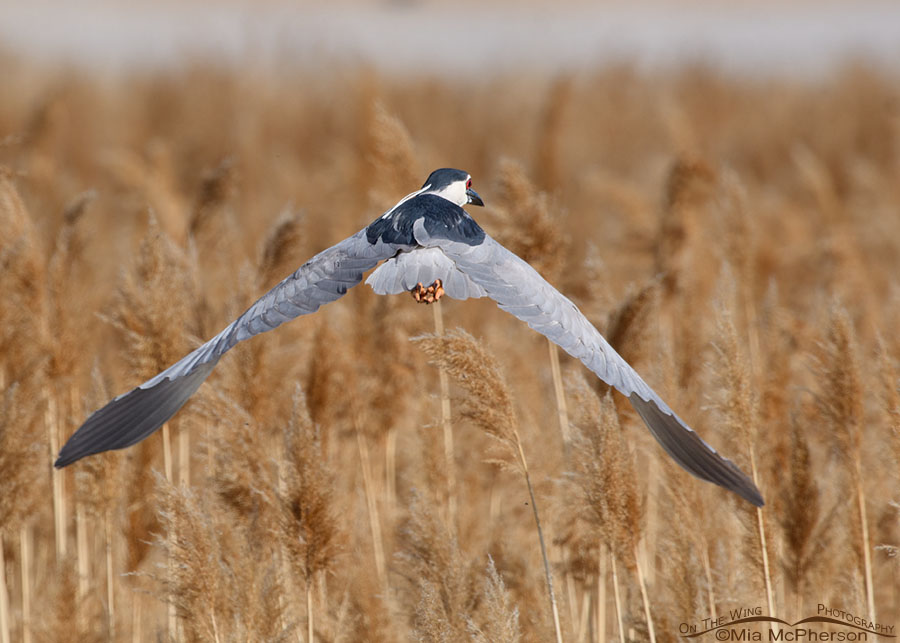
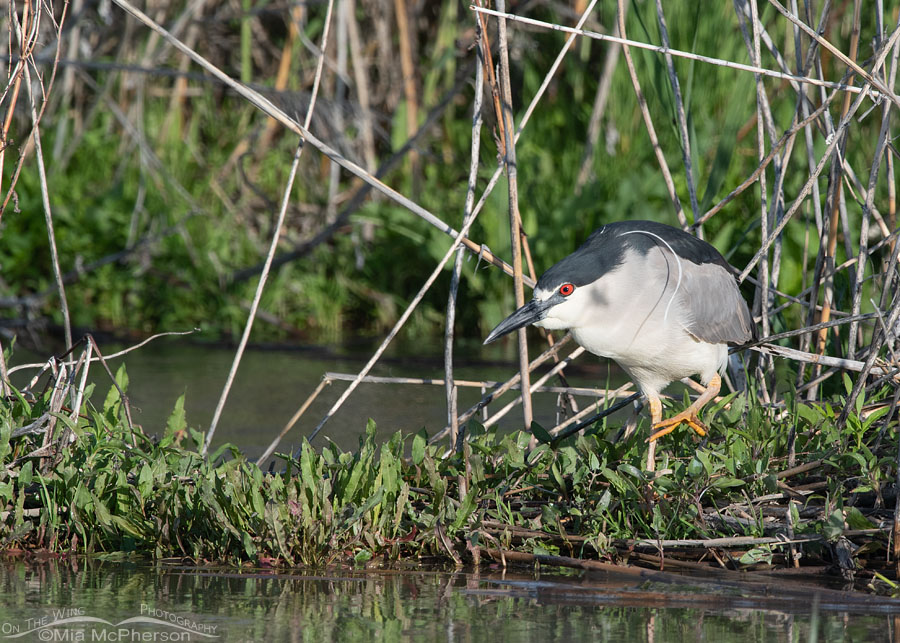
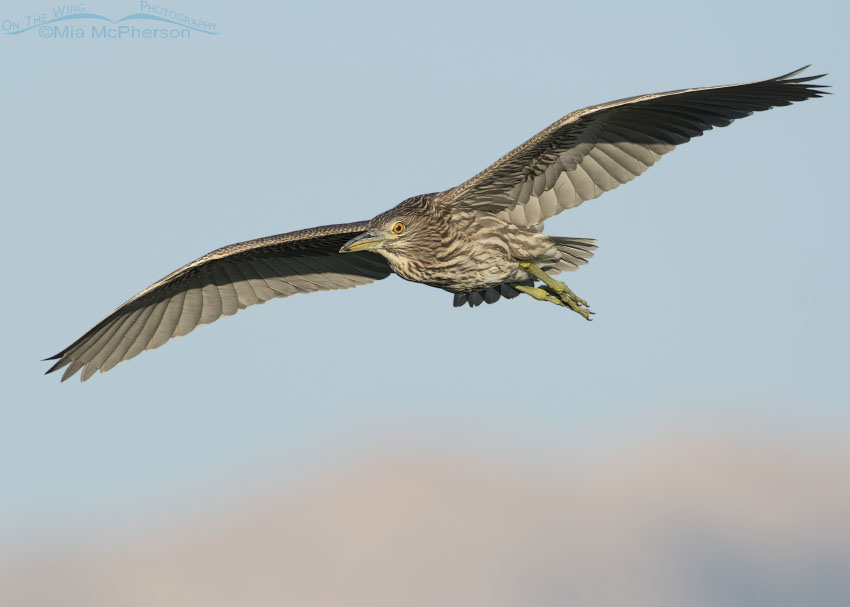
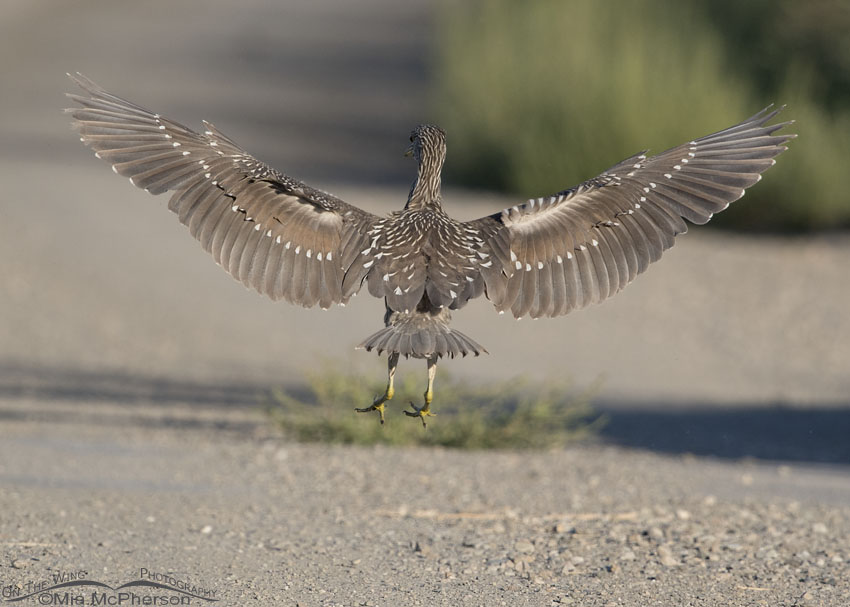
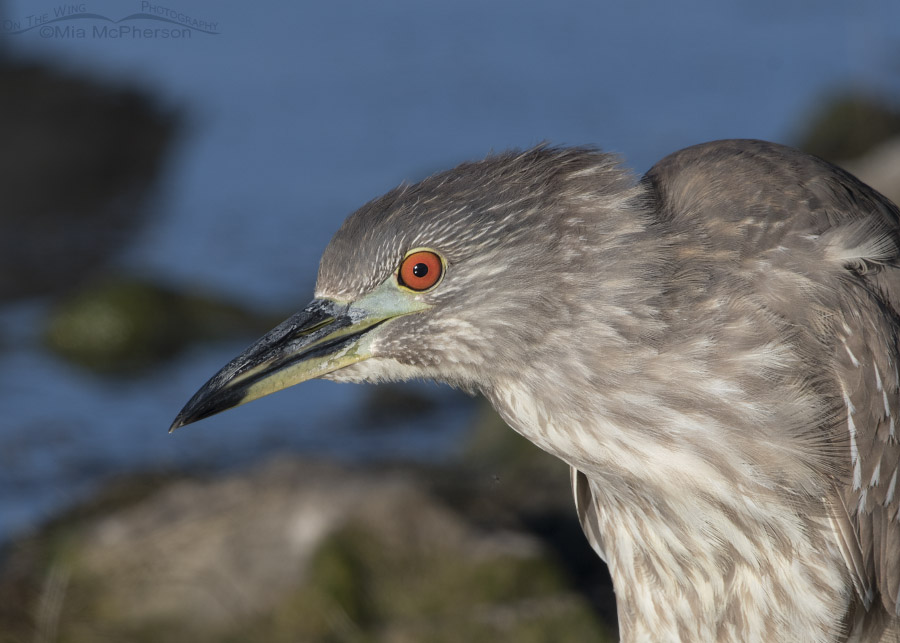
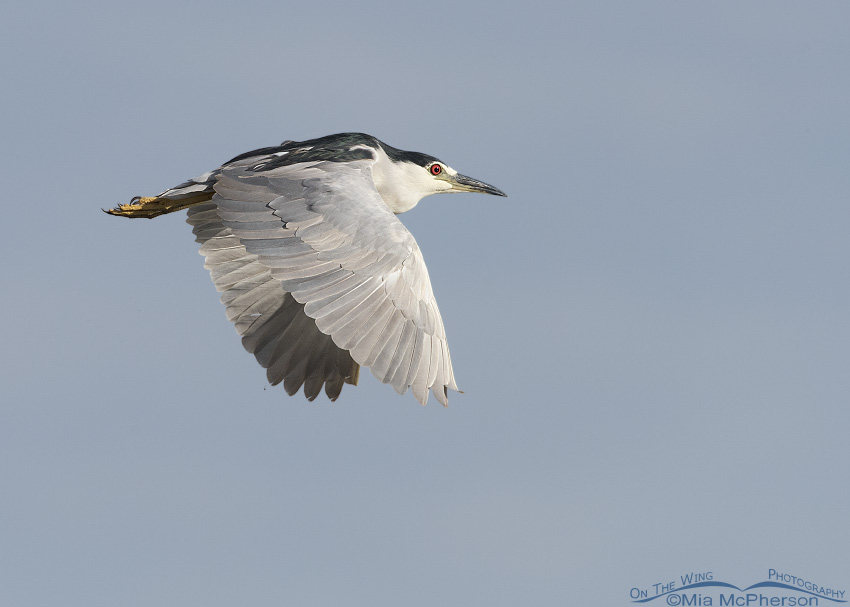
Black-crowned Night HeronBlack-crowned Night Heron

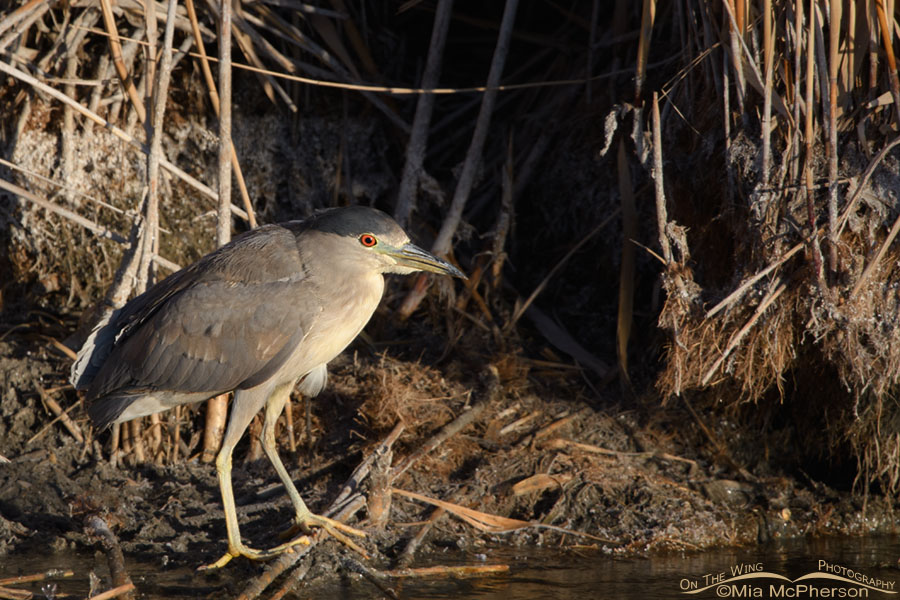
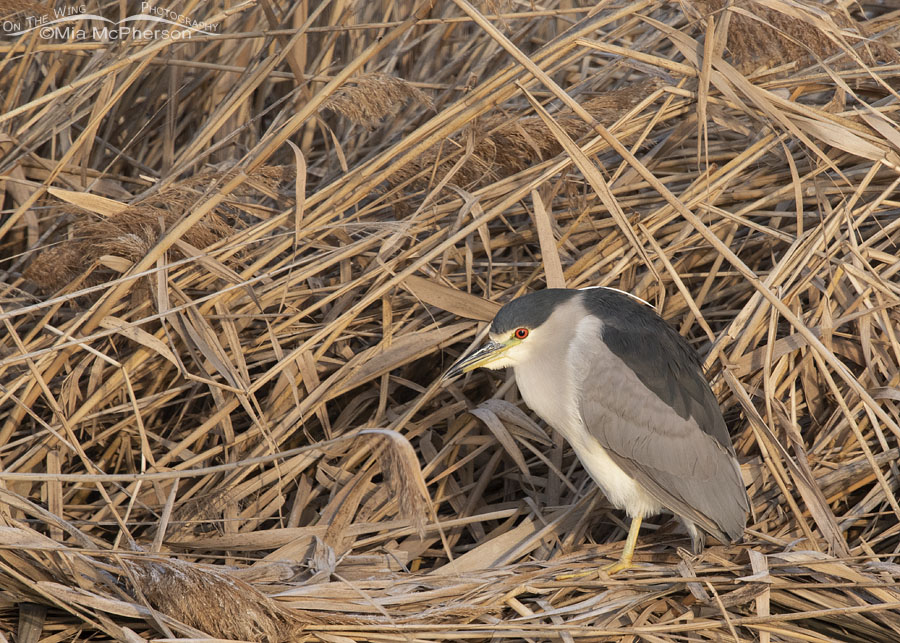
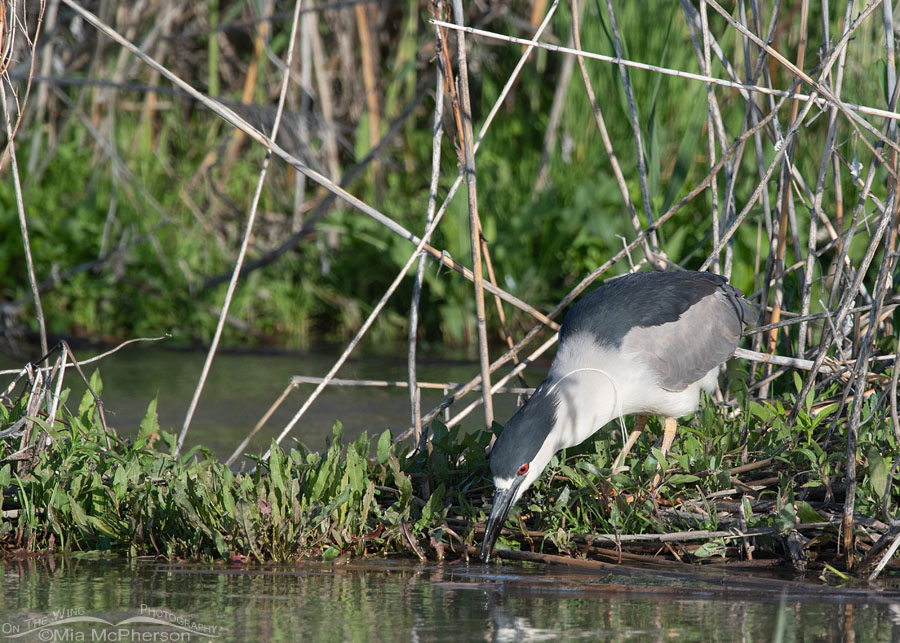
Black-crowned Night Herons are common wading birds at the refuge and despite their name, they aren’t strictly nocturnal. Black-crowned Night Herons are year round residents…

Snowy Egret in flightSnowy Egret in flight

but Snowy Egrets are not, they migrate to the refuge. This Snowy Egret is showing the peachy-colored lores seen during the breeding season.

Barn Owl flying in the snowBarn Owl flying in the snow

Barn Owls are year-round residents of the refuge and although they are primarily nocturnal they do fly during the day when the weather is bitter cold and there is heavy snow cover on the ground and they will fly later at dawn and earlier at dusk when they have chicks to feed. This one was flying during the day as the snow fell.

Swainson's HawkSwainson’s Hawk

Swainson’s Hawks are also migratory birds and they are seen on the refuge during the warmer months. Their diet consists primarily of insects like grasshoppers and there aren’t many of those around during the cold months in Utah.

American White PelicanAmerican White Pelican

American White Pelicans also nest on the refuge and come into to feed on fish in the fresh water impoundments.

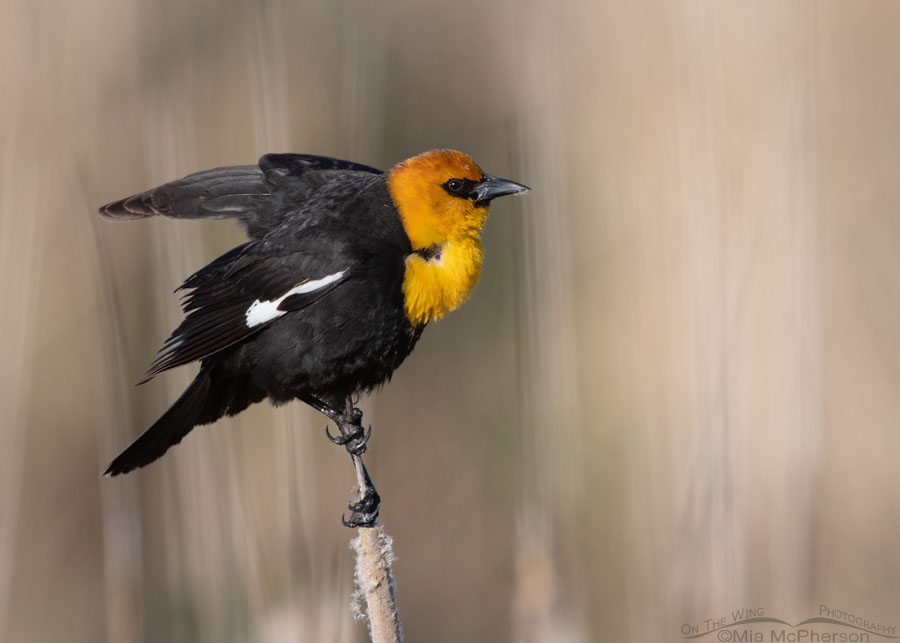
Male Yellow-headed BlackbirdMale Yellow-headed Blackbird

Yellow-headed Blackbirds, with their mechanical sounding call, can be found perching in cattails, reeds, phragmites and other vegetation as they forage for food. I was tickled to get this male in this pose.

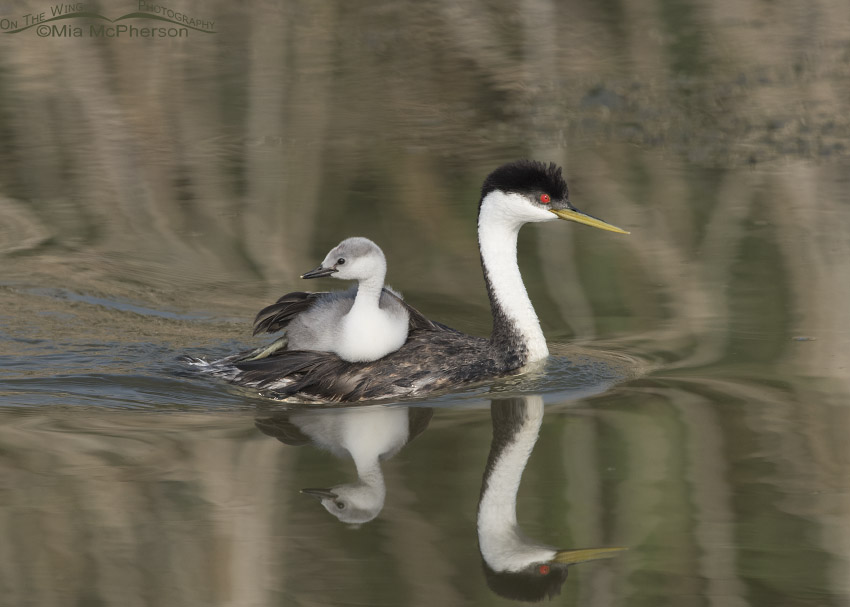
Western GrebeWestern Grebe

The most common found grebes on the refuge are Pied-billed, Clark’s and Western although Eared and Horned Grebes are also spotted there at different times of the year.

Tundra SwanTundra Swan

Tundra Swans by the thousands call the refuge home during the winter and can be seen flying overhead, swimming in open water or standing on ice. This adult shows a stained head and neck.

Marsh WrenMarsh Wren

The sound of Marsh Wrens can be heard all over the refuge, they may be tiny but their voices aren’t.

Cinnamon x Green-winged Teal hybridCinnamon x Green-winged Teal hybrid

All types of ducks can be found on the refuge during different seasons of the year. It pays to keep a look out for unusual ducks, you never know when a hybrid might be seen like this Cinnamon x Green-winged Teal.

Forester's TernForester’s Tern

Terns and gulls can also been seeing hunting over the water and nesting there as well. This Forester’s Tern in breeding plumage was hunting for small fish.

This is just a small selection of the birds that can be found at Bear River National Wildlife Refuge, a location that I treasure.

Mia

Facebook Twitter

Comparing Black-crowned and Yellow-crowned Night Herons

Black-crowned and Yellow-crowned Night Heron adults

The adult Black-crowned and Yellow-crowned Night Herons aren’t terribly difficult to tell apart though the juveniles can be more of a challenge.

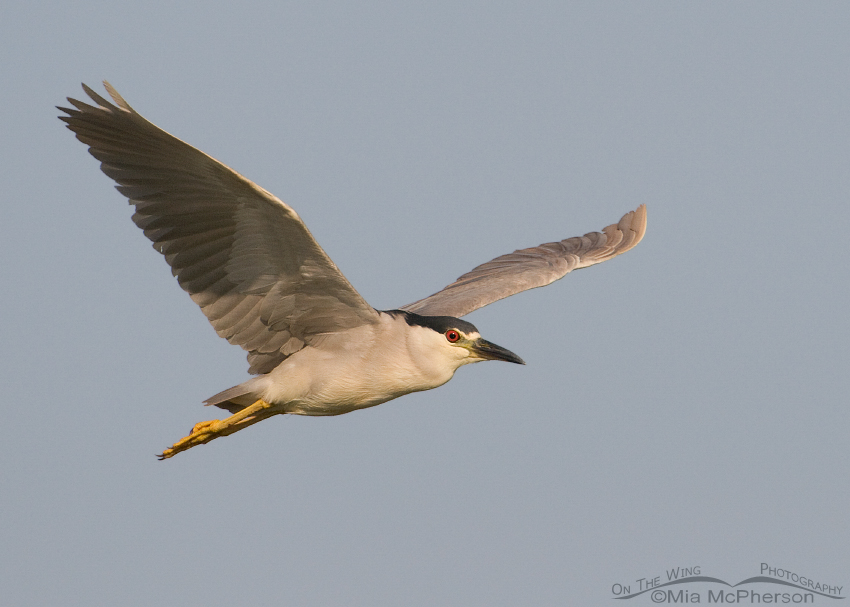
Black-crowned Night Herons have red eyes, a black crown and white plume, a short white to pale gray neck, a very pale gray belly, a solid black back and pale yellow legs that a red during breeding season. Black-crowned Night Herons have a black bill that is shorter and more slender than a Yellow-crowned Night Heron. They appear chunky and squat compared to a Yellow-crowned Night Heron. Yellow-crowned Night Herons have orange-red eyes,  a white crown with a slight yellow tint & white plume, they have a black head with a white cheek patch, a long slender gray neck and belly, a gray back with a pattern and yellow legs. Yellow-crowned Night Herons have a thick black long bill. They appear slender compared to a Black-crowned Night Heron.

Black-crowned and Yellow-crowned Night Heron juveniles

The juveniles are slight more difficult to ID but some features make them easier to identify.

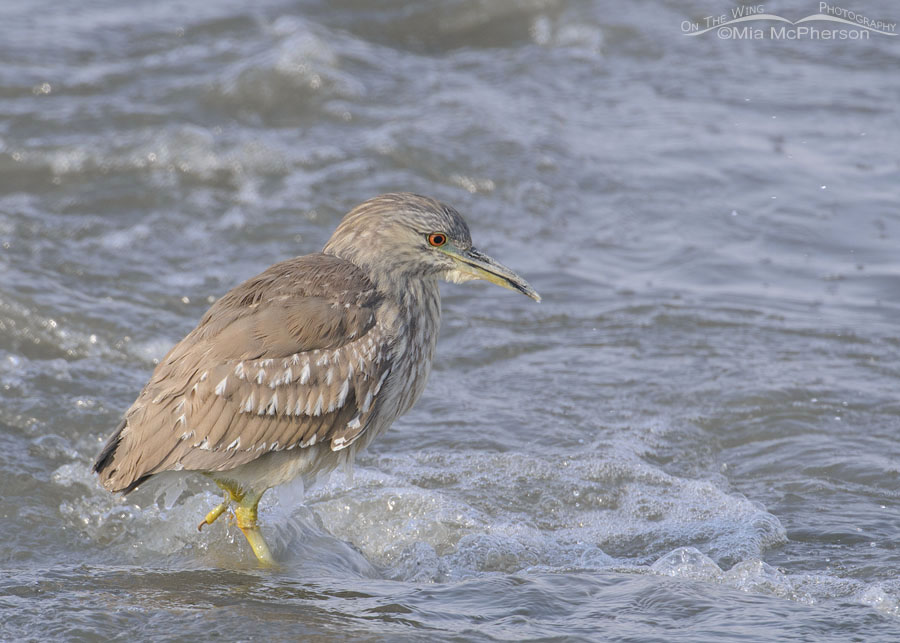
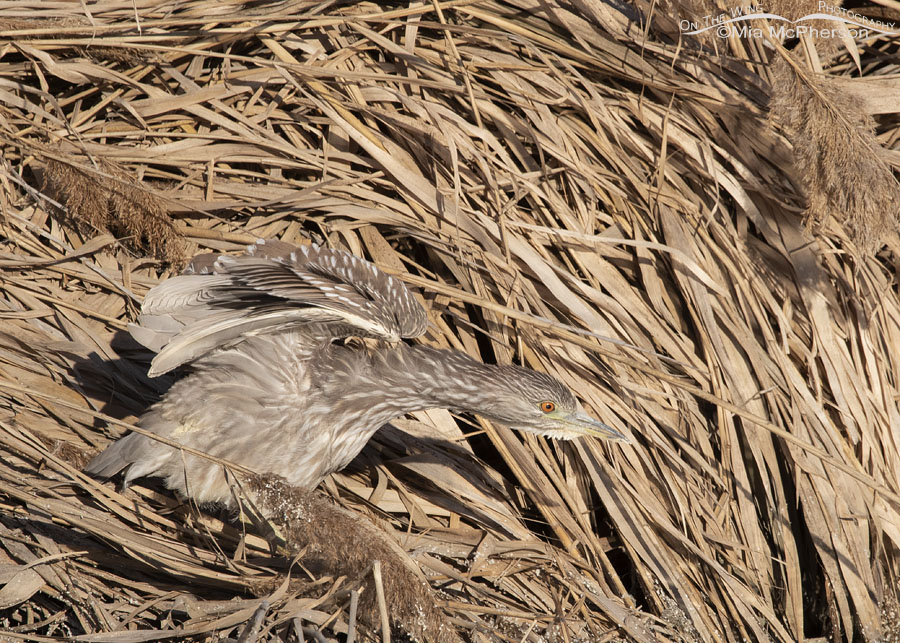
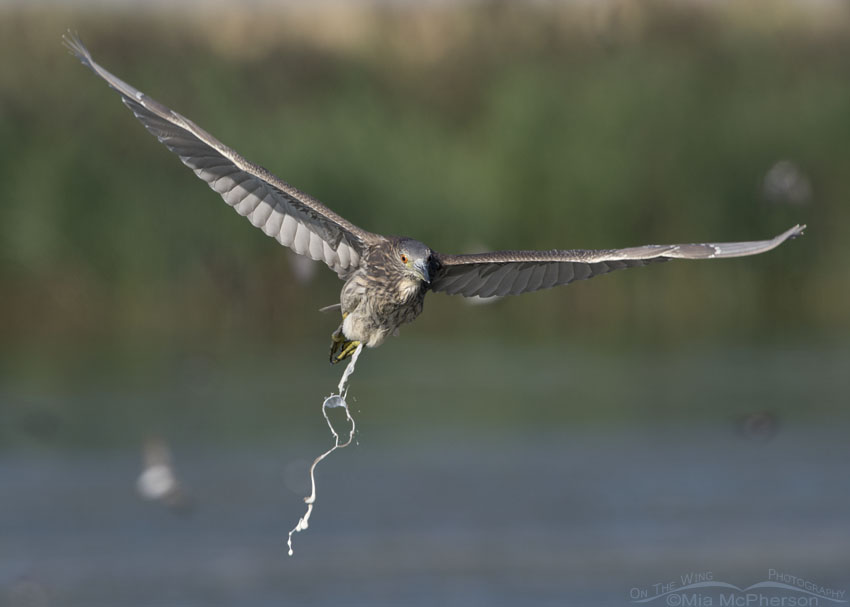
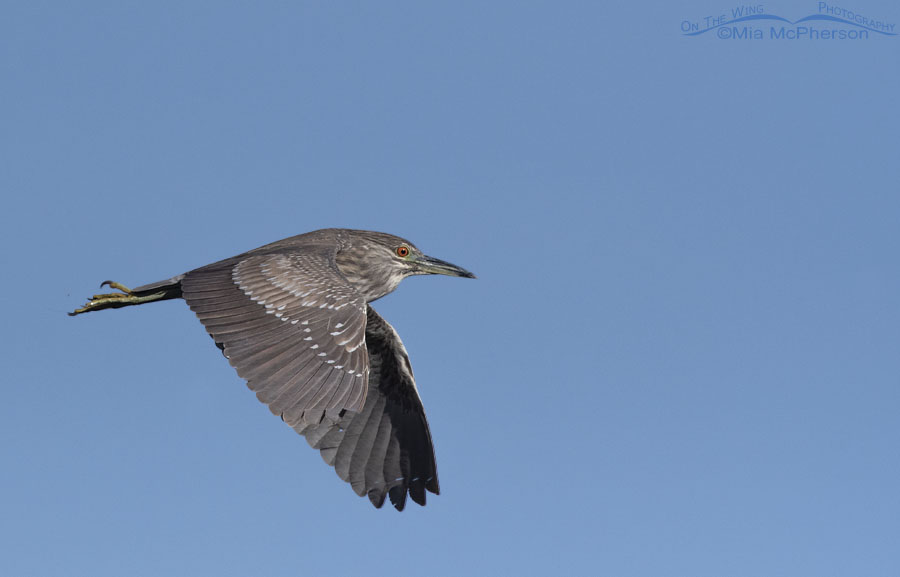
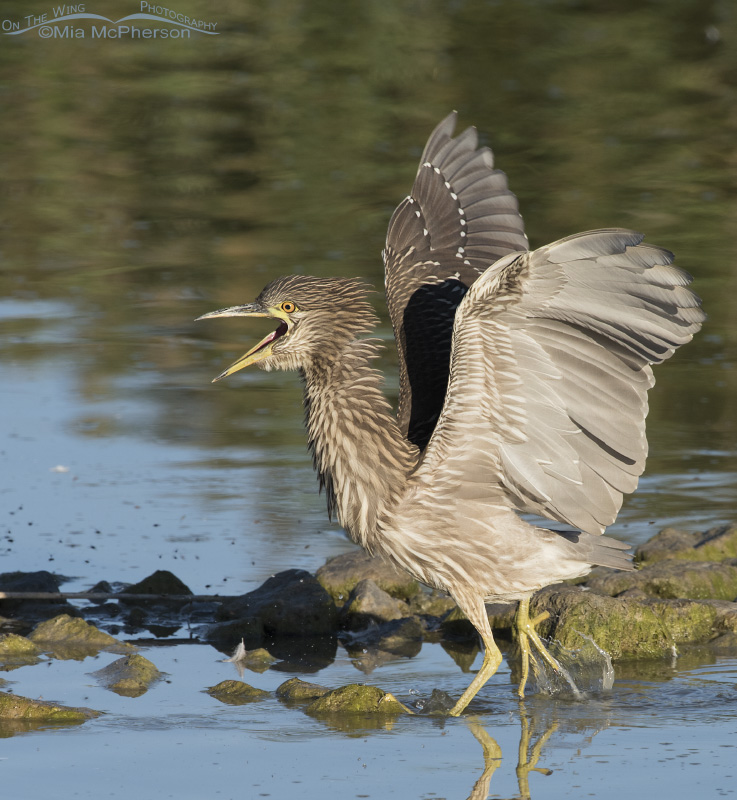
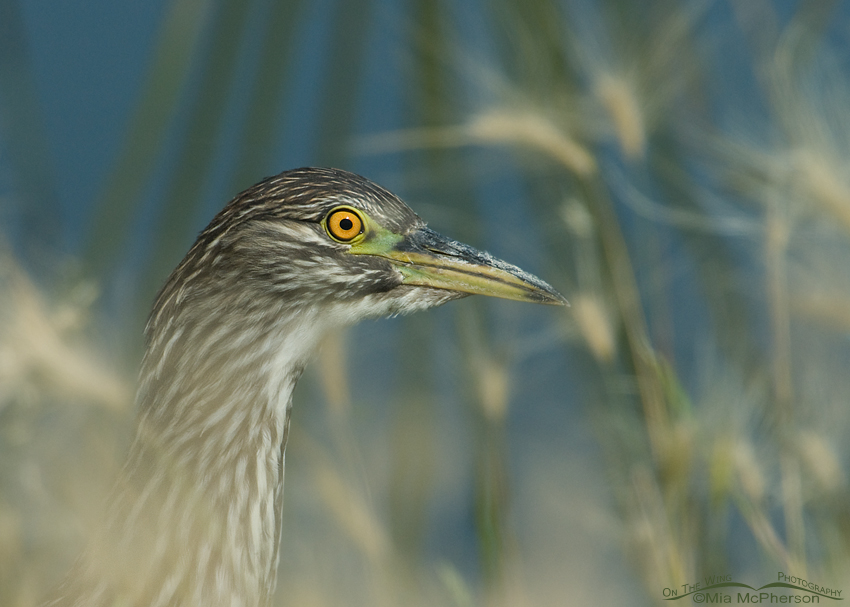
Juvenile Black-crowned Night Herons are chunky and squat like the adults and have short necks. The bill of a juvenile is dark on top and green to yellowish on the bottom, the lores are sometimes a greenish color and the wings have large white spots on a brown back. Juvenile Yellow-crowned Night Herons are slender in appearance and have long slender necks. The bill of a juvenile is mostly black and the back and wings have fine spots and the overall color is darker than a juvenile Black-crowned Night Heron.

Additionally, geographic location should be taken into account when making an identification in that Black-crowned Night Herons have a much larger range that covers most of the United States into southern Canada, Mexico and the Caribbean. Yellow-crowned Night Herons are found mainly on the east coast of the United States, Mexico and the Caribbean.

Mia

Facebook Twitter

Some fun with birds from yesterday

My monthly post is up at BirdingIsFun.com, fly on over and check it out!

Chukar running in the snow

I spent the day photographing with Ron and a fellow photographer friend of ours from Arizona, Brian Gatlin. Antelope Island State Park was slow, the only images I took were of the Chukar above.

Great Blue Heron preening to remove ice

Farmington Bay WMA; on the other hand, was hopping. This Great Blue Heron; probably the same one I photographed a few days ago, was trying hard to get the ice off that had formed on the straggly part of its chest plumage.

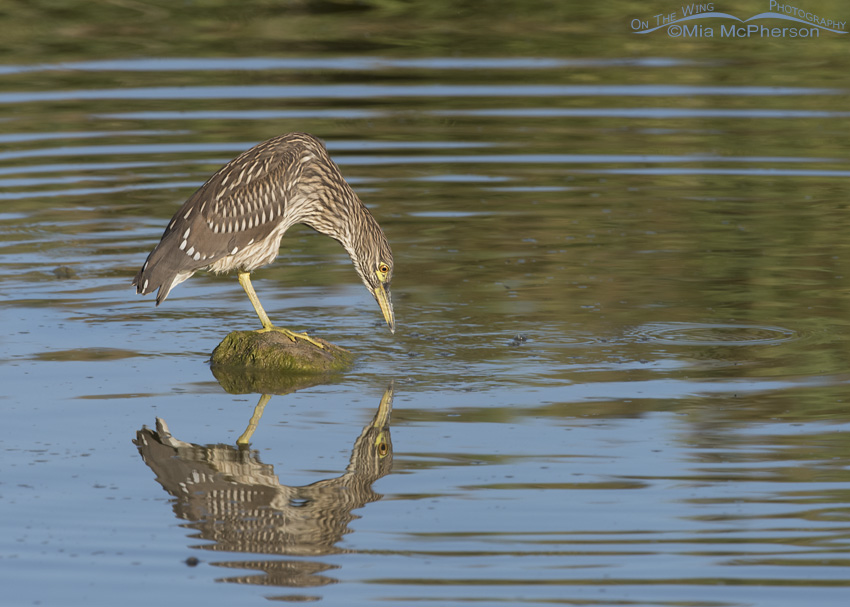
Juvenile Black-crowned Night Heron

Then there was this juvenile Black-crowned Night Heron standing in the open water near the second bridge. It also had ice hanging from its plumage.

Rough-legged Hawk juvenile

There was also cooperative juvenile Rough-legged Hawk perched on a bush near the road.

Barn Owl
Barn Owl

And this lovely Barn Owl that probably couldn’t figure out why three glass lenses in the pick up were pointed at it along with one in a vehicle behind us. The bird obviously doesn’t know it has Star Power.

A wonderful fun-filled day with great companionship and plenty of birds. I can’t ask for more.

Mia

Facebook Twitter

Juvenile Black-crowned Night Heron – A Winter Treat

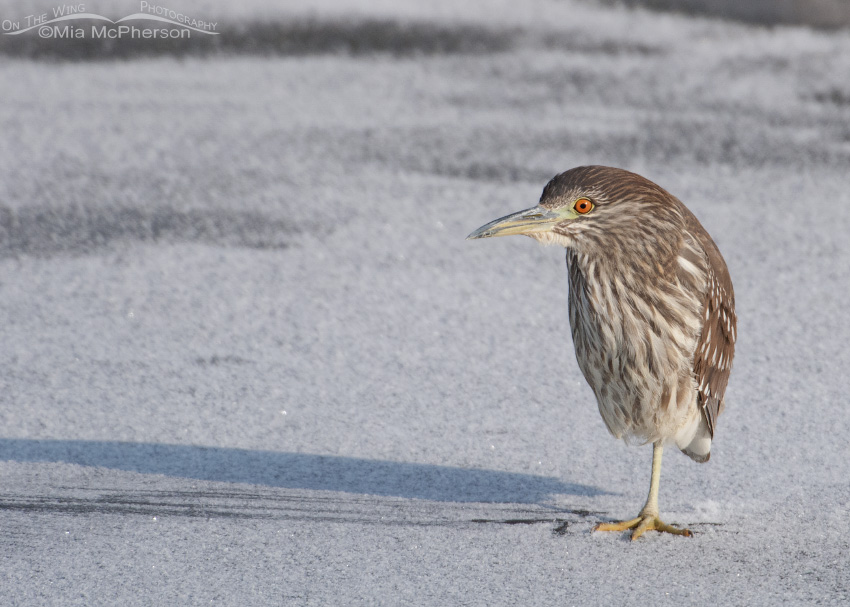
Young Black-crowned Night Heron on ice
Young Black-crowned Night Heron on ice – Nikon D300, f7.1, 1/640, ISO 400, Nikkor 200-400mm VR with 1.4x TC at 400mm, natural light

I’ve mentioned before that Great Blue Herons stay in the Salt Lake Valley over winter even though the temperatures get very cold and so do some of the Black-crowned Night Herons. I had just mentioned that I hadn’t been seeing the Black-crowned Night Herons when I saw this juvenile flying over the Phragmites near a pond at Farmington Bay Waterfowl Management Area and then it landed on the ice close to some open water.

Alert juvenile Black-crowned Night Heron
Alert juvenile Black-crowned Night Heron – Nikon D300, f6.3, 1/1250, ISO 400, Nikkor 200-400mm VR with 1.4x TC at 357mm, natural light

Juvenile Black-crowned Night Herons look quite different from the adults in plumage but they have the same general shape. Aren’t those orange eyes brilliant in morning light? And like the American Coot images I posted yesterday from the same session, they both have big feet.

Immature Black-crowned Night Heron
Immature Black-crowned Night Heron – Nikon D300, f7.1, 1/640, ISO 400, Nikkor 200-400mm VR with 1.4x TC at 400mm, natural light

I don’t see the Black-crowned Night Herons as often in the winter as I do other times of the year so this young bird was a lovely treat.

Mia

More Black-crowned Night Heron images

Facebook Twitter

Black-crowned Night Heron fly by

I spent yesterday morning photographing at Bear River Migratory Bird Refuge in Box Elder County, Utah. Black-crowned Night Herons seemed to be everywhere on the south side of the auto tour loop, both adults and hatch year birds.

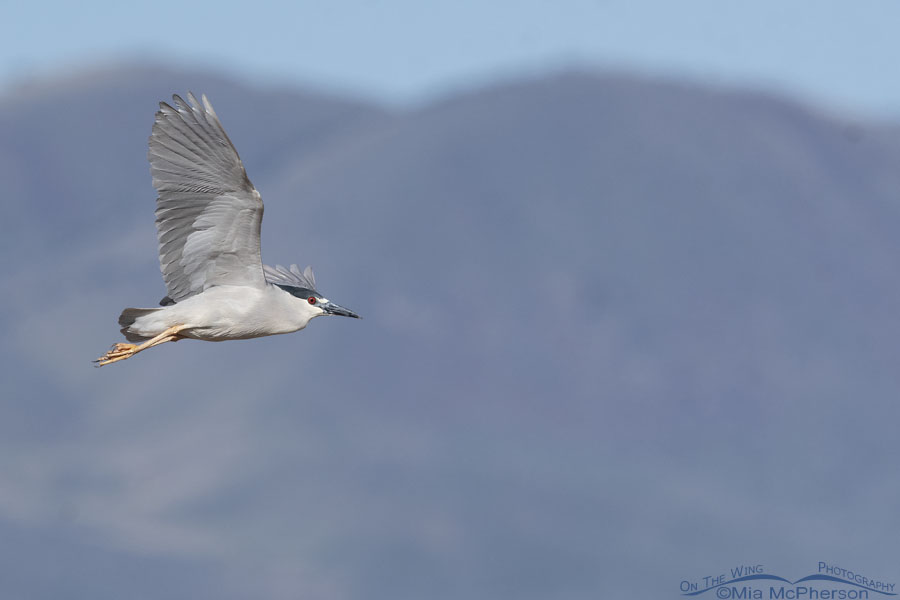
Black-crowned Night Heron

Black-crowned Night Heron – Nikon D200, f6.3, 1/3000, ISO 500, +0.3 EV, Nikkor 200-400mm VR with 1.4x TC 400mm, natural light

Black-crowned Night Herons (Nycticorax nycticorax) are wading birds that are mainly active at night, dusk and early dawn. They are common and widespread throughout North America and the world and can be found in Utah year round near lakes, ponds, streams and marshes.

I looked them up on my iBird Pro app this morning and learned that the adults of this species do not distinguish between their own chicks and chicks from other nests and they will brood chicks that are not their own.

I photographed this adult Black-crowned Night Heron as it flew over an area of cattails and rushes after it flushed. It looks like there was a long piece of filamentous algae attached to its wing tip.

Mia
OnTheWingPhotography

More Black-crowned Night Heron images

Facebook Twitter