Adult and juvenile White Ibis

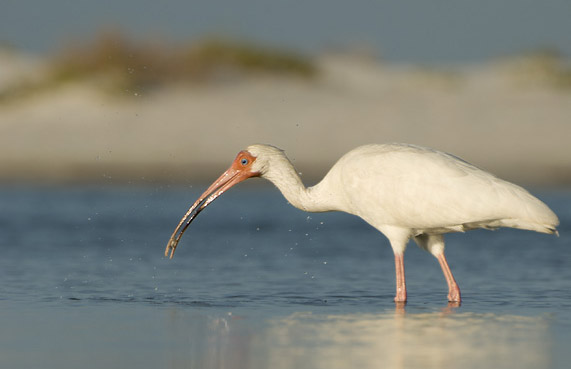
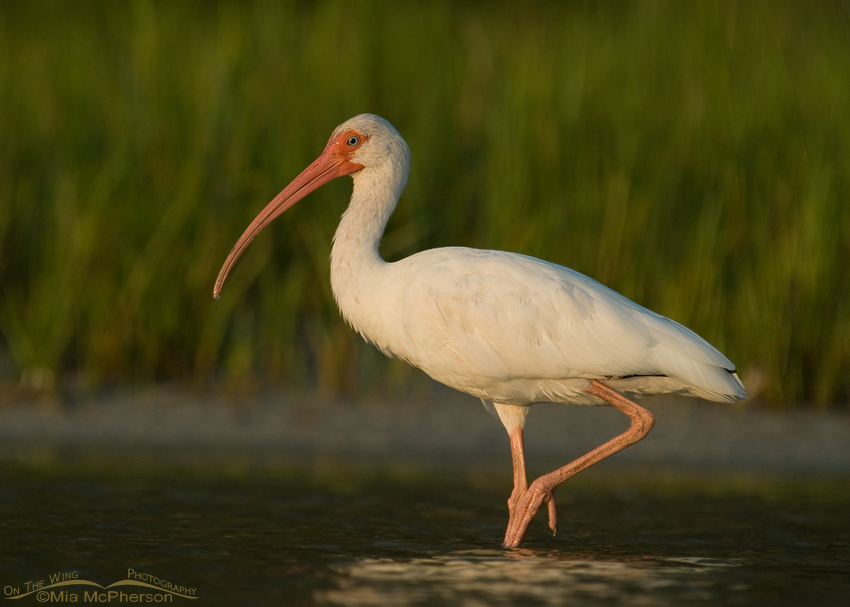
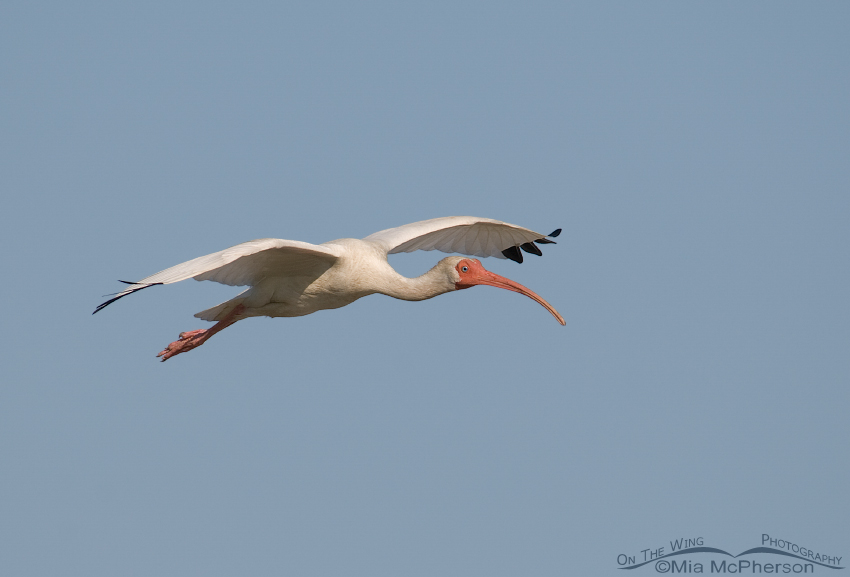
Adult White IbisAdult White Ibis – Nikon D200, handheld, f6.3, 1/500, ISO 250, Nikkor 80-400mm VR at 400mm, natural light

White Ibis can be strange looking birds to people who have never seen them before, they have soft, sky blue eyes, skinny legs, long necks and a bill that could be compared to Jimmy Durante’s nose. The adults have white feathers, hence the name White Ibis.

There are three other Ibis species found in North America, the White-faced, Glossy and Scarlet Ibis. In the wild I have seen all but the Scarlet Ibis.

I photographed this adult White Ibis at Fort De Soto County Park’s north beach in a tidal lagoon one evening in June of 2009, the sun was starting to set and the tide was going out rapidly.

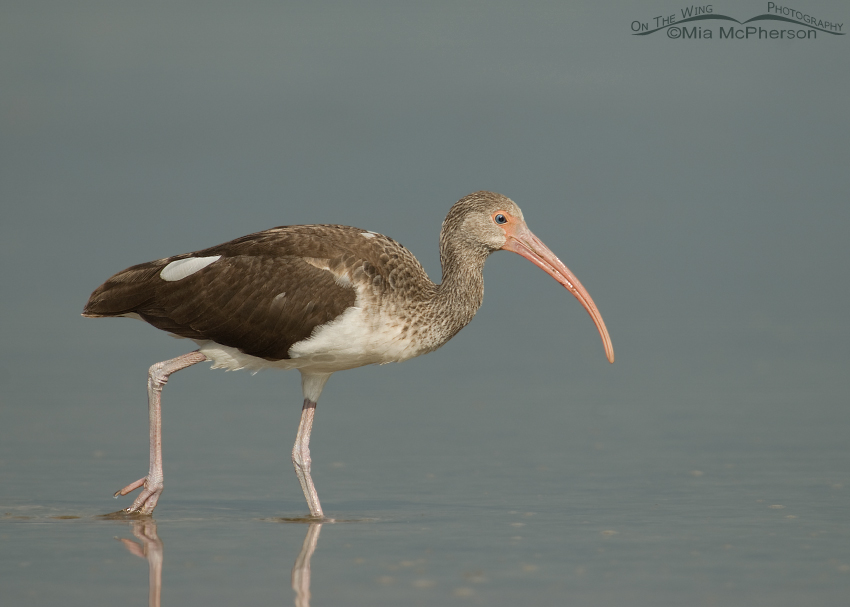
Juvenile White IbisJuvenile White Ibis - Nikon D200, handheld, f7.1, 1/500, ISO 200, Nikkor 80-400mm VR at 330mm, natural light

Juvenile White Ibis have the same shaped body, legs, neck and bill and their eyes are also a sky blue but their feather colors are different. Immature White Ibis have browns and tans in their plumage and as they age those feathers are replaced with white, they can look piebald until that change occurs.

This juvenile white Ibis was photographed in December of 2008 about 200 feet from where the adult above was photographed in the same lagoon but earlier in the afternoon so I didn’t have that soft golden light that shows in the image with the adult.

Have a great day,

Mia

Facebook Twitter

A few bird images from warmer and sunnier days

Scratching Snowy EgretScratching Snowy Egret – Nikon D200, handheld, f5.6, 1/250, ISO 400, Nikkor 80-400mm VR at 200mm

I love winter, I love seeing snow on the mountains and feeling the crispness in the air but I am getting tired of gray cloudy days and heavy fog so I thought I would post a few images from warmer and sunnier days that I took while I lived in Florida.
It wasn’t exactly sunny when I photographed the Snowy Egret scratching its neck above but it certainly was warmer.

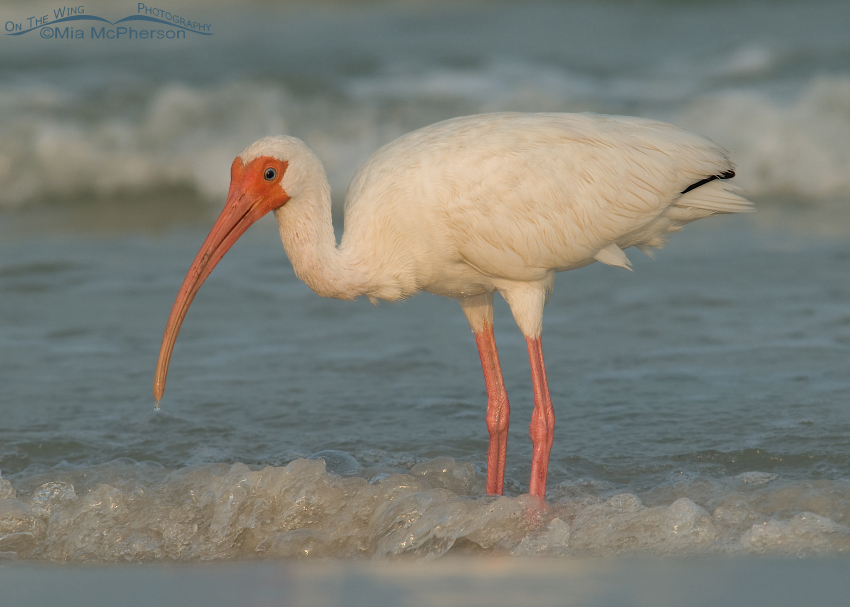
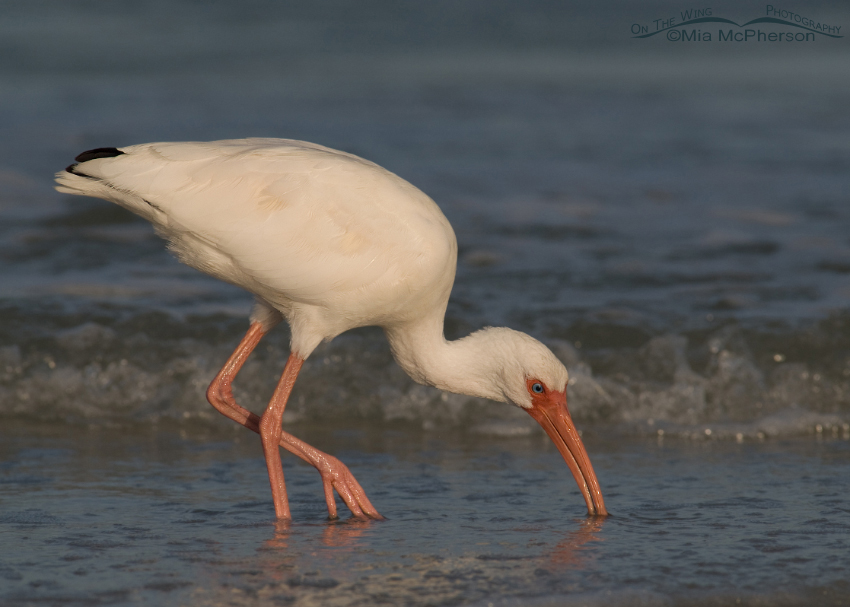
White Ibis feeding in the Gulf of MexicoWhite Ibis feeding in the Gulf of Mexico Nikon D200, handheld, f8, 1/800, ISO 250, Nikkor 80-400mm VR at 300mm, natural light

It was quite warm when I photographed this adult White Ibis as it hunted and fed in the waters of the Gulf of Mexico on a sunny August day in 2008. Temps were probably in the high 90′s with humidity levels of about the same.

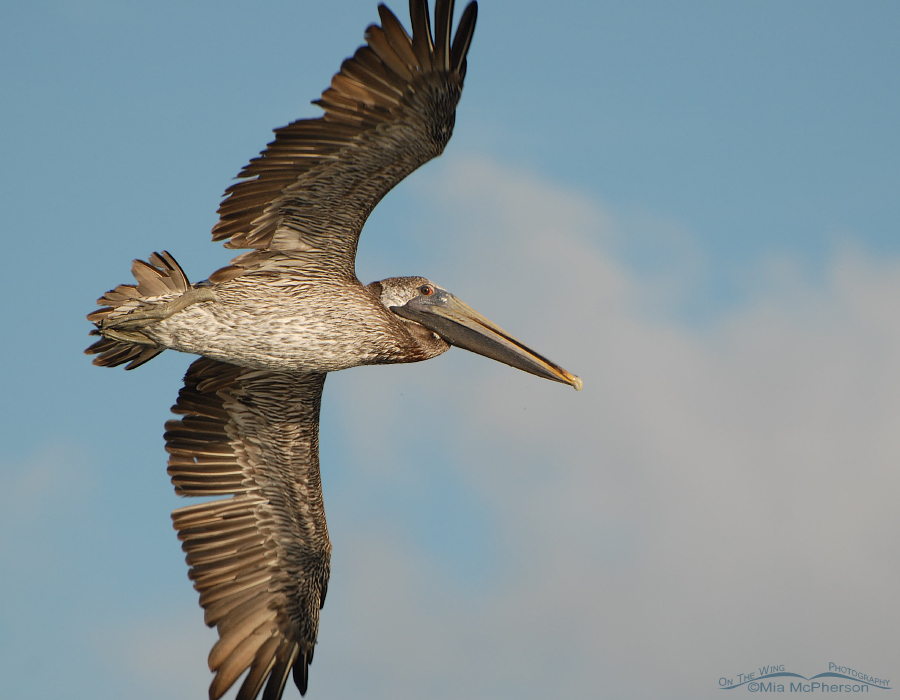
Brown Pelican in flightBrown Pelican in flight – Nikon D200, handheld, f6.3, 1/800, ISO 200, Nikkor 70-300mm VR at 300mm, natural light

I took the Brown Pelican in flight image not long after I had gotten my Nikon D200 and I was learning about the camera. Unfortunately I clipped just the top of the pelican’s wingtip at the top of the frame so when I cropped the image I removed just the wingtips at the lower edge of the frame to balance out the composition. I’m still not sure I like that but I do love the direct eye contact I got from the pelican and the fluffy clouds in the background.

Black Skimmer on a hazy dayBlack Skimmer on a hazy day Nikon D200, handheld, f7.1, 1/750, ISO 200, Nikkor 80-400mm VR at 400mm, natural light

It was a hazy day when I photographed this Black Skimmer adult in breeding plumage, the wind was blowing and the temps were fairly high. I remember the warmth and texture of the sugar sand I was laying on and being grateful for the wind to help cool me off while I took images of this Skimmer calling.

I’m not exactly wishing winter would go away because winter here in Utah will last a bit longer but when I edit images from warmer days I realize it won’t be long until spring has sprung.

Mia

Facebook Twitter

Adult and Immature White Ibis

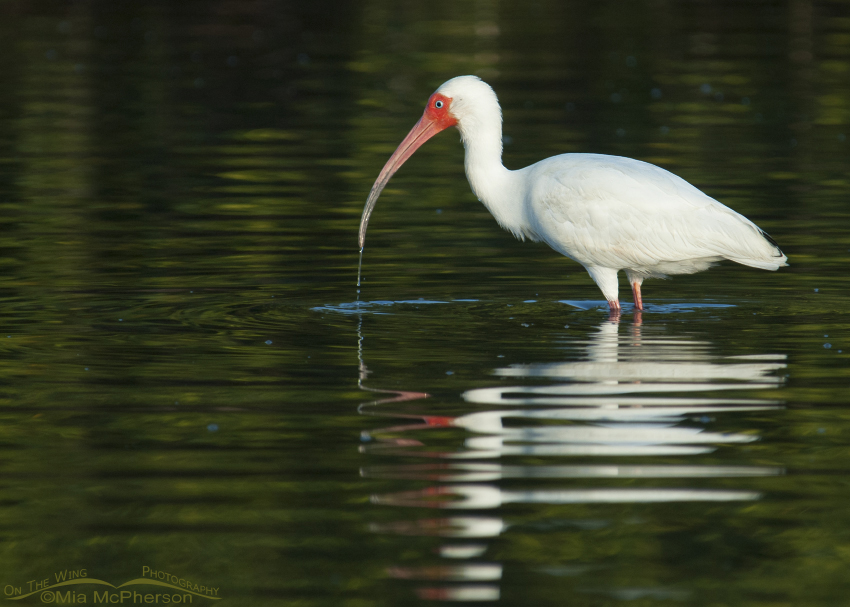
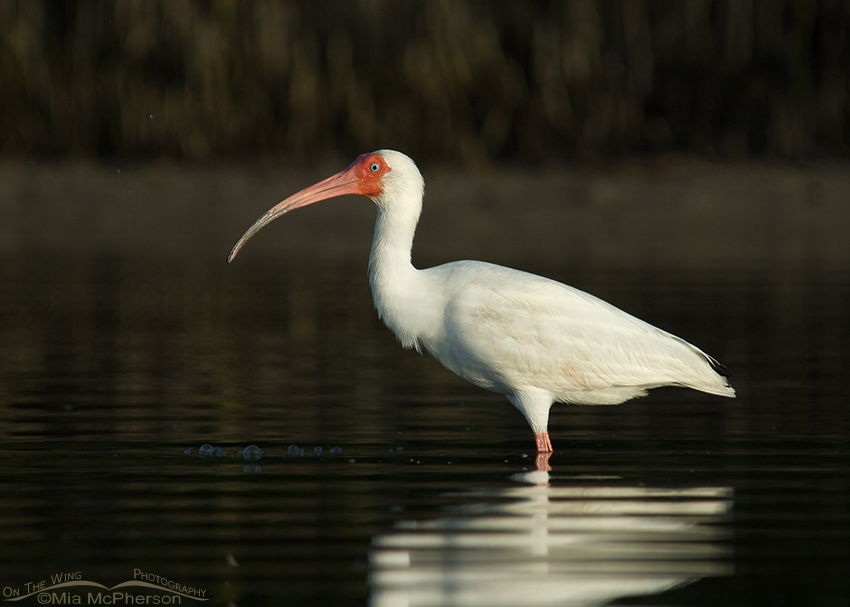
Adult White Ibis

Adult White Ibis – Nikon D200, handheld, f6.3, 1/400, ISO 250, Nikkor 80-400mm VR at 400mm, natural light

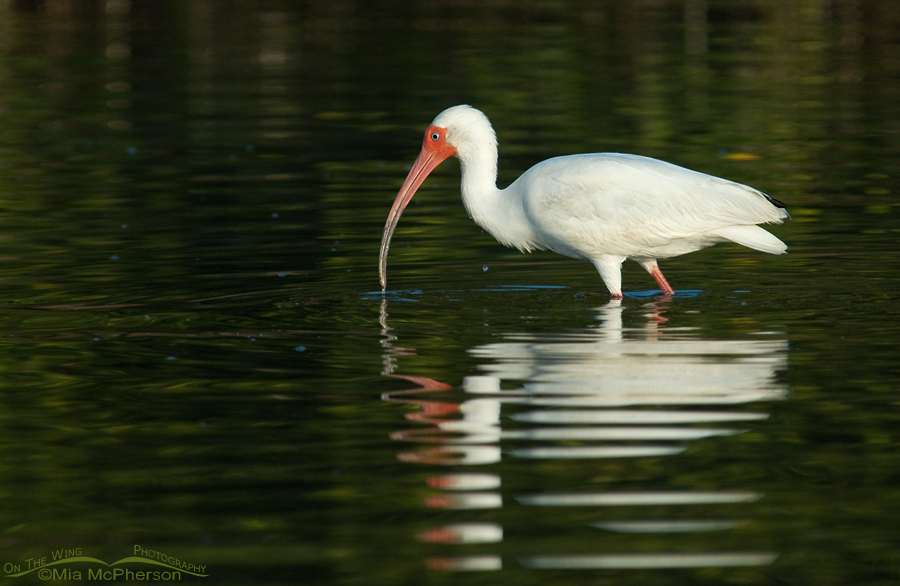
This is an adult White Ibis (Eudocimus albus) that I photographed at Fort De Soto’s north beach that was feeding in a tidal lagoon by the mangroves, I was sitting waist deep in the water when I photographed the bird to get a low angle to capture the elongated reflections that being so low can create. This Ibis was going into breeding plumage, the bill, face and legs would be slightly redder than shown here if it had been closer to breeding time.

Juvenile White Ibis

Juvenile White Ibis – Nikon D200, f6.3, 1/1000, ISO 200, Nikkor 80-400mm VR at 330mm, natural light

This is an immature White Ibis and although the body, legs, face and bill are similar to the adults the plumage is differently colored. Juvenile White Ibis are generally brown and creamy white from July through December and during the month of December white feathers begin to appear on their backs, this young bird was photographed on December 18, 2008 and shows those white feathers. From December until August of the second year juvenile White Ibis will exhibit more and more white feathers until they have the same plumage as adult.

Mia

More White Ibis images

Facebook Twitter

Ole Blue Eyes – White Ibis

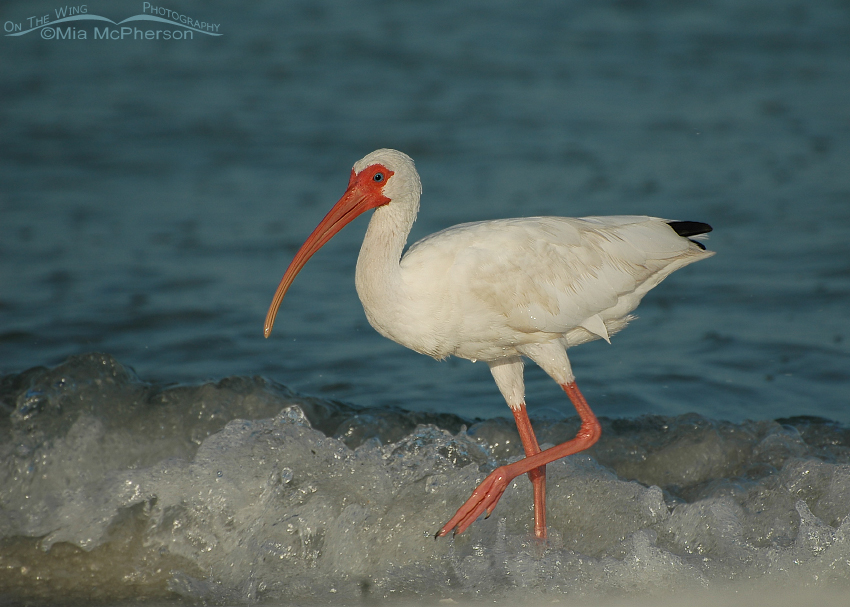
I think it is great to see a bird with sea blue eyes feeding along a shoreline with water nearly of nearly the hue.
White Ibis

White Ibis – Nikon D200, handheld, f8, 1/640, ISO 200, Nikkor 80-400mm VR at 400mm, natural light

I photographed this Ibis as it searched for prey along the Gulf of Mexico in Florida a few years ago. I taken photos of hundreds of White Ibis (Eudocimus albus) in Florida and have thousands of images of them and this is the only one I have where the Ibis looks like it could be an aggressive bird.

*I am away for a few days, please feel free to share this post with your friends and family. I’ll catch up on everyone’s great blogs when I get back!

Mia
OnTheWingPhotography

More White Ibis images

Facebook Twitter

The Dangers of Fishing Line and Hooks for Birds and other Wildlife

I see and photograph the most incredible birds and wildlife often and it brings me much joy but there is a flip side to my photography that is saddening, maddening and very disheartening. I don’t always see beauty, sometimes I see pain, suffering and death.

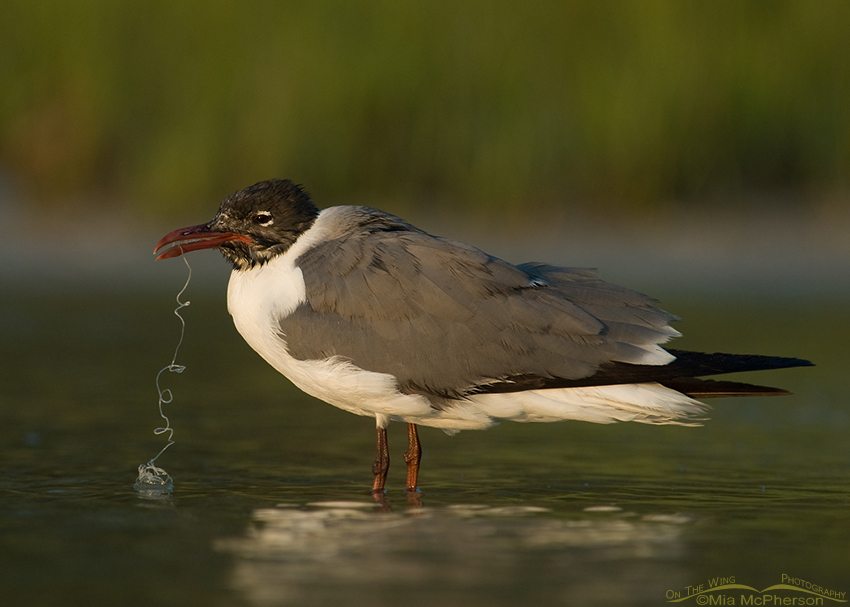
Laughing Gull with fish hook in bill and legs too tangled to walk

I recall vividly the morning I spotted this Laughing Gull that it wasn’t acting like the other gulls on the beach nearby so I focused on the bird and felt my stomach twist into a knot as it became clear to me that the gull had a fish hook imbedded in its throat and bill. It couldn’t close its bill. Then I noticed that its feet were entangled with monofilament fishing line so badly that it could barely walk. About all it could do was shuffle its feet.  I wanted to get help for the Laughing Gull but at the time I didn’t have a smart phone, I had no access to the internet and I didn’t have the number to the park’s headquarters.  Plus I couldn’t capture the bird to take to a rescue group because it could still fly. And when it did fly off the knot in my gut worsened because I knew that without help the gull would soon die. That is such a helpless feeling.

Fishing Lures left on a snag in a tidal lagoon

Fishing Lures left on a snag in a tidal lagoon

Monofilament fishing line, lures, hooks, metal leads and weights present huge dangers to birds and wildlife  when they are not properly disposed of.  Monofilament lines can tangle around the bills, feet, wings, legs and necks of birds which can result in death, amputations of  feet, legs and wings and when the line is around the neck the possibility of  a  slow, painful  strangulation.

After photographing these lures I removed them from the snag and disposed of them properly. The snag wasn’t in deep water, it only came to my knees and I don’t understand why the fishermen didn’t wade out and remove it. I can’t understand.

White Ibis with foot tangled in fishing line

I can not count the times I have encountered a bird with missing feet or partial amputations of their legs. I have just seen that many.

The fishing line is tangled around the foot so tight of this White Ibis that the foot is extremely swollen and it appeared obviously painful to the bird because it did not place that foot on the ground while I observed it, instead it hopped on the other leg to move on the ground.  The Ibis flew off before I could call the Suncoast Seabird Sanctuary in St. Petersburg to ask for help. Once again I wondered about the fate of this beautiful bird.

After my experience with the Laughing Gull tangled in fishing line I had placed the phone numbers for the Suncoast Seabird Sanctuary and the park headquarters in my contacts list in my cell phone.

Fishing lure
Fishing lure

Quite often fishing lures resemble fish, shrimp or other food items for the fishermen’s intended targets, the problem is that these lures often look enticing to birds, mammals and sea creatures. I found this lure while walking along a sandy beach and not only could it have become an item to kill birds or wildlife it could have gotten stuck in the soles of a child’s foot who then may not have only been in pain but might have been subjected to Tetanus injections or have developed an infection.

I picked the lure up, placed it in this tree to photograph it and then carried it to a trash receptacle to dispose of it.  A pretty simple way of protecting wildlife and people from the dangers of this lure, I wish it were done more often.

Laughing Gull with fishing line & lure in bill

This Laughing Gull had obviously swallowed a hook or a lure and had a long strand of the fishing line hanging from its bill the evening that I photographed it. I was heart broken that before I could call for help a person walked close enough to make the gull fly away. If I could have reached the park rangers or the rescue group they may have been able to throw a net over the bird to capture it, remove the hook and release it.

Used fishing line container

Many parks and recreation areas have now installed used fishing line containers within easy walking distance to fishing areas where fishing line, weights, leads, hooks and lures can be properly and safely disposed of.  I find it sad that even in locations with these containers that I still find fishing line and hooks on the ground presenting dangers to birds, wildlife and people. Is there an excuse for not walking a few feet to get rid of these items in a safe manner? I don’t think so.

Double-crested Cormorant in danger

I have been able to aid in the rescue of several birds including the Double-crested Cormorant shown above. I was photographing birds near the Gulf Pier at Fort De Soto when I noticed this bird sitting on the beach. I could see the hook in the bill without using my lens so I knelt down, focused on the bird and could see a metal leader and a lead weight. I could also see that the dull color of this bird’s eyes indicated that it was growing weaker. I was able to call Jim Wilson at park headquarters who said he’d be there quickly. I stood guard over the bird so that if people approached it I could ask them to stay far enough away that the bird would not take flight or enter the water. Jim and a few other rangers showed up, captured the Cormorant and got it to the Suncoast Seabird Sanctuary where the hook was removed and when the bird was healthy again it was released into the wild.

If you are a fishermen, please dispose of used line, hooks, lures and lead weights properly if at all possible. You could be saving the lives of birds and wildlife and looking after the environment.

They belong on this planet as much as we humans do.

Mia


Facebook Twitter