Bison bison
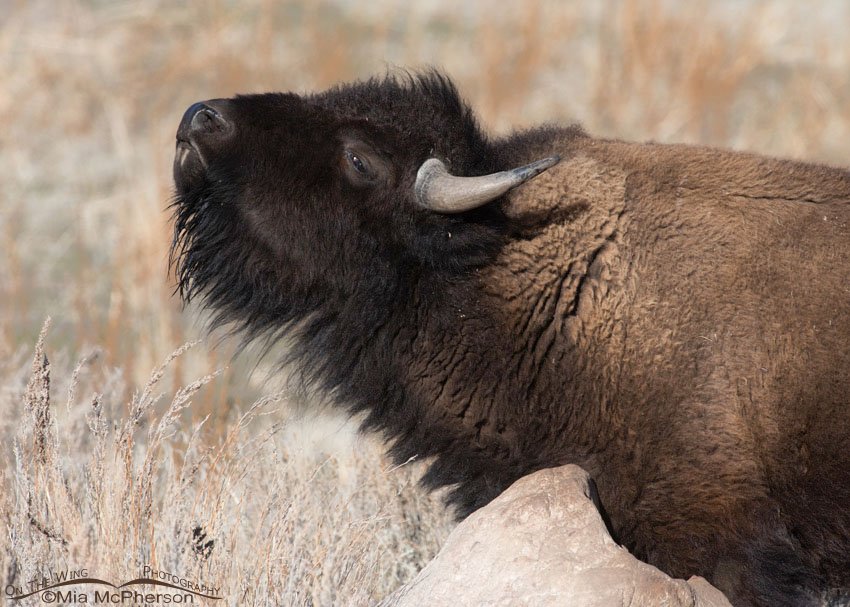
American Bison are large, shaggy and dark brown mammals with horns, hooves, long tails and have massive heads and humped shoulders.


Bison bison
American Bison are large, shaggy and dark brown mammals with horns, hooves, long tails and have massive heads and humped shoulders.

Today, in celebration of National Bison Day 2025, I thought I’d share two photos of these amazing and powerful mammals, which we almost lost to extinction.

I wanted to share these spring views of Wichita Mountains Wildlife Refuge while it’s still spring. Summer isn’t all that far off now, so today’s the day.

World Wildlife Day 2025 is a reminder that all wildlife matters. American Bison are a success story, but every species we save today will matter tomorrow.

The largest mammals I saw at the Joseph H. Williams Tallgrass Prairie Preserve in Oklahoma were herds upon herds of American Bison. There were so many bison!
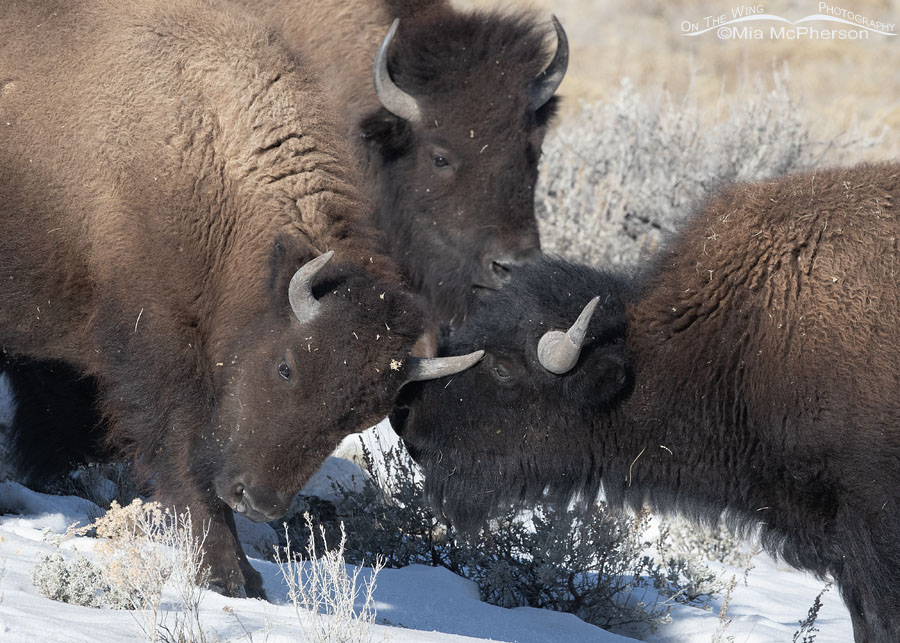
This morning I'm sharing a photo of an American Bison that appeared to be whispering secrets to another bison that I photographed on Antelope Island State Park.
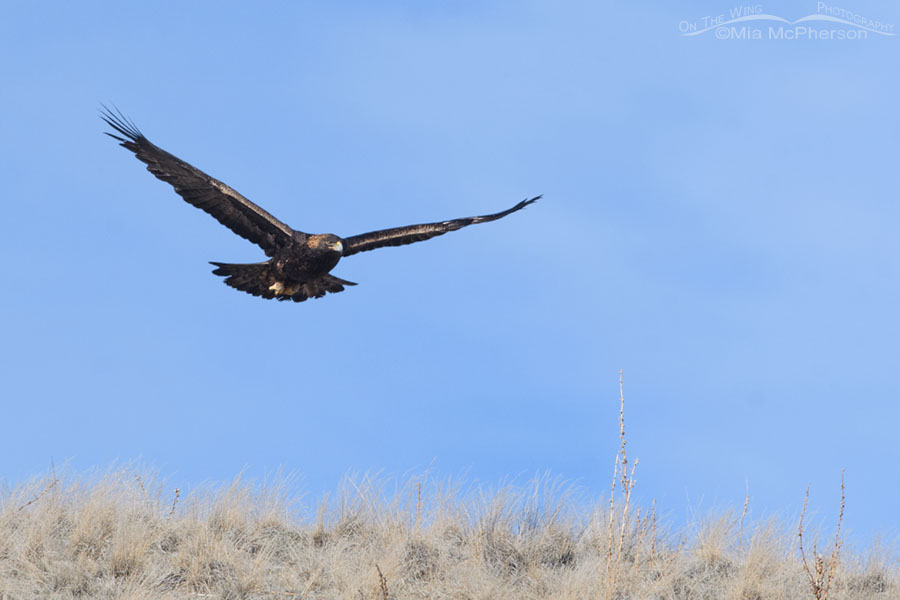
It has been a couple of years since I have found a Golden Eagle on Antelope Island so when I spotted an adult on a grassy hill yesterday I was excited.
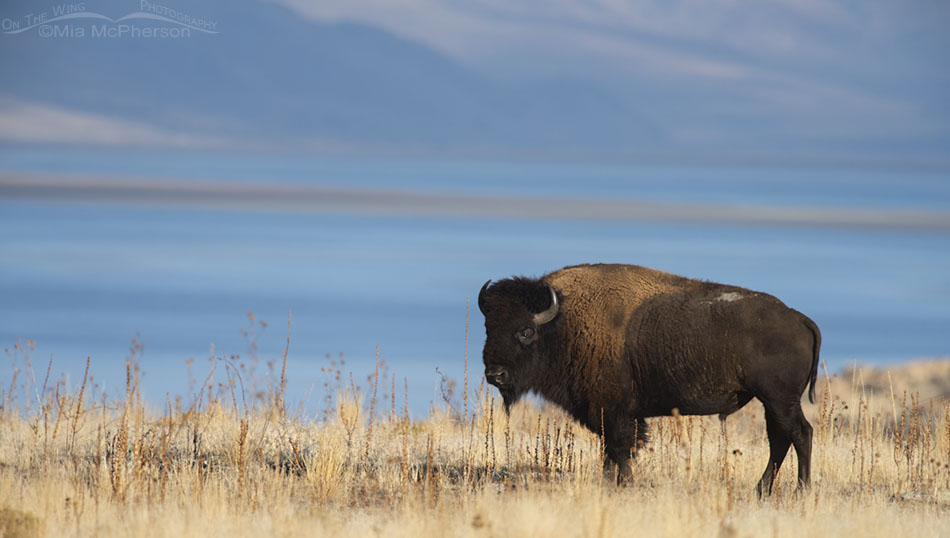
When I see American Bison at Antelope Island State Park I am always very aware of how close we came to losing them entirely and that fact makes me appreciate them even more.
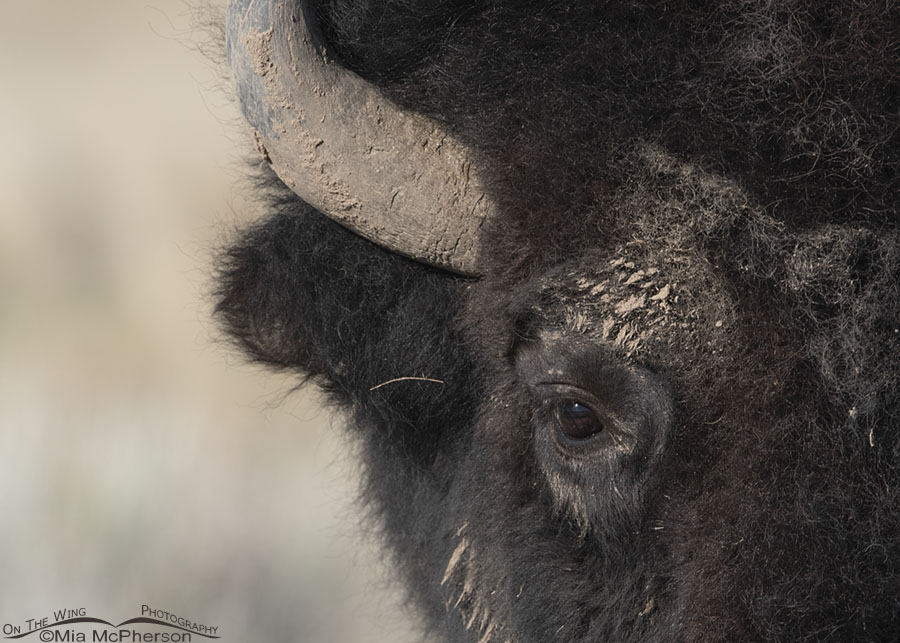
Today bison are being reintroduced to lands that they were extirpated from centuries ago and for bison lovers that is cause for celebration of this iconic mammal.
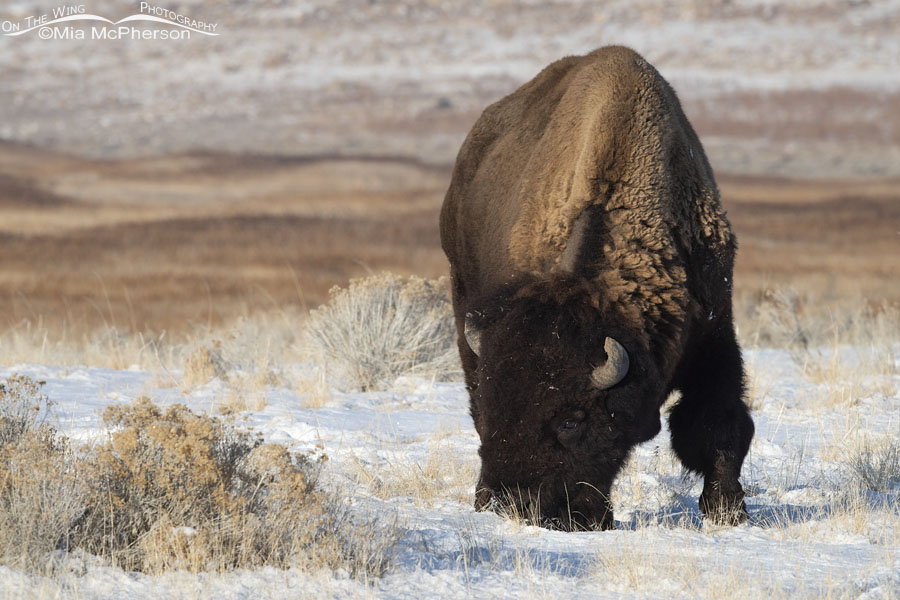
I can remember the day I photographed this American Bison bull grazing with snow on the ground clearly in part because I was seeing the island with a friend who hadn't been there before which is akin to seeing the area with fresh eyes.
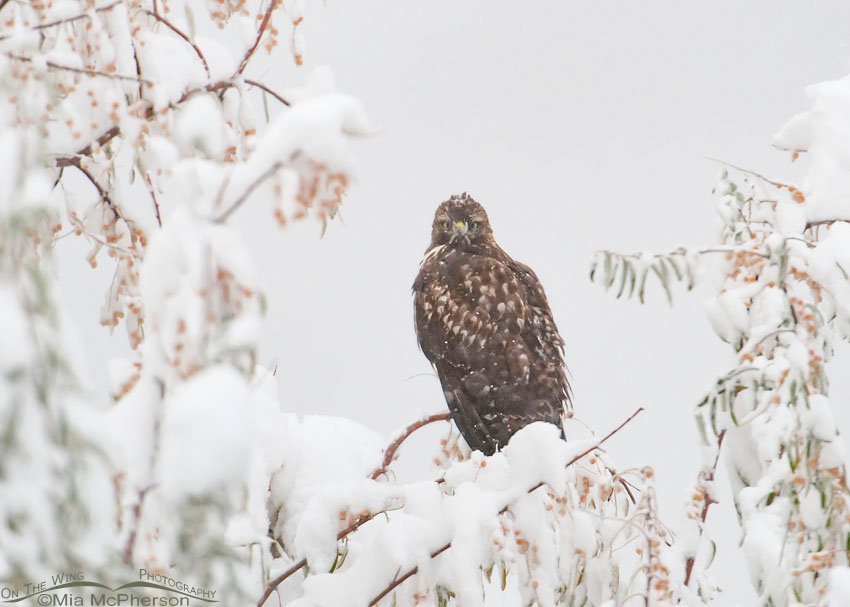
The birds and beasts on Antelope can survive the harsh winters here but as each years passes I wonder how they will be able to adapt to our changing climate. I can't help but be concerned.
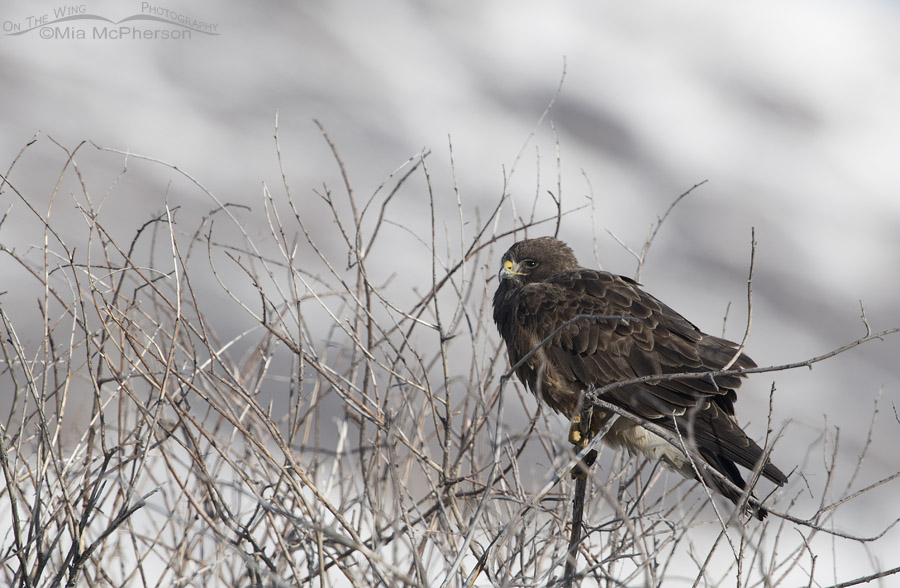
My best find of the day was my first of the year Swainson's Hawk about two thirds of the way down the island perched in some trees near a freshwater spring.
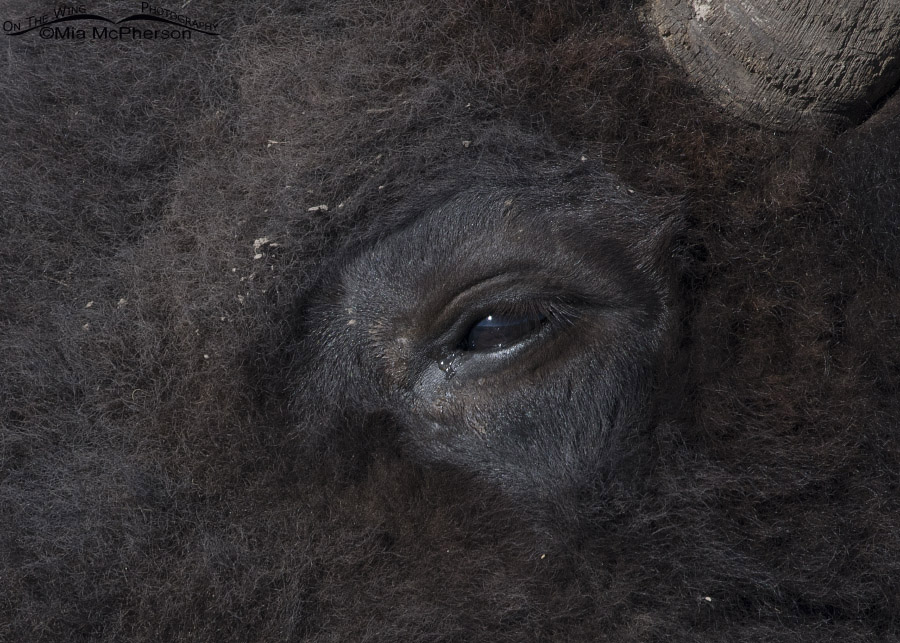
In this American Bison's tears I saw my own tears and deep concerns for what is happening to our environment now and the potential threats that future generations will have to face if we don't take action today.
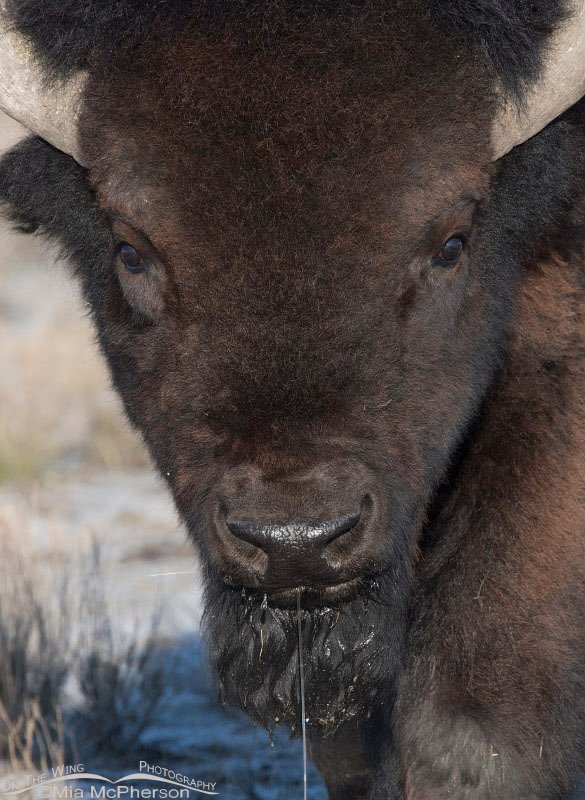
These portraits of bison bulls drinking from an iced over puddle were taken with my Nikon D500, my 500mm VR lens with a teleconverter attached from inside a vehicle.
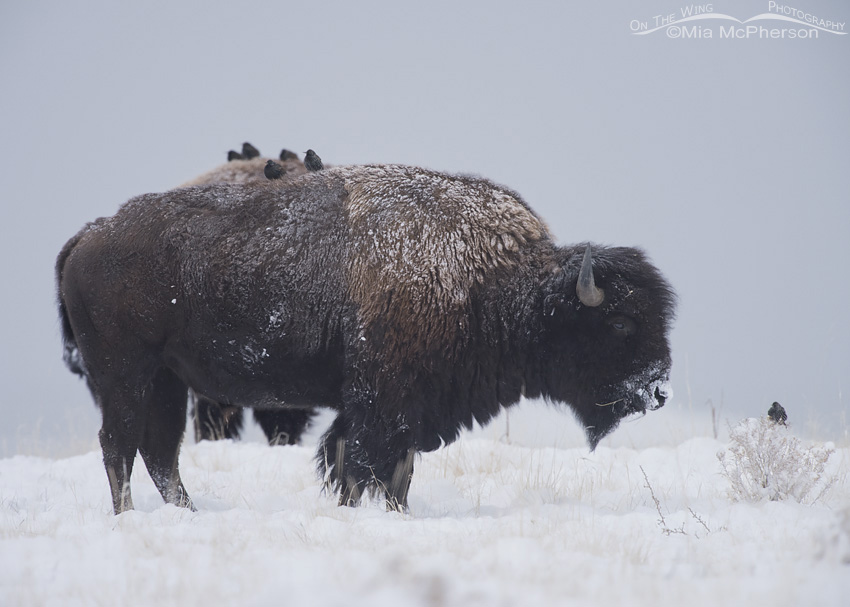
I am so glad the American Bison were saved from extinction and that I see the Antelope Island State Park herd as often as I do.
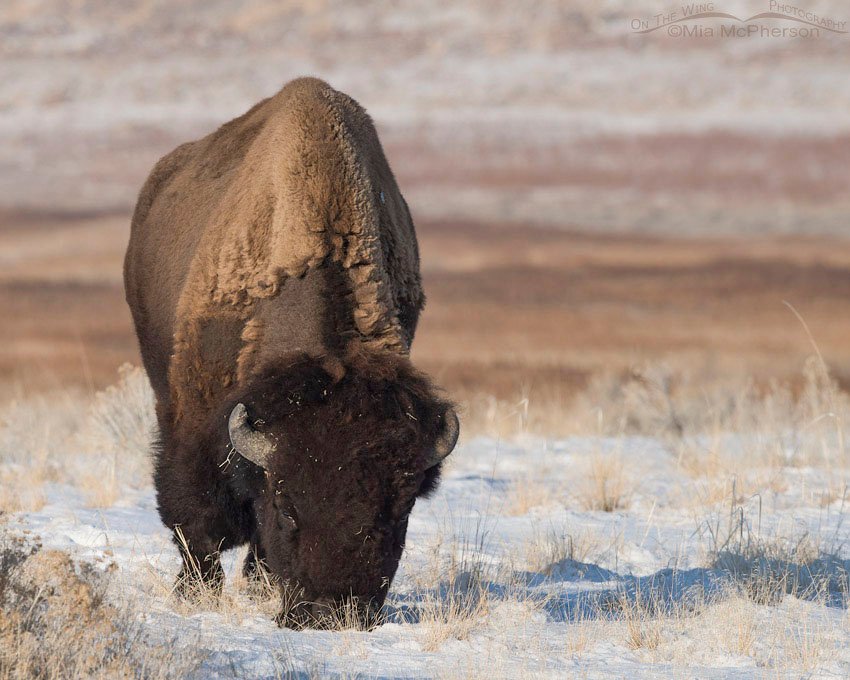
When I photographed this bison bull grazing on a crisp January morning I recall how cold my hands and cheeks were and that I could hear the crunching sounds the bull made as he ate.

My journey in life has taken me to many places and I'm glad that it brought me to Utah where I am enjoying photographing birds, wildlife and scenery. Seven years ago today.
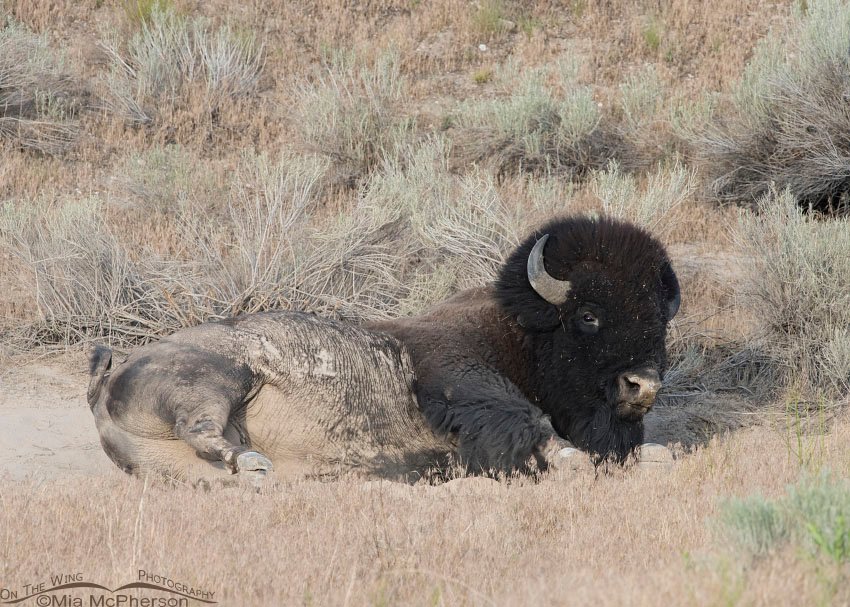
The American Bison dust bath only lasted about one minute, I wish I could shower that fast some mornings!
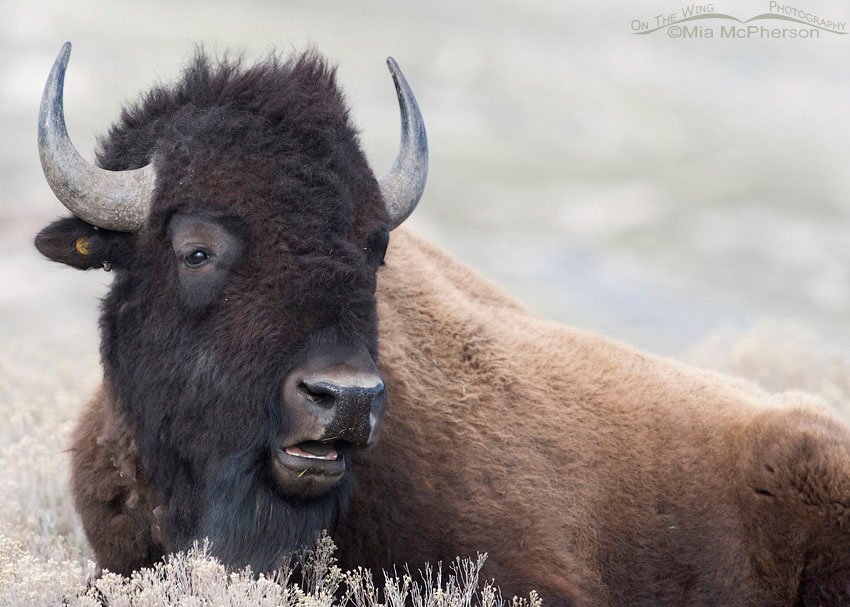
I was able to take a very nice series of low light American Bison bull portraits despite the lack of clear skies and sunshine on Antelope Island.
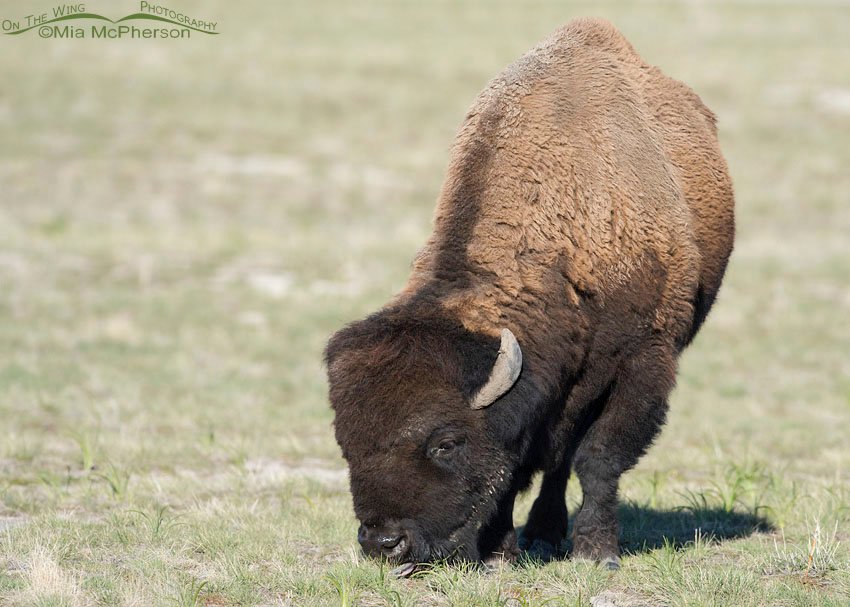
Seeing this Bison bull grazing on fresh grass isn't an unusual occurrence for me because I see them so often on Antelope Island but I also realize that there are quite a few people who haven't had the pleasure of seeing them in the wild like I do.
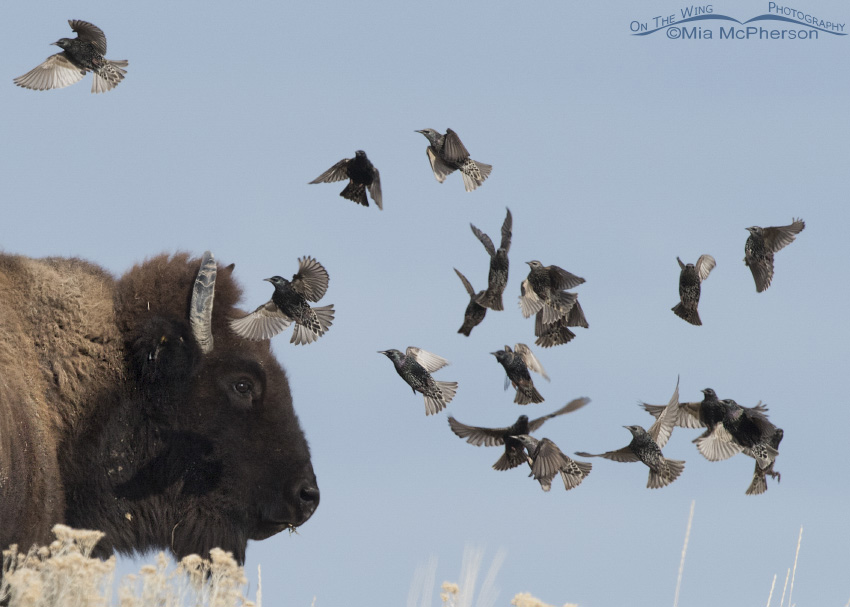
Most of the images I took that day on Antelope Island State Park had flocks of European Starlings and an American Bison or two in them.
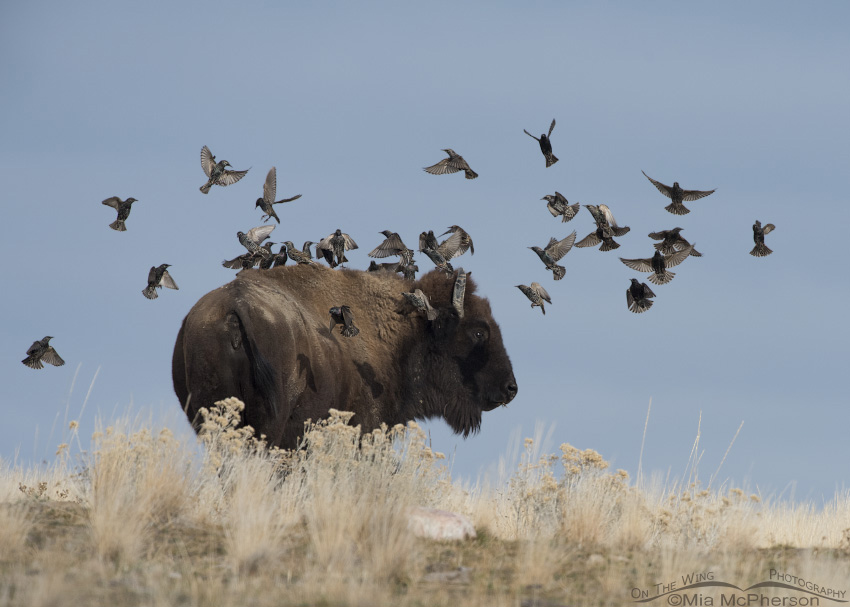
November and December seem to be good months to see flocks of birds and American Bison together on Antelope Island State Park.
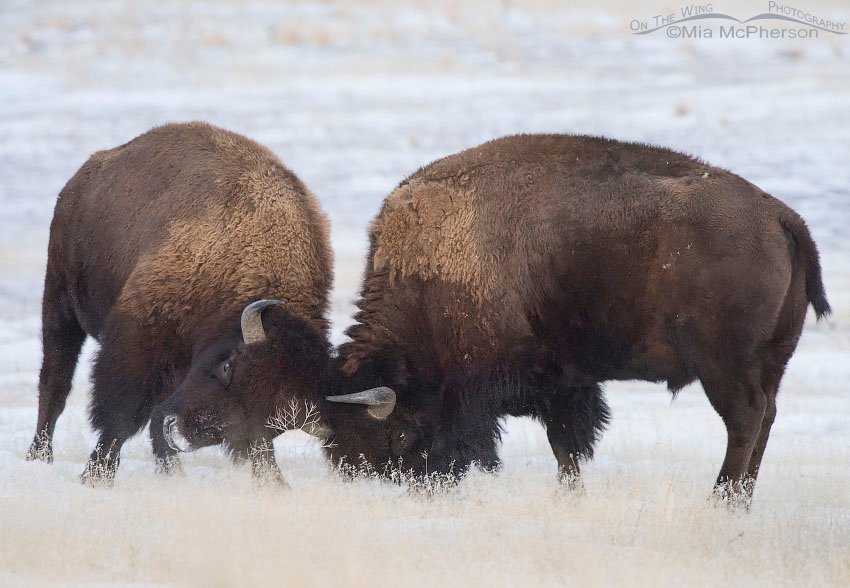
This photo of Bison bulls fighting in the snow on Antelope Island State Park was taken the end of December 2014 with the Nikon D810 using a high ISO because it was so dreary that morning
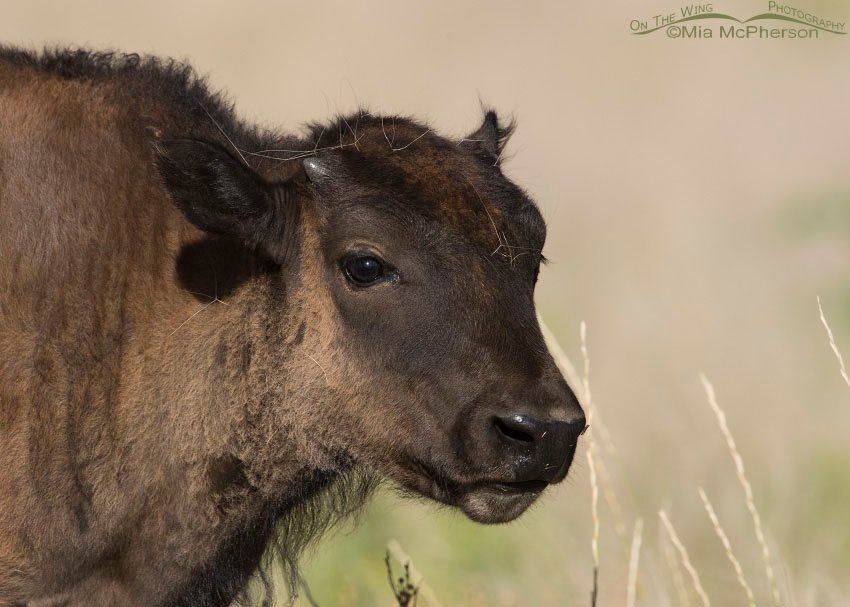
Newly born American Bison calves are called "Reds" or Little Reds" after they are born in the spring and compared to the darker adults they appear very red.
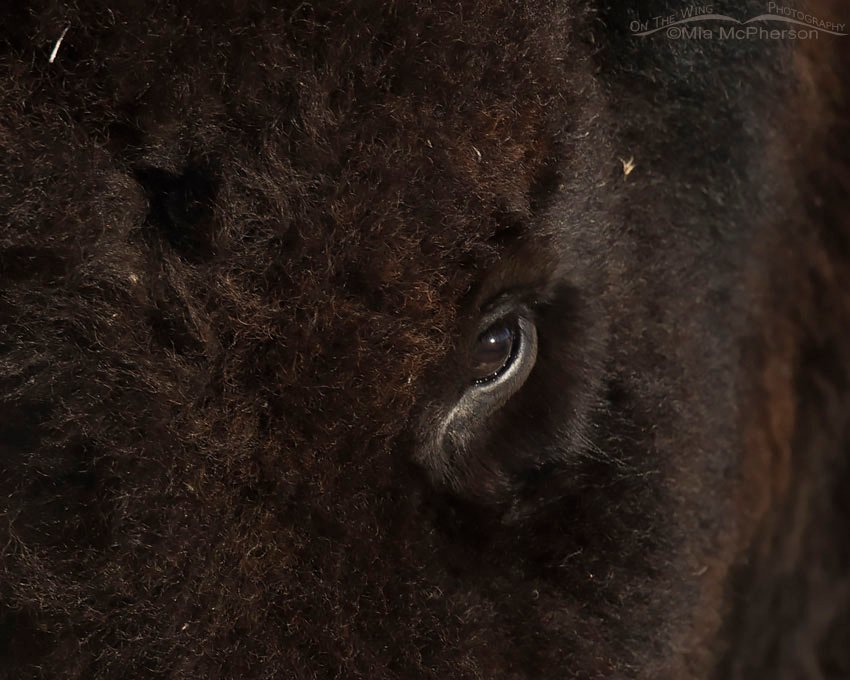
Looking at this bull's eye made me think of how long bison have been roaming the planet and how we almost pushed them to extinction.
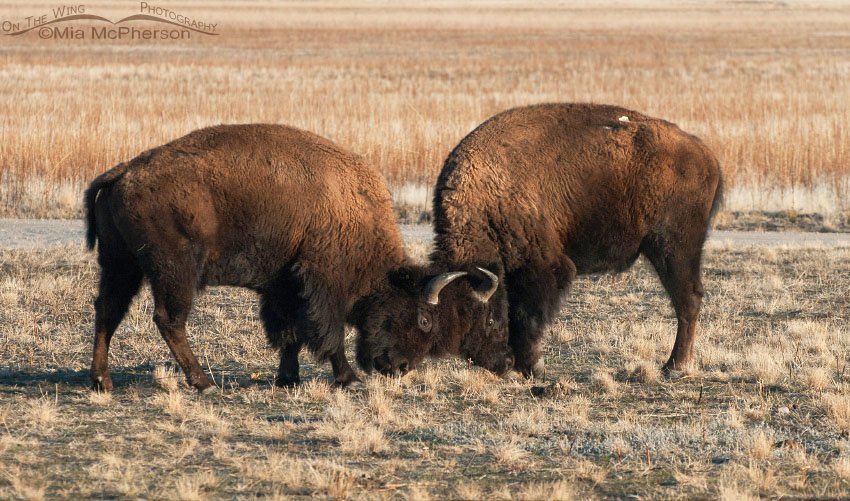
Last week while looking for birds on Antelope Island I was fortunate to watch and photograph two young American Bison fighting by butting heads.
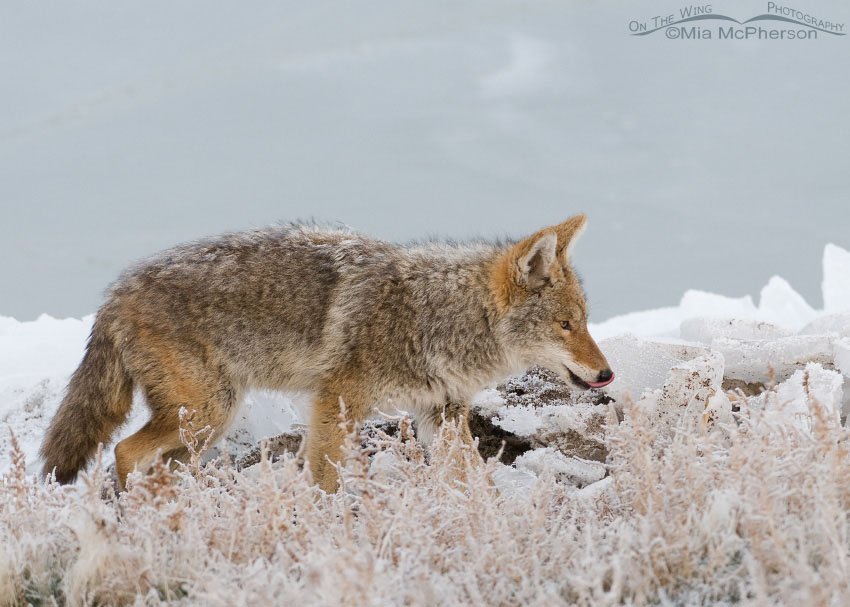
For the most part yesterday I photographed the furry animals of Antelope Island State Park starting off with a pack of three coyotes just waking up from the night with golden light shining on them.
This isn't just just a Henry Mountain Range issue, it is a Utah issue. It is an issue where ever there are Coyotes, cattle, rabbits, hares and voles.
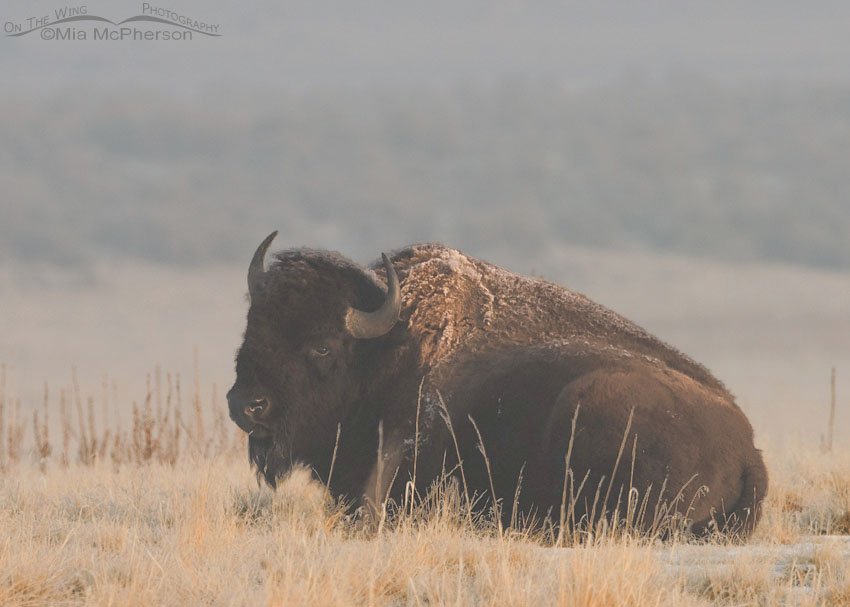
Every once in a while though the winter sun would penetrate through the fog and it was during one of those moments that I photographed this frost-covered bison bull as it rested in the grasses.
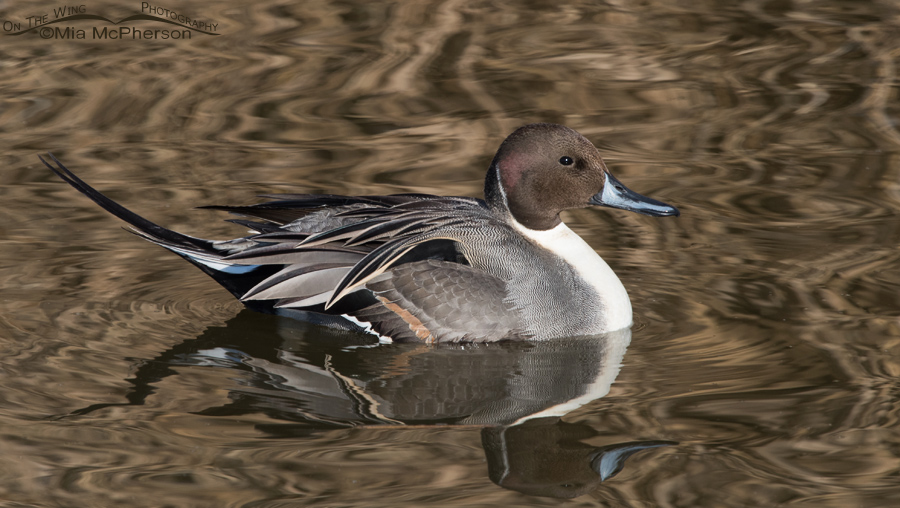
I spent the yesterday morning photographing with two great friends at Antelope Island State Park and Farmington Bay Waterfowl Management Area and had a wonderful time.
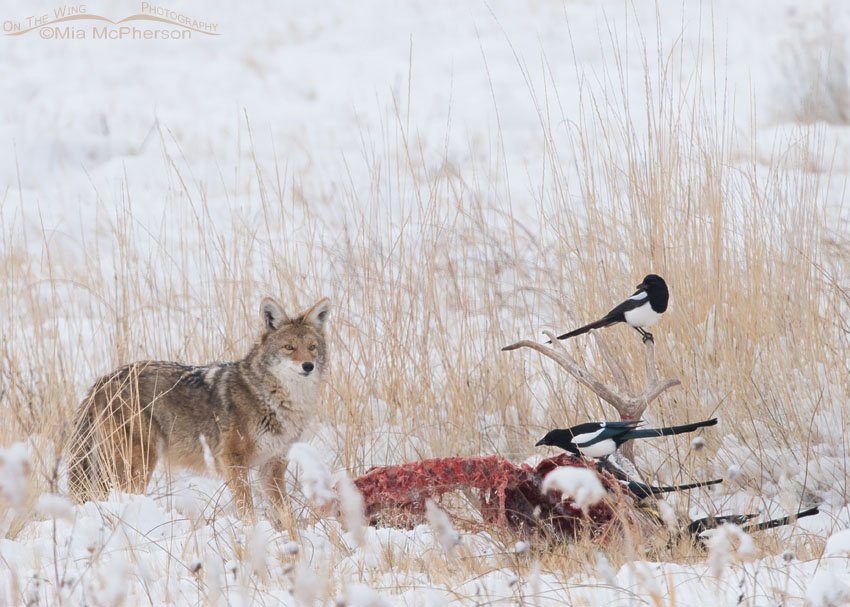
Yesterday was another interesting day on Antelope Island seeing snow-covered Bison, snowy weather, birds and spotting Coyotes at a Mule Deer carcass.