Antilocapra americana
Pronghorn are large animals with tan and white bodies, large black eyes, white rumps, long legs and horns at the tops of their heads. The horns of males are larger than females.


Antilocapra americana
Pronghorn are large animals with tan and white bodies, large black eyes, white rumps, long legs and horns at the tops of their heads. The horns of males are larger than females.
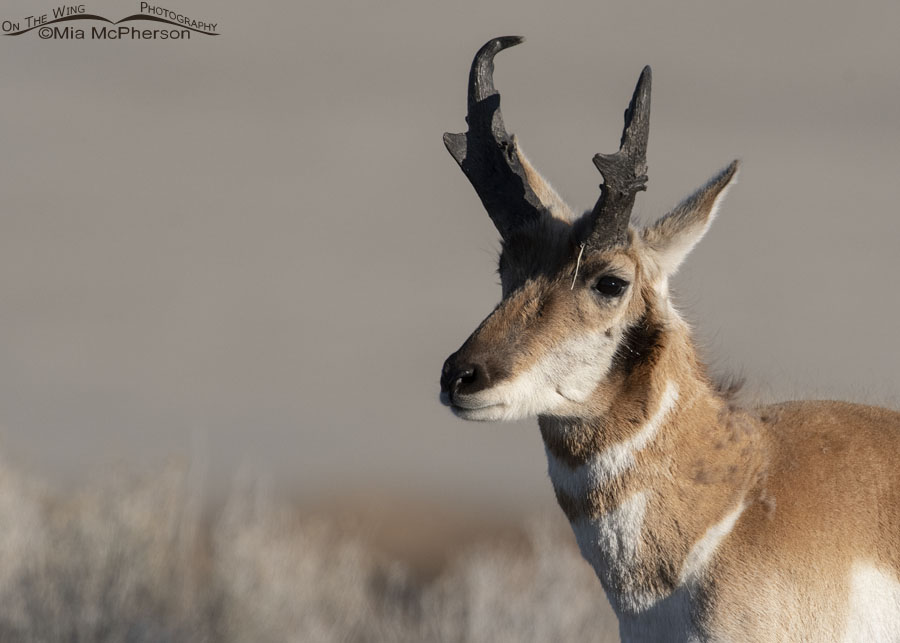
I was able to get out into the field yesterday morning and while I was on Antelope Island State Park I took a series of spring buck Pronghorn photos.
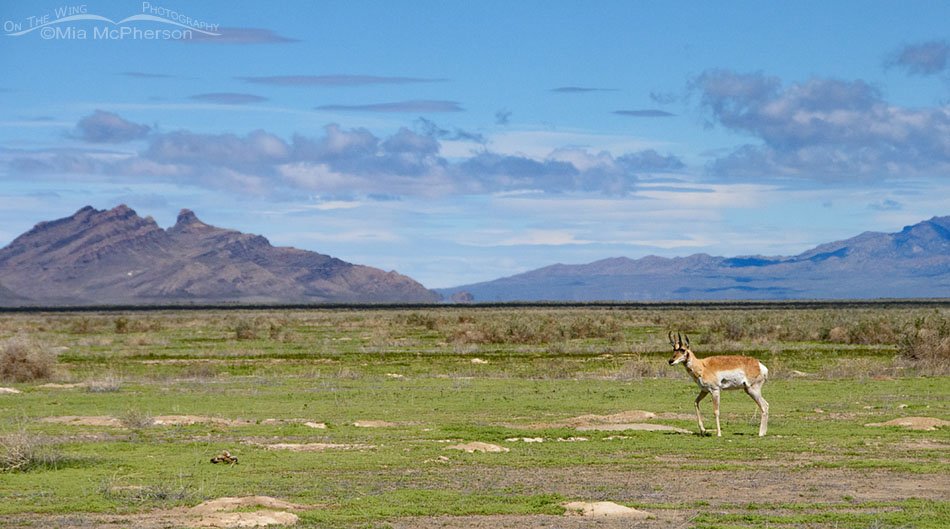
I found and photographed this Pronghorn buck in Utah's West Desert after photographing birds at Fish Springs National Wildlife Refuge in April of 2019.

I enjoyed being able to take portraits of this Pronghorn buck in nice light as he nibbled on the leaves of the sagebrush that dots the island.

Spring is the season of birth and rebirth, the leaves of trees unfurl, the dormant grasses and forbs poke up through the ground, flower buds burst open and flowers in all the colors of the rainbow appear on the landscapes, birds nest and incubate and wild animals give birth to their young.
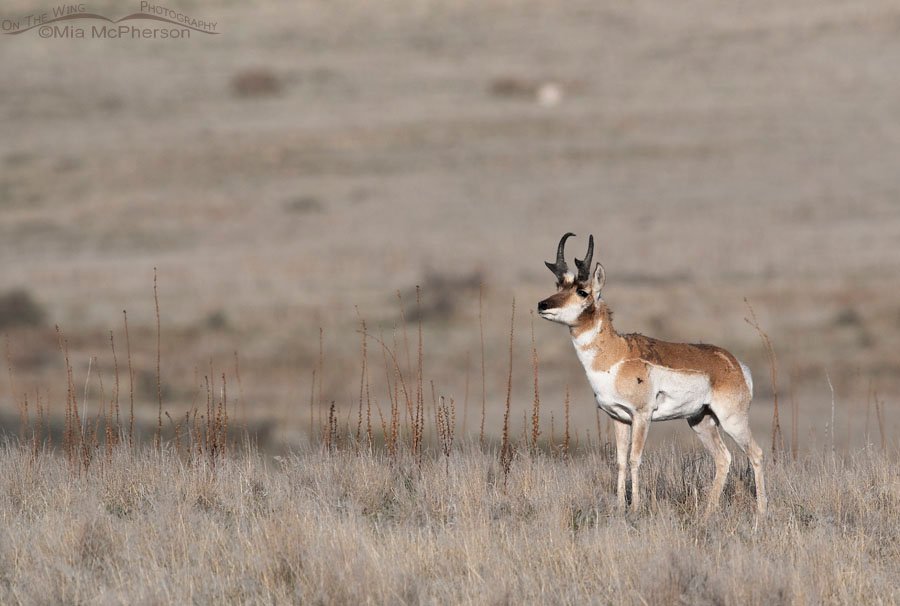
I always enjoy taking photos of the pronghorns on Antelope Island State Park and appreciate the fact that they are approachable and far less skittish than the pronghorn I have encountered in quite a few other locations.
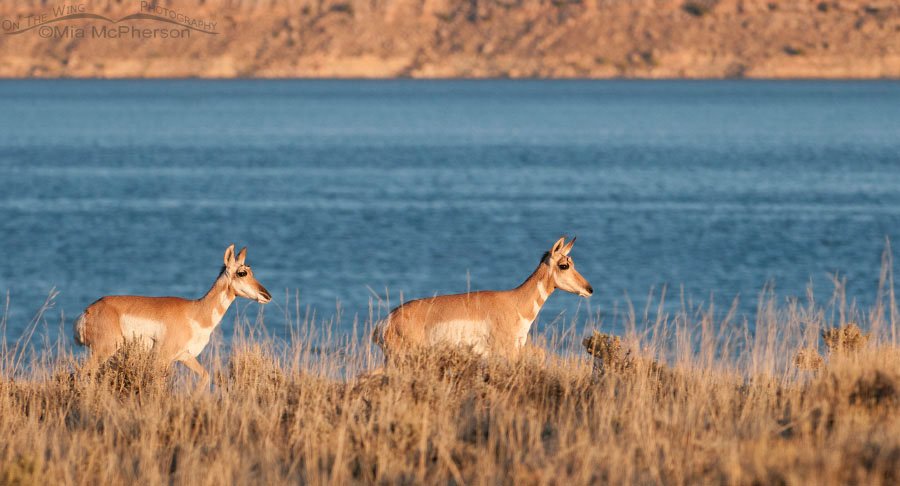
The first of September means the start of Autumn to me. It means the oaks in the high country have already begun to turn red.

My best photos of the day were of a buck Pronghorn that was very close to the dirt road I was on, he was so close I had trouble keeping all of his head in the frame.

Seeing this Pronghorn doe with her fawn three mornings ago brought joy to me and photographing the fawn while it nursed and ran around getting the feel of its long legs made me happy.
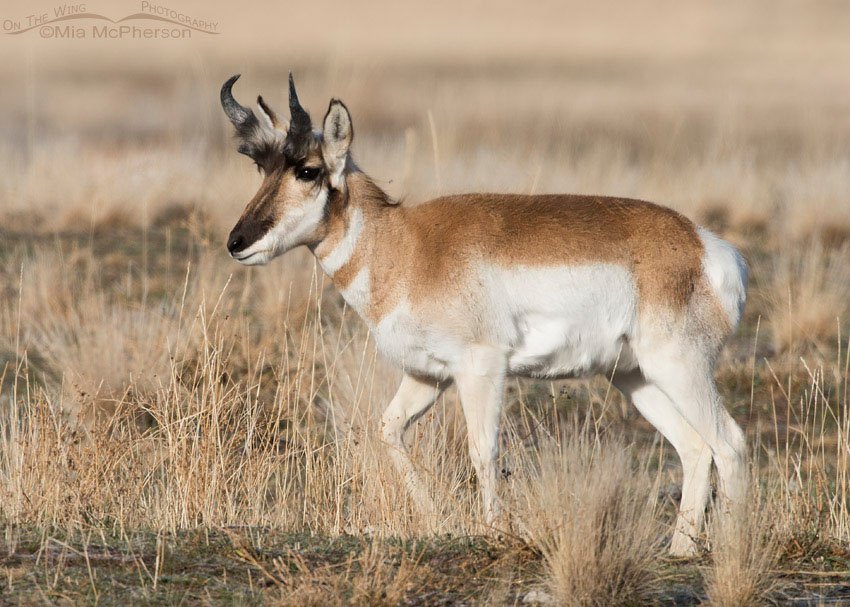
Pronghorns' unique horns shed the sheath yearly, making their horn sheath growth an interesting subject as they are the only ungulate with this characteristic.
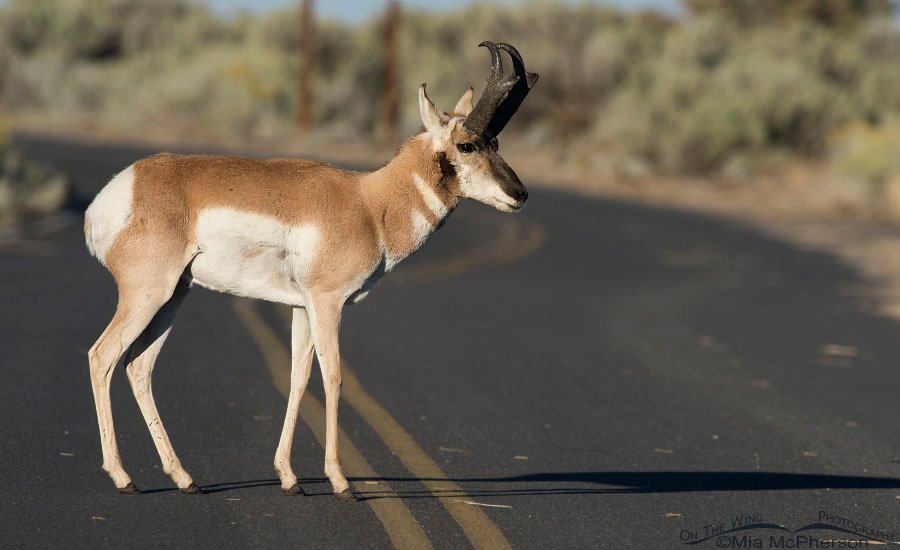
Yesterday morning I photographed this Pronghorn buck in the road near Ladyfinger Point on Antelope Island State Park as he stood next to the double yellow lines.
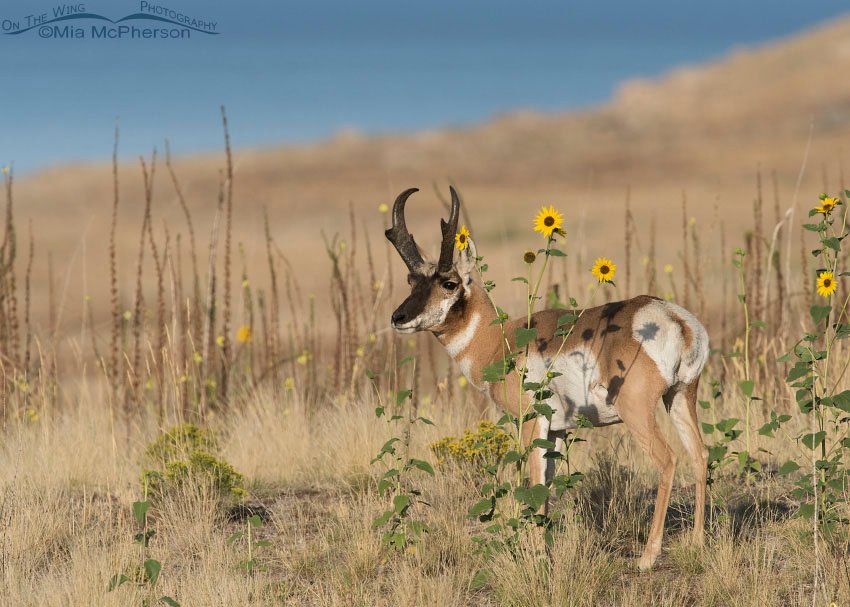
As many of my readers know I like to take portraits of the birds and animals I photograph but I also like to take images that show my subjects smaller in their native habitat.
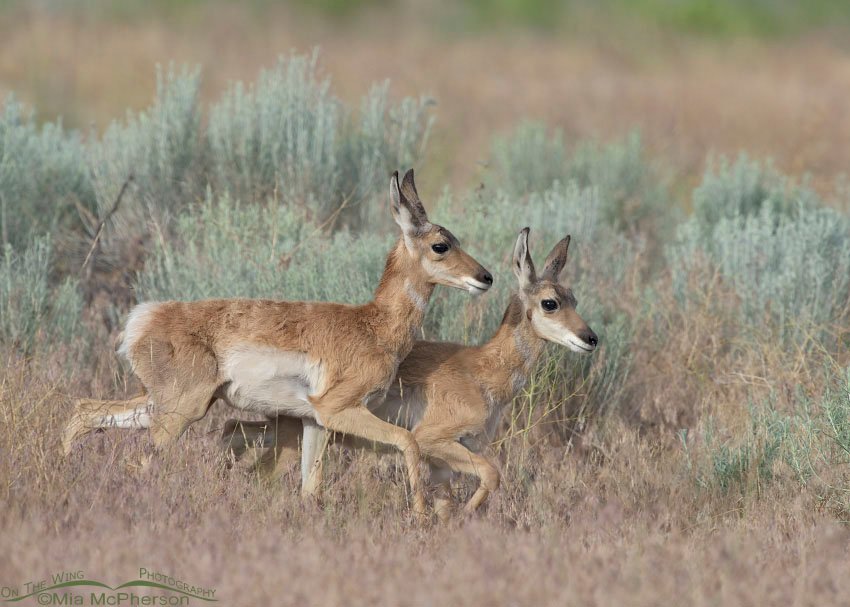
I can't resist Pronghorn fawns, well maybe I can, but I don't want to and won't! I saw three fawns close together yesterday on Antelope Island State Park and they put me into cuteness overload.
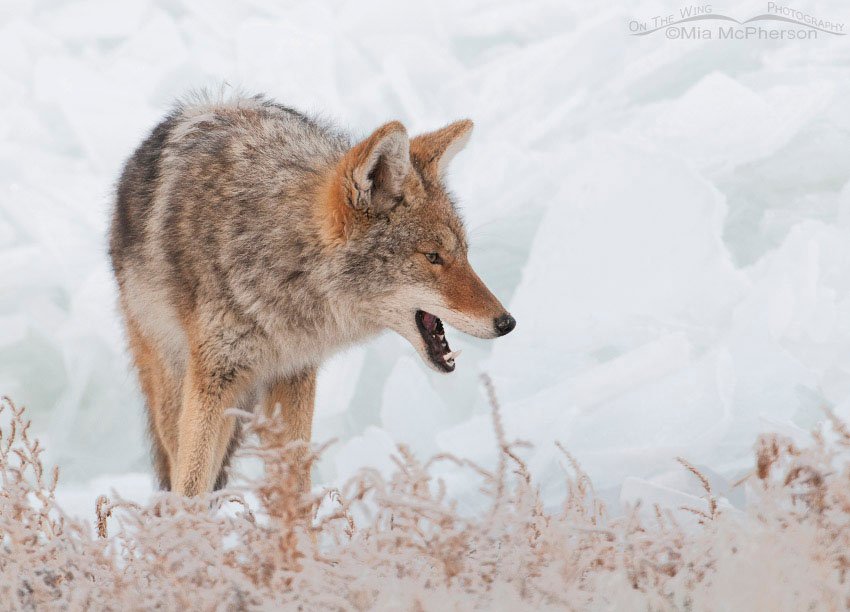
I've been pretty busy lately and one of the projects that has kept me burning the midnight oil is moving my images from the old galleries to my new ones.
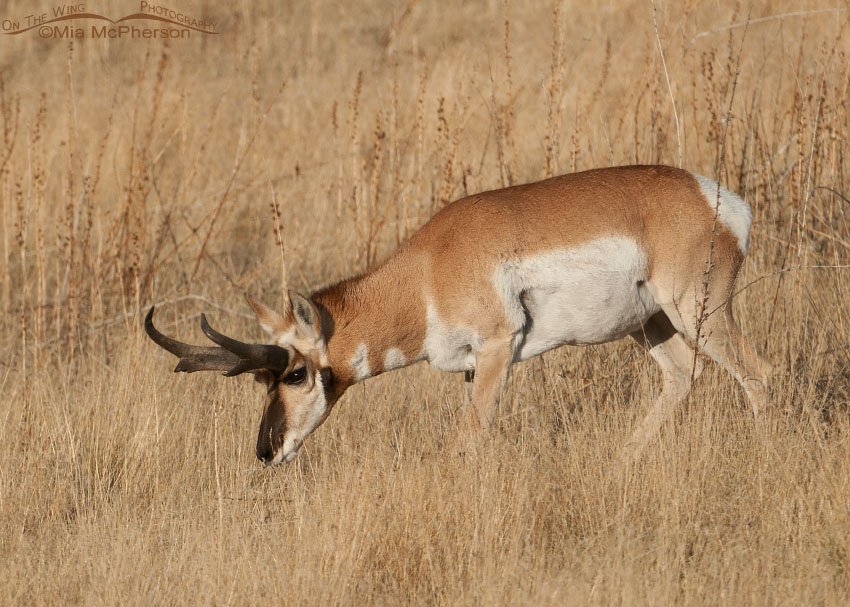
Watching this Pronghorn sniffing the ground and chasing another buck in the area was fascinating to me.
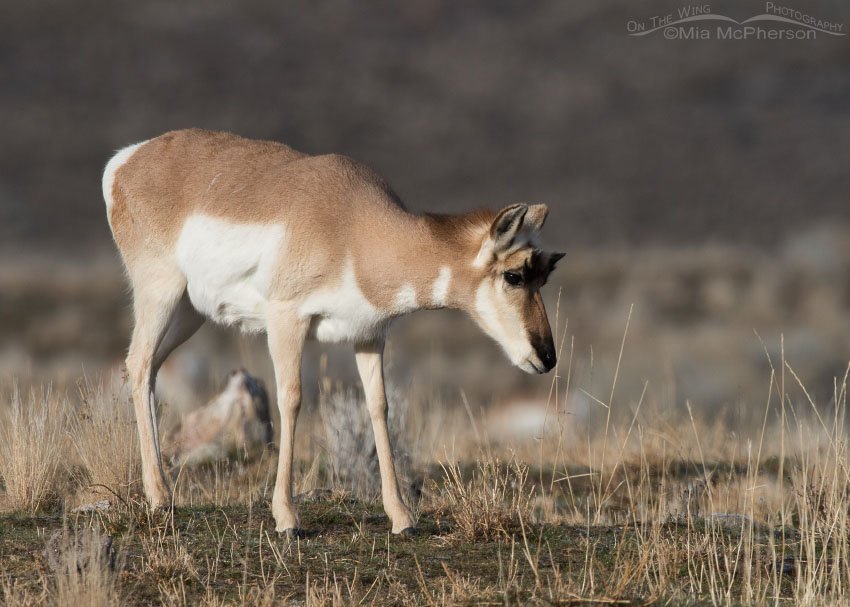
It has been a while since I have seen Pronghorn on Antelope Island State Park close enough to photograph so I was delighted when they were within my focal range.
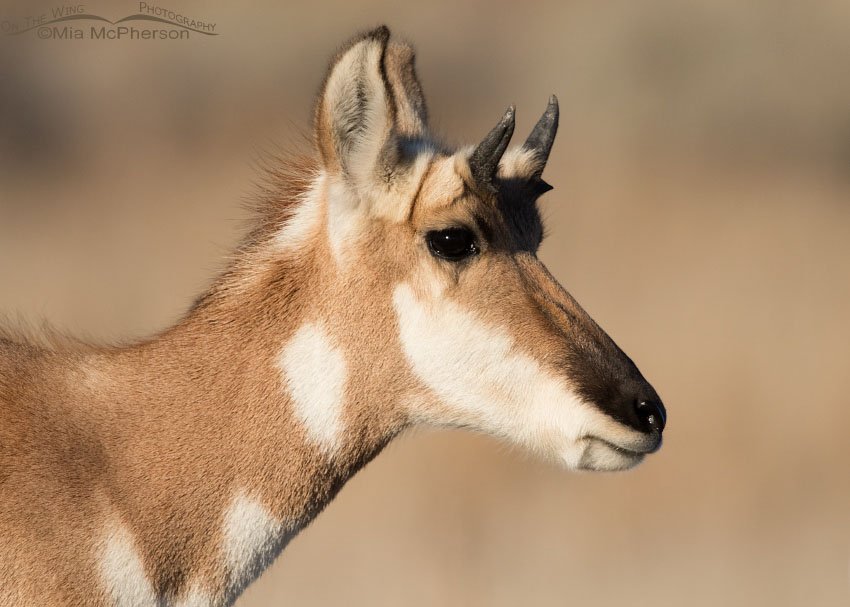
I am very fortunate to live in an area where I can see these beautiful creatures up close and that is some thing I don't take for granted.

For me there is something very serene and peaceful about this west desert Pronghorn image.

It has been quite some time since I have photographed Pronghorn on Antelope Island State Park because it seems that the Pronghorn have kept mostly to the west and south sides of the island this winter.

Two years ago I made my first journey to Flaming Gorge National Recreation are in Utah and it was an eye opening experience. Gorgeous scenery, bountiful animal life and to be there during an Indian Summer was divine.
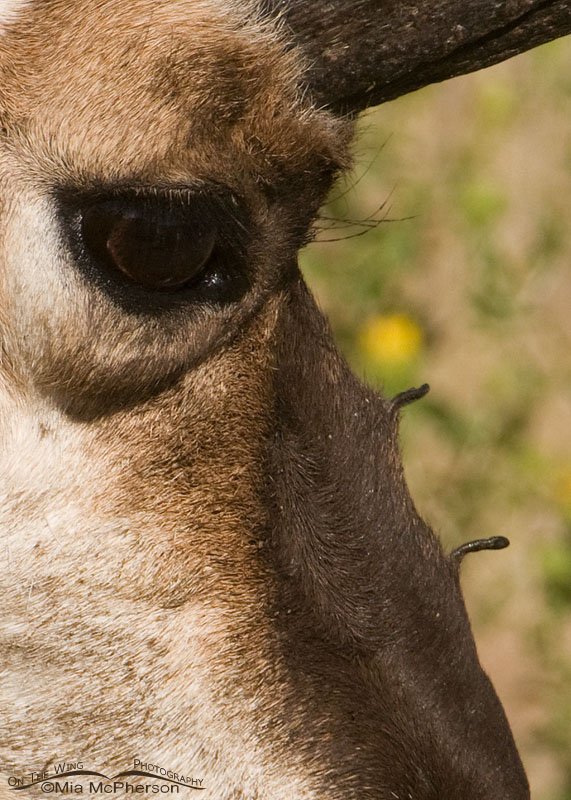
This image shows a side view of the Pronghorn buck's face with the two unusual horn growths shown protruding from its muzzle.
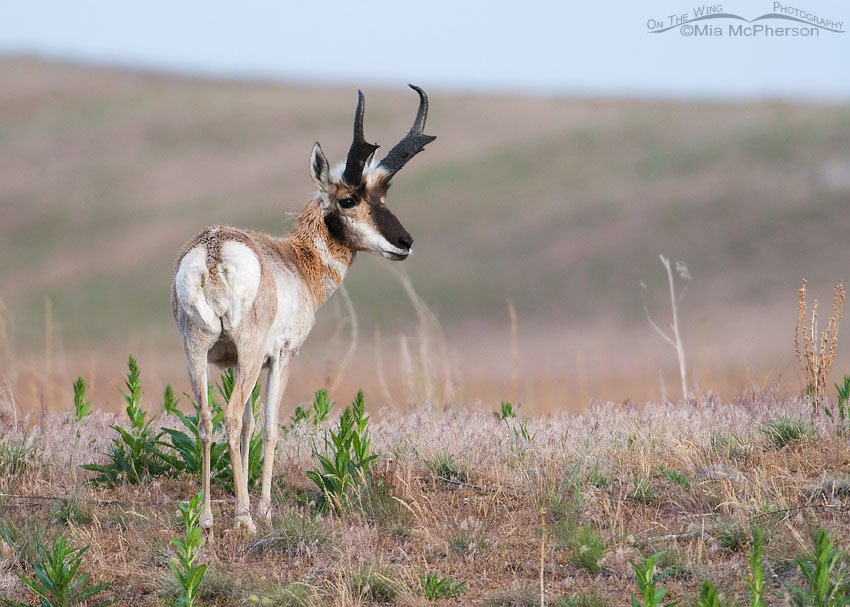
I hope the Pronghorn we do have continue to flourish because they are majestic creatures and the western landscape wouldn't be the same without them.
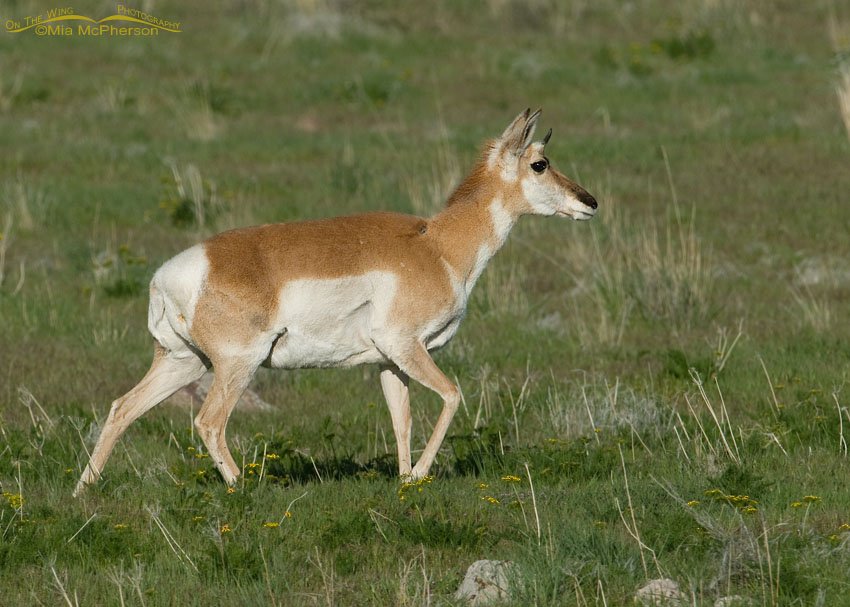
These Pronghorn images were taken a few years ago during the spring and I thought I would share them this morning partly because the yellow flowers in these images; Gray's Biscuitroot, have just started to bloom this year.

This is a win/win proposal for the National Wildlife Refuge System and for everyone who visits them. For every person who is concerned about the future of out National Wildlife Refuges and for every organization who supports conservation of our public lands and the nation's wildlife.
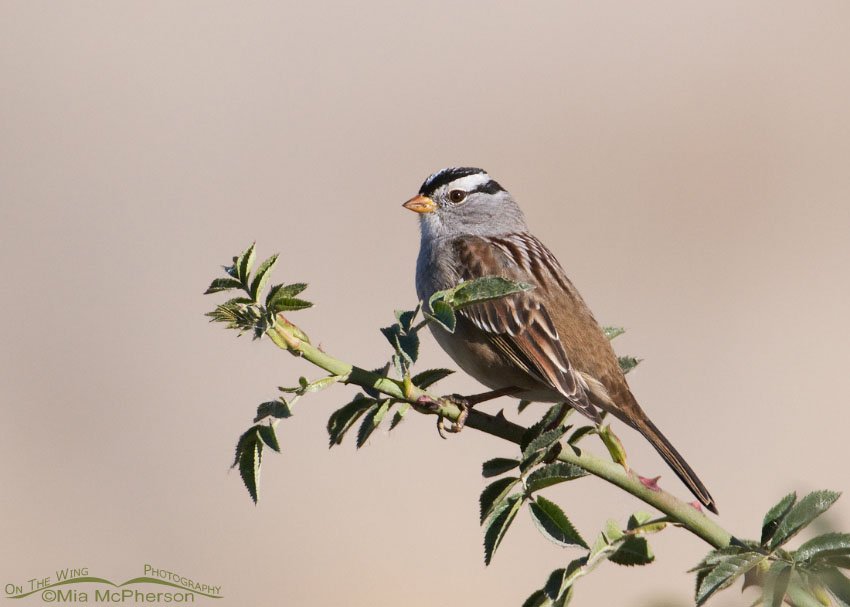
Just a few images from this past week.
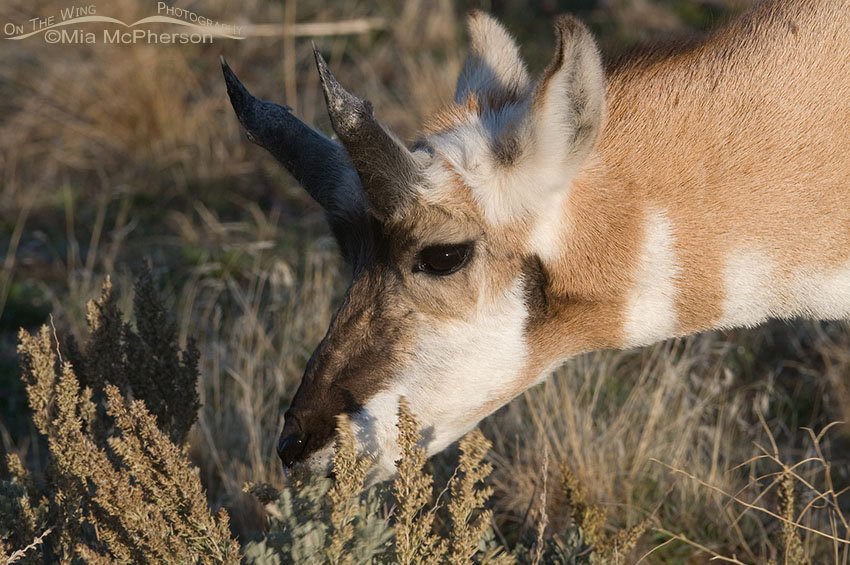
The horns of Pronghorns are composed of a permanent slender, laterally flattened blade of bone that is covered by a keratinous sheath.

Wow, this is my 500th blog post and it has been great fun to share my images and the stories behind them. I thought I'd share a few images and bits about my thoughts on photography.

Early last week I thought that the Pronghorn bucks on Antelope Island State Park might be in rut, later in the week a buck's behavior confirmed that they are.
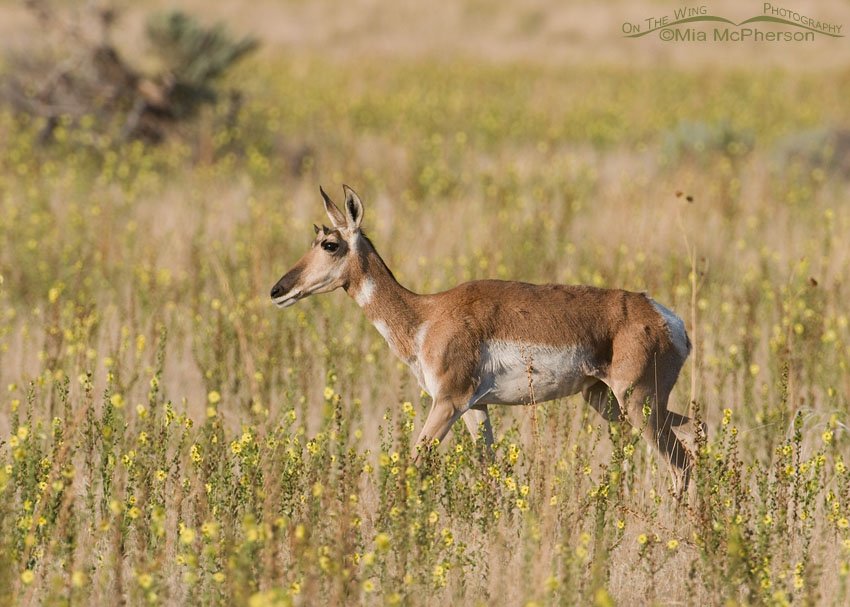
I haven't posted a Pronghorn (Antilocapra americana) for a while and thought I would share this one taken earlier this week on Antelope Island State Park in northern Utah today.

Seeing the word "Montana" so often has gotten me anxious, antsy and itching to head north soon to see more of a state that beckons to me because I have fallen in love with it.
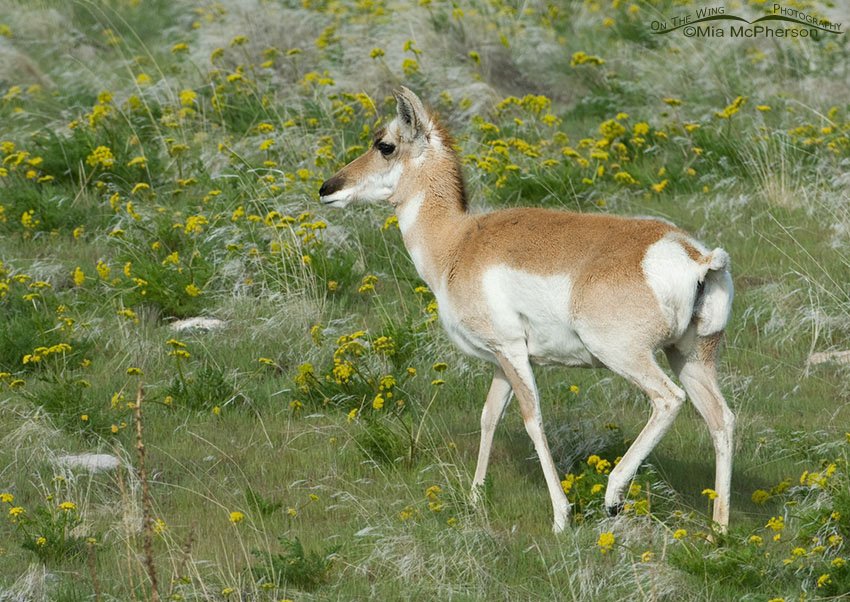
Outside my window the winds are howling this morning and there is a thick layer of gray clouds hanging low in the sky. It isn't a good day to be out in the field so I have been going through my image archives and pulled out two images of a Pronghorn (Antilocapra americana) doe from last spring to post.