Save Owls By Not Using Rodent Poisons
Since spring's arrival, people will be spending time outdoors, and more people will be seeing rats in their yards and gardens. Owls eat rats and other rodents.


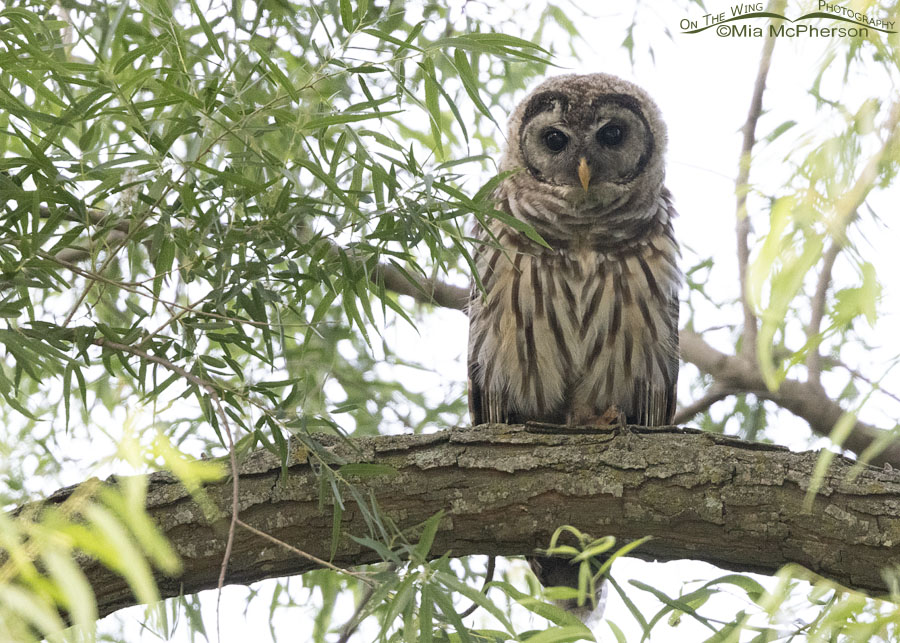
Since spring's arrival, people will be spending time outdoors, and more people will be seeing rats in their yards and gardens. Owls eat rats and other rodents.
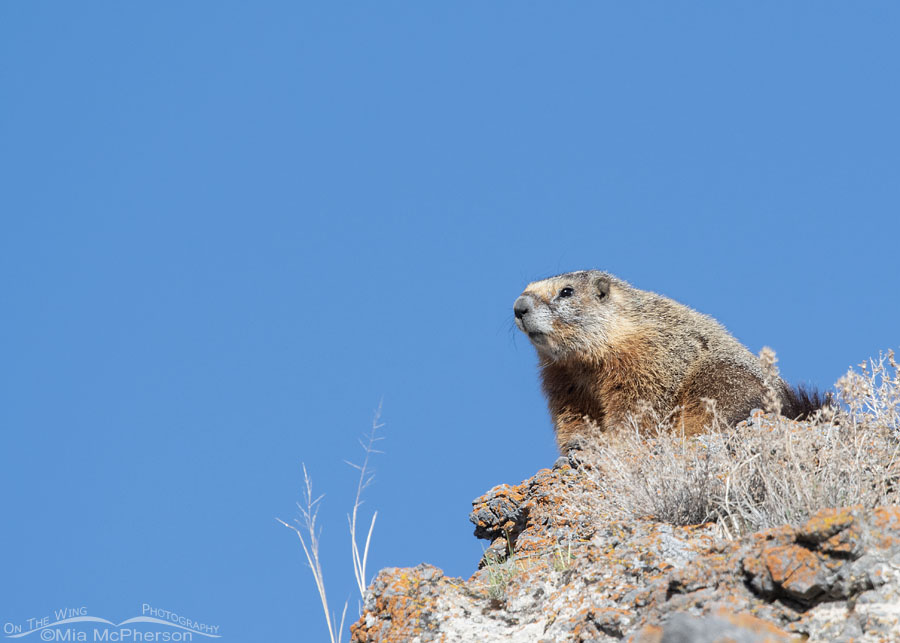
On April Fool's Day of 2022, I was up in far northern Utah where I spotted this adult male Yellow-bellied Marmot warming up in the morning sun on a cliff.
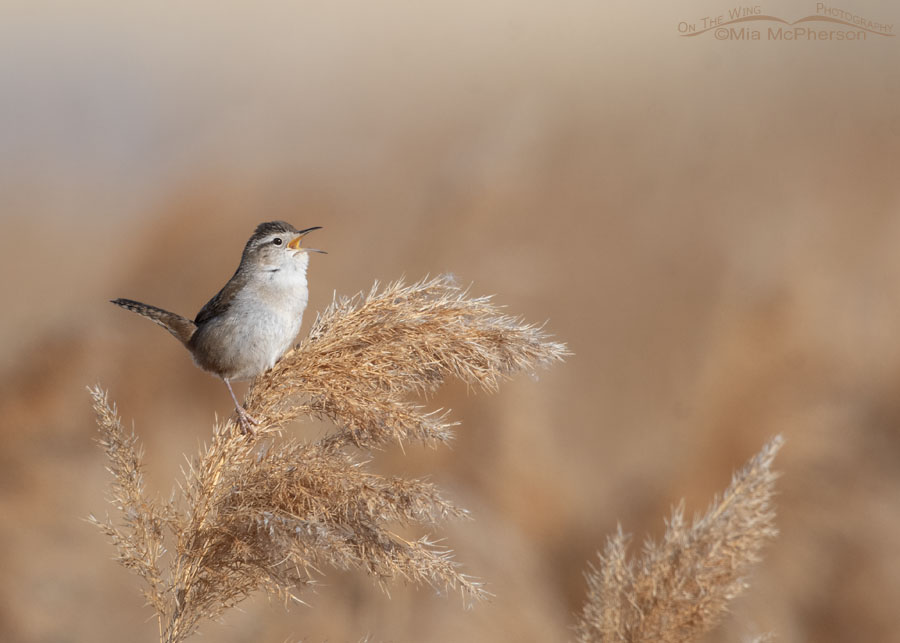
Three years ago today, I spotted a Marsh Wren in the marsh of Bear River Migratory Bird Refuge and stopped to take photos of the wren singing out in the open.
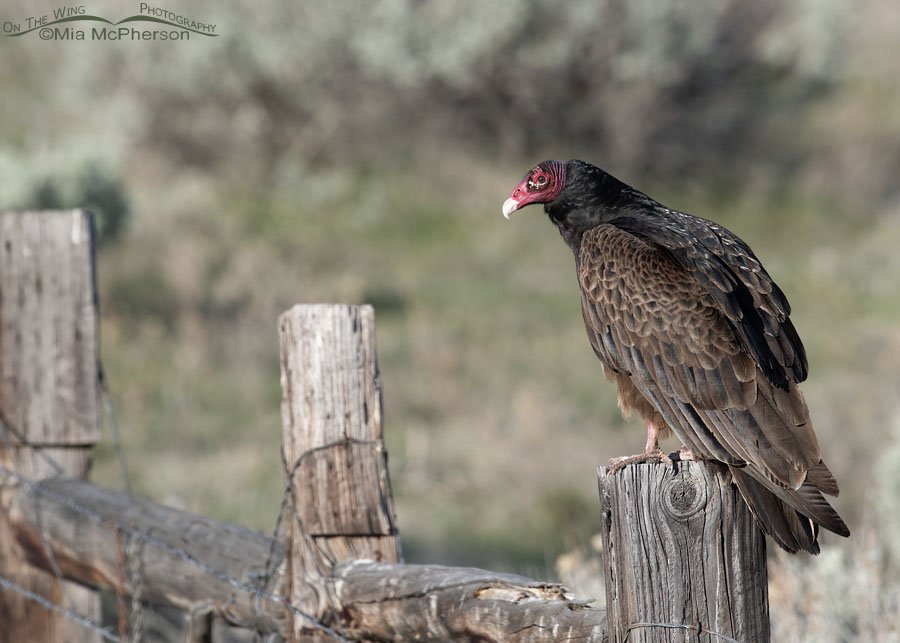
A little birdie told me that they easily saw more than 60 turkey vultures flying over St. George two evenings ago. That birdie was my good friend April Olson.
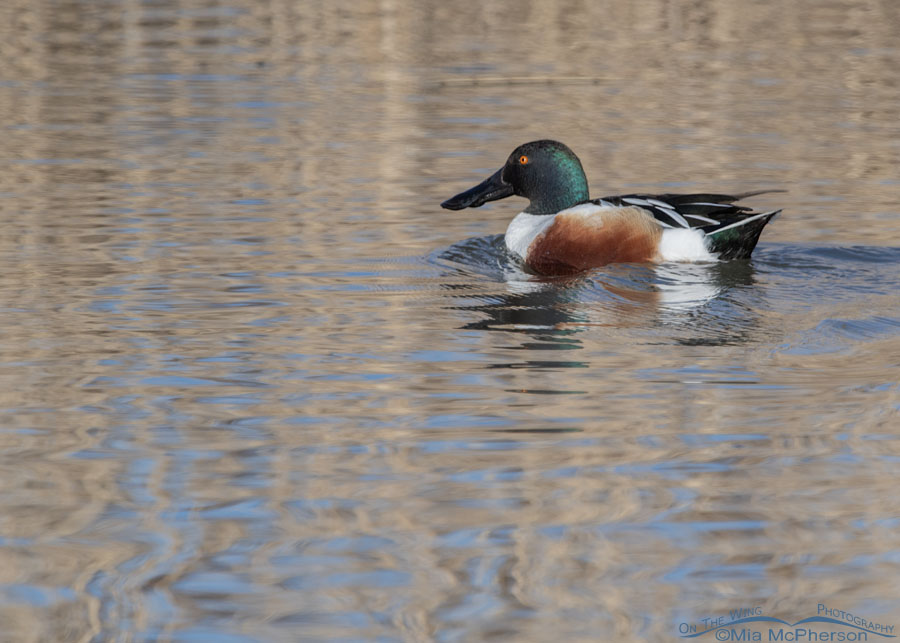
This drake Northern Shoveler swam past me on my last trip up to Bear River Migratory Bird Refuge. I couldn't resist taking photos of him. Why would I want to?
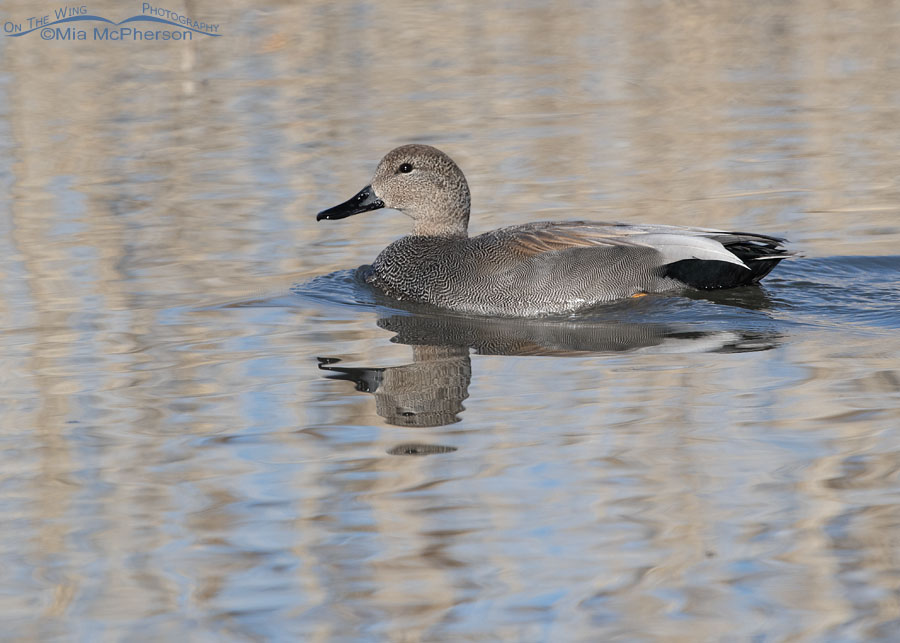
The last time I drove up to Bear River Migratory Bird Refuge, I was delighted to have this drake Gadwall in my viewfinder on the last leg of the auto tour loop.
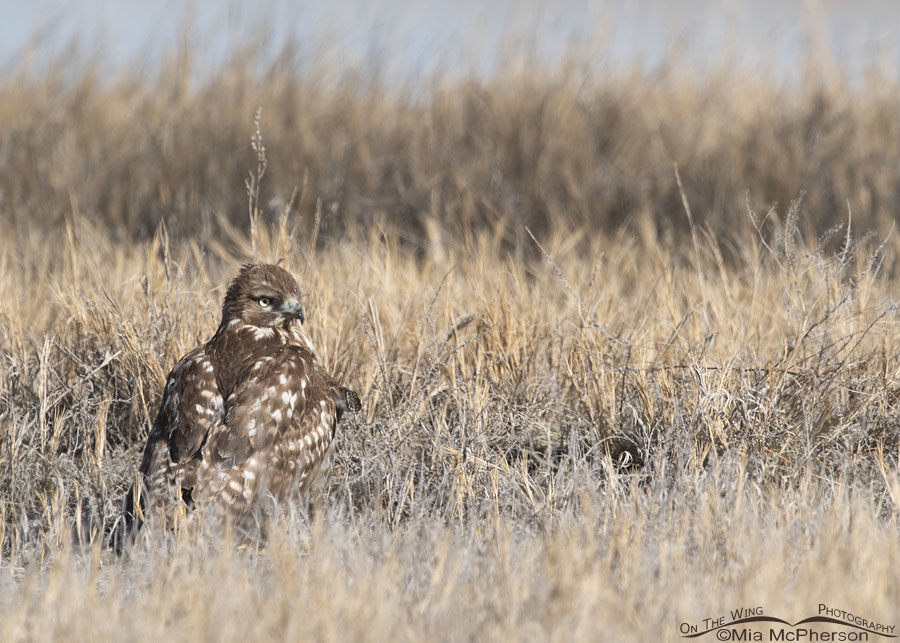
About two years ago, I photographed this immature Red-tailed Hawk near the Bear River, on my way out of the auto tour loop of Bear River Migratory Bird Refuge.
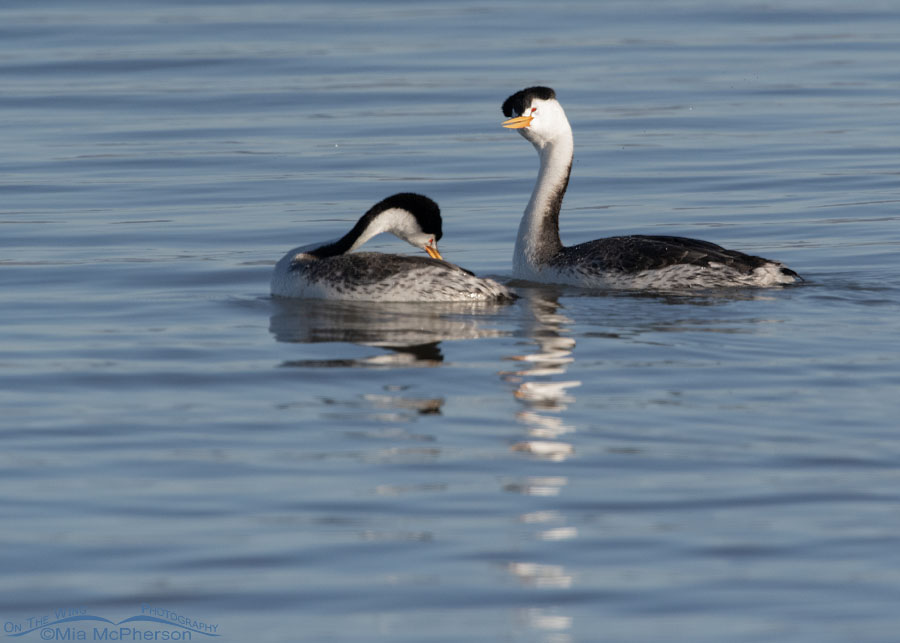
On my most recent trip to Bear River MBR, I stopped my Jeep on the west side of the auto tour loop to take a few images of a pair of Clark's Grebes.
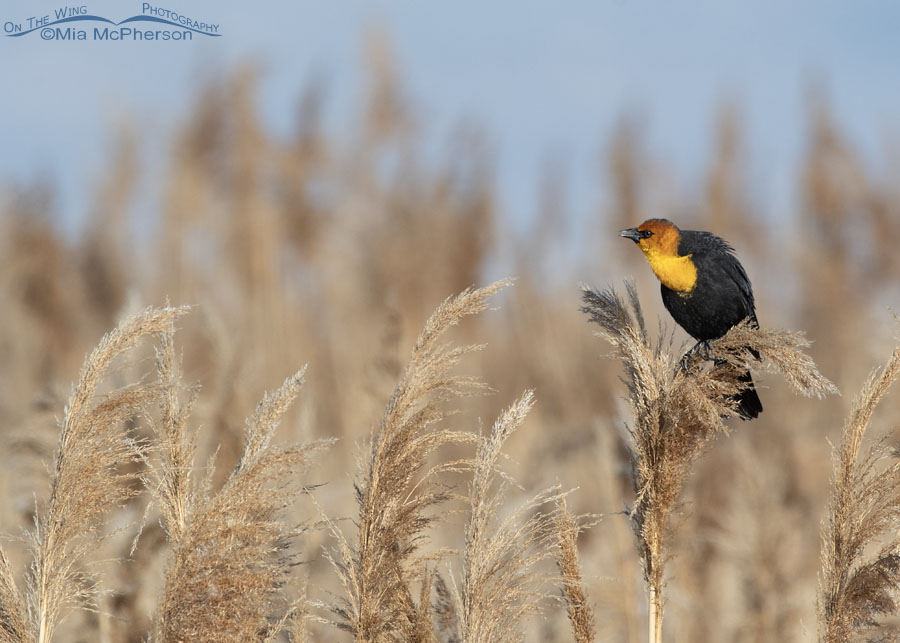
Earlier this week I stopped to take a video of a singing male Yellow-headed Blackbird on the auto tour loop of Bear River Migratory Bird Refuge. I'm glad I did.
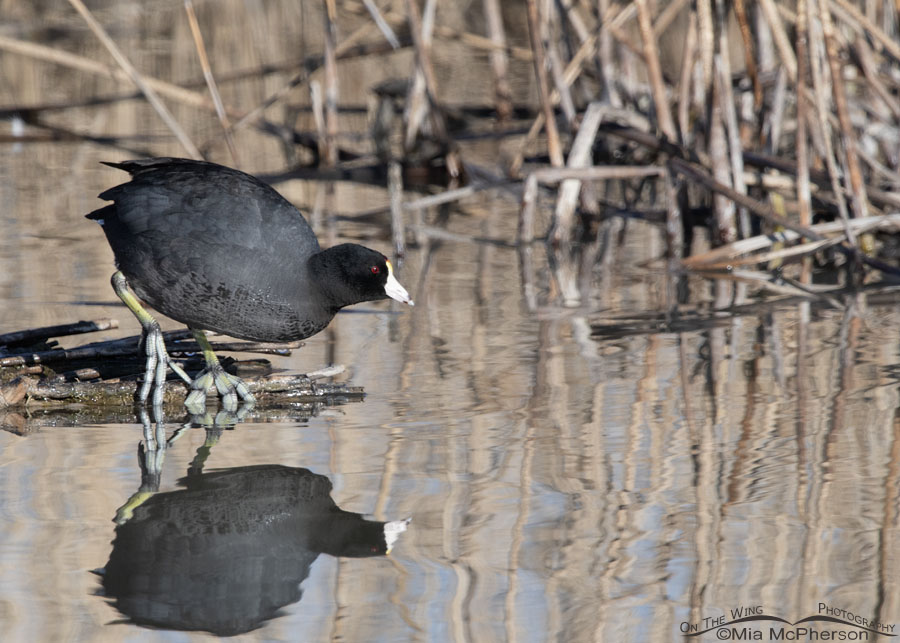
One of the birds I photographed on the last day of winter at Bear River MBR was an American Coot. I happen to like seeing their big, funky-looking feet.
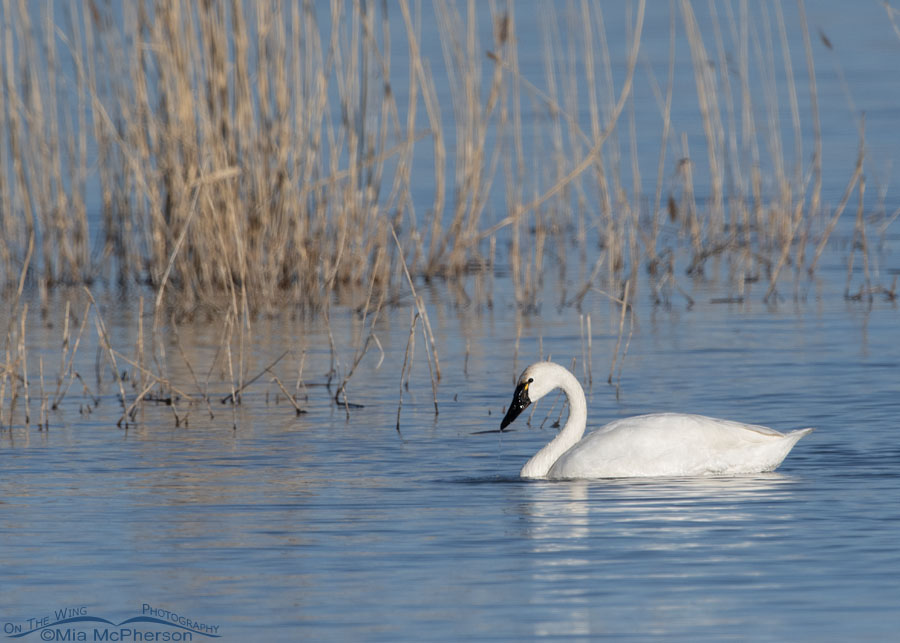
When I was at Bear River Migratory Bird Refuge on the last day of winter, I decided to take a video of some of the Tundra Swans I found on the auto tour loop.
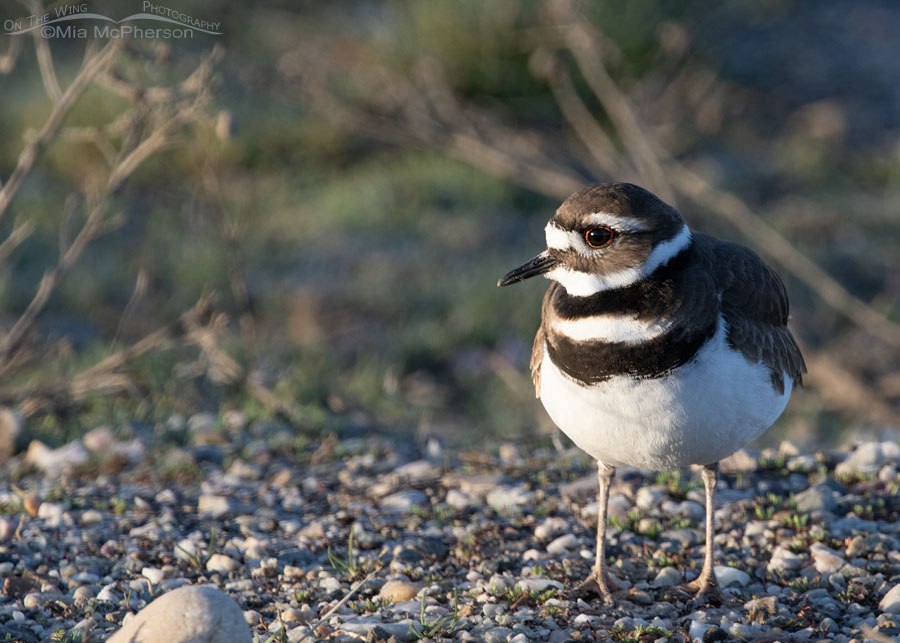
The first bird I photographed yesterday morning at Bear River MBR was this Killdeer in soft morning light. Truthfully, I am glad my first bird was a Killdeer.
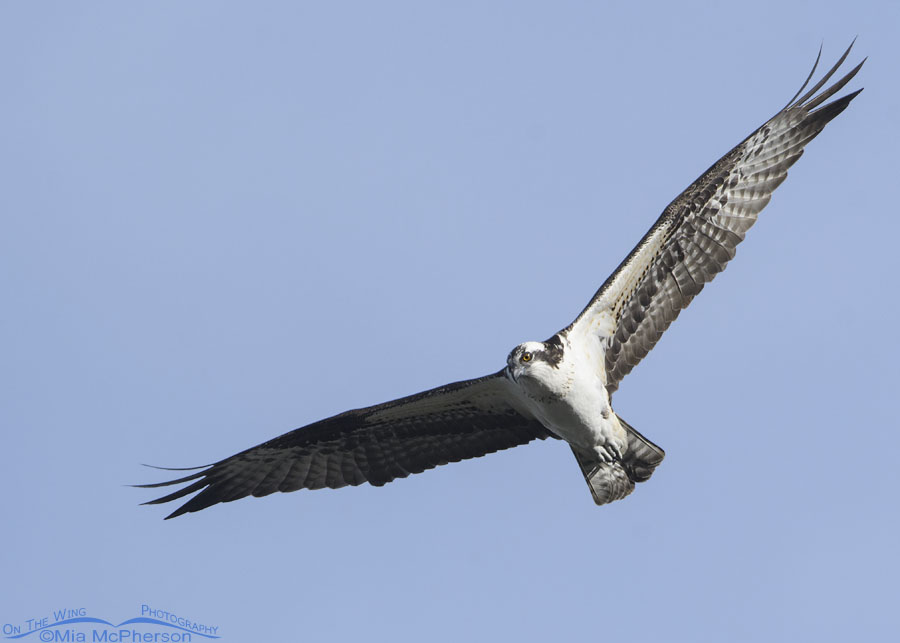
It is time for me to keep my eyes on the sky because Osprey migration is underway. Online, in the past week, I've seen them being reported in Montana and Idaho.
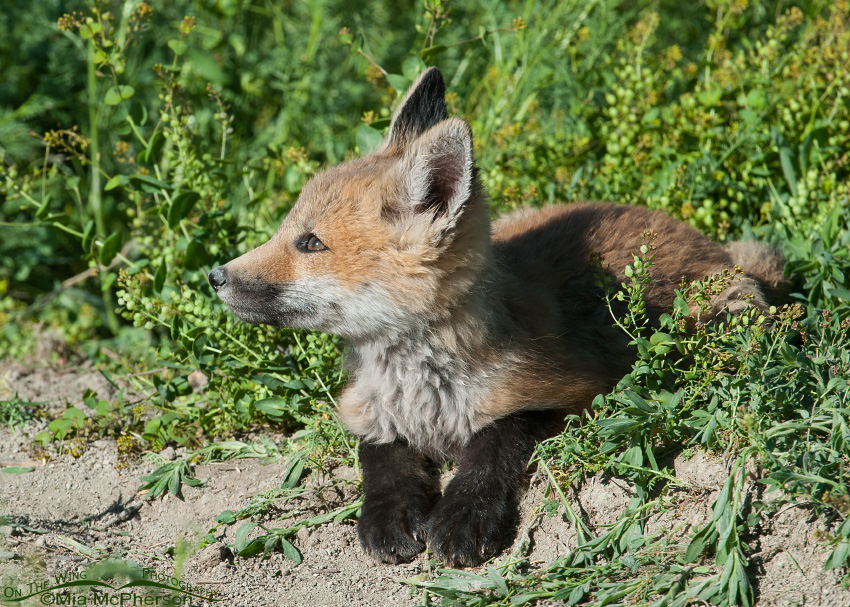
Bad weather and bad timing have kept me out of the field for a bit. Today, I am sharing some cute Red Fox kit photos I took almost a year after I moved to Utah.
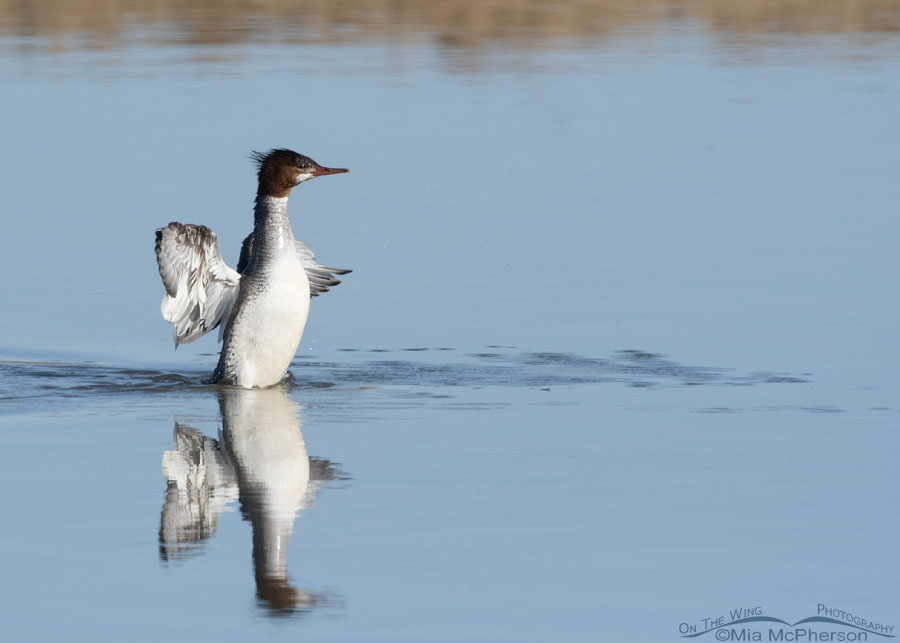
Just a simple photo of an immature Common Merganser today. I took this image of the merganser on the Bear River almost two years ago on a bright, sunny morning.
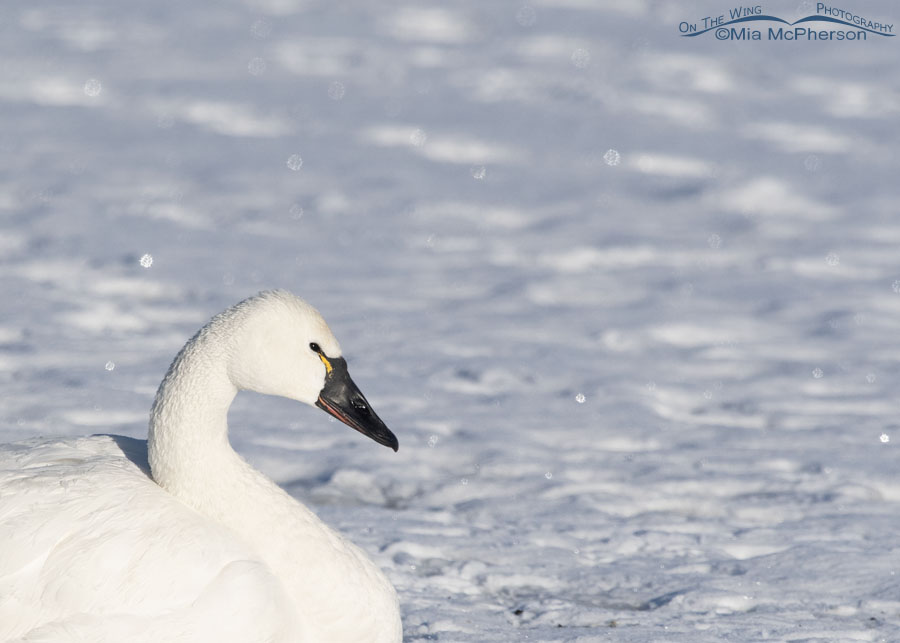
Today is March 9th, and it is Utah's Swan Day 2024! The Bear River Migratory Bird Refuge auto tour loop is a terrific place to see these lovely white swans.
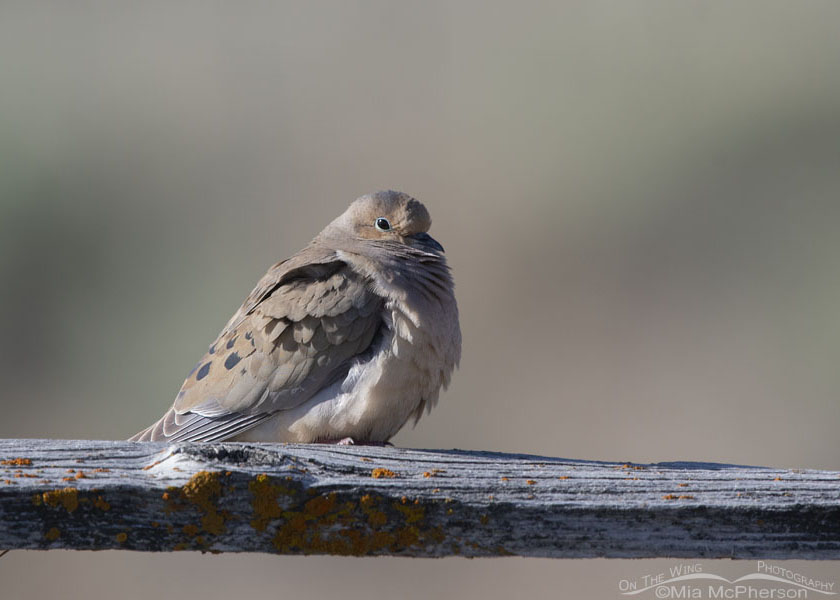
While I was sitting at my desk yesterday afternoon, when the sun was shining a bit, I heard one of the sounds of spring: Mourning Dove calls outside my window.
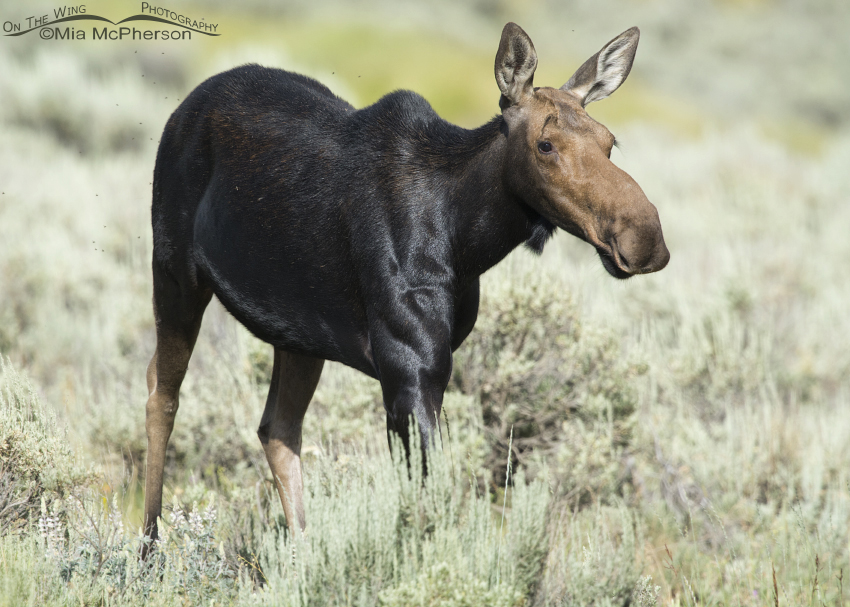
Every March 3, the world comes together to honor World Wildlife Day, a global occasion that pays tribute to the astounding array of life inhabiting our planet.
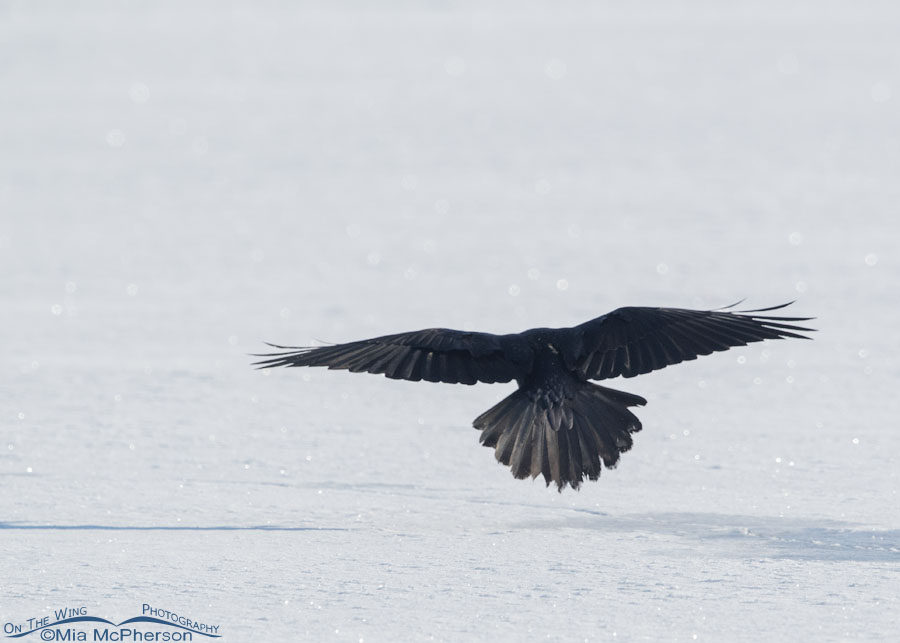
This isn't my typical idea of a Common Raven photo because the raven's face can't be seen. But I like this photo of the raven about to land on the frozen marsh.
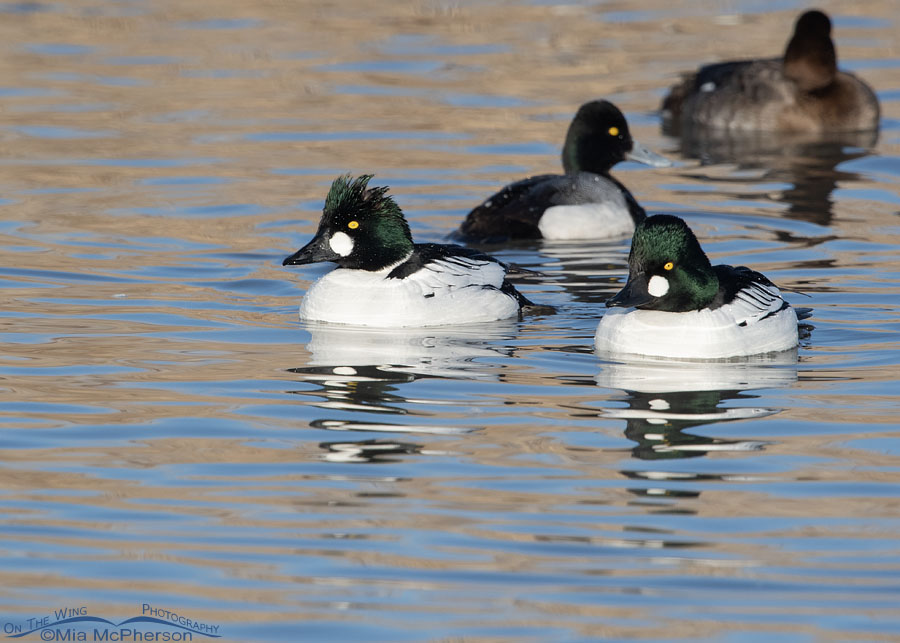
When I took this photo of two drake Common Goldeneyes at Bear River MBR almost two years ago, I was laughing as I hit my shutter button. I couldn't help myself.
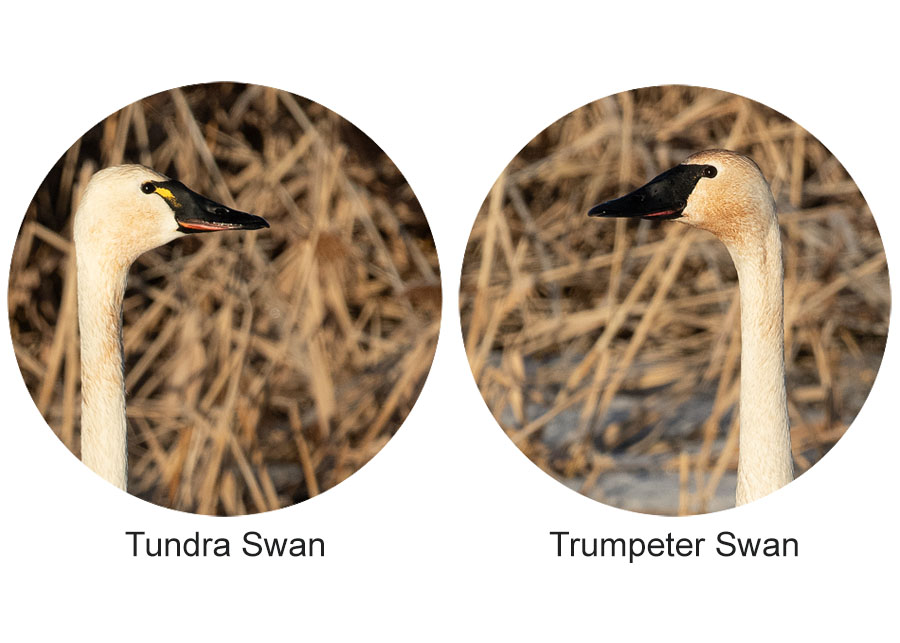
I hope this comparison helps anyone who might be struggling with Trumpeter Swan and Tundra Swan identification in the field or when they are looking at their own photos.
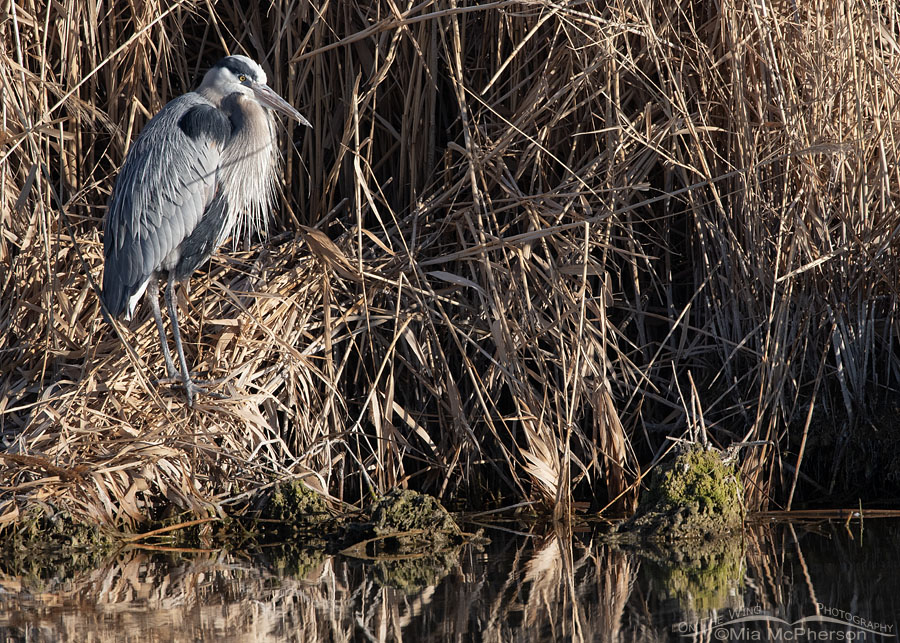
On my last trip up to Bear River MBR, I stopped to take a video on the auto tour loop, and a Great Blue Heron surprised me by flying into view over the river.
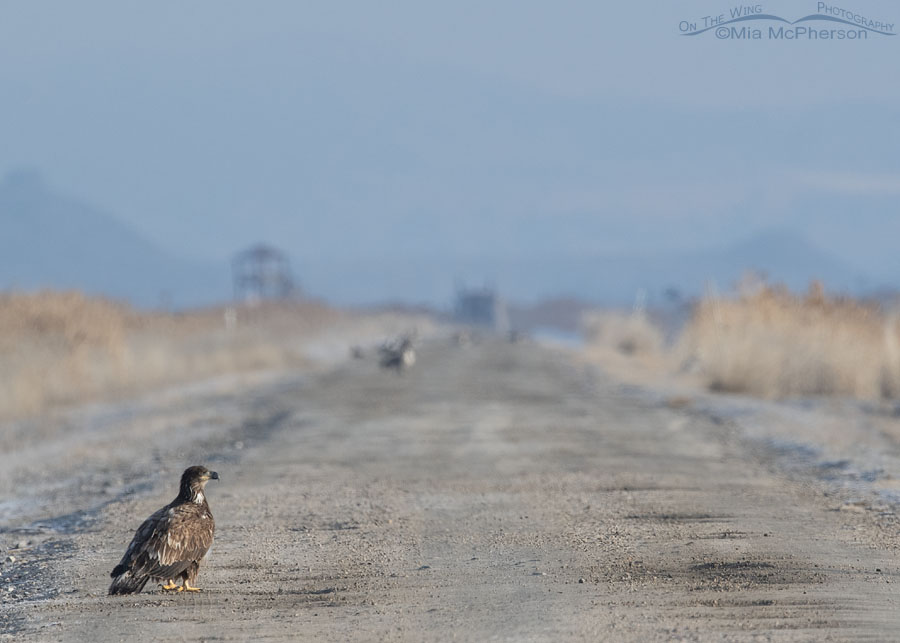
This Bald Eagle photo isn't my best image of this species, and that is alright with me. I took the photo five days ago on the auto tour loop at Bear River MBR.
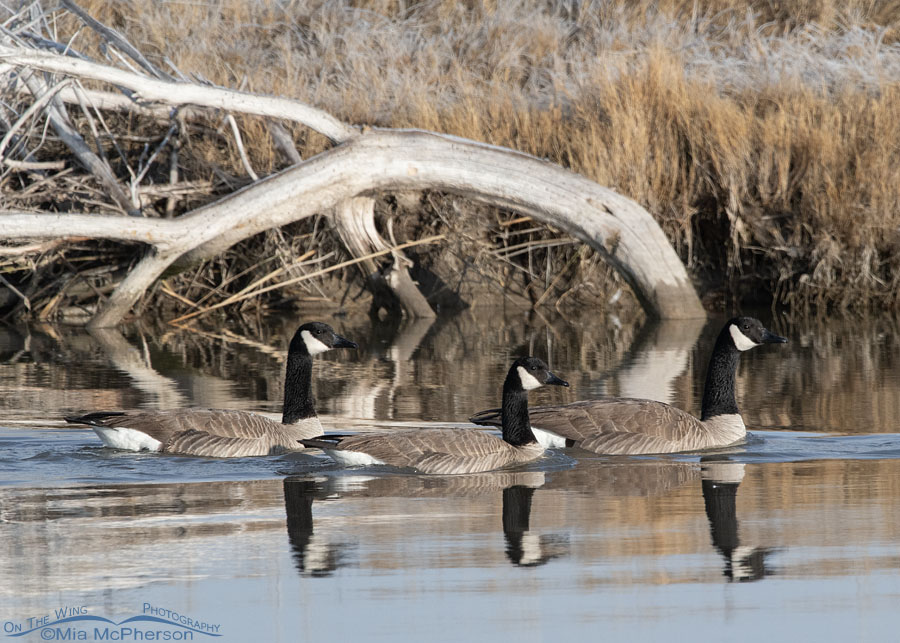
Yesterday morning, at Bear River Migratory Bird Refuge, I took a short video of Canada Geese in the road while I was on the north side of the auto tour loop.
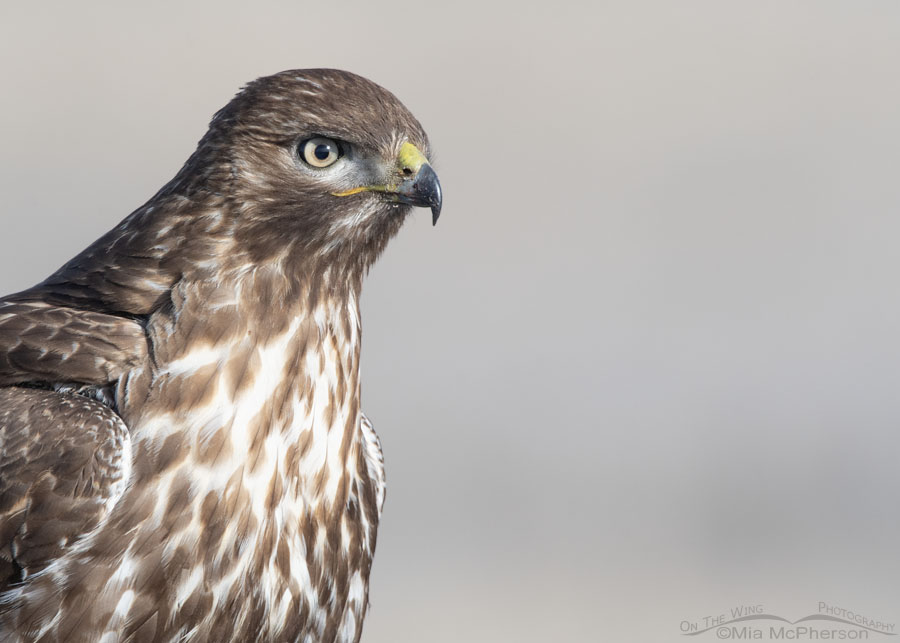
The day I photographed this young Red-tailed Hawk, I took 135 images of the immature raptor in just a little over a minute at Bear River Migratory Bird Refuge.
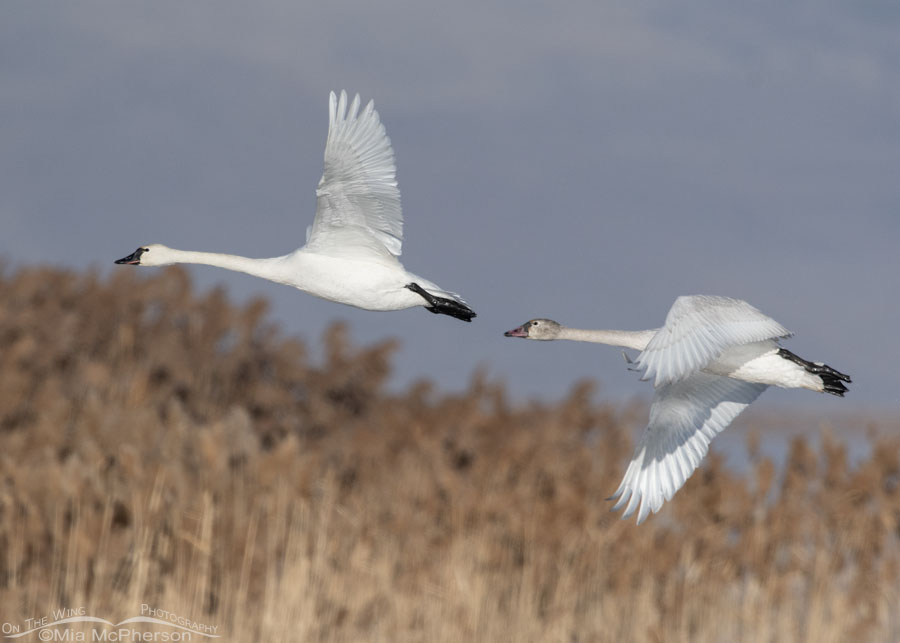
Tundra Swans and memories are on my mind this morning. Six years ago, I sat in my Jeep watching hundreds of Tundra Swans at Bear River Migratory Bird Refuge.
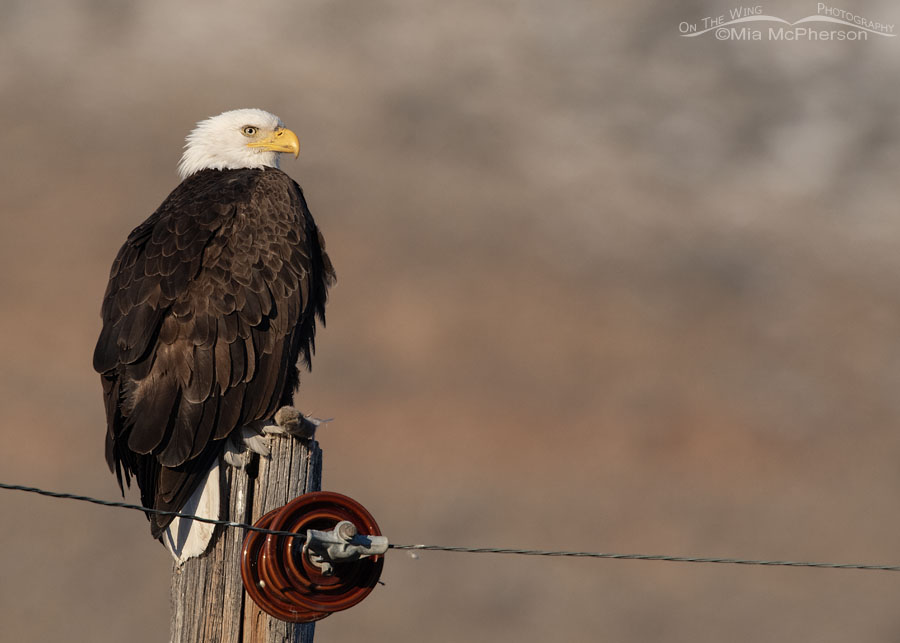
Two years ago today, I spotted this gorgeous adult Bald Eagle perched on a pole from about a half-mile away on a bright, sunny morning up in far northern Utah.
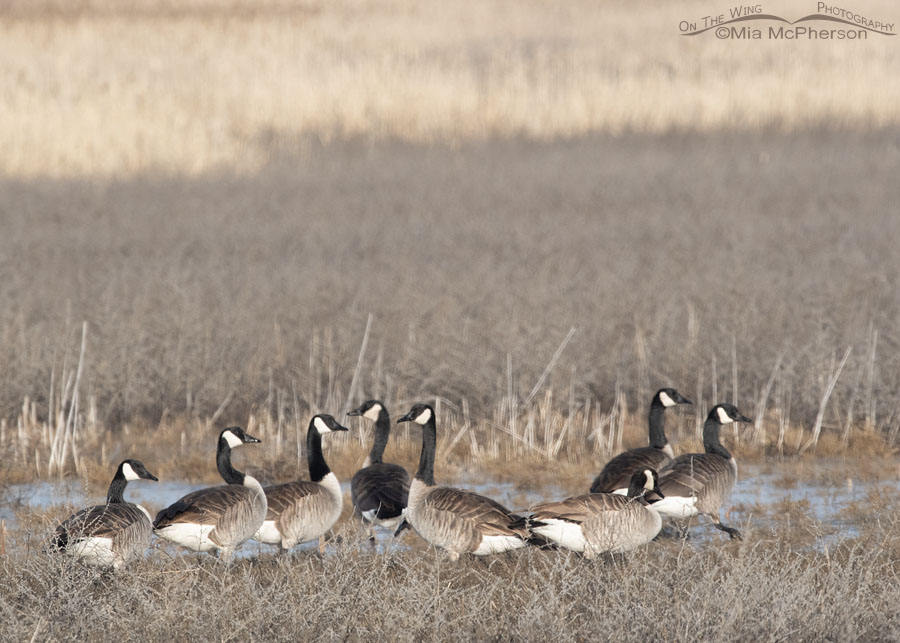
When I was up at Bear River Migratory Bird Refuge at the end of January, I stopped on the auto tour loop to take photos of a small gaggle of Canada Geese.
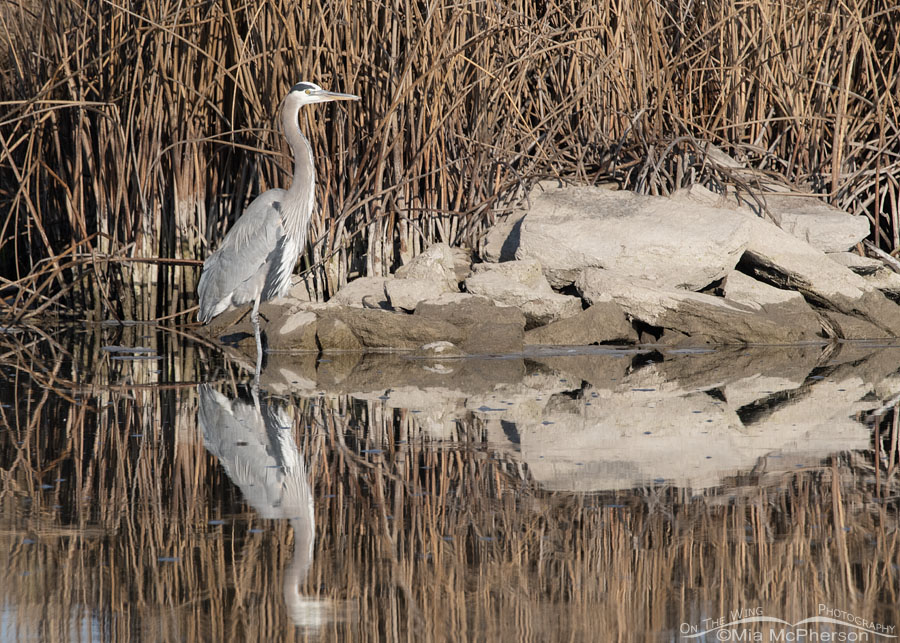
Today, I'm sharing a simple Great Blue Heron photo I took late last month at Bear River Migratory Bird Refuge. I liked the heron's reflection on the Bear River.
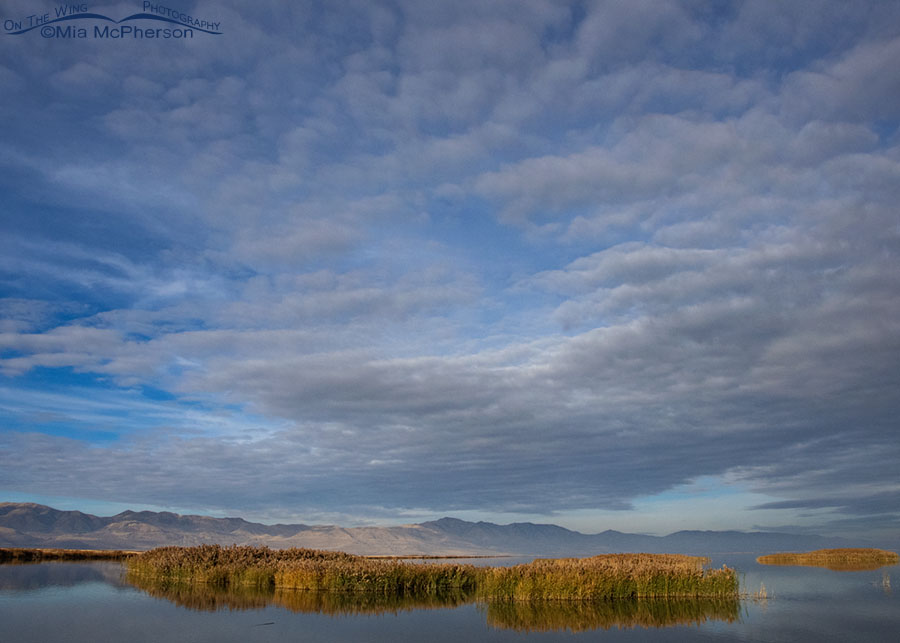
Today is World Wetlands Day, and we need to protect and preserve our wetlands. Wetlands provide a wide range of ecological, economic, and social benefits.