Feathers & Fur

Today I thought I would post a few images taken this past week from Antelope Island State Park and the west desert in Tooele County. Feathers & Fur.

Coyote in morning light

Coyote in morning light on Antelope Island- Nikon D300, f6.3, 1/1250, ISO 640, Nikkor 200-400mm VR with 1.4x TC at 400mm, natural light, not baited or called in

Right before I photographed this Coyote (Canis latrans) it had eaten four Voles from the base on a wild Sunflower. I couldn’t get any decent images of it then because it was well hidden behind the Sunflower stalks but when it wandered towards the other Coyote I could see in the distance it stopped and looked towards me where I had a relatively unobstructed view.

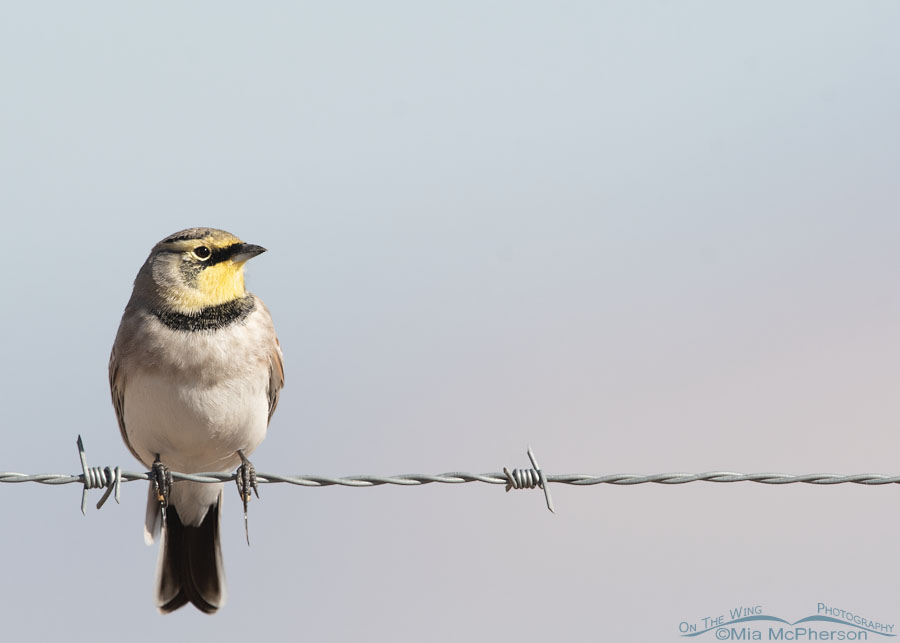
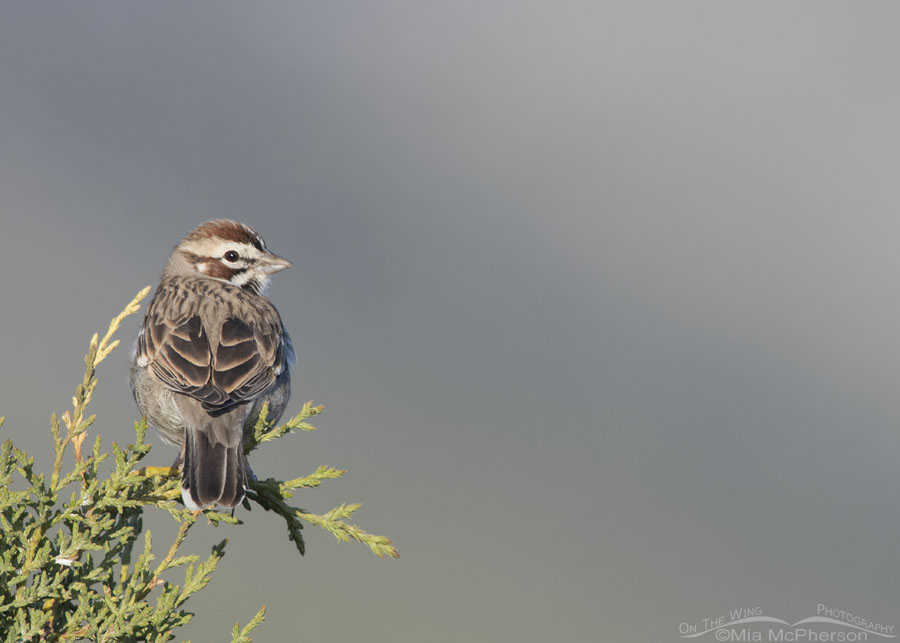
Male Horned Lark in Tooele County

Male Horned Lark in Tooele County - Nikon D300, f6.3, 1/2000, ISO 640, Nikkor 200-400mm VR with 1.4x TC at 400mm, natural light

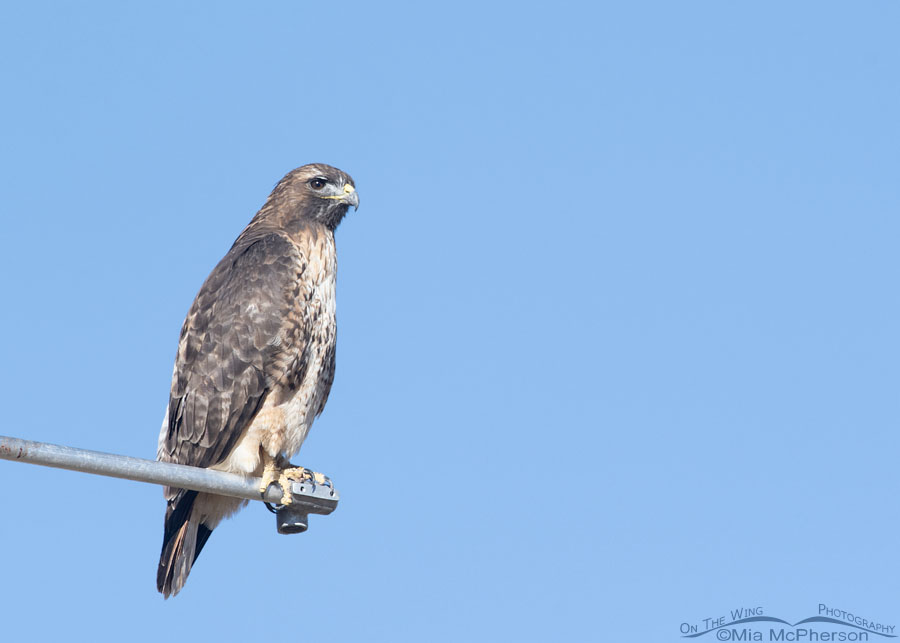
Yesterday I was in the west desert in Tooele County with high hopes of seeing and photographing Golden Eagles, Prairie Falcons, Ferruginous and Red-tailed Hawks. It wasn’t to be though, I think the strong south winds were keeping them hunkered down. The one Red-tailed Hawk I photographed was just a bit too far away to create decent images where the details were plainly evident. I still didn’t go away empty handed because this male Horned Lark (Eremophila alpestris) posed for me briefly.

Pronghorn Doe on a hilltop

Pronghorn Doe on a hilltop on Antelope Island - Nikon D200, f10, 1/1000, ISO 640, +0.7 EV, Nikkor 200-400mm VR with 1.4x Tc at 400mm, natural light

I love Pronghorns (Antilocapra americana), they are beautiful, graceful and I photograph them at every opportunity. I sure thought this doe looked stunning against the snow covered mountains in the background while looking at me from a hilltop.

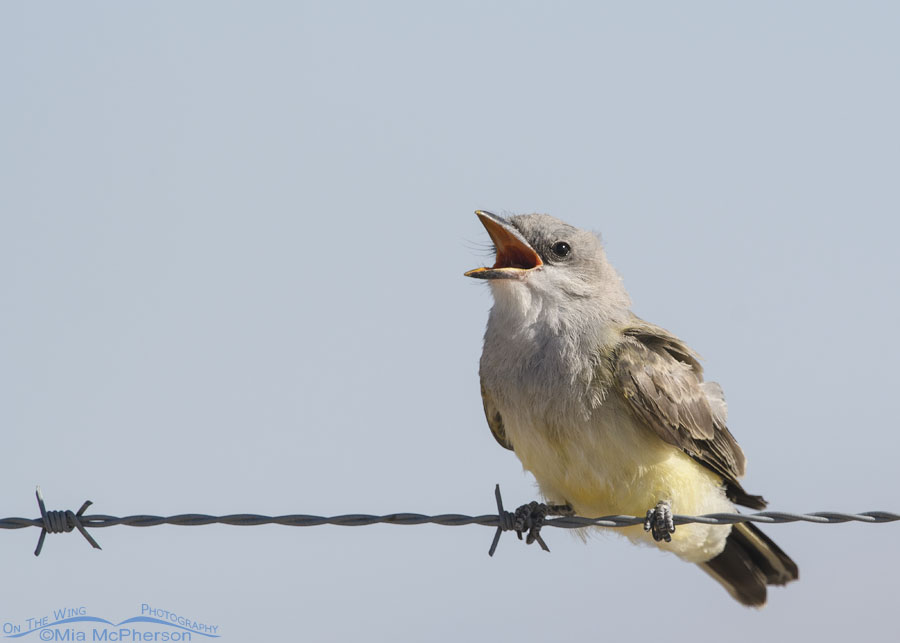
Loggerhead Shrike calling

Loggerhead Shrike calling, Antelope Island - Nikon D300, f6.3, 1/1250, ISO 640, +0.7 EV, Nikkor 200-400mm VR with 1.4x TC at 400mm, natural light

I have been seeing more Loggerhead Shrikes (Lanius ludovicianus) calling from the tops of bushes and trees lately and have also been seeing them pair up. This one was calling in the early morning light and quite loudly too! They are such handsome birds.

Frosty Bison

Frosty Bison on Antelope Island - Nikon D200, handheld, f11, 1/250, ISO 400, -1.0 EV, Nikkor 18-200mm VR at 90mm, natural light

 I had hoped to photograph Bison this winter where the where the foreground and background was all snow covered in beautiful, dramatic light. With the “Winter that Wasn’t” that didn’t happen. I did create some images though were the Bison had some frost on them. Maybe we will get one final snow before spring pushes Old Man Winter out the door. You just never know!

Mia

Facebook Twitter Stumbleupon Digg Delicious Reddit Posterous Pinterest Email

Share

Ferruginous Hawk in Tooele County, Utah

Ferruginous Hawk (Buteo regalis) wing lift
Nikon D300, f5.6, 1/1600, ISO 640, Nikkor 200-400mm VR with 1.4x TC at 400mm, natural light, not baited

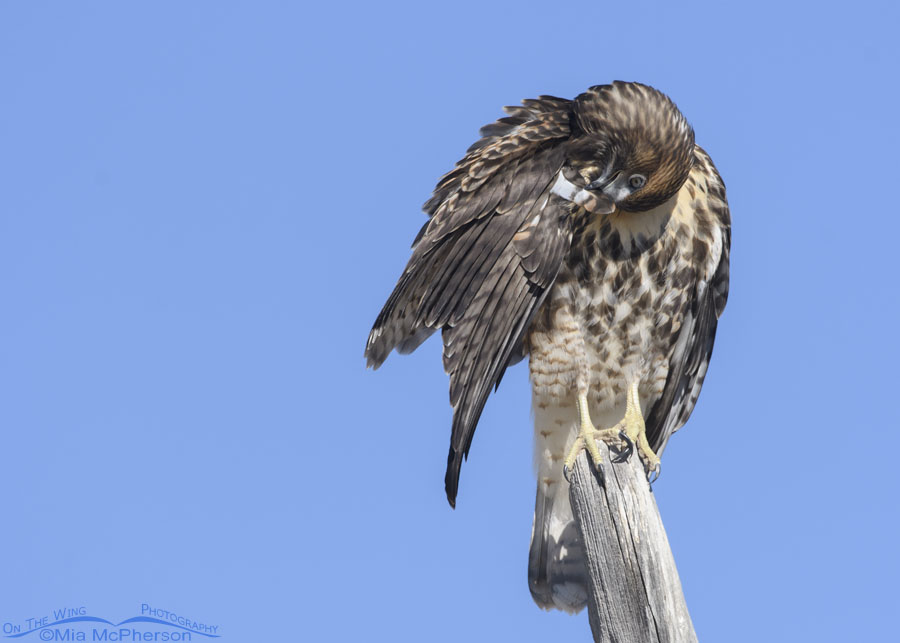
Back in November I had the opportunity to photograph this Ferruginous Hawk in the west desert of Utah, the hawk was very wary so I was unable to make as close of an approach as I would have liked. The day was hazy and slightly overcast from some high thin clouds, I really didn’t have the best of conditions but that never seems to keep me from testing my skills. The Ferruginous Hawk was perched on an old fencepost that had a lot of character because it was weatherworn and it wasn’t a manufactured post. In the photo above the hawk was lifting its wings not to take flight but to stretch them.

Ferruginous Hawk (Buteo regalis) getting balanced on perch
Nikon D300, f5.6, 1/1600, ISO 640, Nikkor 200-400mm VR with 1.4x TC at 400mm, natural light, not baited

After the wing lift the hawk had a bit of a time getting balanced on the post again so it fluttered its wings as its feet gripped the uneven surface of the post. That gave me a nice view of the rusty colored feathered legs, they remind me of old fashioned jodhpurs that horseback riders used to wear which were very loose at the thigh and tight around the lower legs.

Ferruginous Hawk (Buteo regalis) preparing for lift off

Ferruginous Hawk (Buteo regalis) preparing for lift off
Nikon D300, f5.6, 1/2000, ISO 640, Nikkor 200-400mm VR with 1.4x TC at 400mm, natural light, not baited

There aren’t many people in the west desert of Utah thus the raptors and other birds that live there are not habituated to people so they are very skittish even when using a mobile blind. In less than a minute after gaining its balance on the old fence post this regal raptor decided to lift off and fly out over the grassy, sagebrush covered plain to the east.

I love the quiet found in the west desert, the whispering of the grasses in a slight breeze and the wide open skies.

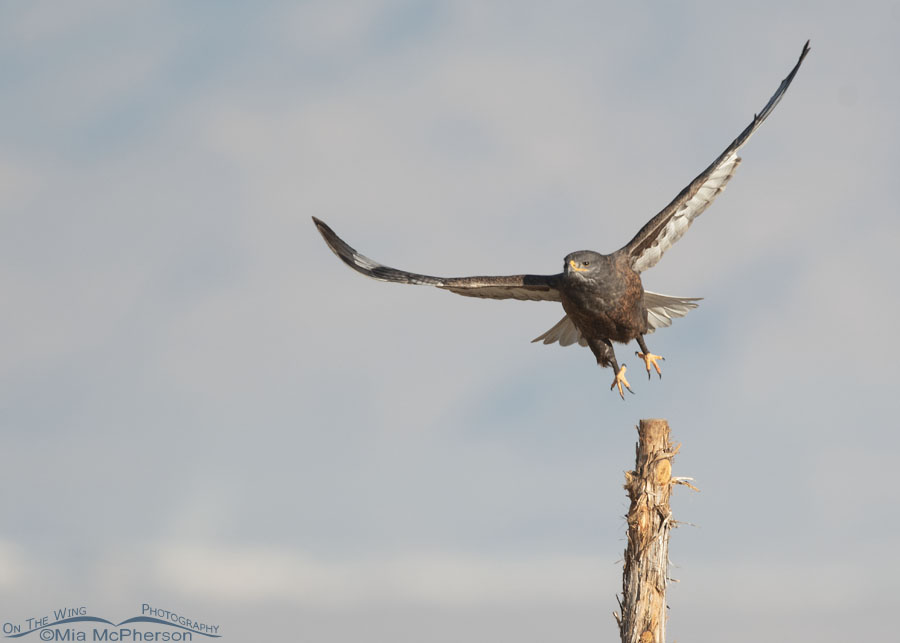
Ferruginous Hawk (Buteo regalis) lift off
Nikon D300, f5.6, 1/1600, ISO 640, Nikkor 200-400mm VR with 1.4x TC at 400mm, natural light, not baited

When the Ferruginous Hawk first lifted off it had its face turned slightly away from me but it did give me this one final image that had a nice look at its eye and a wonderful view of those beautifully colored feathered legs.

I wish the light had been a bit better that day but Ferruginous Hawks are year round residents here so I’ll just look for more opportunities to photograph the handsome hawks.

Mia

Facebook Twitter Stumbleupon Digg Delicious Reddit Posterous Pinterest Email

Share

More Rough-legged Hawks

Rough-legged Hawk in flight

Rough-legged Hawk in flight ~ Davis County, Utah
Nikon D300, f5.6, 1/2500, ISO 640, +0.3 EV, Nikkor 200-400mm VR with 1.4x TC at 400mm, natural light, not baited

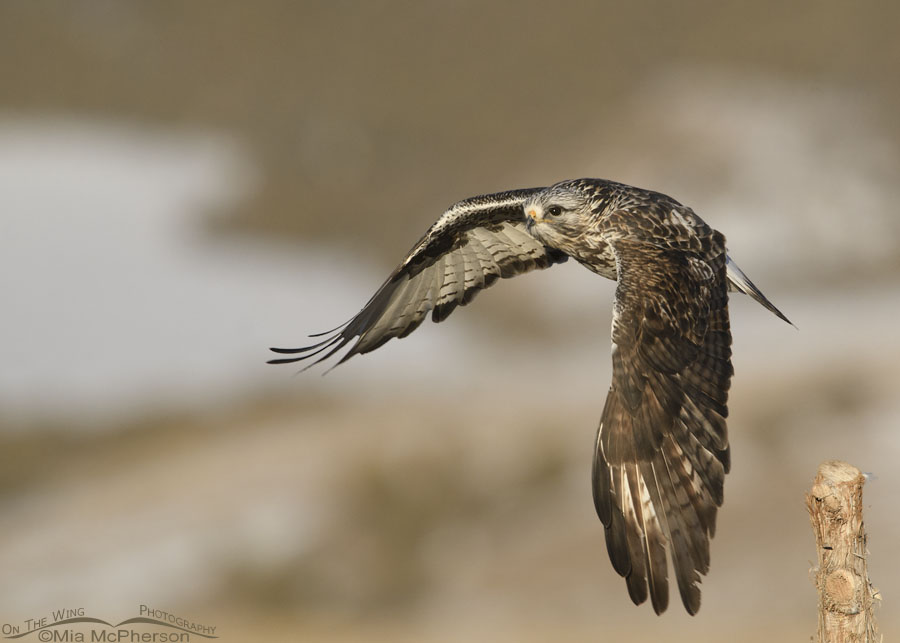
Since my last post about Rough-legged Hawks (Buteo lagopus) I have been able to find and photograph more of these handsome raptors. The Roughie above made a close fly by and I was able to get several images of it as it did so. At first I thought it was a gull when it was at a distance but I soon realized it was a Roughie and paced my shots so that my buffer would not fill up.

Close fly by from a Rough-legged Hawk
Close fly by from a Rough-legged Hawk ~ Davis County, Utah
Nikon D300, f5.6, 1/2500, ISO 640, +0.3 EV, Nikkor 200-400mm VR with 1.4x TC at 400mm, natural light, not baited

The wingspan on Rough-legged Hawks is larger than I realized at 53 inches. The Roughies I have seen recently have beautiful colors, from dark chocolate browns, creamy butterscotches to pale creams. I have read that Roughies are silent except for when they are on their breeding grounds, I can say I’ve never heard one make a sound here in Utah.

Rough-legged Hawks hover when they are hunting prey, it is really a wonderful sight to see. They also seem to “plummet” when they are descending on their prey by partially closing the wings, it is quite different from a dive or a stoop.

Lift Off!
Lift Off! ~ Davis County, Utah
Nikon D300, f6.3, 1/800, ISO 500, +0.7 EV, Nikkor 200-400mm VR with 1.4x TC at 325mm, natural light, not baited

I didn’t have the best of light when I photographed the Roughie above and the bird’s tail feathers and rump were damp which caused those to be a touch ratty looking, but I sure liked the wing position in this shot. I hope to get another lift off series where a Roughie is on a natural or more appealing perch.

Perched Rough-legged Hawk
Perched Rough-legged Hawk ~ Davis County, Utah
Nikon D300, f6.3, 1/1000, ISO 640, +1.0 EV, Nikkor 200-400mm VR with 1.4x TC at 400mm, natural light, not baited

A few days later I was able to photographed this Rough-legged Hawk while it sat on a fencepost. My Exposure compensation was up a bit too high because I’d been photographing this hawk in the sky before it landed but I was able to bring the exposure down in post processing so that the whites weren’t blown out.

After the Roughie left this perch it dropped down on the ground not far from the post and I took some would-have-been wonderful frame filling shots of it on the ground except for the fence that was between the bird and I. Being a bird photographer can be frustrating that way.

Rough-legged Hawk in flight with the Stansbury Mountains in the background
Rough-legged Hawk in flight with the Stansbury Mountains in the background ~ Tooele County, Utah
Nikon D300, f6.3, 1/2000, ISO 800, +0.7 EV, Nikkor 200-400mm VR with 1.4x TC at 228mm, natural light, not baited

I photographed this Roughie two days ago while in Tooele County looking for raptors to photograph, it had landed in a field close by. I zoomed back so that I could get a lift off shot without clipping the wings, perhaps I zoomed back just a little too much, but I’m very fond of images that show birds in their natural habitat and this one does that quite well.

I have been very pleased to add so many images of Rough-legged Hawks to my portfolio in just the past week and hopefully these Roughies will stick around until late February of next year so there will be many more opportunities.

Mia

Facebook Twitter Stumbleupon Digg Delicious Reddit Posterous Pinterest Email

Share

Ferruginous Hawk – A Regal Raptor

Ferruginous Hawk with wings up

Ferruginous Hawk with wings up
Tooele County, Utah
Nikon D300, f6.3, 1/4000, ISO 640, Nikkor 200-400mm VR with 1.4x TC at 400mm, natural light, not baited or set up

I love to say “Ferruginous”, I’m not sure exactly why but I think it is a fun word to pronounce, especially when I roll the “R’s”. Yes, it is probably a little odd to enjoy saying it so much but I don’t apologize for it! I love to say “Flammulated” too.

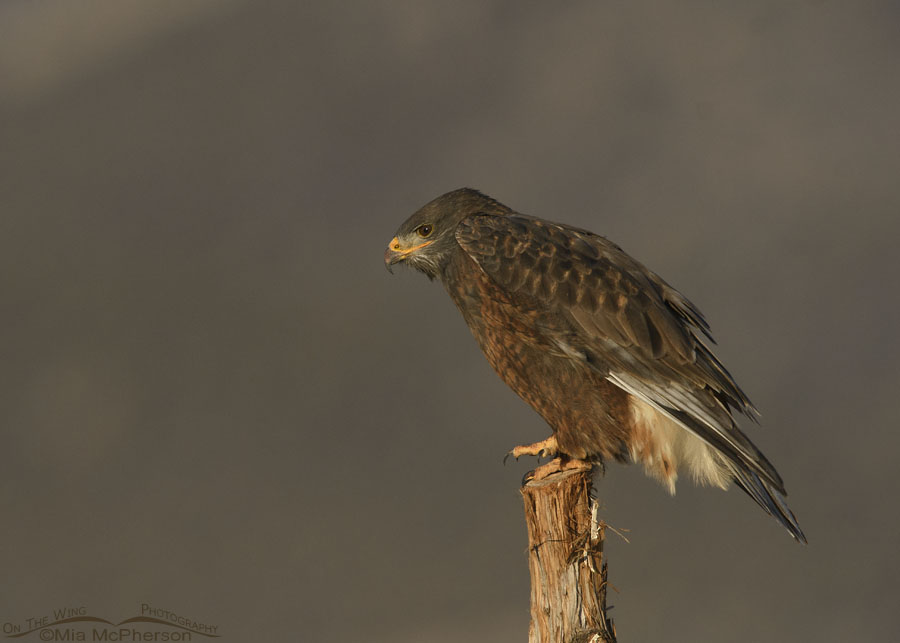
Ferruginous Hawks (Buteo regalis) are the largest hawks found in North America, the “regalis” in the latin name means “kingly” or “regal” and I have to agree with those descriptions. The English name; “Ferruginous”, means “rusty” and that also describes some of this hawk’s coloring very well.

Bad timing

Bad timing
Tooele County, Utah
Nikon D300, f6.3, 1/2500, ISO 640, +0.7 EV, Nikkor 200-400mm VR with 1.4x TC at 355mm, natural light, not baited or set up

Ferruginous Hawks are found in western North America in terrains from grasslands to open deserts. I often see them perched on utility poles, old snags, on top of sagebrush bushes or where I often find this species in Tooele County, on top of a small weather reporting station. My bad timing allowed the weather station to still be obvious in the photo above but these large raptors do take off quick and I wanted a series of shots as it lifted off, this was the first frame of that series.

I haven’t had the best of luck getting quality photos of this species, it seems that quite often they take off facing away from me and I like having eye contact with my subject. Once I spotted one slowly flying in to where I stood but alas I didn’t have my camera in hand. I told a friend to grab his camera and he got some decent images whilst I got nothing but a great view of the Ferruginous flying low and slow over my head. I hope my luck changes. Or I’ll need to seriously consider spending a lot of time waiting where I know I see these raptors.

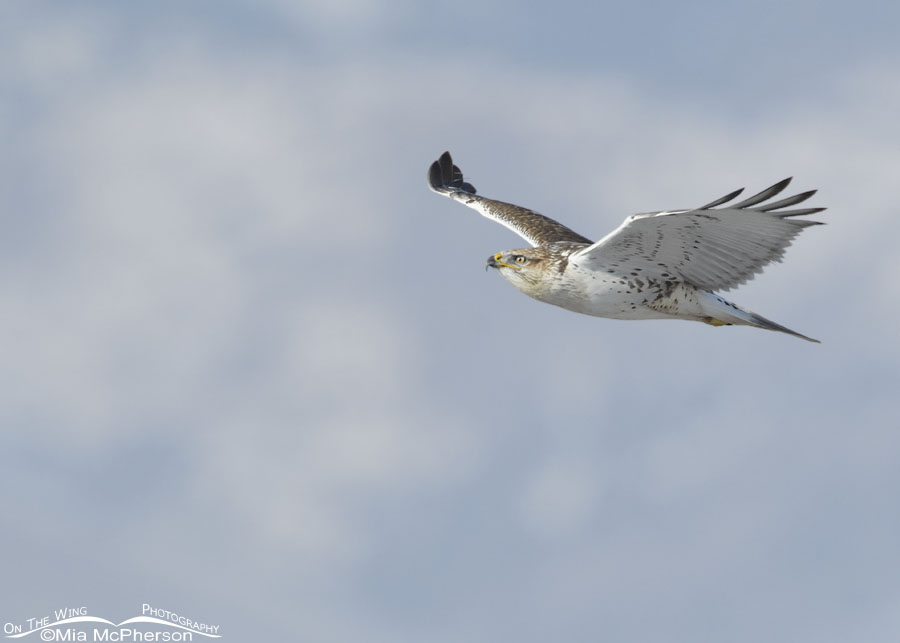
Ferruginous Hawk with wings on a down beat

Ferruginous Hawk with wings on a down beat
Tooele County, Utah
Nikon D300, f6.3, 1/3200, ISO 640, Nikkor 200-400mm VR with 1.4x TC at 400mm, natural light, not baited or set up

Yesterday I found this Ferruginous perched twice on the weather station so I was able to get two series of lift off shots and was quite pleased to have those opportunities. I like that the image above shows the “rusty” plumage on the wing, shoulder and back of this gorgeous hawk. I have not seen the dark morph of this species yet though I understand they are equally as stunning as the light morph.

Any time I see a Ferruginous (rolling my “R’s”) Hawk, they take my breath away

Mia

Facebook Twitter Stumbleupon Digg Delicious Reddit Posterous Pinterest Email

Share

Red-tailed Hawk with possible Long bill syndrome

Red-tailed Hawk with Long bill syndrome
Red-tailed Hawk with possible Long bill syndrome
Tooele County, Utah
D300, f6.3, 1/2500, ISO 640, +0.7 EV, Nikkor 200-400mm VR with 1.4x TC at 400mm, natural light

Please see the comment below from Bud Anderson of the Falcon Research Group ( frg.org )for more information on this hawk and Long bill syndrome.

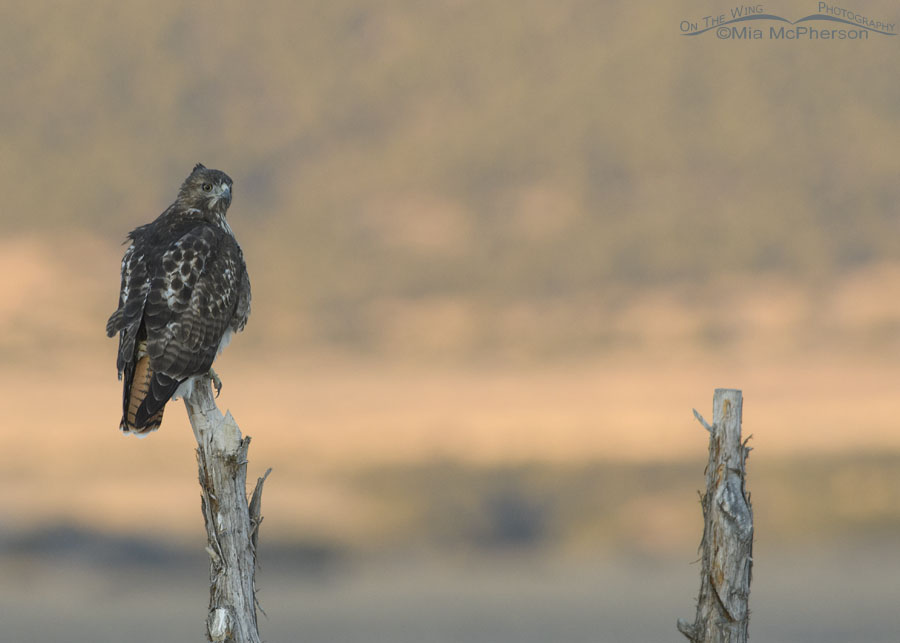
This morning while coming home from photographing in Tooele County, Utah I spotted this Red-tailed Hawk perched on a utility pole along side the road. I thought I might get a take off shot of the bird so I started to take some images, through my viewfinder though I noticed that something was very wrong with the hawk’s bill.

I was unable to stay on the road for very long because of traffic but I was able to get some images that showed the deformity clearly.

I’ve emailed the Falcon Research Group with this image and I plan to contact the Salt Lake Audubon and Hawk Watch International at their Headquaters here in Salt Lake City to see if they can advise me on whom to contact regarding this Red-tailed Hawk. Without intervention this beautiful raptor could perish.

If anyone reading this can offer assistance in the Salt Lake City area on whom to contact, please email me via my contact page as soon as possible.

Thanks in advance,

Mia

Facebook Twitter Stumbleupon Digg Delicious Reddit Posterous Pinterest Email

Share