
Feathers & Fur

Today I thought I would post a few images taken this past week from Antelope Island State Park and the west desert in Tooele County. Feathers & Fur.

Coyote in morning light

Coyote in morning light on Antelope Island- Nikon D300, f6.3, 1/1250, ISO 640, Nikkor 200-400mm VR with 1.4x TC at 400mm, natural light, not baited or called in

Right before I photographed this Coyote (Canis latrans) it had eaten four Voles from the base on a wild Sunflower. I couldn’t get any decent images of it then because it was well hidden behind the Sunflower stalks but when it wandered towards the other Coyote I could see in the distance it stopped and looked towards me where I had a relatively unobstructed view.

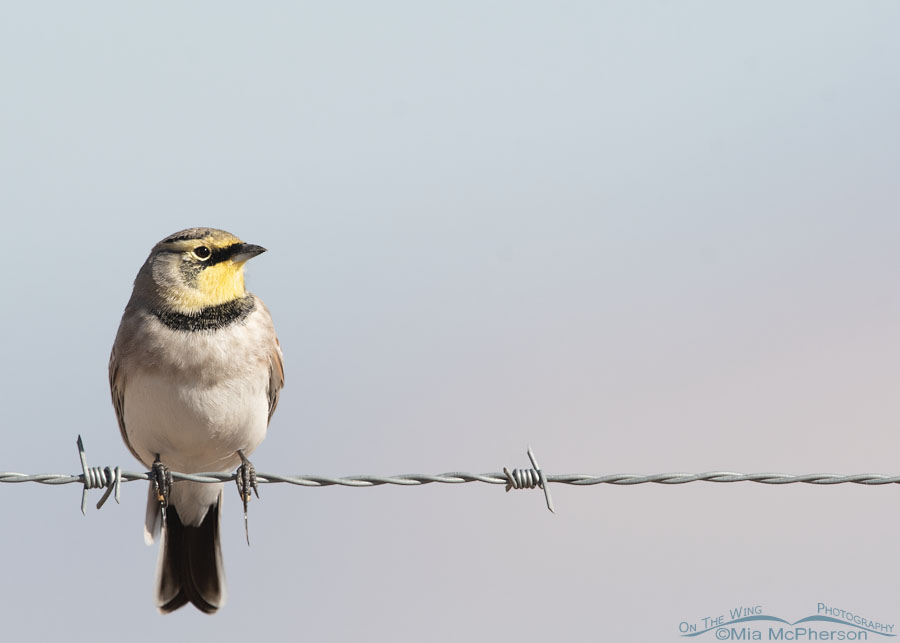
Male Horned Lark in Tooele County

Male Horned Lark in Tooele County – Nikon D300, f6.3, 1/2000, ISO 640, Nikkor 200-400mm VR with 1.4x TC at 400mm, natural light

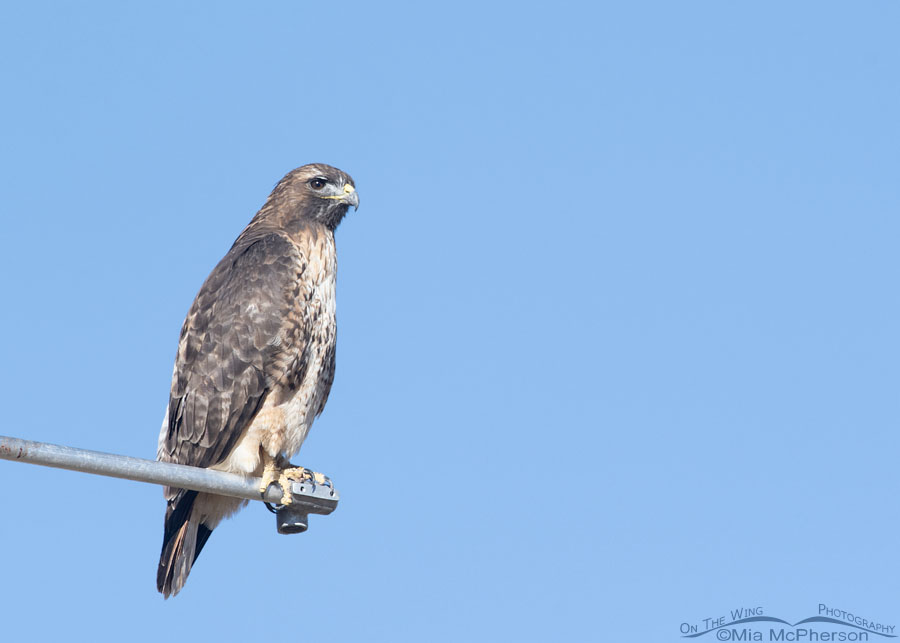
Yesterday I was in the west desert in Tooele County with high hopes of seeing and photographing Golden Eagles, Prairie Falcons, Ferruginous and Red-tailed Hawks. It wasn’t to be though, I think the strong south winds were keeping them hunkered down. The one Red-tailed Hawk I photographed was just a bit too far away to create decent images where the details were plainly evident. I still didn’t go away empty handed because this male Horned Lark (Eremophila alpestris) posed for me briefly.

Pronghorn Doe on a hilltop

Pronghorn Doe on a hilltop on Antelope Island – Nikon D200, f10, 1/1000, ISO 640, +0.7 EV, Nikkor 200-400mm VR with 1.4x Tc at 400mm, natural light

I love Pronghorns (Antilocapra americana), they are beautiful, graceful and I photograph them at every opportunity. I sure thought this doe looked stunning against the snow covered mountains in the background while looking at me from a hilltop.

Loggerhead Shrike calling

Loggerhead Shrike calling, Antelope Island – Nikon D300, f6.3, 1/1250, ISO 640, +0.7 EV, Nikkor 200-400mm VR with 1.4x TC at 400mm, natural light

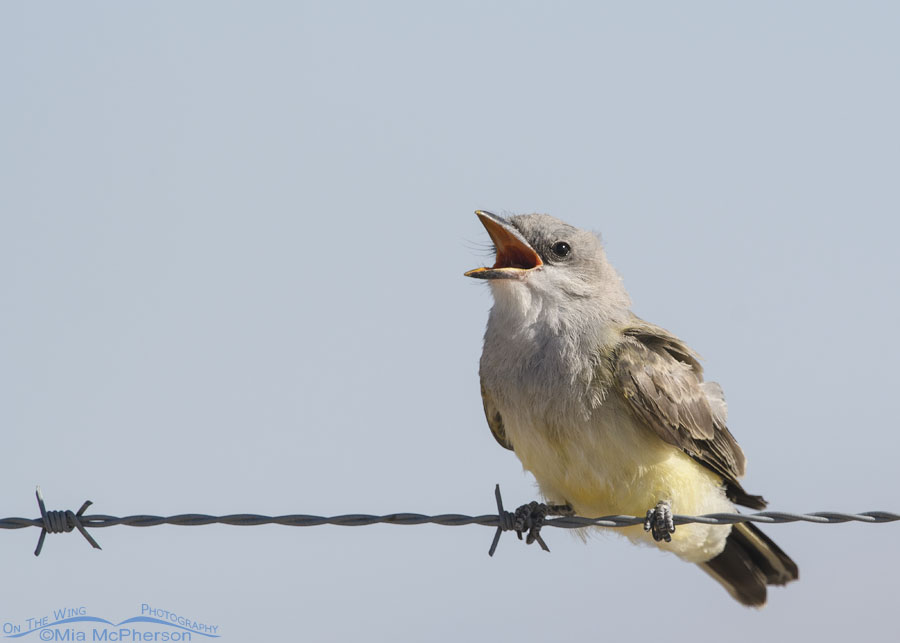
I have been seeing more Loggerhead Shrikes (Lanius ludovicianus) calling from the tops of bushes and trees lately and have also been seeing them pair up. This one was calling in the early morning light and quite loudly too! They are such handsome birds.

Frosty Bison

Frosty Bison on Antelope Island – Nikon D200, handheld, f11, 1/250, ISO 400, -1.0 EV, Nikkor 18-200mm VR at 90mm, natural light

 I had hoped to photograph Bison this winter where the where the foreground and background was all snow covered in beautiful, dramatic light. With the “Winter that Wasn’t” that didn’t happen. I did create some images though were the Bison had some frost on them. Maybe we will get one final snow before spring pushes Old Man Winter out the door. You just never know!

Mia

Facebook Twitter

The West Desert of Utah

I am one of those people who love deserts and the West Desert of Utah is once again beckoning to me. The weather here in Utah is very changeable right now, it can feel like spring one day and the next it still feels like winter but it won’t be long before the weather levels out and the west desert will begin to green up.

Stansbury Mountain Range Pano

Stansbury Mountain Range Pano, Utah

This photo is a composite of three images I stitched together in Adobe Photoshop so that I could show a panoramic view of the Stansbury Mountain Range not too far from Salt Lake City and for me this area marks the beginning of the West Desert of Utah. The mountain range is 28 miles in length and the north end border starts at the southwest area of the Great Salt Lake. The foothills have grassy plains and Sagebrush while further up into the canyons Junipers and Pinyon Pines cover the slopes while in the canyons Cottonwoods grow along the streams that are fed by rains and spring melt. The air always feels crisper when inside the canyons and I love that.

Horned Lark perched on a rock

Horned Lark perched on a rock – Nikon D200, f6.3, 1/2000, ISO 400, Nikkor 200-400mm VR with 1.4x TC at 400mm, natural light

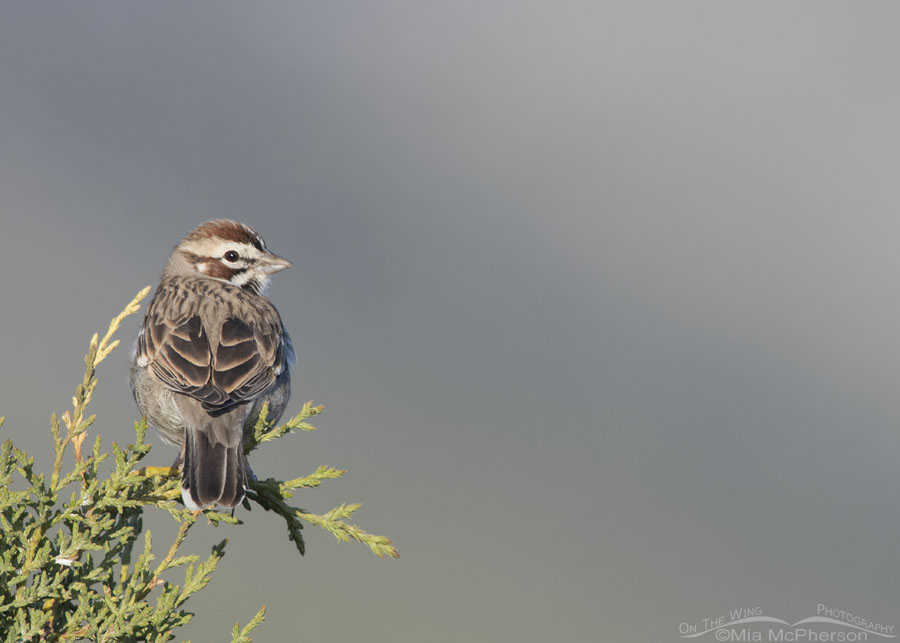
Horned Larks seem to enjoy the foothills where they can be seen in large numbers at times perched on rocks in the early morning light or scurrying on the ground foraging for grass seeds. It is very quiet out in the west desert so hearing the soft calls of Horned Larks is very easy to do. I’ve also seen and/or photographed Red-tailed Hawks, Rough-legged Hawks, Ferruginous Hawks, Western Meadowlarks, Lark Sparrows and Golden Eagles while on the foothills along with other birds.

Juvenile Red-tailed Hawk soaring on canyon thermals

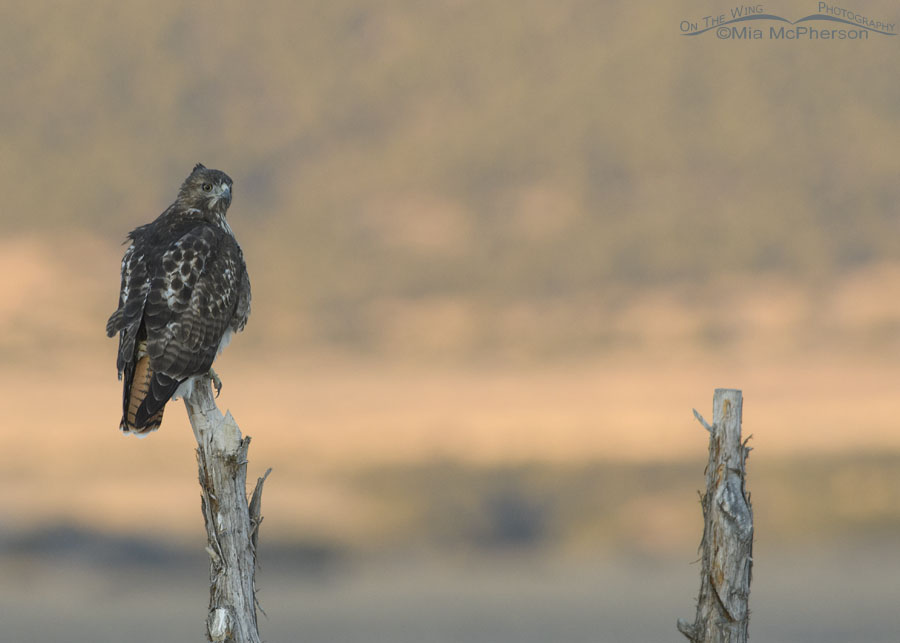
Juvenile Red-tailed Hawk soaring on canyon thermals – Nikon D200, handheld, f6.3, 1/2000, ISO 400, Nikkor 200-400mm VR with 1.4x TC at 400mm, natural light, not baited

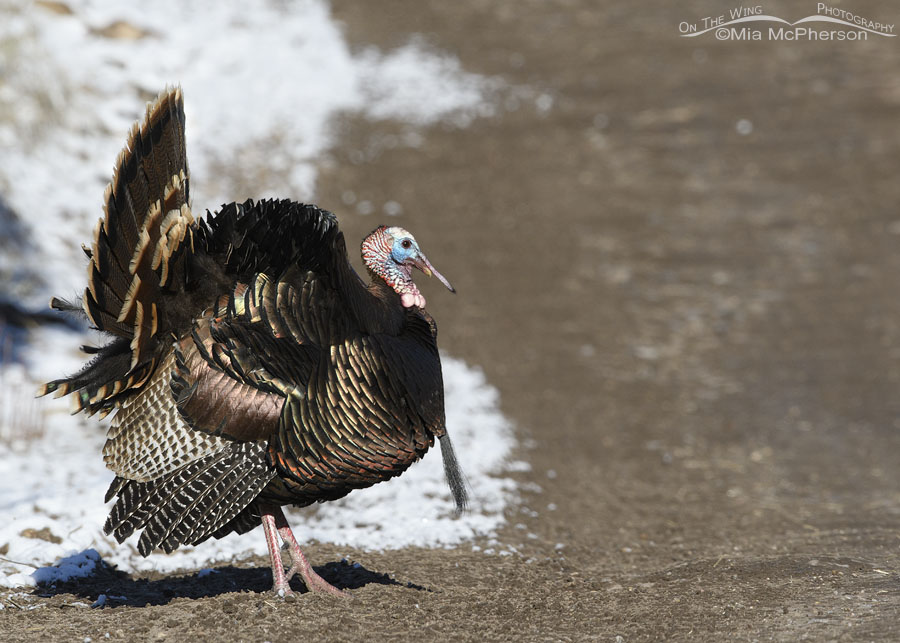
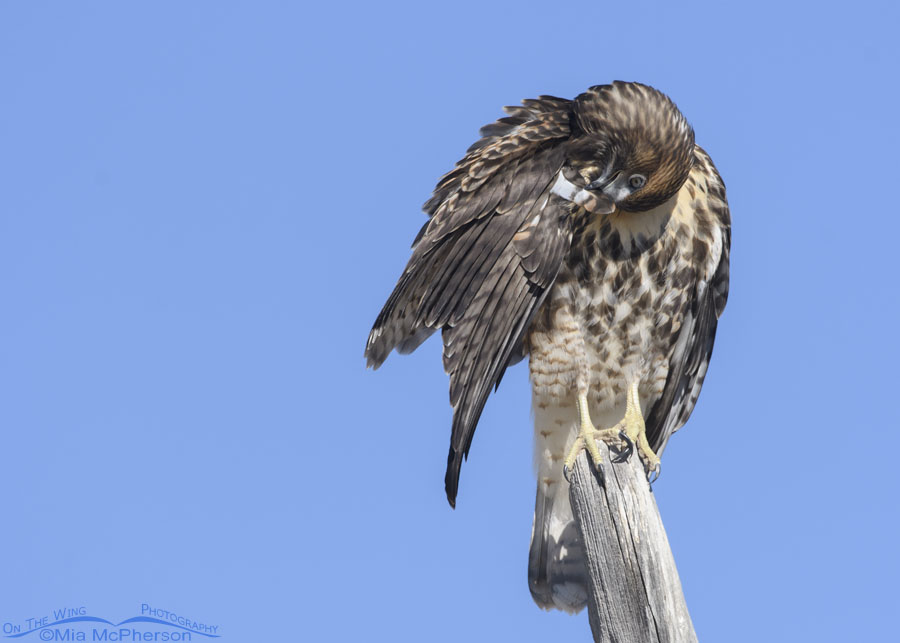
 After leaving the foothills and moving up into the canyons raptors can easily soar in the thermals along the canyon walls. The day I photographed the Red-tailed Hawk above this juvenile and its siblings were riding the thermals and aerial bombing each other. I’ve also seen Prairie Falcons in the canyons and at times I have seen them flying with the Red-tailed Hawks. I’ve seen wild Turkeys, Pinyon  and Western Scrub-Jays, Northern and Loggerhead Shrikes, hummingbirds and various perching birds such as Juncos and Black-headed Grosbeaks in this area. I’m certain there are far more species than I have been able to observe there, I just need to spend more time exploring the area.

Juvenile Red-tailed Hawk perched on a branch in a canyon

Juvenile Red-tailed Hawk perched on a branch in a canyon – Nikon D200, f6.3, 1/1250, ISO 400, -0.7 EV, Nikkor 200-400mm VR with 1.4x TC at 400mm, natural light, not baited

Using a vehicle as a mobile blind is almost always necessary because the birds found in these locations are not used to people and are far less skittish while photographing from inside a vehicle. It is so quiet in the canyons that the water running below in the streams is music to my ears. You can hear the slightest sounds and smell the pines and junipers along the way.

Turkey Vulture in flight over the Stansbury Mountain Range

Turkey Vulture in flight over the Stansbury Mountain Range – Nikon D200, handheld, f6.3, 1/1500, ISO 400, +0.7 EV, Nikkor 200-400mm VR with 1.4x TC at 335mm, natural light, not baited

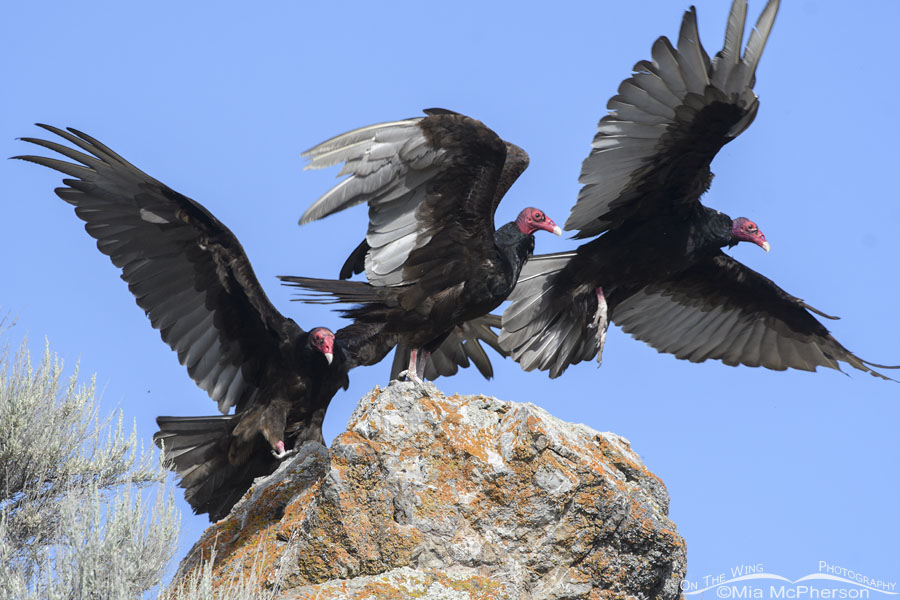
During the warmer months of the year Turkey Vultures can also be seen soaring on the thermals or out over the foothills in search of carrion. They aren’t very pretty but they are efficient at locating the carrion and cleaning it all up.

Way out in the West Desert of Utah

Way out in the West Desert of Utah – Nikon D200, handheld, f8, 1/400, ISO 250, +1.3 EV, Nikkor 18-200mm VR at 32mm, natural light

Further out to the west there are vast flat areas of the desert and more hills and Mountain Ranges. One of my favorite places to camp is at Simpson Springs which is a stop along the Pony Express Historic Trail and from there I love to visit Fish Springs National Wildlife Refuge which is an oasis in the middle of the desert. This image was taken on the road to Fish Springs NWR.

Rocky hillside in the West Desert of Utah

Rocky hillside in the West Desert of Utah – Nikon D200, handheld, f8, 1/640, ISO 250, Nikkor 18-200mm VR at 46mm, natural light

The scenery in the west desert is varied, you can see the flats which were at one time the bottom of old Lake Bonneville, and on the hillsides you can see benches that were at one time the shoreline of the lake. There are rocky outcroppings, craggy peaks, the lakes from the springs at Fish Springs NWR, alkali flats and streams through sandy areas to the south of Fish Springs NWR. I know some people think the desert is pretty boring but personally I find it fascinating and exhilarating at the same time.

Pronghorns on the flats of the West Desert

Pronghorns on the flats of the West Desert Nikon D200, f6.3, 1/640, ISO 400, Nikkor 200-400mm VR with 1.4x TC at 400mm, natural light

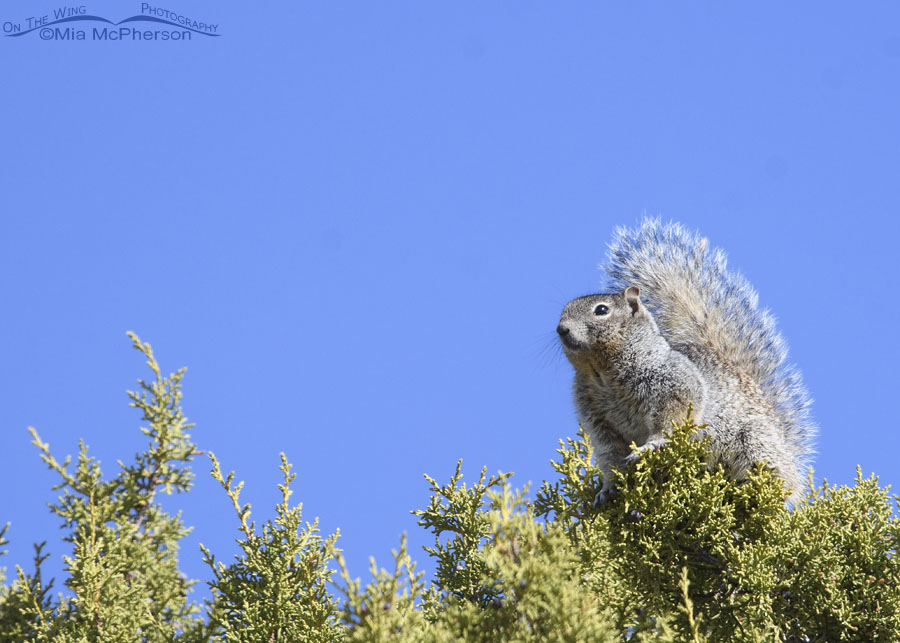
There is wildlife in the west desert, Pronghorns can often be seen foraging on the grasses or racing across the flats. White-tailed Antelope Squirrels sit on rocks and Coyotes wander the vast open areas in search of prey. Wild horses are also found in the desert. I still hope to photograph them one day soon because so far they have eluded me.

I’ve written more about Simpson Spring and Fish Springs National Wildlife Refuge because they are favorite photography locations for me. See here for more.

I find peace, quiet and solitude in the West Desert of Utah along with great photographic opportunities. Everything about it fascinates me. I hope to explore more of it soon.

Mia

Facebook Twitter