Bird Identification From A Partial View
There are times I take cruddy photos on purpose when I know that my view of the entire bird is obstructed and that I might only have a partial view of the bird.


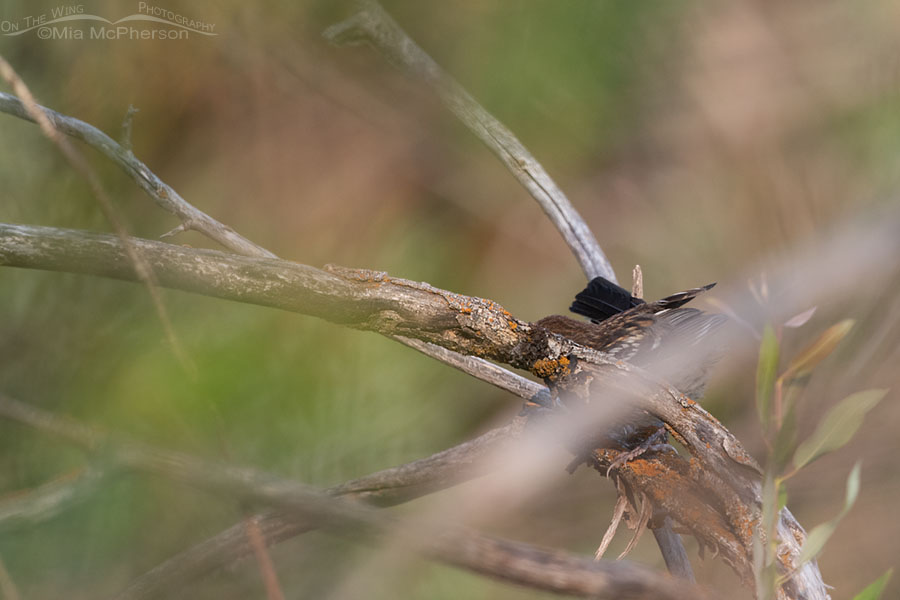
There are times I take cruddy photos on purpose when I know that my view of the entire bird is obstructed and that I might only have a partial view of the bird.
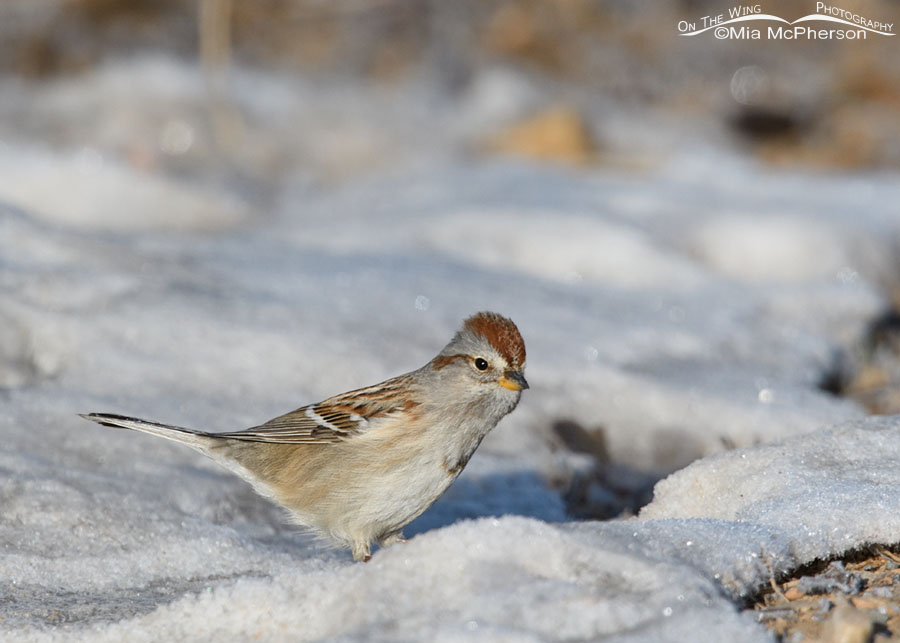
Yesterday I was thrilled to spot and photograph an adult American Tree Sparrow high in the Wasatch Mountains.
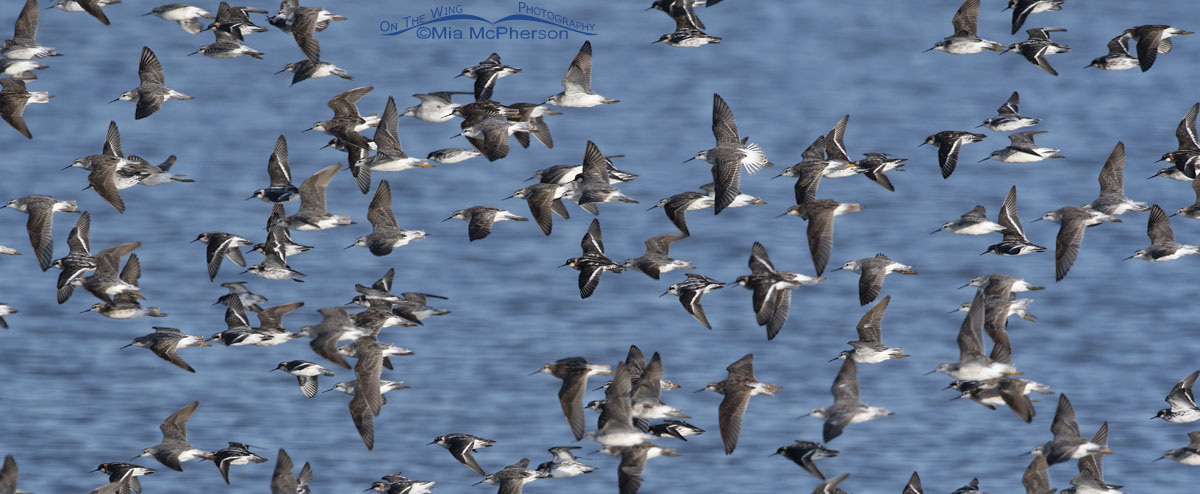
It is the season of phalarope migration here in the Great Basin hub of the Pacific Flyway and one of the best places to view these shorebirds is along the causeway to Antelope Island State Park.
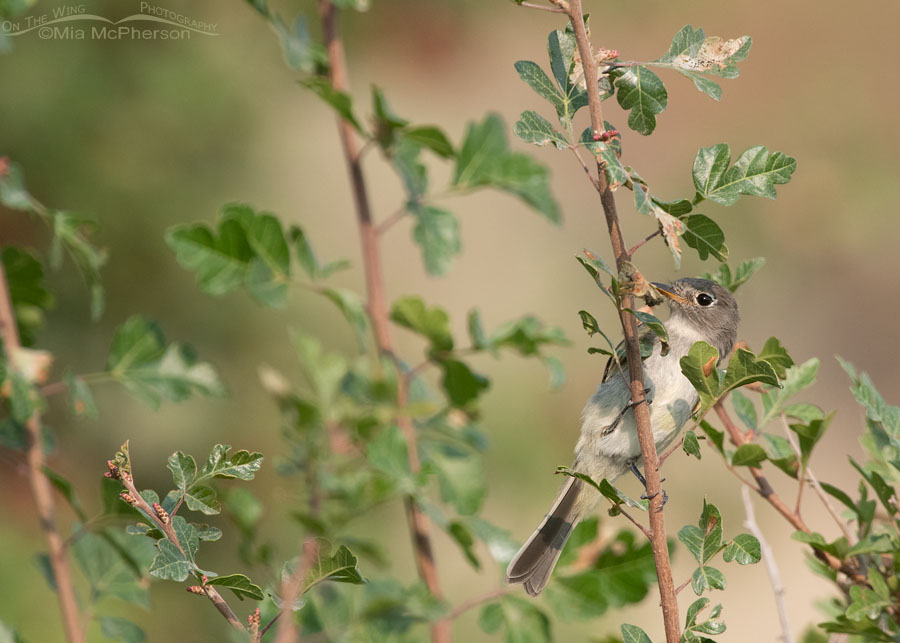
As it turns out this flycatcher gave me a wonderful behavioral clue that made identifying it a little easier for me because I watched it wag its tail slowly up and down repeatedly while perched which Gray Flycatchers are known to do.
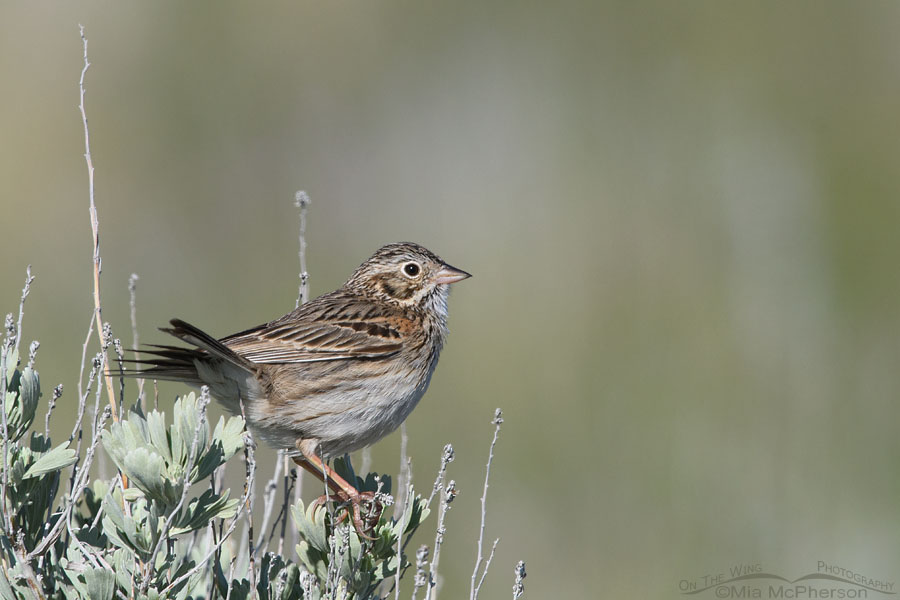
The first ID features I noticed yesterday with this Vesper Sparrow were the bright, white eyerings and the rufous lesser coverts and I could make my ID from just those two features.
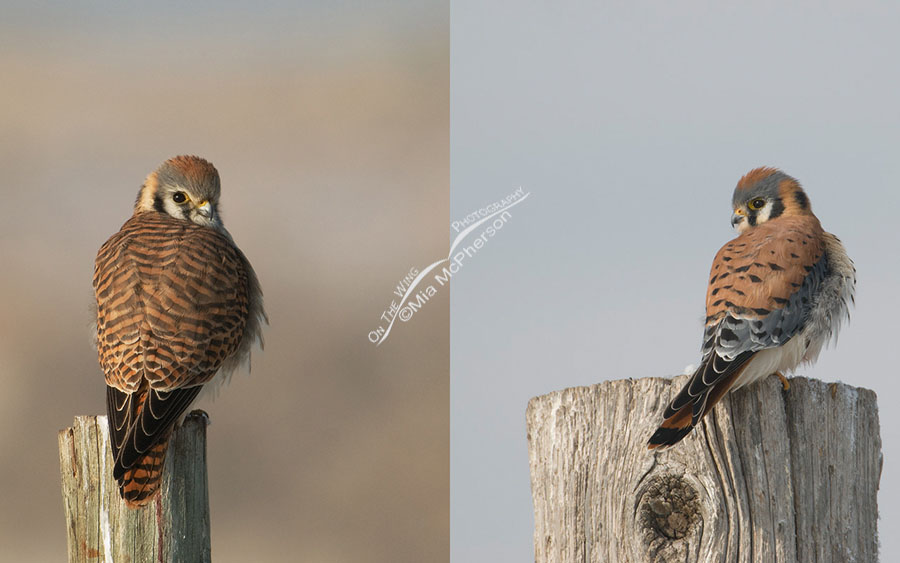
I've seen people struggle with seeing the differences between male and female American Kestrels and I hope this simple comparison will help.
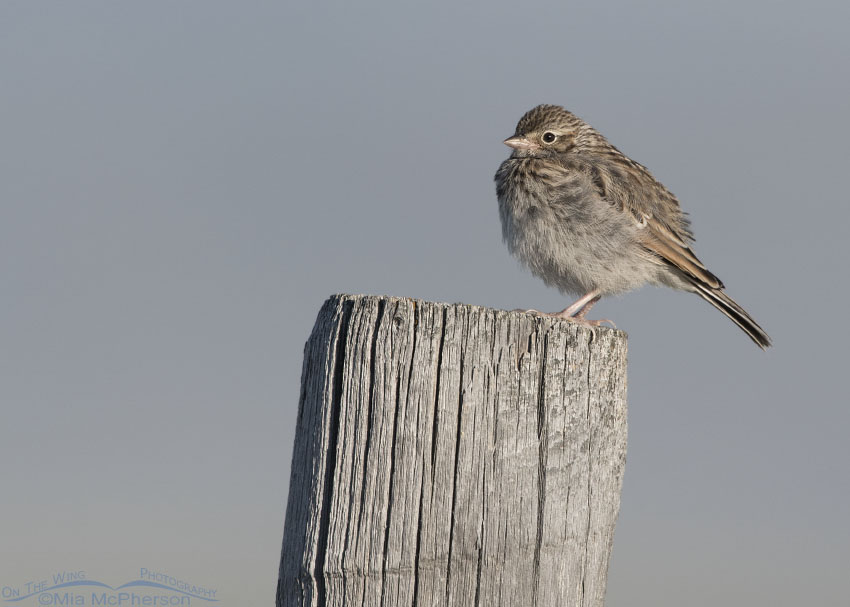
I have seen very few juvenile Vesper Sparrows and I have just a handful of images of them so when I spot one in good light I certainly want to do my best to photograph it.

There are a few similar species that occur in Utah and surrounding states that could be confused with Mountain Plovers.
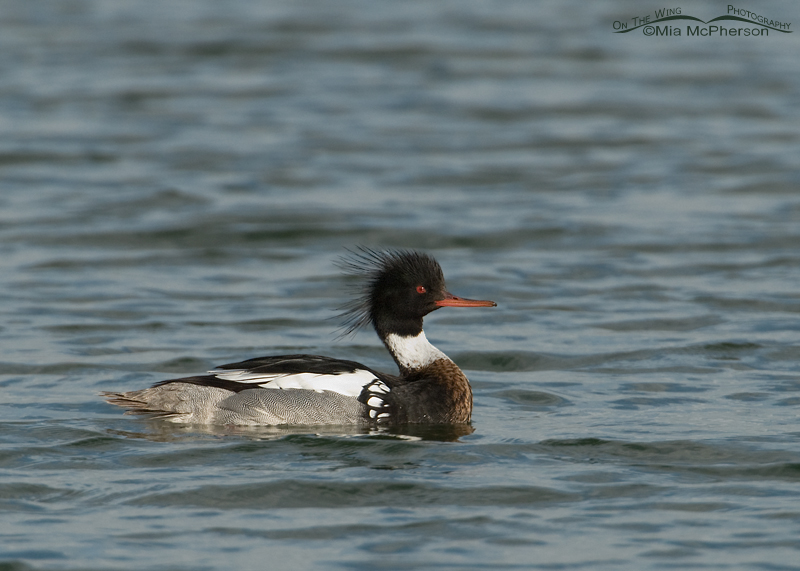
Awhile back someone told me that Mergansers don't change their plumage seasonally, which is of course incorrect as all three species of mergansers that live in North America do.
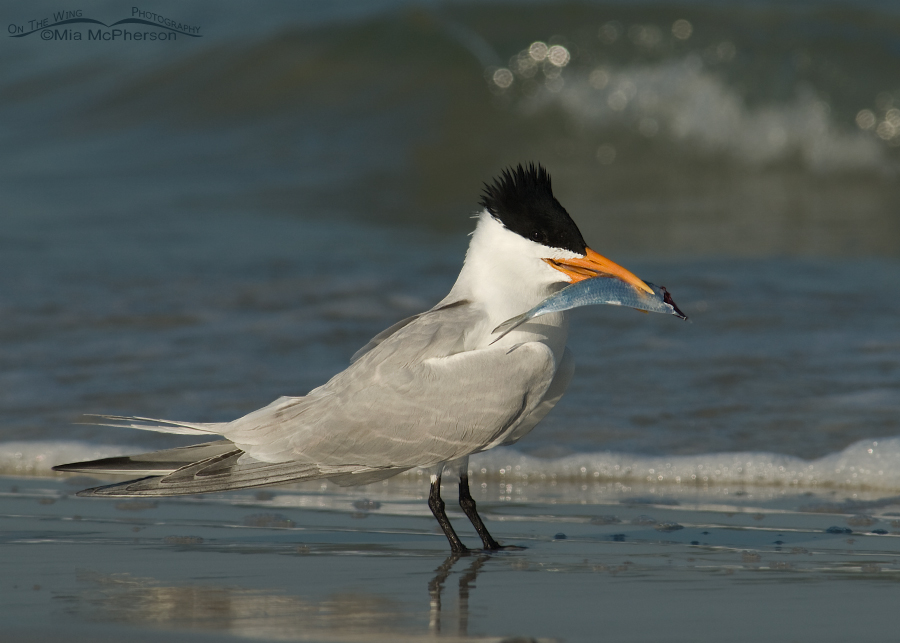
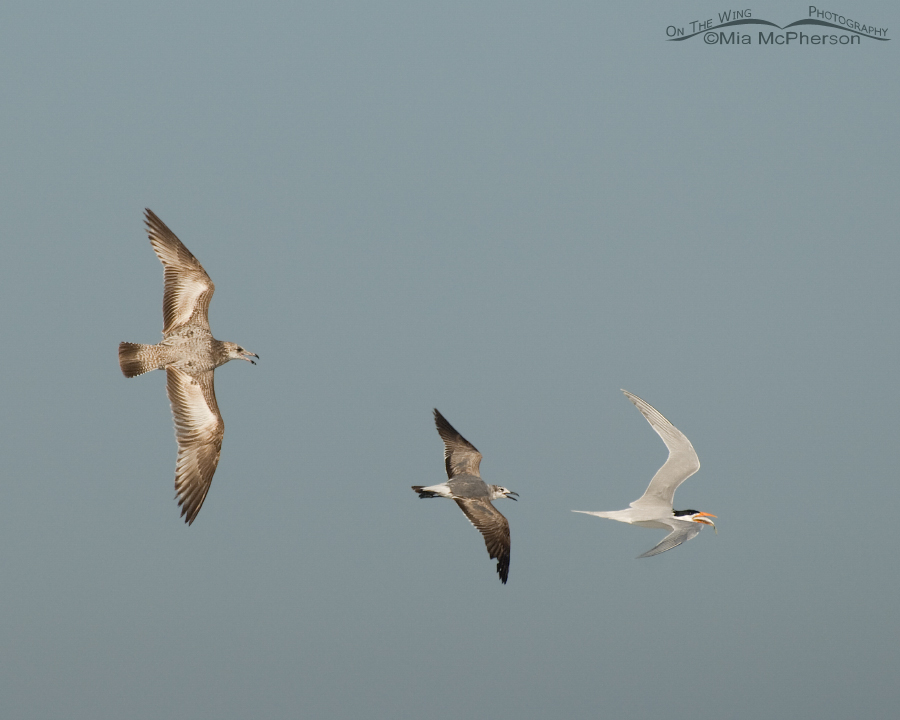
The majority of you voted for the correct answer: Juvenile Herring Gull, 1st winter Laughing Gull and Royal Tern
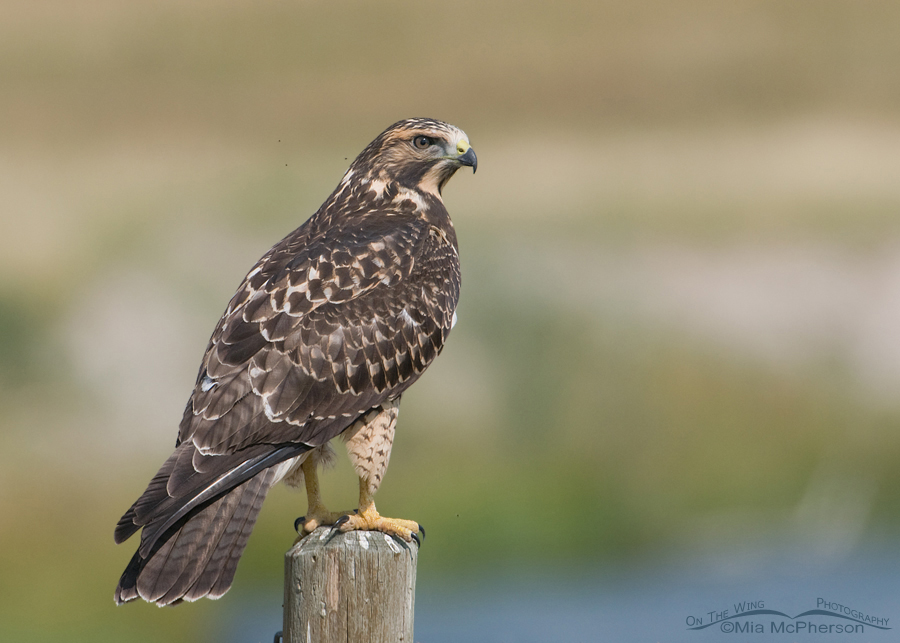
Today I thought I would post images of the juvenile Buteos that I see most often in Utah and Montana, they are Red-tailed, Rough-legged, Ferruginous and Swainson's Hawks.
I came across this image this morning while working up my post Bird images from warmer days and all at 300mm or less and thought it might make a great image for a Bird ID Quiz.
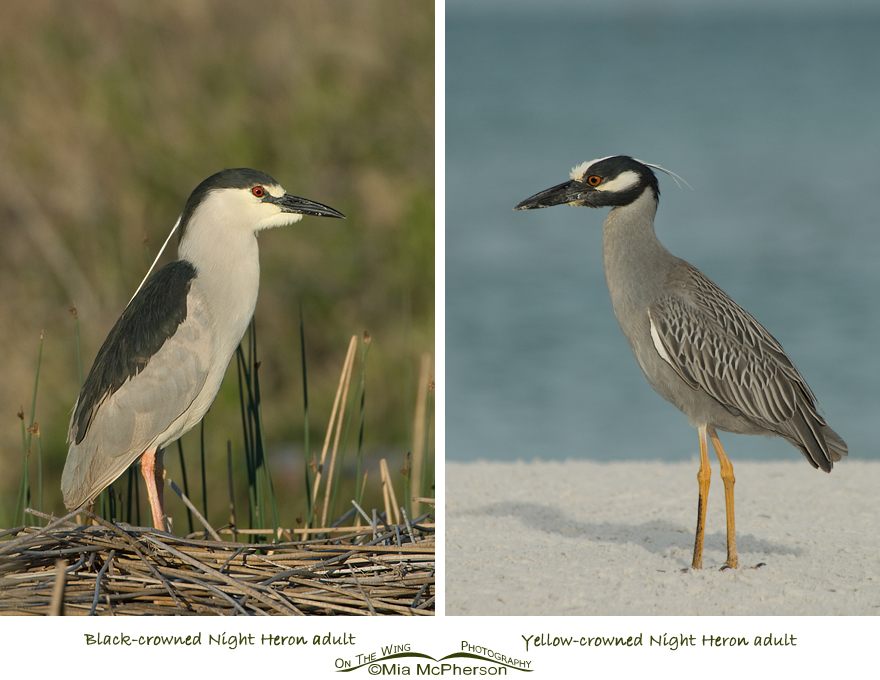
The adult Black-crowned and Yellow-crowned Night Herons aren't terribly difficult to tell apart though the juveniles can be more of a challenge.
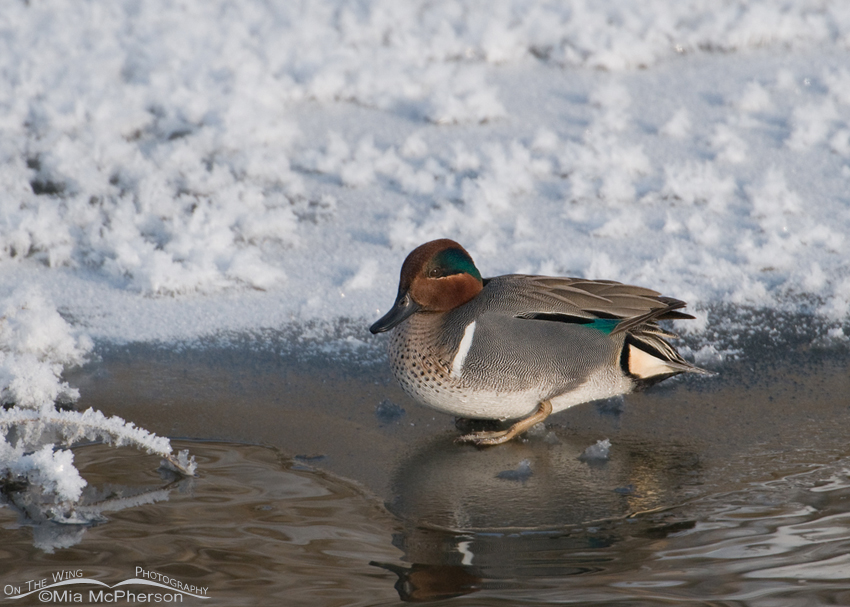
The answer to the ID quiz is a female Green-winged Teal! Out of 49 people taking the quiz there were 6 votes for Mallard, 8 votes for Blue-winged Teal, 9 votes for Gadwall and 26 votes for Green-winged Teal.
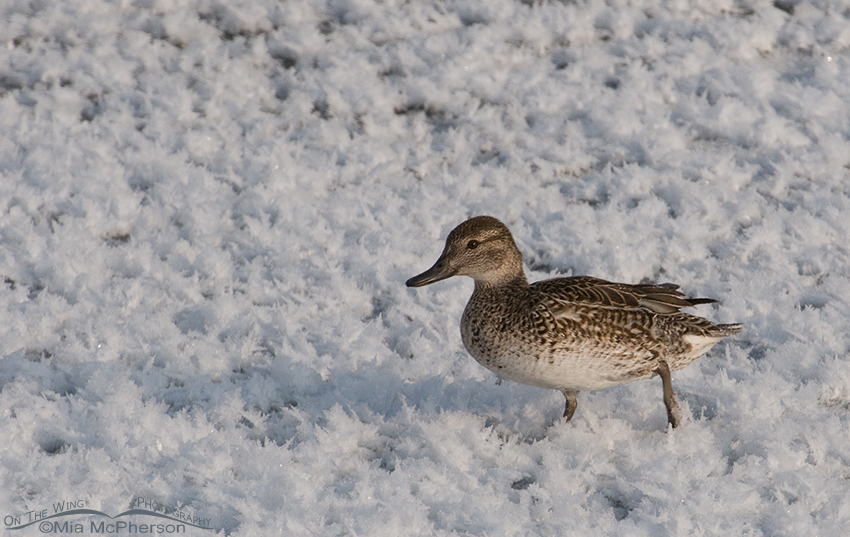
I photographed this female duck yesterday morning at Farmington Bay Waterfowl Management Area in northern Utah, she was on ice that was covered by frost flowers and was moving towards a group of males that were in open water.
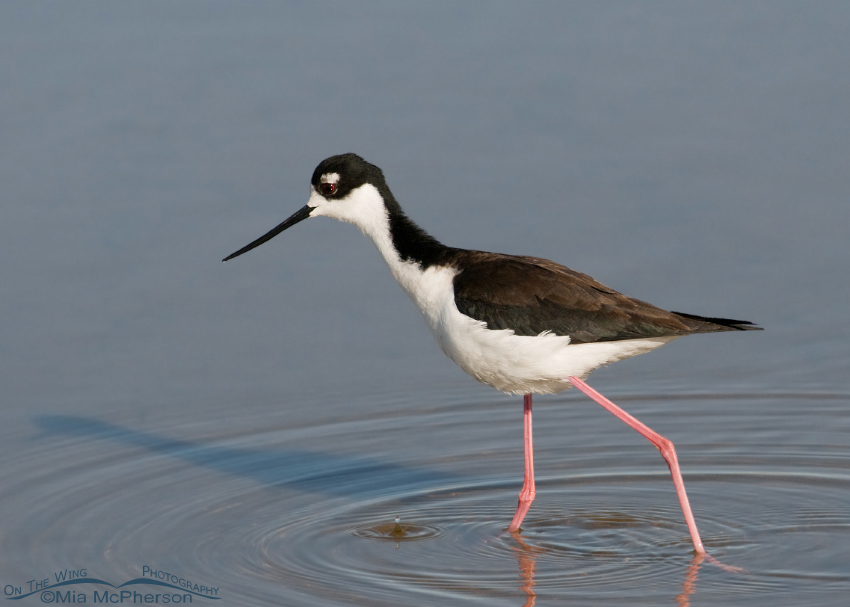
Black-necked Stilts have returned from their wintering grounds to Bear River Migratory Bird Refuge and other locations in Utah. Black-necked Stilts are black and white shorebirds with long pink to reddish legs, thin black bills and lovely red eyes.
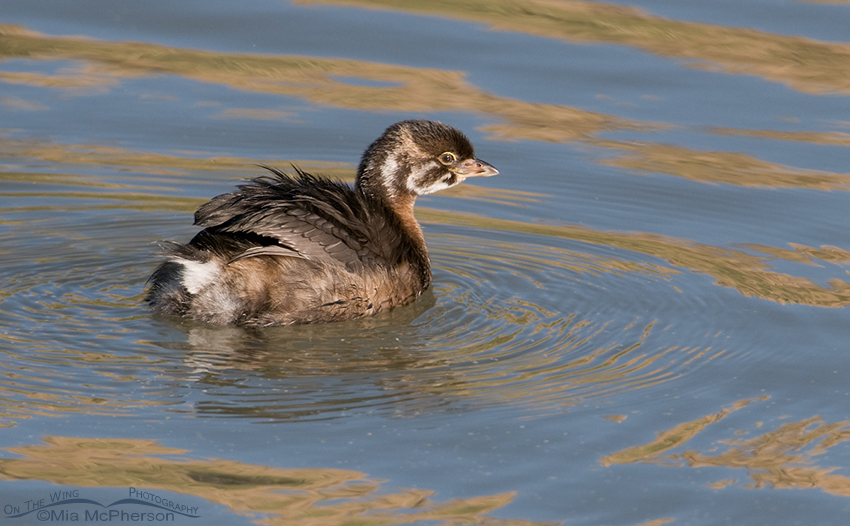
As I observed and photographed this Pied-billed Grebe juvenile it preened some, did a few stretches and fluffed up it feathers.
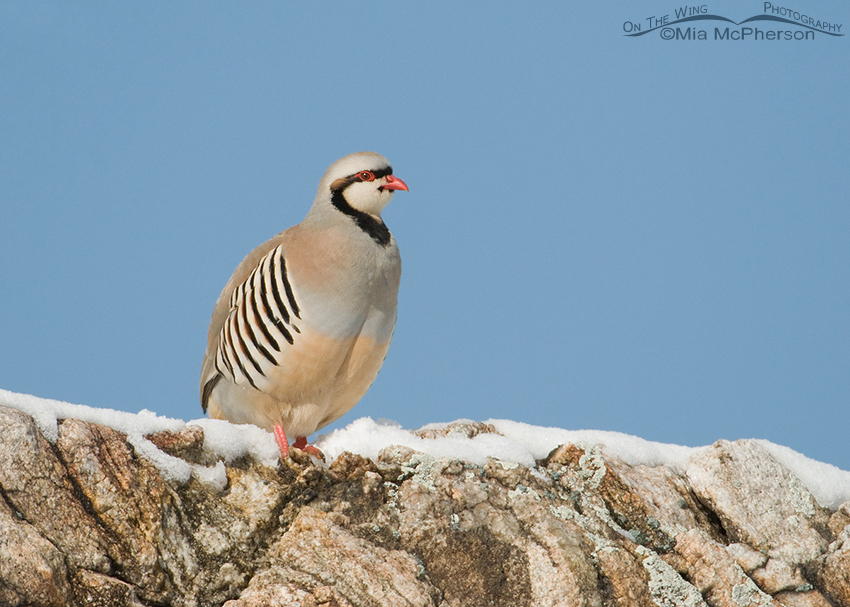
Chukars are not native to North America, they were introduced as game birds and in some areas they have thrived, one of those locations is Antelope Island State Park in northern Utah.
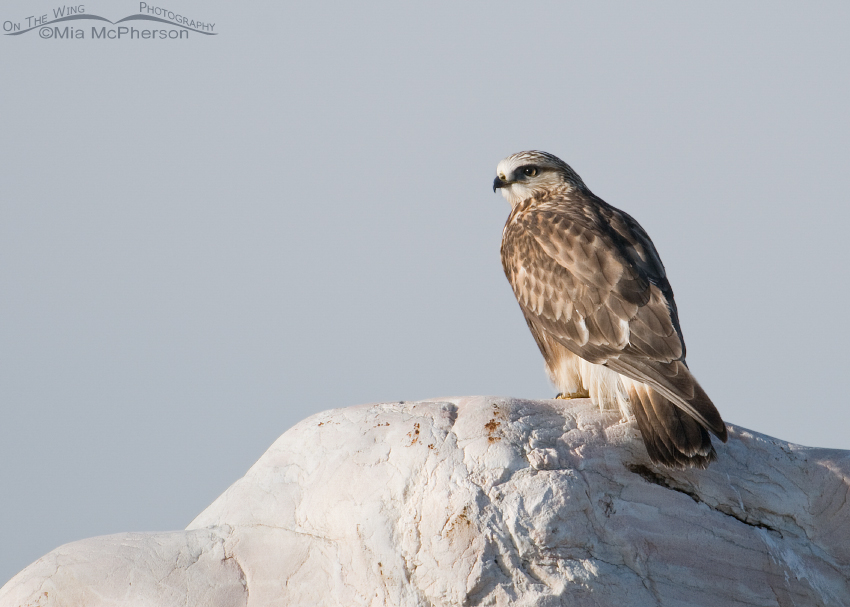
Eureka! The Rough-legged Hawks are back from their high subarctic and Arctic breeding grounds and they seem to be showing up in larger numbers than I have seen them since I moved to Utah.
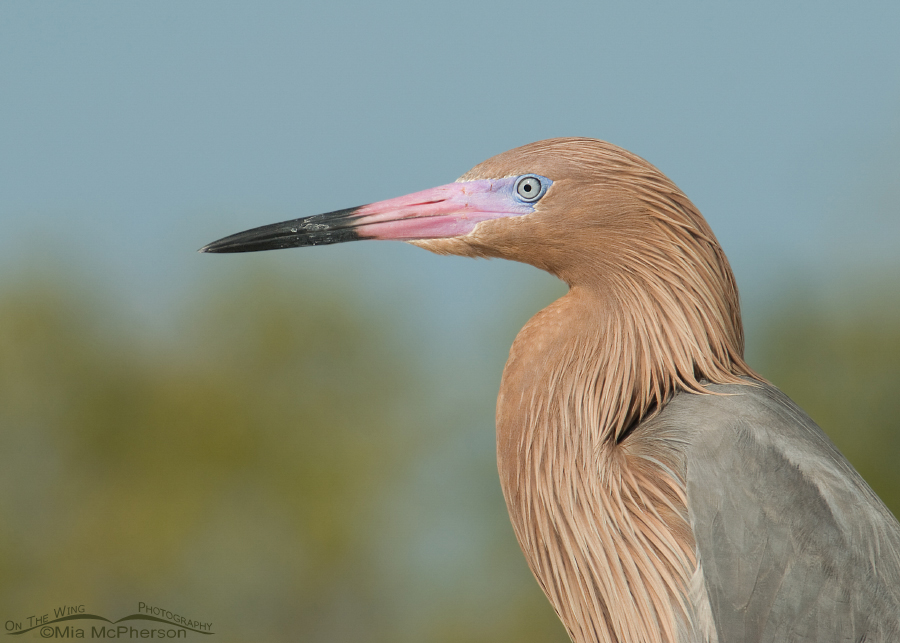
Worth the sand in my clothes, scrapes on my knees and looking like something the cat had wanted to drag in but decided it was way too dirty? You betcha!
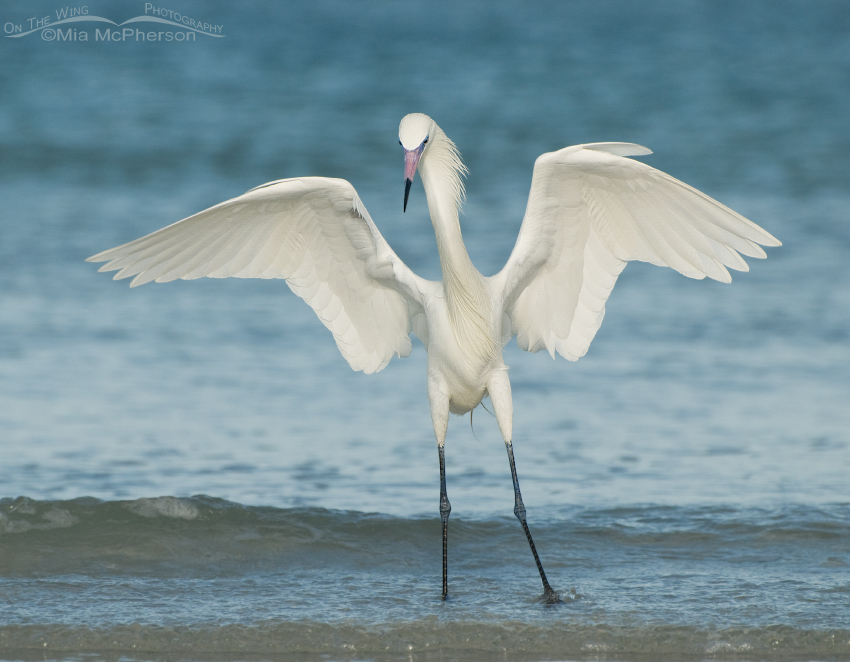
Reddish Egrets seem to be natural born "Dancers" when they are hunting for prey, they twirl, spin, piroquette and dip.
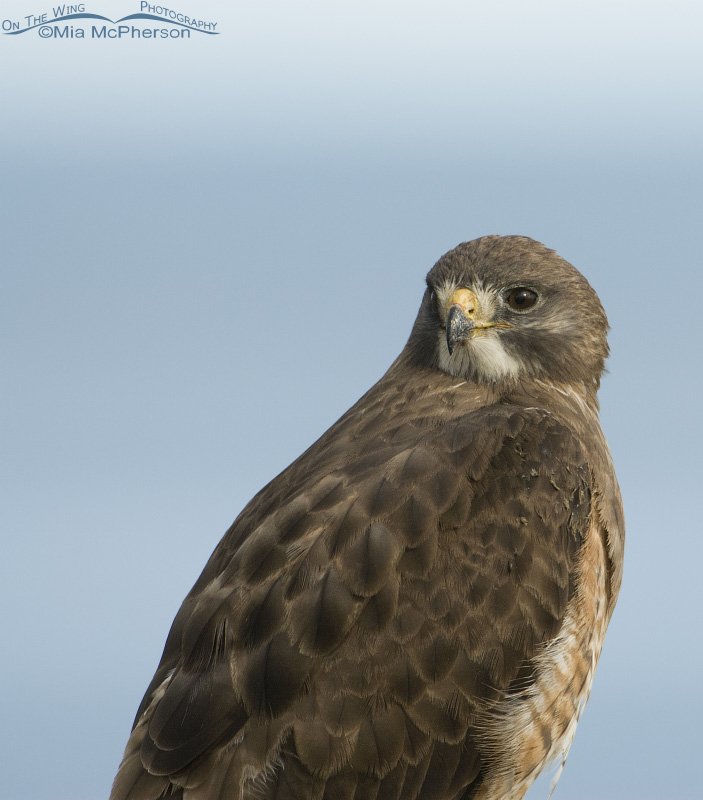
Last Friday I came upon this Swainson's Hawk; not just once but twice, perched on signs very close to the road.
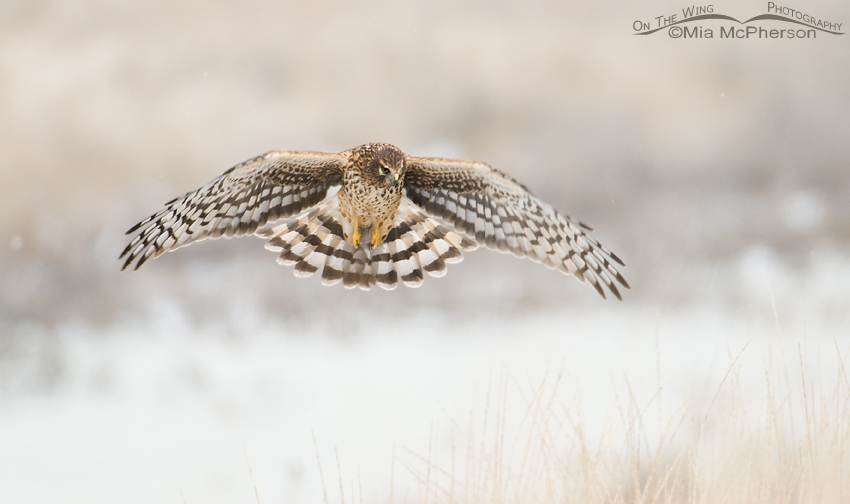
I don't mind the motion blur in these images and because northern harriers hunt by looking down at the ground for their prey I was very happy to get eye contact in both frames.
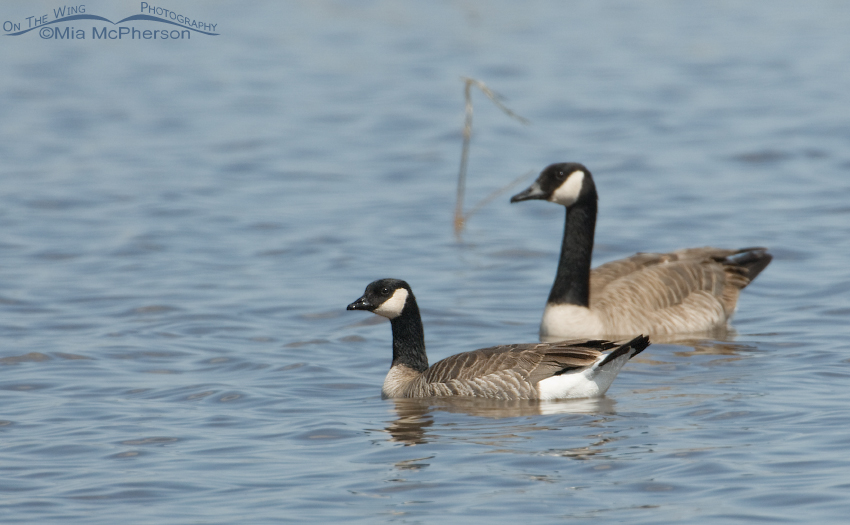
Last week I spotted a bird that isn't usually here in Utah this late in migration, a Cackling Goose.
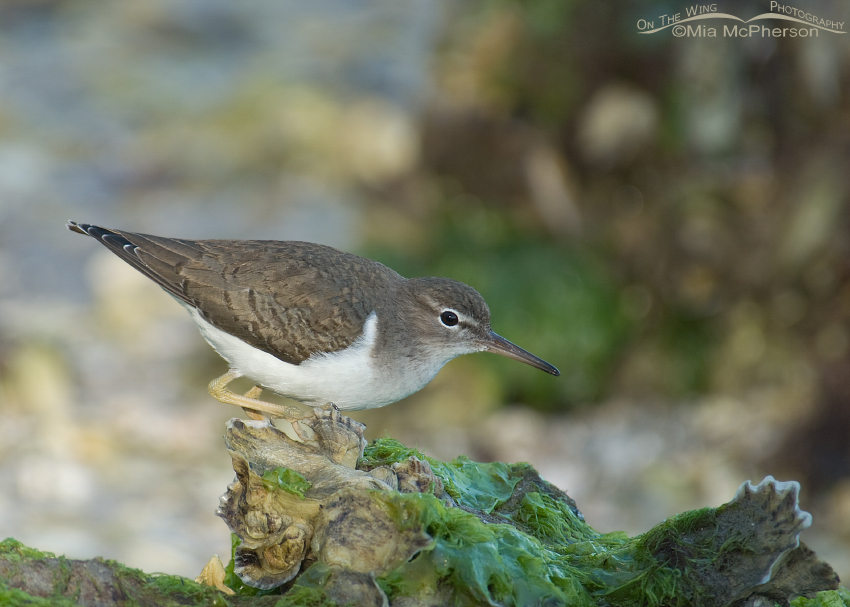
Spotted Sandpipers are fun to watch as they walk along the shoreline as they teeter, bob and bounce their rear ends up and down.
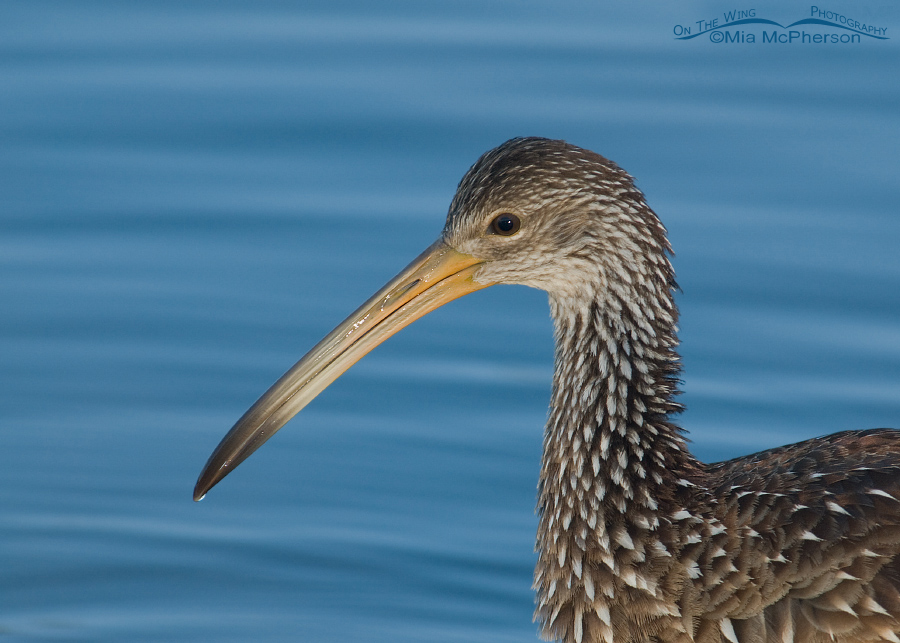
Limpkins may not be as beautifully colored as a Roseate Spoonbill or as common as Sandhill Cranes in Florida but to me they are uniquely interesting and appealing birds.
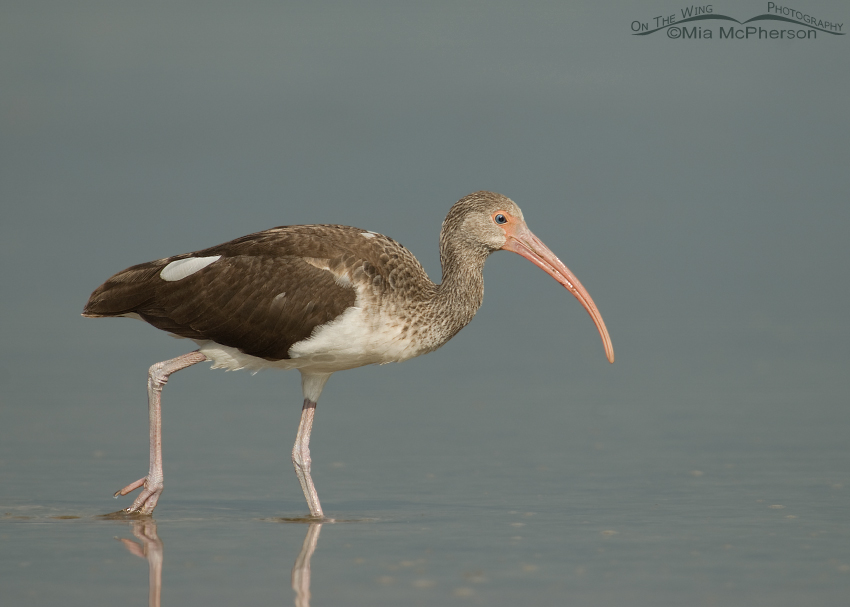
In Florida White Ibis (Eudocimus albus) are a fairly common wading bird in Florida they are also seen along the coast of the Gulf of Mexico
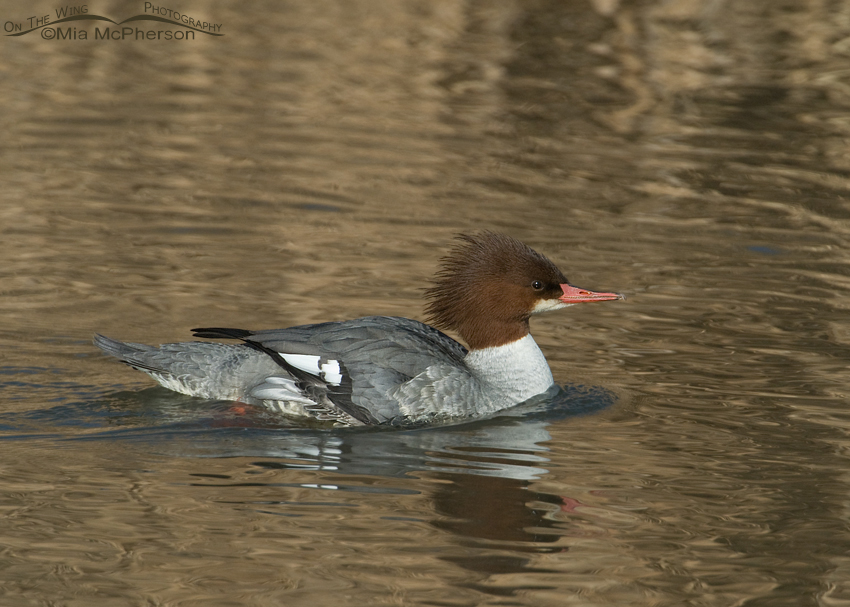
Mergansers are considered "diving ducks" and one of the things the three species of mergansers found in North America all have in common are their serrated bills.
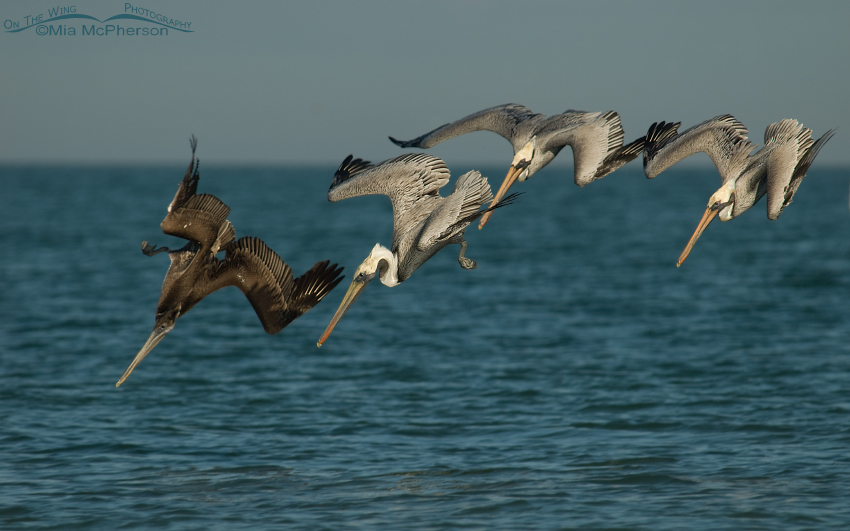
Brown Pelicans feed by diving head first into the water to trap fish in the pouches of their bills.
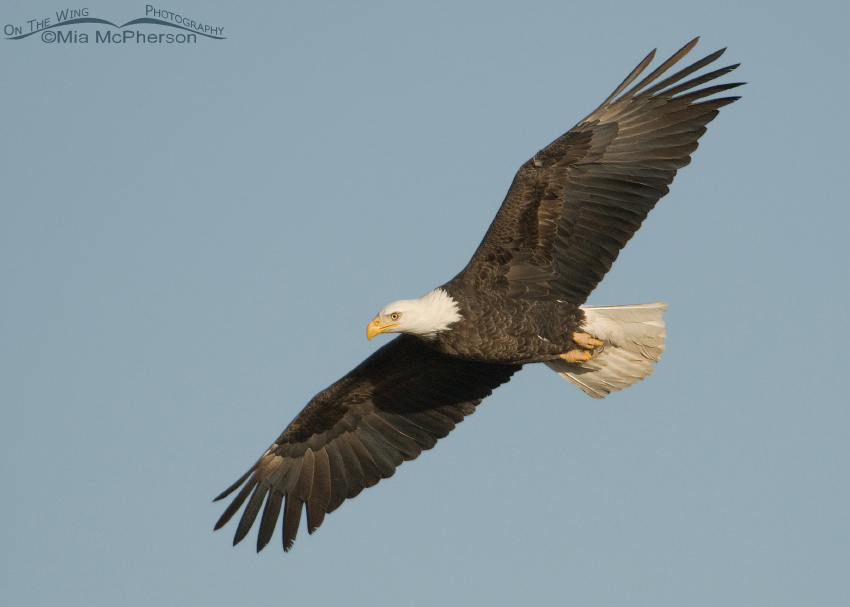
A simple guide to aging Bald Eagles by their plumage development, legs and their bills with images showing the age progression.