Save Owls By Not Using Rodent Poisons
Since spring's arrival, people will be spending time outdoors, and more people will be seeing rats in their yards and gardens. Owls eat rats and other rodents.


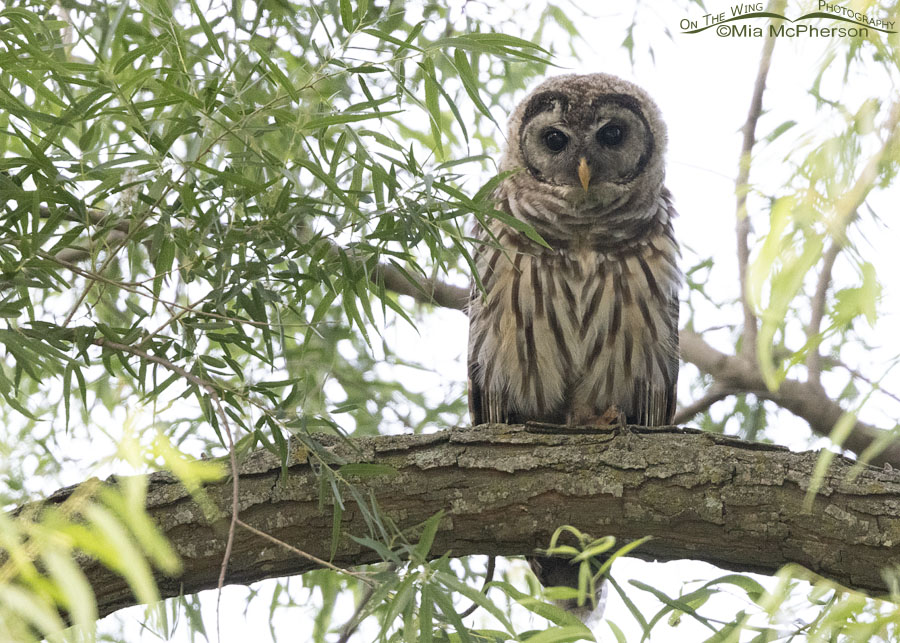
Since spring's arrival, people will be spending time outdoors, and more people will be seeing rats in their yards and gardens. Owls eat rats and other rodents.
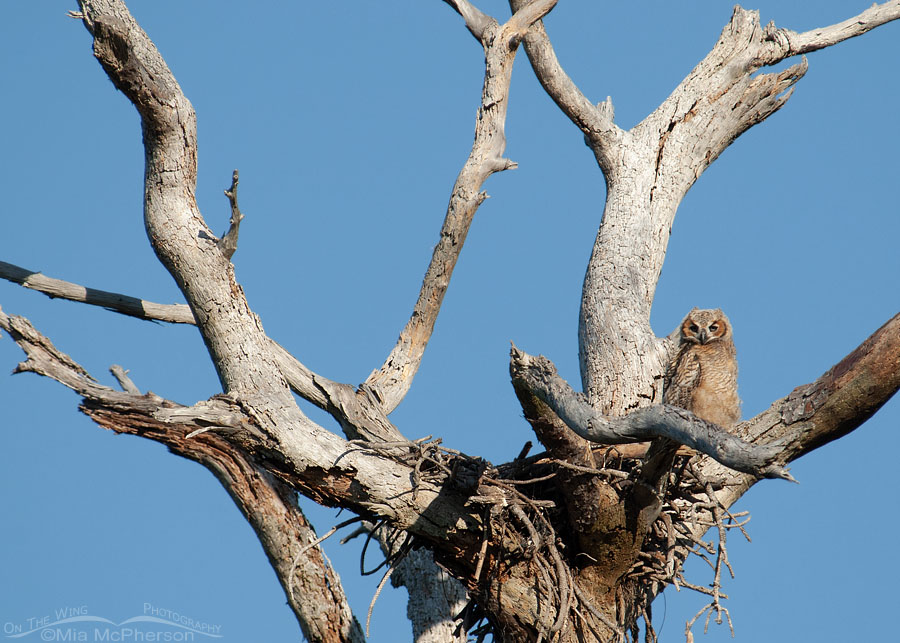
This image of a Great Horned Owl chick resting near its nest on the coast Florida in lovely afternoon light brings back wonderful memories for me. It was 2008.
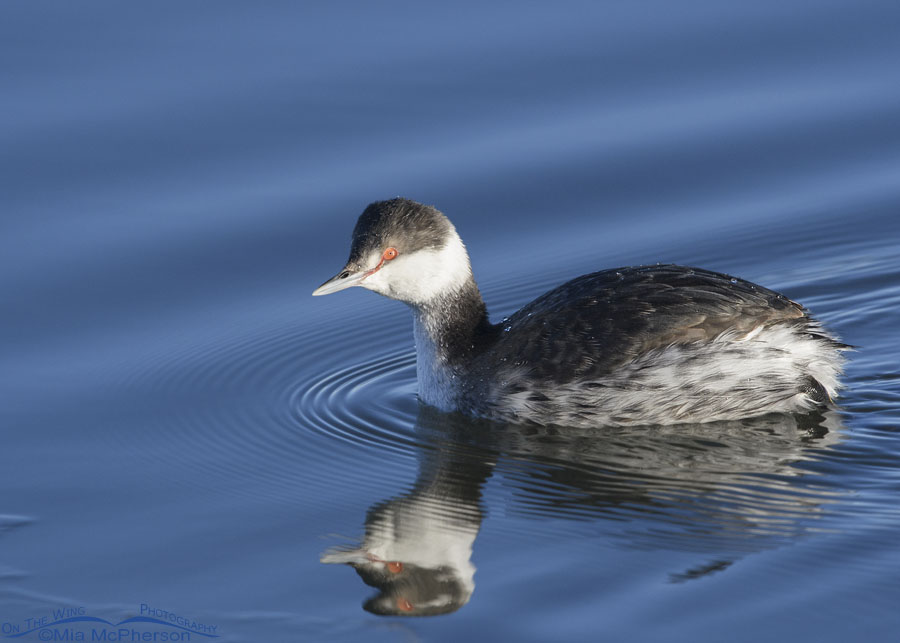
On this last day of the year it is time for my annual 2022 Year in Review post. In some ways 2022 has been great for me and in others not so good.
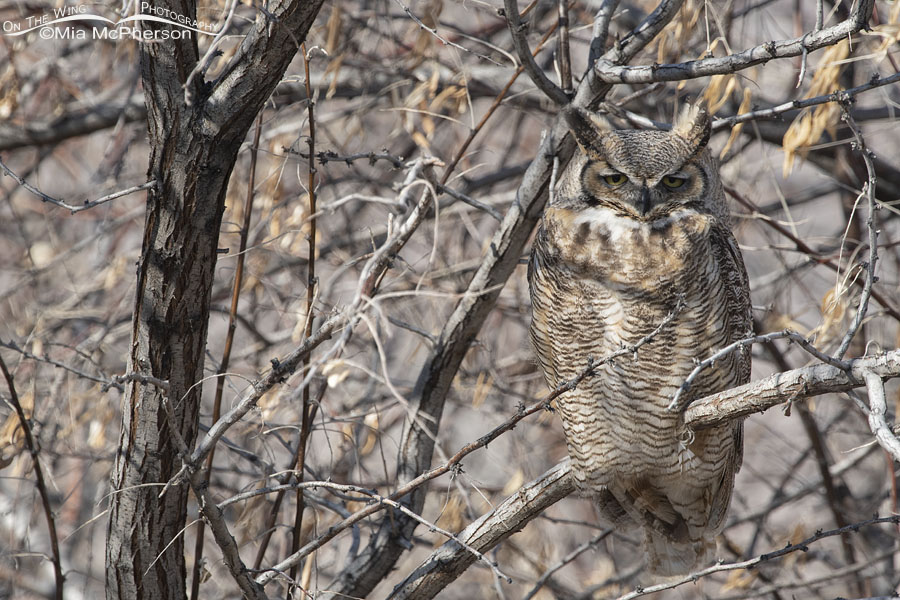
My best find yesterday morning was a resting adult Great Horned Owl that I spotted in a thicket next to a field while traveling 40 to 45 miles per hour.
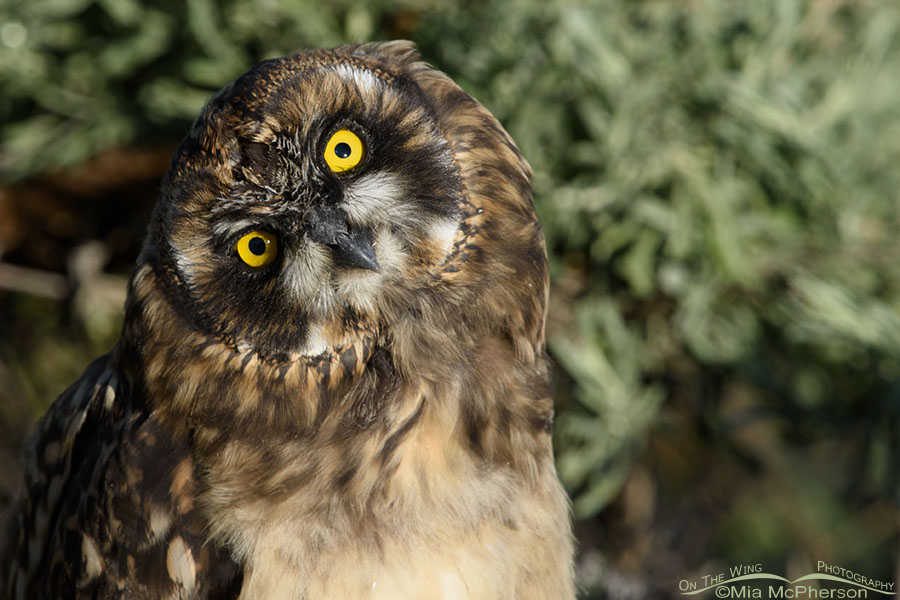
It is Superb Owl Sunday so I wanted to share four of the owls that I see most frequently. Barn, Burrowing, Great Horned and Short-eared Owls are the owls that I photograph most often here in northern Utah.
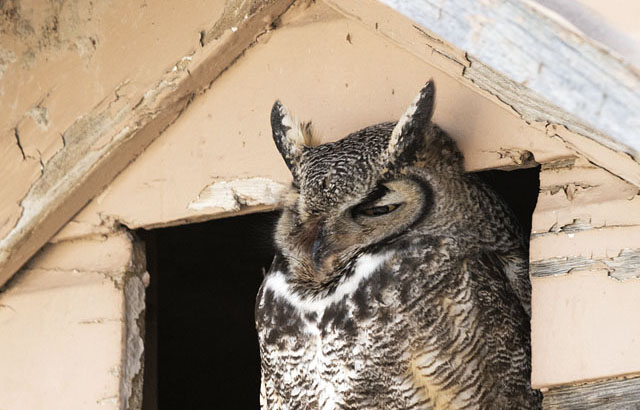
Anyone who knows me at all knows that I think about birds a lot. I think about birds in the morning, at noon, before the sun goes down and I even dream about them at night.
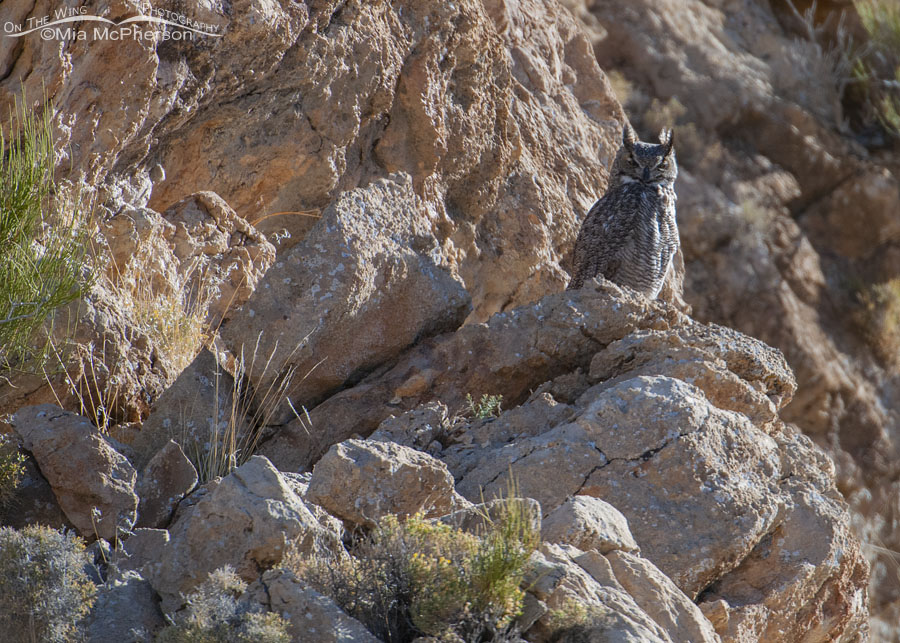
I reached back into my archives and found this photo of a side lit Great Horned Owl in desert habitat that I spotted from one of the dirt access roads that lead to the Mt. Moriah Wilderness of eastern Nevada in 2012.
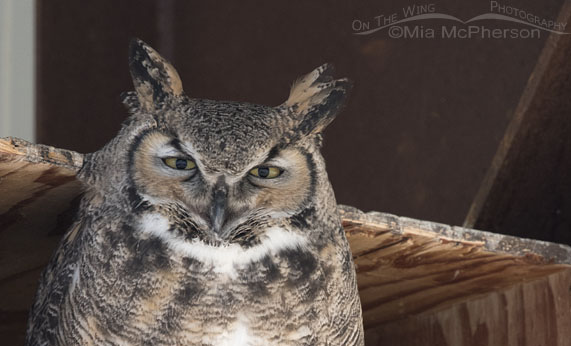
Human made nest boxes, nest baskets, birdhouses, nest shelves and nest platforms can and do help many species of birds in all types of habitats.
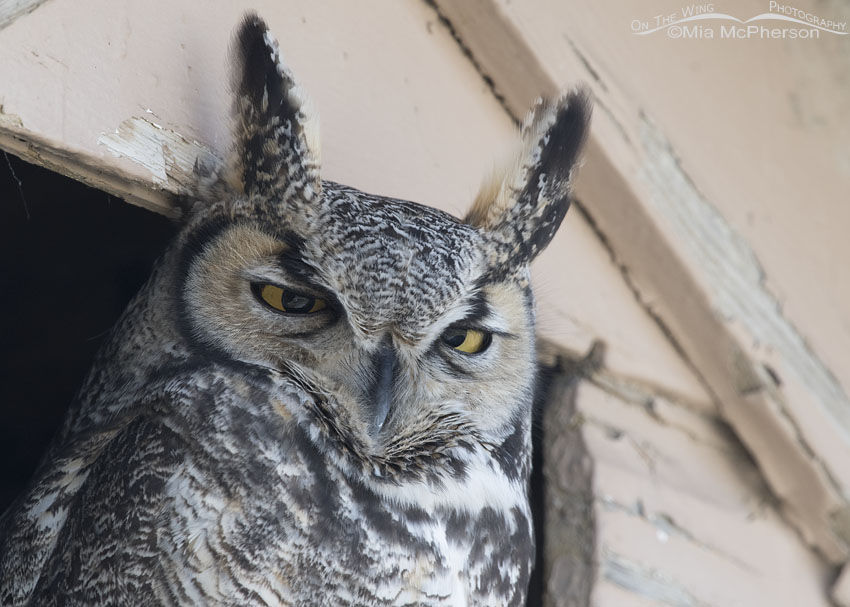
I stopped to answer the call of nature and found a Great Horned Owl and to my delight it was a very cooperative owl at that.
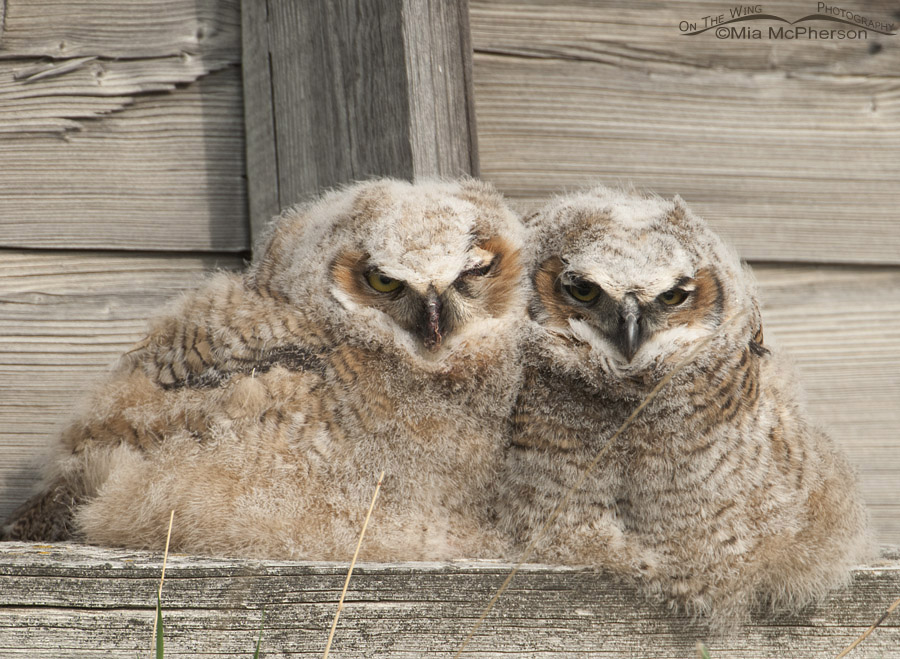
I know that what this person did was not right and the 8 moderators of that group should have said something but in 15 days they haven't said a word about them being too close to the owl chick.
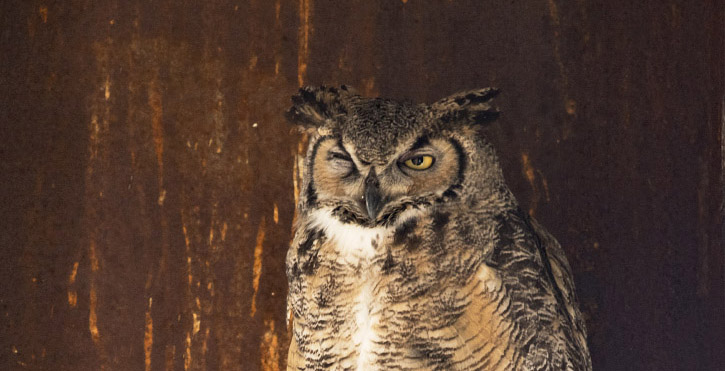
Two days ago I photographed one of the adult Great Horned Owls at the hay barn on Antelope Island State Park that appeared to be winking.
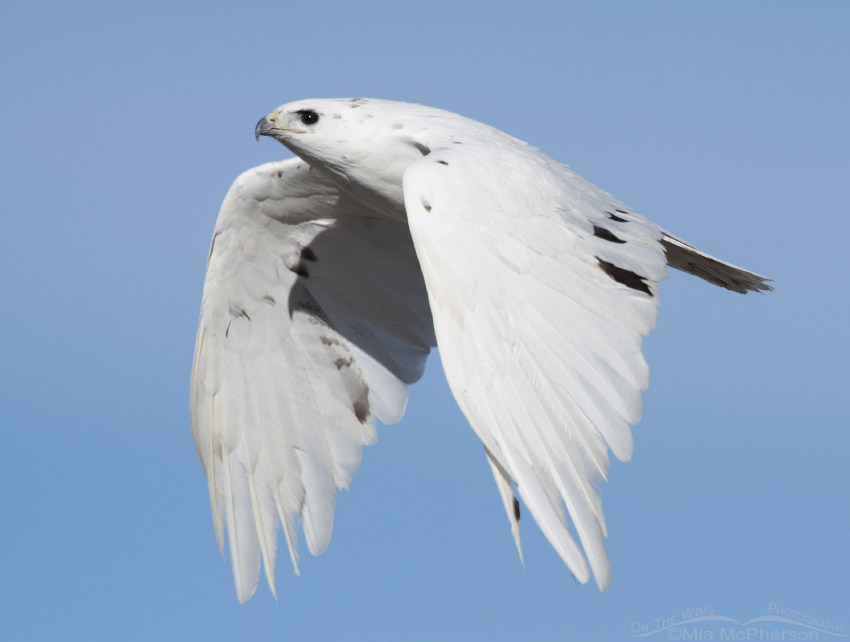
Wow, today is the last day of the year 2016. This is my photographic year in review from Utah, Idaho and Montana!
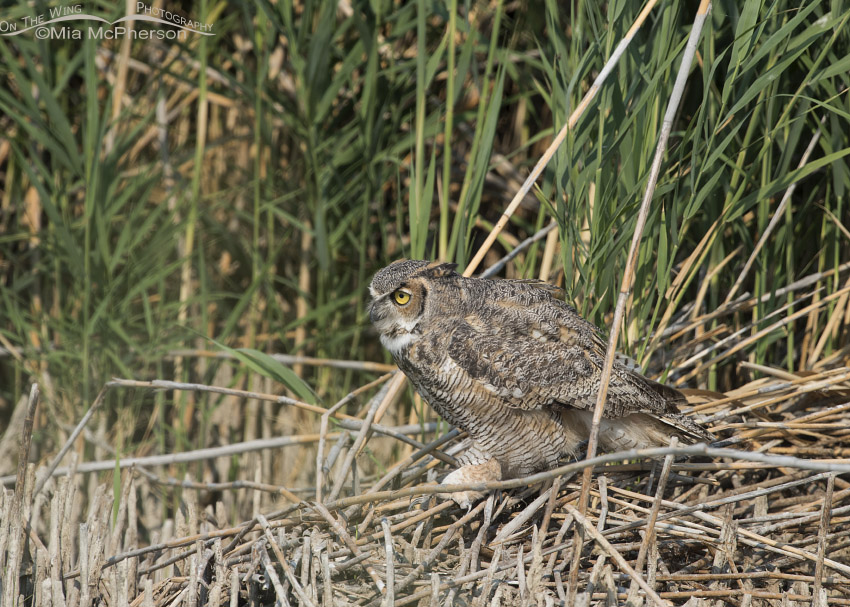
Last month I wrote about how surprised I was to spot a Great Horned Owl in the marsh at Bear River MBR in northern Utah and said I would post more photos later, so here they are.
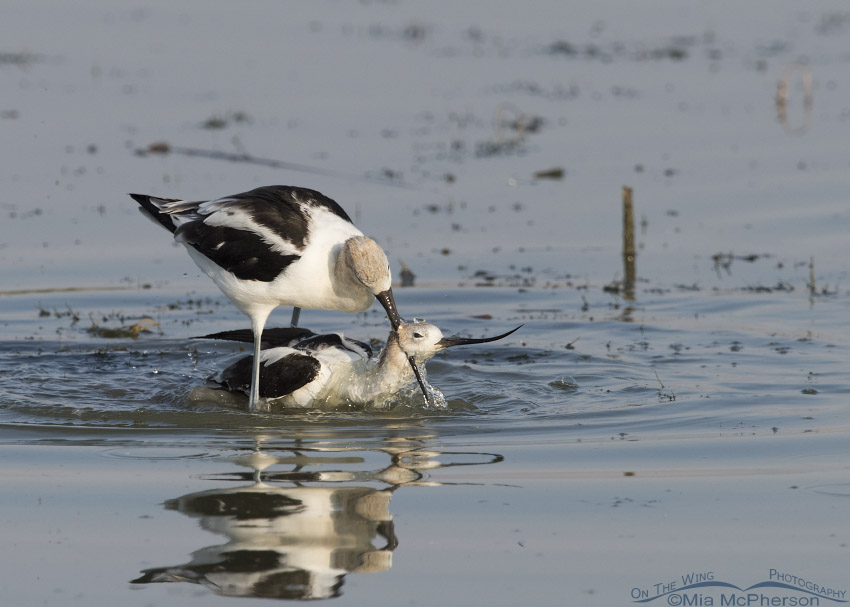
I am unable to find information on line about why this male American Avocet attacked the female so aggressively but I can say that it was fascinating to see and photograph it.
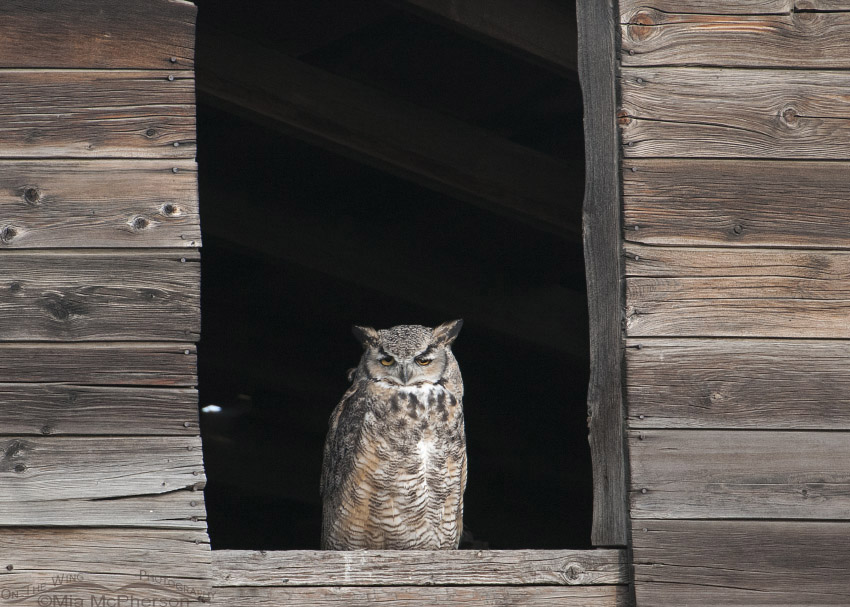
I photographed this sleepy Great Horned Owl male sitting in a opening of the granary, he was probably exhausted from helping his mate raise their young.
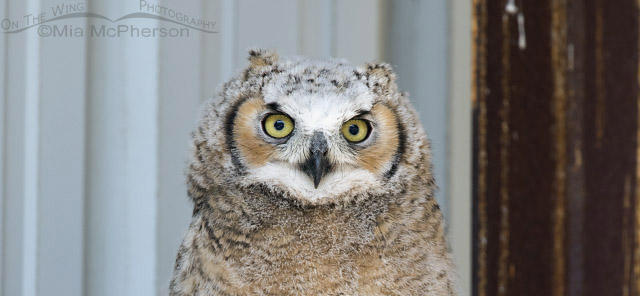
This portrait of a Great Horned Owl chick in a hay barn might not have been taken in the most aesthetically pleasing location but I don't think the owlet gives a hoot about the rusty iron beams and corrugated metal walls.
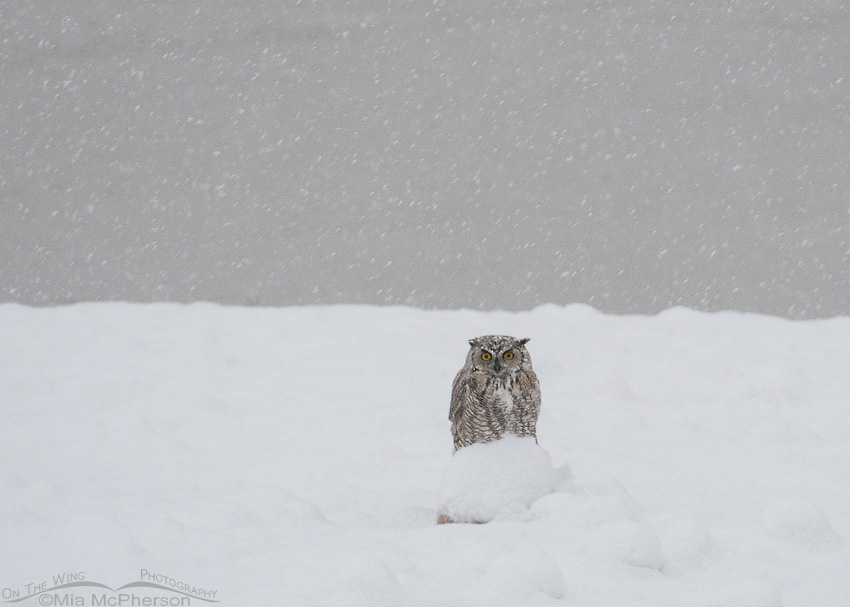
Almost three years ago I photographed this adult Great Horned Owl in a blizzard near the entrance to Antelope Island State Park.
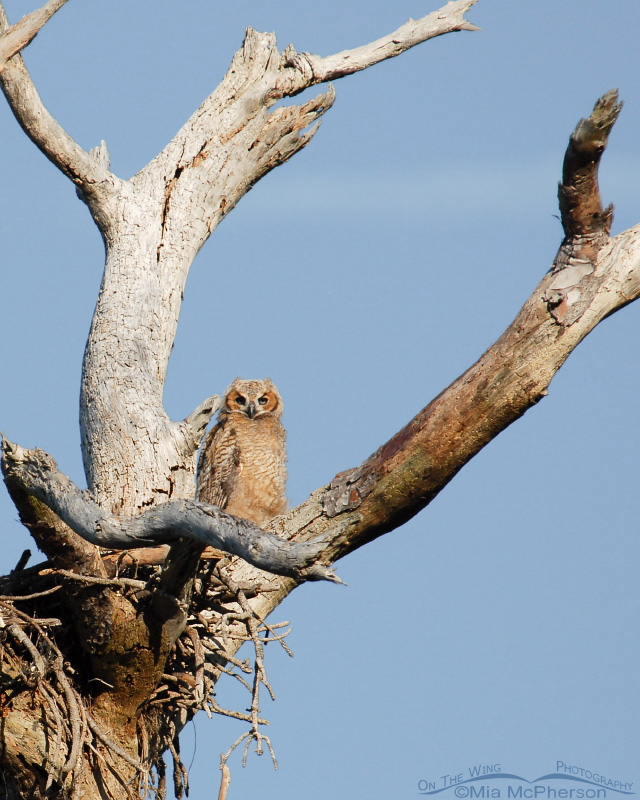
I spent about three months in 2008 watching a Great Horned Owl nest on Honeymoon Island State Park in Florida from hatching until this young owl fledged.
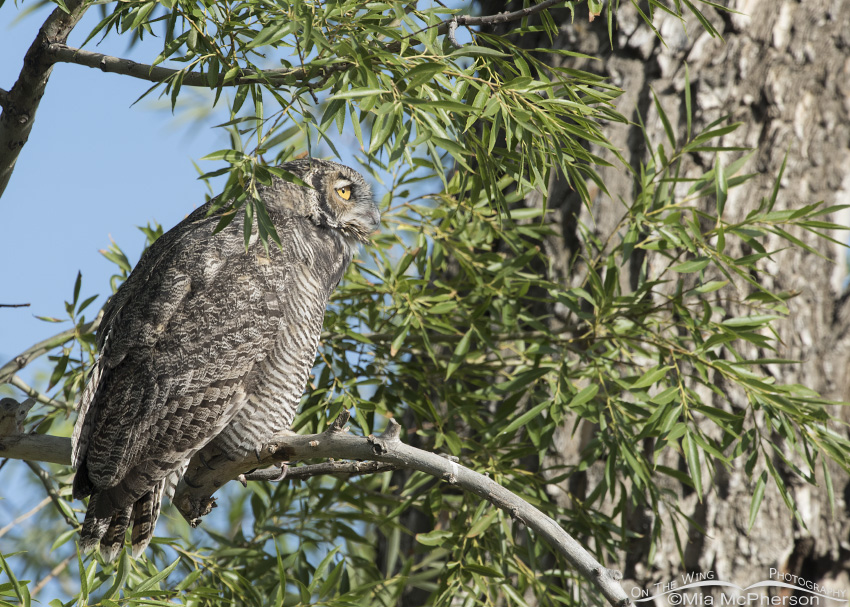
I was in far northern Utah yesterday and saw the hawks I expected to see but finding this Great Horned Owl was a bit of a surprise since I wasn't looking for Great Horned Owls.
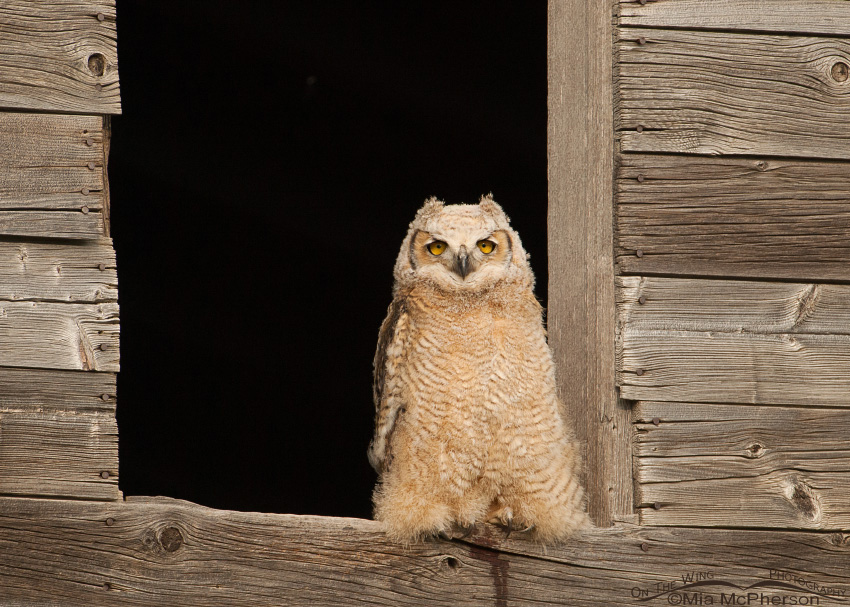
This morning winter is trying to creep back into northern Utah but I am thinking of warmer weather, Montana and Great Horned Owls.
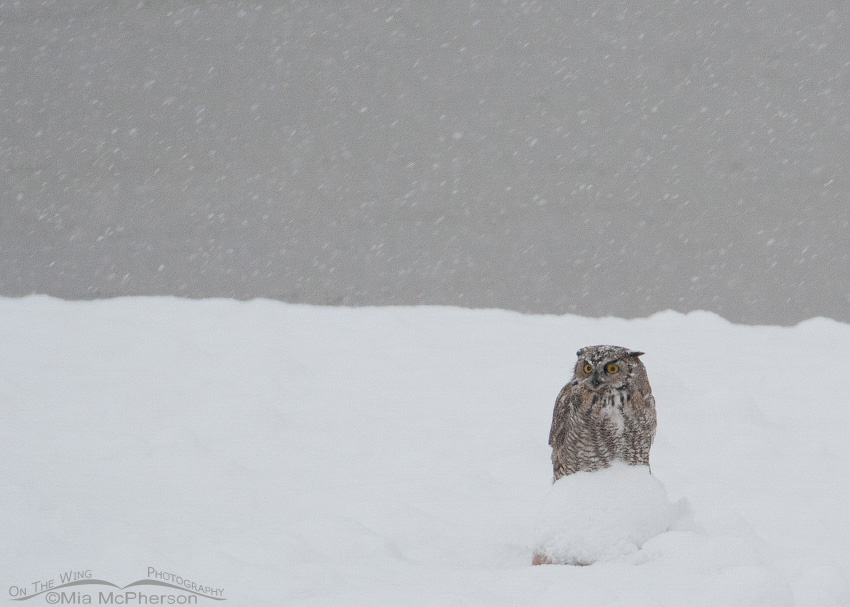
Today there are great big clouds with small patches of blue sky but two years ago it was very different, we were having a blizzard.
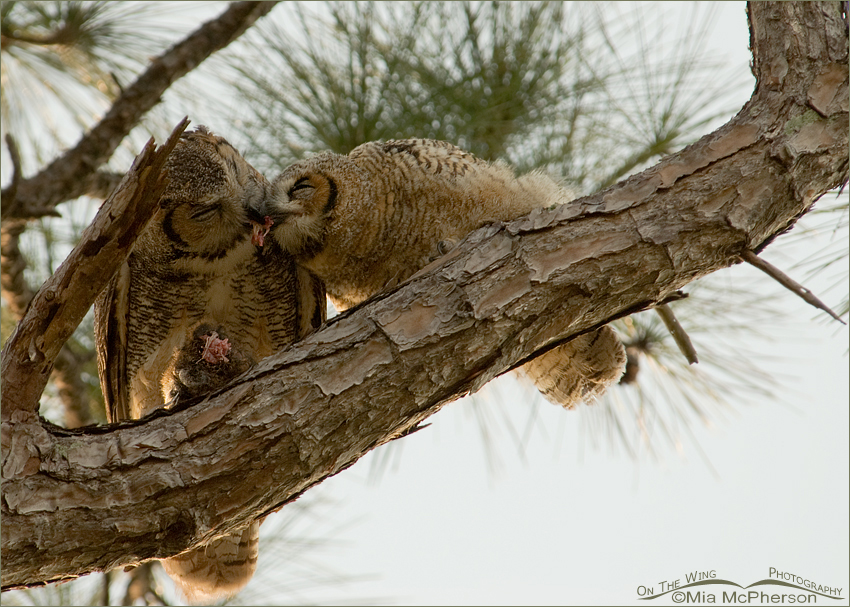
What can I say about this image of an adult Great Horned Owl feeding its young that is strongly back lit by the setting sun on Honeymoon Island State Park in Florida?
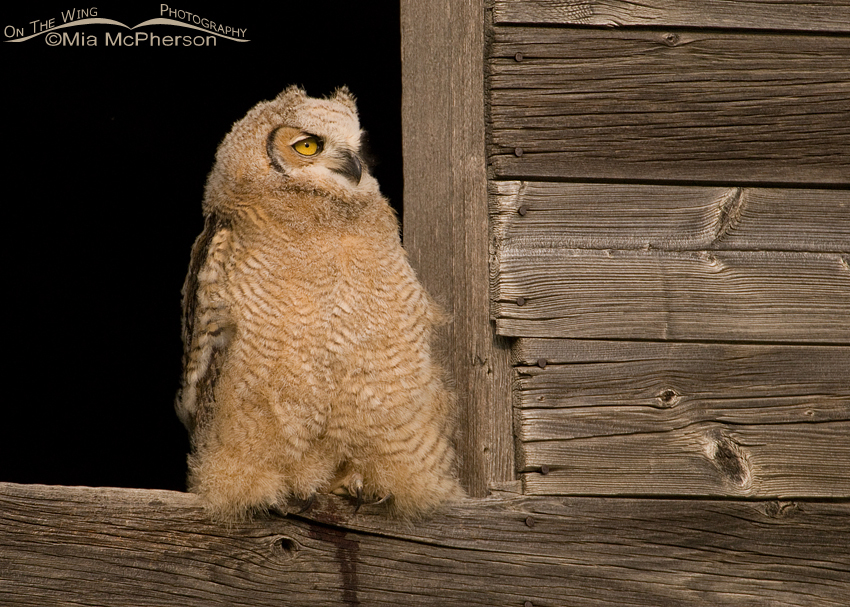
I especially like the combination of old wood and owls, in this photo a juvenile Great Horned Owl is perched on an external structural beam of an old granary in Glacier County, Montana.
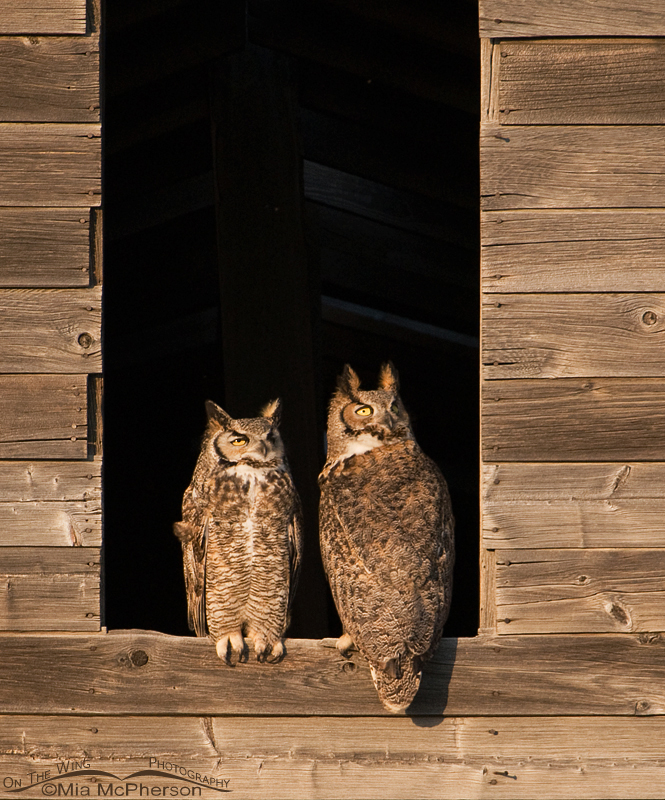
As I photographed them I saw both Great Horned Owls turn their alert eyes to the sky and although I remember looking up into the sky myself I recall I didn't see anything but the much keener eyes of the owls probably did.
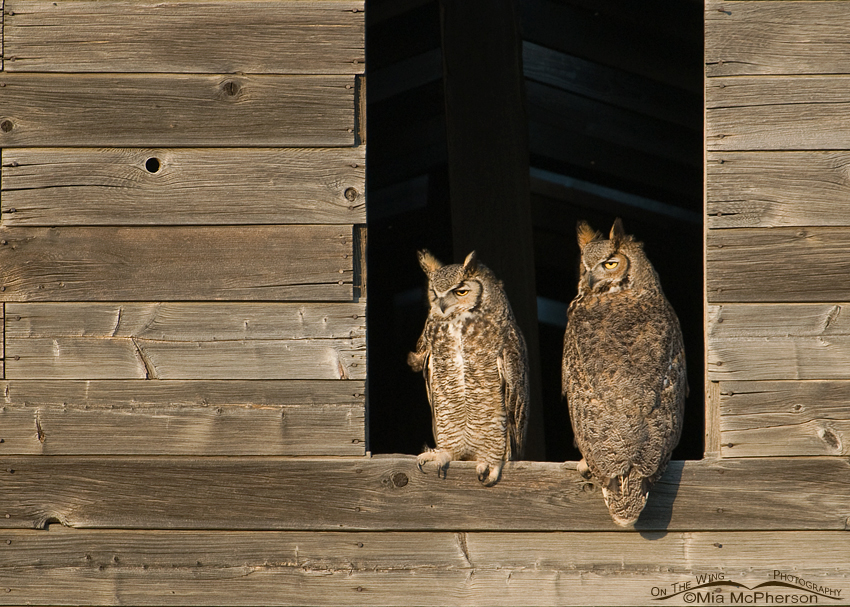
Great Horned Owls and old wood just seem to go together, the warm tones of the wood are a great compliment to the same tones in the plumage of Great Horned Owls.
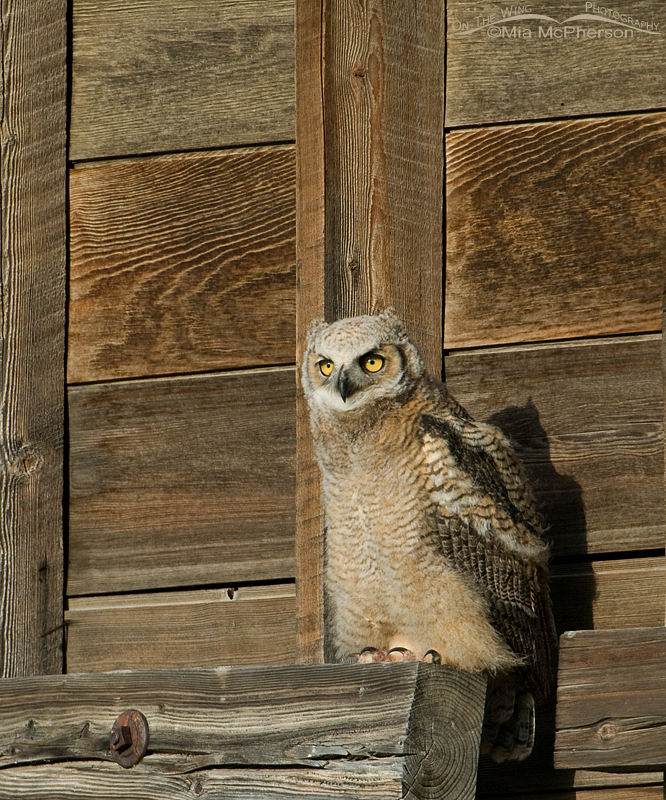
I love the descriptive name "Tiger of the Sky" when referring to Great Horned Owls, they are fierce, fearless and ferocious and the young owl in the image above is a 'Tiger in the Sky" in the making.
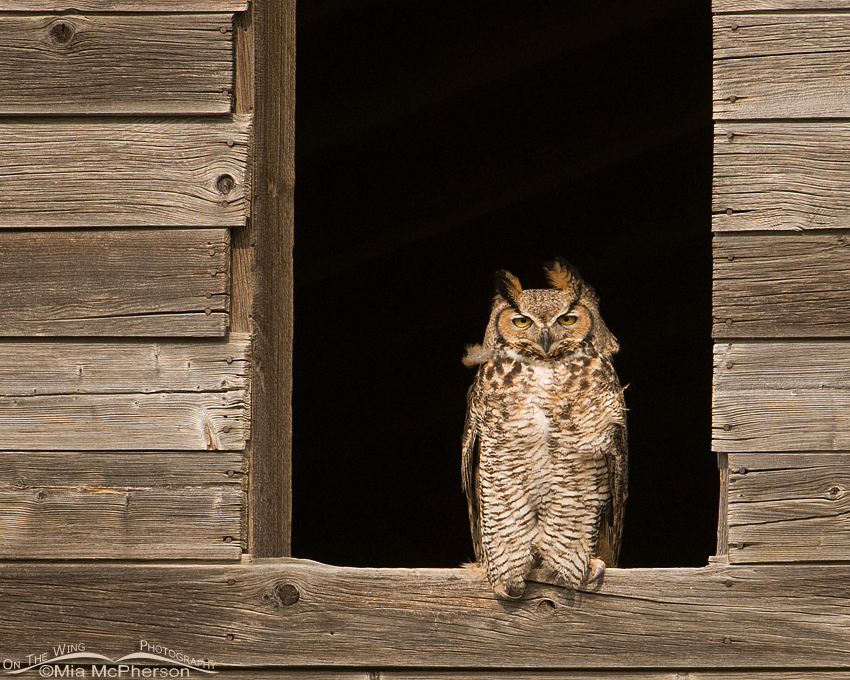
Great Horned Owls and old wood seem to go together like salt and pepper, stars and stripes or peanut butter and jelly, they are a great combination!
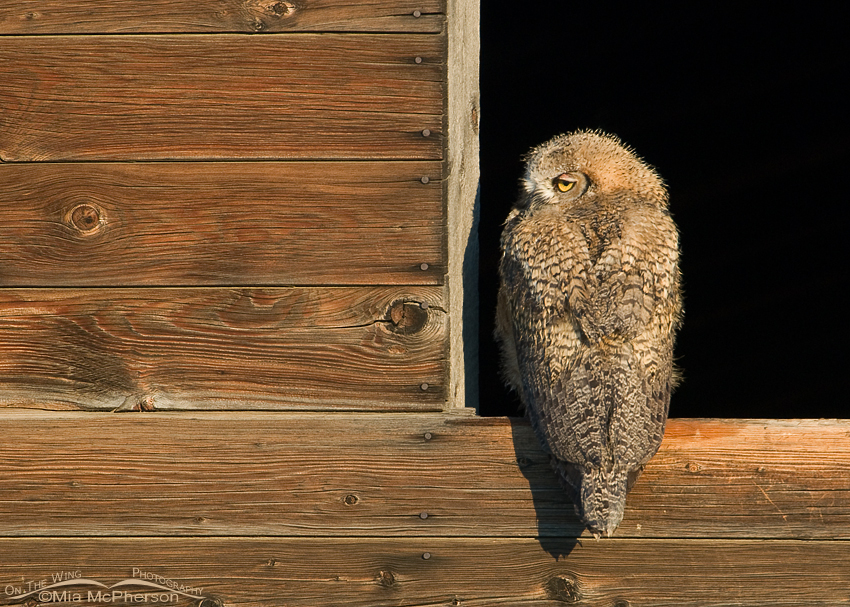
I'm extremely fond of owls, it might be their forward facing eyes that draws me to them. Of course I love all birds but to me owls are special.
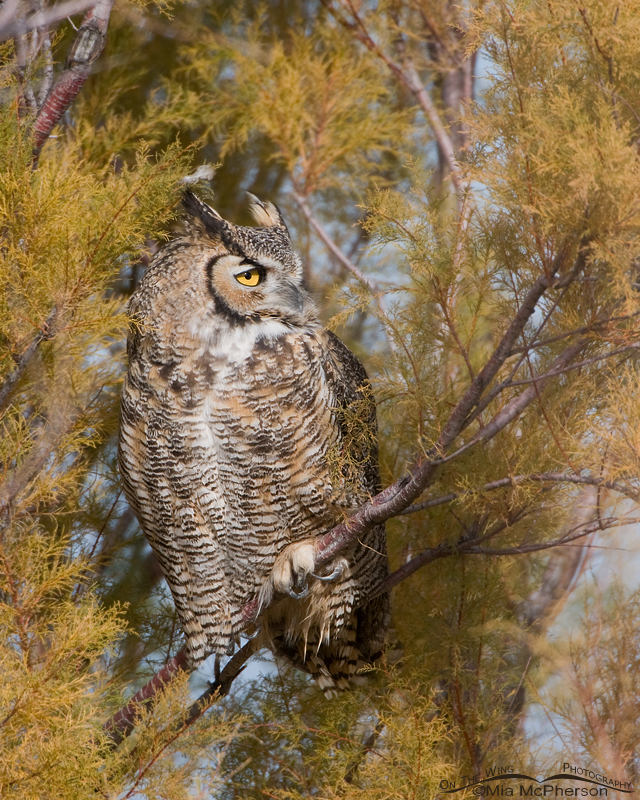
Great Horned Owls and Horned Larks are species of birds that have tufts that I photograph regularly here in Utah.
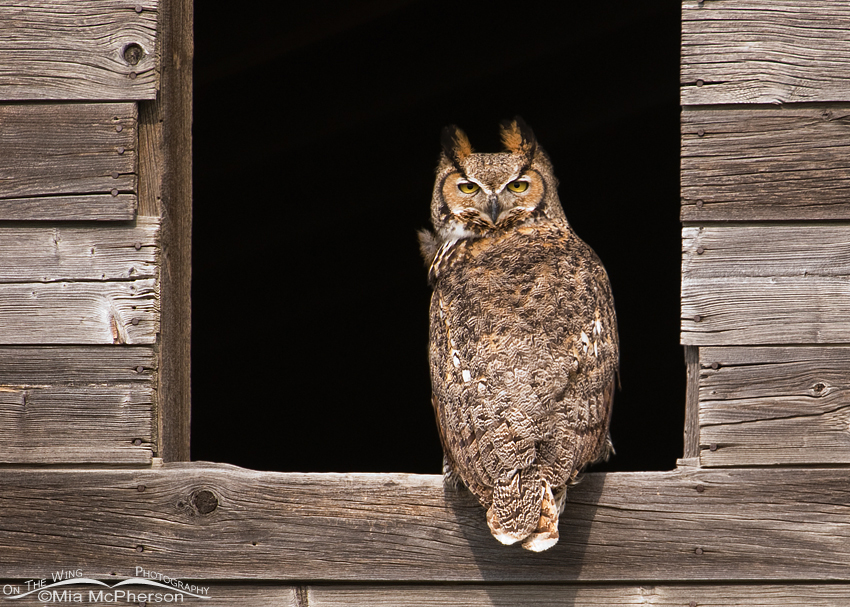
This female Great Horned Owl was resting at the opening of an old granary in Glacier County, Montana when I photographed her.