Day At Mount Magazine State Park With Steve Creek
I've been meaning to share these images taken on a June day spent with my dear friend Steve Creek from Mount Magazine State Park in Arkansas for weeks.


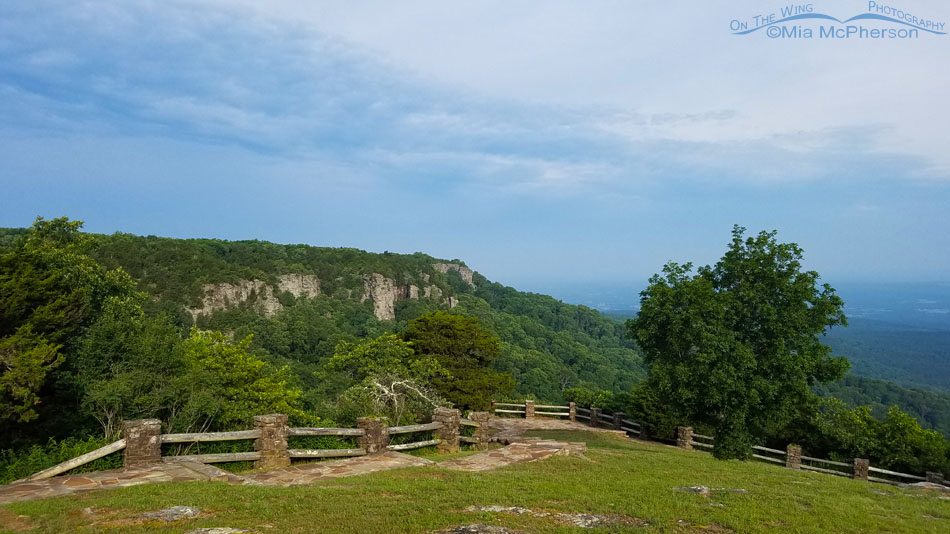
I've been meaning to share these images taken on a June day spent with my dear friend Steve Creek from Mount Magazine State Park in Arkansas for weeks.
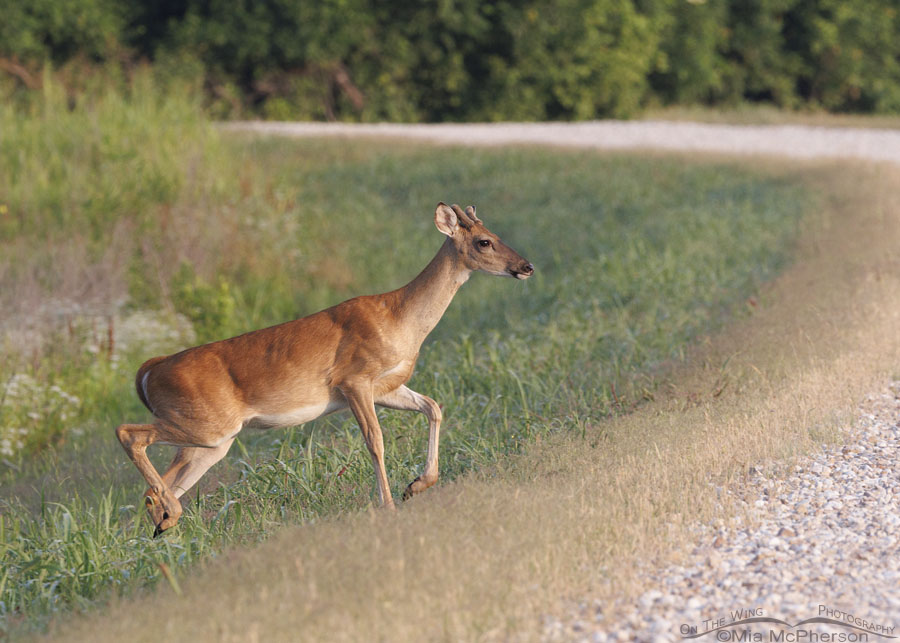
On my first trip to Sequoyah National Wildlife Refuge I was delighted to take a series of photos of a White-tailed Deer buck in velvet crossing a gravel road.
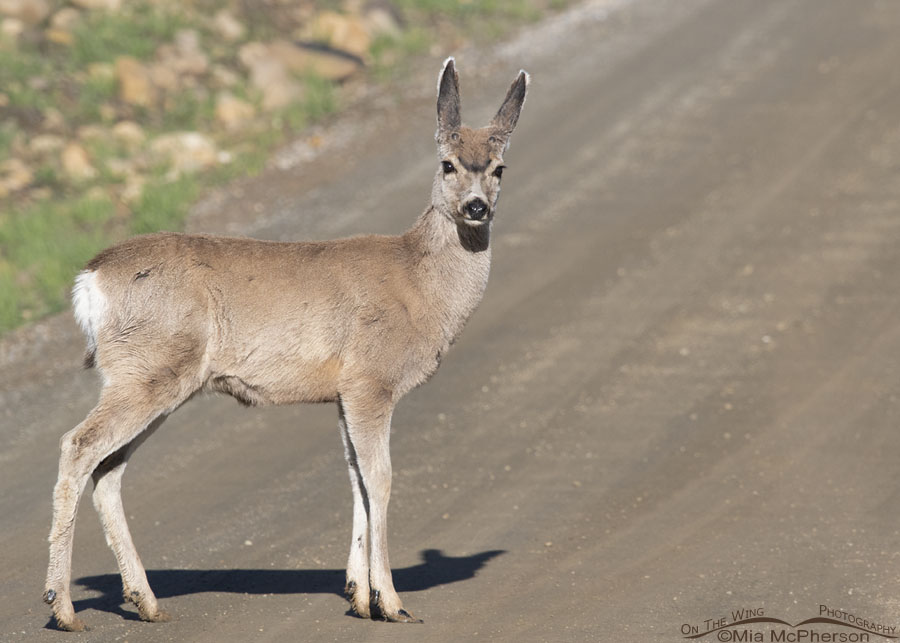
I drove up into the Wasatch Mountains yesterday. My Jeep got pretty muddy and one highlight of my morning was when I photographed this yearling Mule Deer buck.
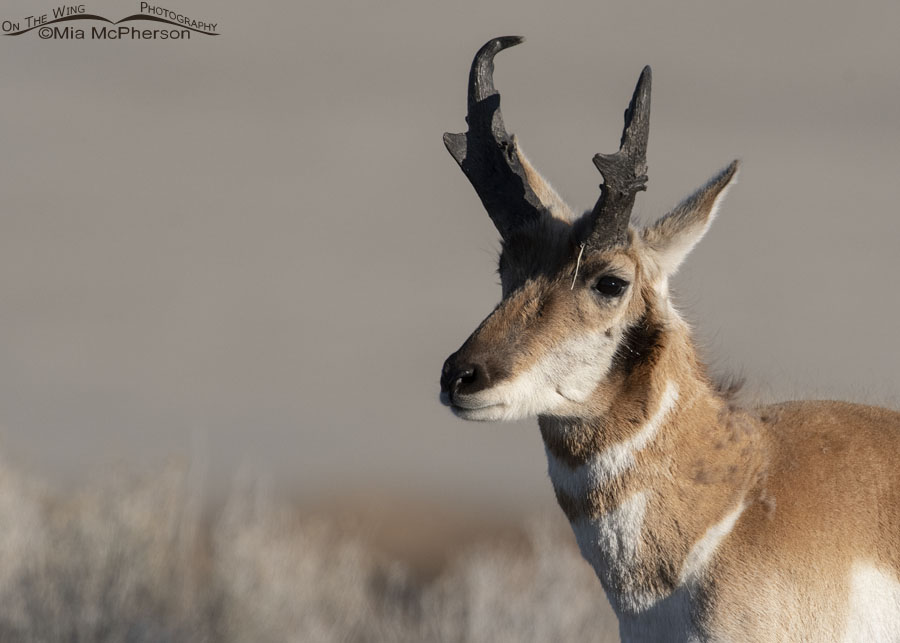
I was able to get out into the field yesterday morning and while I was on Antelope Island State Park I took a series of spring buck Pronghorn photos.
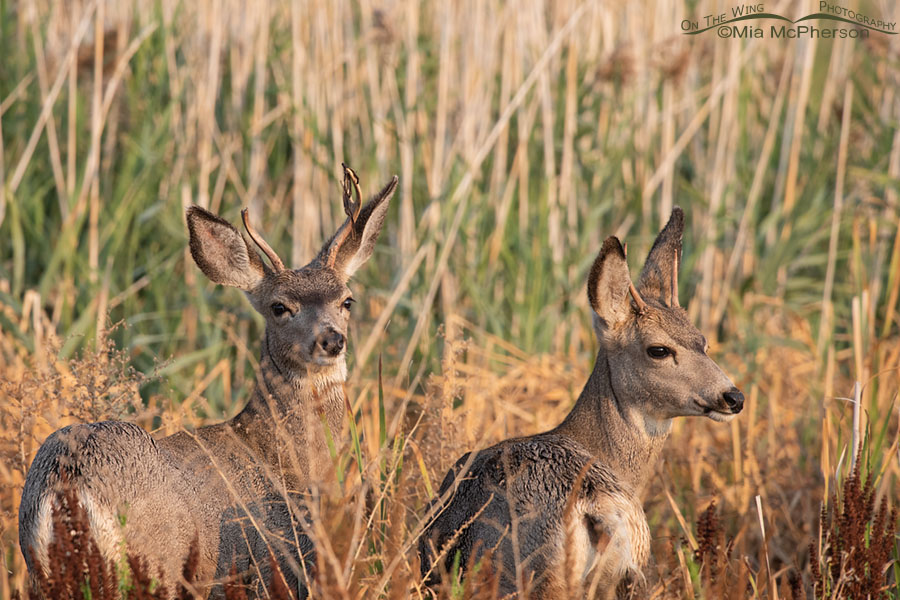
Monday morning I saw a group of three Mule Deer bucks slowly moving through tall vegetation in the marsh at Bear River Migratory Bird Refuge.
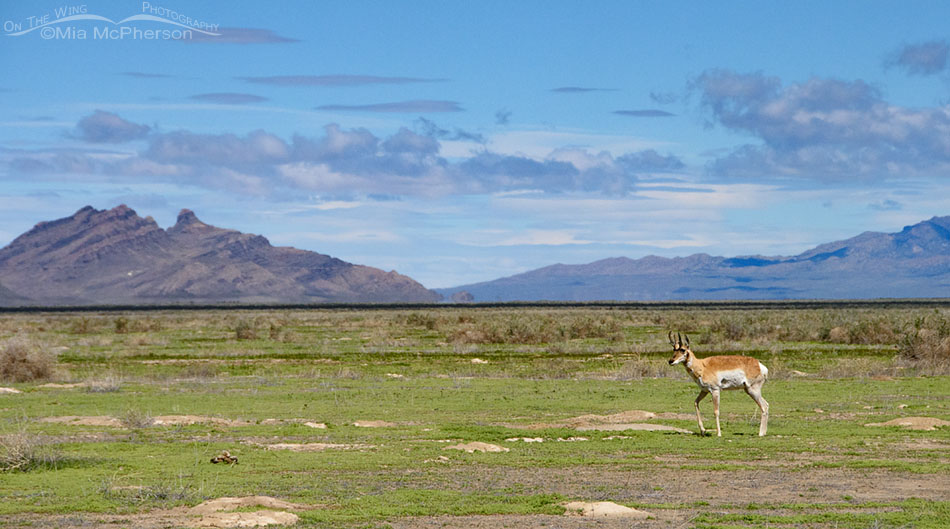
I found and photographed this Pronghorn buck in Utah's West Desert after photographing birds at Fish Springs National Wildlife Refuge in April of 2019.
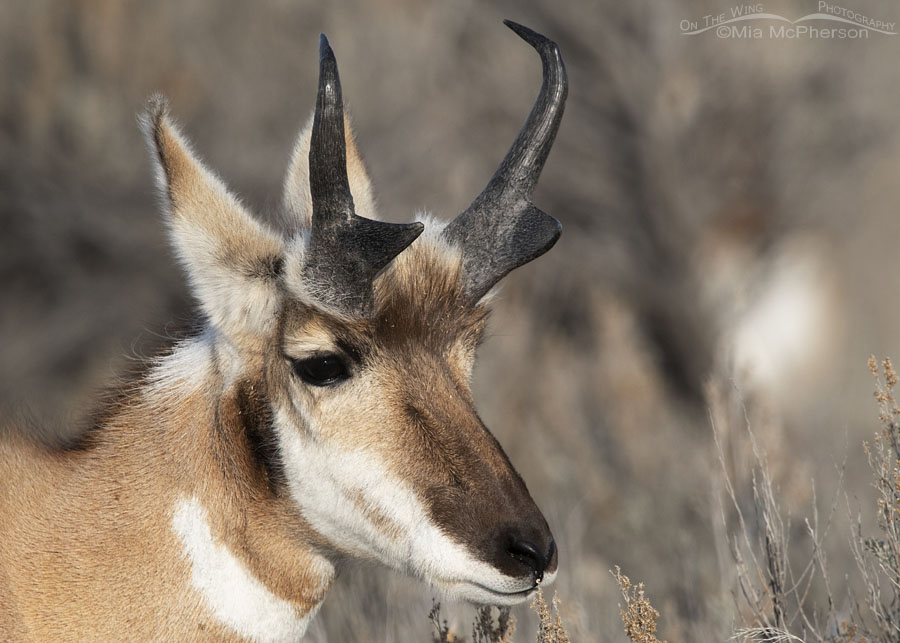
I enjoyed being able to take portraits of this Pronghorn buck in nice light as he nibbled on the leaves of the sagebrush that dots the island.
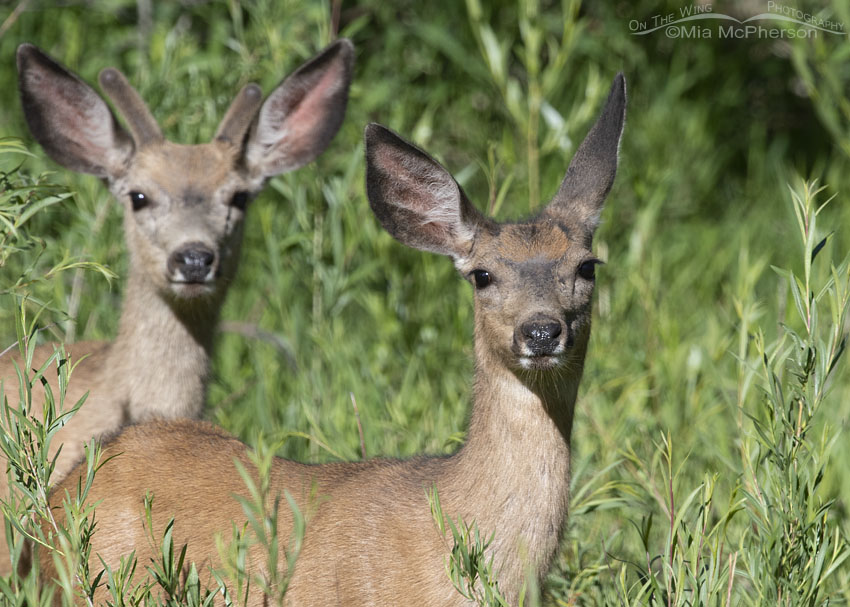
I haven't photographed Mule Deer in a while so when I saw a pair of them in willows next to a creek last week I felt I had to take their photos, especially because of all the lush greenery that surrounded them.
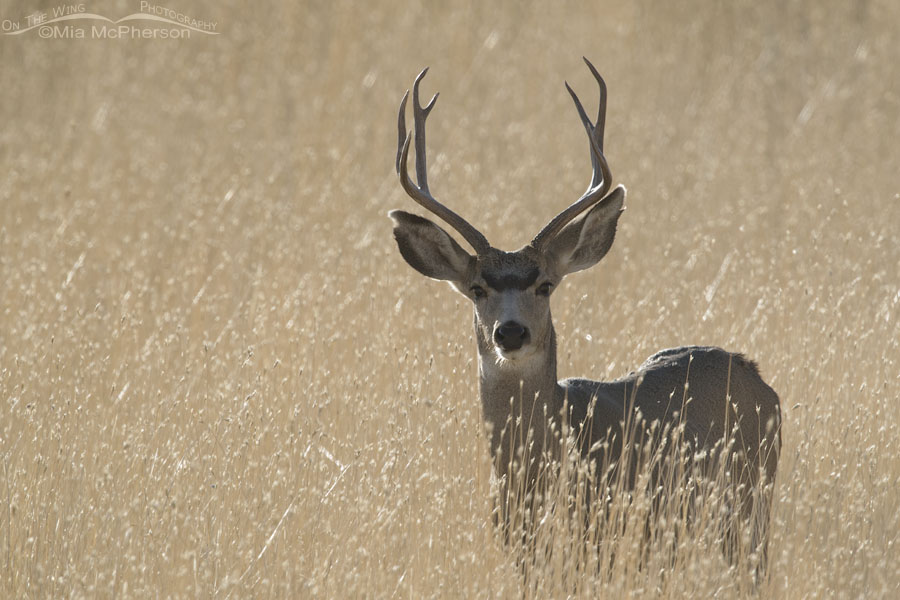
These two Mule Deer were photographed in different settings, different lighting situations but about the same time of the morning and I find them both appealing.
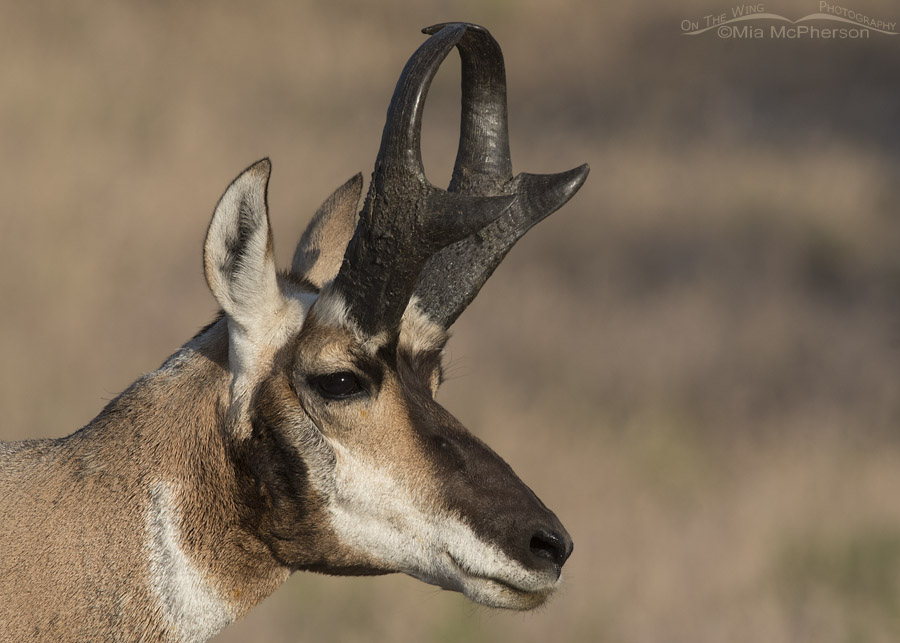
My best photos of the day were of a buck Pronghorn that was very close to the dirt road I was on, he was so close I had trouble keeping all of his head in the frame.
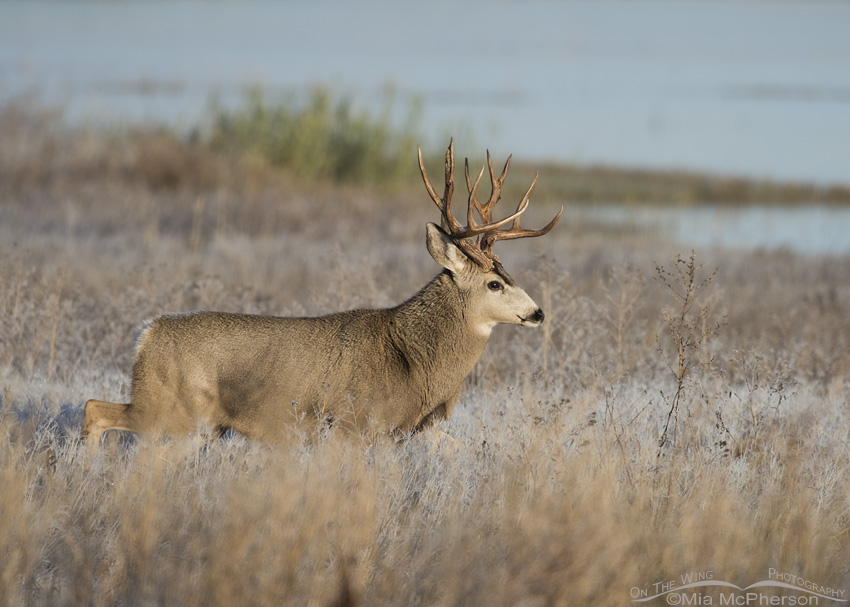
Last fall I photographed this beautiful Mule Deer buck at Bear River MBR in rut as he followed a doe around the frost-covered marsh.
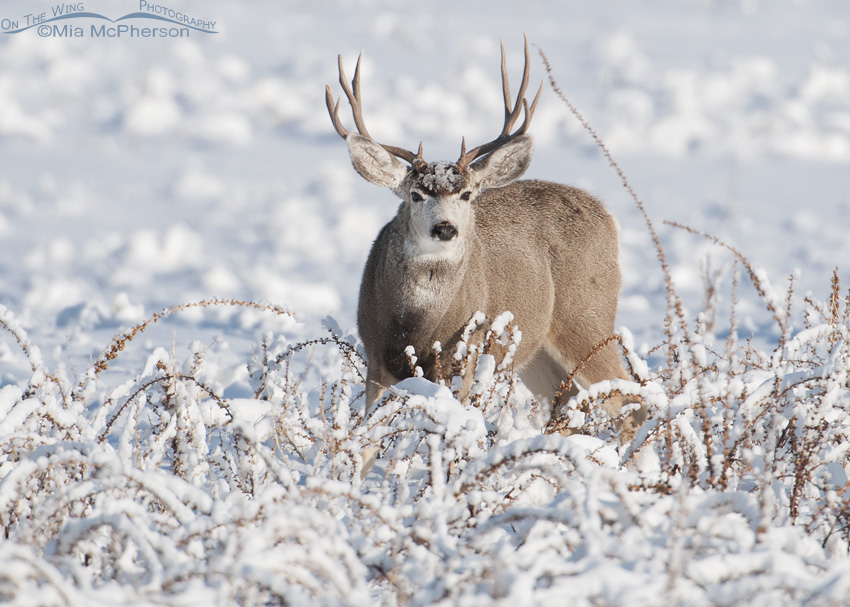
I photographed this frosty Mule Deer buck in snow on Antelope Island State Park in December of 2013 while he was following a few does through a field of snow-covered mullein.
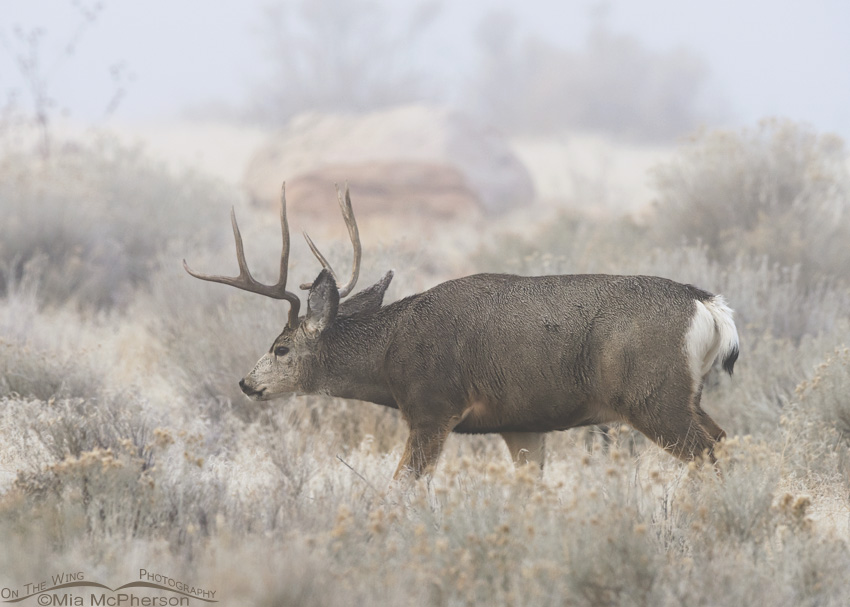
Yesterday I was able to photograph this Mule Deer buck in fog on Antelope Island State Park as he and another buck trailed after some does.
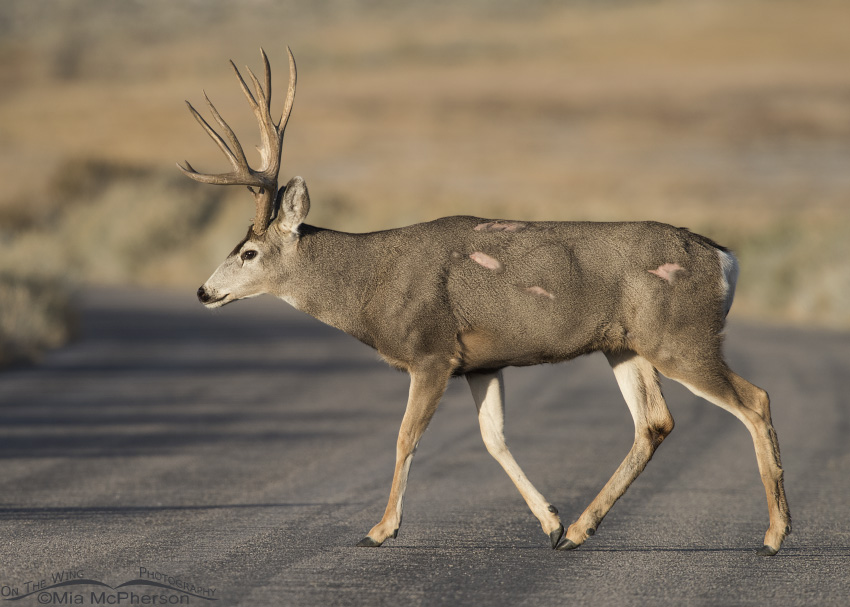
I saw a handsome but battle scarred Mule Deer buck yesterday walking briskly through a field with his head held high near the Bridger Bay campground on Antelope Island State Park.
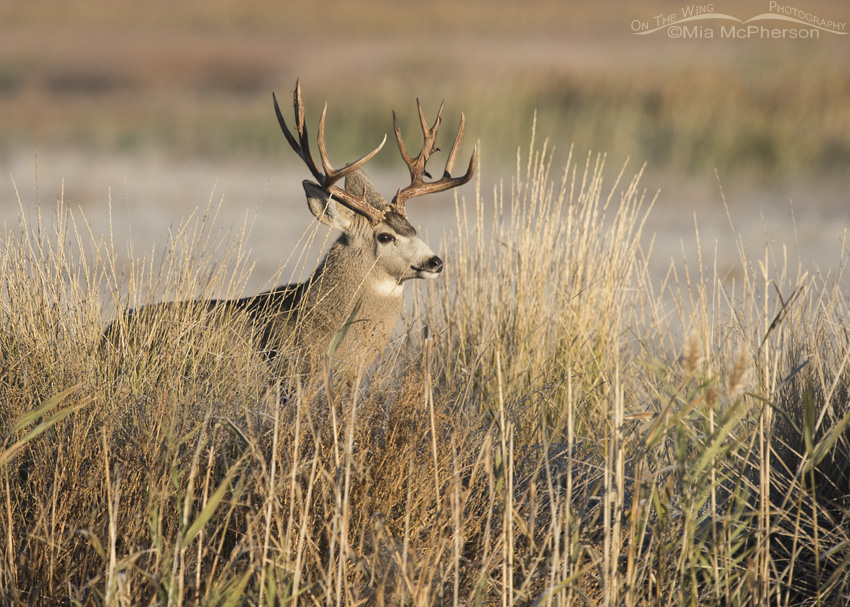
Yesterday I found a Mule Deer buck in rut following a doe in the marsh next to the Bear River at Bear River National Wildlife Refuge.
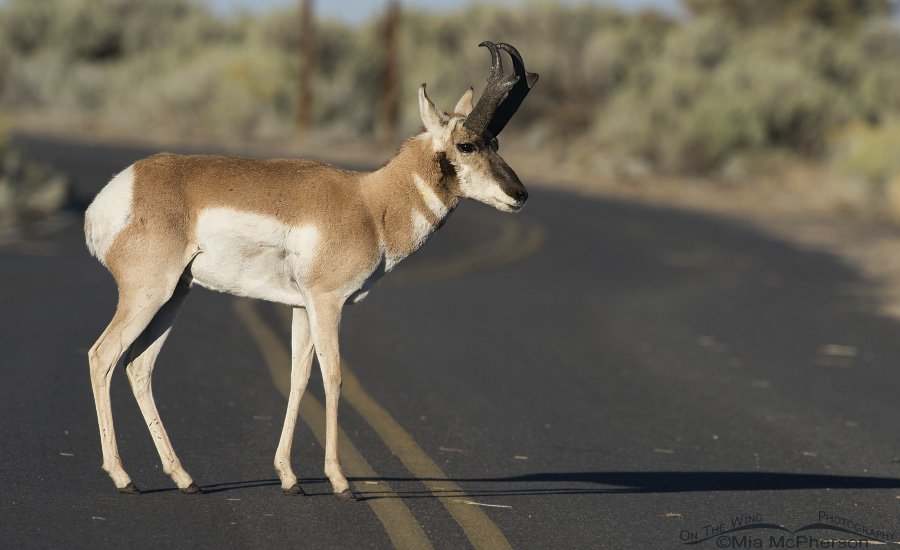
Yesterday morning I photographed this Pronghorn buck in the road near Ladyfinger Point on Antelope Island State Park as he stood next to the double yellow lines.
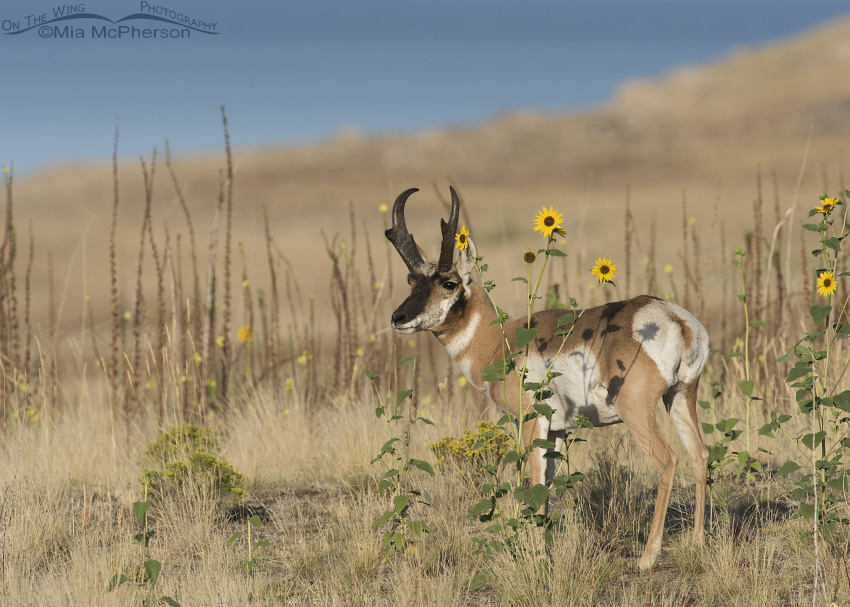
As many of my readers know I like to take portraits of the birds and animals I photograph but I also like to take images that show my subjects smaller in their native habitat.
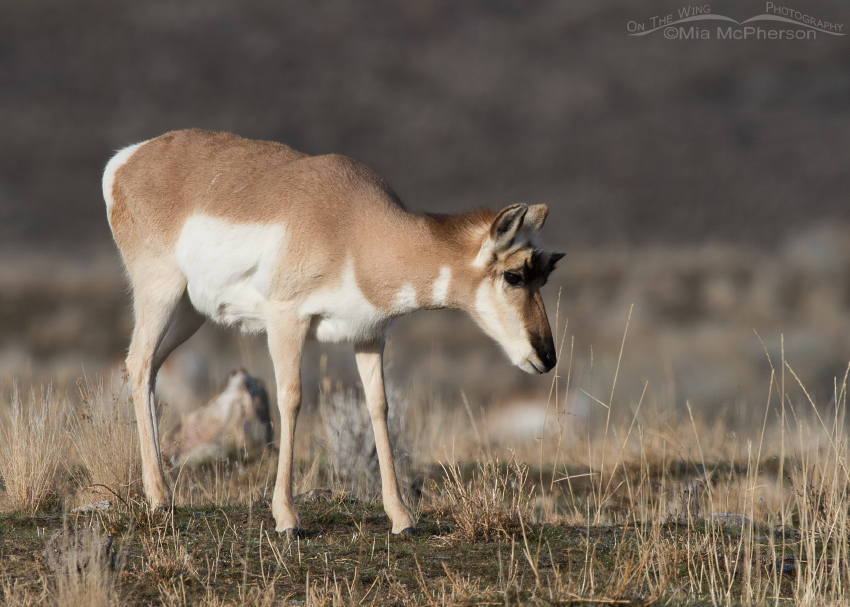
It has been a while since I have seen Pronghorn on Antelope Island State Park close enough to photograph so I was delighted when they were within my focal range.
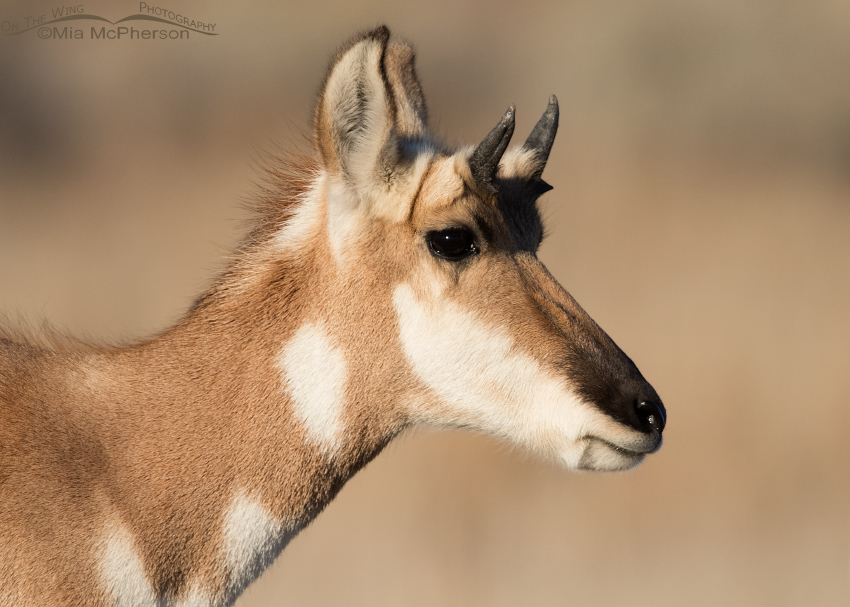
I am very fortunate to live in an area where I can see these beautiful creatures up close and that is some thing I don't take for granted.
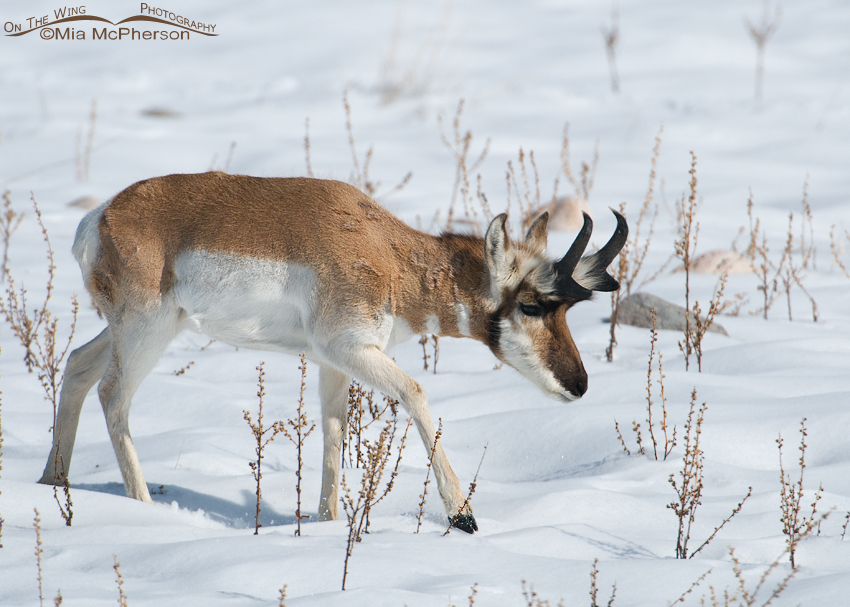
It has been quite some time since I have photographed Pronghorn on Antelope Island State Park because it seems that the Pronghorn have kept mostly to the west and south sides of the island this winter.
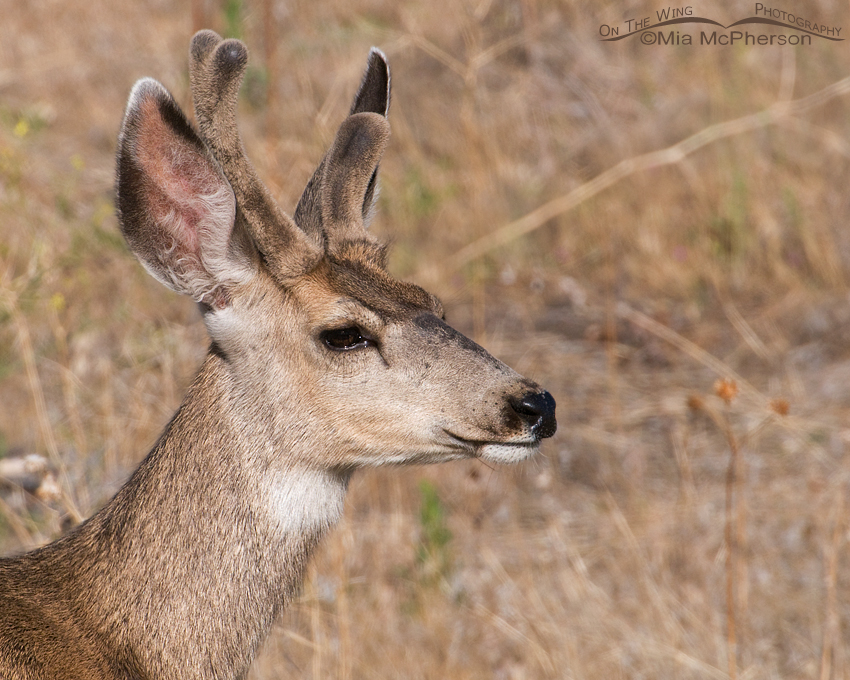
I like this atypical Mule Deer because he isn't typical instead he is different, he stands out.
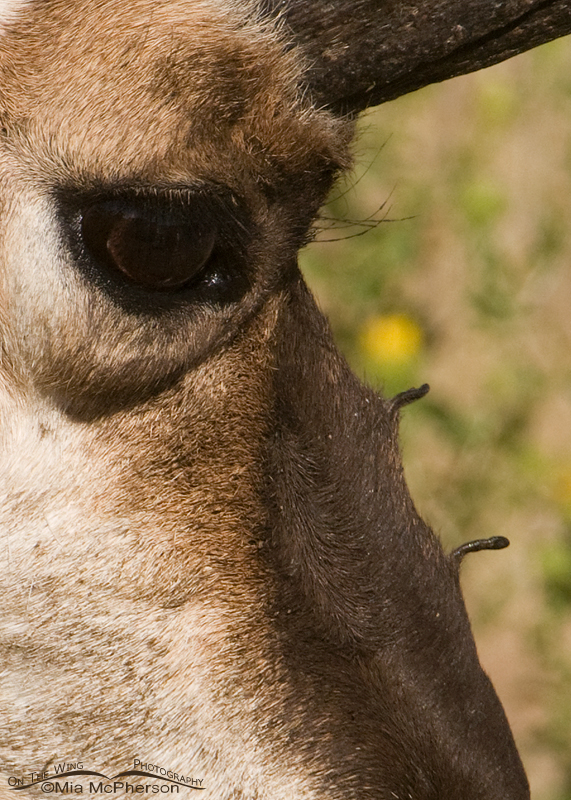
This image shows a side view of the Pronghorn buck's face with the two unusual horn growths shown protruding from its muzzle.
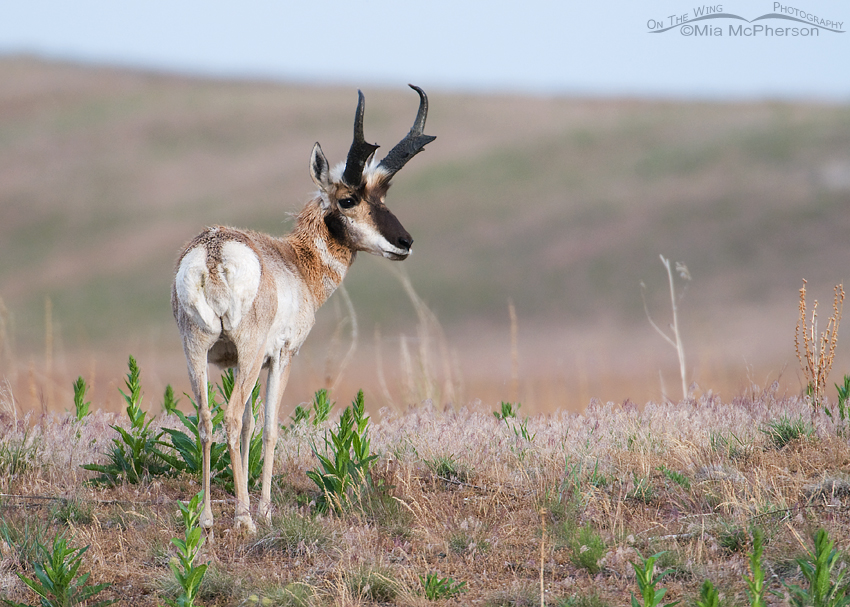
I hope the Pronghorn we do have continue to flourish because they are majestic creatures and the western landscape wouldn't be the same without them.
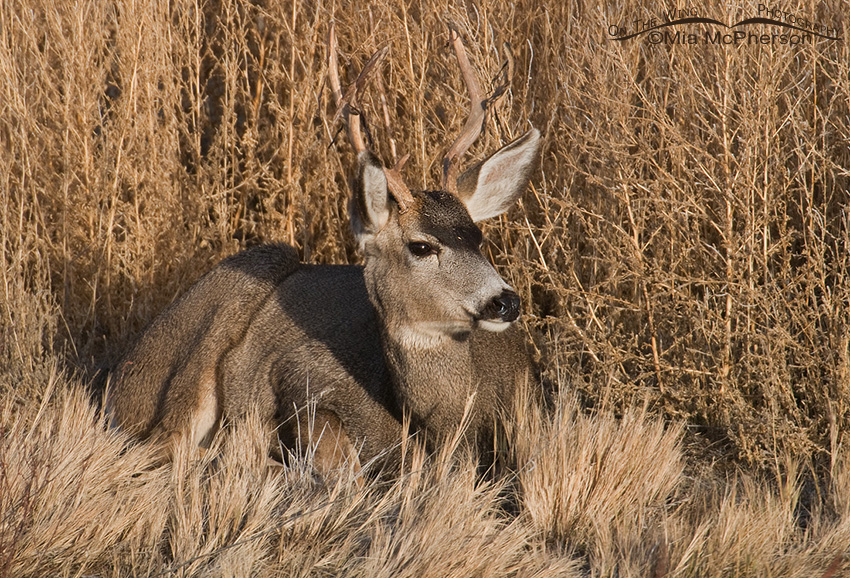
So, my best shots of the day were of this resting Mule Deer buck that I almost missed spotting because he blended in so well with the habitat.
Just a few images from this past week.
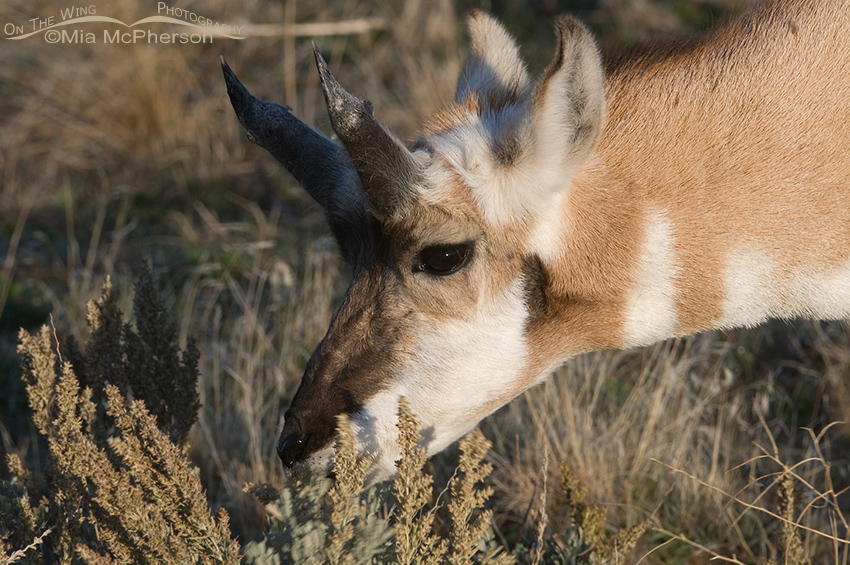
The horns of Pronghorns are composed of a permanent slender, laterally flattened blade of bone that is covered by a keratinous sheath.
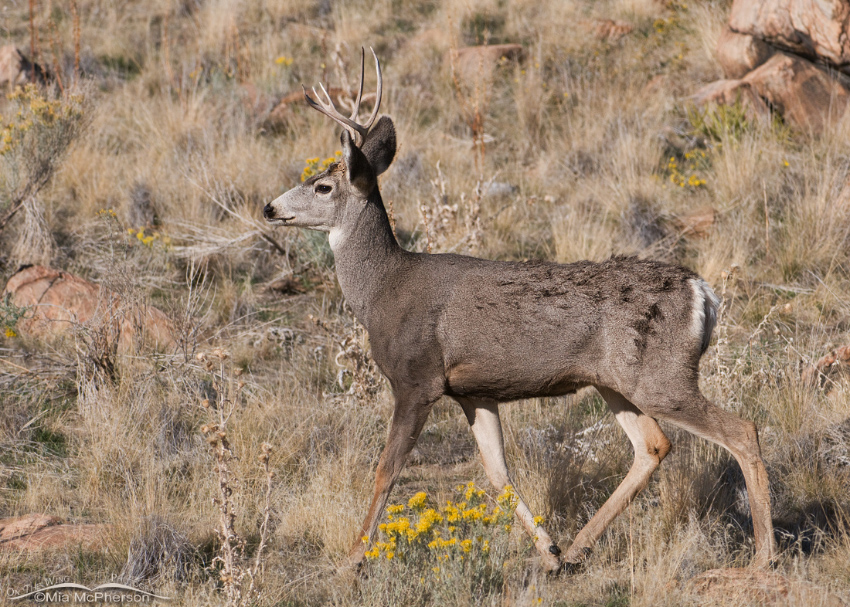
Two days ago while looking for birds to photograph on Antelope Island State Park this Mule Deer (Odocoileus hemionus) buck came into view.
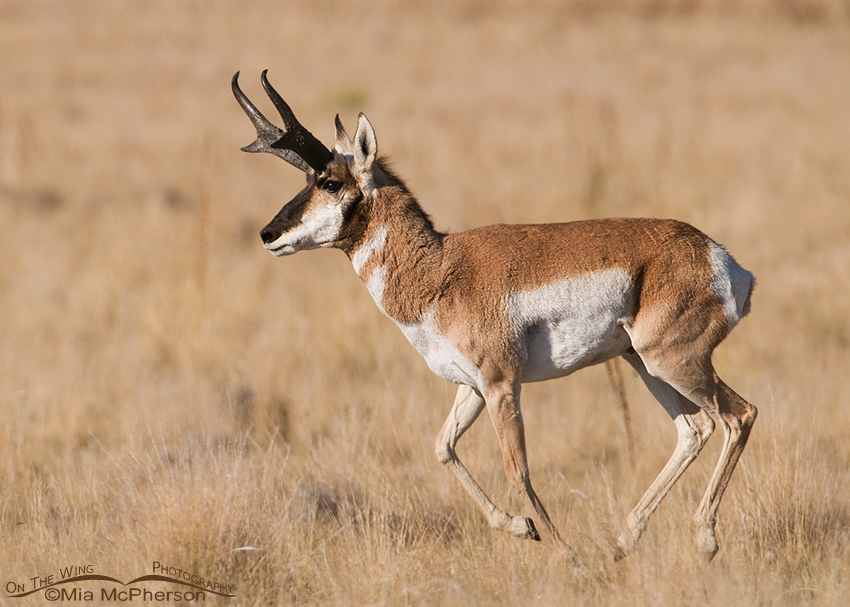
Early last week I thought that the Pronghorn bucks on Antelope Island State Park might be in rut, later in the week a buck's behavior confirmed that they are.
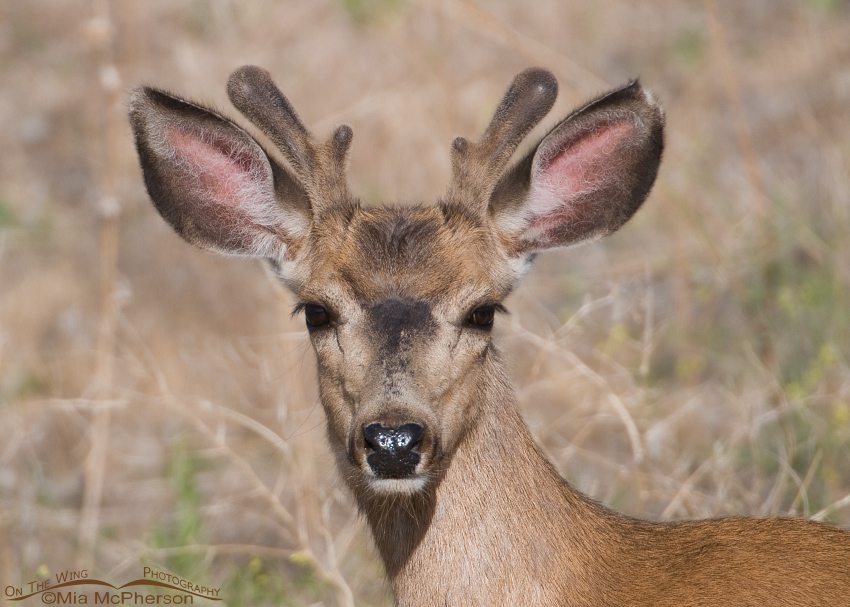
While out on Antelope Island State Park the other day I spotted a Mule Deer (Odocoileus hemionus) that was almost hidden by tall grasses and stopped to get some images.
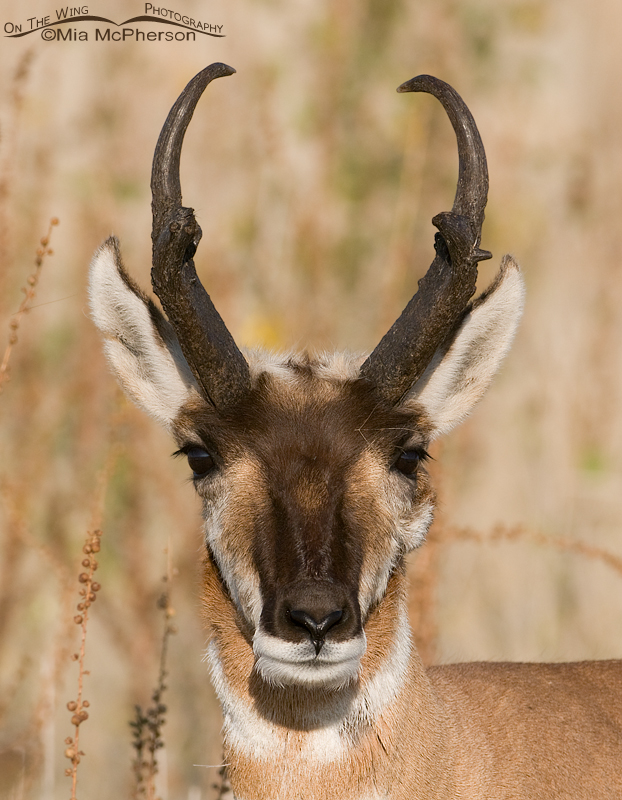
I used to dream about getting images like this one of Pronghorns when all I had was a simple Point & Shoot camera and I could never get close enough to the pronghorns to achieve my dreams. Now I can.