
Adult and juvenile White Ibis

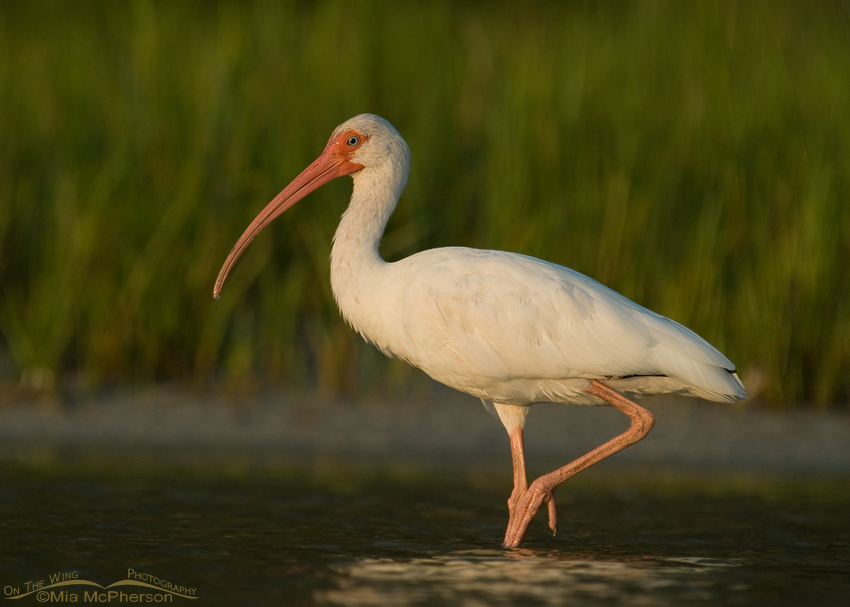
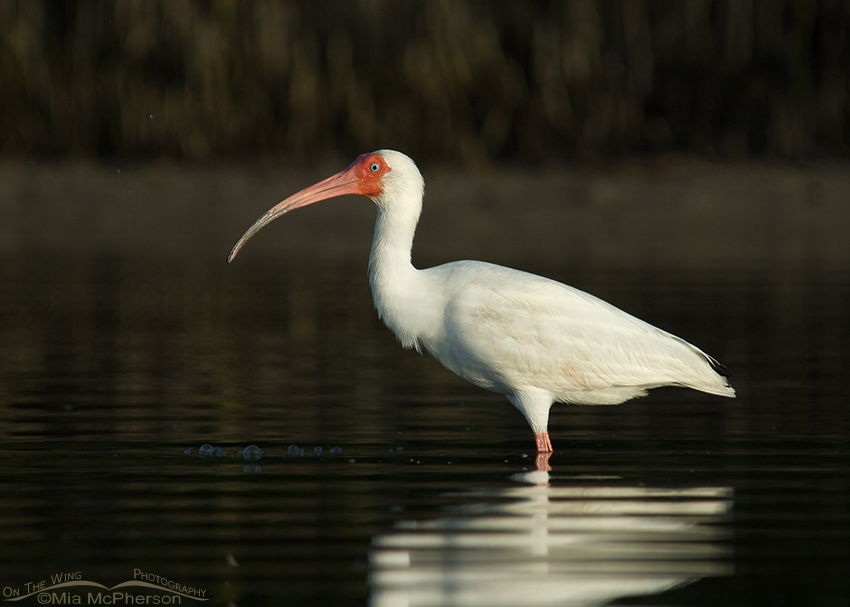
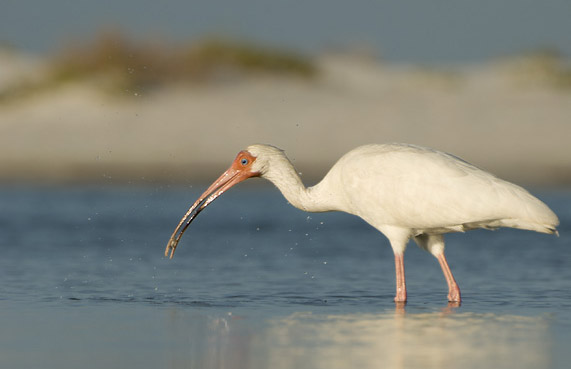
Adult White IbisAdult White Ibis – Nikon D200, handheld, f6.3, 1/500, ISO 250, Nikkor 80-400mm VR at 400mm, natural light

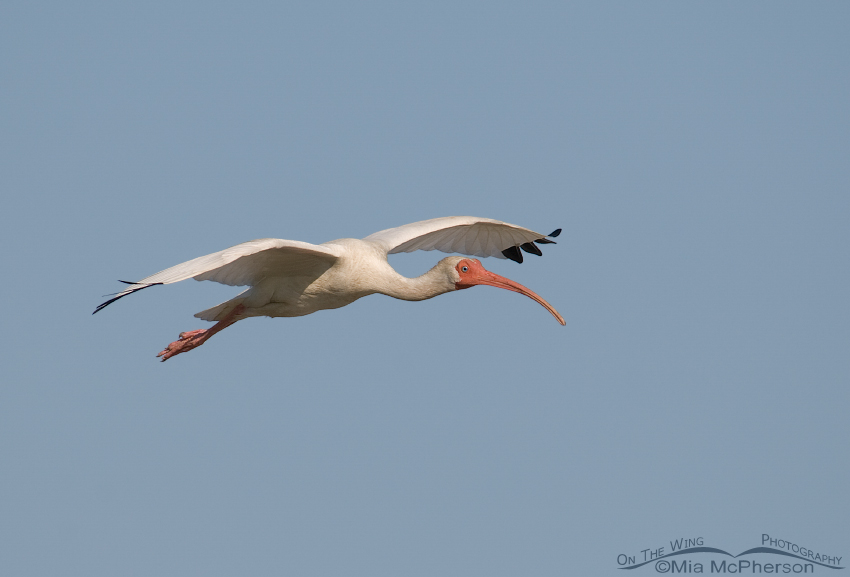
White Ibis can be strange looking birds to people who have never seen them before, they have soft, sky blue eyes, skinny legs, long necks and a bill that could be compared to Jimmy Durante’s nose. The adults have white feathers, hence the name White Ibis.

There are three other Ibis species found in North America, the White-faced, Glossy and Scarlet Ibis. In the wild I have seen all but the Scarlet Ibis.

I photographed this adult White Ibis at Fort De Soto County Park’s north beach in a tidal lagoon one evening in June of 2009, the sun was starting to set and the tide was going out rapidly.

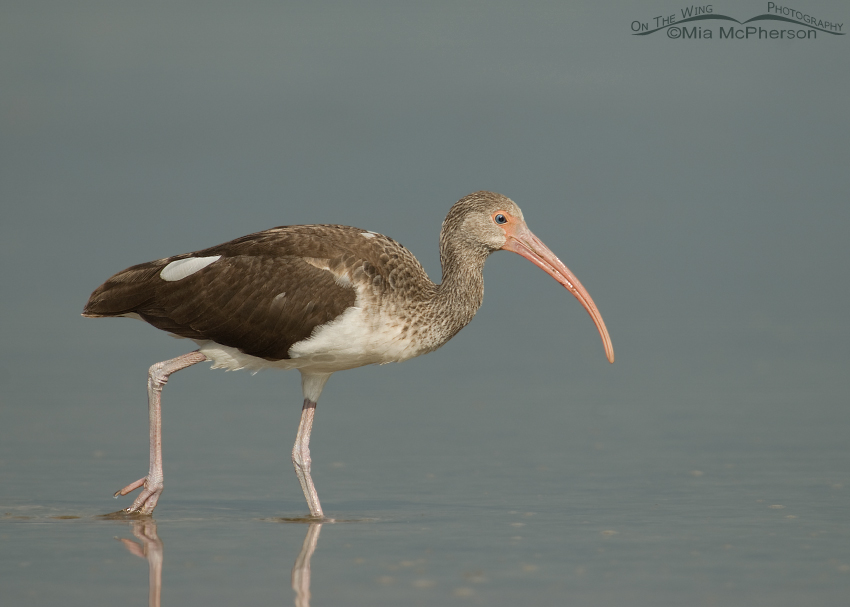
Juvenile White IbisJuvenile White Ibis - Nikon D200, handheld, f7.1, 1/500, ISO 200, Nikkor 80-400mm VR at 330mm, natural light

Juvenile White Ibis have the same shaped body, legs, neck and bill and their eyes are also a sky blue but their feather colors are different. Immature White Ibis have browns and tans in their plumage and as they age those feathers are replaced with white, they can look piebald until that change occurs.

This juvenile white Ibis was photographed in December of 2008 about 200 feet from where the adult above was photographed in the same lagoon but earlier in the afternoon so I didn’t have that soft golden light that shows in the image with the adult.

Have a great day,

Mia

Facebook Twitter

A few bird images from warmer and sunnier days

Scratching Snowy EgretScratching Snowy Egret – Nikon D200, handheld, f5.6, 1/250, ISO 400, Nikkor 80-400mm VR at 200mm

I love winter, I love seeing snow on the mountains and feeling the crispness in the air but I am getting tired of gray cloudy days and heavy fog so I thought I would post a few images from warmer and sunnier days that I took while I lived in Florida.

It wasn’t exactly sunny when I photographed the Snowy Egret scratching its neck above but it certainly was warmer.

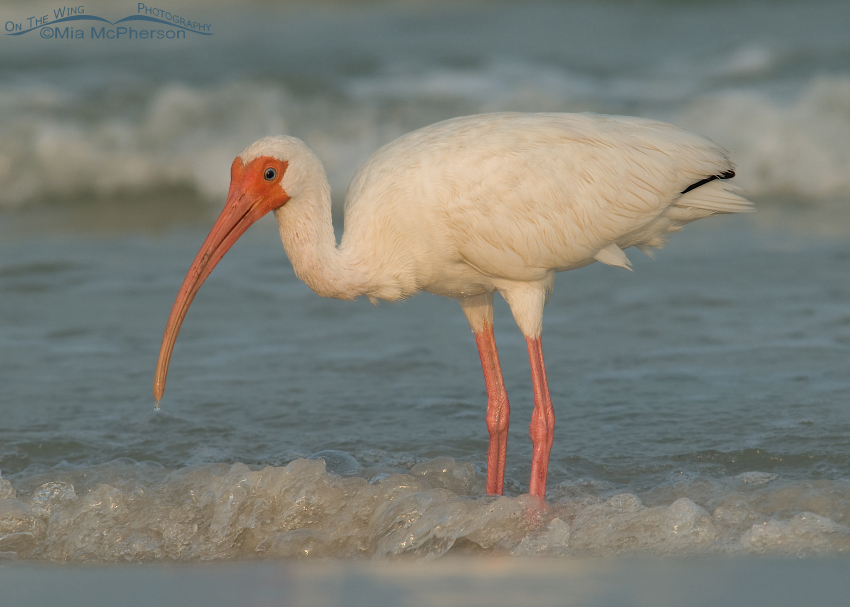
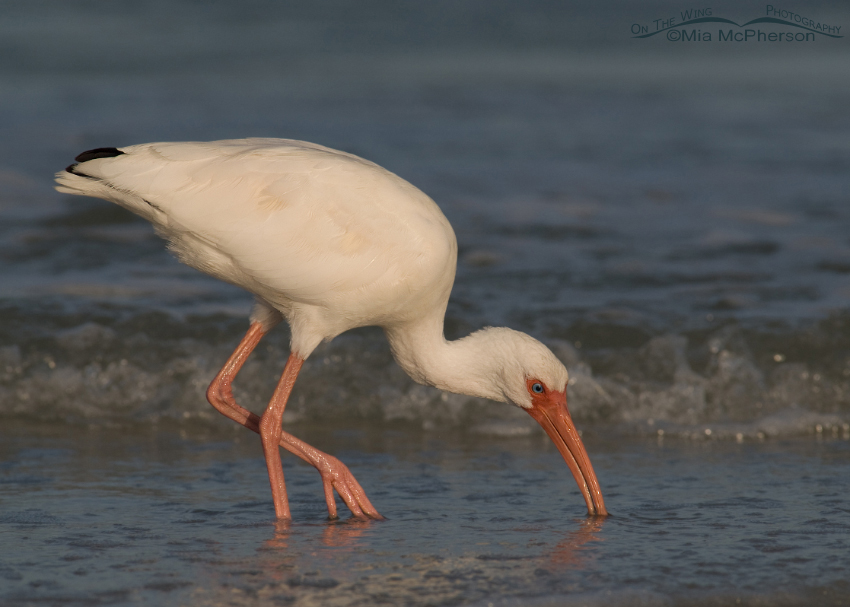
White Ibis feeding in the Gulf of MexicoWhite Ibis feeding in the Gulf of Mexico Nikon D200, handheld, f8, 1/800, ISO 250, Nikkor 80-400mm VR at 300mm, natural light

It was quite warm when I photographed this adult White Ibis as it hunted and fed in the waters of the Gulf of Mexico on a sunny August day in 2008. Temps were probably in the high 90′s with humidity levels of about the same.

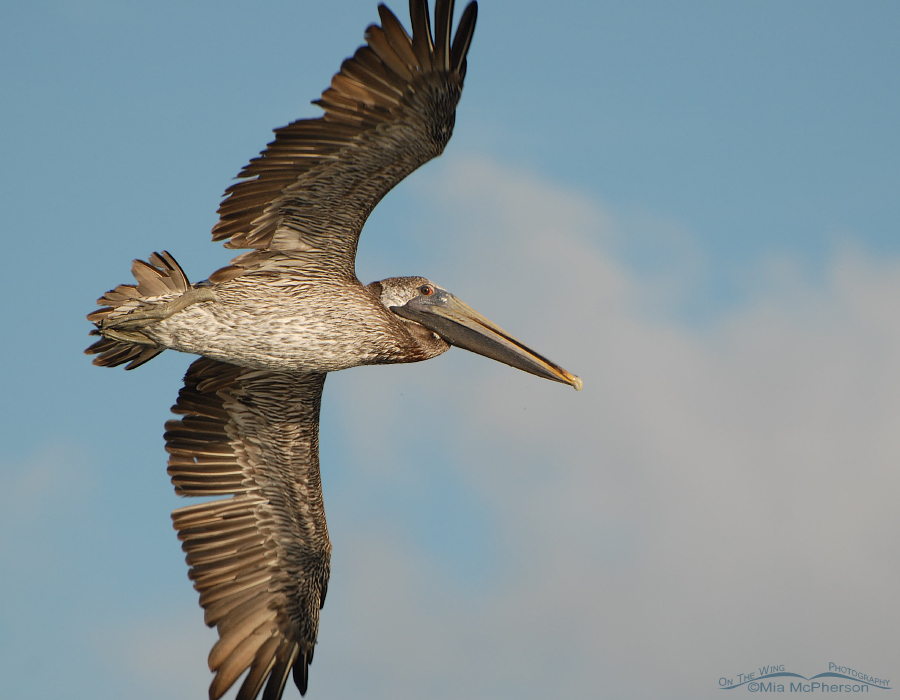
Brown Pelican in flightBrown Pelican in flight – Nikon D200, handheld, f6.3, 1/800, ISO 200, Nikkor 70-300mm VR at 300mm, natural light

I took the Brown Pelican in flight image not long after I had gotten my Nikon D200 and I was learning about the camera. Unfortunately I clipped just the top of the pelican’s wingtip at the top of the frame so when I cropped the image I removed just the wingtips at the lower edge of the frame to balance out the composition. I’m still not sure I like that but I do love the direct eye contact I got from the pelican and the fluffy clouds in the background.

Black Skimmer on a hazy dayBlack Skimmer on a hazy day Nikon D200, handheld, f7.1, 1/750, ISO 200, Nikkor 80-400mm VR at 400mm, natural light

It was a hazy day when I photographed this Black Skimmer adult in breeding plumage, the wind was blowing and the temps were fairly high. I remember the warmth and texture of the sugar sand I was laying on and being grateful for the wind to help cool me off while I took images of this Skimmer calling.

I’m not exactly wishing winter would go away because winter here in Utah will last a bit longer but when I edit images from warmer days I realize it won’t be long until spring has sprung.

Mia

Facebook Twitter

Adult and Immature White Ibis

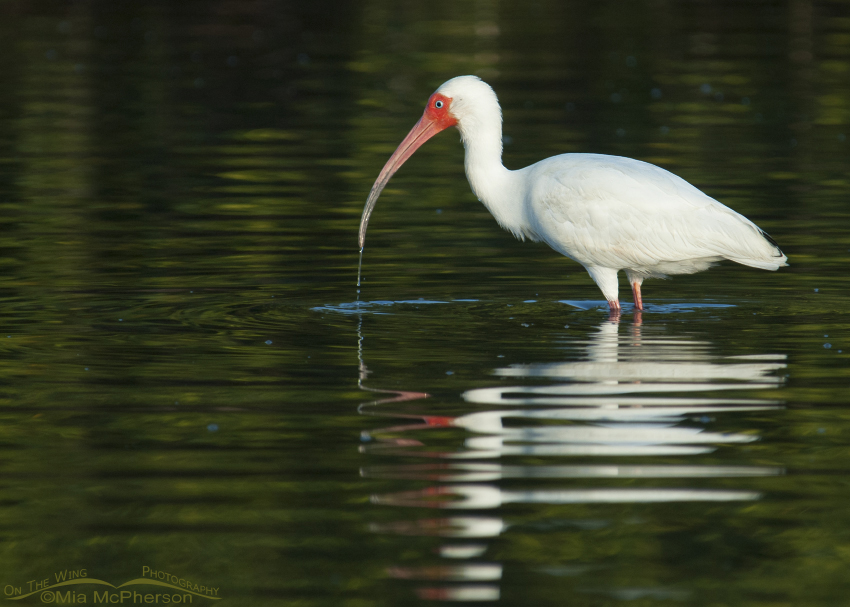
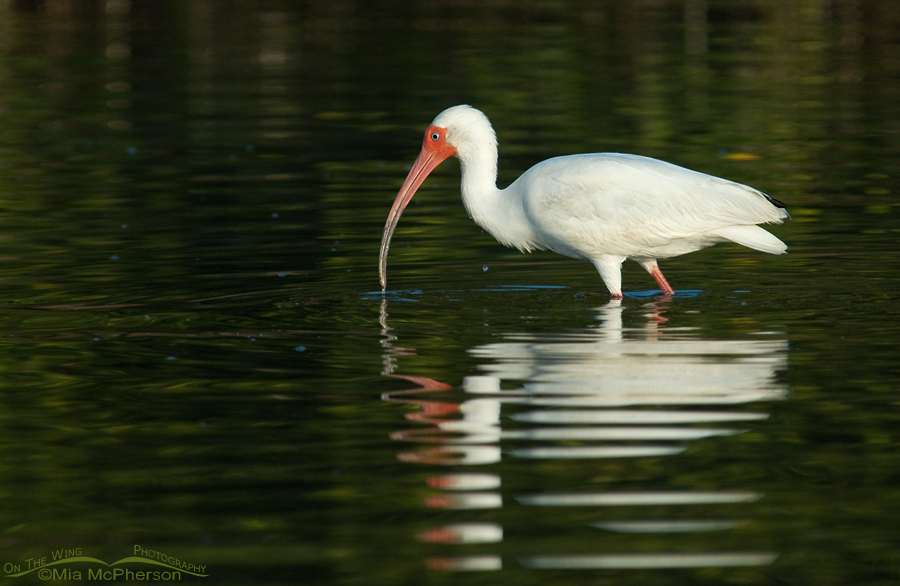
Adult White Ibis

Adult White Ibis – Nikon D200, handheld, f6.3, 1/400, ISO 250, Nikkor 80-400mm VR at 400mm, natural light

This is an adult White Ibis (Eudocimus albus) that I photographed at Fort De Soto’s north beach that was feeding in a tidal lagoon by the mangroves, I was sitting waist deep in the water when I photographed the bird to get a low angle to capture the elongated reflections that being so low can create. This Ibis was going into breeding plumage, the bill, face and legs would be slightly redder than shown here if it had been closer to breeding time.

Juvenile White Ibis

Juvenile White Ibis – Nikon D200, f6.3, 1/1000, ISO 200, Nikkor 80-400mm VR at 330mm, natural light

This is an immature White Ibis and although the body, legs, face and bill are similar to the adults the plumage is differently colored. Juvenile White Ibis are generally brown and creamy white from July through December and during the month of December white feathers begin to appear on their backs, this young bird was photographed on December 18, 2008 and shows those white feathers. From December until August of the second year juvenile White Ibis will exhibit more and more white feathers until they have the same plumage as adult.

Mia

More White Ibis images

Facebook Twitter

Ole Blue Eyes – White Ibis

I think it is great to see a bird with sea blue eyes feeding along a shoreline with water nearly of nearly the hue.

White Ibis

White Ibis – Nikon D200, handheld, f8, 1/640, ISO 200, Nikkor 80-400mm VR at 400mm, natural light

I photographed this Ibis as it searched for prey along the Gulf of Mexico in Florida a few years ago. I taken photos of hundreds of White Ibis (Eudocimus albus) in Florida and have thousands of images of them and this is the only one I have where the Ibis looks like it could be an aggressive bird.

*I am away for a few days, please feel free to share this post with your friends and family. I’ll catch up on everyone’s great blogs when I get back!

Mia
OnTheWingPhotography

More White Ibis images

Facebook Twitter

Rainy Days – Time to Review and Redo

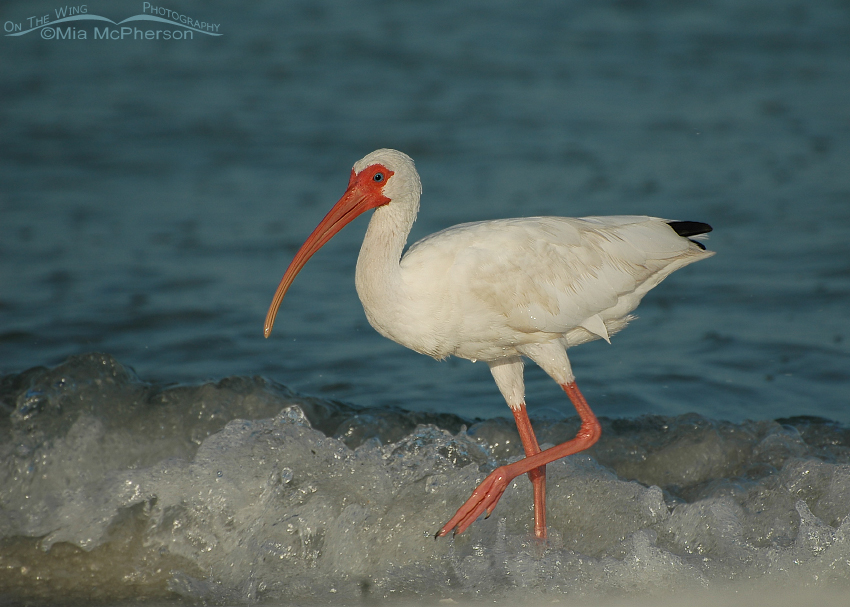
White Ibis (Eudocimus albus) in the surf

Pinellas County, Florida
Nikon D70, handheld, f5.6, 1/500, ISO 200, Nikkor 70-300mm VR at 300mm, natural light

Yesterday the monsoons came up from the south which meant lots of rain on moisture laden winds. It brought bad light along with it. It was not optimal for bird photography I had hoped to do so I decided to open up some folder of images I had taken in 2007 and review them again. My life gets pretty busy so I don’t often get the opportunity to go that far back.

Rainy days are a perfect time to go back, review and possibly redo. My skills as a photographer have grown since then and the techniques I use in post processing have become more refined. After not seeing the images for so long I can look at them with fresh eyes too.

I’m not sure why I had never processed the White Ibis image above until yesterday. I love the splashing surf, how the blue eye of the White Ibis matches the warm water of the Gulf of Mexico that is behind it.  I also like the raised foot and how the light seemed to light up the plumage of the bird.

Great Blue Heron (Ardea herodias) about to strike

Great Blue Heron (Ardea herodias) about to strike
Pinellas County, Florida
Nikon D70, f5.6, 1/1250, ISO 200, Nikkor 70-300mm VR at 240mm, natural light

I found several images I couldn’t resist processing and the Great Blue Heron above was another one that seemed to catch my eye. The heron was so intent on hunting small baitfish that were being washed up into the shallows by the waves that it barely paid attention to me while I sat on the sloping shore photographing it. I’m glad I’m not a small fish, that bill looks razor sharp.

These images were taken with an “ancient” Nikon D70 and the Nikkor 70-300mm VR lens which doesn’t have a whole lot of reach for bird photography but in some places it is enough. Many of birds on or near the beaches in Florida are used to people walking by, running along the beach or gathering shells so they aren’t as likely to take flight as soon as birds will that aren’t used to being around people.

Snow Egret (Egretta thula) with open bill

Snowy Egret (Egretta thula) with open bill
Pinellas County, Florida
Nikon D70, f5.6, 1/500, ISO 200, Nikkor 70-300mm VR at 300mm, natural light

I really like the open bill of this Snowy Egret, the way the light struck the white feathers of the bird and the beautiful blue water. Again; I’m not sure why it took me so long to process this image.

Rainy days aren’t so bad.

Mia


Facebook Twitter