Great Horned Owl Chick In Coastal Florida
This image of a Great Horned Owl chick resting near its nest on the coast Florida in lovely afternoon light brings back wonderful memories for me. It was 2008.


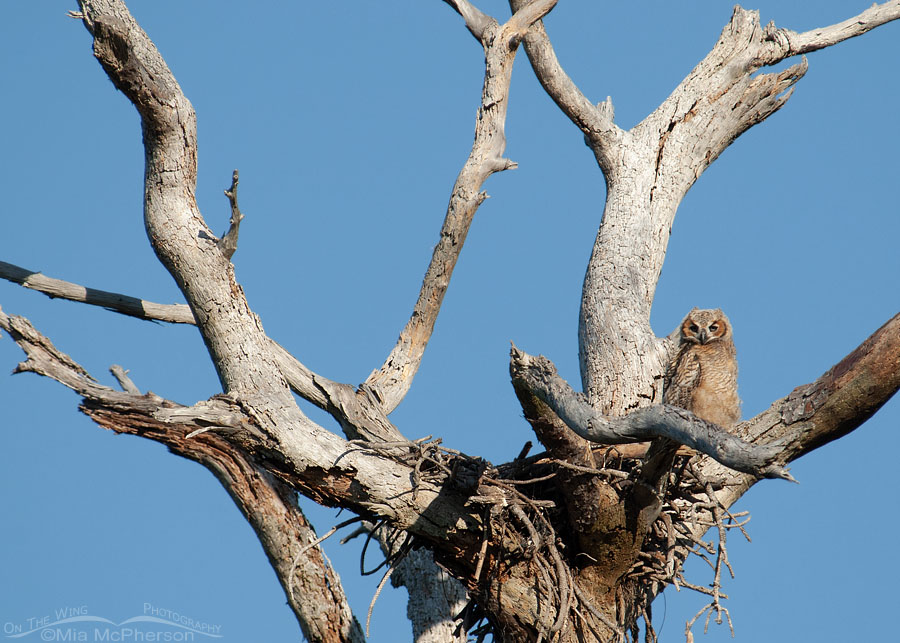
This image of a Great Horned Owl chick resting near its nest on the coast Florida in lovely afternoon light brings back wonderful memories for me. It was 2008.
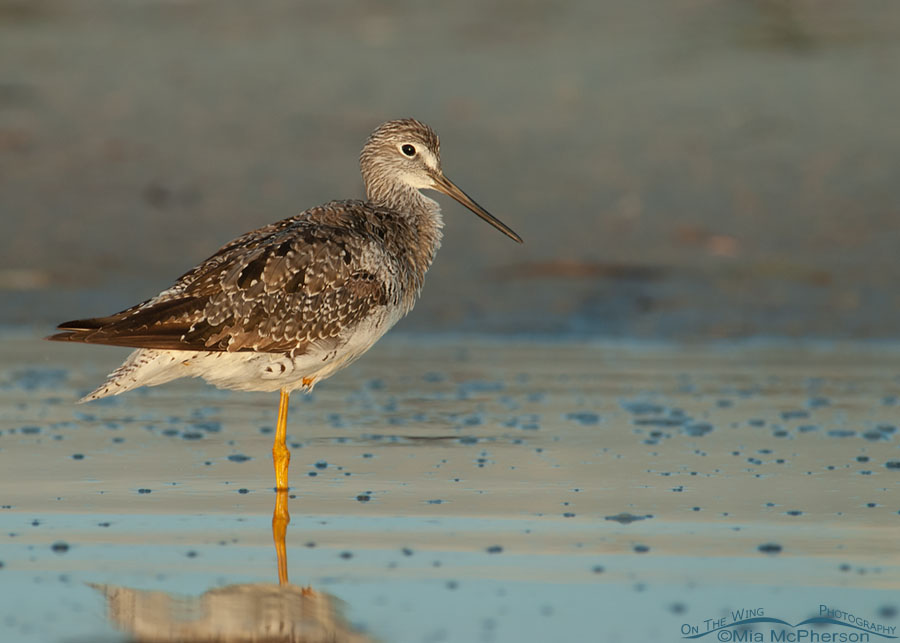
When I lived in Florida it wasn't unusual for me to share sunrise alone with birds at the north beach of Fort De Soto. Thirteen years ago I did just that with a Greater Yellowlegs.
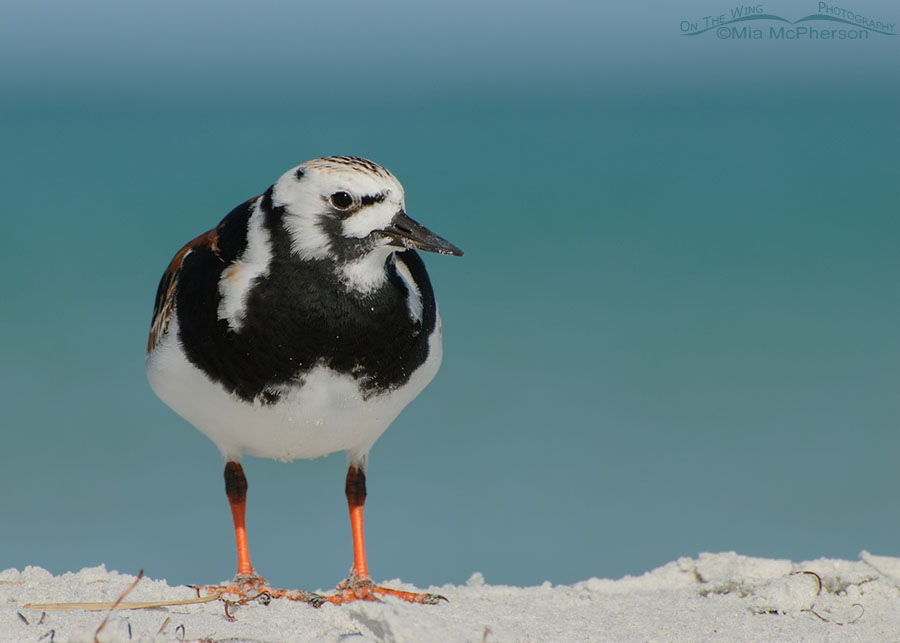
Twelve years ago today I was on the beach at Fort De Soto County Park focused on photographing a male Ruddy Turnstone resting on the warm sand with the Gulf behind him.
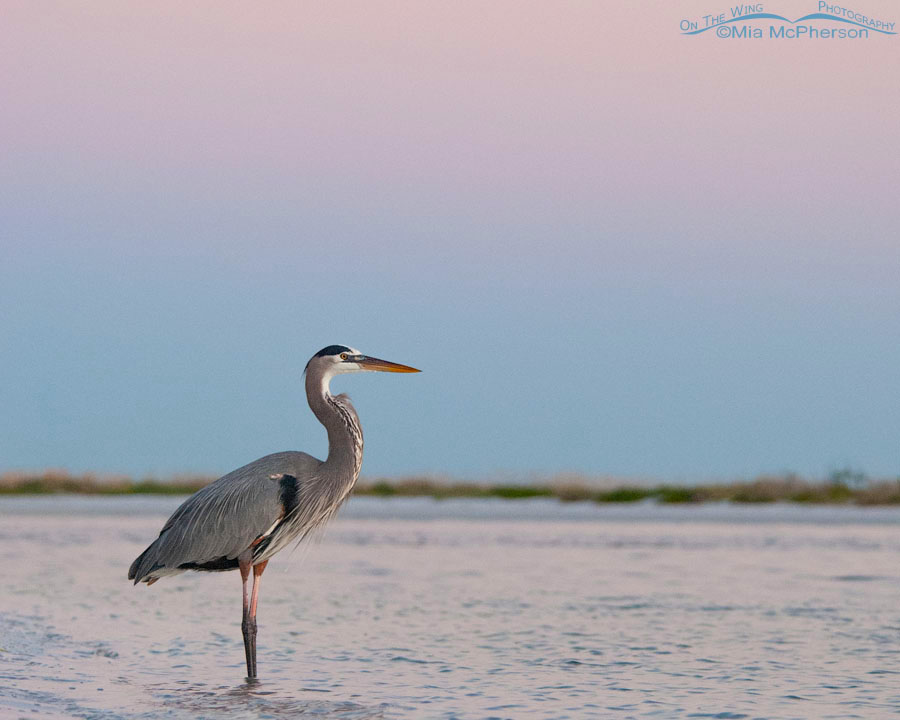
Because I arrived at twilight that morning and had a clear sky I knew that I could take photos of the Great Blue Heron with the blue colored Earth's Shadow and pink Belt of Venus behind it.
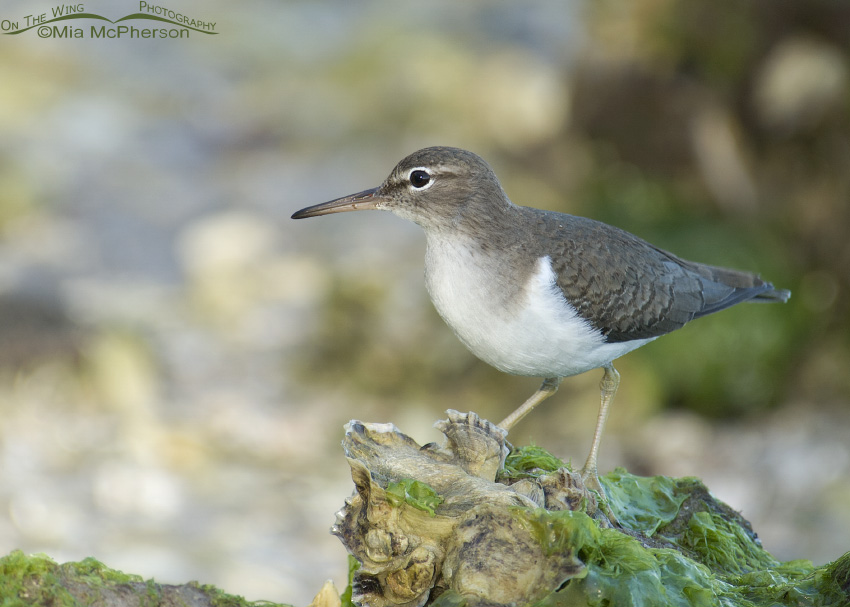
This morning I'm thinking back on warmer days where I took photos of Spotted Sandpipers on the Gulf Coast as they scurried among those oyster beds looking for food and somehow I feel just a little bit warmer looking at this photo and the howling wind doesn't seem quite so loud.
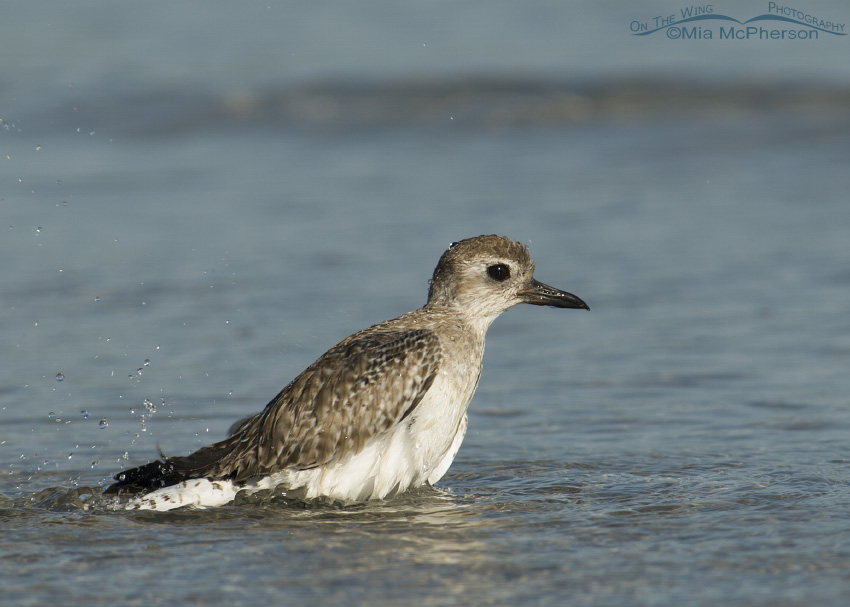
After taking the quick bath in the tidal lagoon the Black-bellied Plover flew off towards the shoreline of the lagoon to shake and fluff its feathers until they were dry.
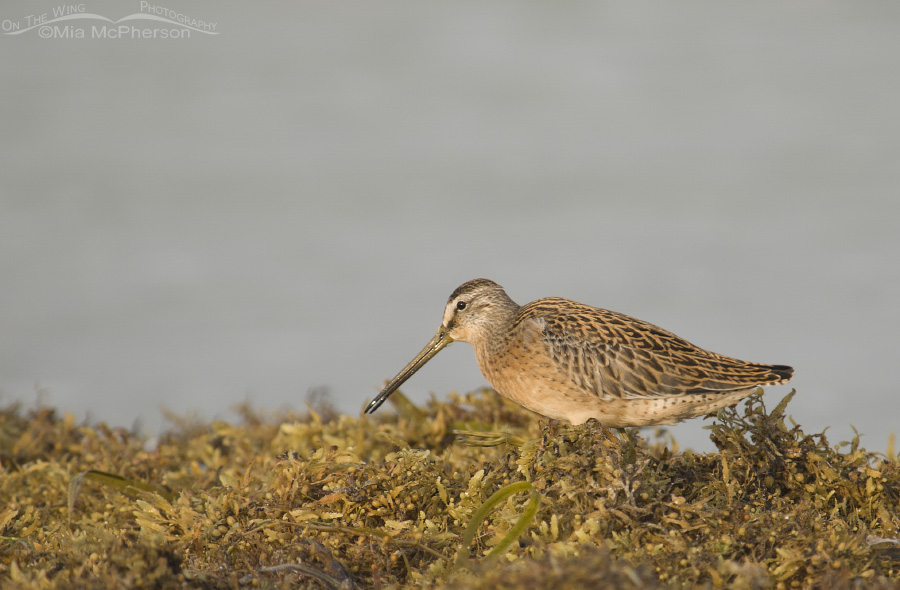
This Short-billed Dowitcher slowly made its way through the Sargassum on the wrack line as I laid in the damp sand photographing it and the other shorebirds that were searching the seaweed for food.

When I lived in Florida I was able to see and photograph juvenile Royal Terns on the Gulf Coast were they could be seen along the shoreline and they were usually begging the adults for food.
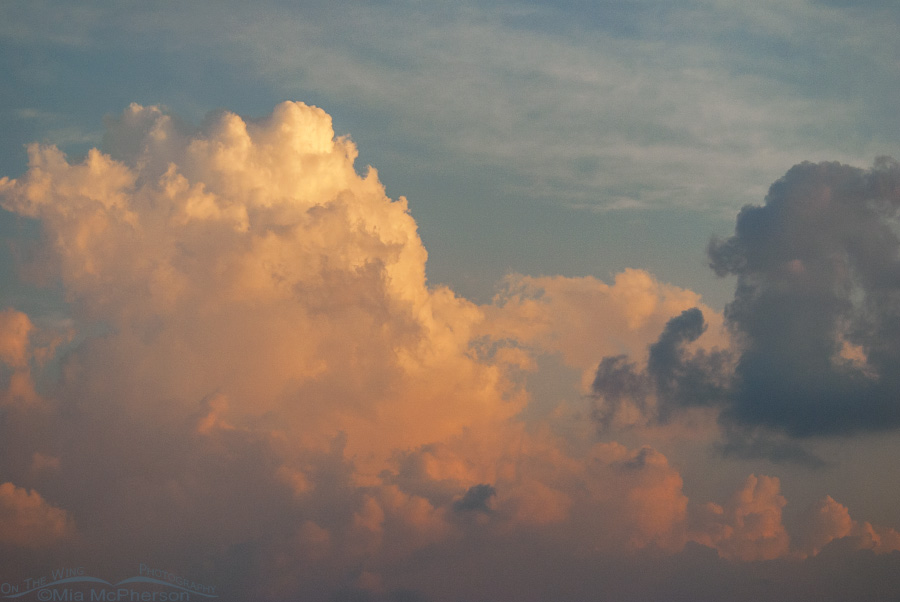
One August morning in 2008 when I was at Fort De Soto to photograph birds I couldn't resist taking a few images of storm clouds hanging over the Gulf of Mexico.
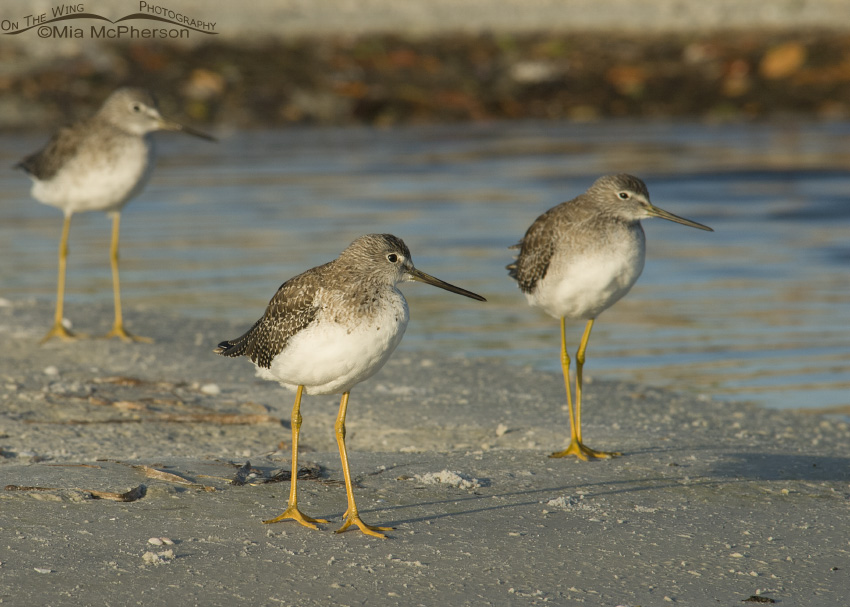
When I photographed this trio of Great Yellowlegs in Florida I didn't have to worry about how far away they were, in fact at times they moved too close to me
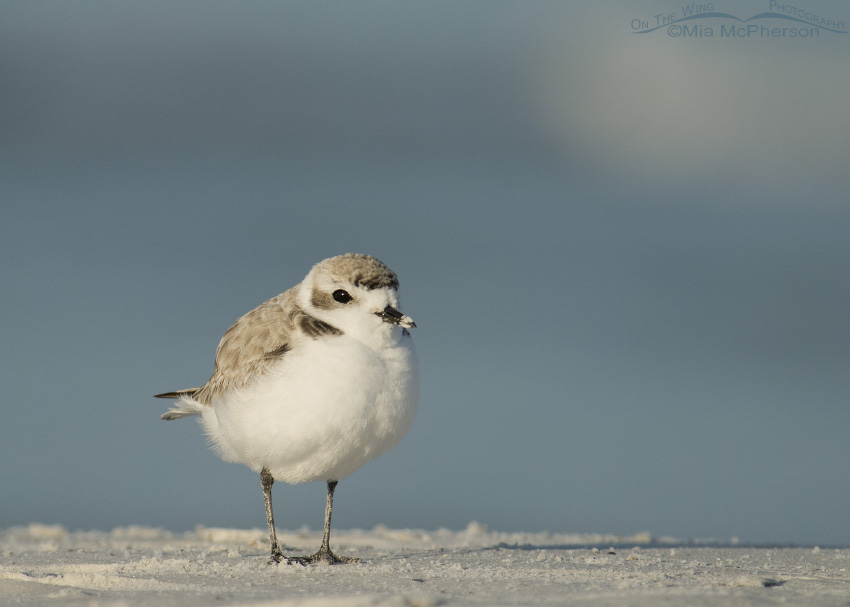
This Gulf Coast Snowy Plover was photographed at Fort De Soto County Park in Florida and the park was the first place I had ever photographed this species.
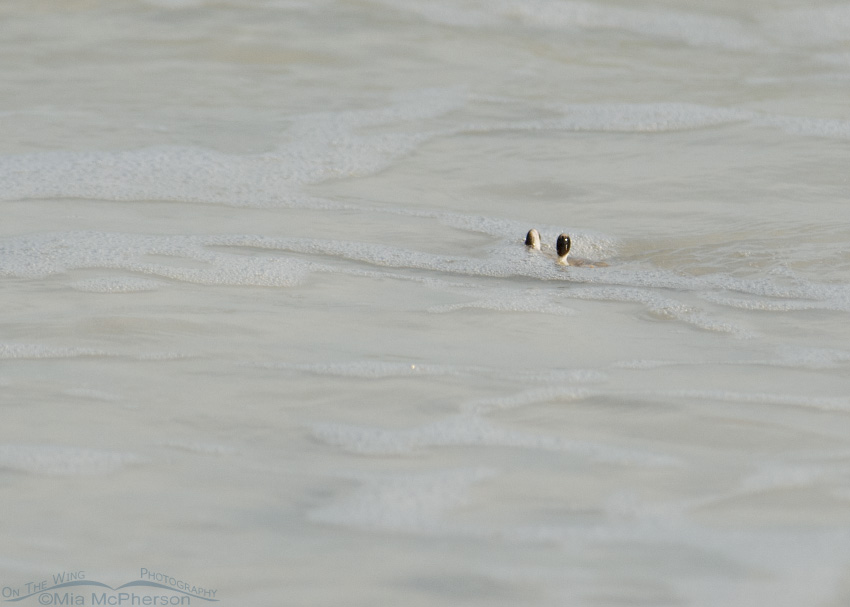
I am not sure why this particular Ghost Crab was out of its burrow during the day but I was happy that I had the opportunity to photograph it.
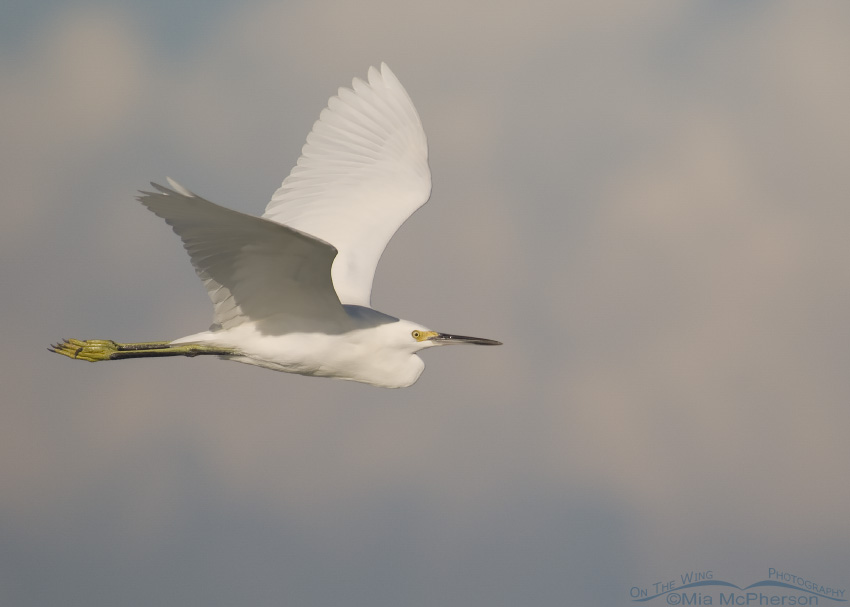
I'm hoping to add images of Snowy Egrets to my portfolio this summer that might be taken at Farmington Bay WMA or up north at Bear River National Wildlife Refuge.
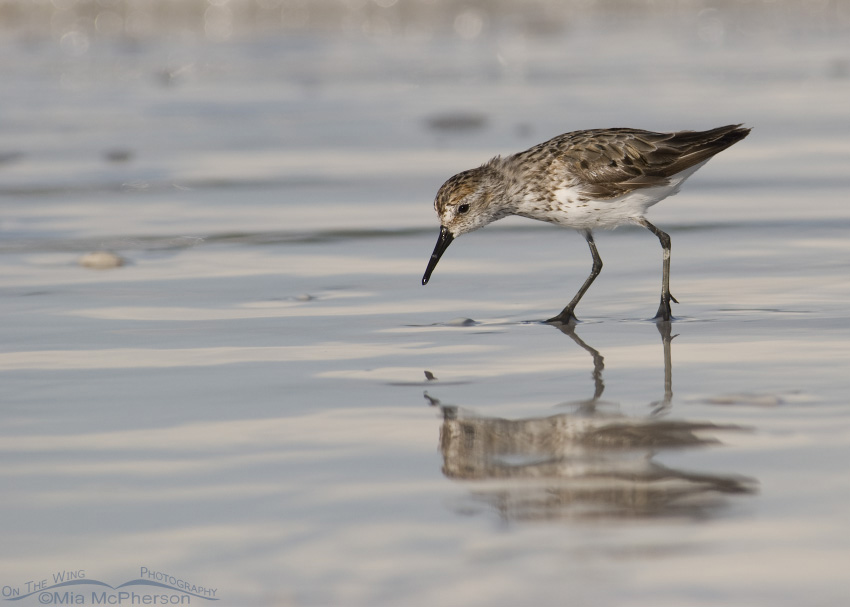
This is just a simple post of a foraging Western Sandpiper that I found while working on moving my images from their old galleries to the new ones yesterday.
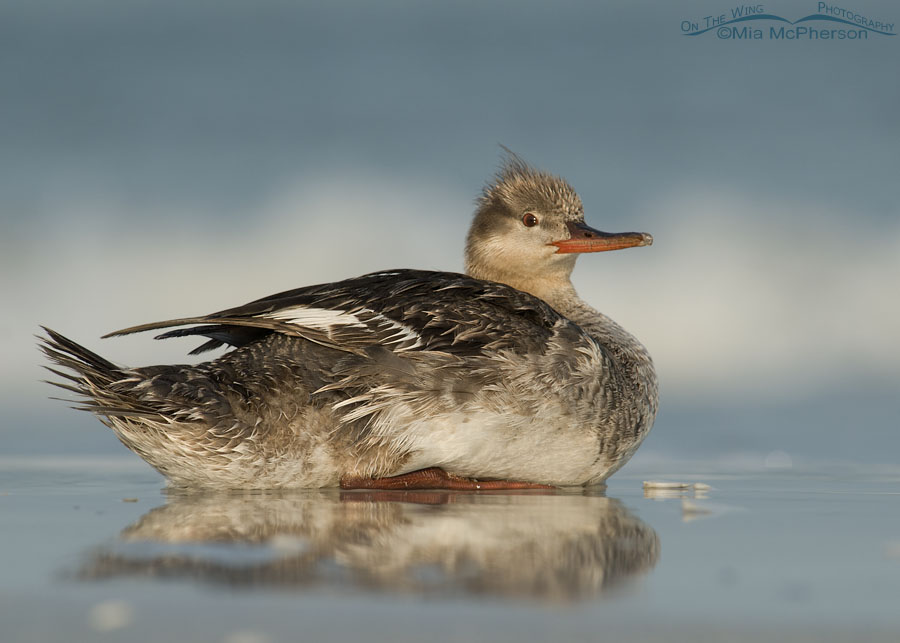
I've mentioned in another post that "Some Days are Magic" and I felt that magic the morning I created this image of a Red-breasted Merganser.
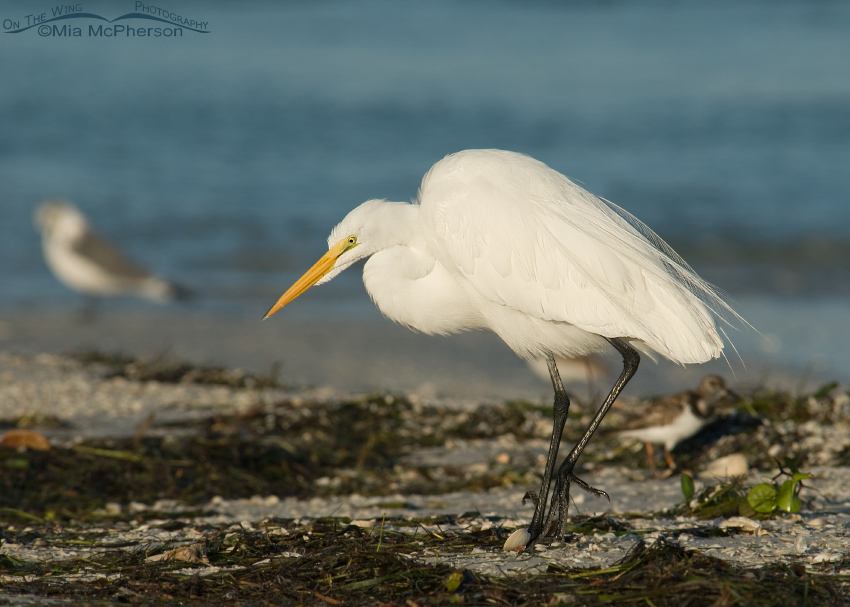
Five years ago today I photographed this Great Egret foraging in a wrack line along the Gulf of Mexico in Florida at Fort De Soto.
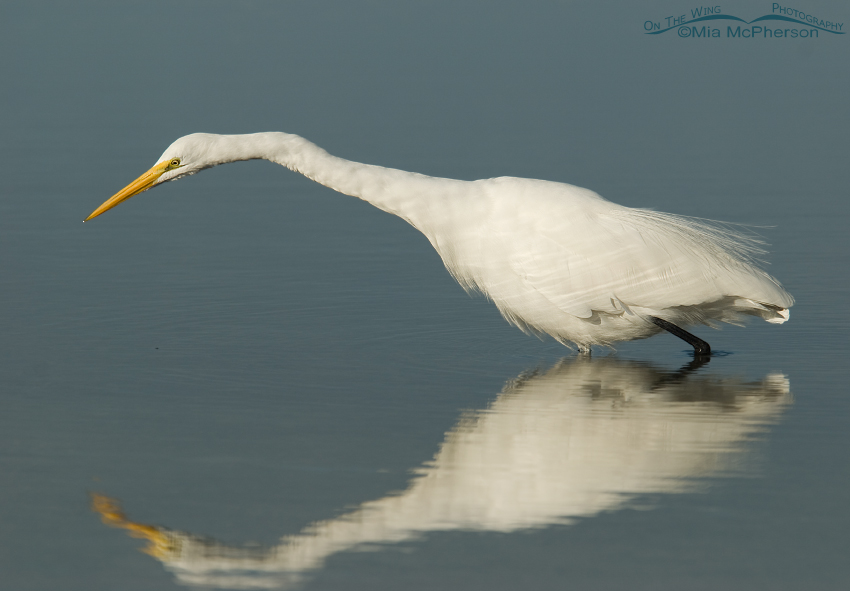
Just a simple Great Egret hunting in a quiet tidal lagoon today that takes me back to warmer memories spent with good friends on Florida's Gulf Coast.
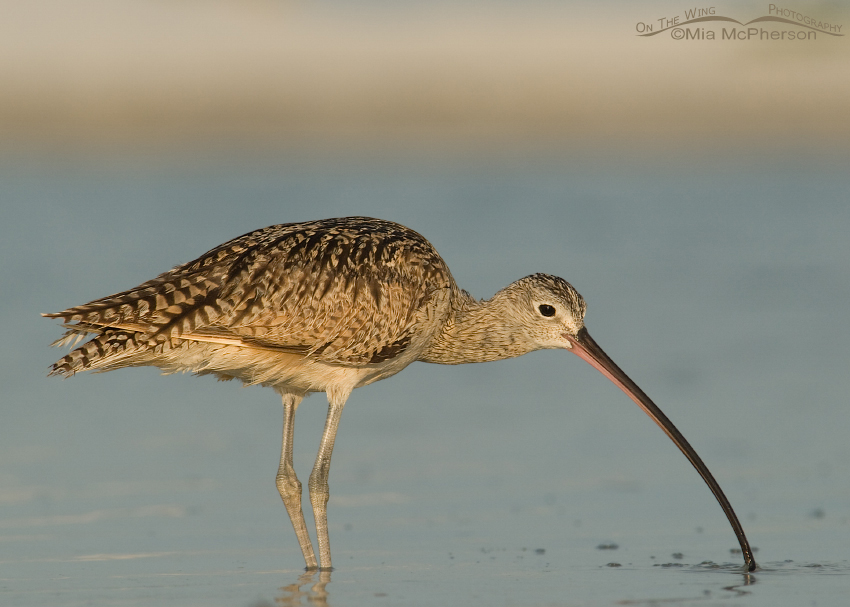
It has been another very long week so I thought I'd post a female Long-billed Curlew because of her very long bill but unlike the way my week went this curlew is graceful, elegant and serene.
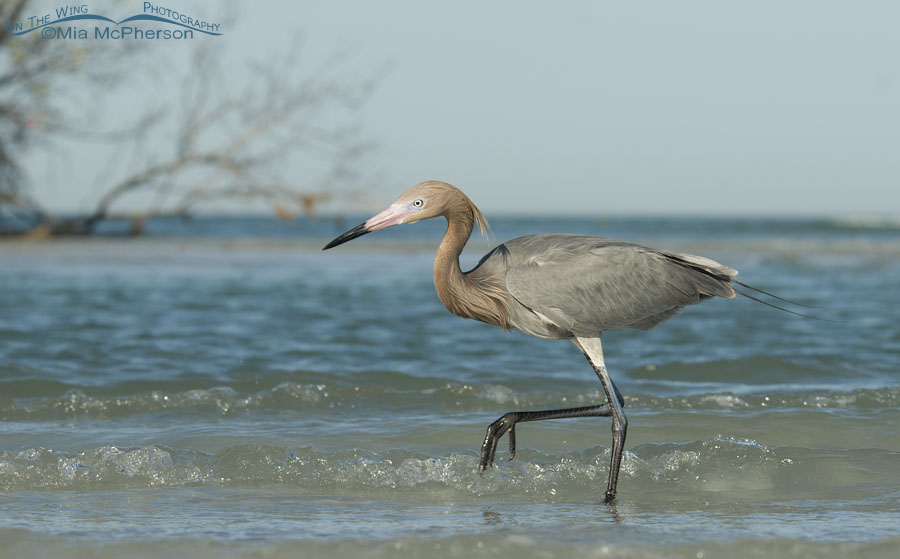
Recently I posted images of a Tricolored Heron and a Black-bellied Plover where I wrote that I enjoyed images that include habitat, the same could be said about this photo of a Reddish Egret hunting on the shoreline of the Gulf Coast.
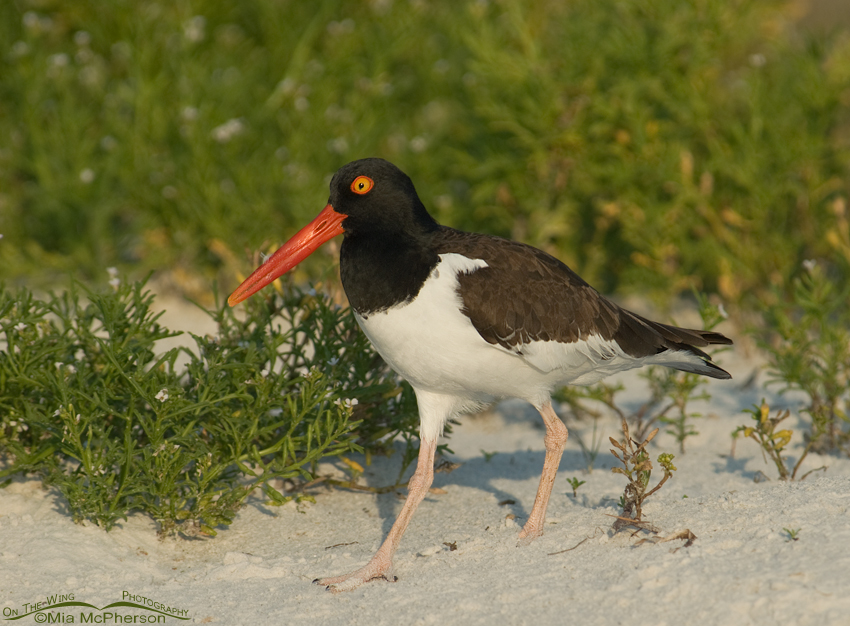
I like to include habitat in my images when I am able to do so, especially when the habitat doesn't obstruct the view of my subject or when the habitat helps to define a sense of place.
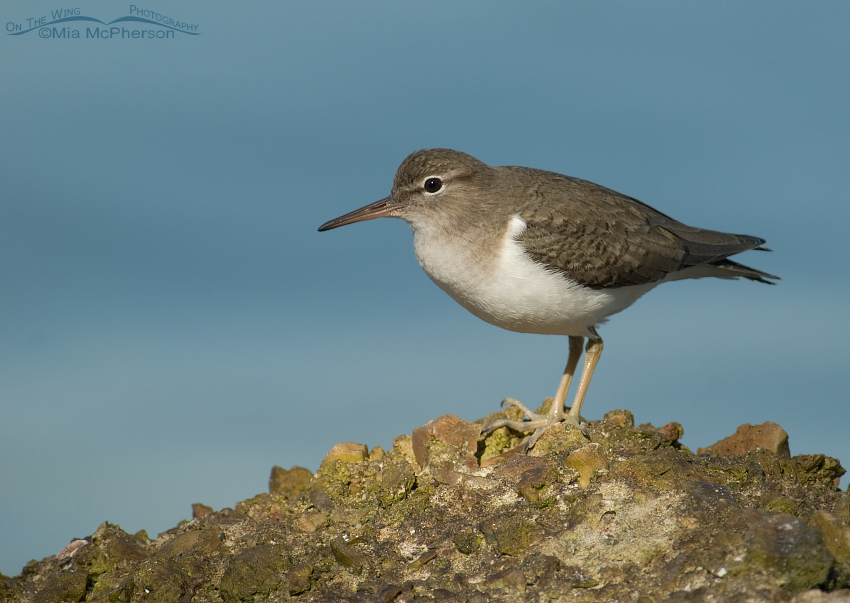
It really isn't too hard to spot this Spotted Sandpiper on the seawall, I just thought it was a catchy title. I saw my FOY (first of year) Spotted Sandpiper this past week and that got me excited.
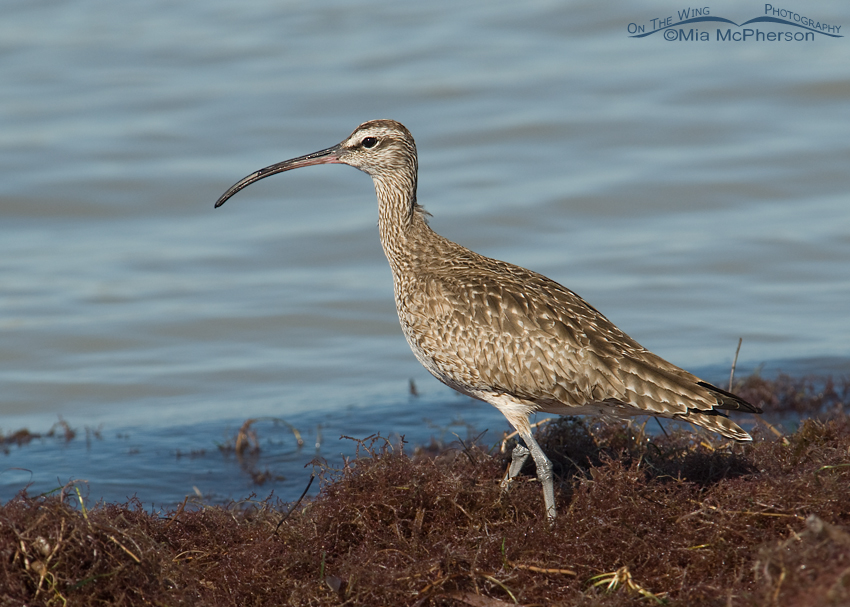
Among the shorebirds I enjoyed seeing and photographing while I lived in Florida were Whimbrels, I could see flocks of 25 or more during the winter along the coast.
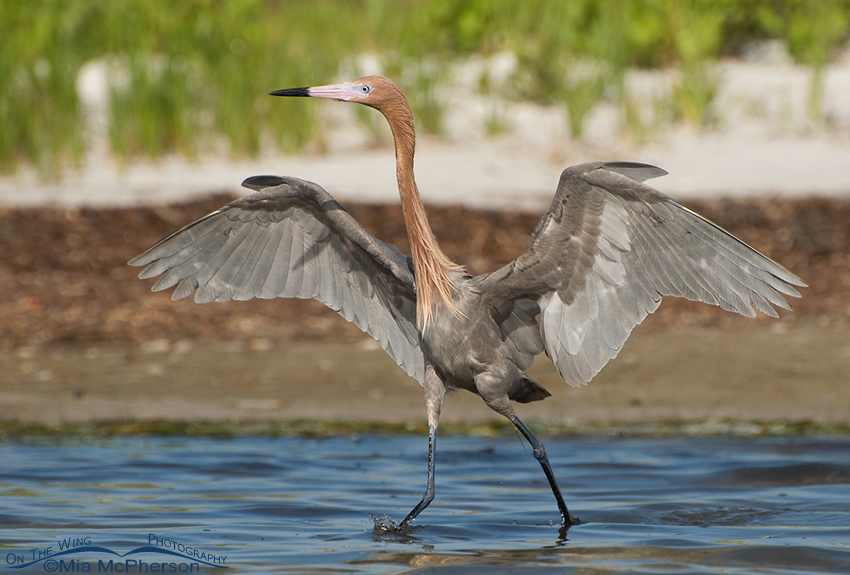
These two Reddish Egrets; a dark and a white morph, were photographed on the same day at Fort De Soto's north beach in May of 2009 and both of them were showing signs of being in breeding plumage.
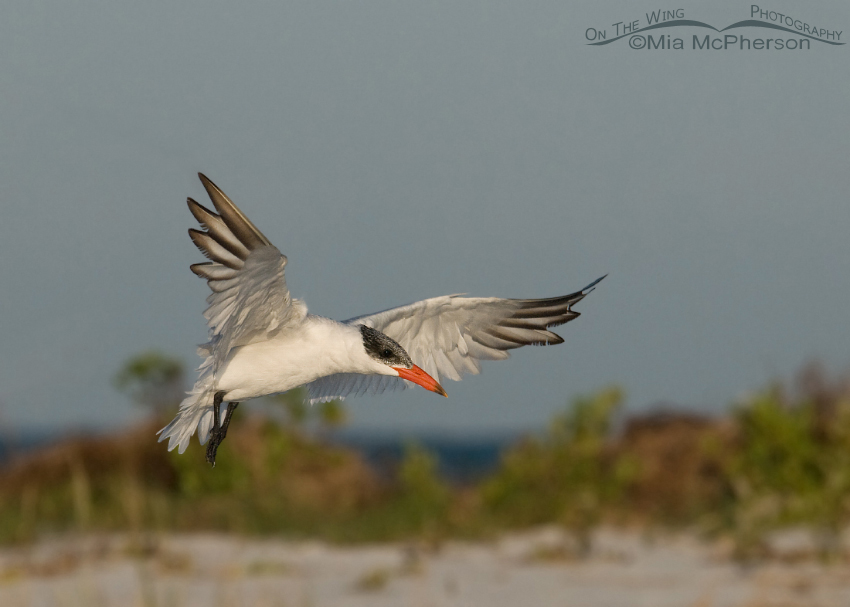
Caspian Terns (Hydroprogne caspia) are North America's largest tern with a wingspan of 50 inches and weighing in at 1.4 pounds.
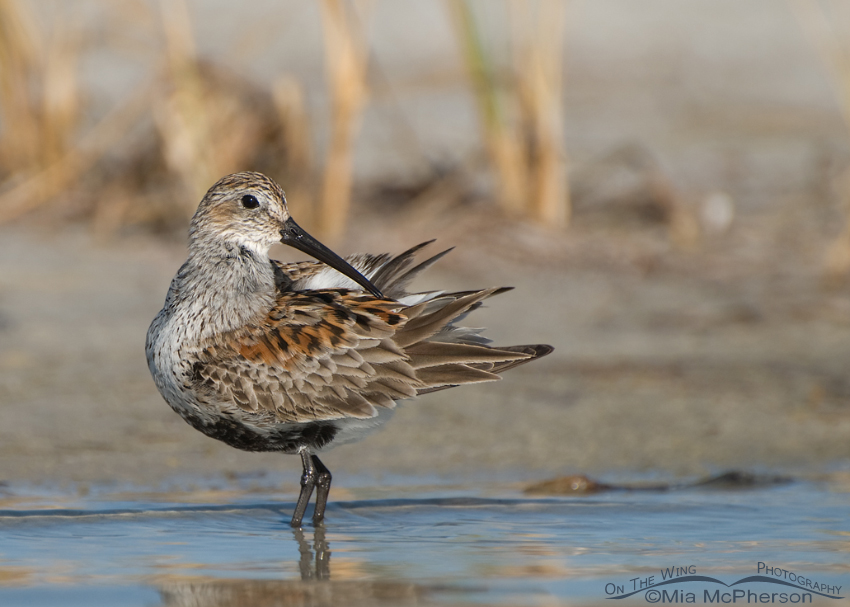
Dunlins exhibit a vast difference between nonbreeding and breeding plumage, so different that a novice birder might mistakenly believe that they were two different species.
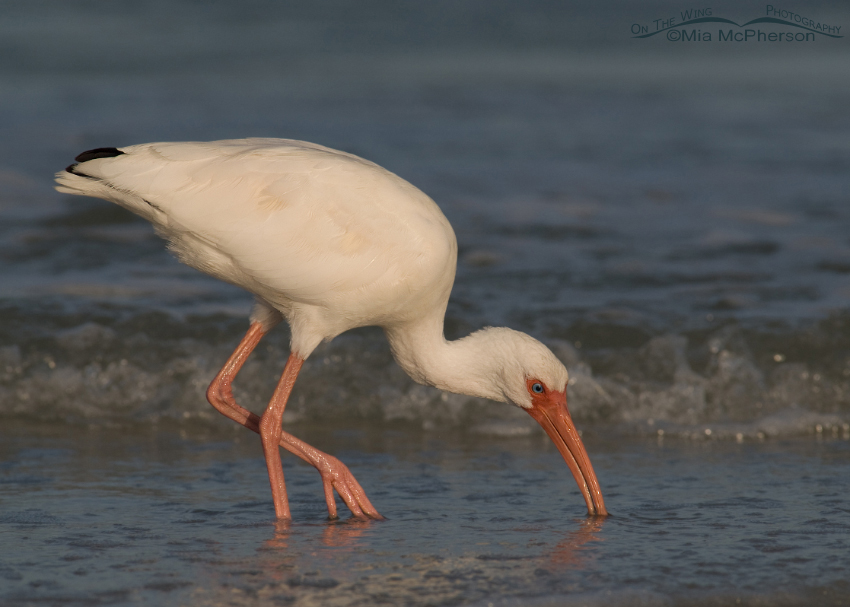
I think it is great to see a bird with sea blue eyes feeding along a shoreline with water nearly of nearly the hue.
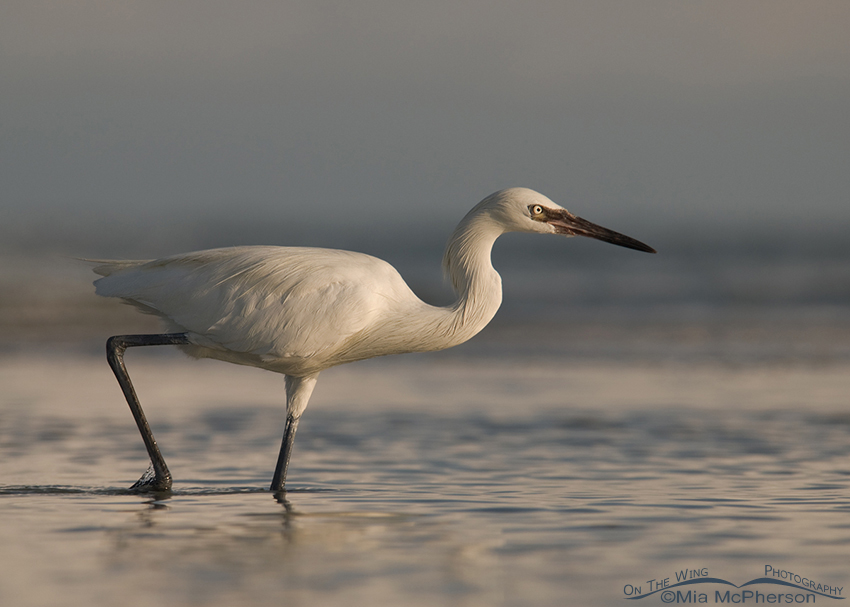
In my two previous posts of a Snowy Egret and a Great Egret I mentioned how the early morning light and a nearby storm gave those images a feeling of drama. These white morph Reddish Egret images were taken that same morning not long after I created the Great Egret photos.
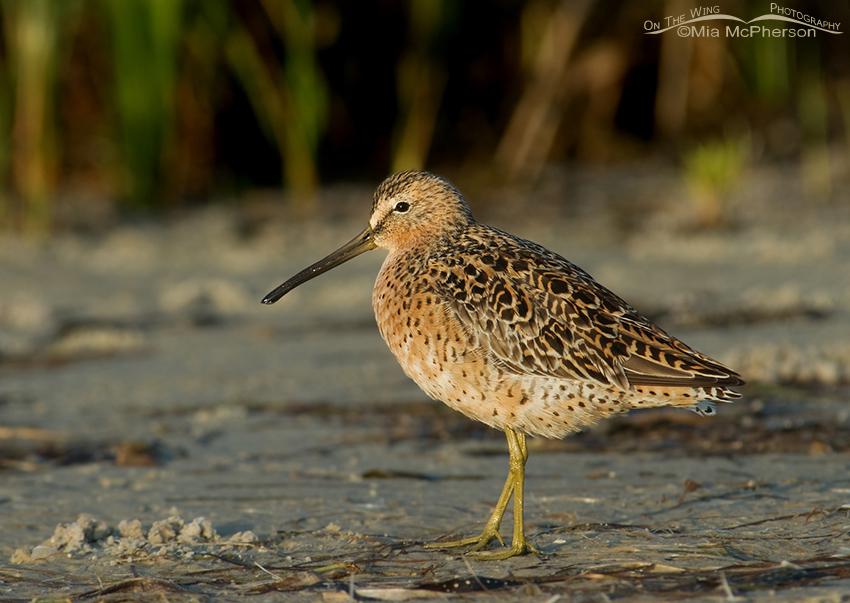
Short-billed Dowitchers feed on insects, crustaceans and aquatic mollusks. Quite often when I lived in Florida I would see them feeding on Coquinas which are small bivalves or tiny Fiddler Crabs.
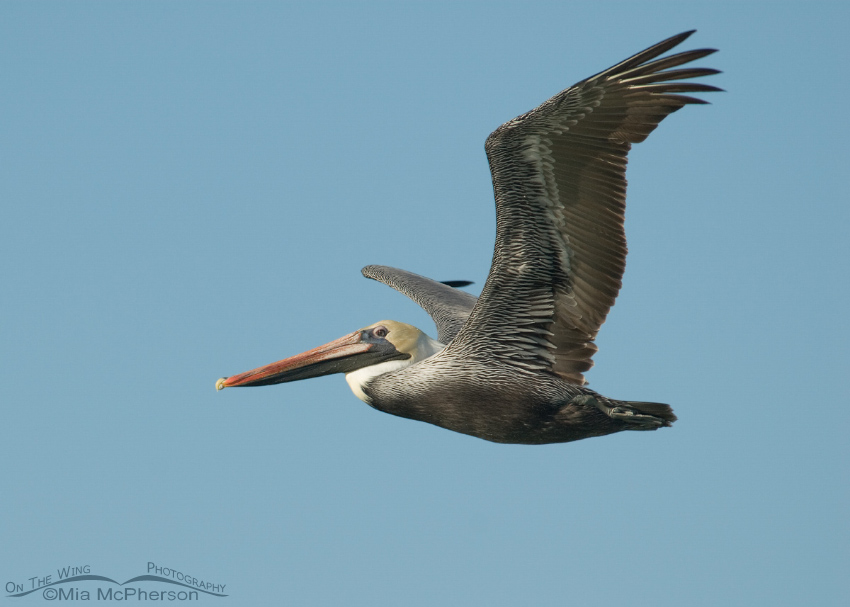
Brown Pelicans (Pelecanus occidentalis) were common year round along the Gulf coast when I lived in Florida. I would see them floating in the water, resting on sandbars and beaches, diving for prey and in flight.
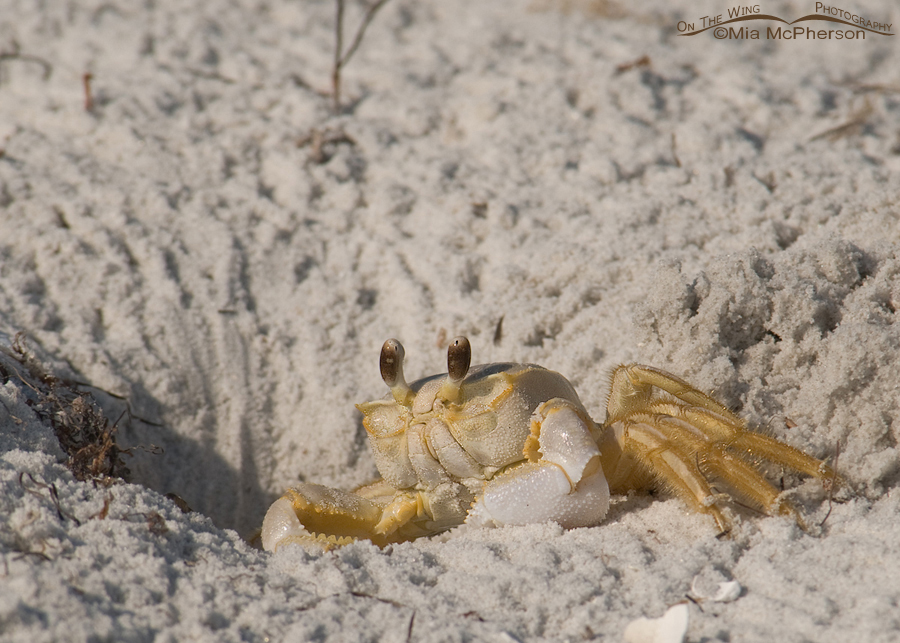
This Ghost Crab image was taken on the Gulf coast of Florida while I still lived there.