Great Blue Heron Photos In Winter
If you want to take Great Blue Heron photos in winter, on snow and ice, then head to Bear River MBR in Utah after the marsh freezes and the snow starts to fall.


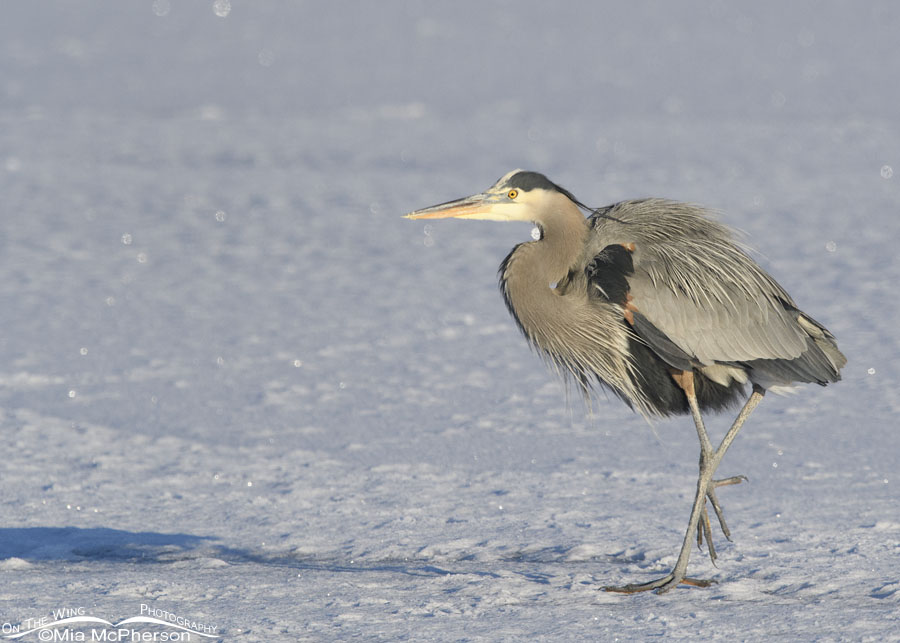
If you want to take Great Blue Heron photos in winter, on snow and ice, then head to Bear River MBR in Utah after the marsh freezes and the snow starts to fall.
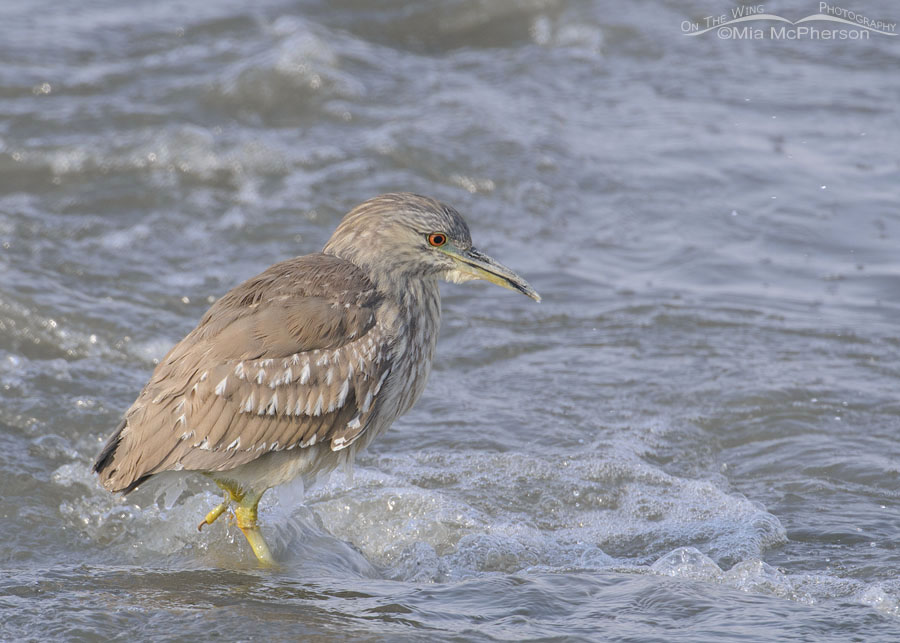
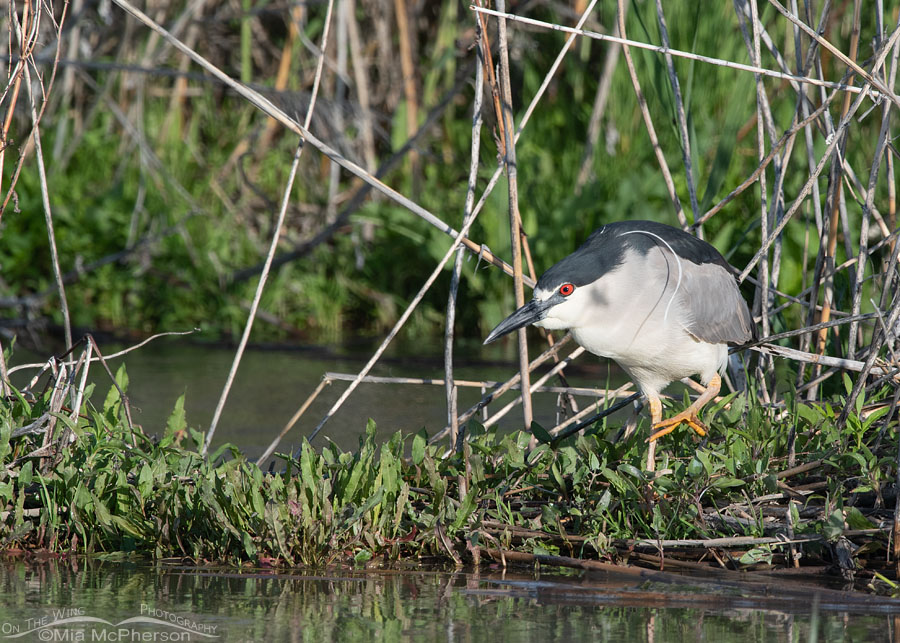
While going through my archives I found this photo of a fishing immature Black-crowned Night Heron taken 10 years ago today at Farmington Bay WMA.
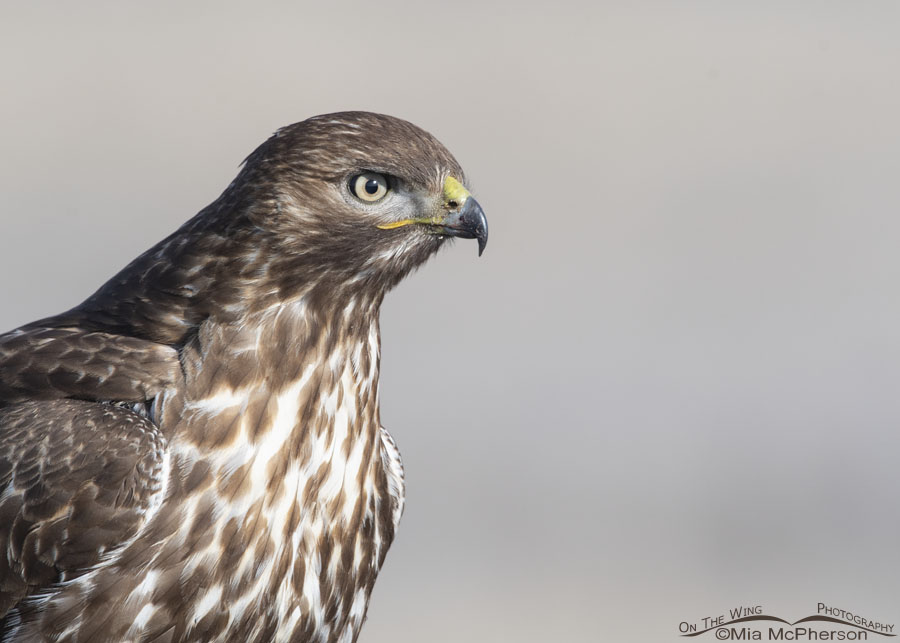
Two days ago I was able to take a nice series of immature Red-tailed Hawk portraits on my most recent trip up to Bear River Migratory Bird Refuge.
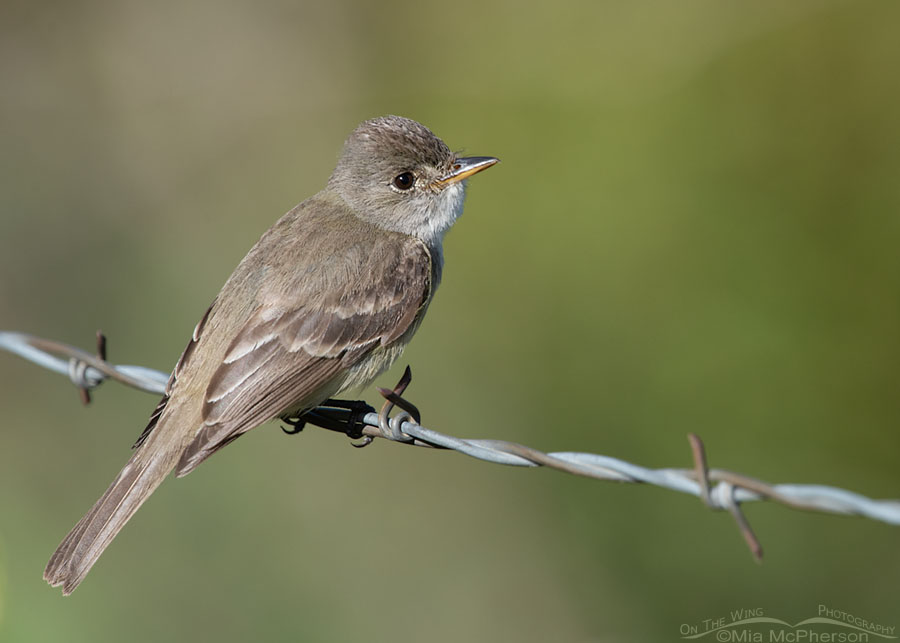
Yesterday morning I was able to spend time taking Willow Flycatcher photos high in the mountains with clear skies overhead as I watched the flycatchers hunting for prey.
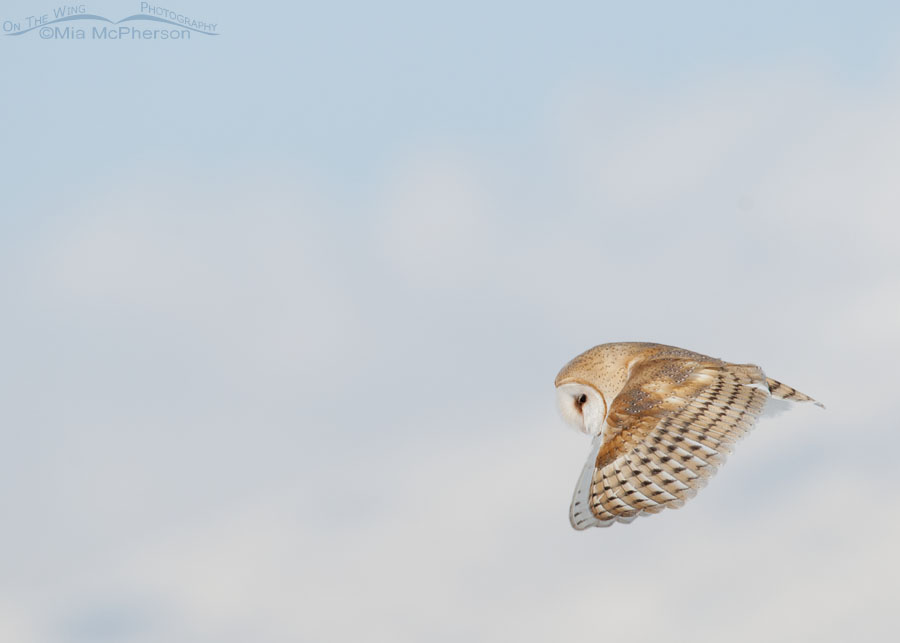
During the winter there are times I am able to photograph Barn Owls in flight during the day when the snow is deep and the temps are bitter cold.
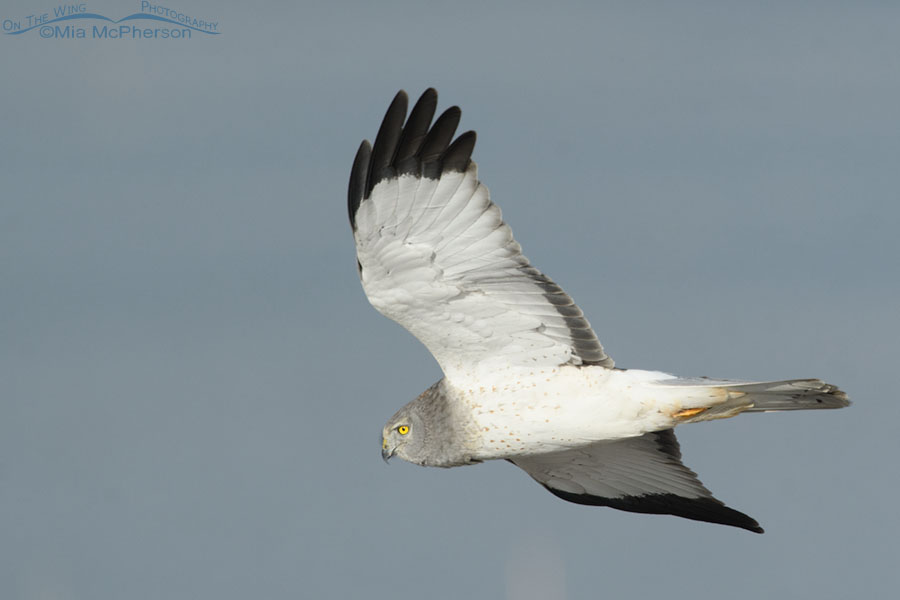
Today I am focusing on an adult male Northern Harrier that I had in my viewfinder for a few seconds yesterday that was on the wing over the marsh.
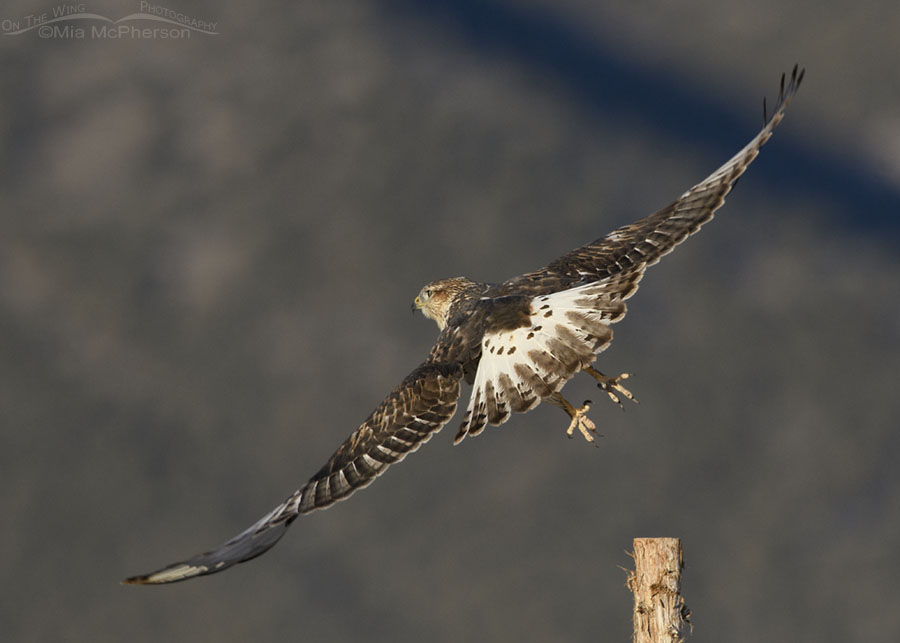
Yesterday morning not long after sunrise I spent some time photographing a light morph, immature Ferruginous Hawk hunting for its breakfast.
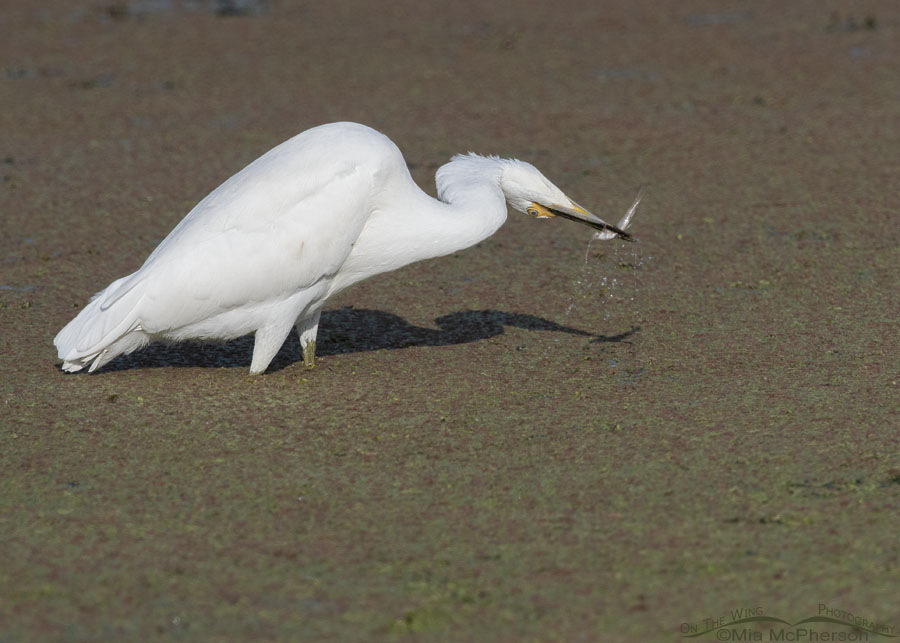
September is a marvelous time for photographing Snowy Egrets in the freshwater marshes that surround the Great Salt Lake.
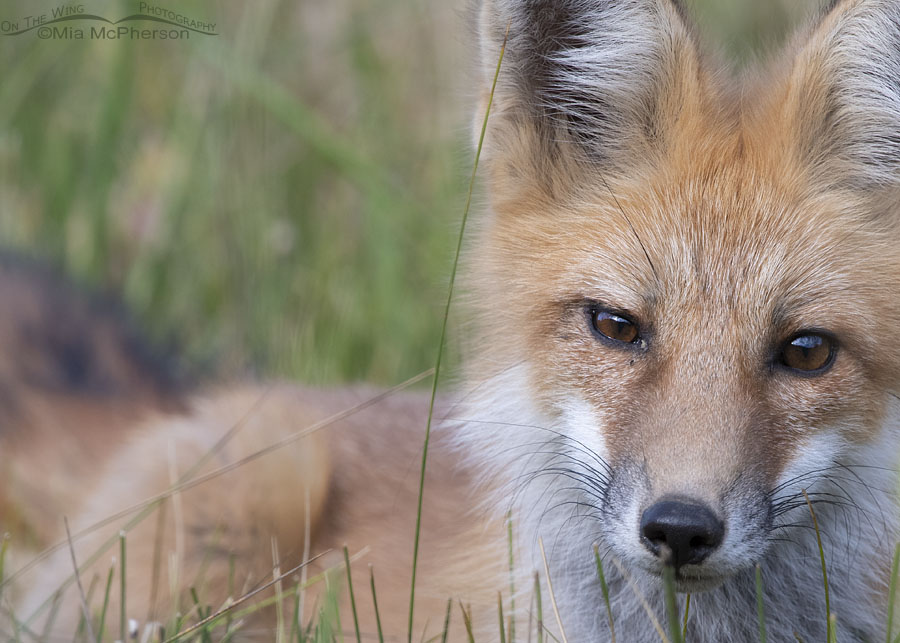
Yesterday I did take some bird photos and although I didn't find any avian rarities I did find a beautiful young Red Fox in a mountain meadow to photograph.
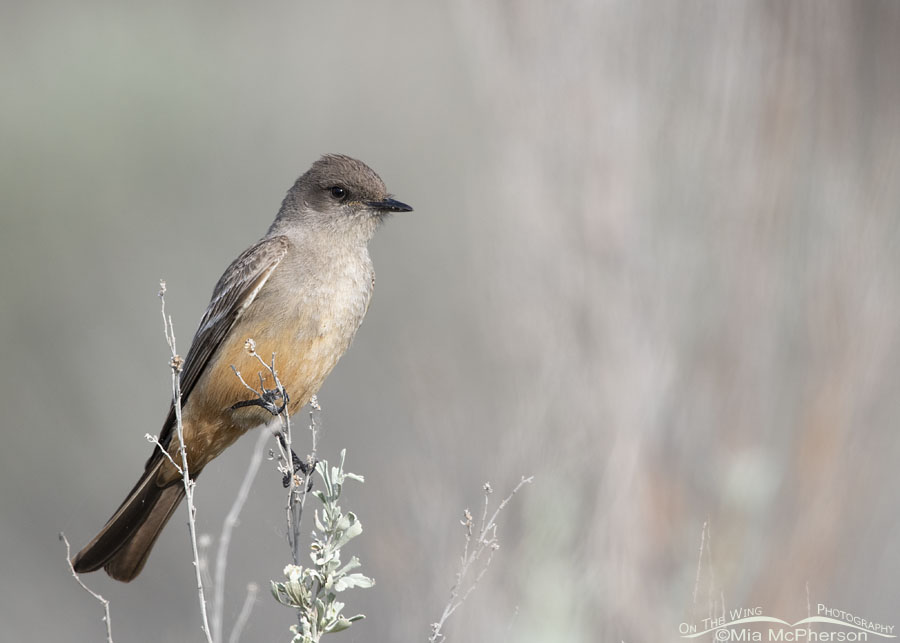
Over time I have come to associate Say's Phoebes with sagebrush because I don't think I have ever seen or photographed one of these phoebes where there wasn't sage nearby here in northern Utah.
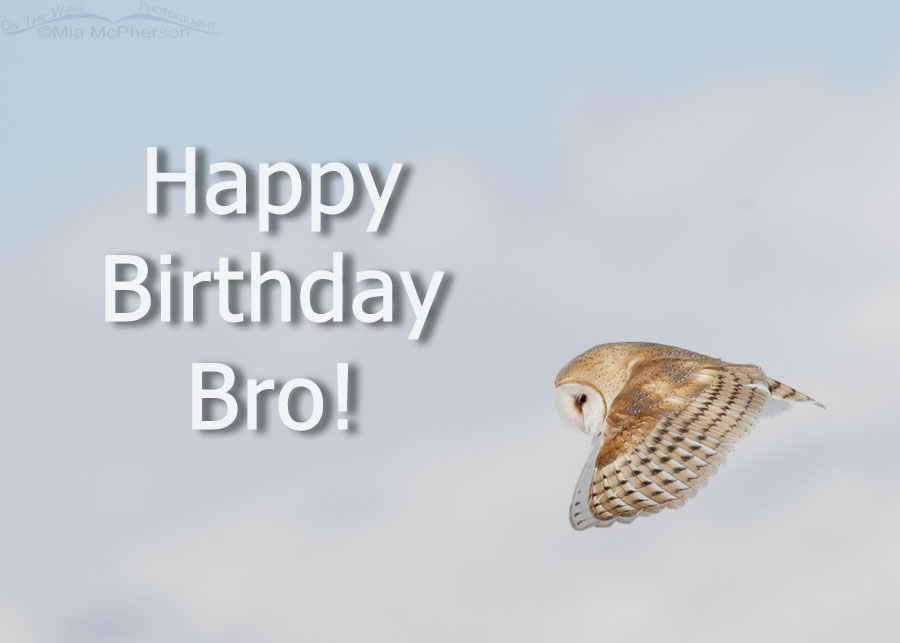
I wanted to take the time to wish my brother a Happy Birthday here on my blog and it seemed fitting to use this photo of a Barn Owl hunting in daylight that I took seven years ago today.
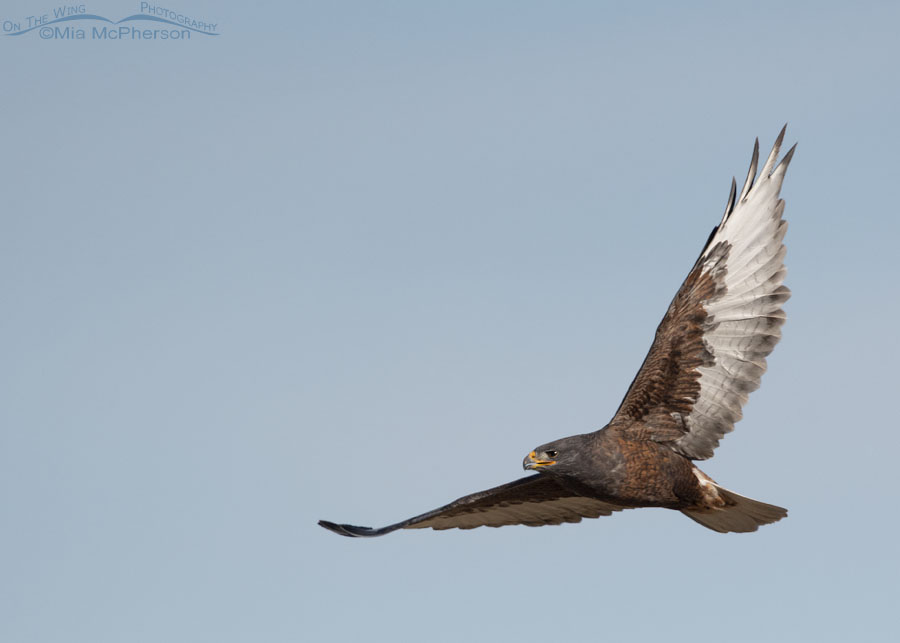
It has been a long time since I had a dark morph Ferruginous Hawk in my view finder so when I spotted it hovering over a field I knew I had to stop and get photos of it.
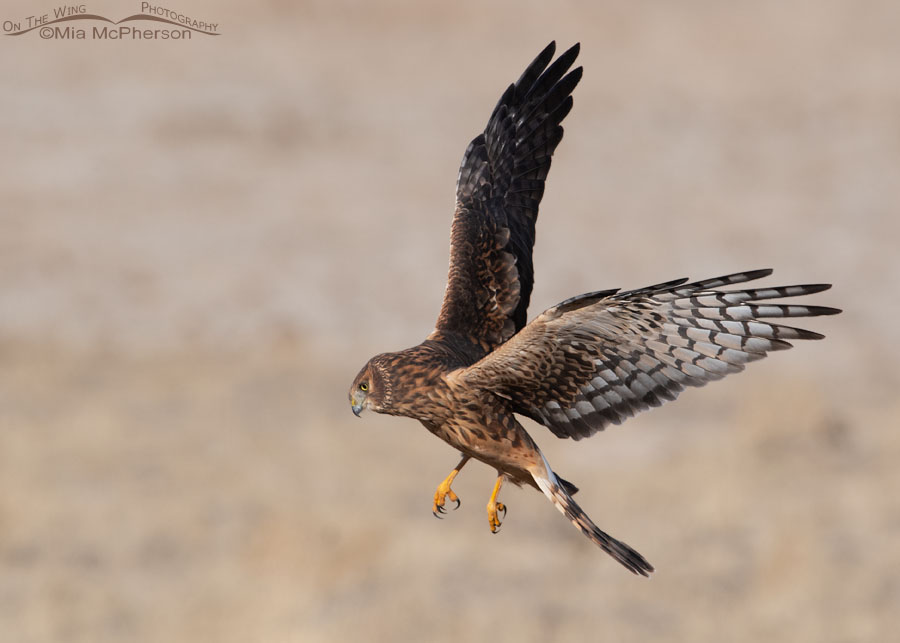
I don't see nearly as many harriers over the marshes at Farmington Bay as I used to five to ten years ago but the marshes have changed some since I moved to northern Utah.
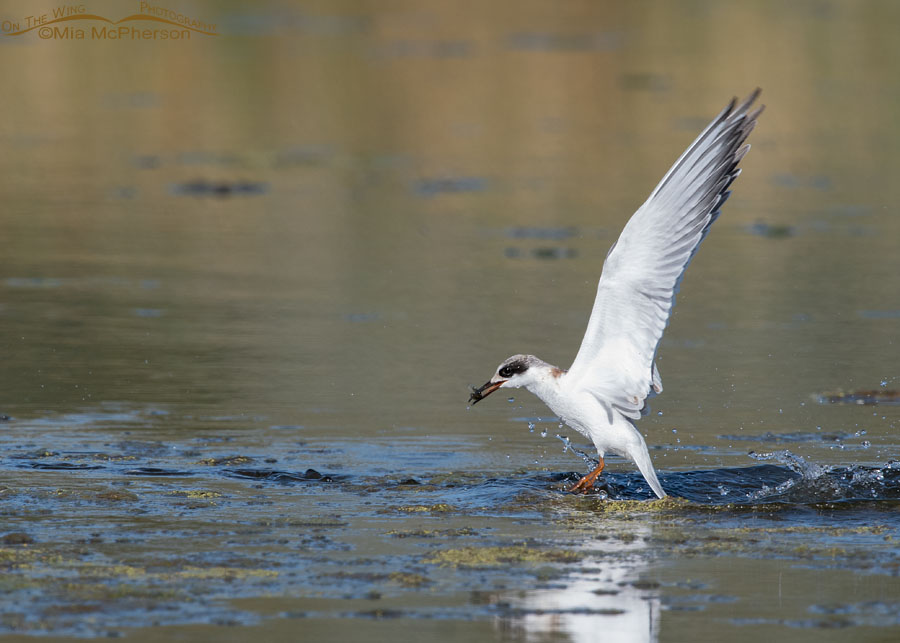
I had fun testing my skills by photographing several immature Forster's Terns that were hunting for and catching prey at Farmington Bay WMA two days ago.
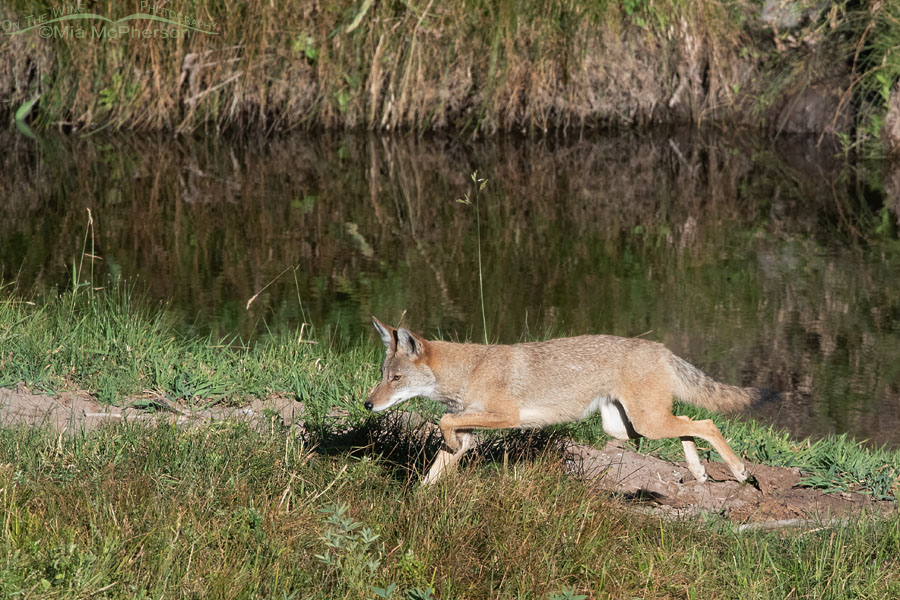
If I hadn't been looking for birds I wouldn't have spotted this coyote searching for prey yesterday near a creek in a canyon which made it my best subject of the day.
When a bird photography trip up to Bear River Migratory Bird Refuge starts with me spotting not just one but two Snowy Plovers out on the flats I just know the day is off to a great start and that is what happened yesterday morning.
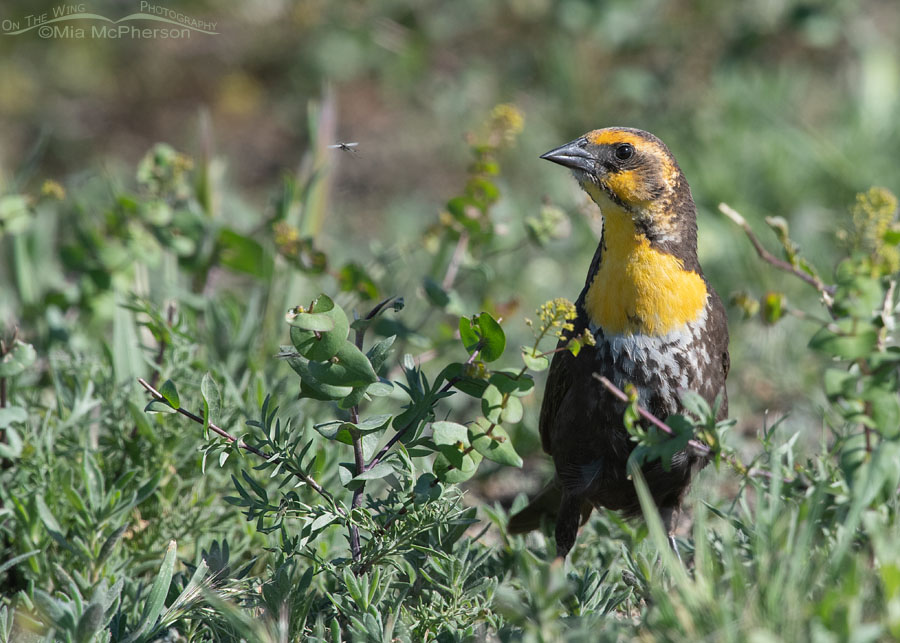
The fore and background of this image may be messy or cluttered looking but I love the way this photo shows the female Yellow-headed Blackbird in the habitat I find them in at Bear River Migratory Bird Refuge.
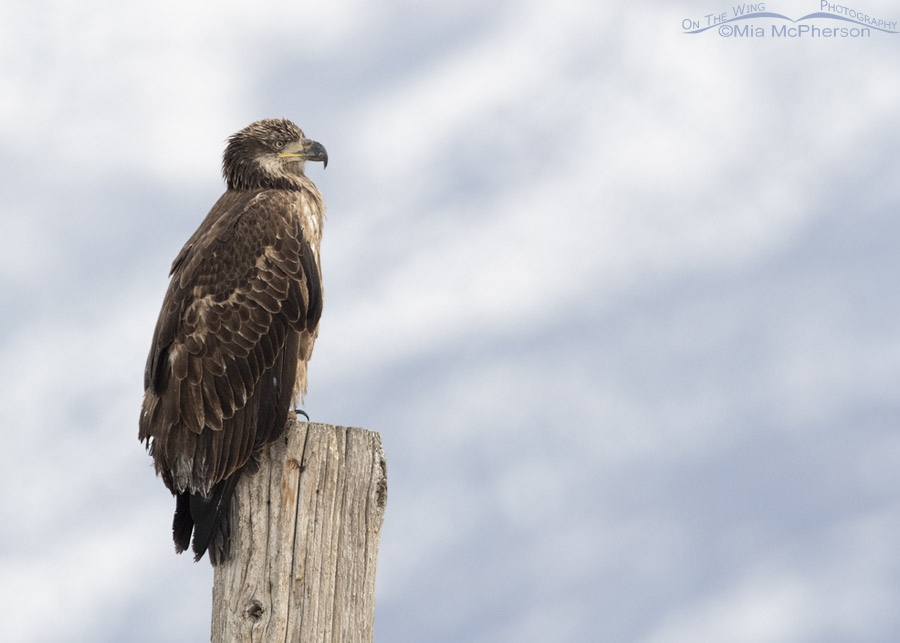
So, even though I didn't get great photos yesterday I was glad to get out and photograph a Barn Owl, Bald Eagle and these California and Ring-billed Gulls.
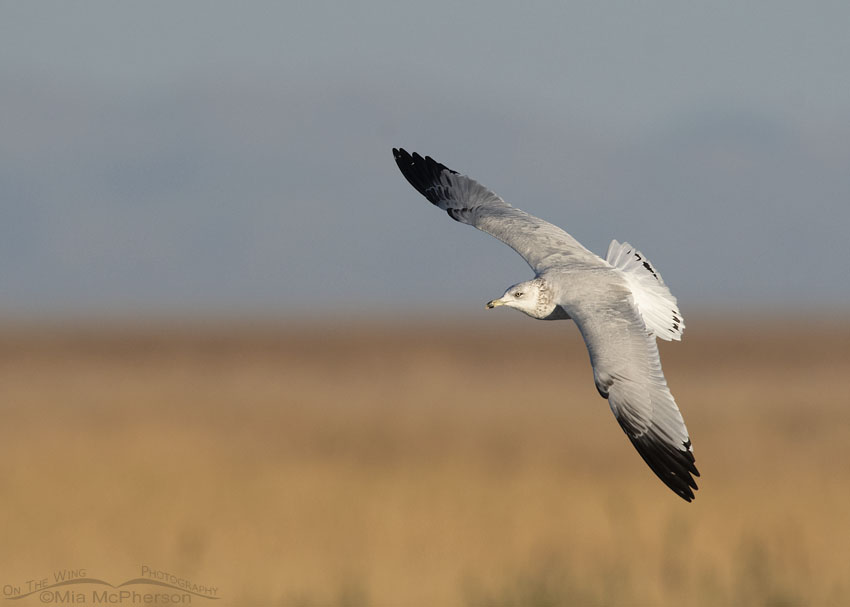
I like gulls, I like the way they look, I like the way they fly, I like the way they try to steal food from each other and other birds, I like the challenges of photographing them and I really like how scrappy they are.
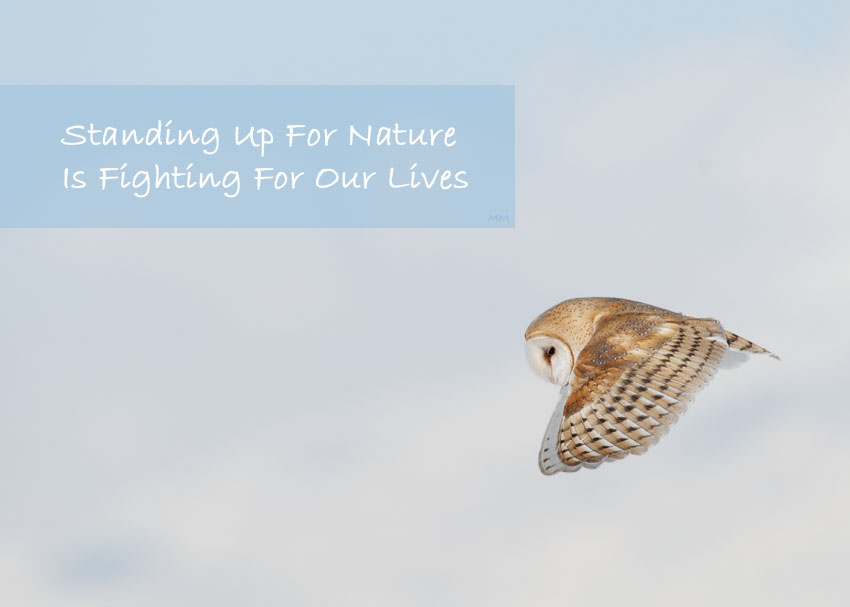
People who are environmentally conscious and whom respect and love nature already know this, they are my sisters and brothers at arms.
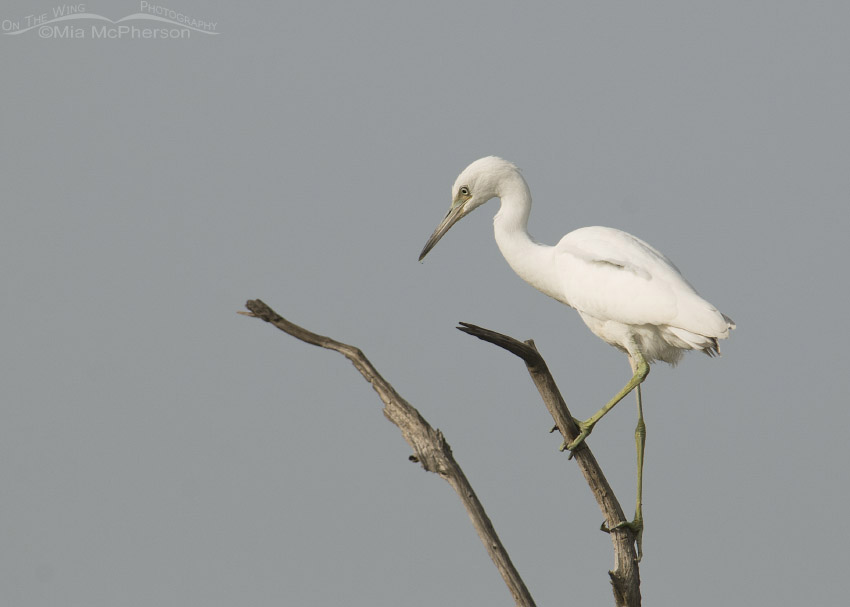
Little Blue Herons start off their lives with white plumage, then look piebald with blue and white fathers and finally look more "blue" as adults.
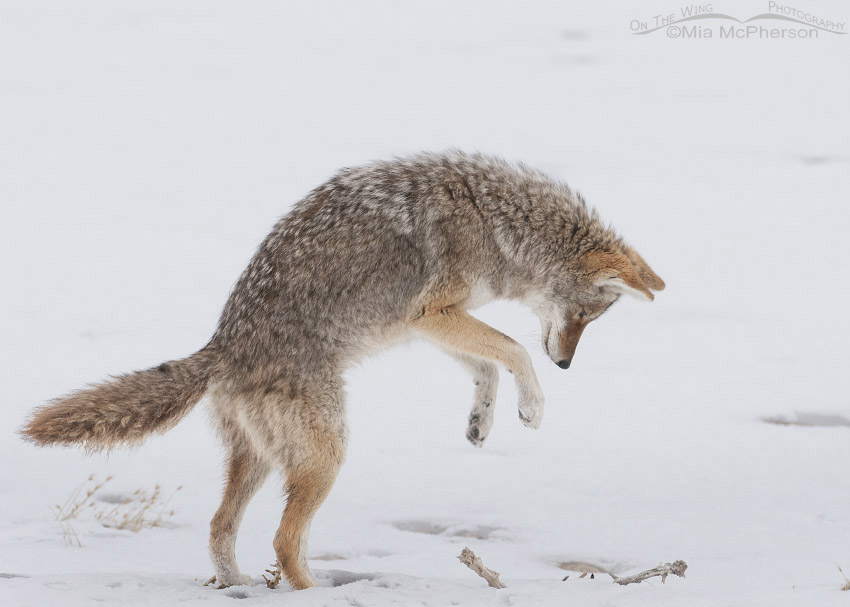
I did not see many birds that dreary day but I did have fun photographing a Coyote hunting, catching and consuming a vole in low light conditions.
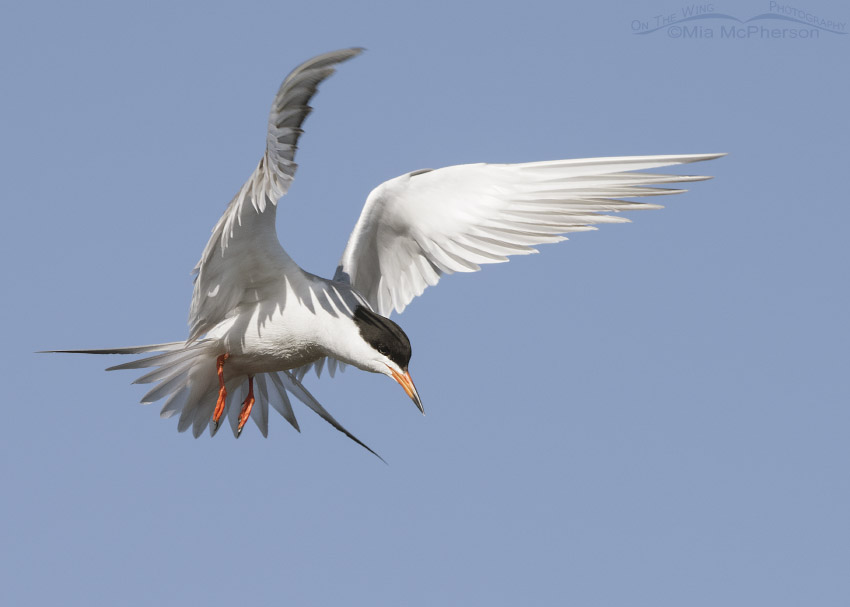
This Forster's Tern was hovering while hunting over a unit of water on the auto tour route of Bear River Migratory Bird Refuge in northern Utah in clear morning light.
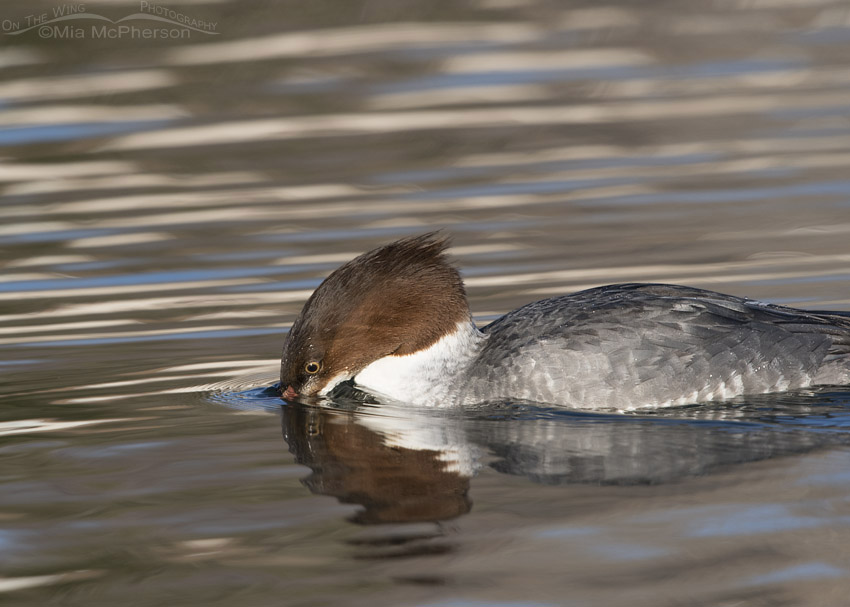
Two days ago I was surprised by being able to photograph a Common Merganser hunting close to the shoreline of a nearby pond in Salt Lake County.
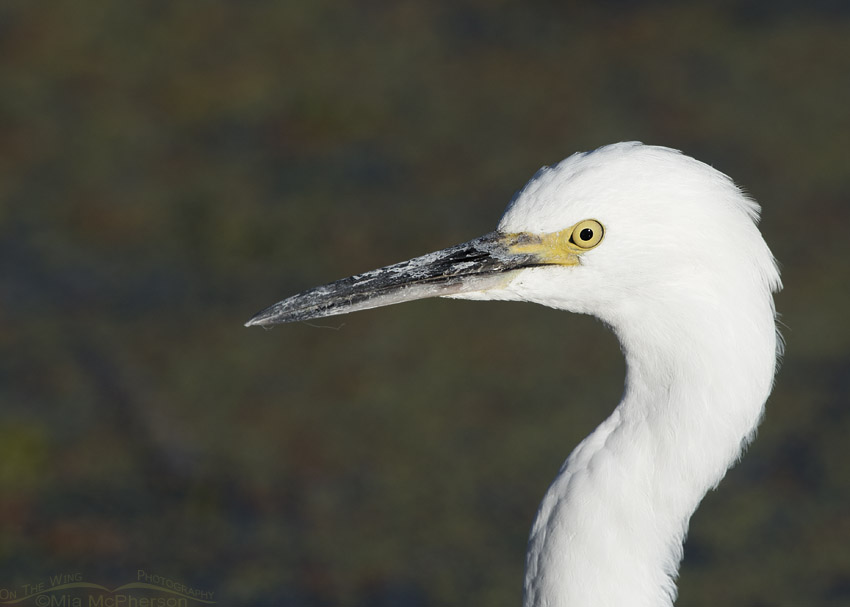
Almost a year ago I felt very fortunate to be able to take a series of Snowy Egret portraits at Farmington Bay Waterfowl Management Area in Northern Utah.
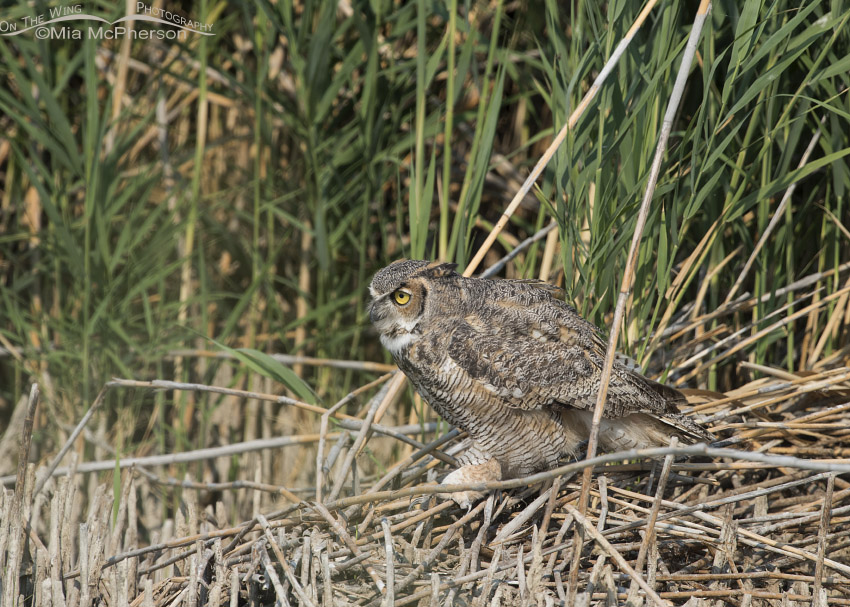
Last month I wrote about how surprised I was to spot a Great Horned Owl in the marsh at Bear River MBR in northern Utah and said I would post more photos later, so here they are.
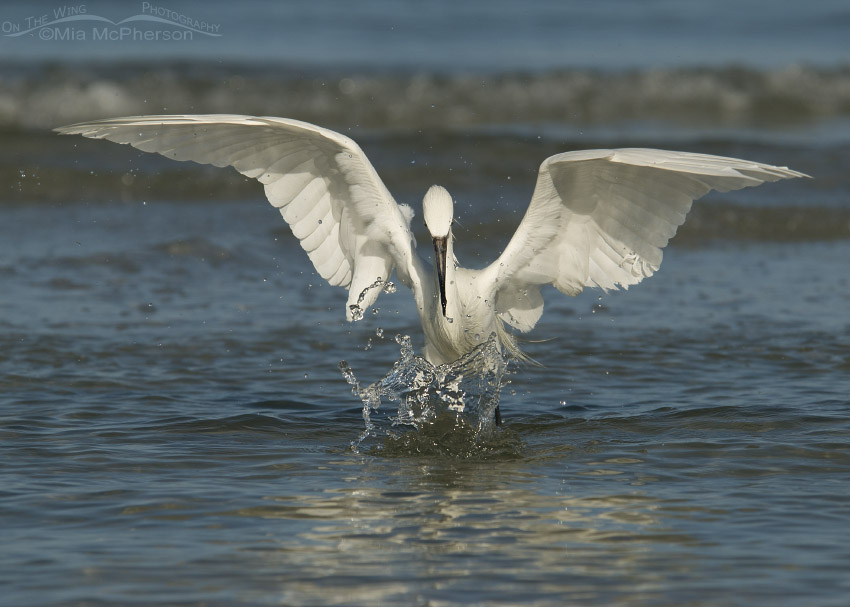
I photographed this white morph Reddish Egret hunting in the Gulf of Mexico in June of 2008 and truly enjoyed observing its hunting behavior through my lens.
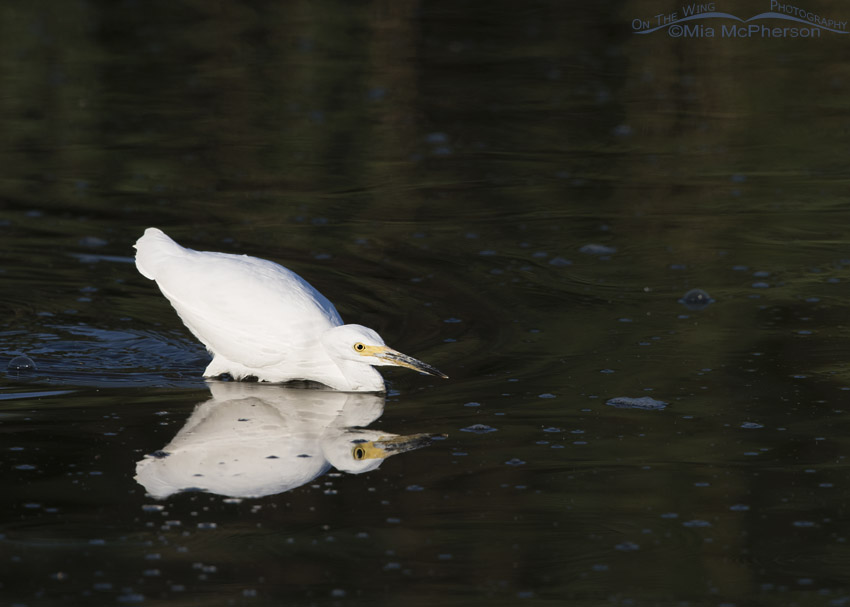
I liked the crouched position of this Snowy Egret as it was about to strike the prey it was hunting and when it struck it did capture and eat the small fish.
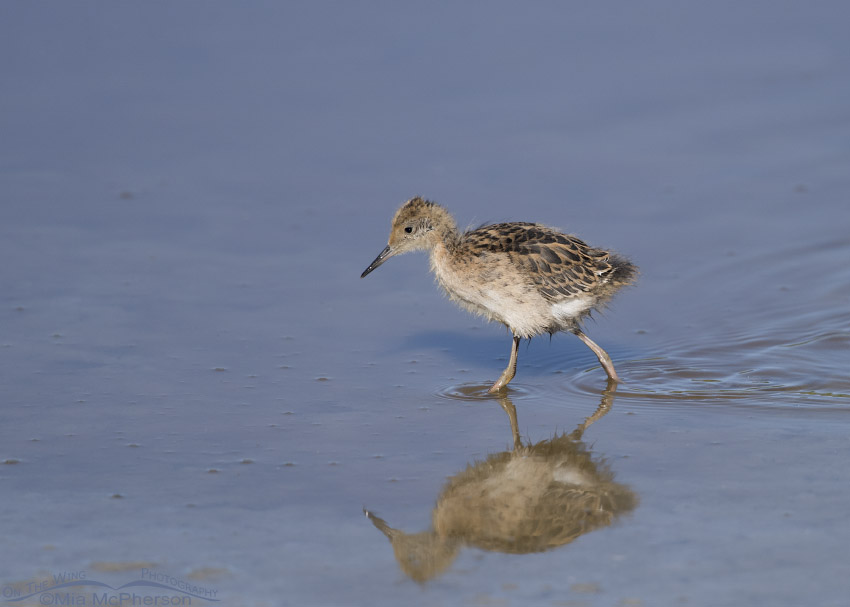
I was photographing a Wilson's Phalarope chick and it was in fact the youngest phalarope chick I had ever seen!
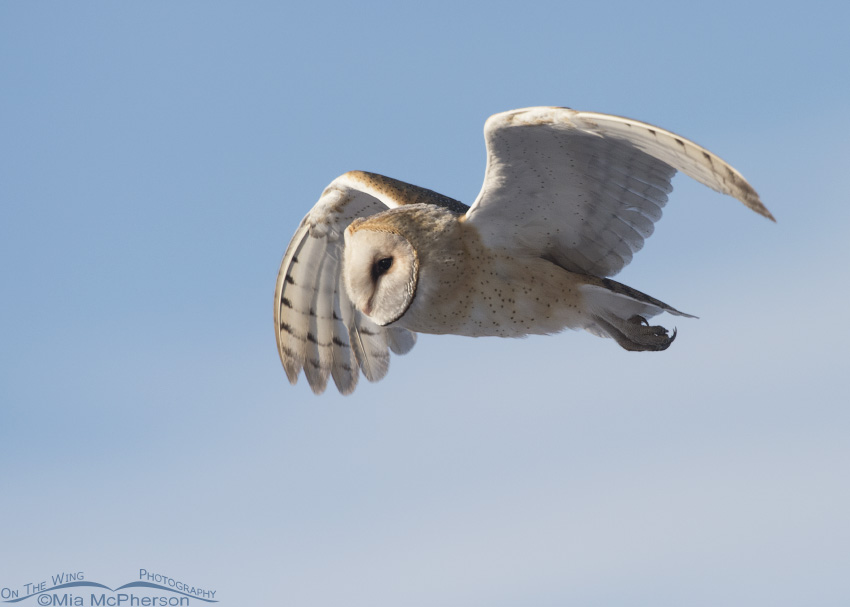
I spent about 15 minutes with this Barn Owl yesterday after I spotted it along the north side of the auto tour loop at Bear River Migratory Bird Refuge.