Spring And A Young Tufted Titmouse
Last spring, I took this young Tufted Titmouse photo in the yard of my dear friend, Steve Creek, while I was at his home resting and recuperating in Arkansas.


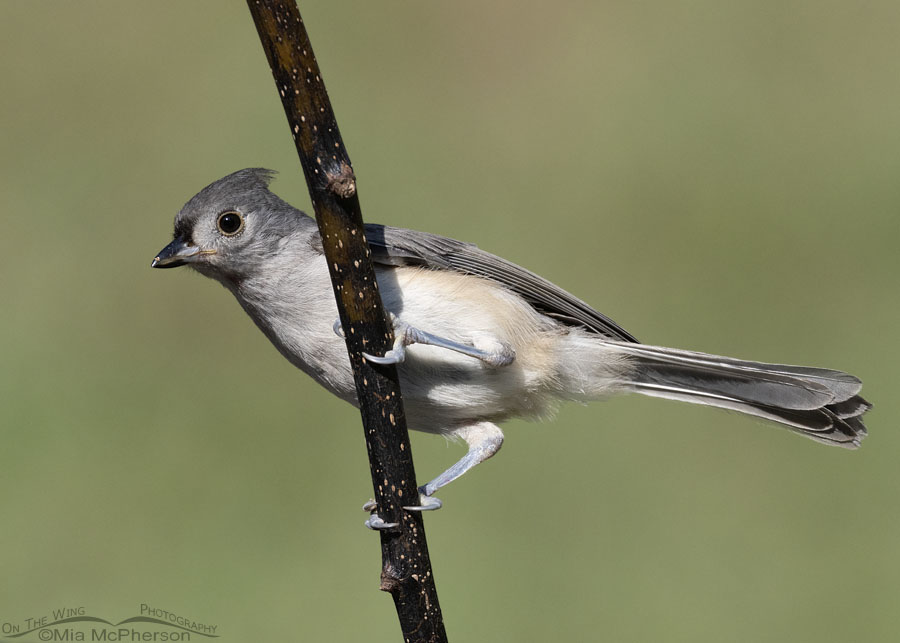
Last spring, I took this young Tufted Titmouse photo in the yard of my dear friend, Steve Creek, while I was at his home resting and recuperating in Arkansas.
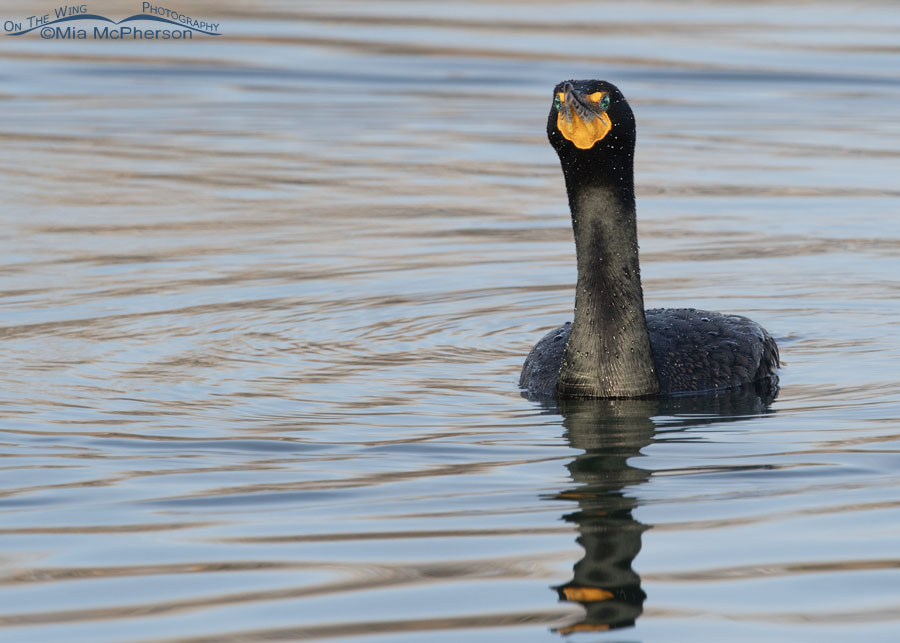
While looking at my Common Loon photos from last spring, I came across these Double-crested Cormorant photos that I took at the same time last year.
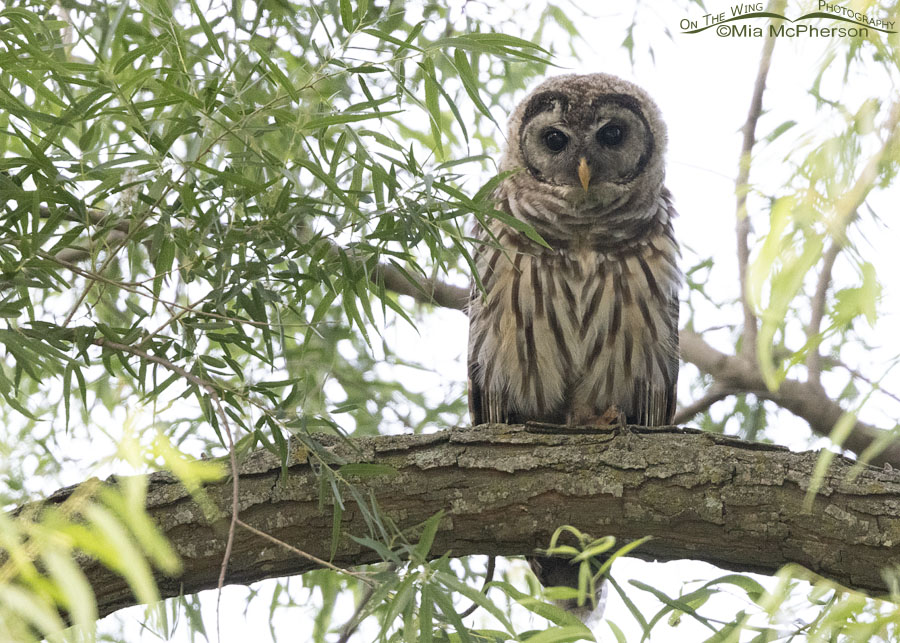
Since spring's arrival, people will be spending time outdoors, and more people will be seeing rats in their yards and gardens. Owls eat rats and other rodents.
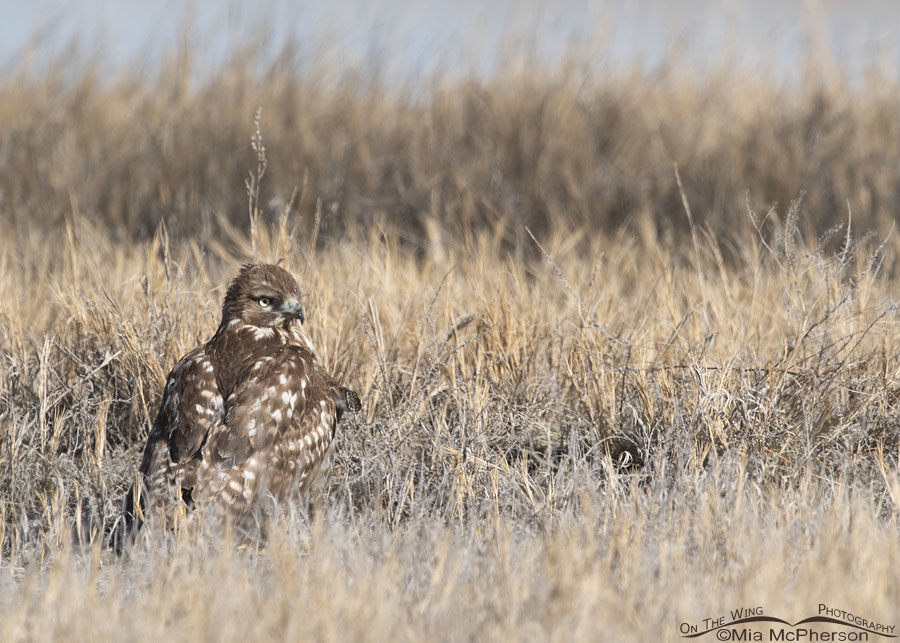
About two years ago, I photographed this immature Red-tailed Hawk near the Bear River, on my way out of the auto tour loop of Bear River Migratory Bird Refuge.
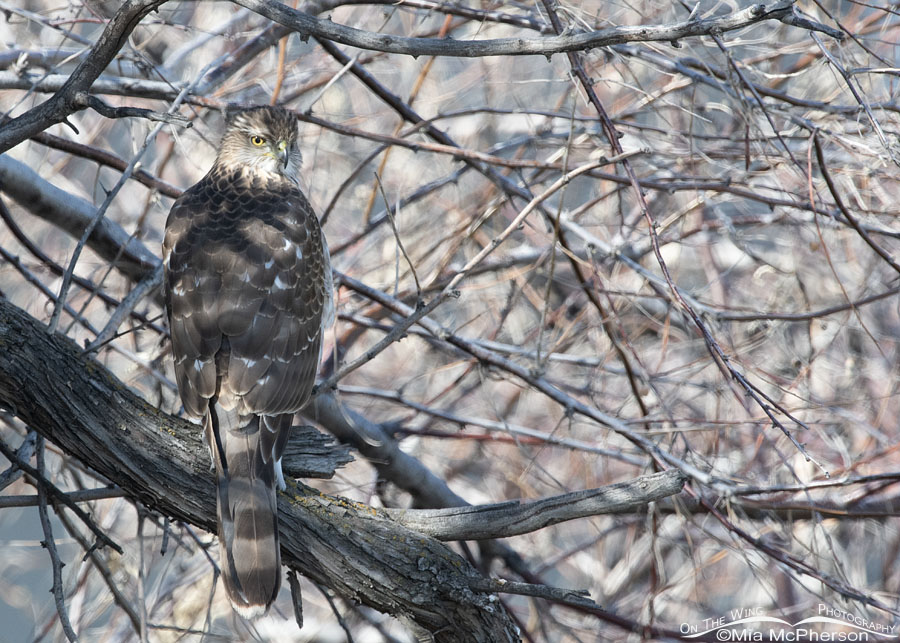
Two days ago, while I was photographing some Rock Squirrels, I saw a beautiful immature Cooper's Hawk fly in and land in a tangle of trees near the squirrels.
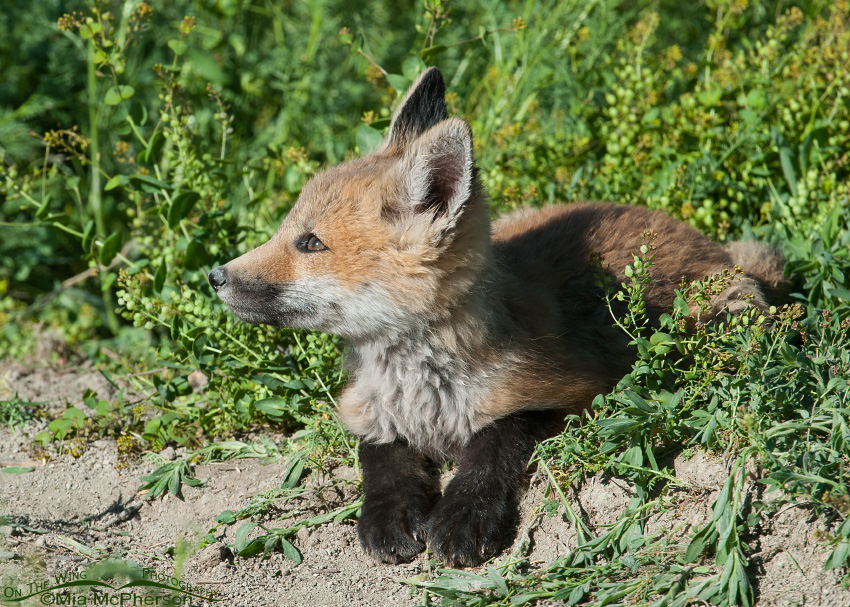
Bad weather and bad timing have kept me out of the field for a bit. Today, I am sharing some cute Red Fox kit photos I took almost a year after I moved to Utah.
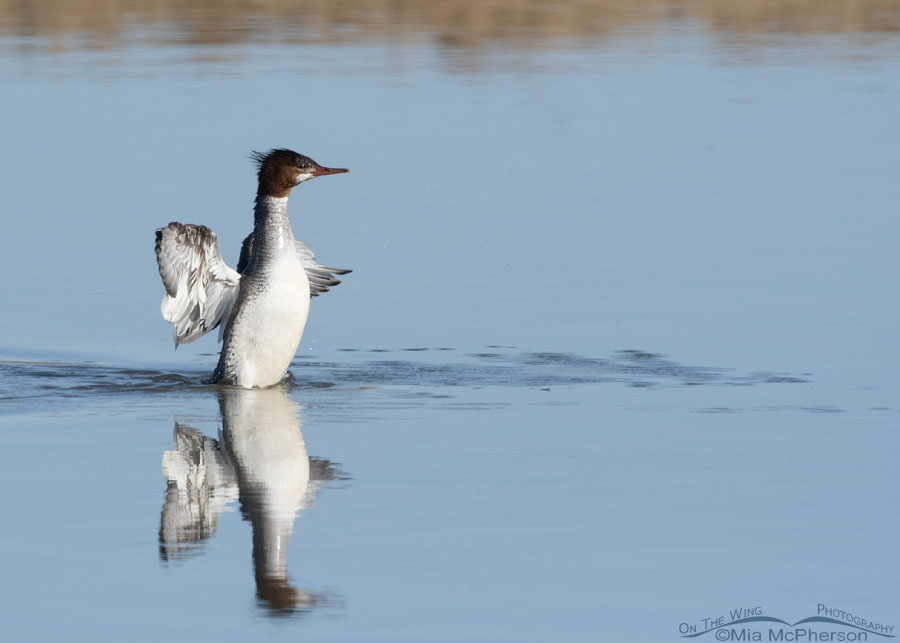
Just a simple photo of an immature Common Merganser today. I took this image of the merganser on the Bear River almost two years ago on a bright, sunny morning.
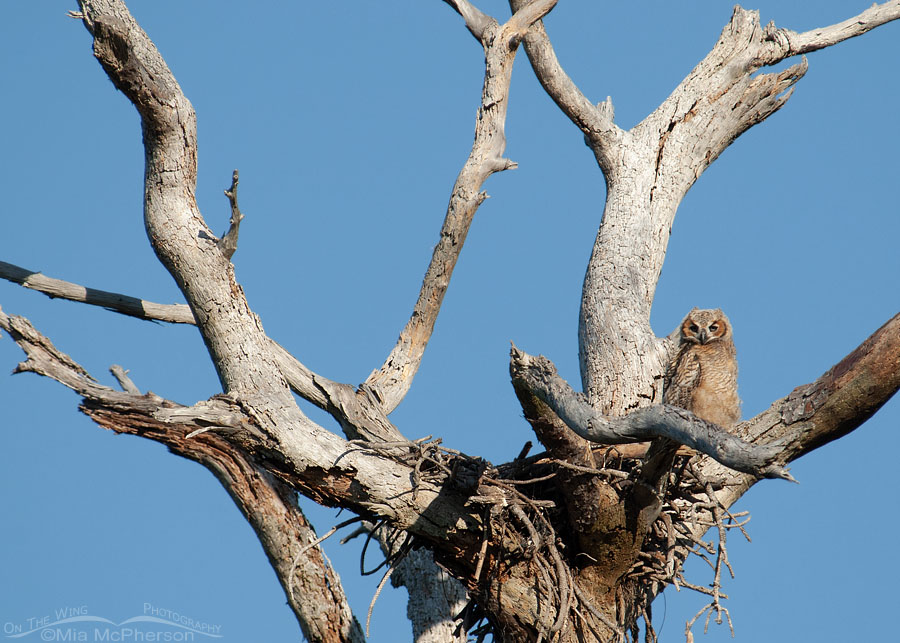
This image of a Great Horned Owl chick resting near its nest on the coast Florida in lovely afternoon light brings back wonderful memories for me. It was 2008.
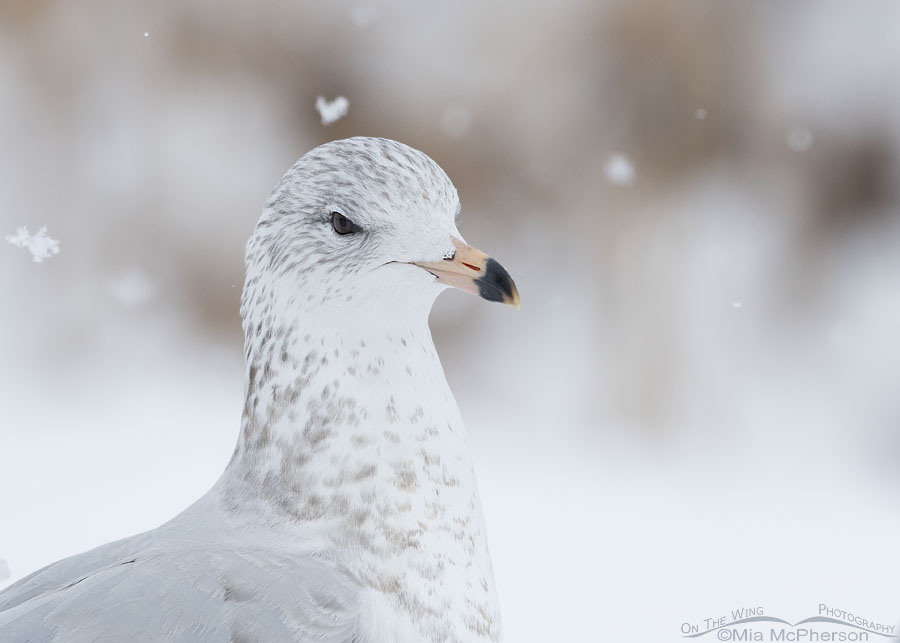
It has been six years since I took this photo of a Ring-billed Gull and a heart shaped snowflake in the middle of a winter snowstorm at my local pond.
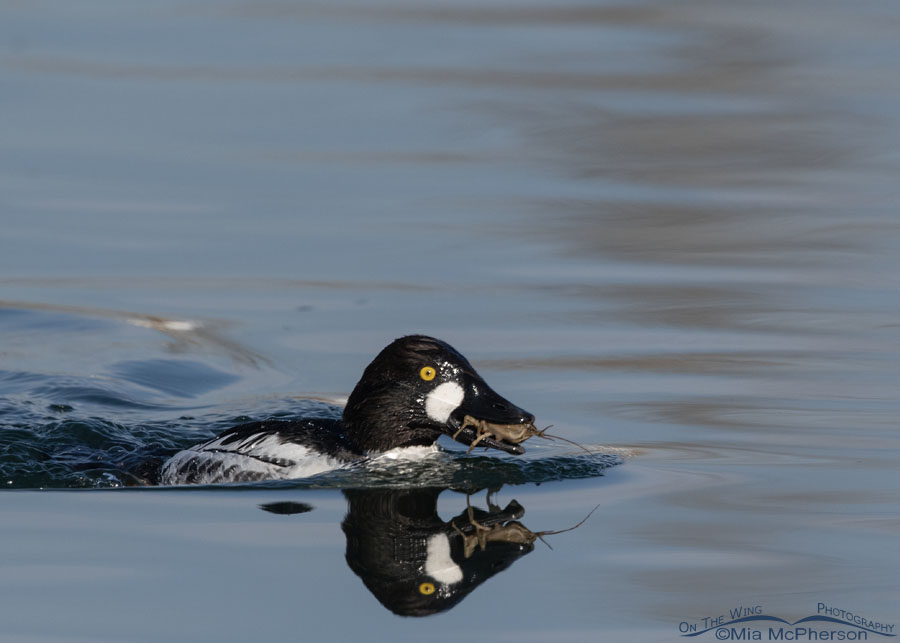
It is almost the end of February and I'm wondering what happened to winter this year in the Salt Lake Valley. Has winter gone on walkabout? Where is the snow?
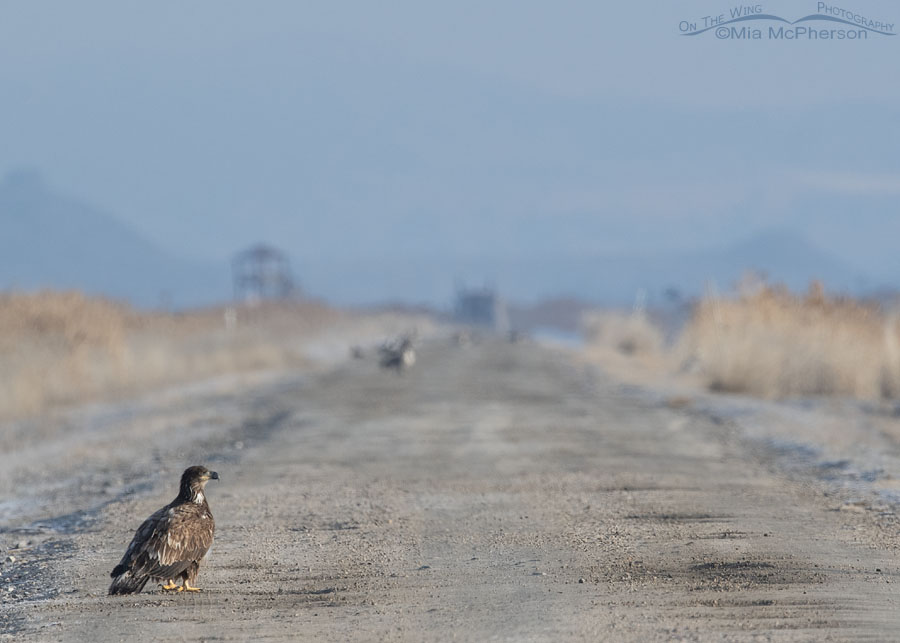
This Bald Eagle photo isn't my best image of this species, and that is alright with me. I took the photo five days ago on the auto tour loop at Bear River MBR.
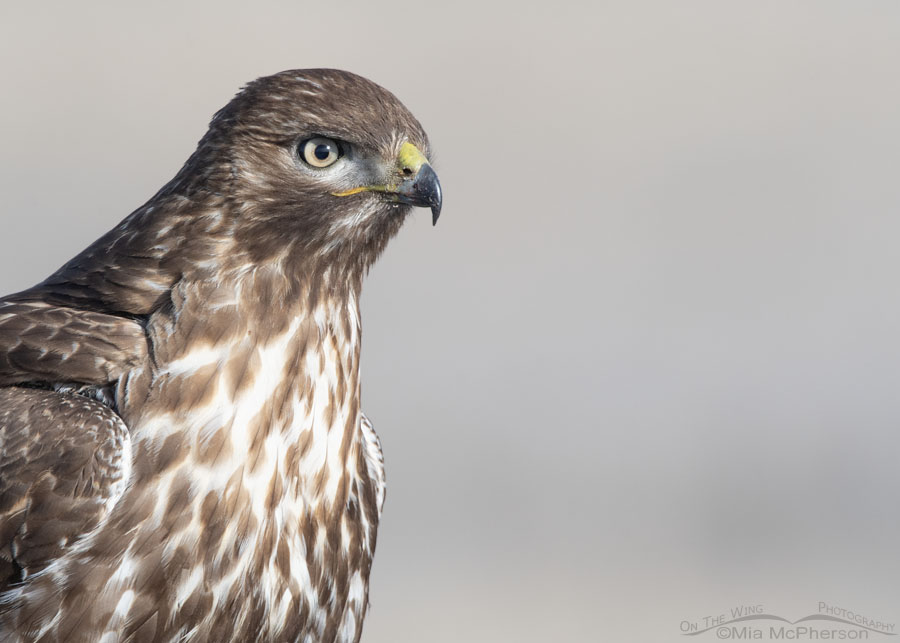
The day I photographed this young Red-tailed Hawk, I took 135 images of the immature raptor in just a little over a minute at Bear River Migratory Bird Refuge.
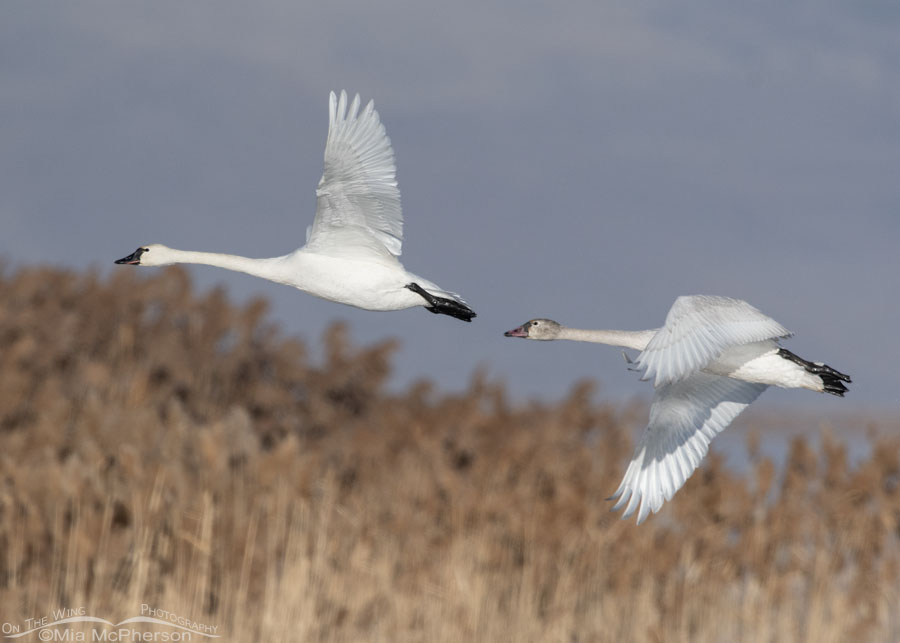
Tundra Swans and memories are on my mind this morning. Six years ago, I sat in my Jeep watching hundreds of Tundra Swans at Bear River Migratory Bird Refuge.
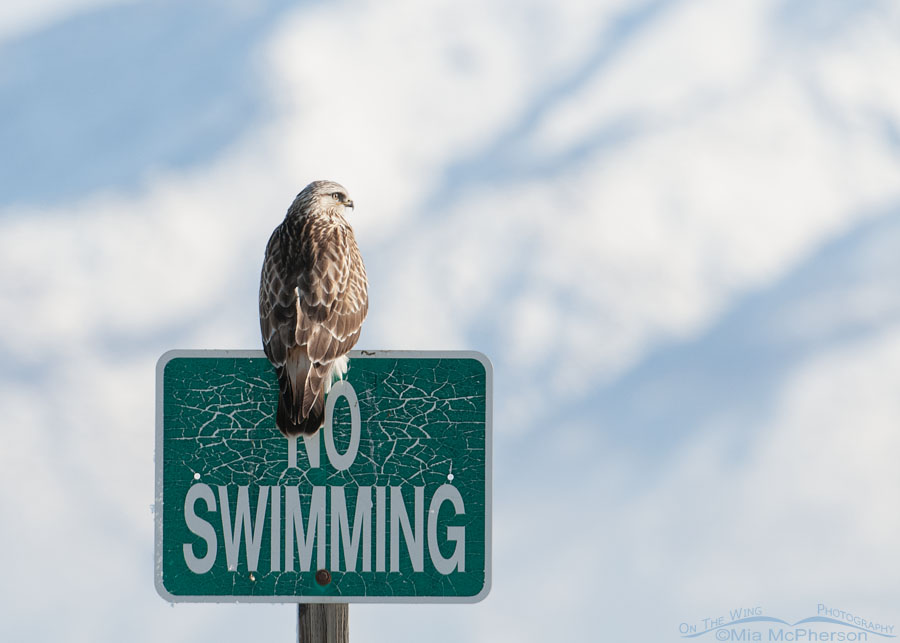
While looking for a photo to share this morning I found this immature Rough-legged Hawk on a No Swimming Sign with the snowy Wasatch Mountains in the background.
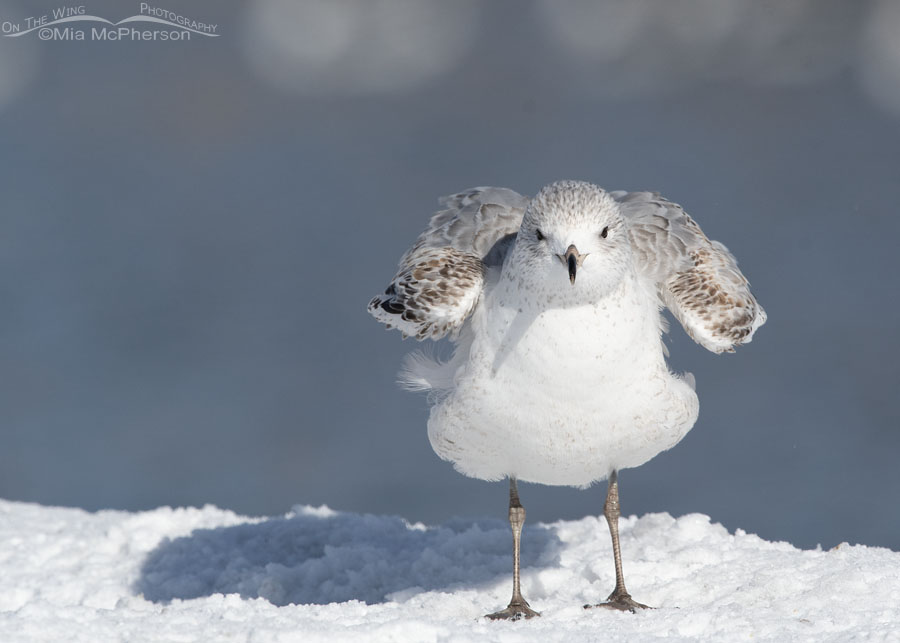
I'm always ready for fun, and this goofy, immature Ring-billed Gull provided a bit of fun for me yesterday afternoon at one of my snowy local ponds.
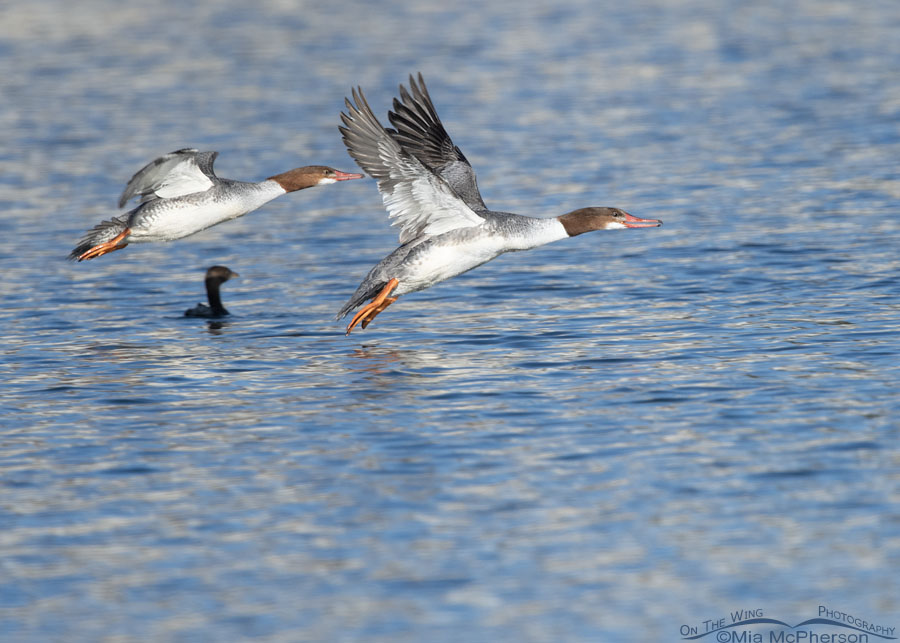
I photographed these Common Mergansers at my local pond three years ago today. I will explain why I only had a few minutes with the mergansers at my local pond.
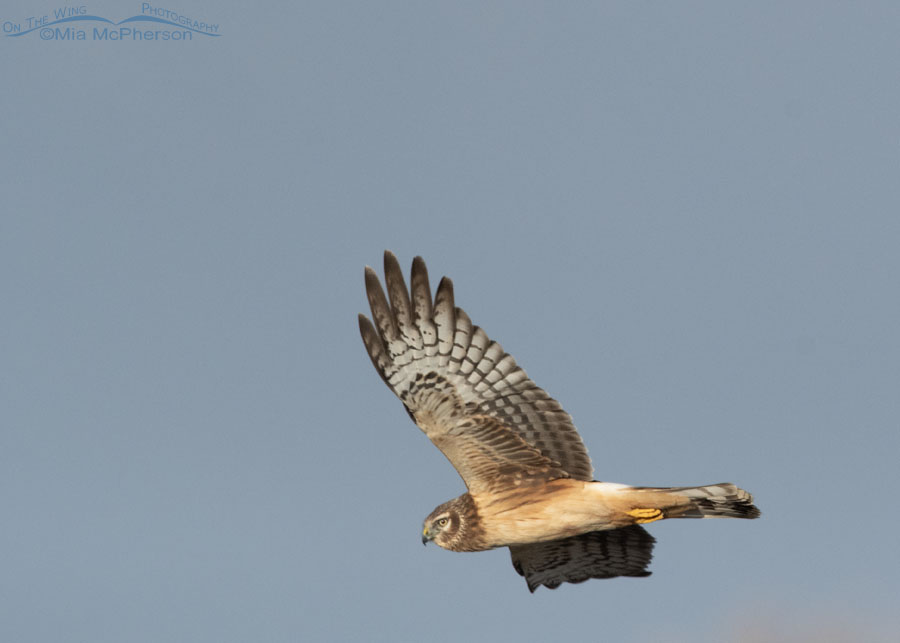
The first raptor I photographed in 2024 was this young male Northern Harrier that I found near the refuge auto tour loop at Bear River MBR on New Year's Day.
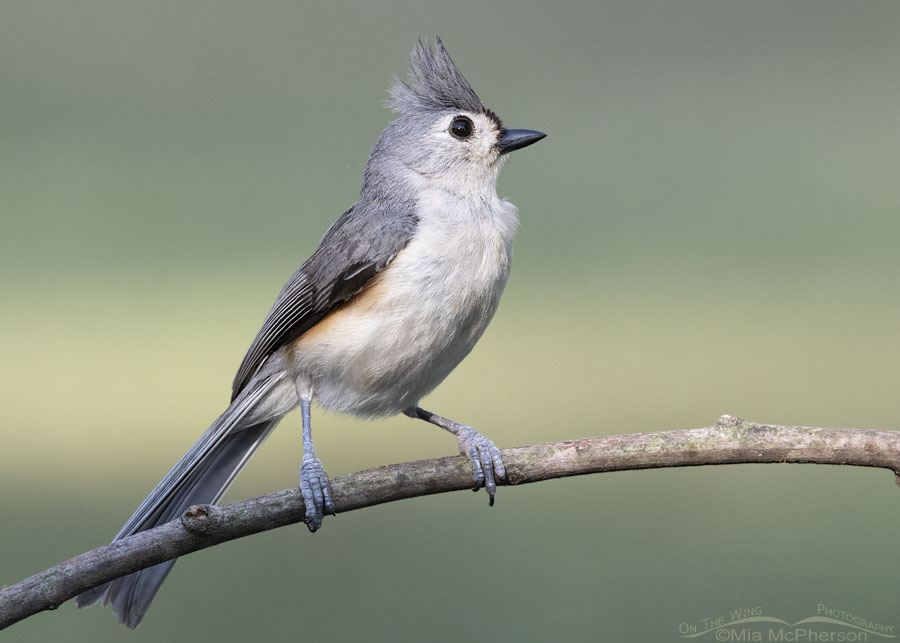
This year, I was thrilled to photograph Tufted Titmouse in my friend Steve Creek's very birdy and extremely wonderful Arkansas yard.
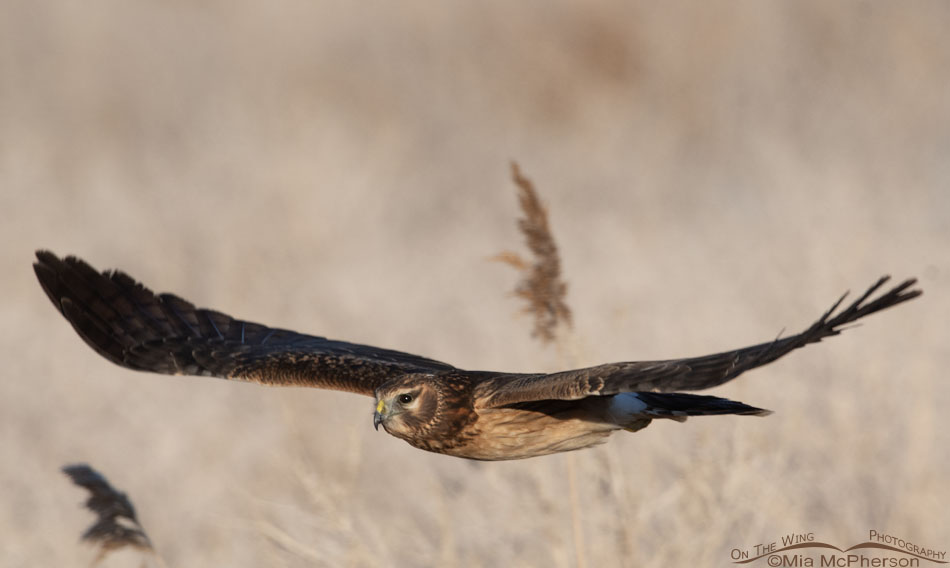
On this Christmas morning, I am sharing a photo of a young female Northern Harrier in flight that I took exactly three years ago at Farmington Bay WMA.
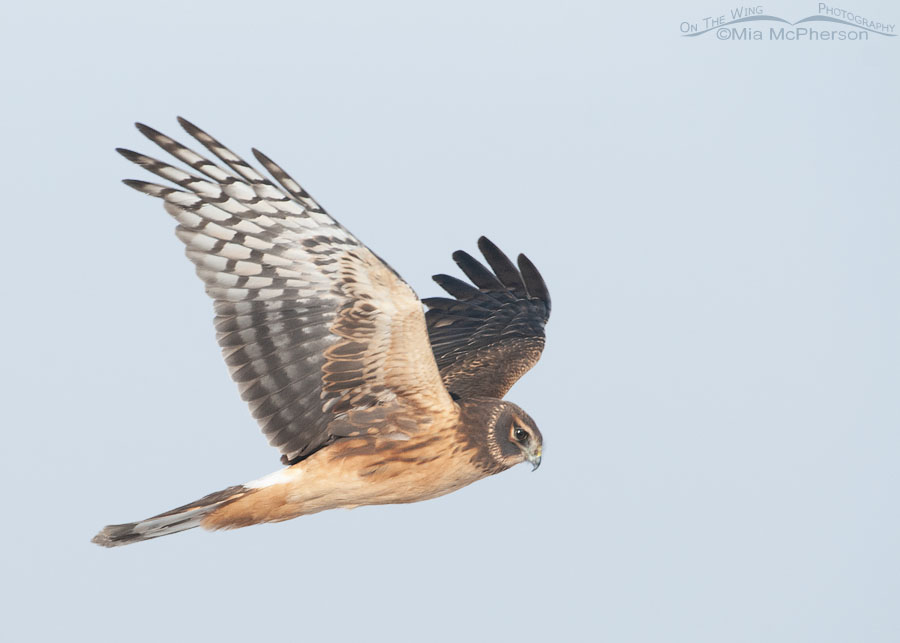
Today I am sharing three photos of an immature female Northern Harrier that I took ten years ago at Farmington Bay WMA.
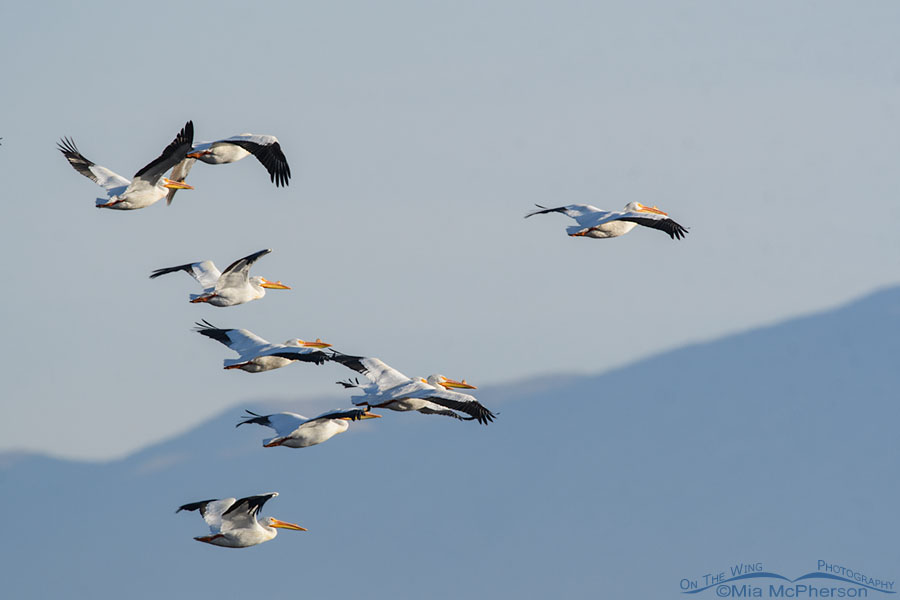
My subject today is about bird talk: American White Pelicans, my friend Adonis, and his recent first trip back East, and to the Outer Banks of North Carolina.
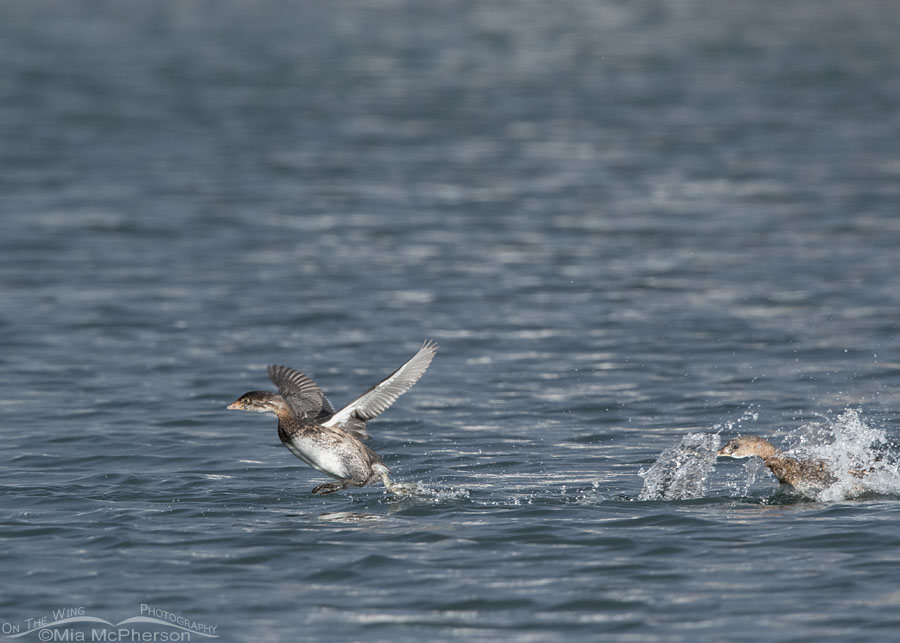
Last week, I photographed an immature Pied-billed Grebe being chased by an adult at my local pond. I observed some other interesting grebe behaviors as well.
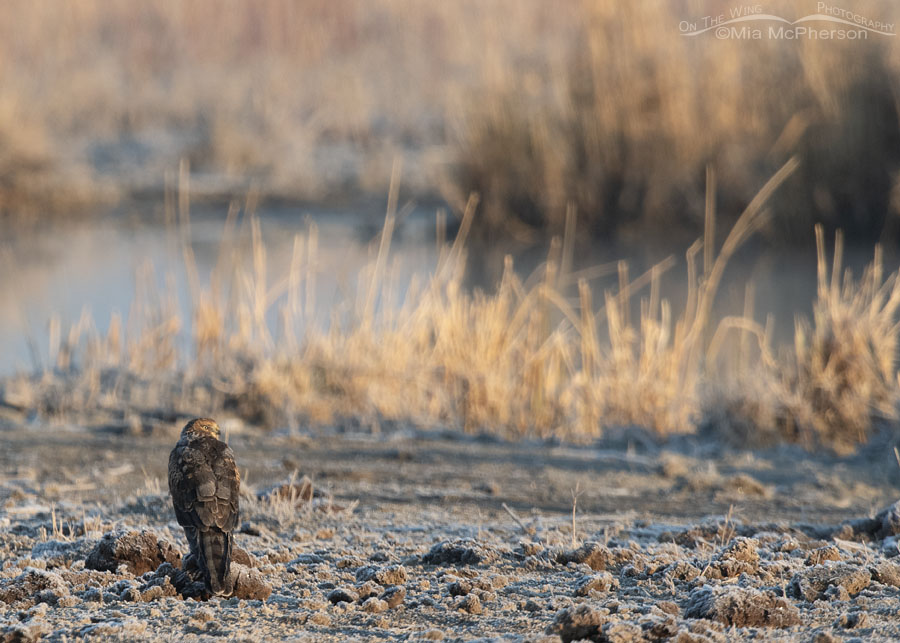
This photo of a frosty Northern Harrier was taken almost five years ago. Although the harrier is small in the frame, I still find the image visually appealing.
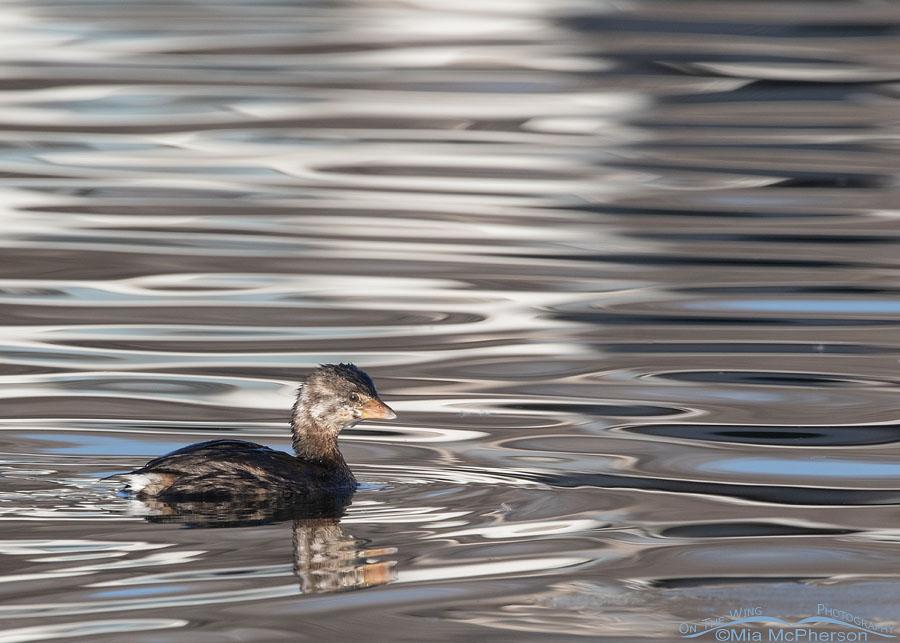
I was going through photos that I took last year when I found this image of a young Pied-billed Grebe, taken at my local pond at the tail end of November.
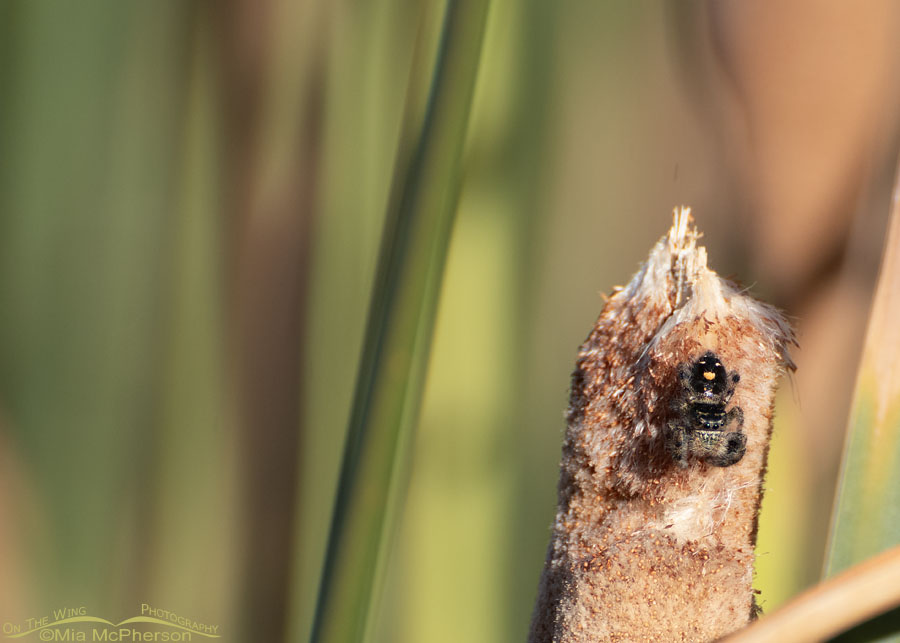
Earlier this week, while I was out walking around my local pond, a small dark dot on a cattail caught my eye. That 'dot' was a Bold Jumper Spider.
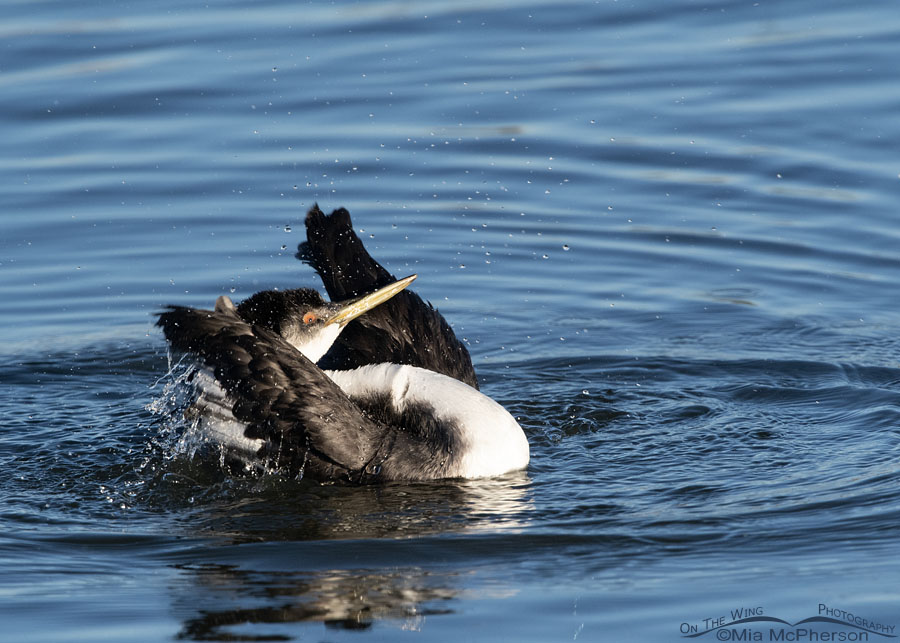
Yesterday morning, a bathing Western Grebe gave me the giggles. Amidst global turmoil and my own personal struggles this year, I needed those laughs.
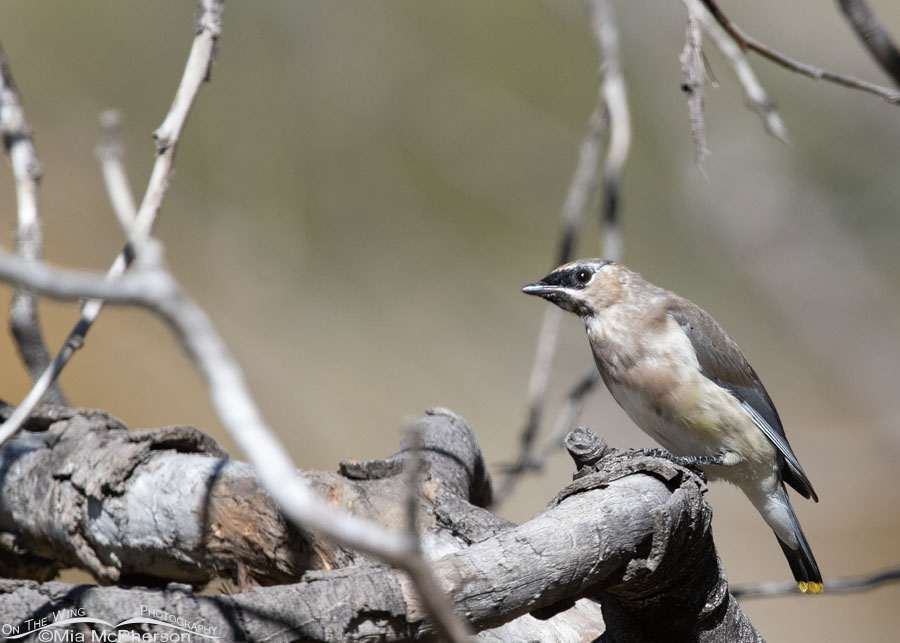
I was tickled to photograph a molting immature Cedar Waxwing yesterday morning high in the Wasatch Mountains. The forest setting was quite messy.
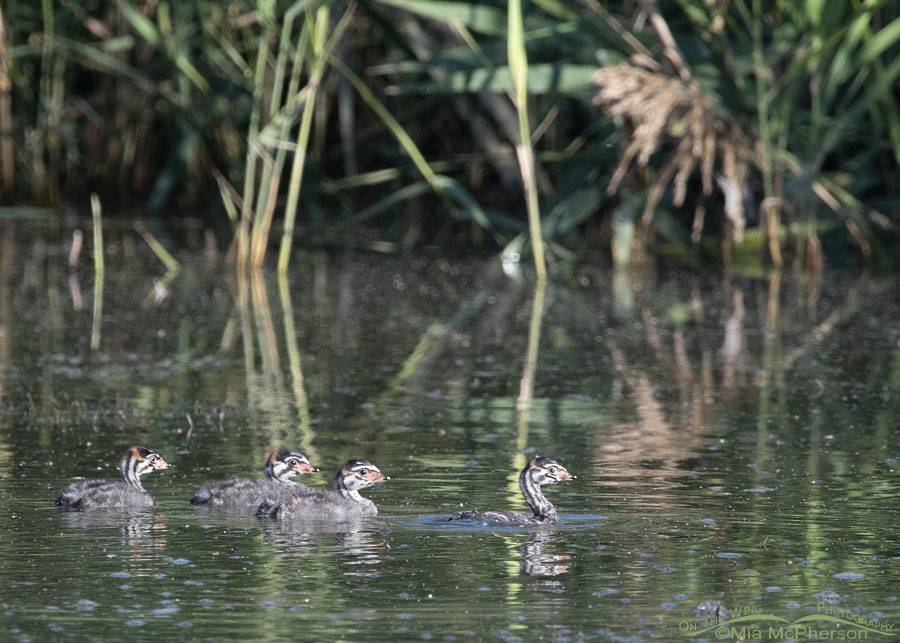
On my most recent trip to Bear River MBR, I had a huge thrill. I found four baby Pied-billed Grebes still in their striped juvenile plumage in the marsh.
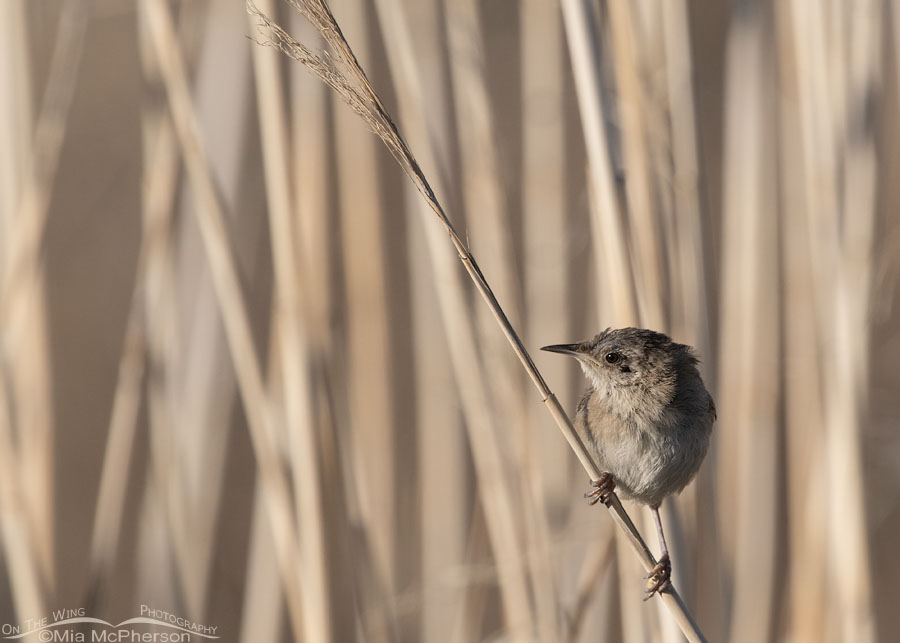
Two days ago, as I was driving along the auto tour route at Bear River Migratory Bird Refuge, I spotted a cute yet somewhat grumpy-looking immature Marsh Wren.
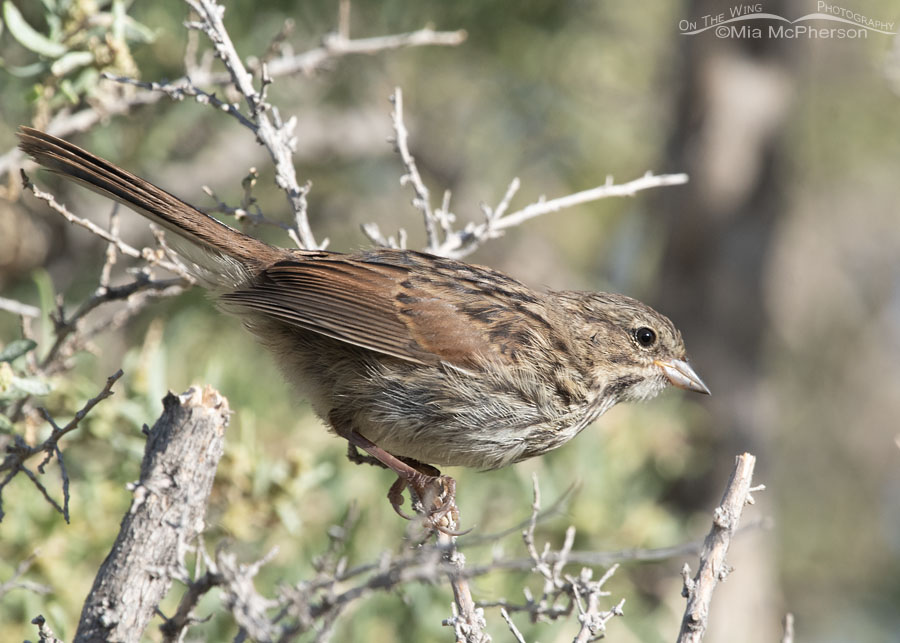
While I was visiting Farmington Bay WMA last week, a young Song Sparrow showed up in my viewfinder and perched in a greasewood shrub for a few moments.