Midges of Bear River National Wildlife Refuge and beyond

A Single MidgeA Single Midge

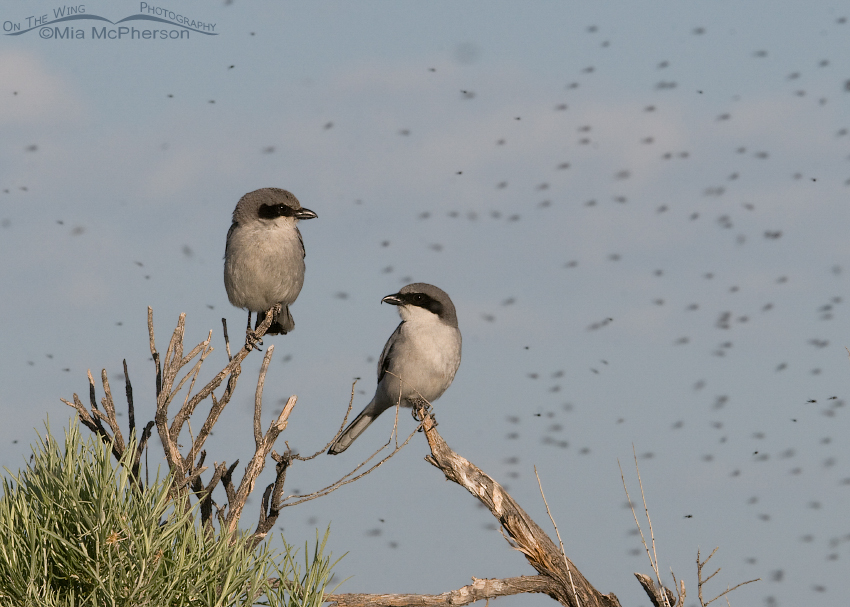
Midges are an important food source for the birds that live and breed in the marshes and wetlands of Utah and they have recently begun to hatch. I captured a frame where I could zoom in on a single midge the other day and wanted to share it. It might look a little like a mosquito but they do not bite and they do not make the buzzing noise that mosquitoes do.  You can hear them if you stop and listen near the columns of midges you can find at Bear River National Wildlife Refuge.
Midges on CattailsMidges on Cattails

I don’t know if there are two or more species of midges in this image or if they are all the same species but I see some that are smaller than others, some that are grayer and some that are much darker than others that are near them as they rest on cattails.

Midges on RushesMidges on Rushes

This is another close up of midges resting on rushes at Bear River. Next to the road; which is very close to the water, the vegetation can be covered with midges. The midges do swarm around the cars on the auto tour route and they can tickle when they land on bare skin but they don’t bite.

Midge Tornadoes Midge Tornadoes

I’ve posted this image before on a post I published two years ago titled “Midges and Birds – Food for Thought” but wanted to share again how the columns of midges can look like mini tornadoes along the auto tour route at Bear River National Wildlife Refuge. Those dark columns are hundreds of thousands of midges.

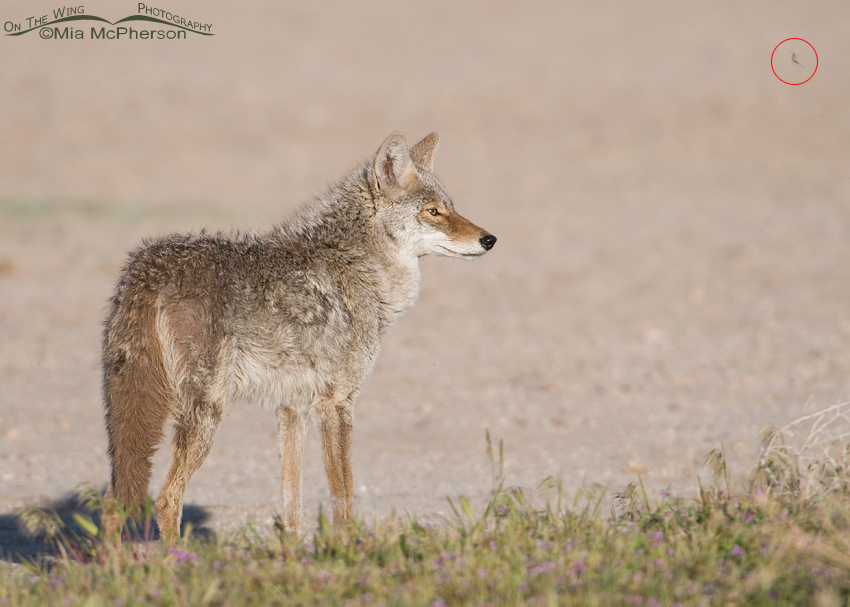
Coyote with a Midge in the frameCoyote with a Midge in the frame

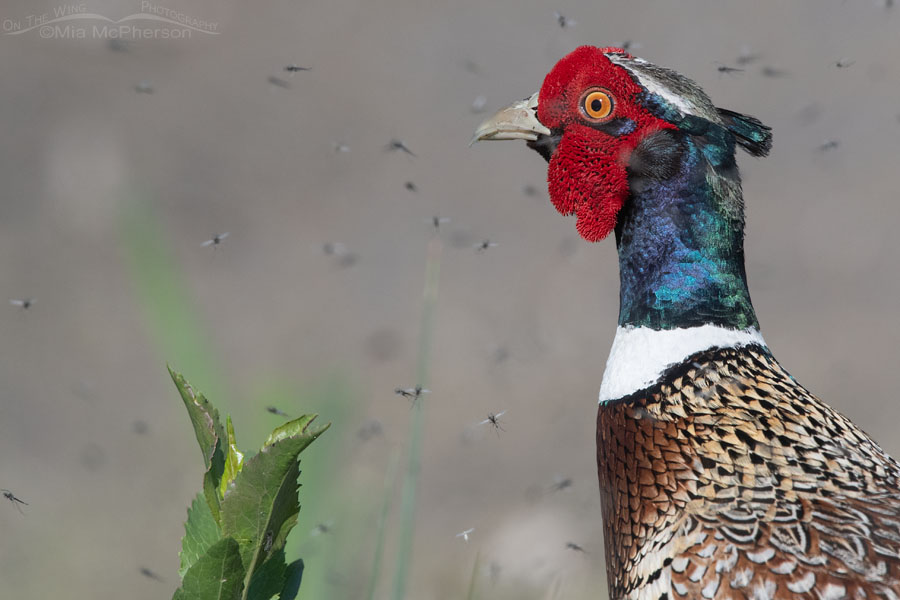
Midges can show up in images unexpectedly as one did in this image of a Coyote I photographed a few days ago on Antelope Island. At the time I took this I had no idea there was a visible midge in the upper right hand corner. I also have plenty of bird images where midges can be seen flying next to a bird or where they are floating on the water.

The midges aren’t to be confused with the biting gnats (no-see-ums) that are out biting every unsuspecting person on Antelope Island right now, no-see-ums are much smaller than these midges.

Mia

Facebook Twitter

Bear River National Wildlife Refuge Barn Swallow

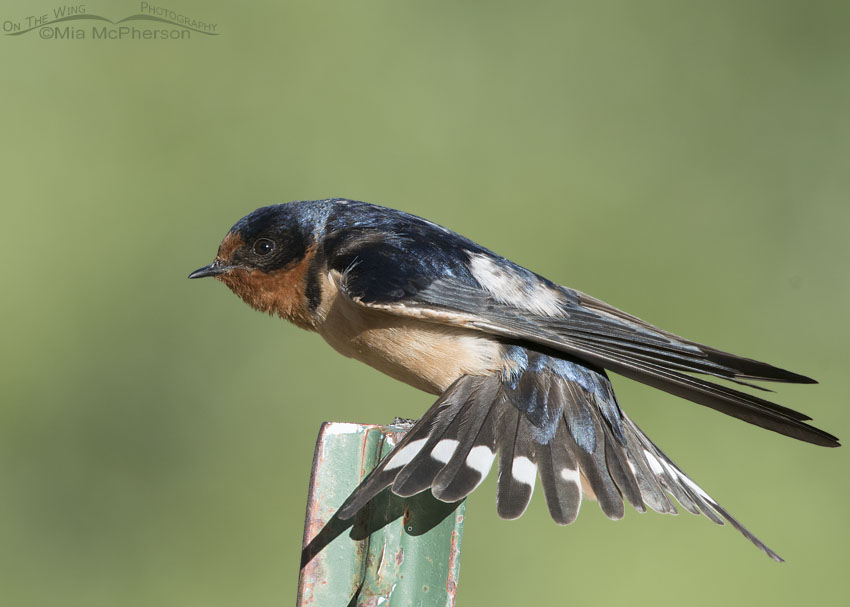
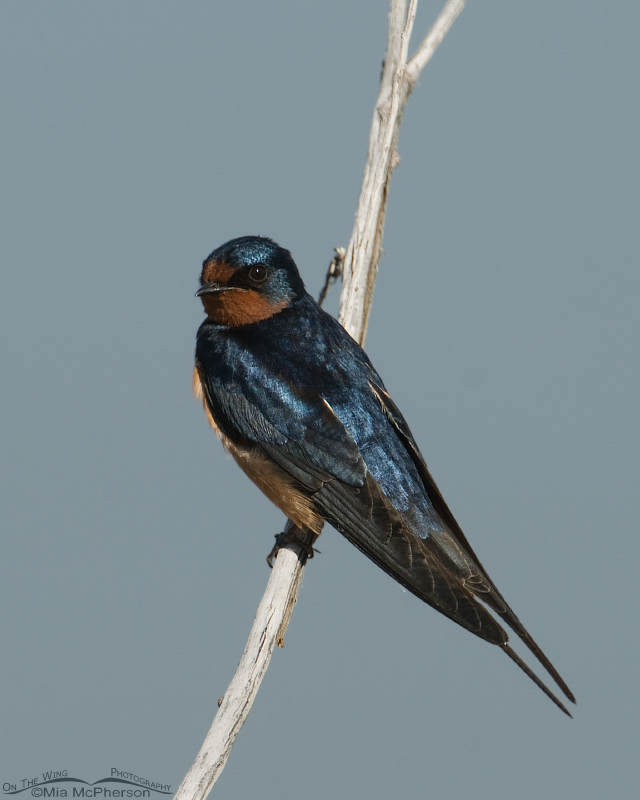
Barn SwallowBarn Swallow – Nikon D200, f7.1, 1/640, ISO 250, +0.3 EV, Nikkor 200-400mm VR with 1.4x TC at 400mm, natural light

My birding friends Kathie and Chris down in Arizona have reported that they are already seeing swallows so chances are it won’t be long before I see them just one state away in Utah!

Bear River National Wildlife Refuge has five species of swallows during the warmer months, they are Tree, Northern Rough-winged, Violet-green, Cliff and Bank Swallows. The swallows are drawn to Bear River NWR because of the abundance of insects at the refuge, primarily Midges. I’ve written before about them in a post titled  Midges and Birds – Food for Thought that explains how Midges benefit the eco-system at Bear River NWR in northern Utah. That post also shows Midge Tornados that I find fascinating and images of a few birds that consume them too.

Okay, back to swallows, it wasn’t until last night that I realized I have not posted a single image of a Barn Swallow on my blog yet and I figured it was about time! I photographed this beautiful adult Barn Swallow on the auto tour loop back in May of 2010, that was a super day for me as far as photography went because I was also able to photograph some gorgeous Red Fox kits that morning too.

I expect to see the first Barn Swallows sometime around the end of March to the beginning of April, I can’t wait!

Don’t get me wrong, I love winter and the birds the cold weather brings but I am also looking forward to the birds I see in spring and summer and Swallows are amongst them.

Mia

*Because of Google’s changes it Image Search and how they have begun to hotlink to my larger images I will no longer post large versions of my files on my blog.

Facebook Twitter

Clark’s Grebes

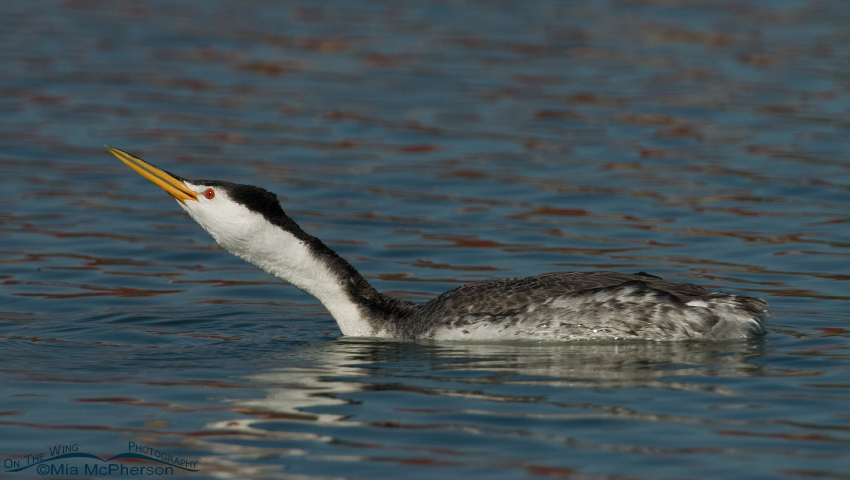
Stretching adult Clark's Grebe

Stretching adult Clark’s Grebe (Aechmorphus clarkii)
Salt Lake County, Utah
Nikon D200, f8, 1/2000, ISO 400, -0.7 EV, 200-400mm VR with 1.4x TC at 400mm, natural light

This spring and summer I’ve a little been disappointed by how few Clark’s Grebe images I have been able to take. One of the places I know about where I know I can find them rushing (looks like a water ballet), nesting, feeding their chicks and watching the juveniles ride on the adult’s back has been closed twice for weeks at a time. Once was due to roads flooding in the spring and now it is closed to finalize some road construction.
Clark's Grebe with midges on the water

Clark’s Grebe (Aechmorphus clarkii) with midges floating on the water
Bear River National Wildlife Refuge, Box Elder County, Utah
Nikon D200, f7.1, 1/2000, ISO 400, -1.0 EV, Nikkor 200-400mm VR with 1.4x TC at 400mm, natural light

I was able to take some picture of Clark’s Grebes this spring and summer but what I really missed was watching them interact with each other and with the Western Grebes I can usually find in the same location. I hope that there are still some around by the time those roads open up in September!

Mia

More Clark’s Grebe images

Facebook Twitter

Midges and Birds – Food for thought

Midge "tornado" from a distance
Midge “tornado” from a distance


This is the time of the year that “midges” are as thick as flies on you-know-what at the Bear River Migratory Bird Refuge. They are so thick that they can look like tornadoes along side of the Auto Tour route as seen in the image to the left.

A lot of people mistake midges for mosquitoes; they do look similar, and think that they will be bitten by the swarms of bugs in the air. There are biting and non-biting midges, biting midges are often called “no-see-ums” and truly they are miserable to get into because even though you can barely see them the bites let their presence be known. The midges at Bear River Migratory Bird Refuge along the auto tour route are non-biting midges and they play an important role in the areas eco-system.

Midges have three stages in their lifetime, larval, pupal, and adult. In the larval stage midges are aquatic, they feed on algae, plankton and small aquatic plants. They are a food source in the larval stage for fish an their appearance is similar that that of mosquito larvae.

Midge "tornado" zoomed closer

Midge “tornado” zoomed closer

The female midge lays her eggs either on the water surface or on vegetation near the water. The eggs hatch in approximately 72 hours followed by a two day pupation before rising to the surface as adults.

An important thing to remember is that the flying adult midges do not eat and have a short life span of about 10 days. You can hear a humming sound with that many midges in the air though they do not have the typical “buzz” a mosquito has. Midges over winter in the larval stage in the water.

The midges at Bear River Wildlife Refuge seem to be concentrated along the sides of the dirt road of the auto tour route hovering above the grasses, or on the vegetation along the road or nearby shoreline plants.

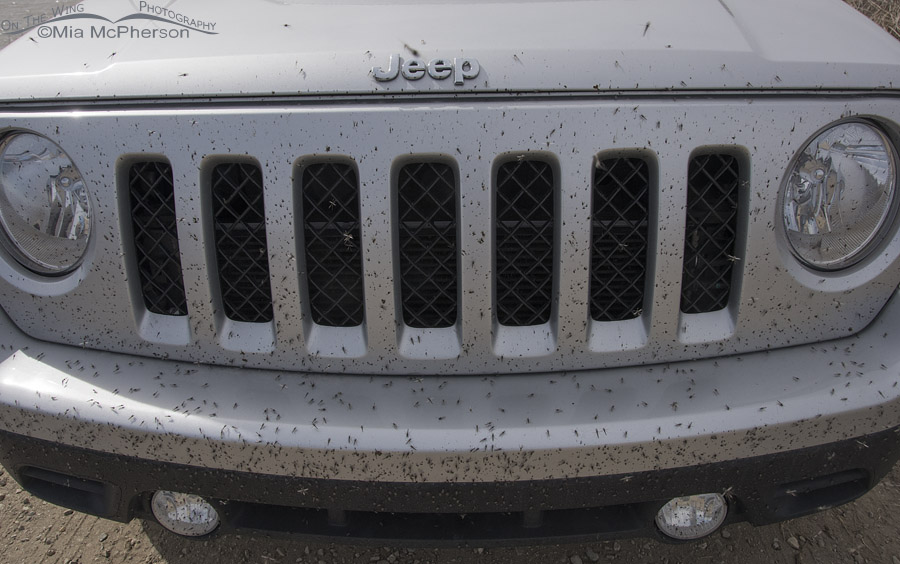
They can be a bother when you are driving along with your windows open for birding, bird photography or sightseeing. The outside and inside of the vehicle will literally have hundreds, if not thousands of midges attached to the interior and exterior.

Not to worry though; if you leave the windows open a bit when you reach the paved road and higher speeds most will leave the vehicle.

Midges in flight

Midges in flight

They do tickle if they land on your skin and the sheer numbers of them can feel a bit overwhelming but they don’t bite.

They are; however, an important food source for many of the birds found on the refuge.

The midges at Bear River MBR first appear around April and are often still being seen through June. Many of the shorebirds found at the refuge begin to return about the time the midges are “hatching” in the spring. They are a favorite of Eared Grebes and a few other perching birds.

I have many images where the midges are either present on the water surface or are in flight around the birds I photograph. They can be troublesome to “clean” off the water surface and they can appear to be dust bunnies (aka sensor spots) in an image frame.

Yesterday I could see one walking on my lens through the viewfinder, if that happens to you just blow it out, don’t try to smoosh it or your lens will get dirty!

Here are some of the birds that eat midges:

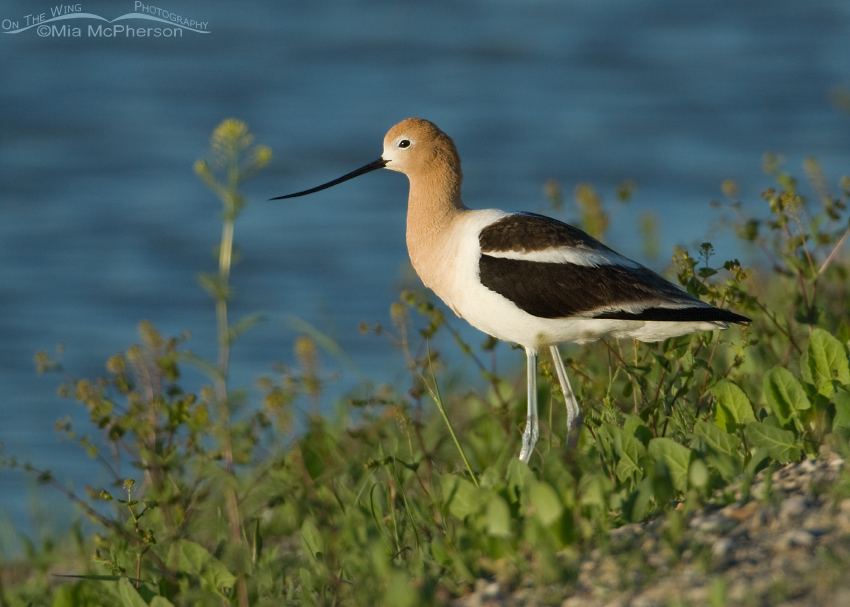
Adult American Avocet

Adult American Avocet (Recurvirostra americana)
Bear River Migratory Bird Refuge, Box Elder County, Utah
Nikon D200, f6.3, 1/640, ISO 400, Nikkor 200-400mm VR with 1.4x TC at 400mm, natural light

American Avocets are elegant, graceful and unique shorebirds found in great numbers in the Bear River MBR. According the BNA  (Birds of North America – a pay site) their freshwater diet includes:

In freshwater wetlands water boatmen (Hemiptera, Corixidae); adult and larval beetles (Coleoptera); fly larvae (Diptera), especially midges (Chironomidae).

I haven’t researched yet to see how many other shorebird species found in the refuge that eat the midges but I’m fairly sure that more of the shorebirds do benefit from the midges being in the refuge.

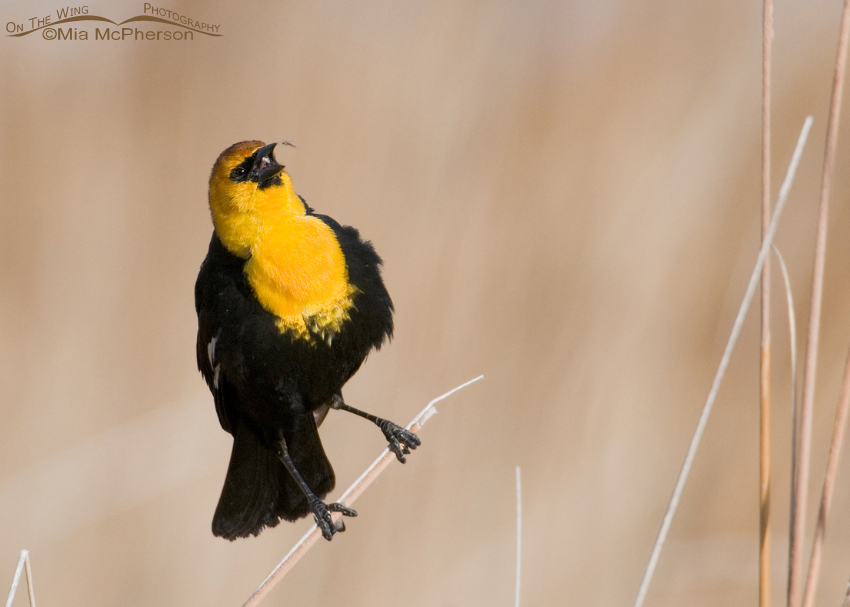
Male Yellow-headed Blackbird among the midges

Male Yellow-headed Blackbird (Xanthocephalus xanthocephalus) with midges around it
Bear River Migratory Bird Refuge, Box Elder County, Utah
Nikon D200, f6.3, 1/750, ISO 400, +0.3 EV, Nikkor 200-400mm VR with 1.4x TC at 400mm, natural light

Another bird that seems to benefit from midges is the Yellow-headed Blackbird. In the image above you can see a few flying midges in the frame and I have watched these blackbirds snatch the midges right out of the air while they are perched. I’ve also seen the yellow-headed blackbirds feeding on the ground by grabbing the midges off of the vegetation. They probably have to eat a lot of the midges for the calories they need but the blackbirds don’t seem to make a dent in the millions of midges on the refuge.

Cliff Swallow gathering nesting material

Cliff Swallow (Petrochelidon pyrrhonota) gathering nesting material
Bear River Migratory Bird Refuge, Box Elder County, Utah
Nikon D200, f6.3, 1/1250, ISO 400, Nikkor 200-400mm VR with 1.4x TC at 400mm, natural light

Swallows start to show up at the refuge about the time the midges first start flying, I don’t think that is a coincidence since swallows prefer flying insects for their diet. Although I would prefer that swallows ate just the biting insects I won’t begrudge them eating the non-biting midges either.

Marsh Wren calling from cattails

Marsh Wren (Cistothorus palustris) calling from cattails
Bear River Migratory Bird Refuge, Box Elder County, Utah
Nikon D200, f6.3, 1/1250, ISO 400, +0.3 EV, Nikkor 200-400mm VR with 1.4x TC at 400mm, natural light

Yesterday I was fortunate enough along the auto route tour to be able to get close to several Marsh Wrens that were calling in the cattails and I could see quite a few of the nests. I love Wrens in general, they are tiny little birds with big attitudes that are amazingly fast and challenging to photograph. I was quite surprised to see one of them yesterday snatch a midge right out of the air.

Humans may think that midges are a nuisance yet the birds I have mentioned benefit tremendously from the presence of these insects. I have only touched on a few of the bird species that ingest these bugs.

Food for thought on a windy, cloudy and rainy day in Utah.

Mia

Facebook Twitter