Glowing American Lotus
I had considered sharing this photo of this American Lotus on Easter Sunday, but I was feeling a little raw and sad. It was my first Easter without my mother.


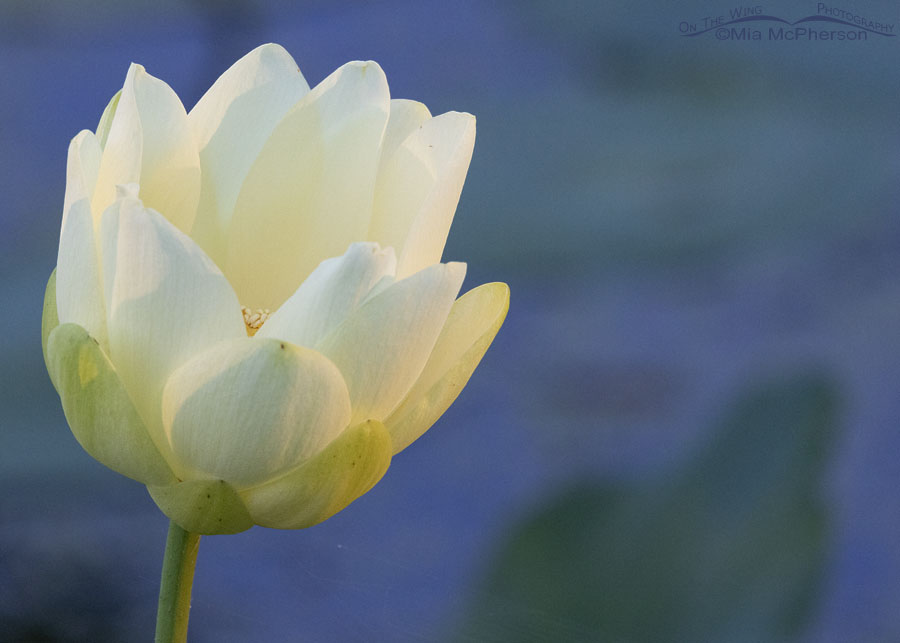
I had considered sharing this photo of this American Lotus on Easter Sunday, but I was feeling a little raw and sad. It was my first Easter without my mother.
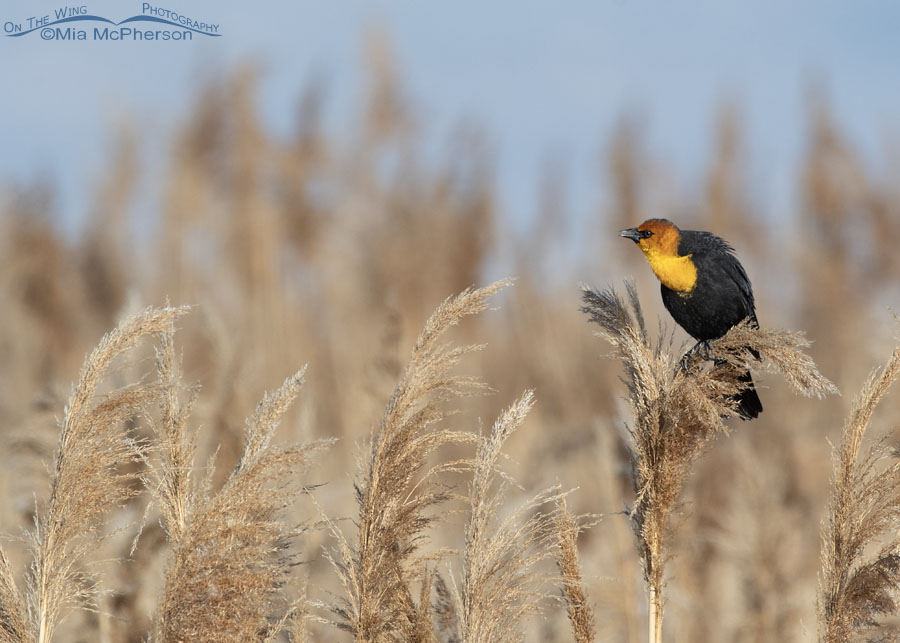
Earlier this week I stopped to take a video of a singing male Yellow-headed Blackbird on the auto tour loop of Bear River Migratory Bird Refuge. I'm glad I did.
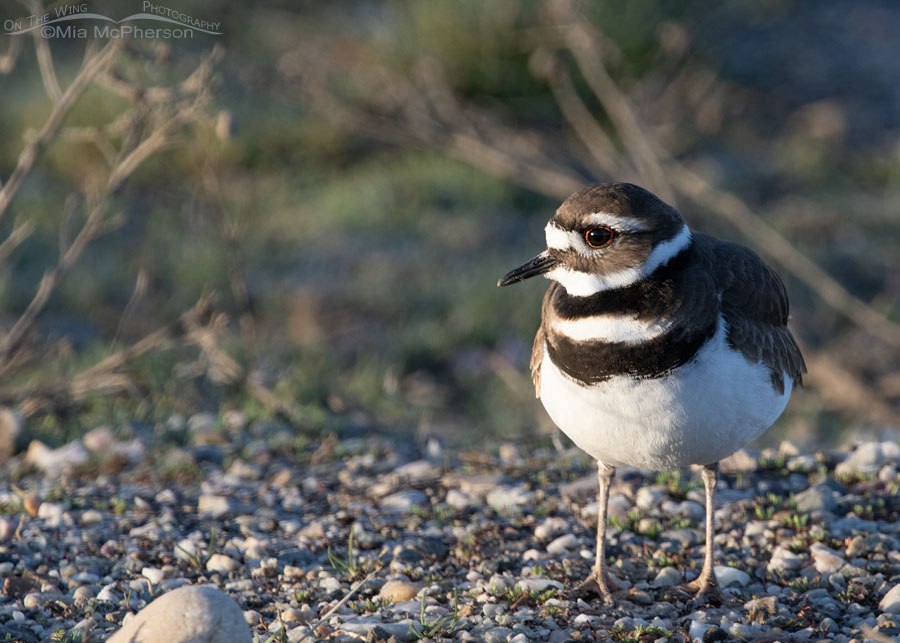
The first bird I photographed yesterday morning at Bear River MBR was this Killdeer in soft morning light. Truthfully, I am glad my first bird was a Killdeer.
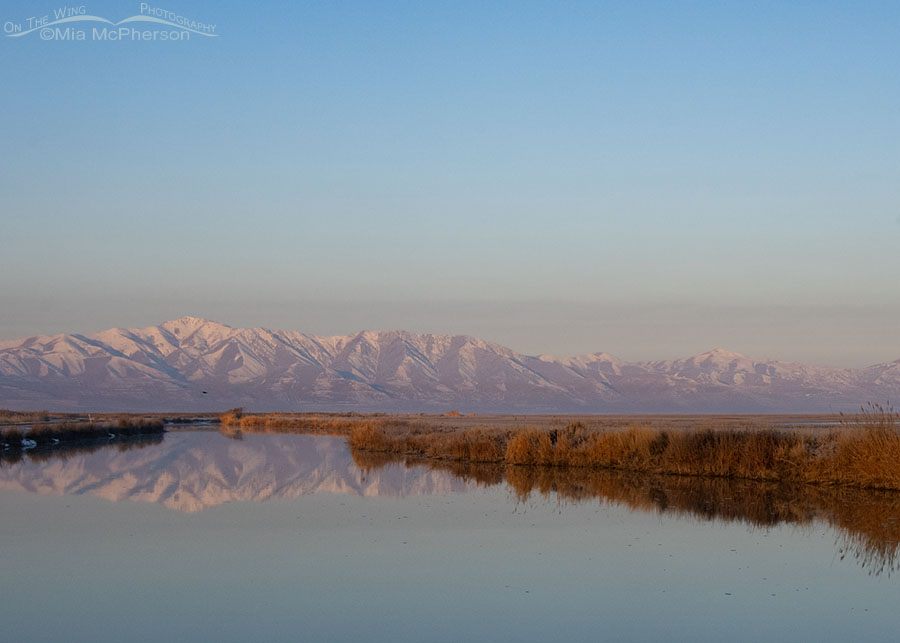
On January 30th, I spent my morning seeking refuge at Bear River Migratory Bird Refuge. Mother Nature supplied the refuge I sought with grand, gorgeous views.
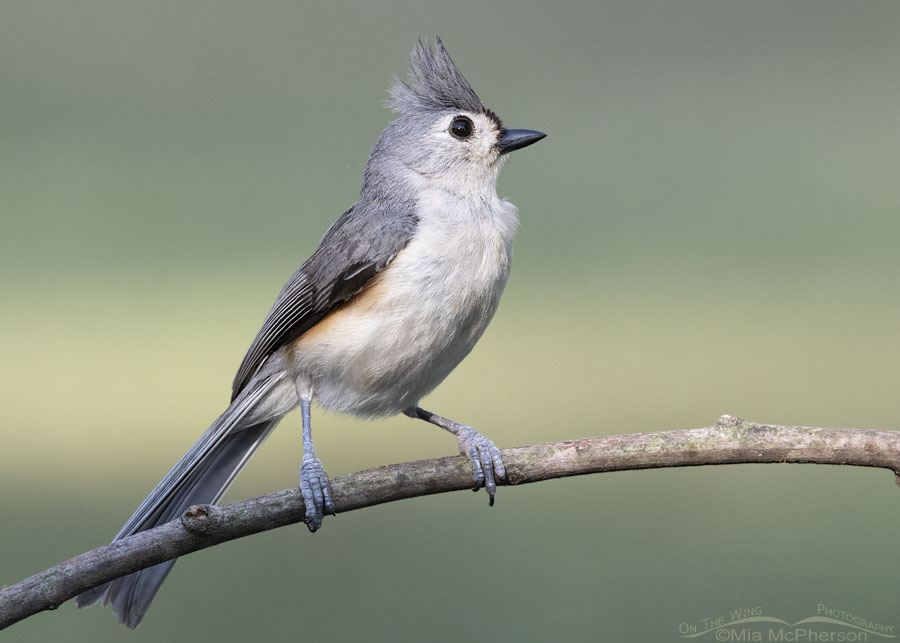
This year, I was thrilled to photograph Tufted Titmouse in my friend Steve Creek's very birdy and extremely wonderful Arkansas yard.
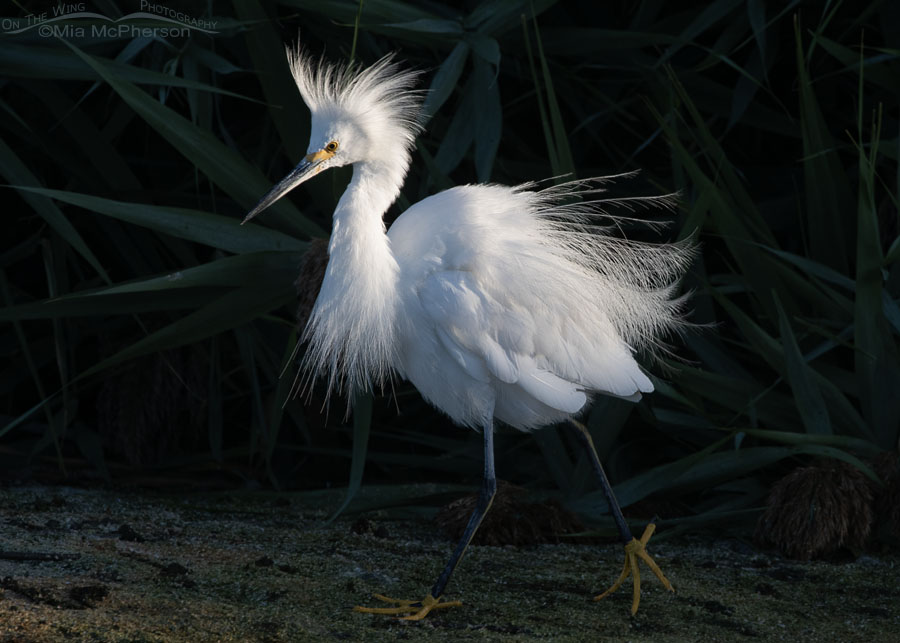
One of the first birds I photographed this autumn was this fluffed-up Snowy Egret glowing in a natural spotlight in the marsh at Farmington Bay WMA.
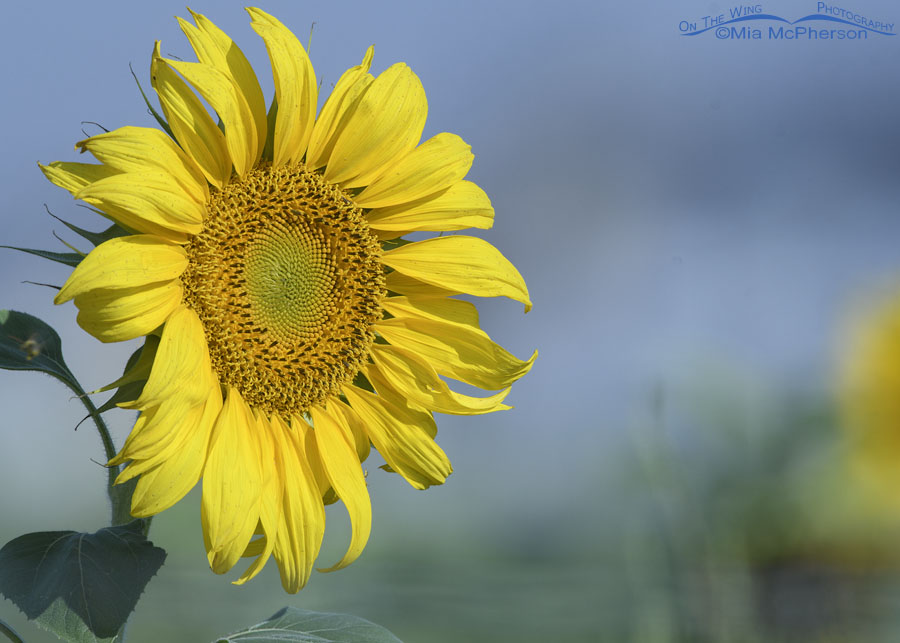
When I'm not photographing birds, I photograph whatever catches my eye. Last September, my focus shifted to sunflower photography near Farmington Bay WMA.
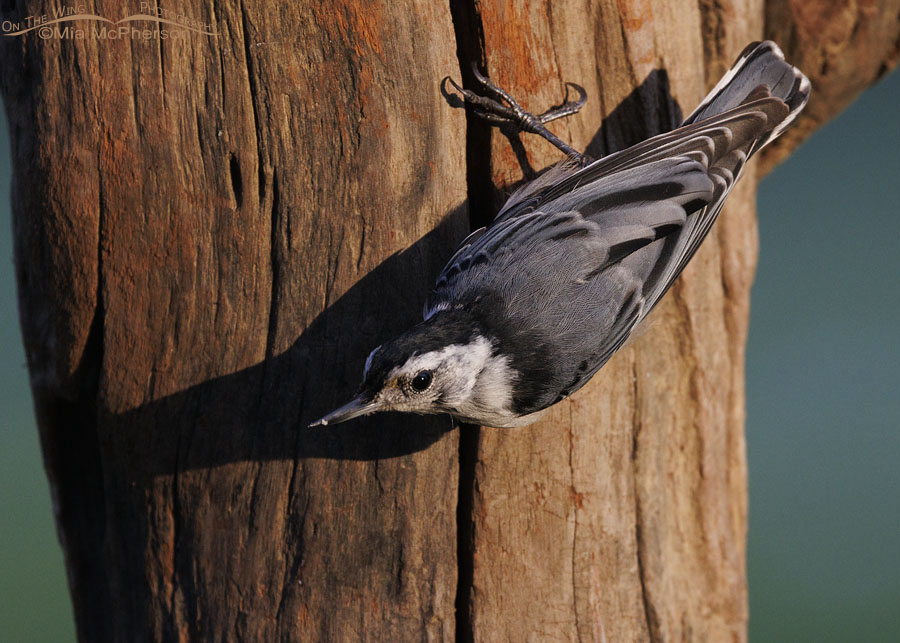
This morning, I'm sharing a photo of a White-breasted Nuthatch taken in June from my friend Steve Creek's wonderfully bird-filled yard in Arkansas.
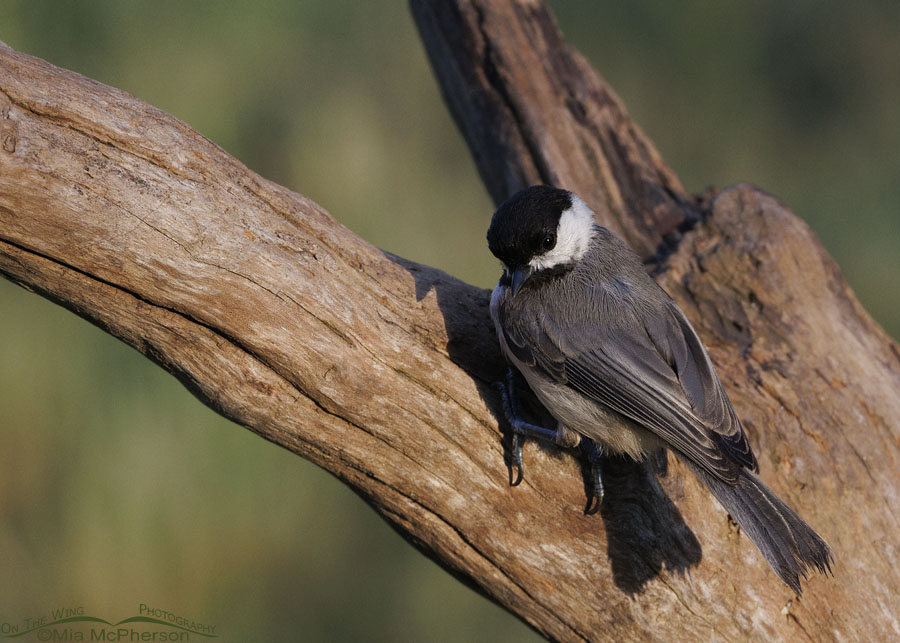
I was thrilled to take scores of Carolina Chickadee images when I was in Arkansas, from the comfort of my friend Steve Creek's deck while I visited with him.
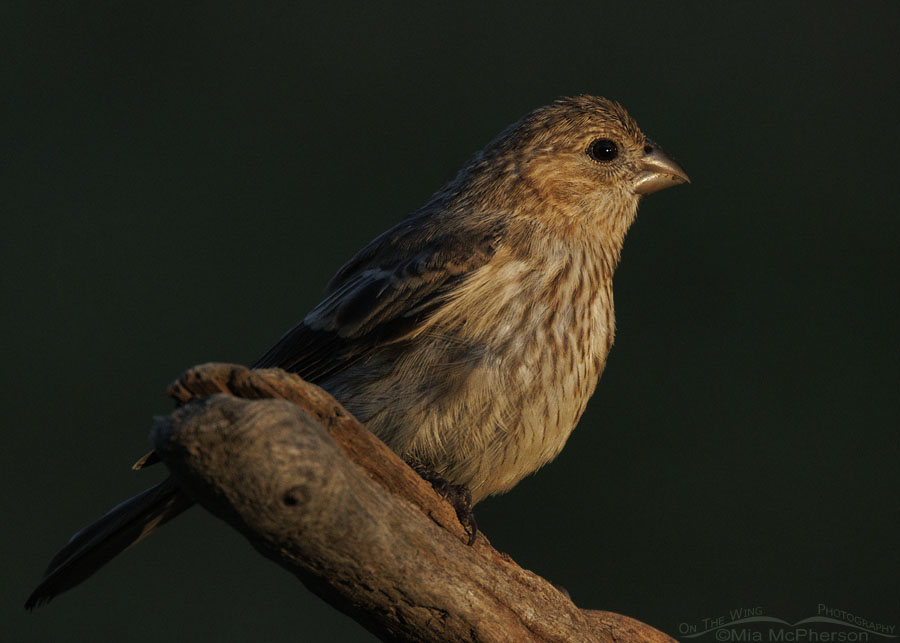
I'm sharing just a few photos of female House Finches this morning that I took while I was visiting my friend, Steve Creek, in Arkansas last month.
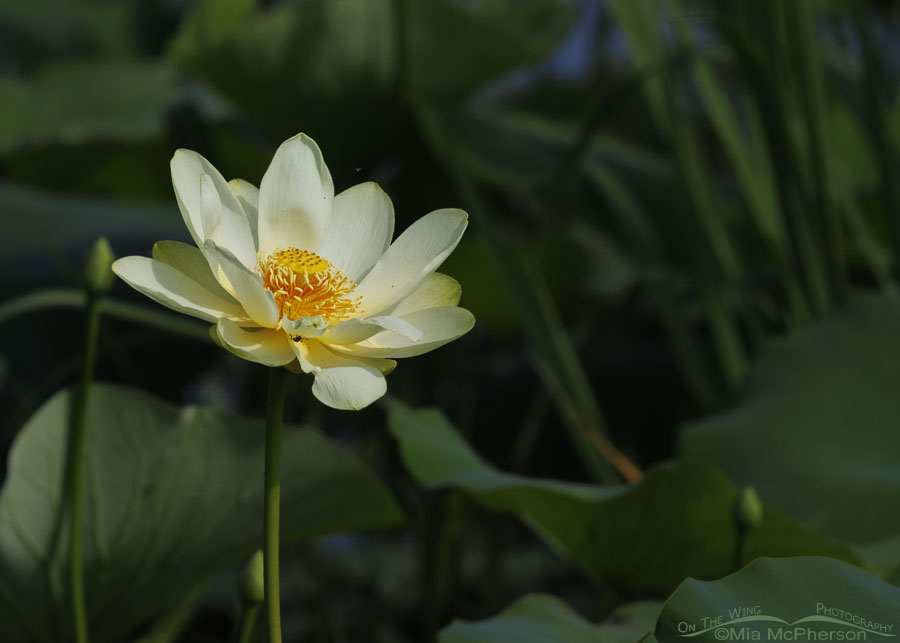
I'm sharing more American Lotus photos that were taken at Sequoyah National Wildlife Refuge last month when I visited my friend and photographer, Steve Creek.
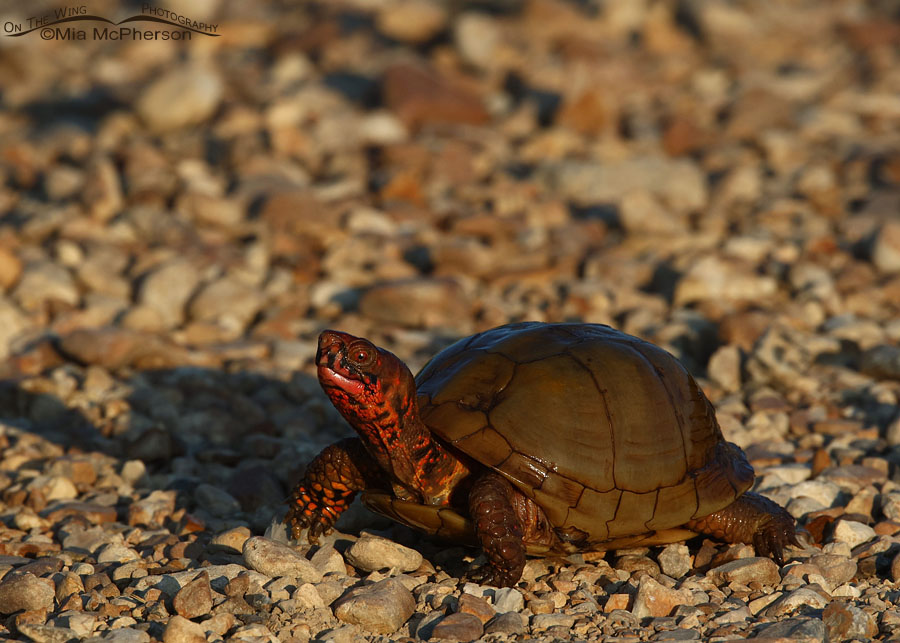
This morning I am showcasing four Three-toed Box Turtle photos that I took while I visited Sequoyah National Wildlife Refuge in northeastern Oklahoma.
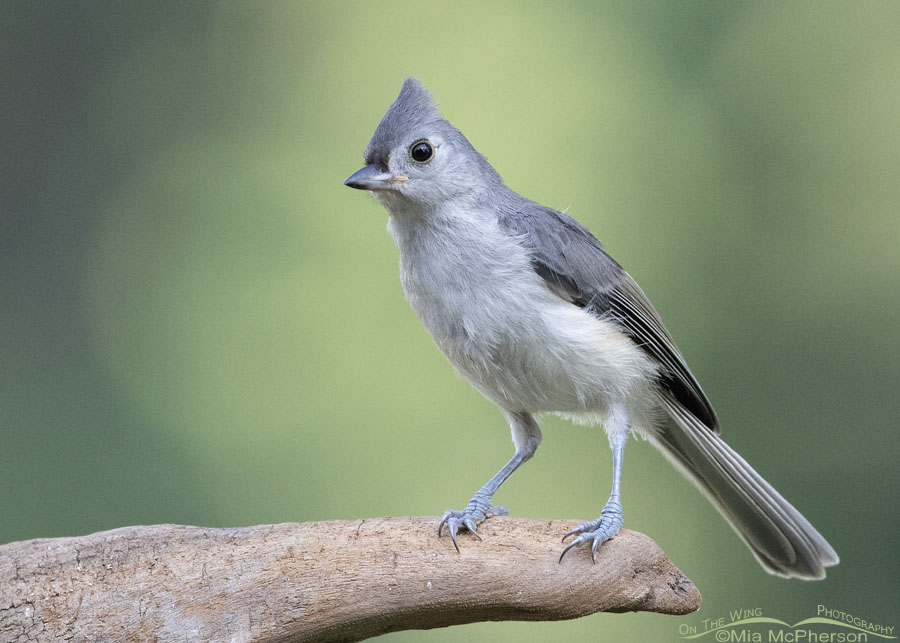
I was thrilled to observe and photograph this charming young Tufted Titmouse a few days ago. I was able to see and hear Tufted Titmice in both Oklahoma and Arkansas.
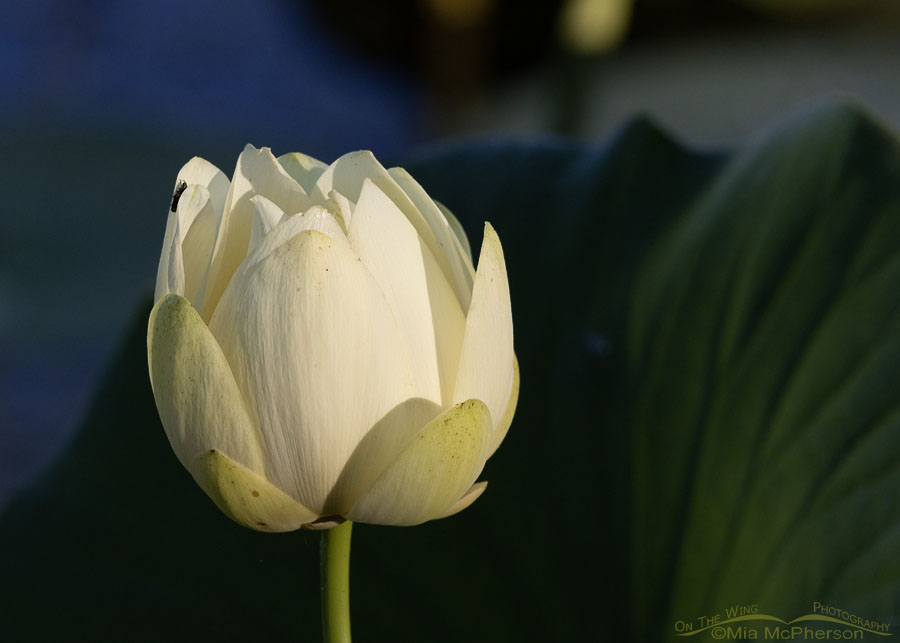
This morning I am highlighting an American Lotus in bloom that I photographed yesterday in a slough at Sequoyah National Wildlife Refuge in Oklahoma.
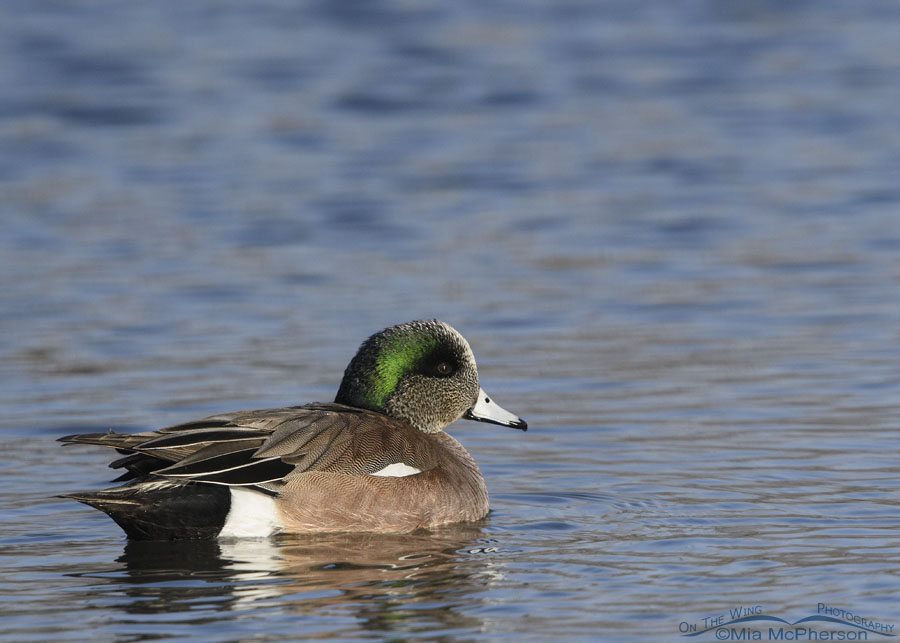
I photographed an American Wigeon drake on the last day of winter at my local pond. The light was nice and lovely but my view of the wigeon was even nicer.
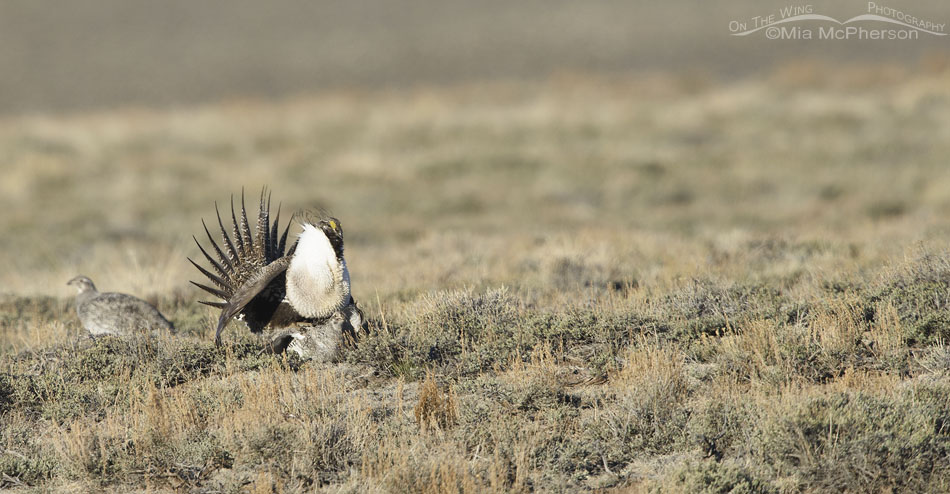
During the breeding season, male Greater Sage-Grouse gather in communal display areas known as leks to perform an elaborate courtship ritual.
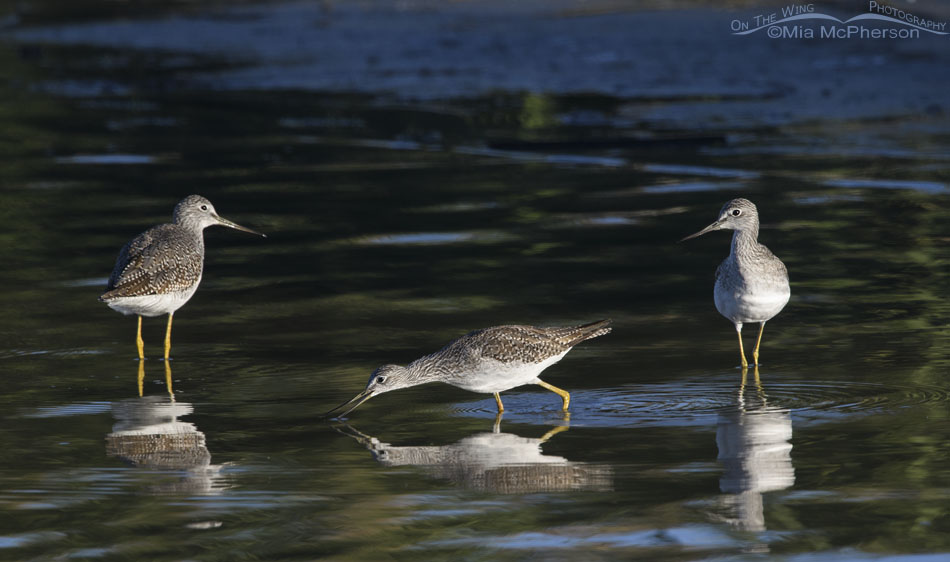
While I was at Farmington Bay WMA two days ago I saw a small flock of Greater Yellowlegs foraging, preening and resting in the wetlands in early morning light.
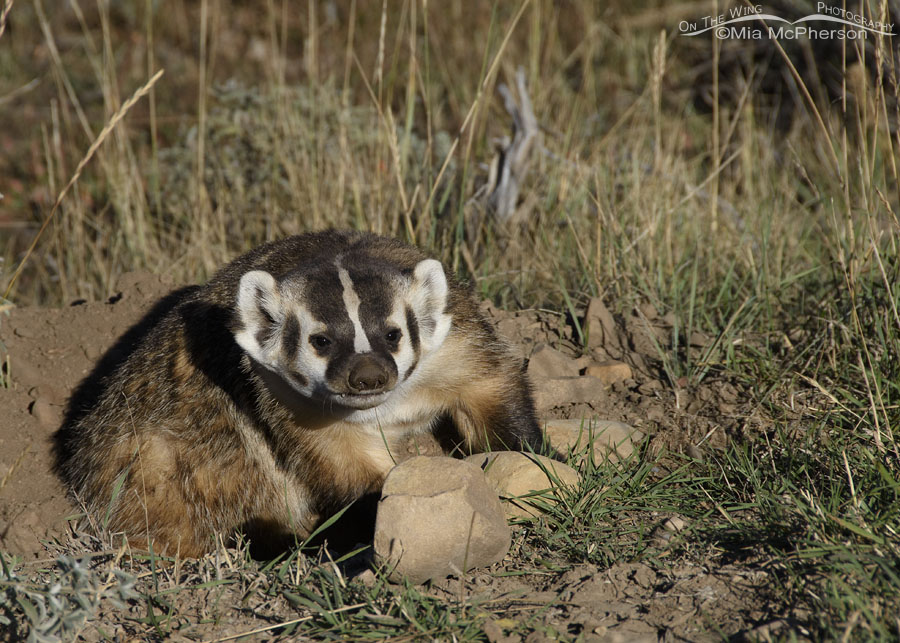
My best photos from yesterday's journey into the Wasatch Mountains weren't of birds; instead, they were of an American Badger I found along the side of the road.
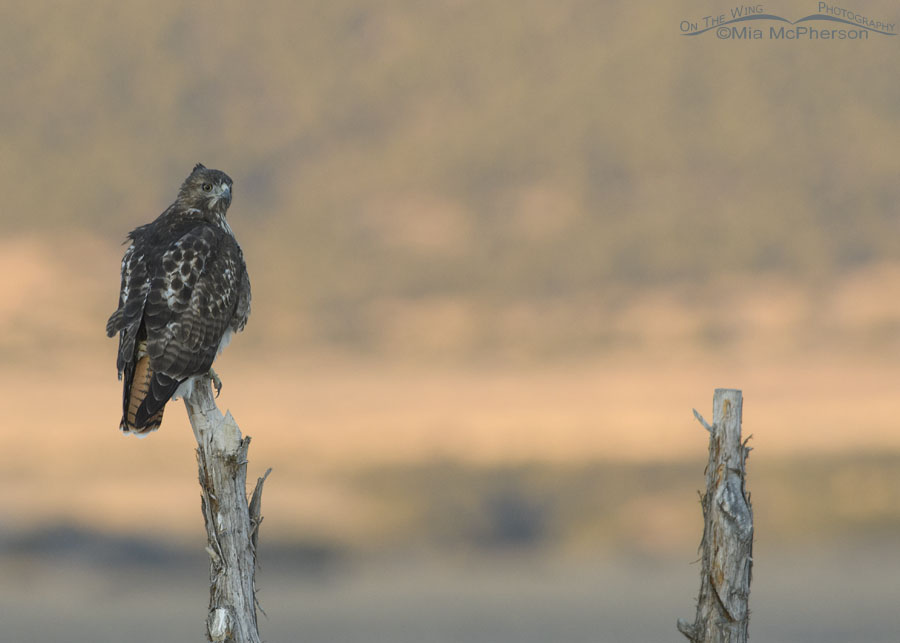
My favorite of the hawks I photographed in the West Desert yesterday was this adult Red-tailed Hawk on a fence post waiting for the morning light.
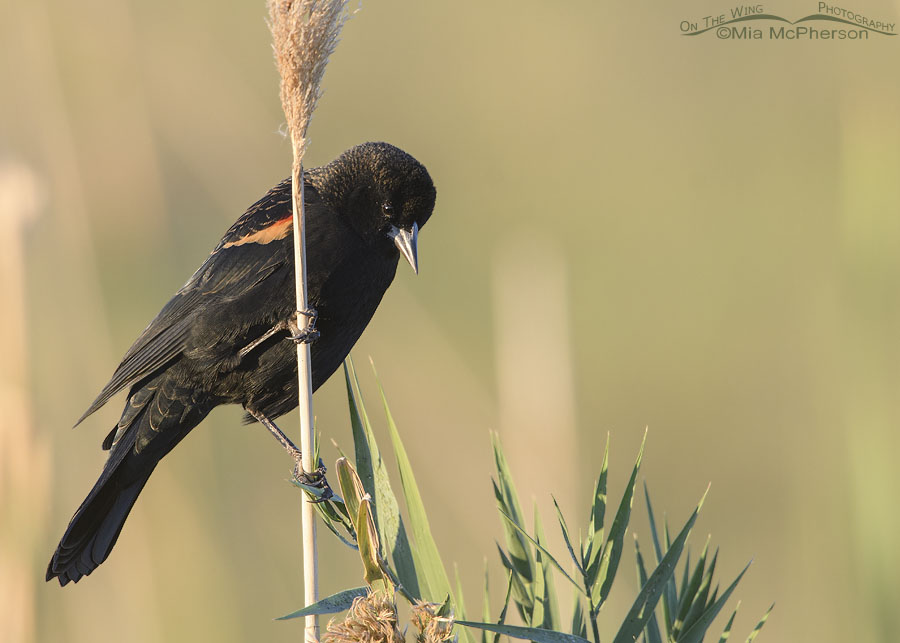
At Bear River MBR two days ago, I paused to take pictures of this Red-winged Blackbird in the warm morning light despite the mosquitoes trying to bite my neck.
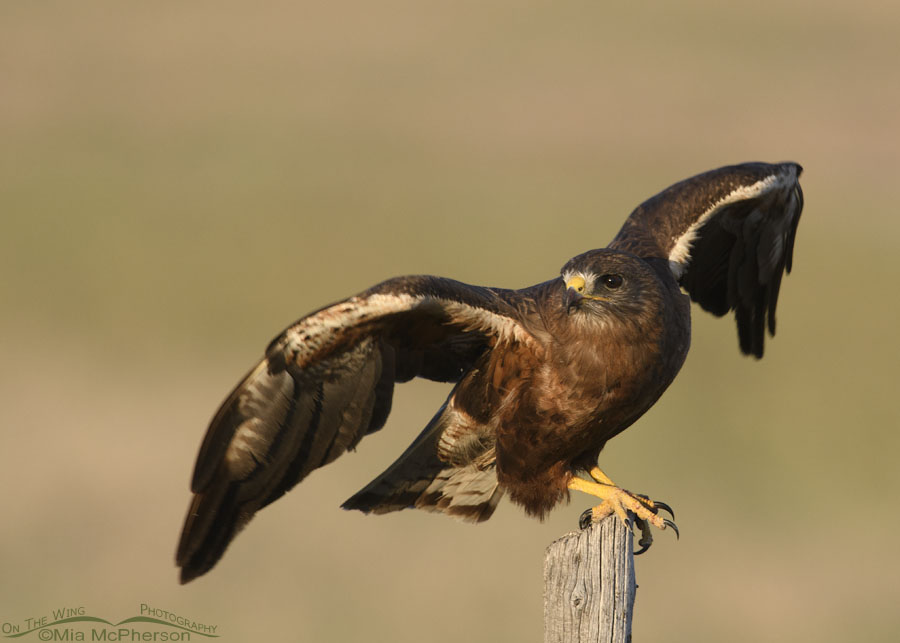
Early yesterday morning on my way to the auto tour route at Bear River MBR I was delighted to see and photograph not just one dark morph Swainson's Hawk but two.
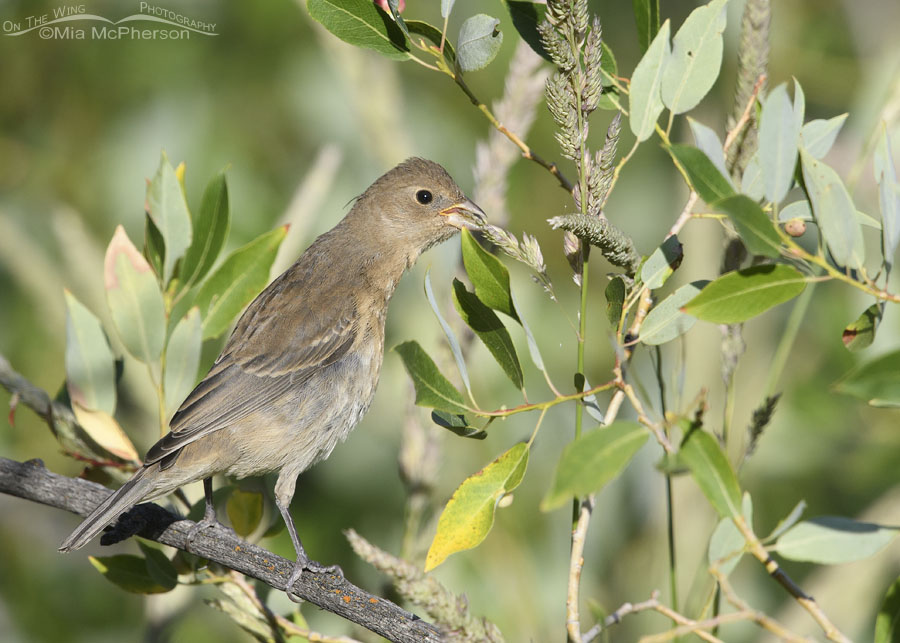
Yesterday I had fun taking juvenile Lazuli Bunting images as several of these young birds rested and moved around eating grass seeds for breakfast.
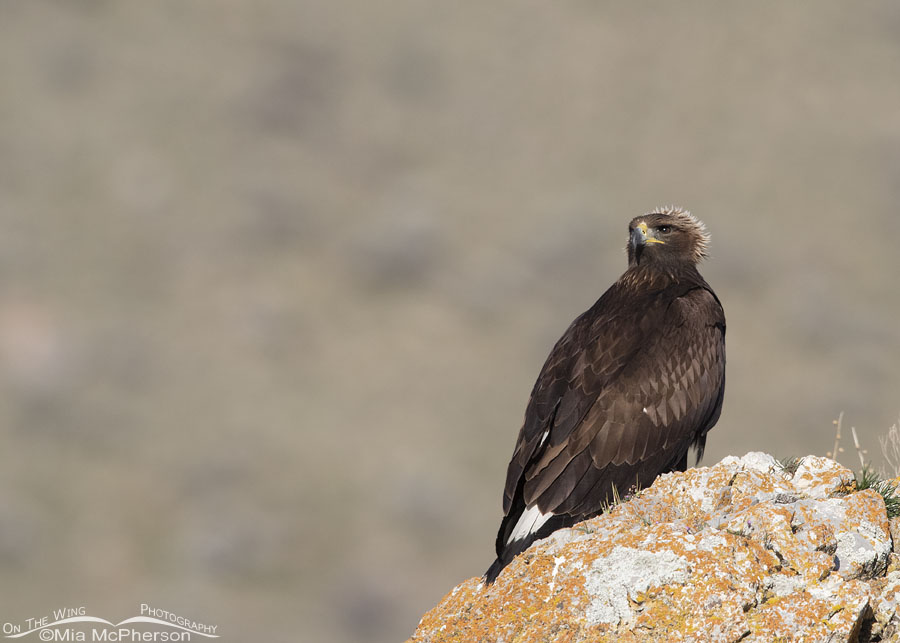
I found and pointed out quite a few birds yesterday but my favorite was this young Golden Eagle on a cliff in morning light because it was so beautiful.
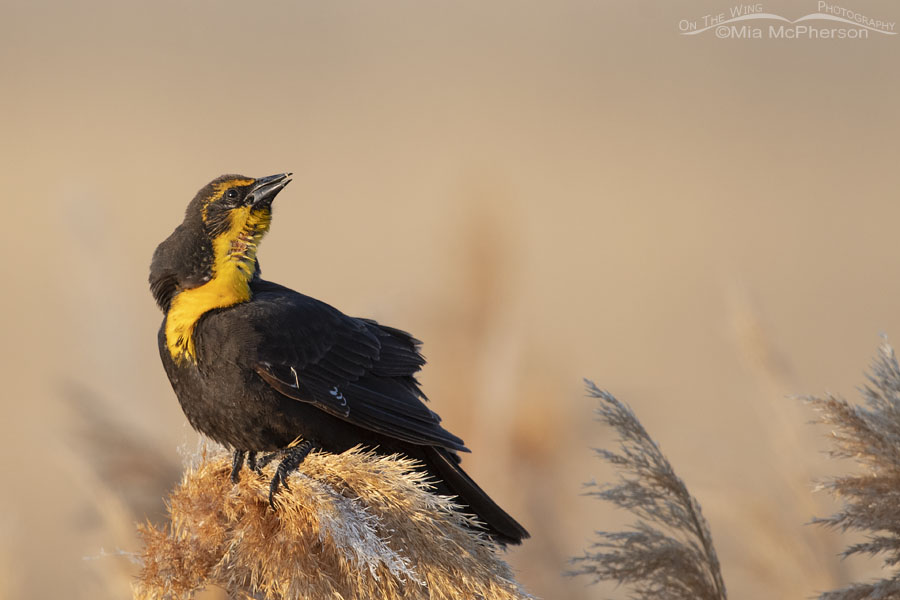
I had a wonderful and relaxing morning at Bear River MBR yesterday and took photos of a female Yellow-headed Blackbird singing on the marsh not long after sunrise.
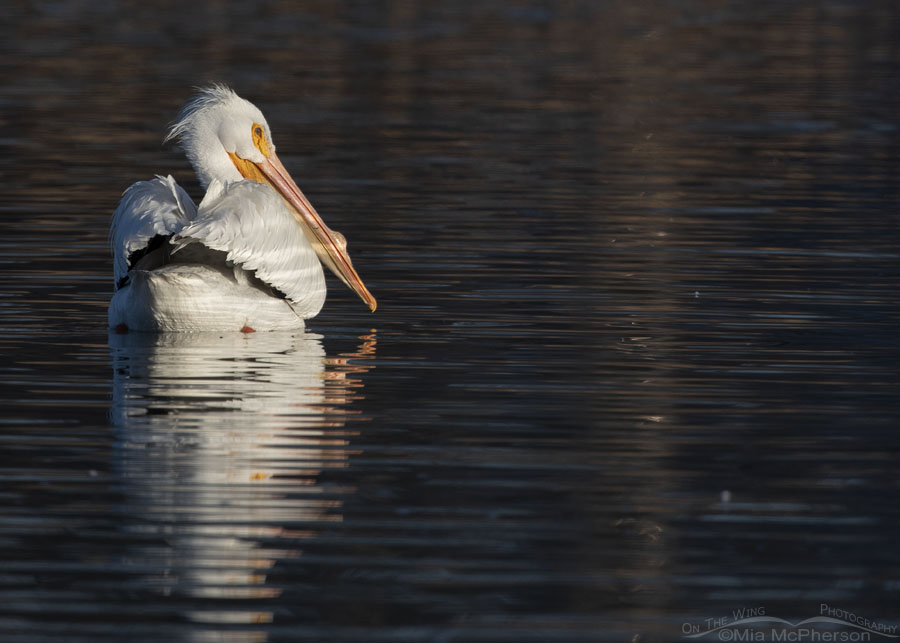
I have a lot going on right now so this morning I'm only sharing one image of an adult American White Pelican in bright morning light taken five days ago.
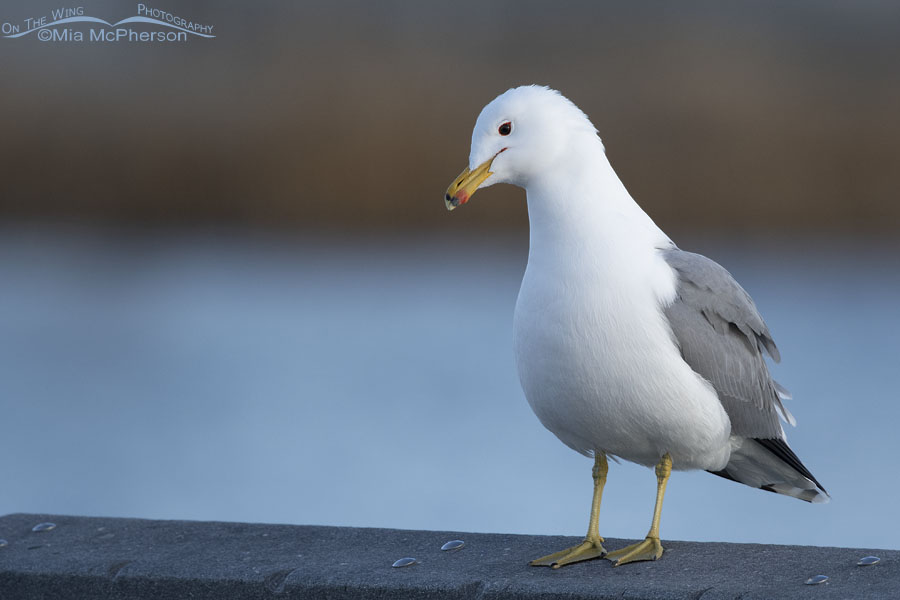
Last week I spent a few minutes focused on photographing an urban California Gull in soft morning light at a pond close to home.
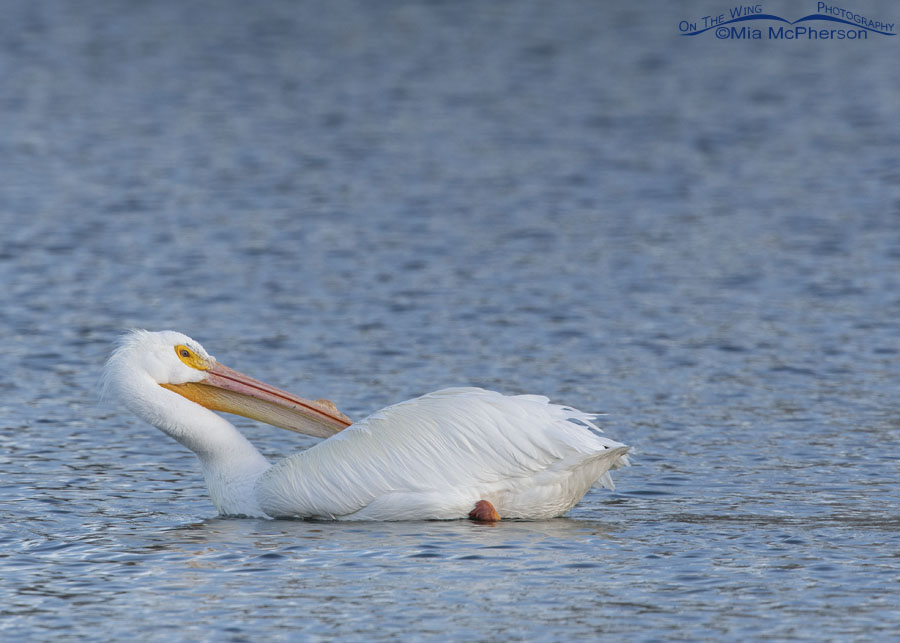
Two mornings ago I photographed my first American White Pelican of the year in soft morning light at an urban park close to home.
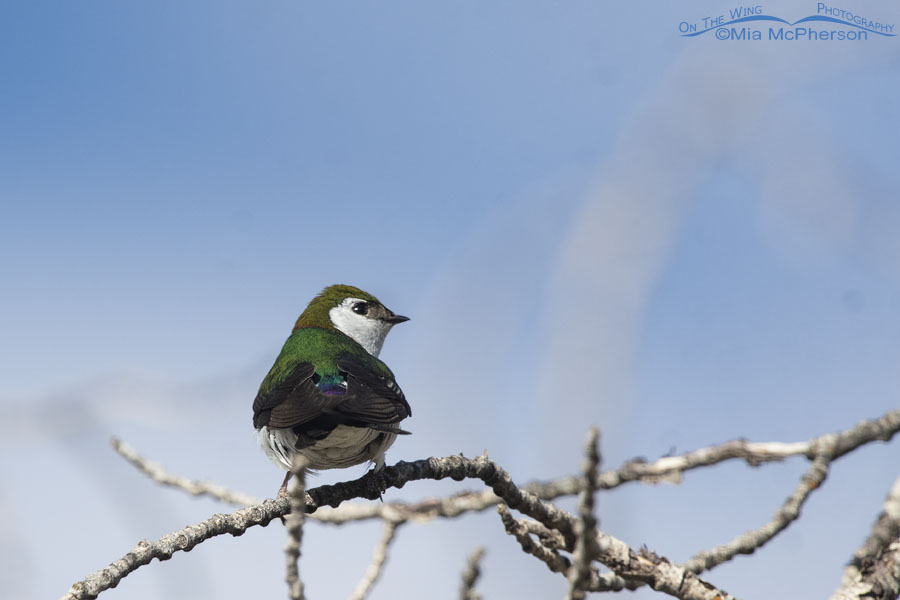
Today I wanted to share swallow photos that show the six species of swallows I see and photograph in northern Utah while they are here for their nesting season.
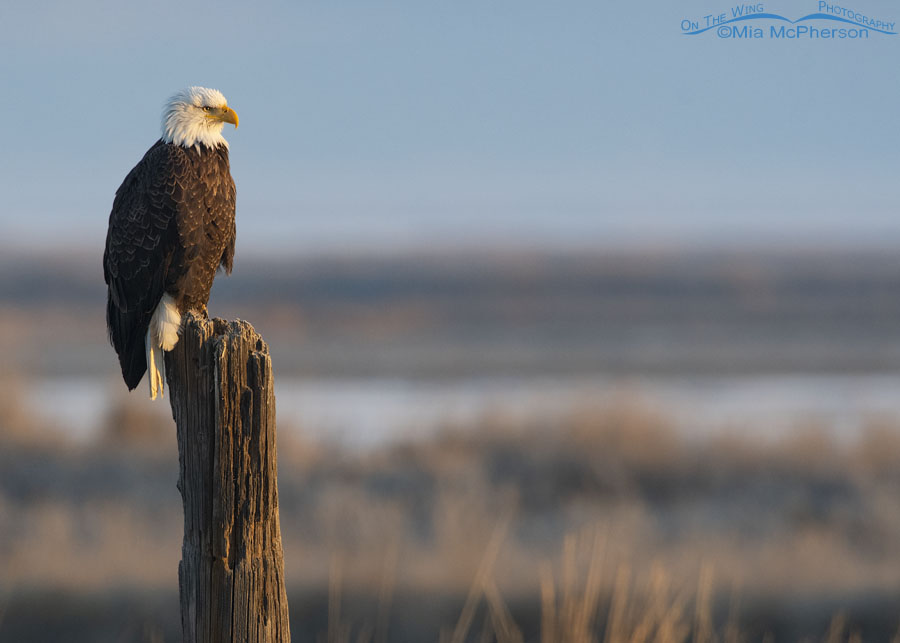
The first bird I photographed on the last day of February was an adult Bald Eagle in the soft morning light who was perched on a leaning wooden post.
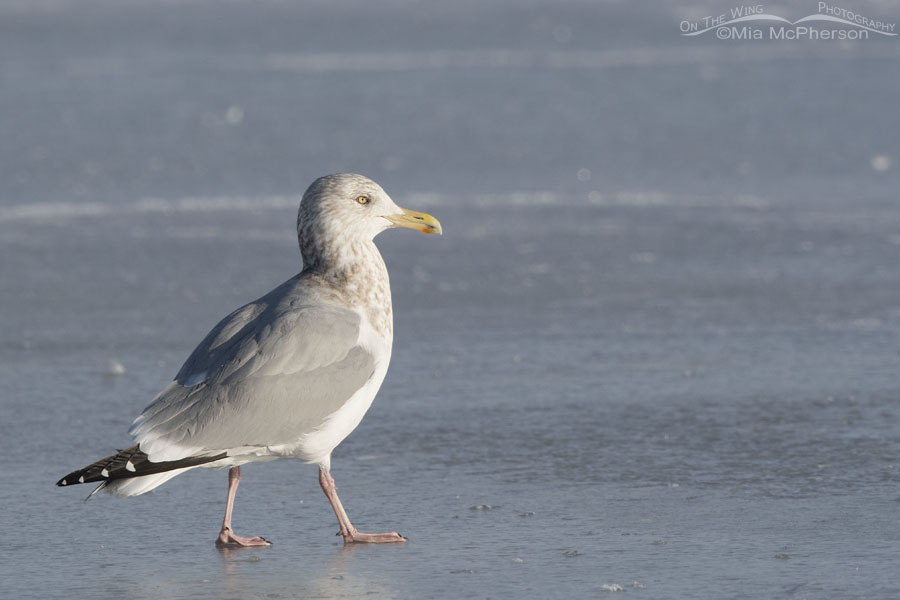
Last week I photographed this Herring Gull walking in ice from the auto tour loop at Bear River MBR on a bright but chilly sunny morning.