Winter Black-crowned Night Heron In Flight
While going through my archives this morning, I found this photo of a Black-crowned Night Heron in flight. It was taken in the marsh at Farmington Bay WMA in 2021.


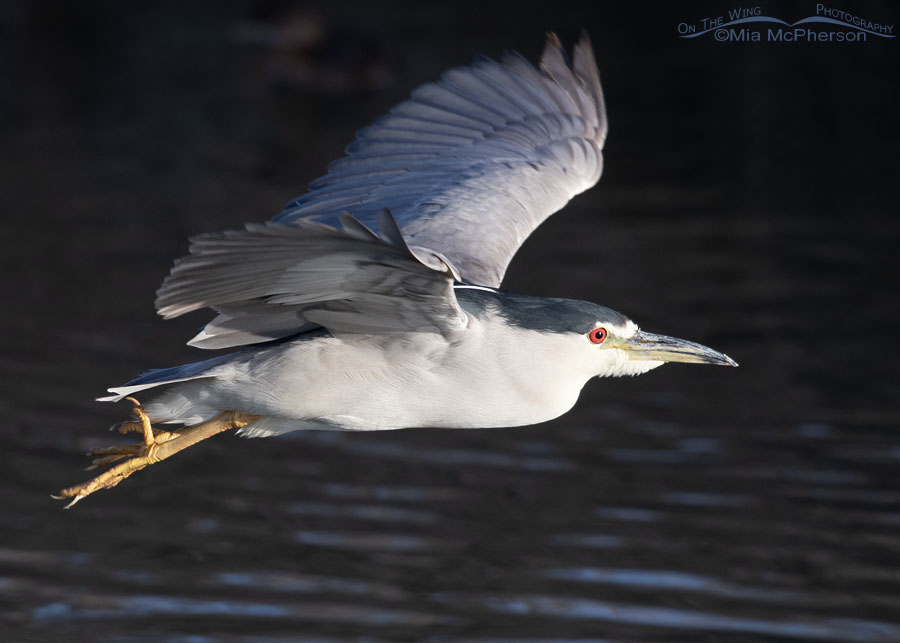
While going through my archives this morning, I found this photo of a Black-crowned Night Heron in flight. It was taken in the marsh at Farmington Bay WMA in 2021.
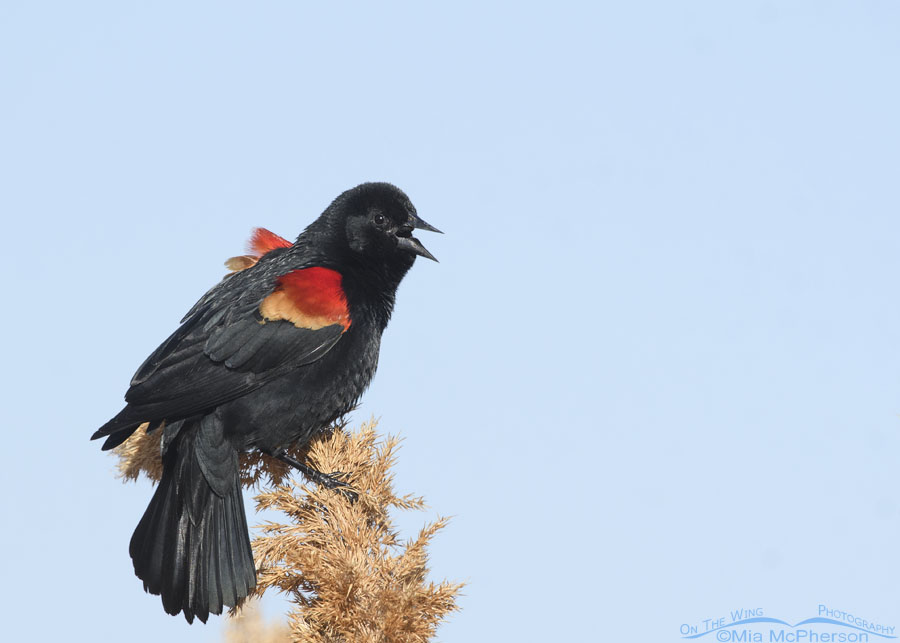
More fresh snow on the ground this morning. I am snow weary. What I need is a bird, nature, gone exploring in the wild fix with no real or clear return time.
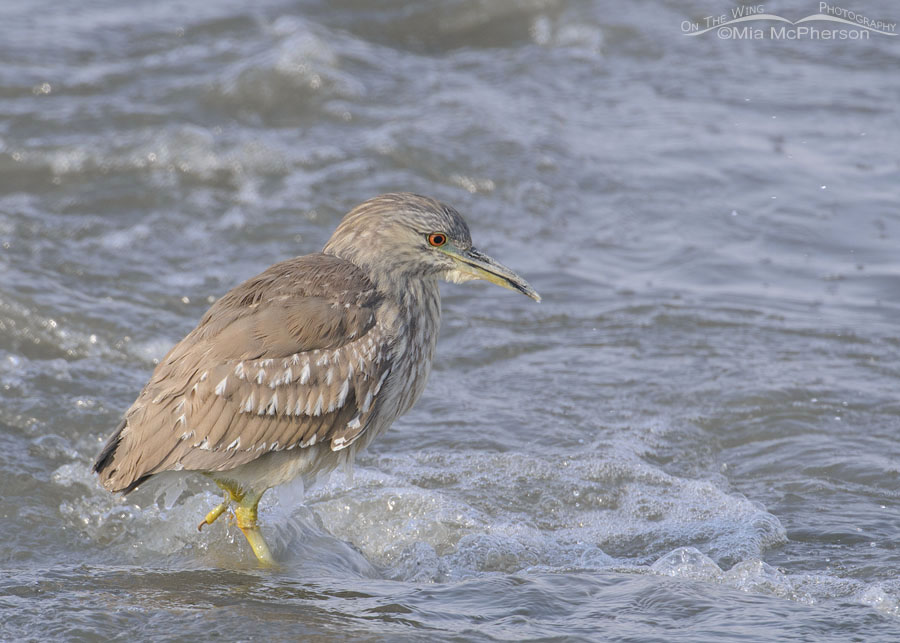
While going through my archives I found this photo of a fishing immature Black-crowned Night Heron taken 10 years ago today at Farmington Bay WMA.
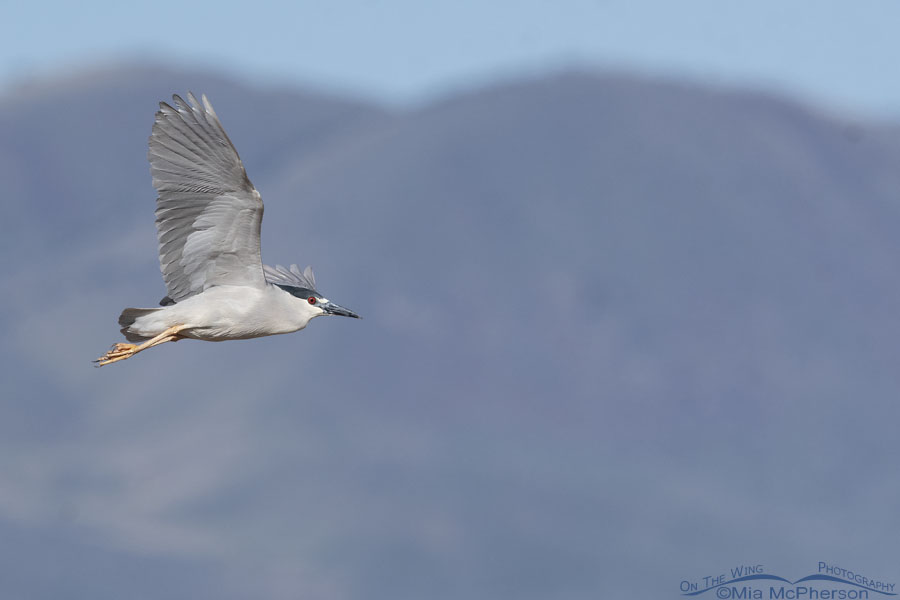
Almost a year ago I had this adult Black-crowned Night Heron in my viewfinder as it flew in front of the Promontory Mountains at Bear River MBR.
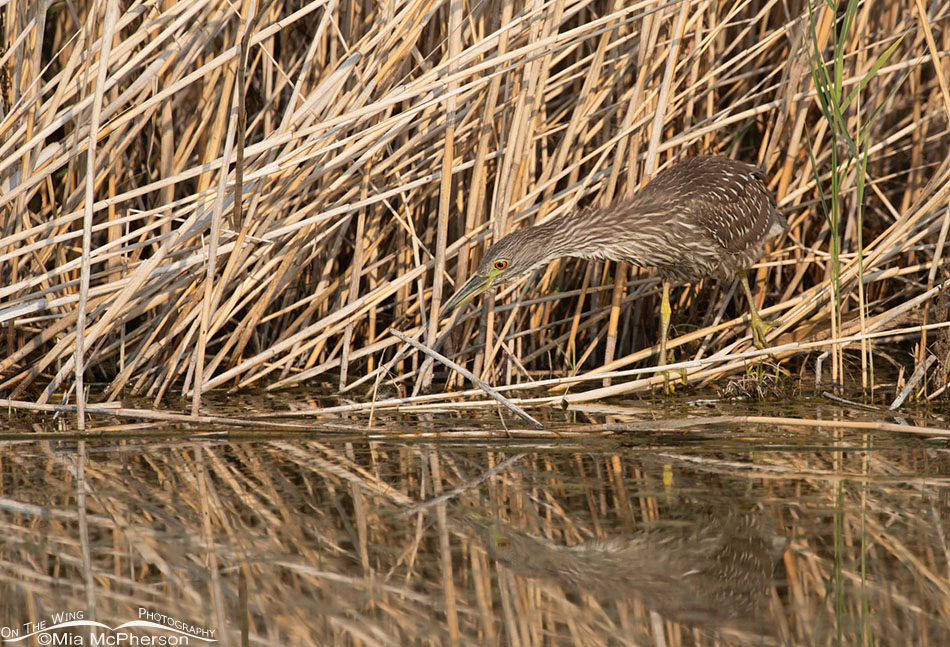
Nearly hidden in the marsh vegetation was an immature Black-crowned Night Heron perched on some phrags at the edge of the water.
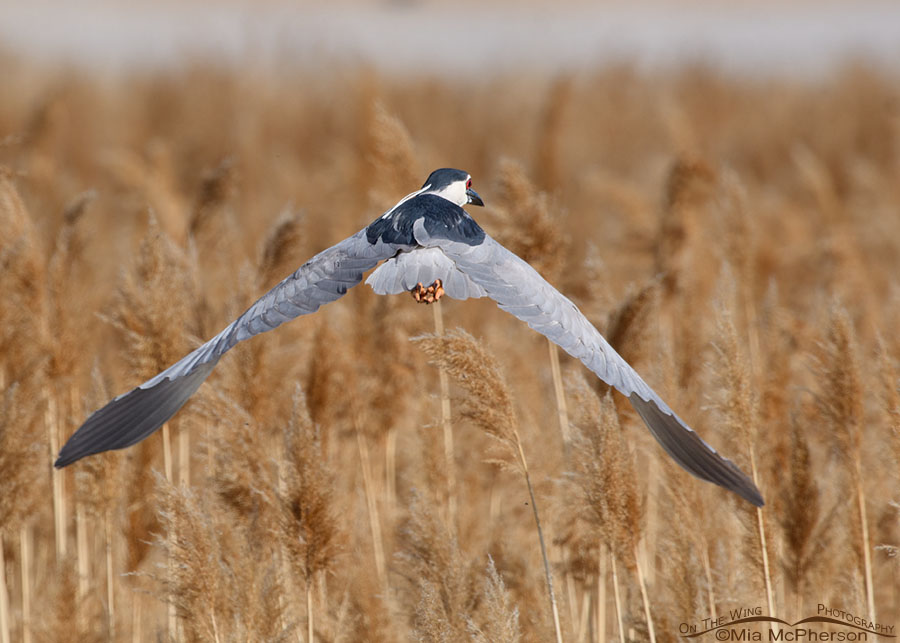
Some photos just make me laugh and this spring Black-crowned Night Heron butt shot image does just that.
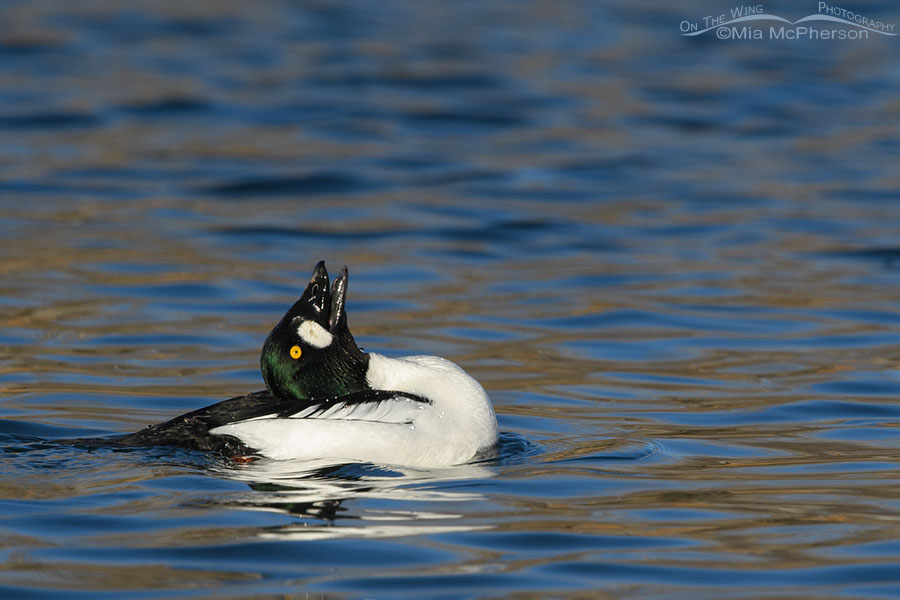
I spent a couple of hours yesterday photographing winter birds at Farmington Bay WMA and closer to home in the morning and afternoon.
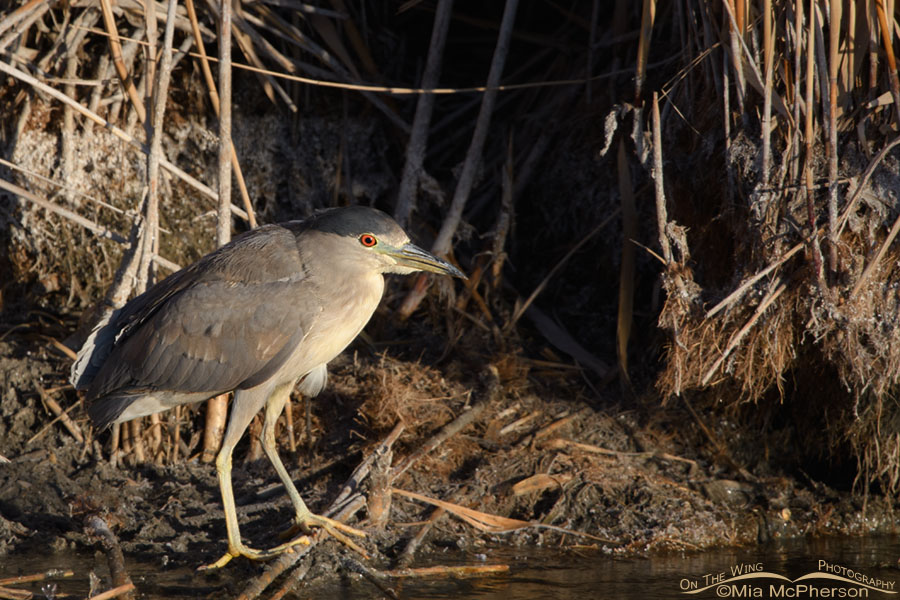
Yesterday morning at Farmington Bay I found and photographed a second winter Black-crowned Night Heron at the edge of the frozen marsh.
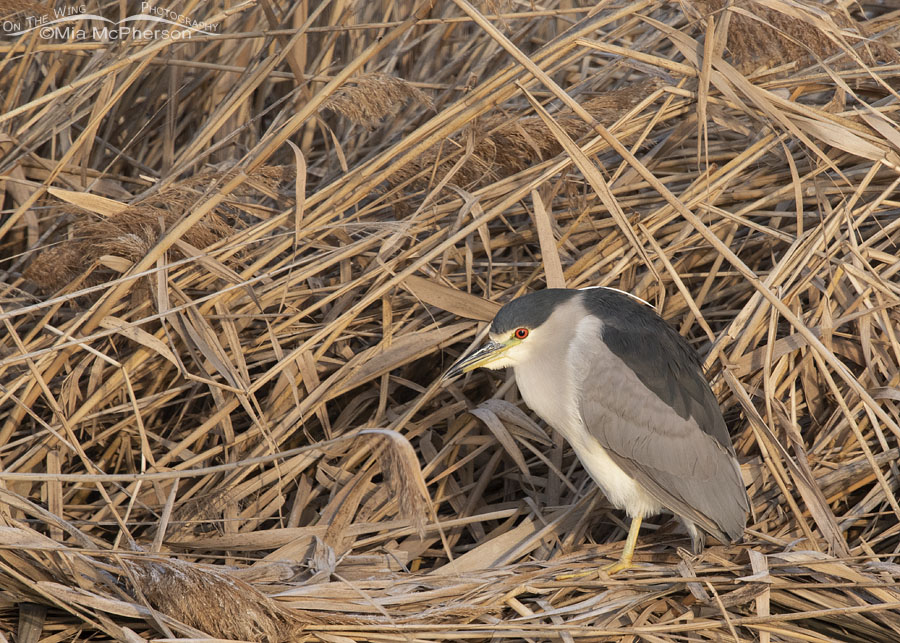
About two weeks ago I was able to photograph two Black-crowned Night Herons, one was immature and the other was an adult.
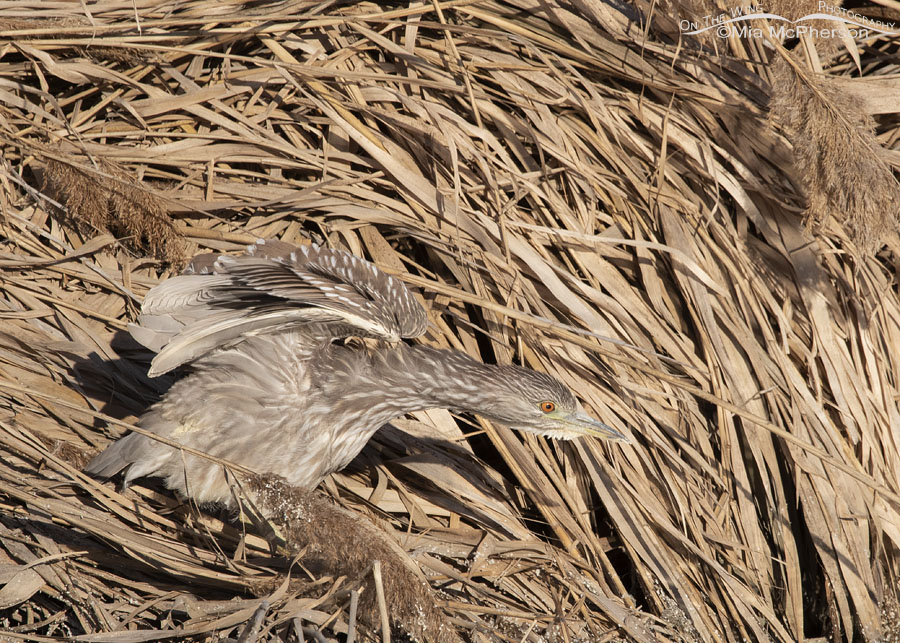
I spent some time yesterday morning focused on photographing an immature Black-crowned Night Heron at the dawn of the day in the marsh at Farmington Bay WMA.
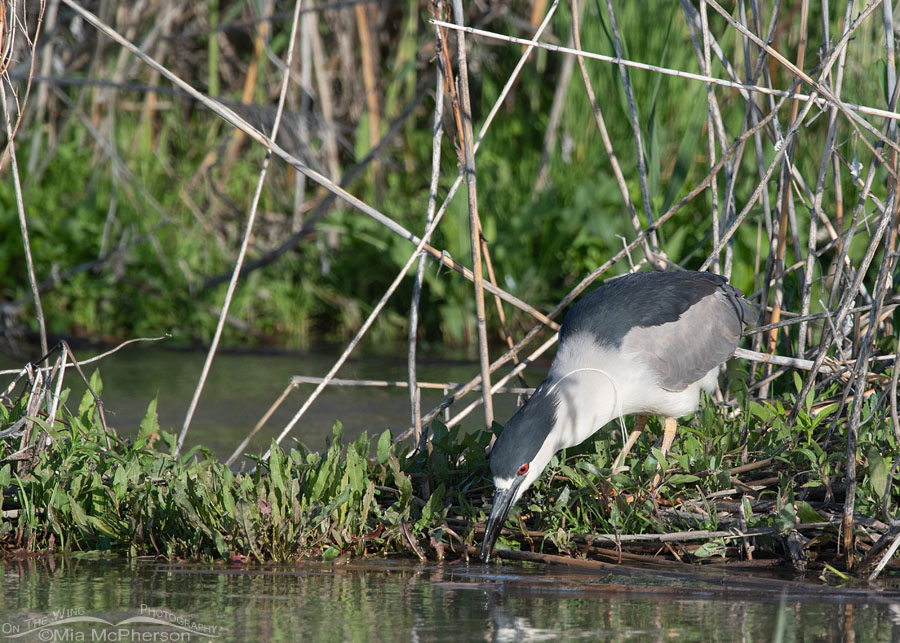
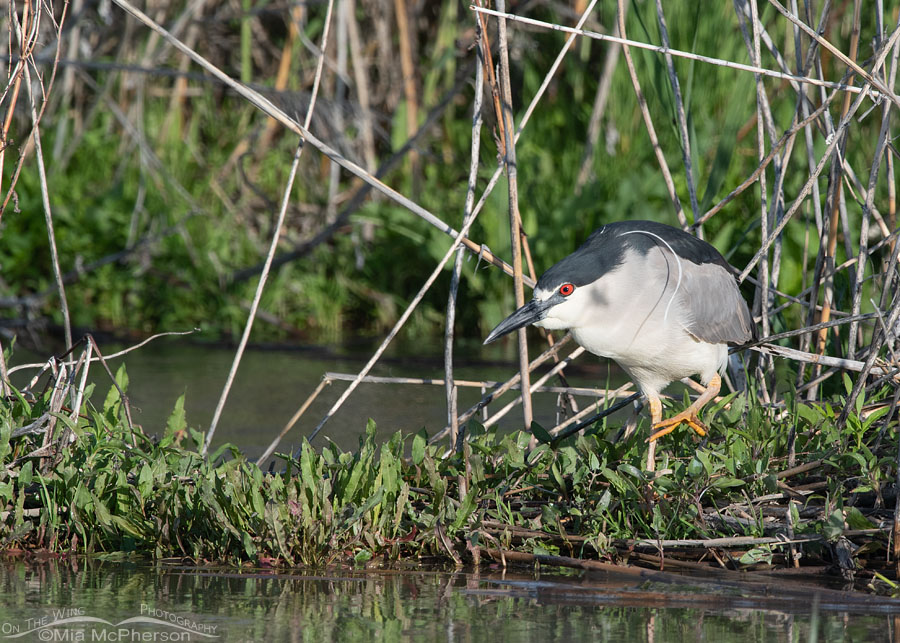
I was glad to focus on the Black-crowned Night Herons I saw that morning because of late I have seen fewer of them than I have on past years which has meant fewer opportunities to photograph them.
When a bird photography trip up to Bear River Migratory Bird Refuge starts with me spotting not just one but two Snowy Plovers out on the flats I just know the day is off to a great start and that is what happened yesterday morning.
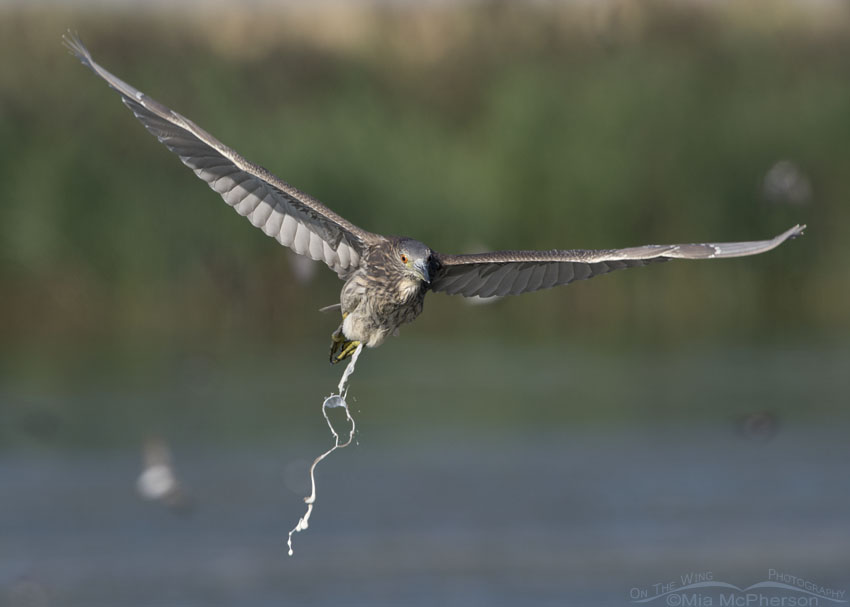
I've taken my share of crappy photos during the time I have been focused on photographing birds but this photo of a juvenile Black-crowned Night Heron crapping in flight may be the crappiest of them all.
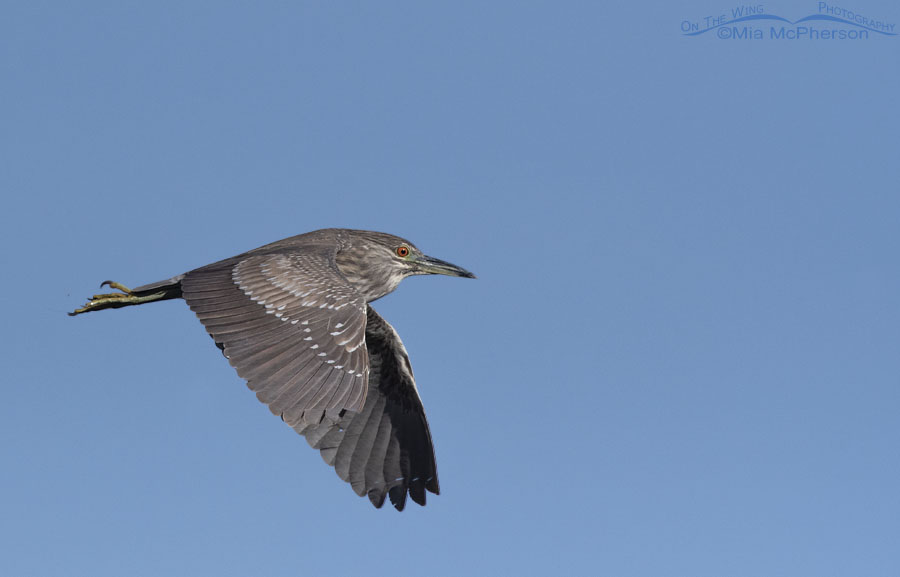
When I spotted this immature Black-crowned Night Heron on the wing at Bear River Migratory Bird Refuge in April I hoped it would fly in closer than it did, still I liked the photos I took of it with a clear blue sky in the background.
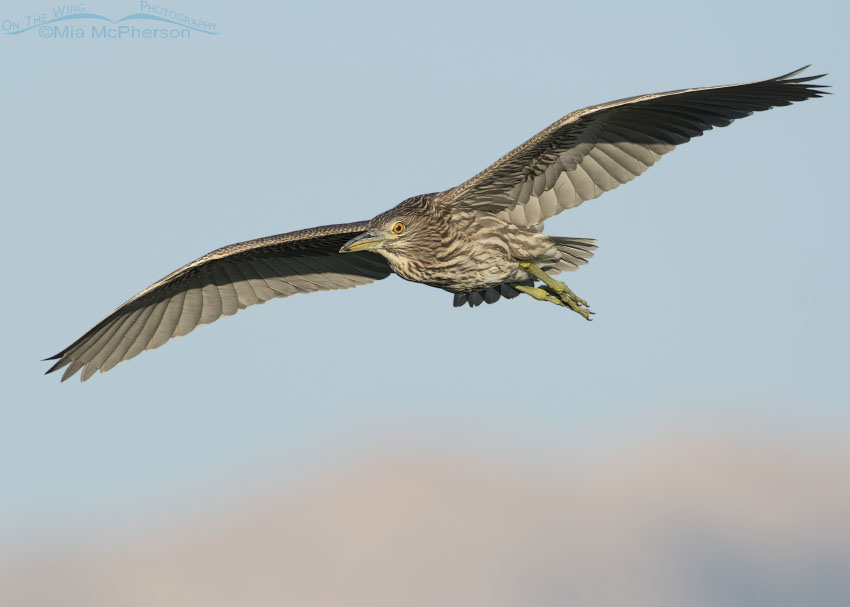
I had fun photographing the juvenile Great Blue Heron, juvenile Black-crowned Night Heron and the adult Snowy Egret yesterday at Bear River MBR. I especially loved the clearer skies.
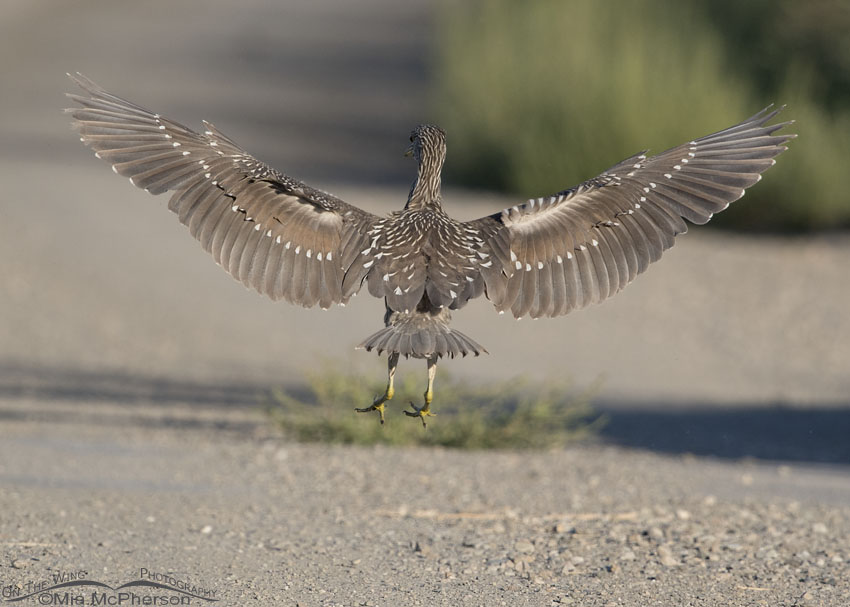
It was a juvenile Black-crowned Night Heron encounter on the auto tour route at the refuge and the resulting photos that made me smile the most when I viewed the images on my monitor at home
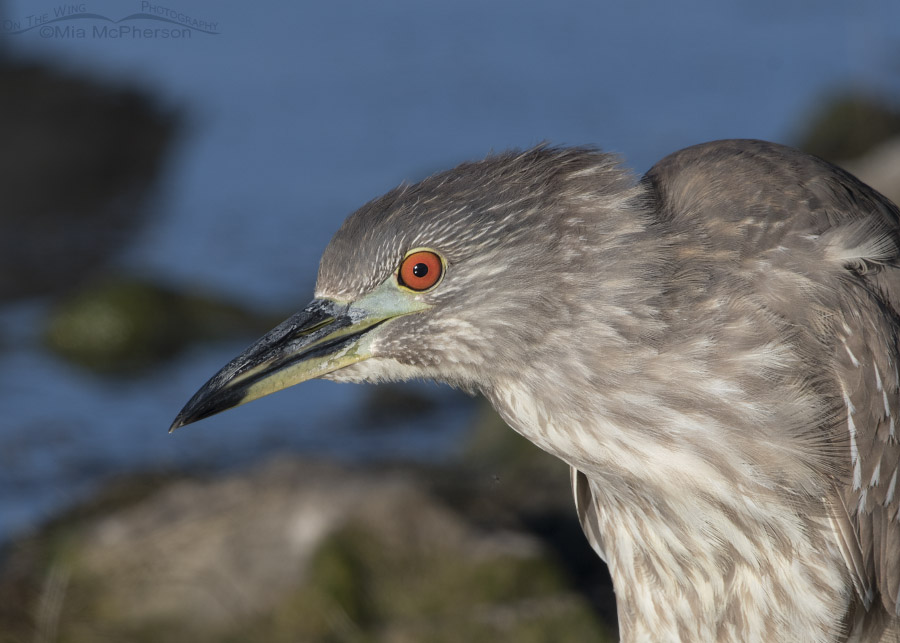
Yesterday morning I drove up to Bear River Migratory Bird Refuge to see what birds I could find to photograph and I am glad I did because I had a wonderful juvenile Black-crowned Night Heron close up experience.
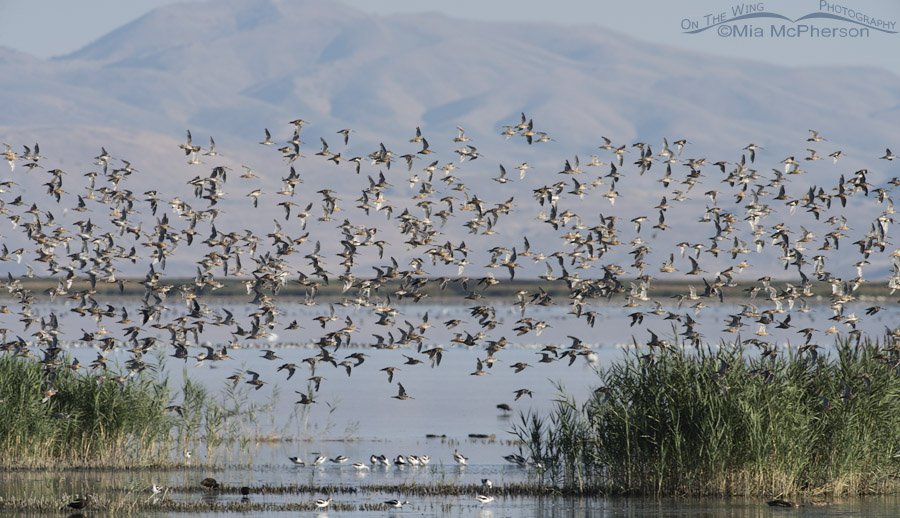
Bear River Migratory Bird Refuge auto tour route is still closed and many of the birders, bird photographers and nature lovers are itching to know what birds are there because after all spring migration is an exciting time at the refuge.
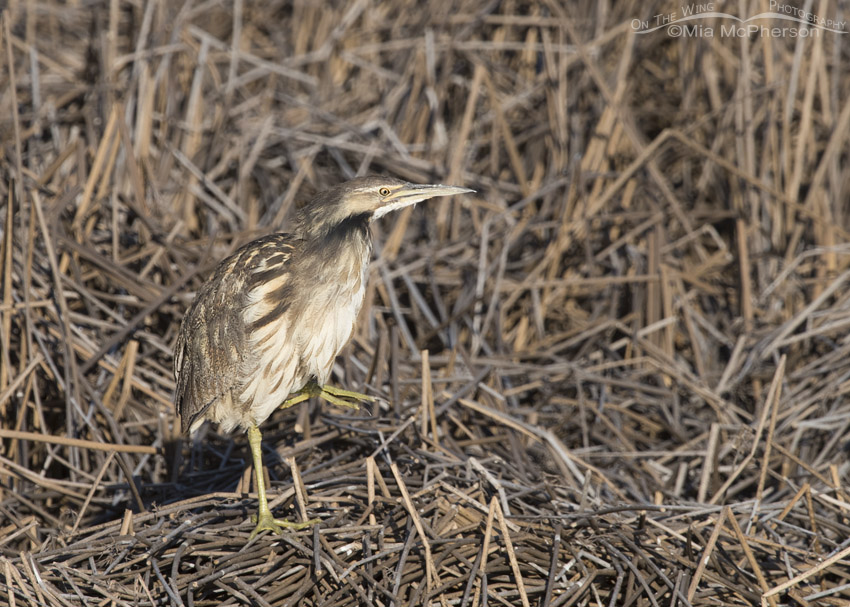
To the untrained eye American Bitterns and Black-crowned Night Herons can be confused so I thought I'd visually compare the two species with other keys to aid in their identification.

I saw plenty of birds yesterday including juvenile Black-crowned Night Herons at Bear River MBR every where I looked.
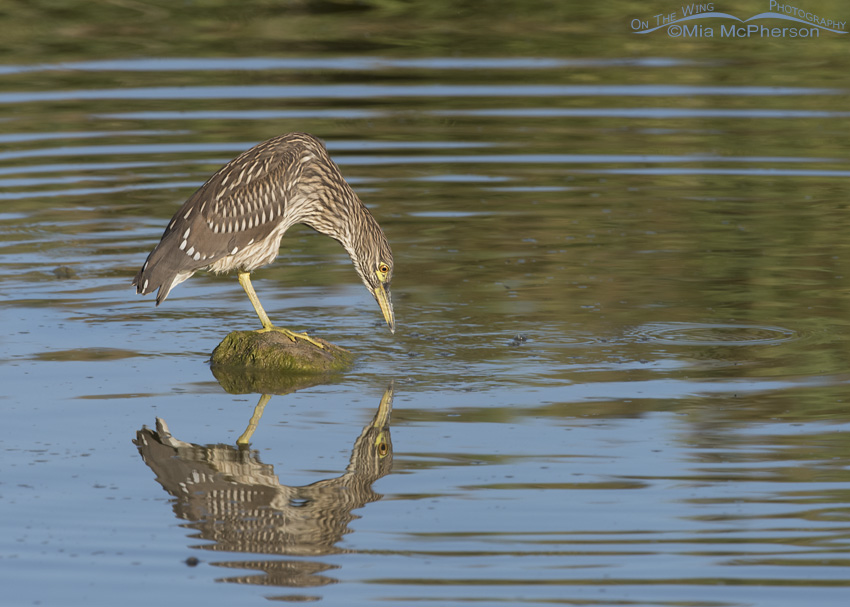
Last August I was able to spend time observing and photographing this juvenile Black-crowned Night Heron stalking prey at Bear River Migratory Bird Refuge.
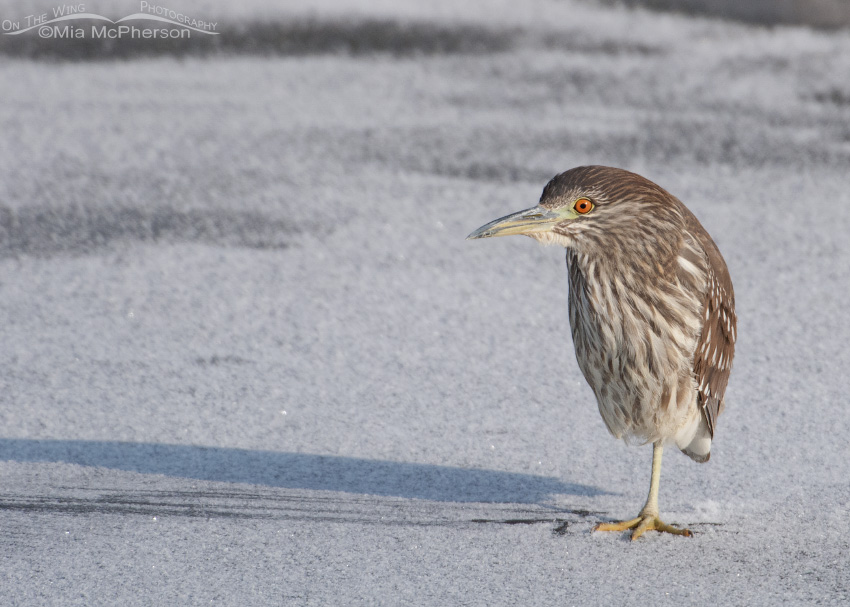
On a January morning in 2013 I photographed this juvenile Black-crowned Night Heron on ice for about a half an hour at Farmington Bay.
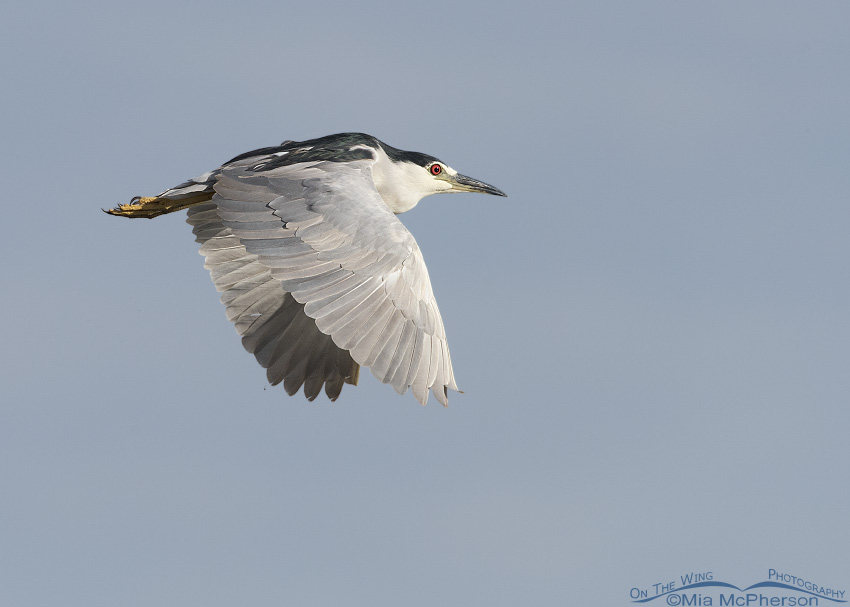
On the first of September I was at Bear River Migratory Bird Refuge when I spotted a Black-crowned Night Heron hidden in the phragmites.
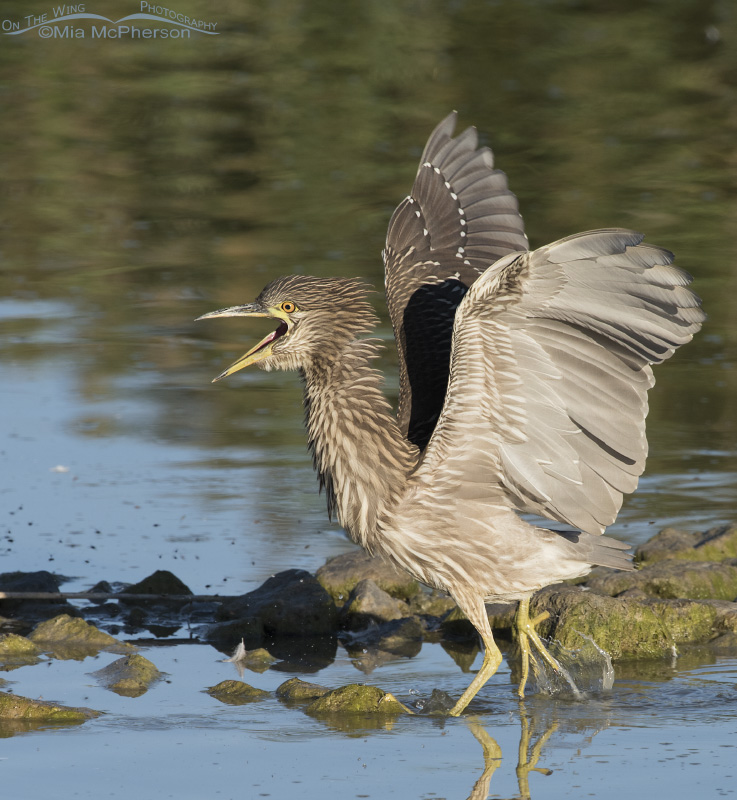
In my post yesterday I mentioned that the Snowy Egrets that I photographed at the Bear River Migratory Bird Refuge were avoiding a juvenile Black-crowned Night Heron, this is that heron.
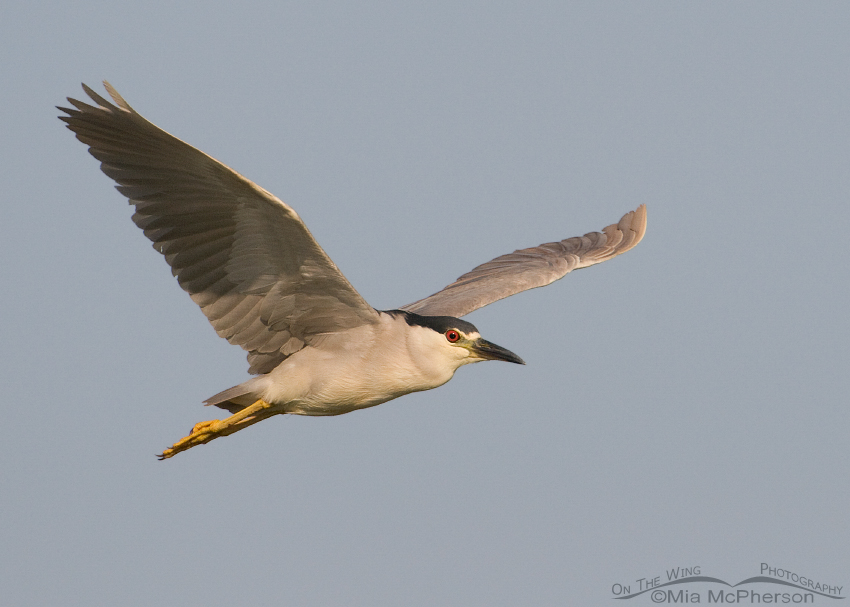
I spotted this Black-crowned Night Heron that was almost hidden by the vegetation but as soon as we stopped it darted towards some open water in foraging mode.
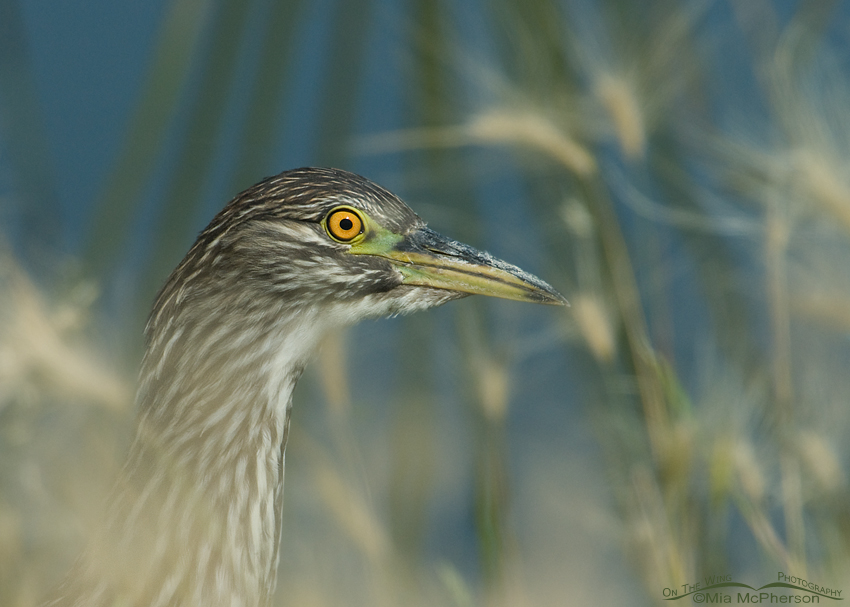
Juvenile Black-crowned Night Heron Stalking prey at Bear River Migratory Bird Refuge in northern Utah
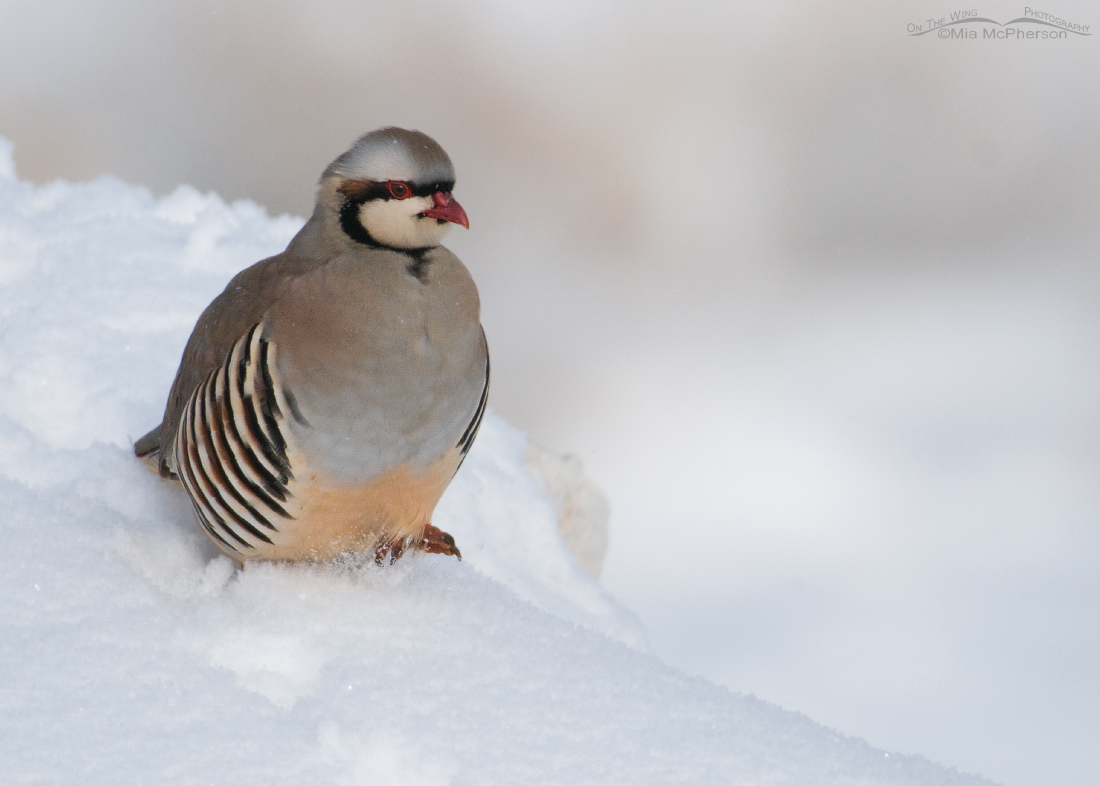
A wonderful fun-filled day with great companionship and plenty of birds. I can't ask for more.
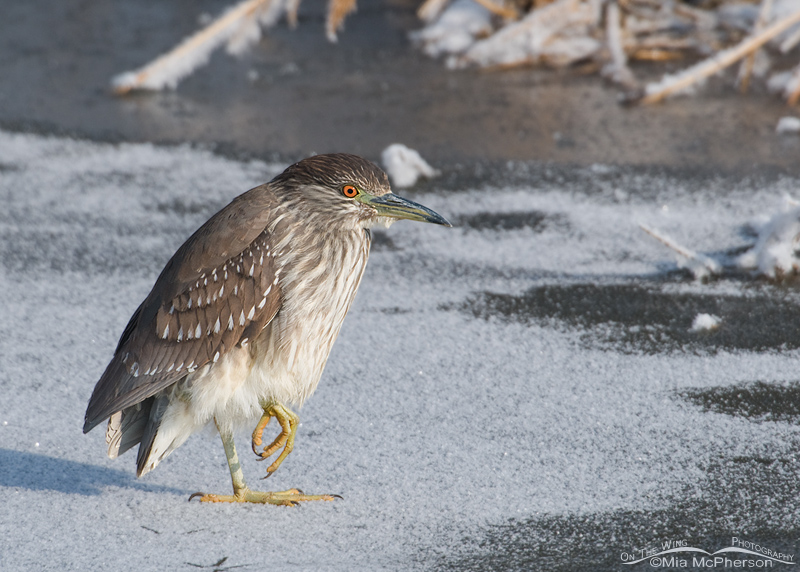
I've mentioned before that Great Blue Herons stay in the Salt Lake Valley over winter even though the temperatures get very cold and so do some of the Black-crowned Night Herons.
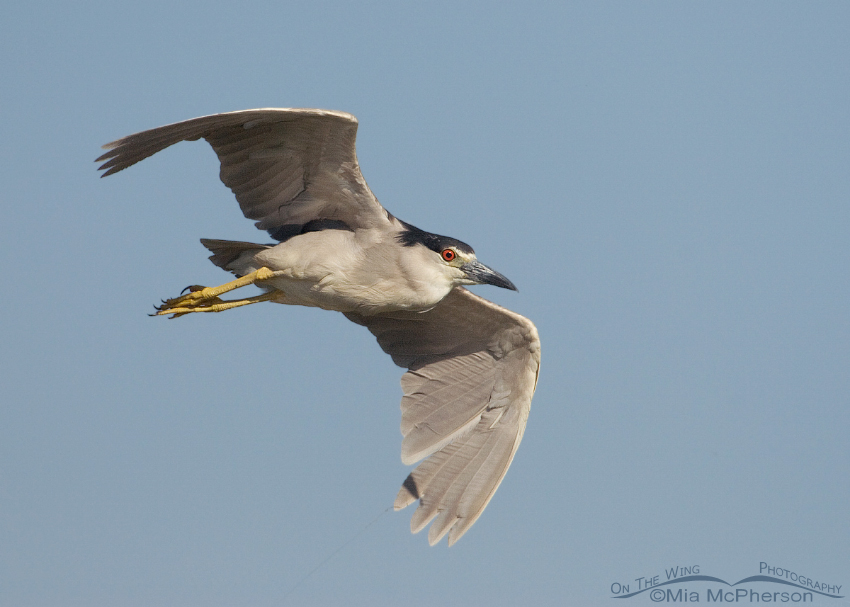
I spent yesterday morning photographing at Bear River Migratory Bird Refuge in Box Elder County, Utah. Black-crowned Night Herons seemed to be everywhere on the south side of the auto tour loop, both adults and hatch year birds.
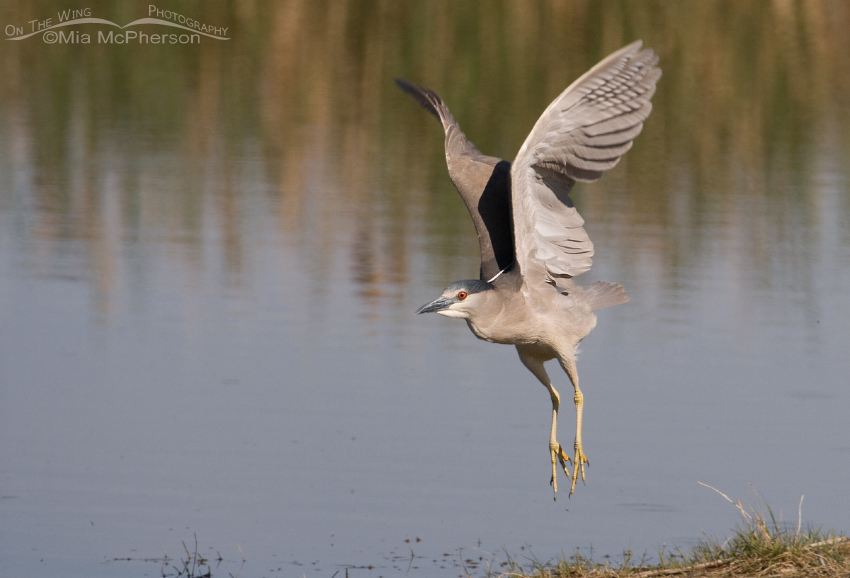
I was able to take a nice series of images of the Black-crowned Night Heron lift off and when the heron was in flight as it flew past me