Wilson’s Snipe Photos Plus Two Interesting Facts About These Shorebirds
Recently, I've had a couple of opportunities to photograph a Wilson's Snipe in the Lower Scarborough Slough at Sequoyah National Wildlife Refuge in Oklahoma.


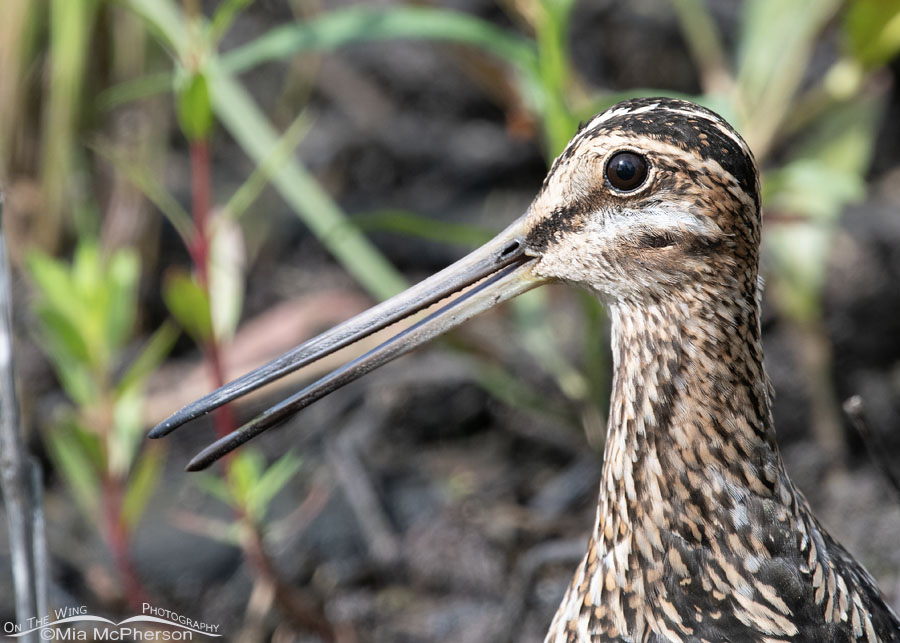
Recently, I've had a couple of opportunities to photograph a Wilson's Snipe in the Lower Scarborough Slough at Sequoyah National Wildlife Refuge in Oklahoma.
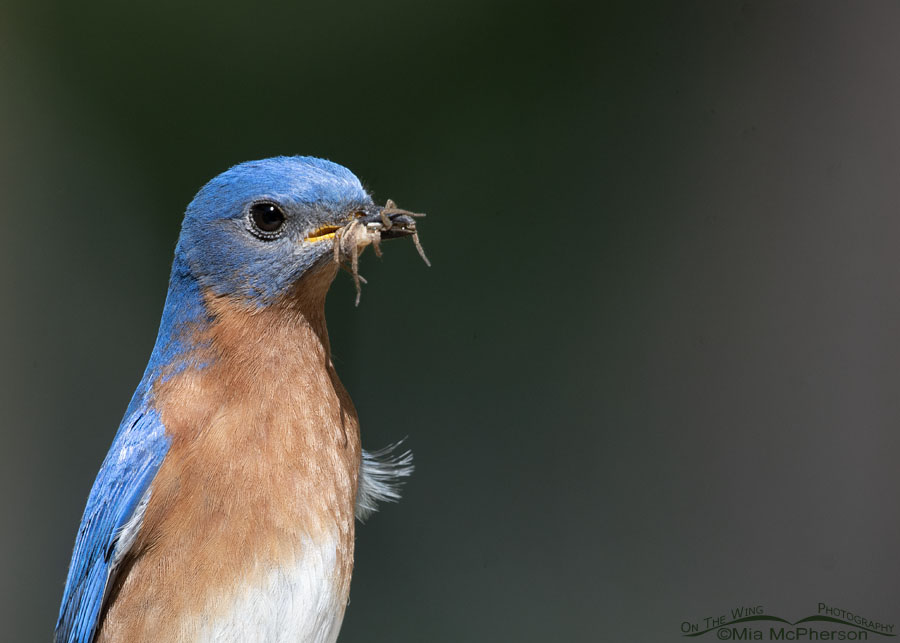
Today, I am sharing portraits of a male Eastern Bluebird that were taken in my friend Steve Creek's yard. The male bluebird was bringing food in to his chicks.
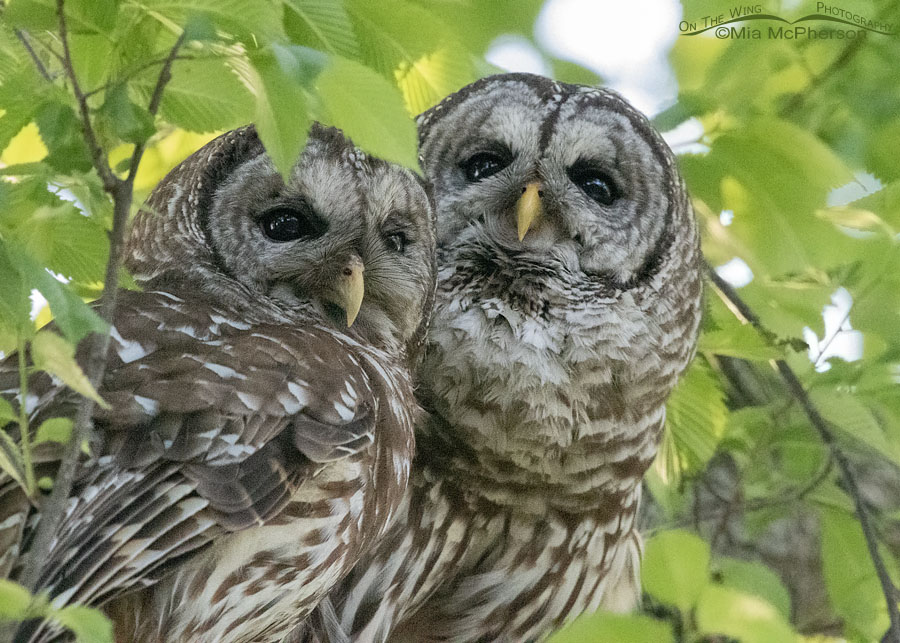
Three days ago, my friend Steve Creek and I had an amazing experience with a mated pair of Barred Owls next to a road at Sequoyah National Wildlife Refuge.
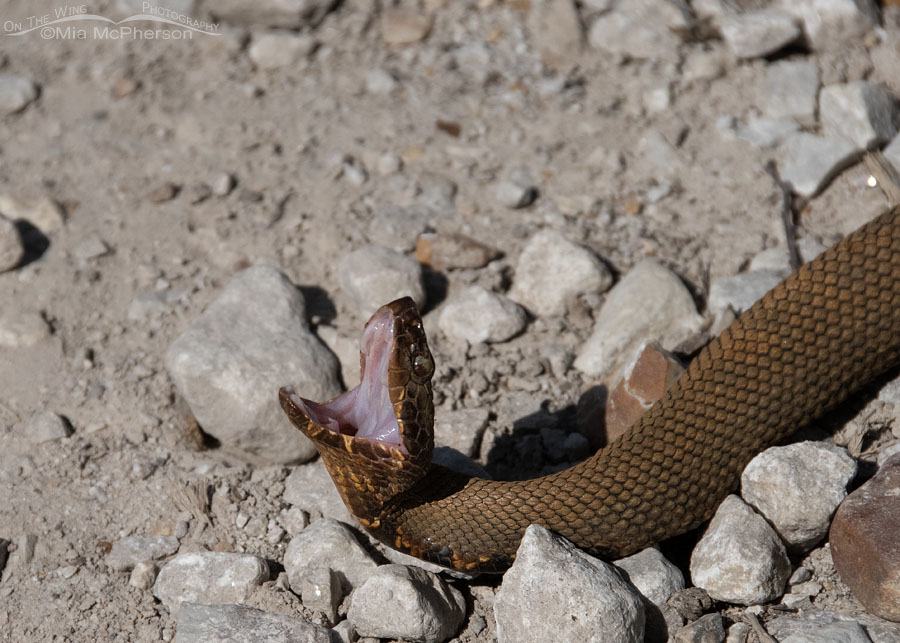
While I was at Sequoyah National Wildlife Refuge yesterday, I took photos of my lifer adult Northern Cottonmouth, aka Water Moccasin, on one of the roads there.
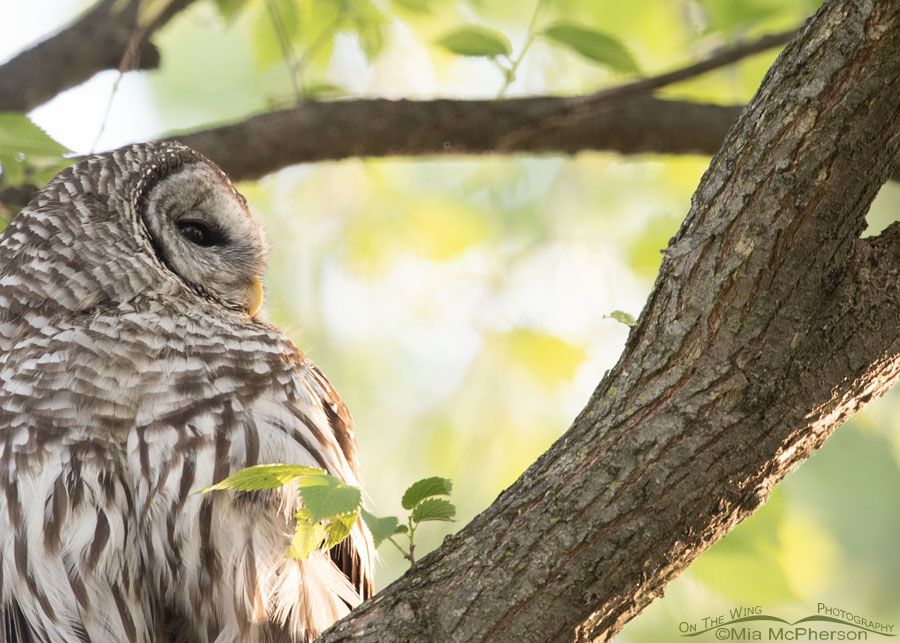
Two days ago I was thrilled to take early morning Barred Owl portraits at Sequoyah National Wildlife Refuge in east central Oklahoma with my friend Steve Creek.
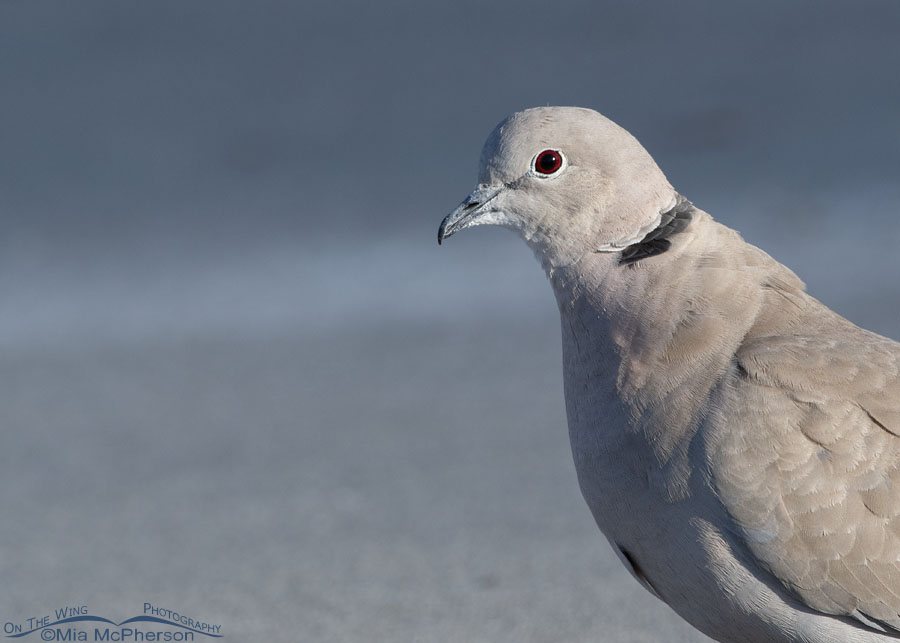
Two days ago I shared a close photo of a curbside Mourning Dove. Today I am sharing a Eurasian Collared-Dove image taken at nearly the same time and same place.
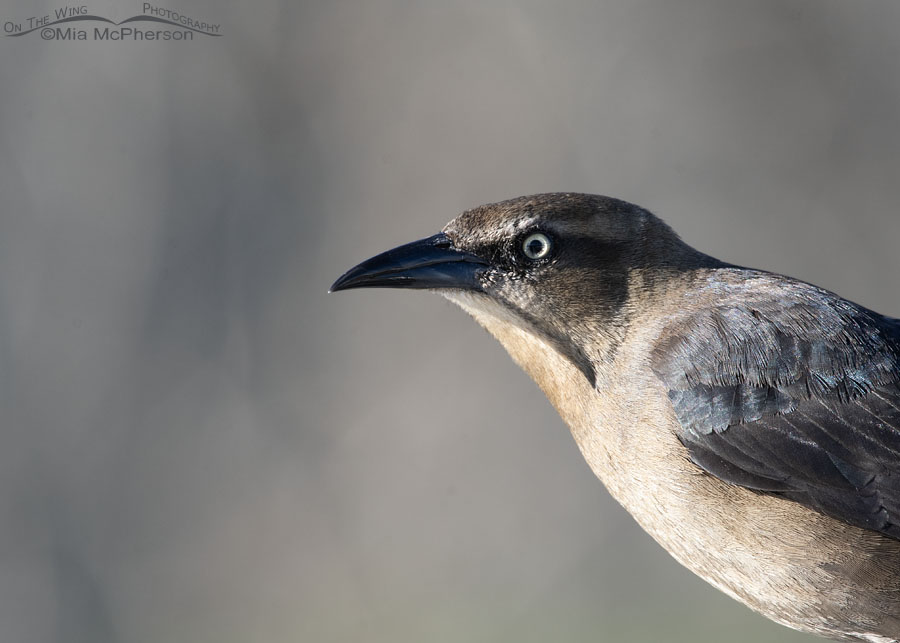
When I was at my local pond two days ago, I couldn't resist photographing a female Great-tailed Grackle whose eyes seemed to be aglow in the morning light.
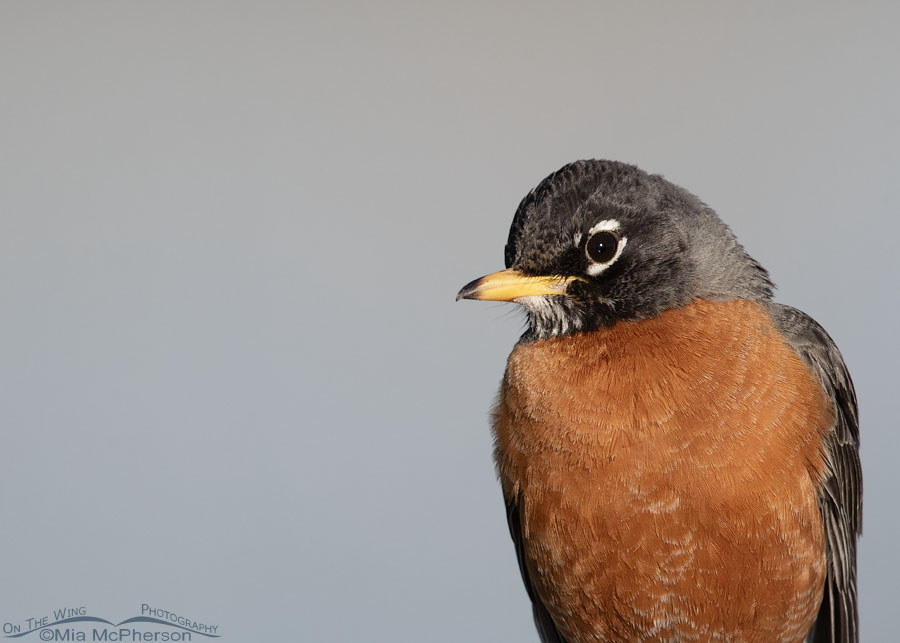
I was able to get outdoors and into the sunshine yesterday. I visited my local pond and took a series of American Robin portraits at the edge of the water.
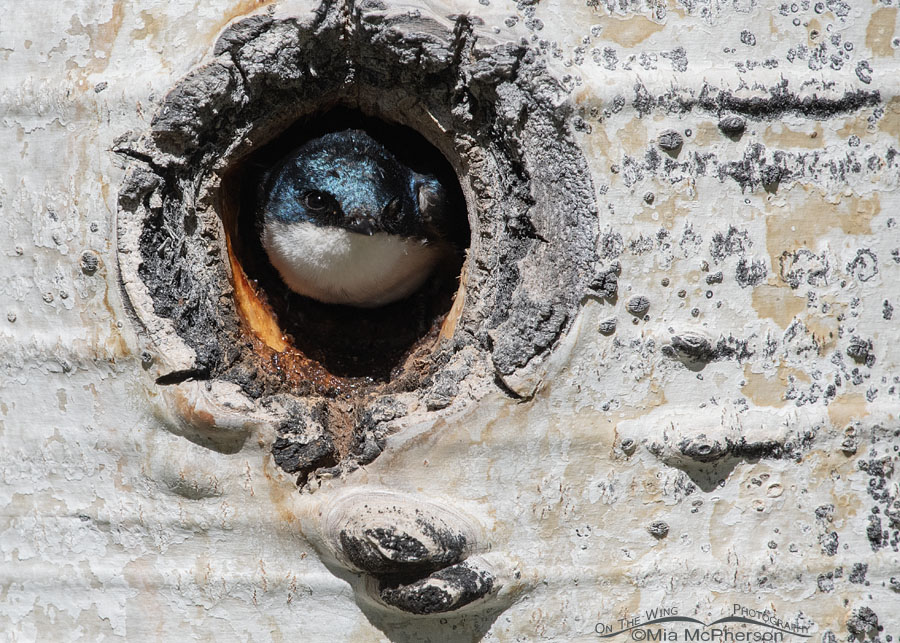
Over the weekend, I read on Facebook that Tree Swallows have migrated back into Northern Utah for their breeding season. I am so excited about that news!
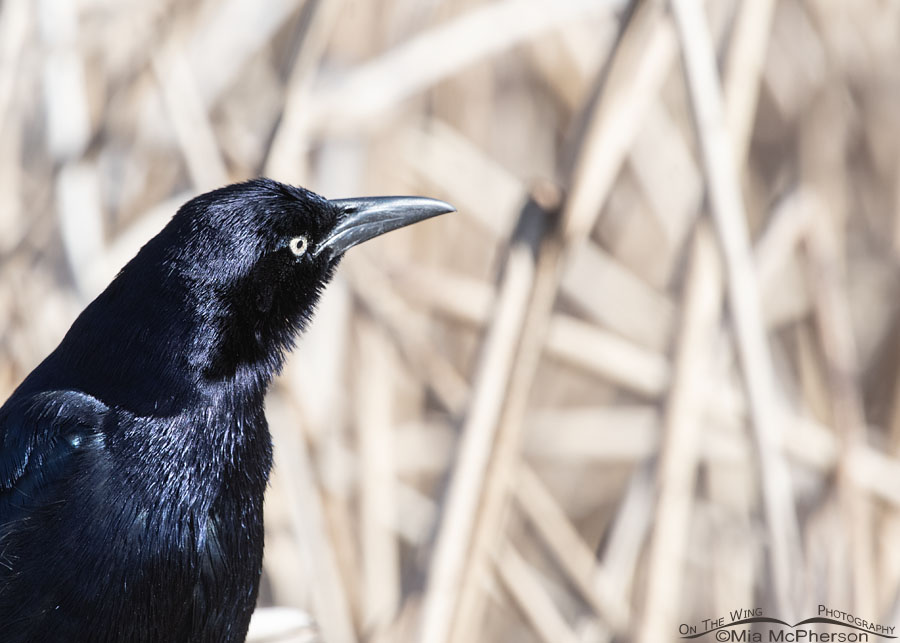
When I took this photo of a male Great-tailed Grackle, I wondered what the grackle was looking at so intently. The grackle even seemed disturbed by what it could see.
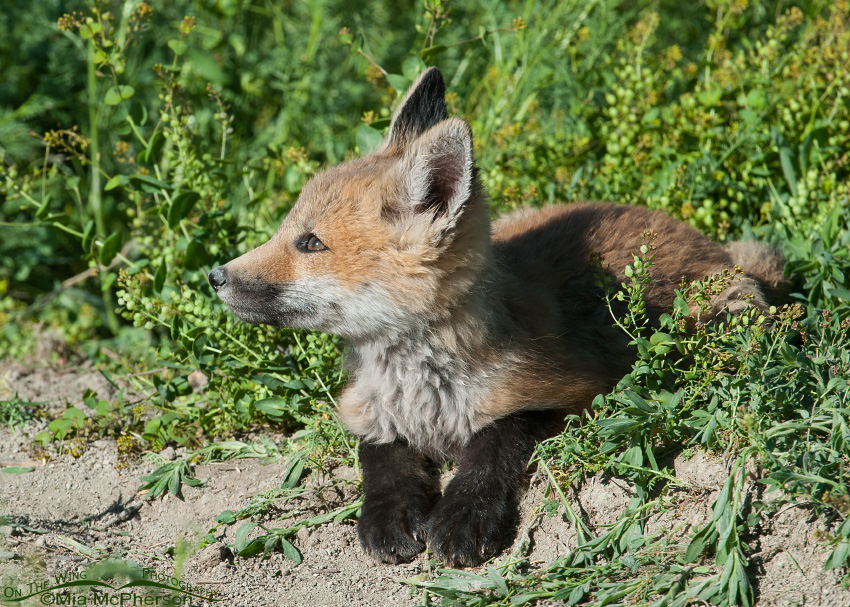
Bad weather and bad timing have kept me out of the field for a bit. Today, I am sharing some cute Red Fox kit photos I took almost a year after I moved to Utah.
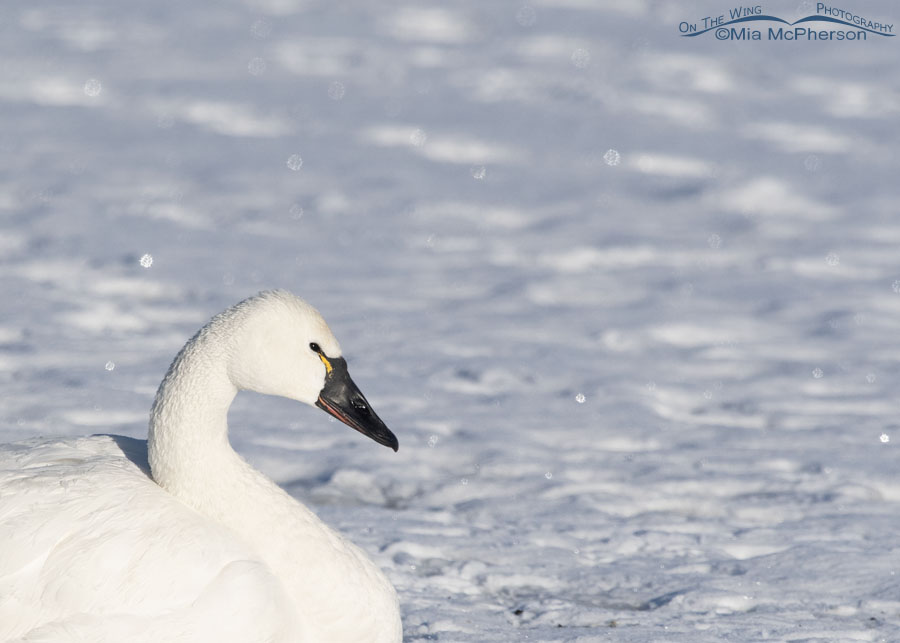
Today is March 9th, and it is Utah's Swan Day 2024! The Bear River Migratory Bird Refuge auto tour loop is a terrific place to see these lovely white swans.
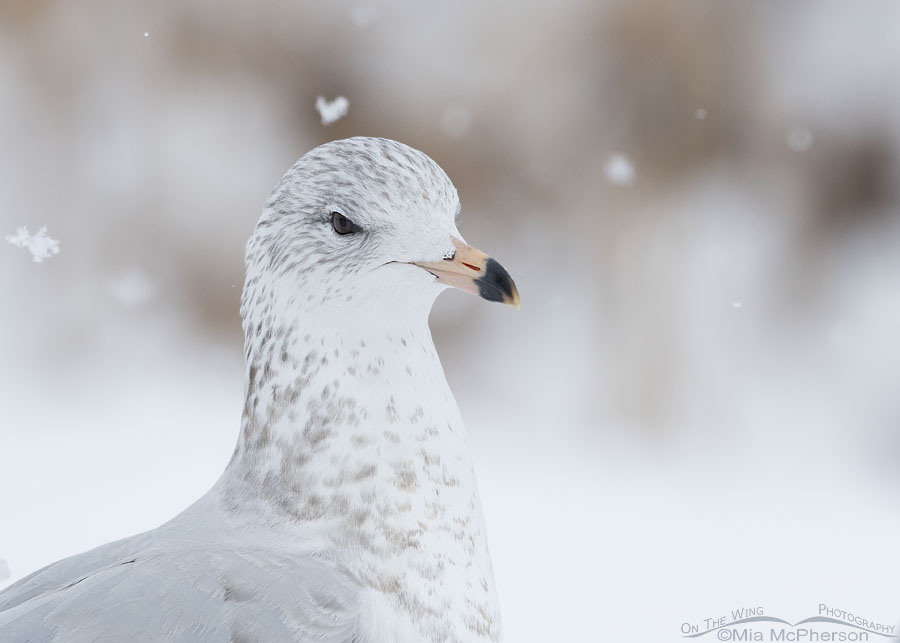
It has been six years since I took this photo of a Ring-billed Gull and a heart shaped snowflake in the middle of a winter snowstorm at my local pond.
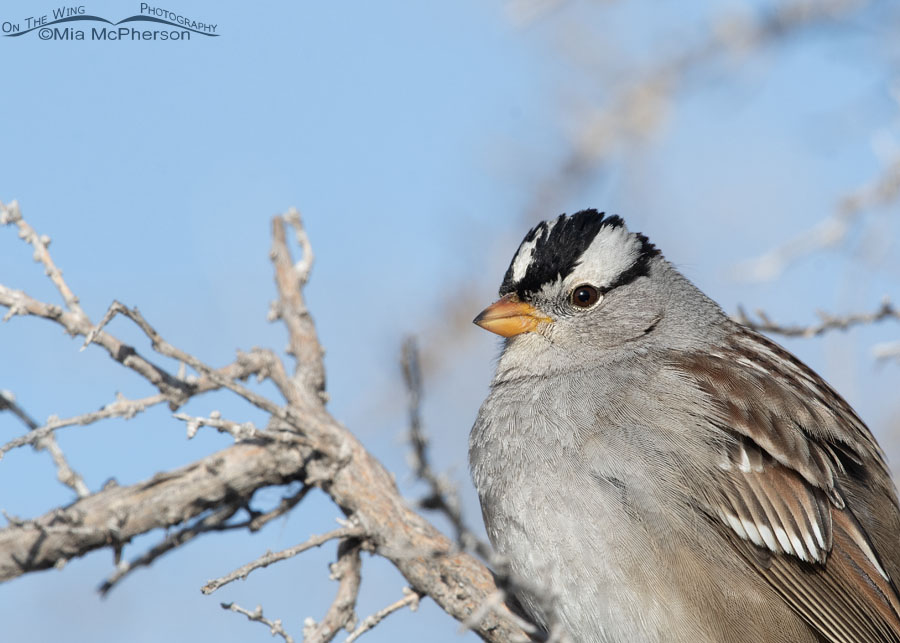
I haven't seen as many sparrows this winter as I typically do, so I was tickled to take a few White-crowned Sparrow portraits at Farmington Bay WMA on Friday.
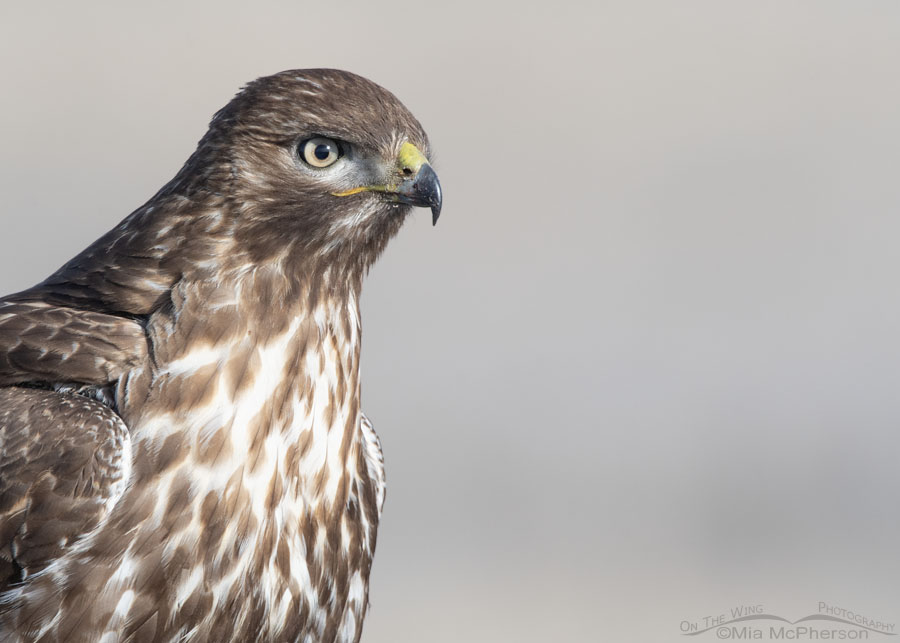
The day I photographed this young Red-tailed Hawk, I took 135 images of the immature raptor in just a little over a minute at Bear River Migratory Bird Refuge.
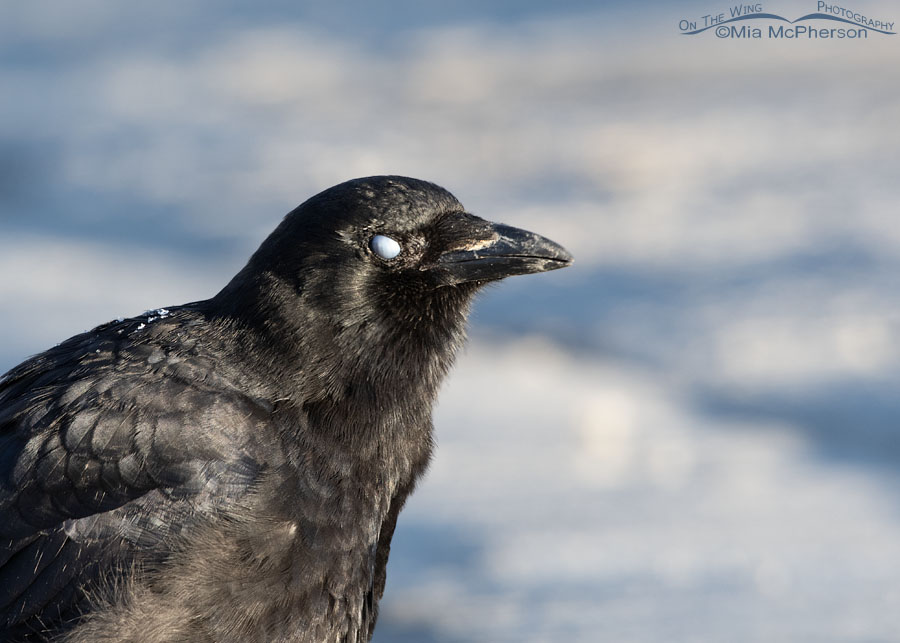
This morning, I'm sharing three portraits of an American Crow, two of which include the very pale, nearly icy-blue nictitating membrane that these crows have.
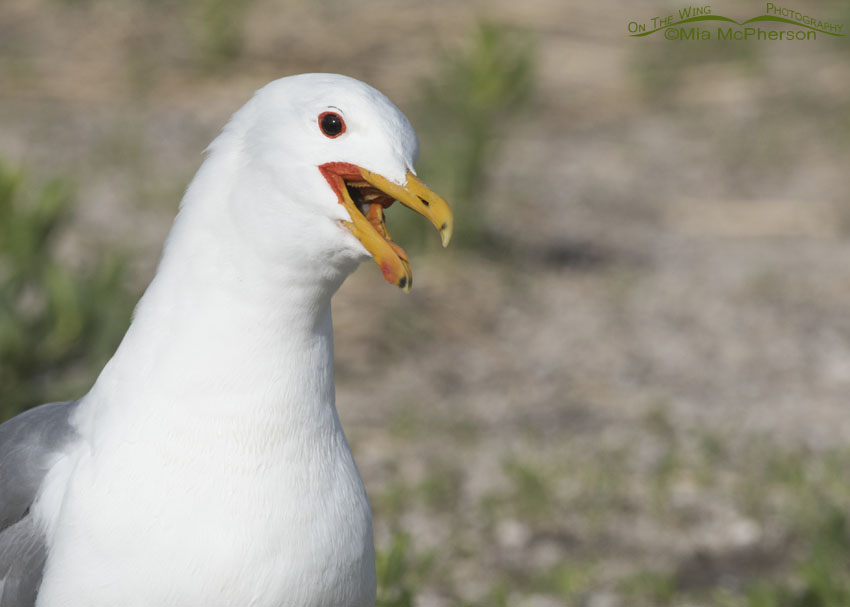
As I photographed a winter California Gull at my local pond two days ago, I thought about how these gulls are a misnamed species for the umpteenth time.
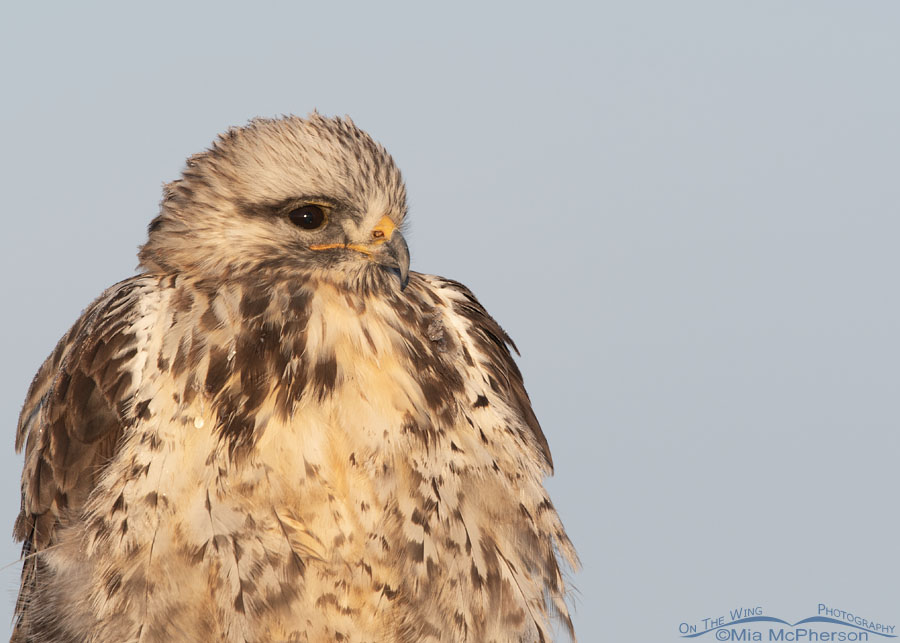
Once upon a time, and not so long ago, I could count on seeing this light-morph Rough-legged Hawk at a specific area of the Bear River Migratory Bird Refuge tour route.
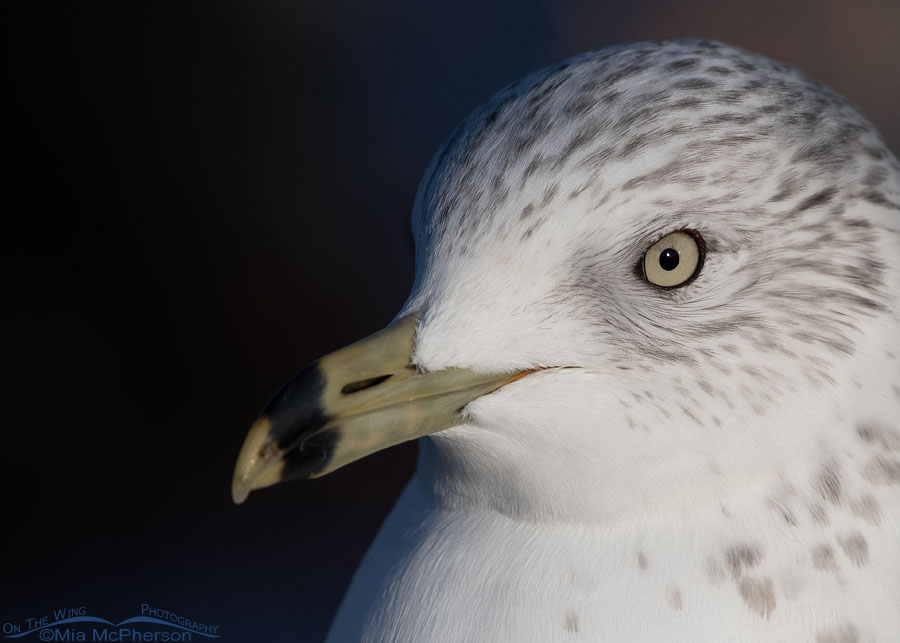
I'm sharing this day after Christmas Ring-billed Gull portrait this this morning. I know a lot of people don't like gulls. I will never be one of those people.
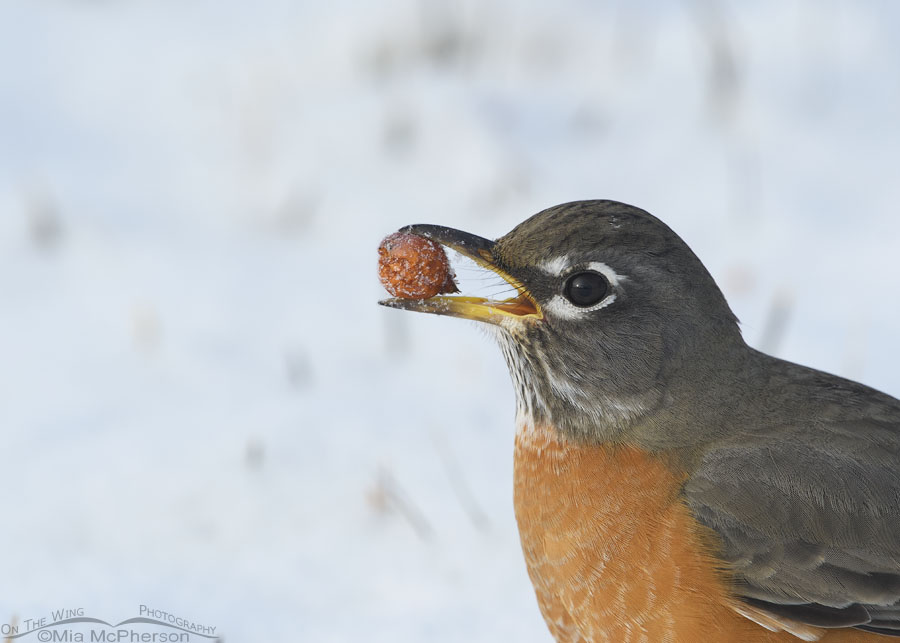
I haven't been outdoors much this week, but I have been hearing parts of the American Robin spring song at times when I have needed to go somewhere.
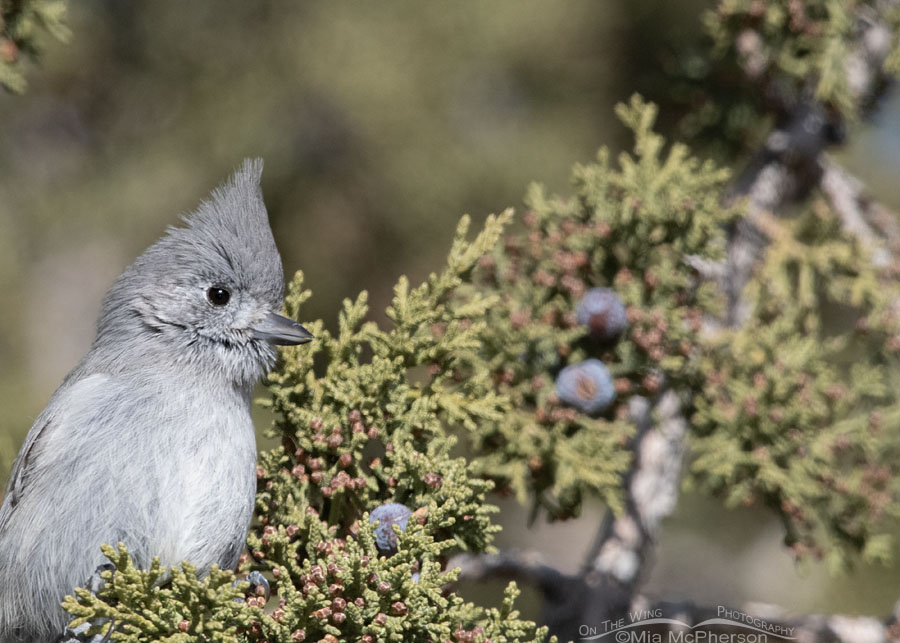
Even though I have taken Juniper Titmouse images, this titmouse species is still a bit of a nemesis bird for me. I just don't see them as much as I would like.
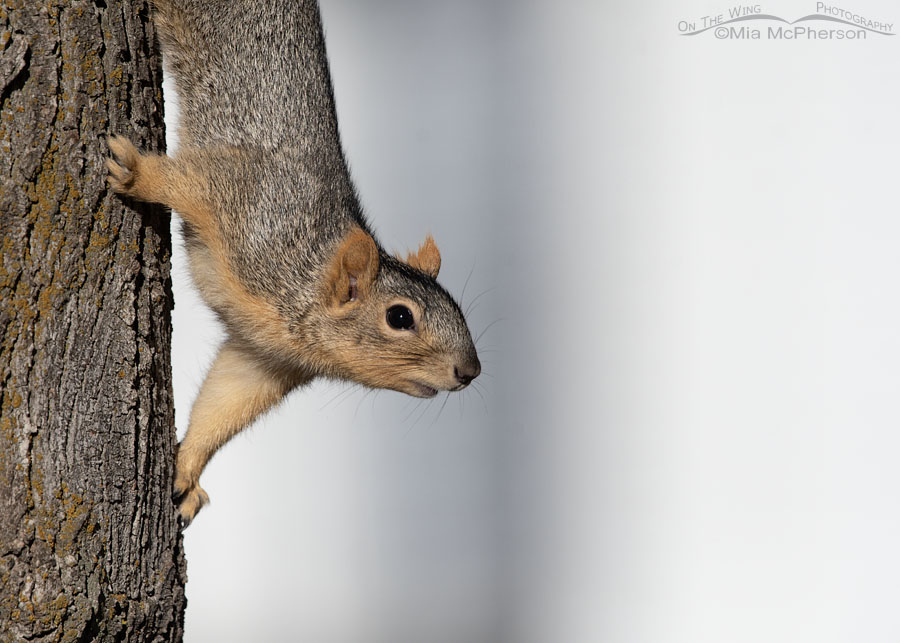
I didn't have to travel far to take close-up photos of this Fox Squirrel. In fact, I photographed the squirrel when I got home from checking out my local pond.
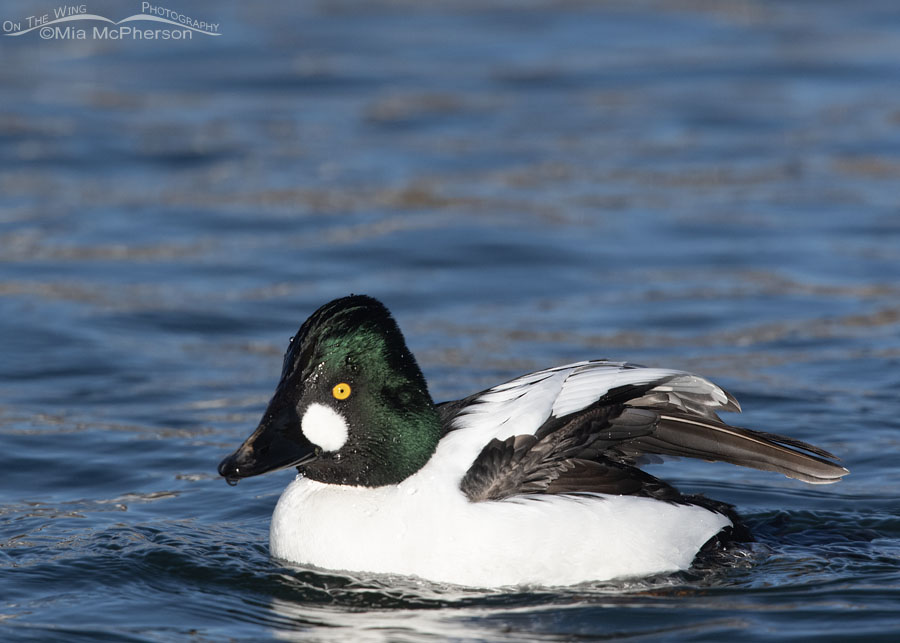
Three days ago, I found my first-of-season Common Goldeneye drake at my local pond. I didn't have my camera with me, so I wasn't able to photograph him.
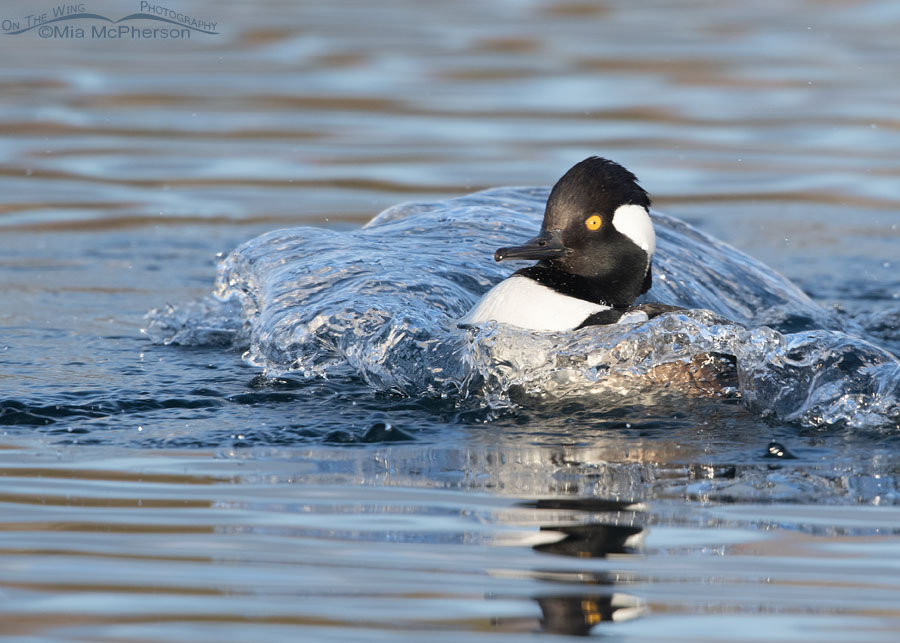
Once upon a chilly December evening, I had a blast photographing a stunning drake Hooded Merganser in gorgeous light at an urban pond close to home.
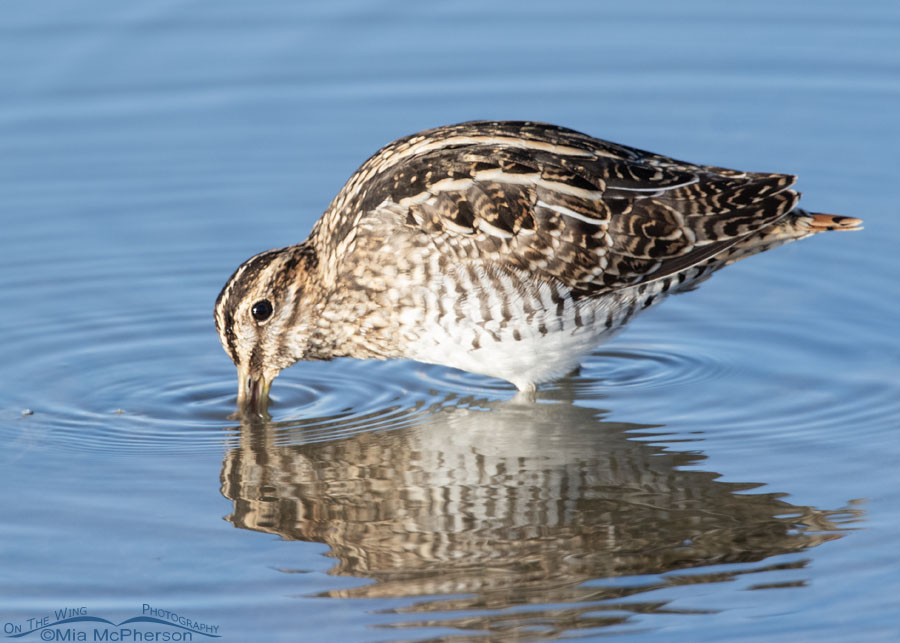
The last time I visited Bear River MBR, I took quite a few photos of Wilson's Snipes. I also wondered what the new name for this snipe species will soon be.
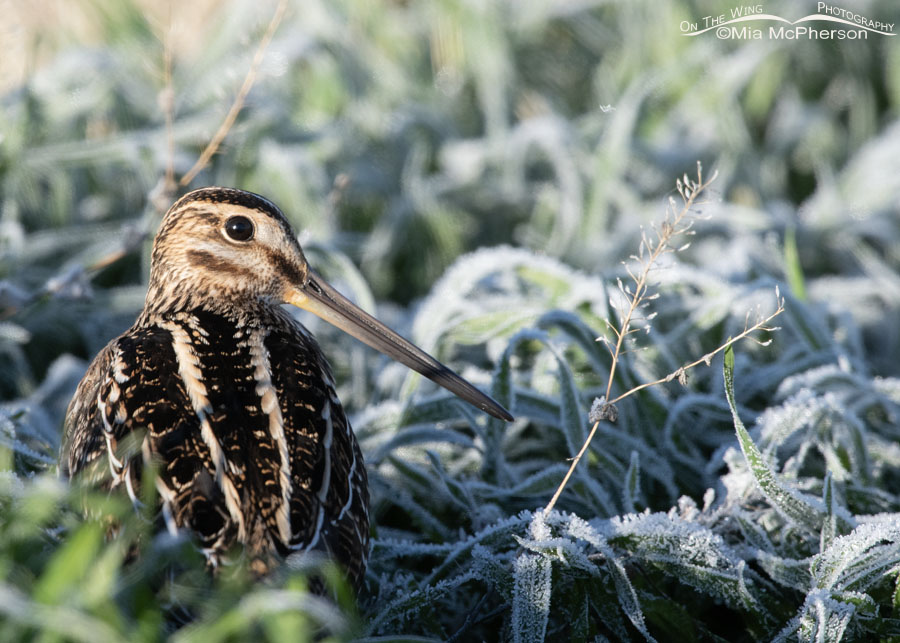
Yesterday morning, I was beyond thrilled to take several Wilson's Snipe portraits in frosty grasses while I was on the auto tour loop at Bear River MBR.
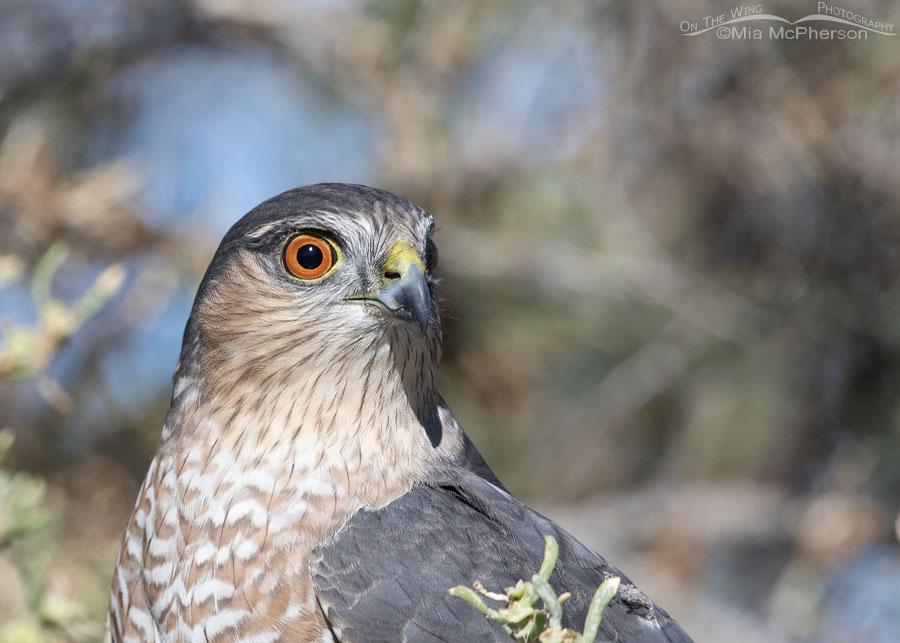
The last bird I photographed yesterday at Farmington Bay WMA was a surprise Sharp-shinned Hawk that flew in so close I could only take portraits of her or him.
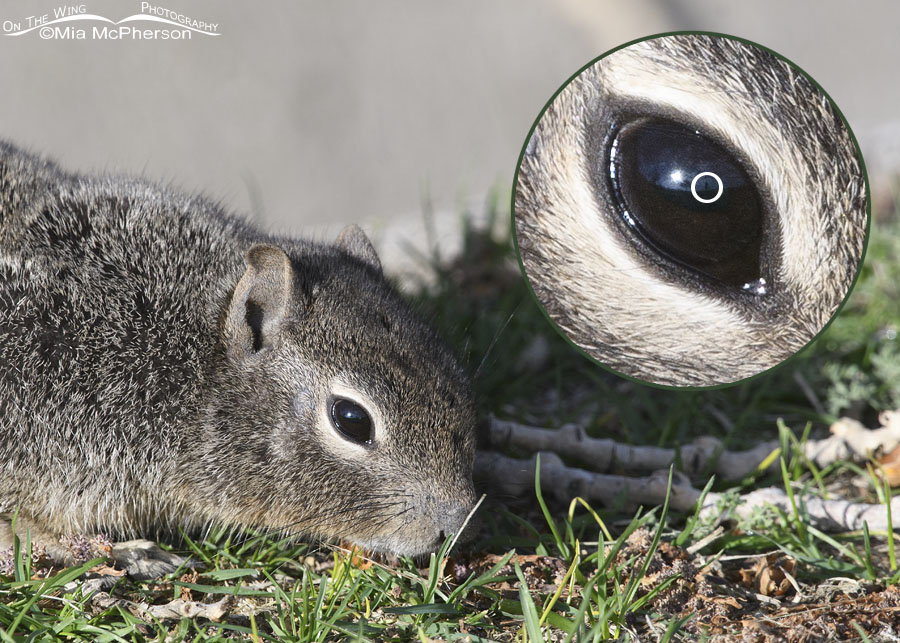
Yesterday, during a light rain, I looked out of my living room window, and to my surprise, I had a close-up view of a Rock Squirrel right next to the house.
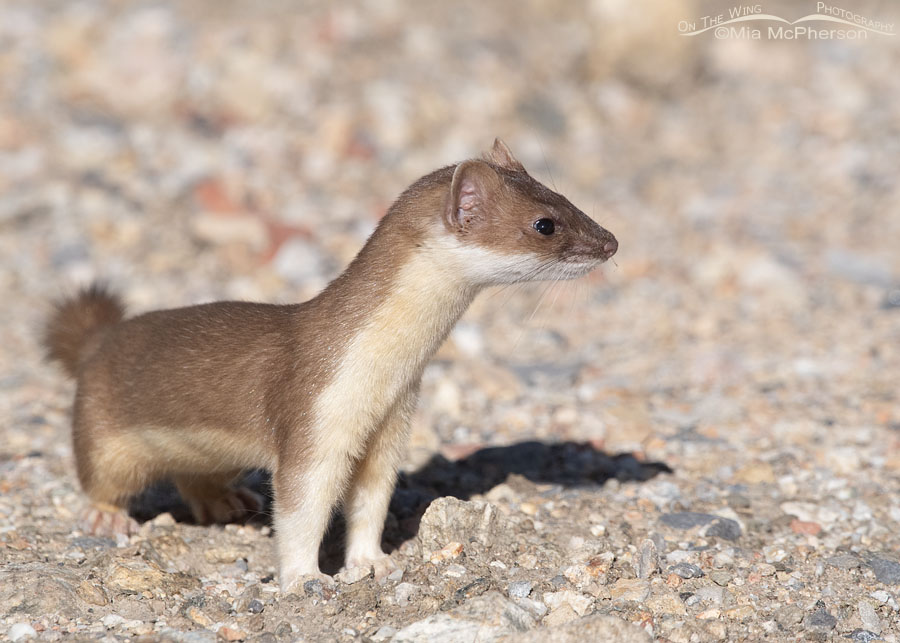
I was super excited to take Long-tailed Weasel photos yesterday morning while I was looking for birds to photograph at Farmington Bay Waterfowl Management Area.
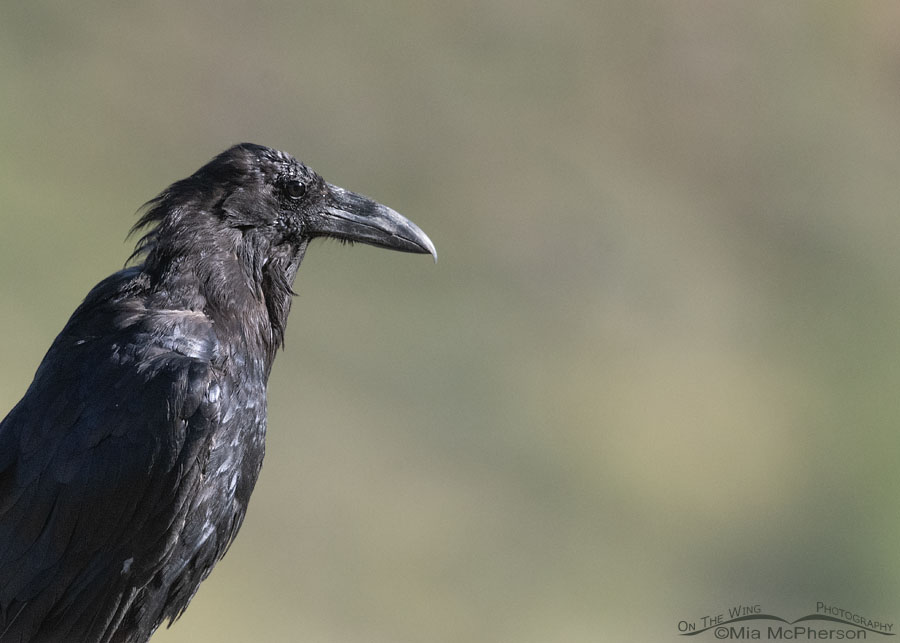
I enjoyed photographing this molting, shaggy immature Common Raven yesterday morning while I was high in the Wasatch Mountains.