American Bison Whispering Secrets
This morning I'm sharing a photo of an American Bison that appeared to be whispering secrets to another bison that I photographed on Antelope Island State Park.


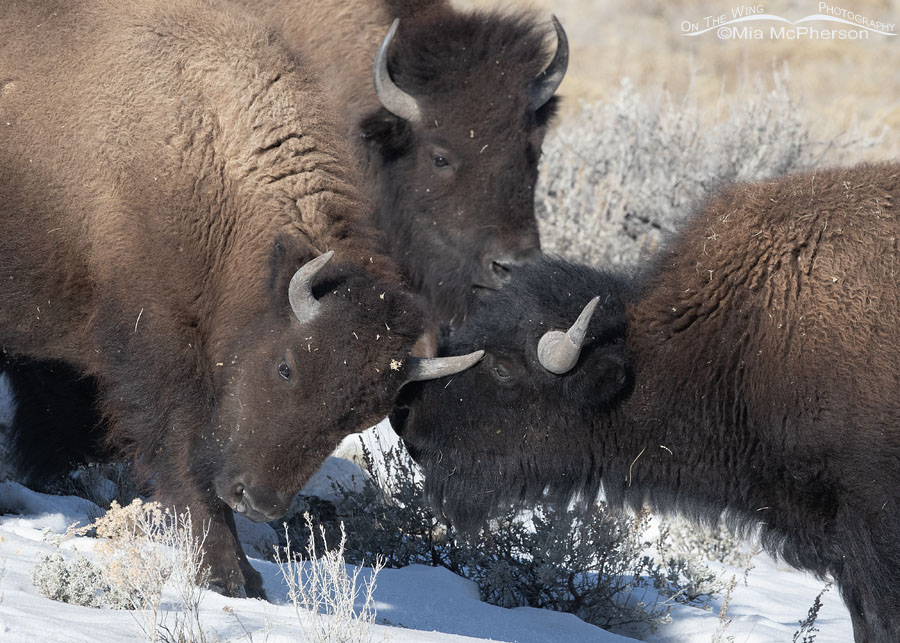
This morning I'm sharing a photo of an American Bison that appeared to be whispering secrets to another bison that I photographed on Antelope Island State Park.
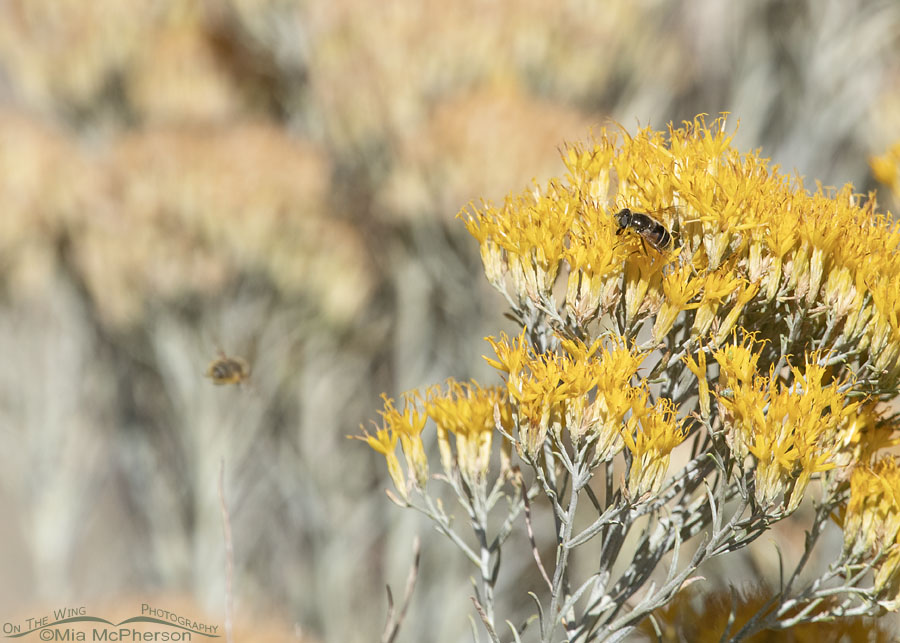
While out in the West Desert two days ago, I photographed this adult Black-footed Drone Fly, a member of the hoverfly family, on a rabbitbrush.
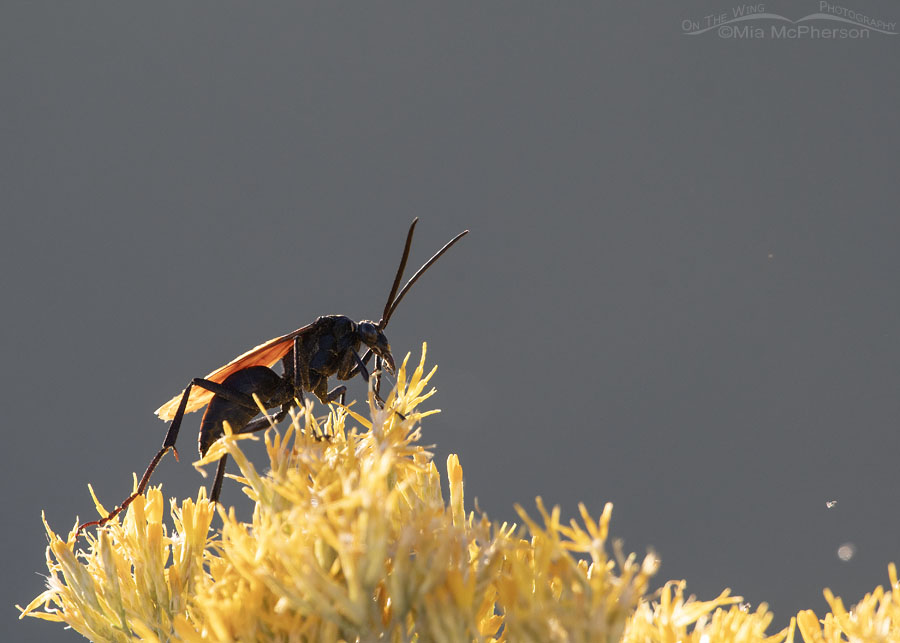
I've been meaning to share this Tarantula-hawk Wasp photo that I took in the West Desert of Utah for about a year, and today is as good a day as any.
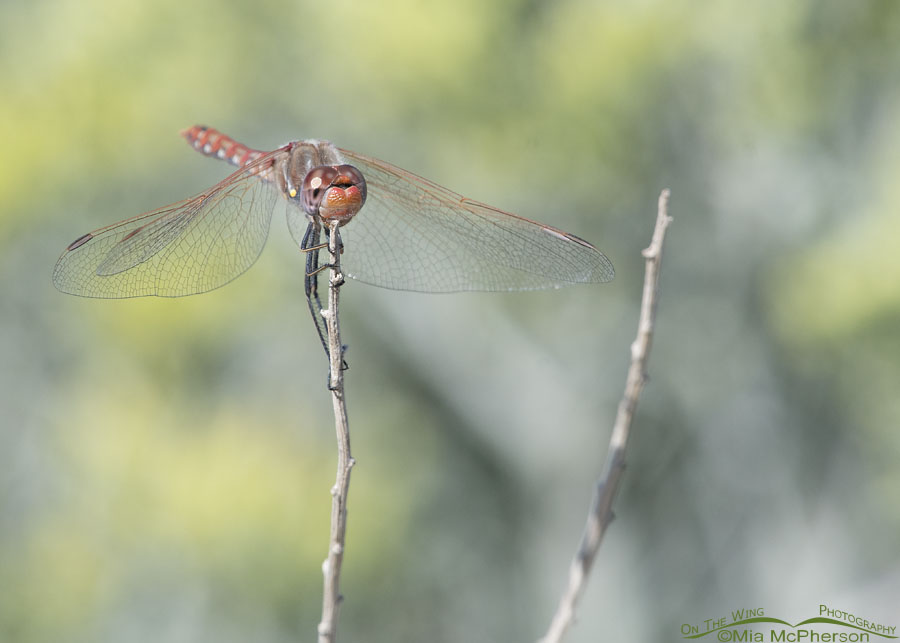
When I last visited Farmington Bay WMA, I found flights of Variegated Meadowhawk dragonflies on the wing and resting, near and on Goose Egg Island.
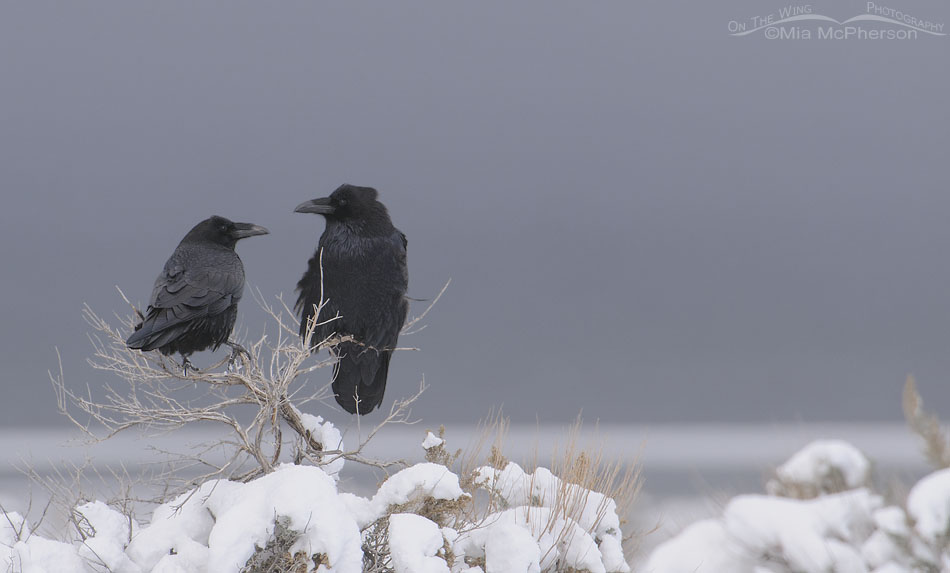
If you don't know much about Common Ravens you might wonder why I selected them to be the featured love birds on this Valentine's Day.
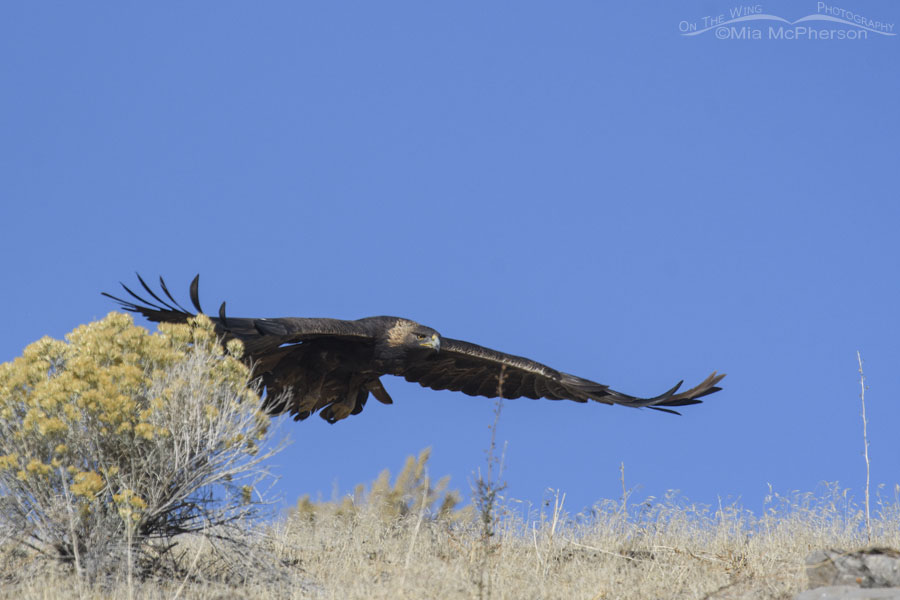
This morning I'm sharing a photo of a gorgeous adult Golden Eagle that I took just as it was taking off from a ridge, shortly after I found it.
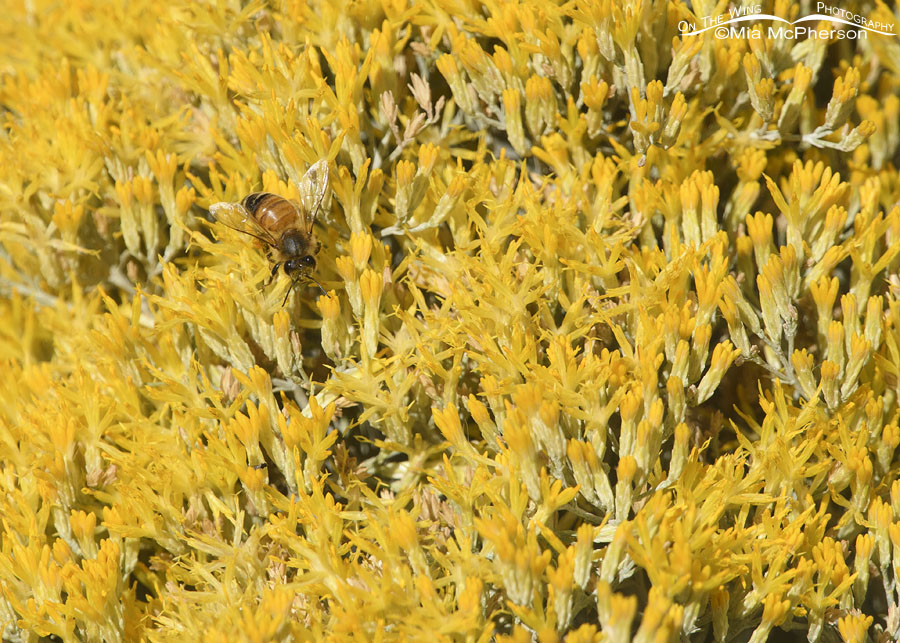
I wanted to share this photo of a roadside Western Honey Bee in a Rubber Rabbitbrush this morning because when I look at it I think of fall.
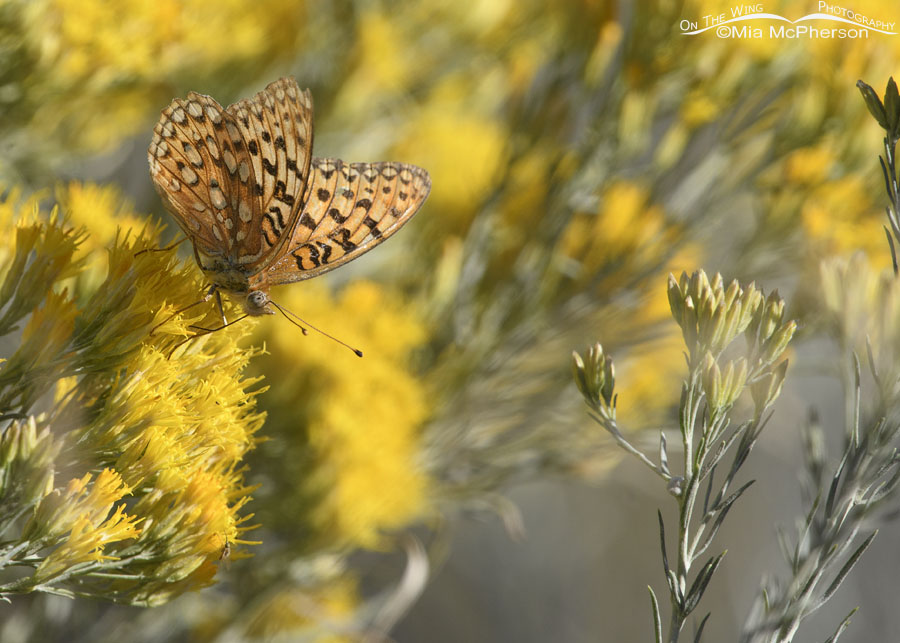
Earlier this week I did some West Desert wandering and while I was there I took some butterfly photos that clumps of blooming rabbitbrush had attracted.
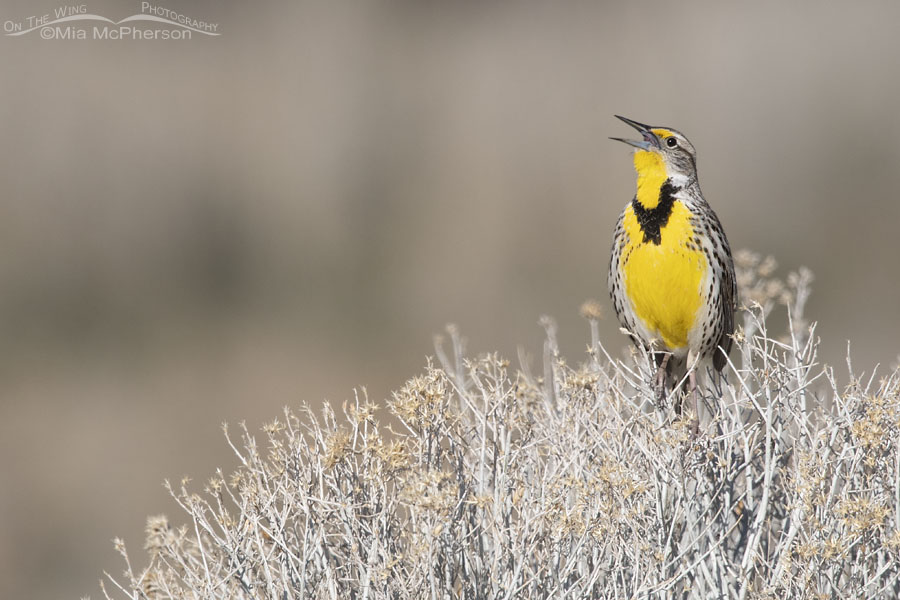
The song of this Western Meadowlark that I found two days ago on Antelope Island State Park was a wonderful springtime melody that I needed to hear.
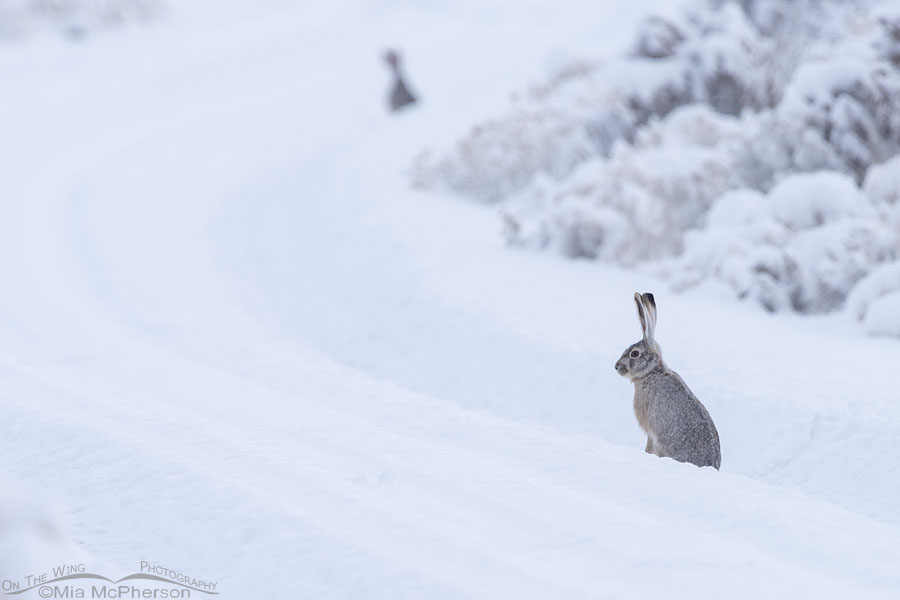
While looking back through some old winter photos I came across this Black-tailed Jackrabbit I photographed on a snowy day on Antelope Island.
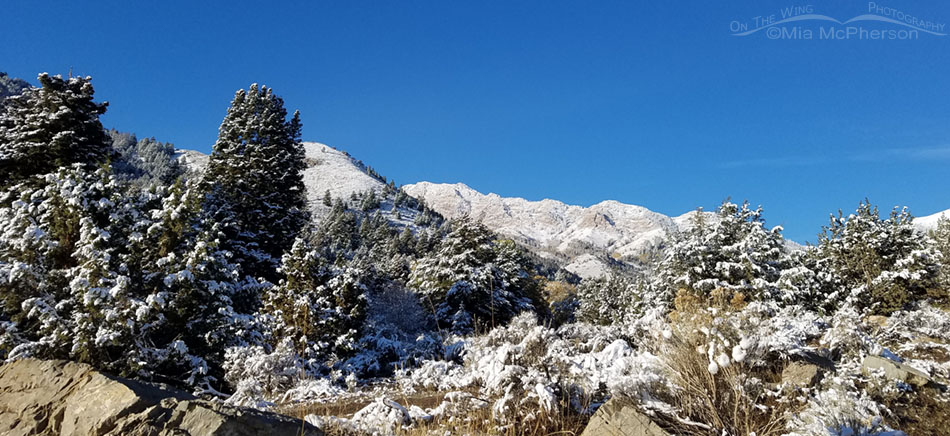
I saw snow on Utah's West Desert mountains for the first time since late spring so I thought I'd share a few views of what I saw while out there yesterday morning.
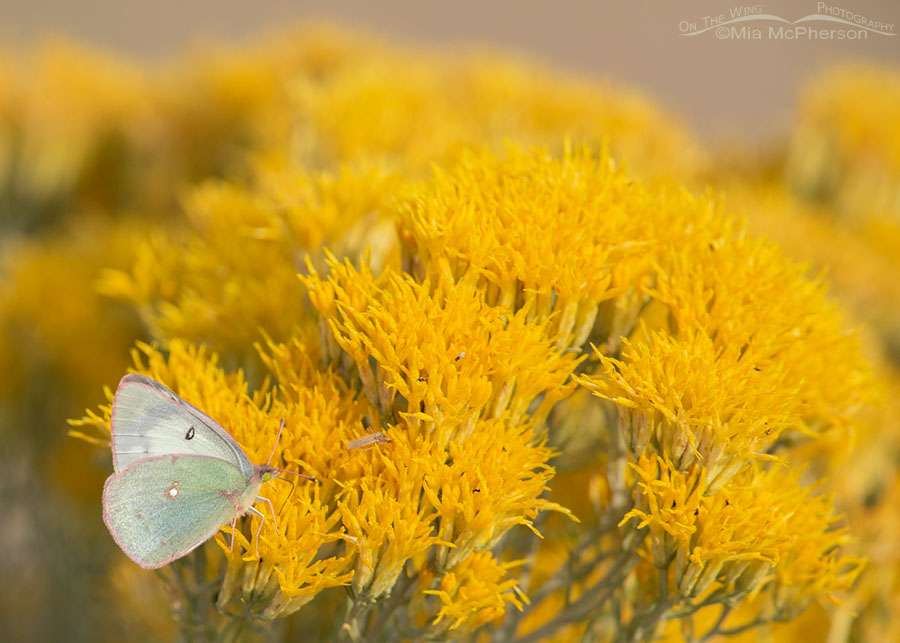
I got lucky at one rabbitbrush when I found a Clouded Sulphur butterfly nectaring on what I believe is a Rubber Rabbitbrush.
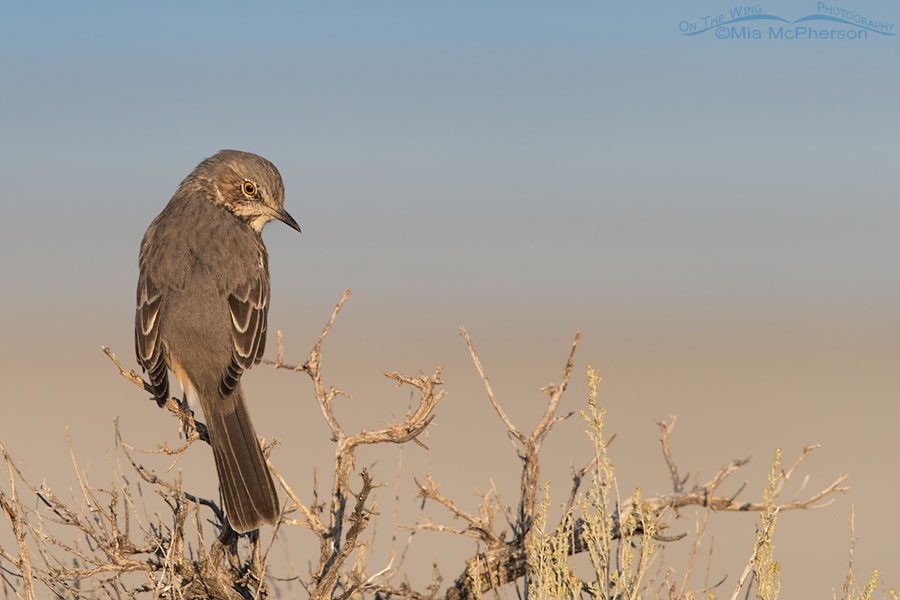
Sage Thrashers are only in Utah for their breeding season and by now all their chicks have fledged and are feeding on their own.
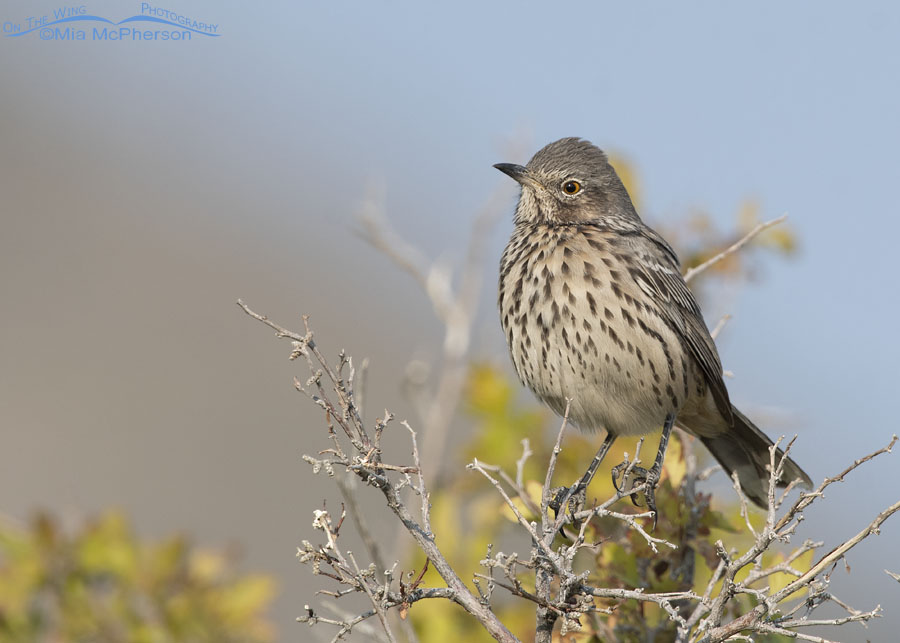
Sage Thrashers return to northern Utah in March and it is now time for me to start listening for their songs and melodies.
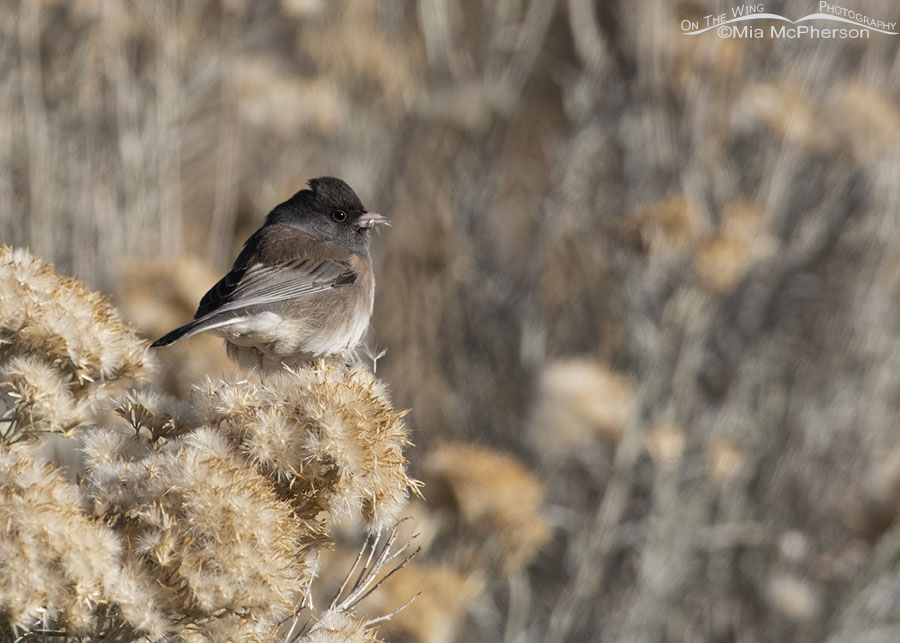
One of the Dark-eyed Juncos that I had in my viewfinder was perched on top of a rabbitbrush with seeds and fluff in its bill that turned its head towards me.
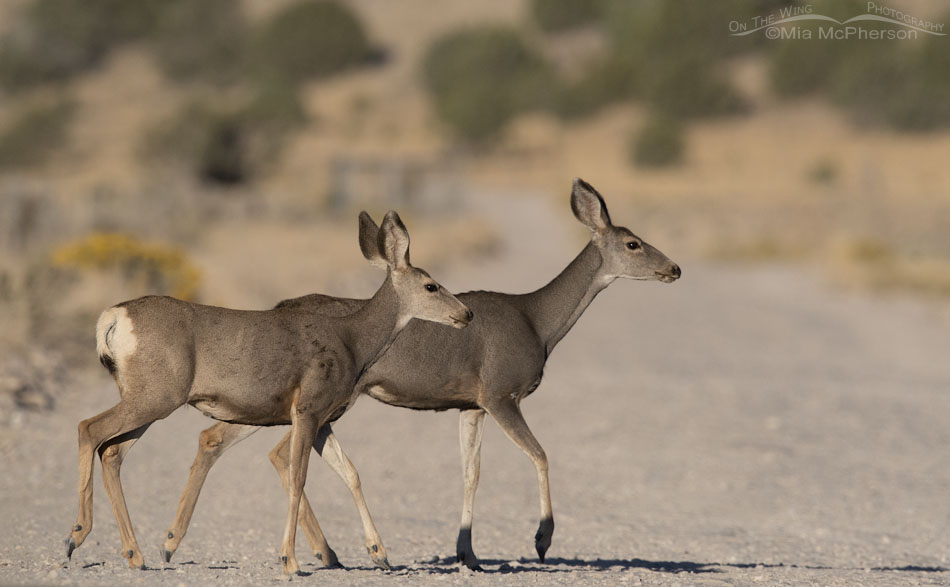
Last week I found a small herd of does and fawns on a gravel road that leads to the foothills and mountain canyons of the Stansbury Mountains that hung around long enough to be photographed.
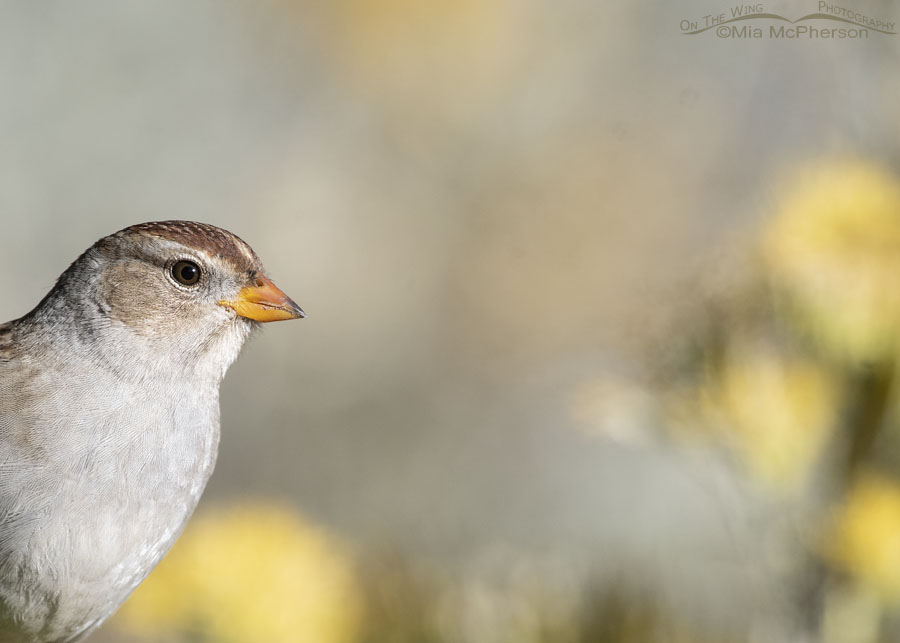
I didn't get the photos I wanted of the sparrows perched on the rabbitbrush but I like this portrait of the young White-crowned Sparrow in front of it just as well.
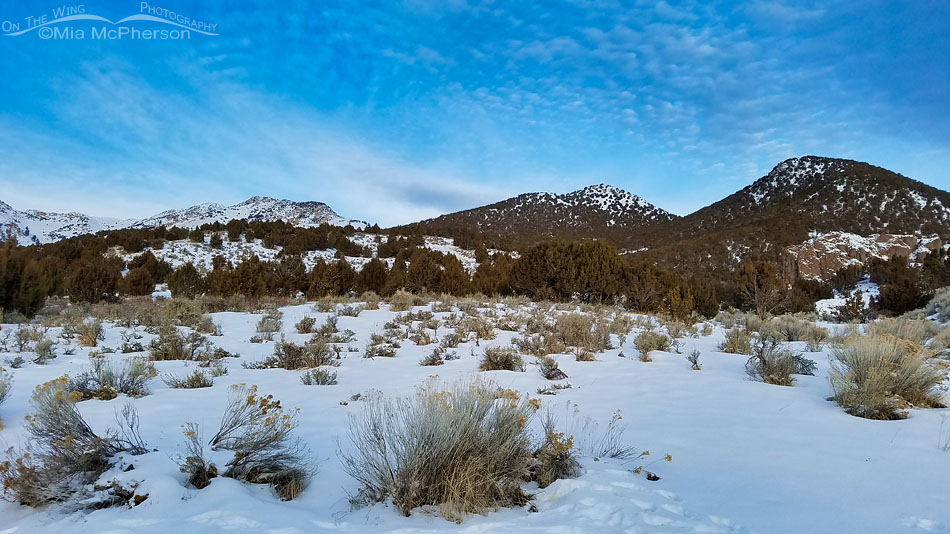
Yesterday morning I didn't press my DSLR's shutter button a single time while I was out in the field so I came home without a single photo of a bird or animal but I did come home with something else. Knowledge.
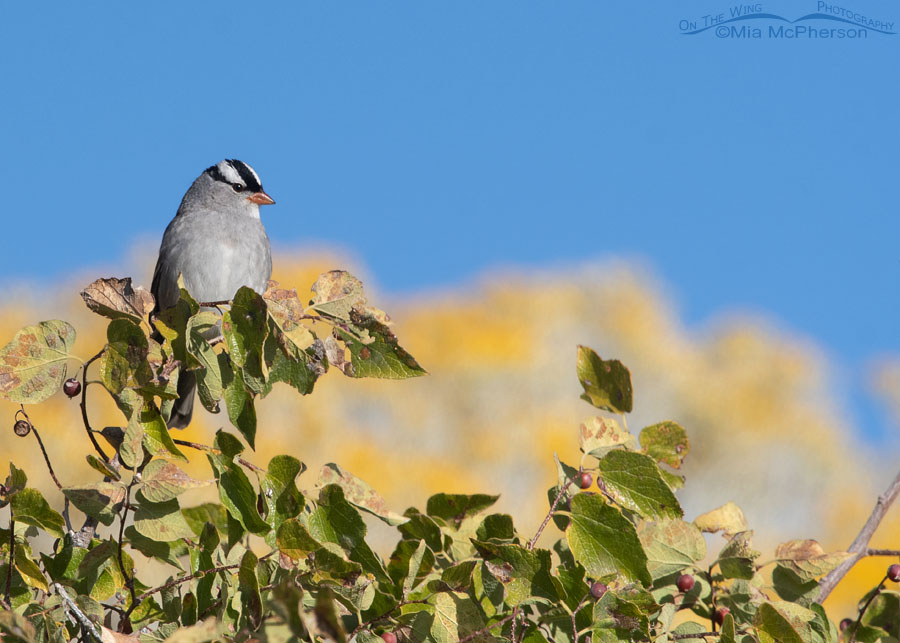
I photographed this adult White-crowned Sparrow about two weeks ago in northern Utah while it perched on a hackberry tree on a hill with blooming rabbitbrush in the background.
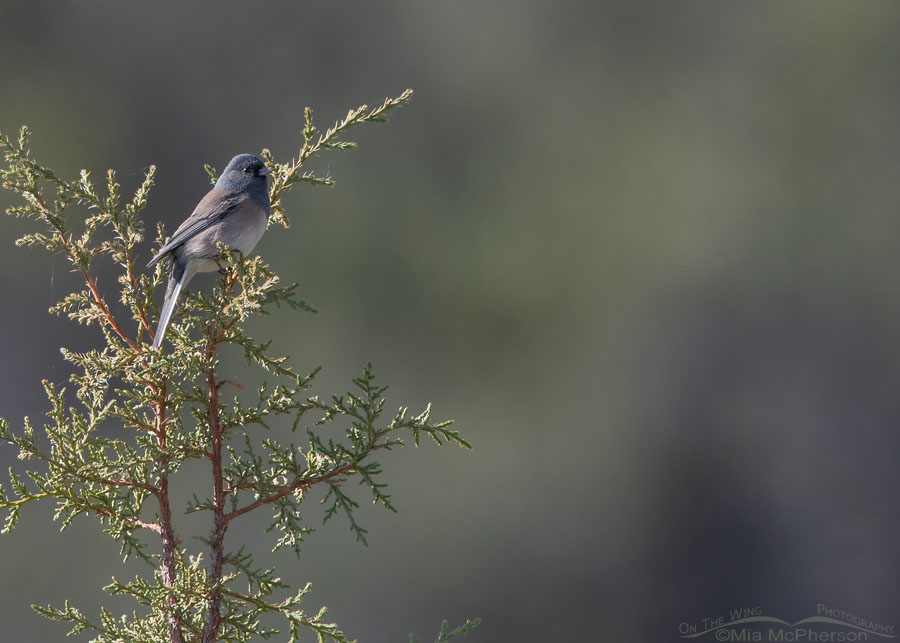
Even though I came home with very few photos I'm still glad I went wandering. I had great views, sunshine, birds to delight my eyes and ears and I soaked it all up like a thirsty sponge.
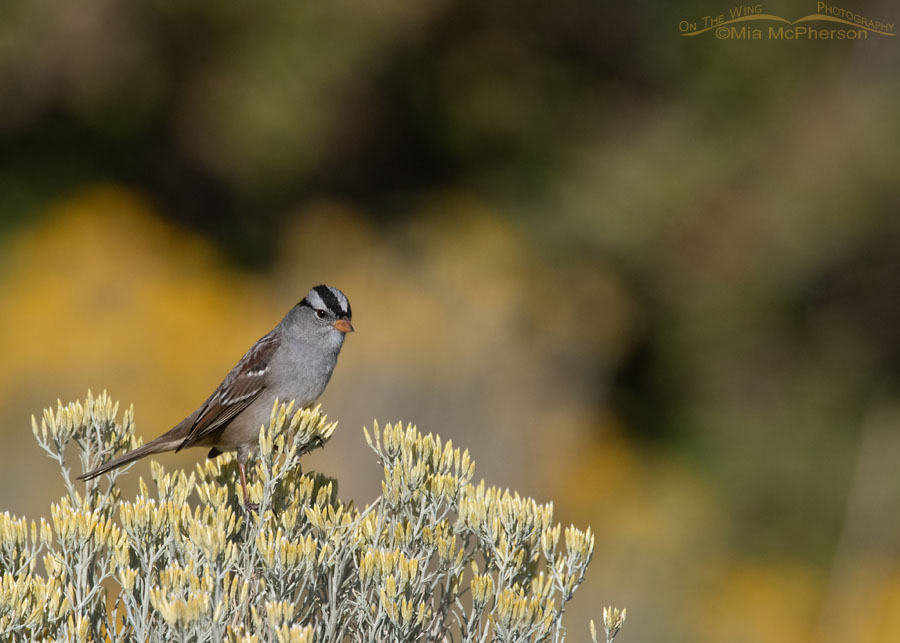
Sometimes the colors of in a photo I have taken are what pleases me and draws me in even if my subject is small in the frame, in this case my subject was an adult White-crowned Sparrow.
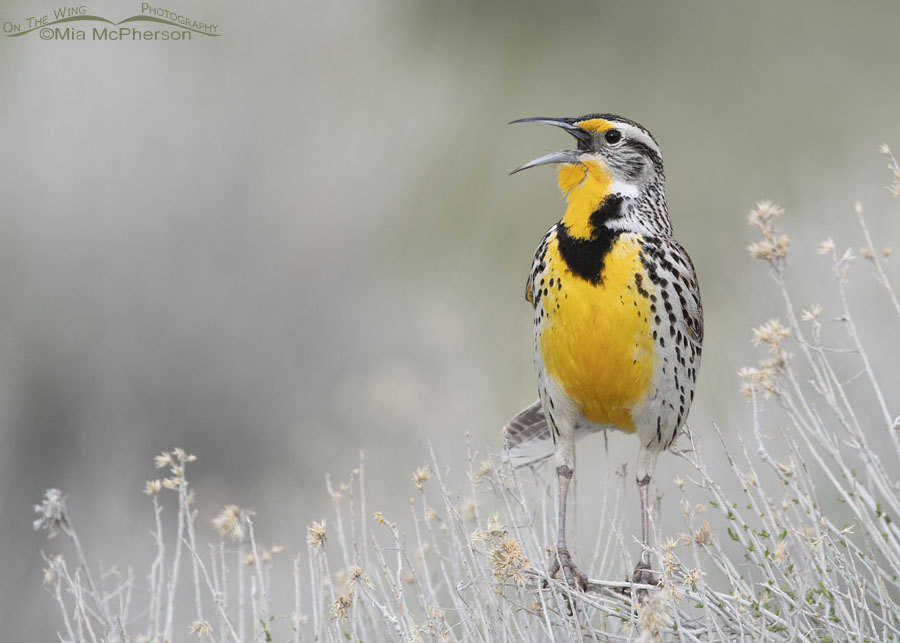
The birds I heard and saw on the island with the most frequency were Western Meadowlarks, most of them were too far away or too skittish to photograph but one of them was cooperative and I was grateful for that.
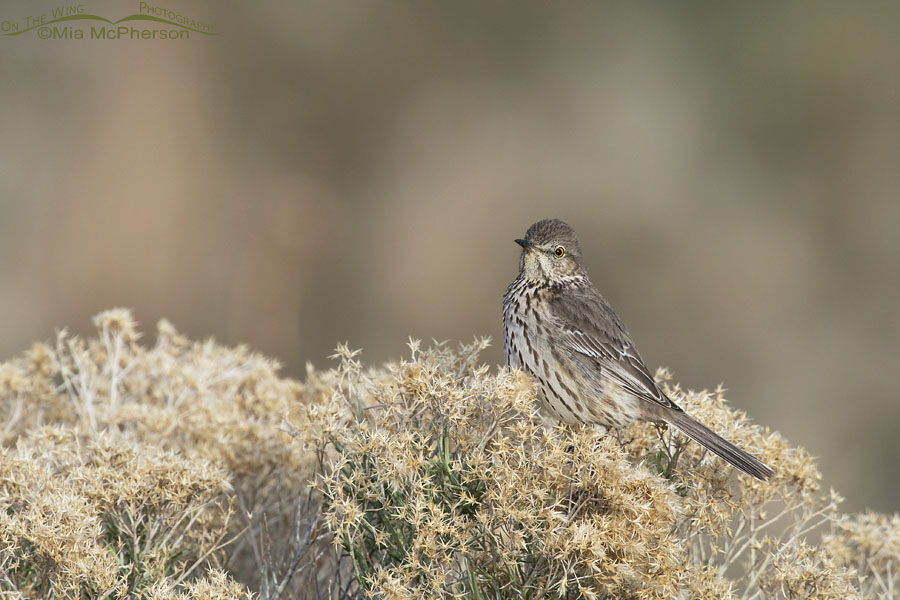
So as of right now I am not sure whether I will be spending time on the island after the biting gnats come out which means if I am going to photograph Sage Thrashers displaying I need to find the thrashers some place else.
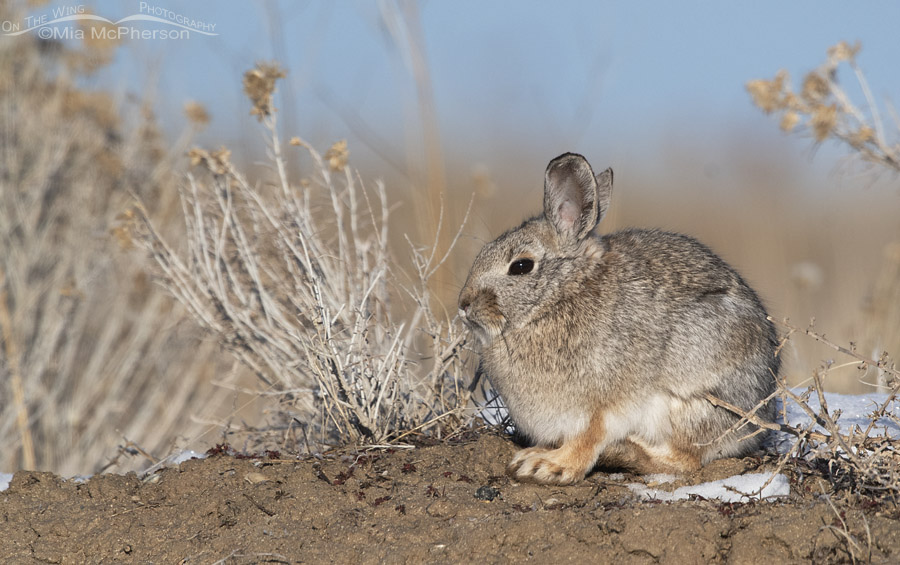
I haven't seen rabbits for quite some time on the island so when I spotted this Mountain Cottontail yesterday on a small snow-topped hill I knew I had to get photos of it.
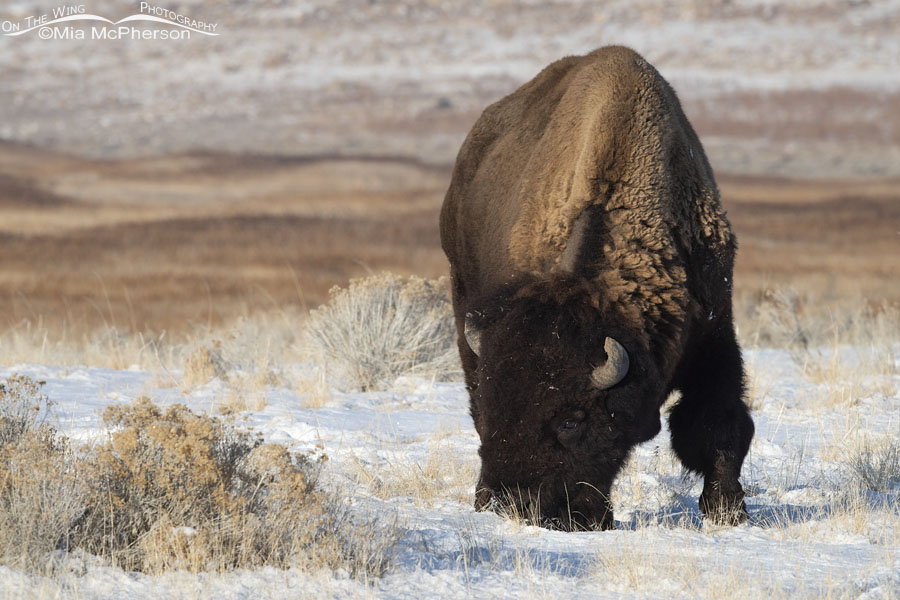
I can remember the day I photographed this American Bison bull grazing with snow on the ground clearly in part because I was seeing the island with a friend who hadn't been there before which is akin to seeing the area with fresh eyes.
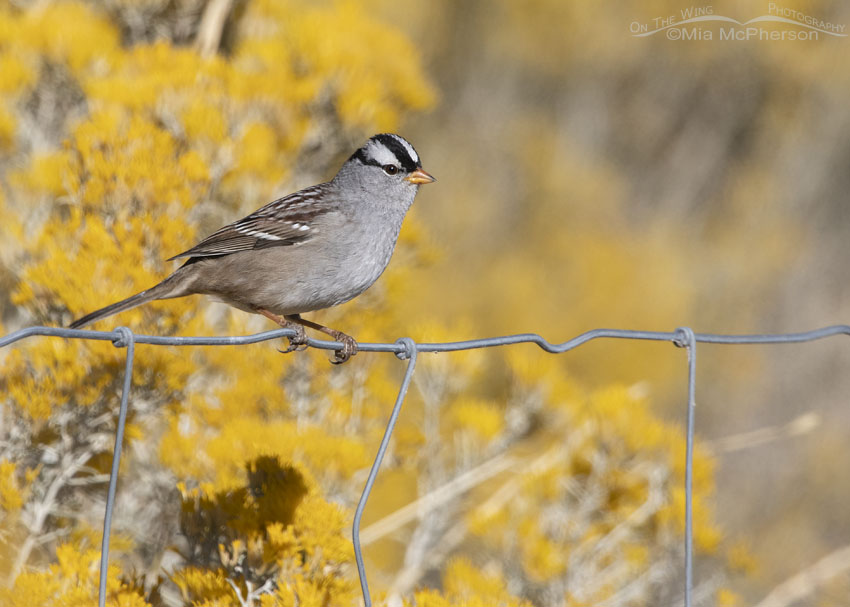
I was thinking back on brighter days this morning and decided to share this photo of an adult White-crowned Sparrow perched on a fence with the bright yellow blooms of rabbitbrush in the background.
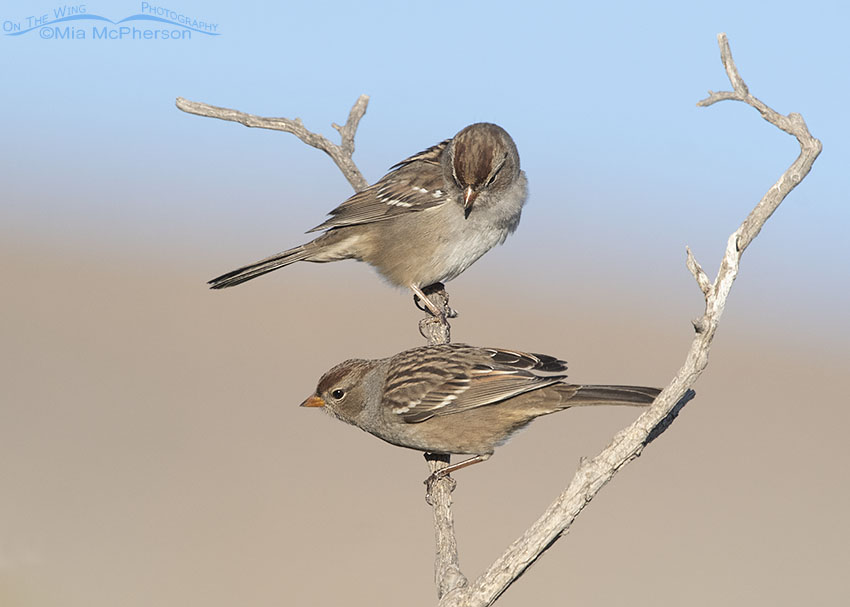
I've been collecting images of immature White-crowned Sparrows that I have taken over the past month or so up in Box Elder County because of all the different settings I have photographed them in.
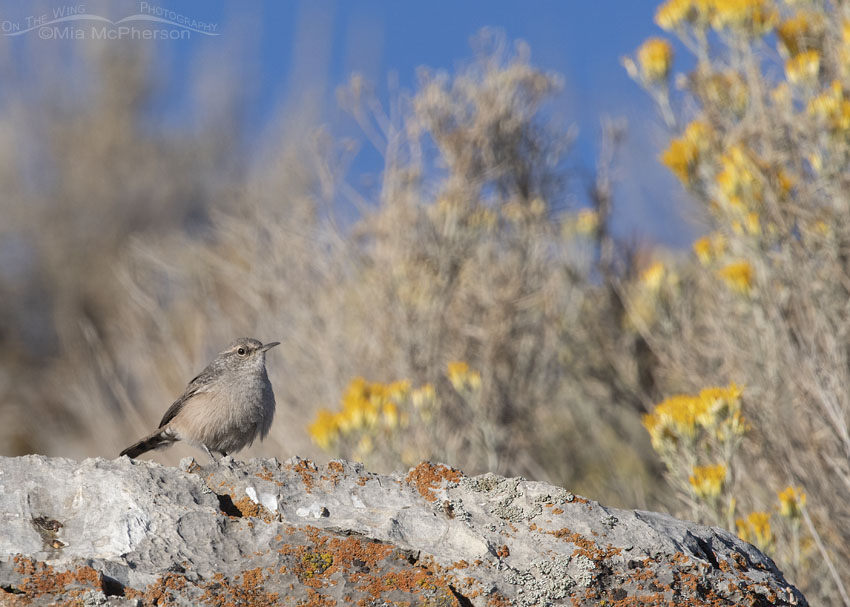
Last month I was able to take my best photos of Rock Wrens so far since I moved to Utah but even those aren't as close to the bird as I would have liked them to be.
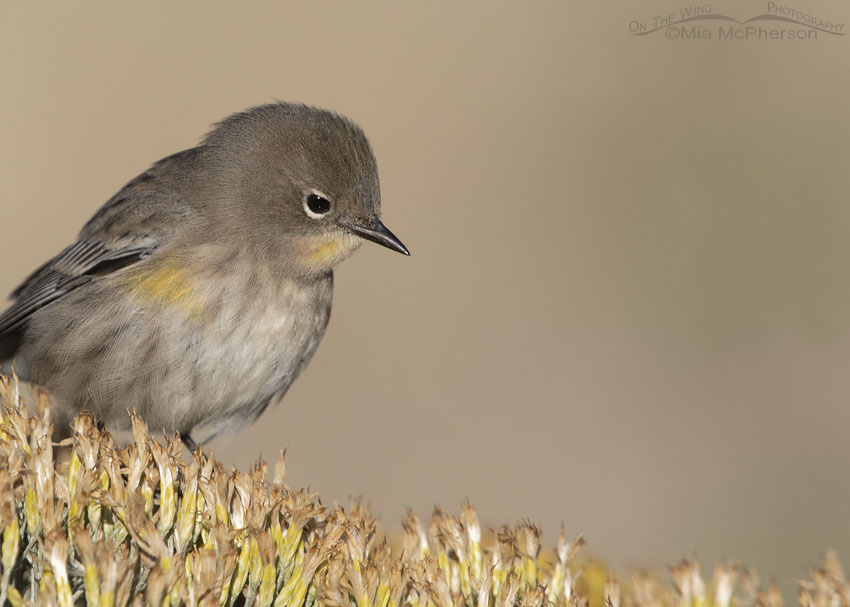
I've been spotting more and more Yellow-rumped Warblers over the past 10 to 14 days and I am excited because I have been expecting them to start showing up in my viewfinder.
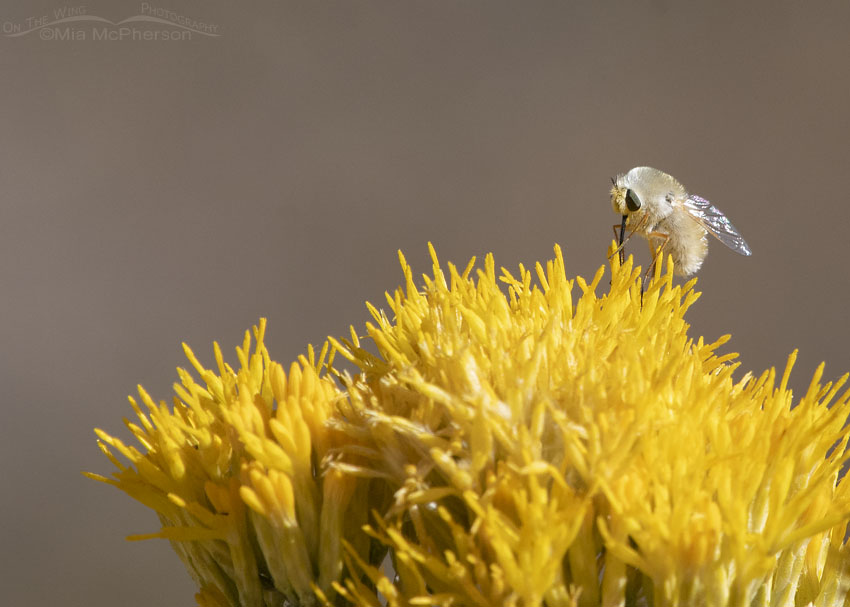
I photographed some of the cutest, fuzzy Bee Flies in the world this week nectaring on Rabbitbrush and Curlycup Gumweed in the Stansbury Mountains of the West Desert.