Eyes On The Sky – Osprey Migration Is Underway
It is time for me to keep my eyes on the sky because Osprey migration is underway. Online, in the past week, I've seen them being reported in Montana and Idaho.


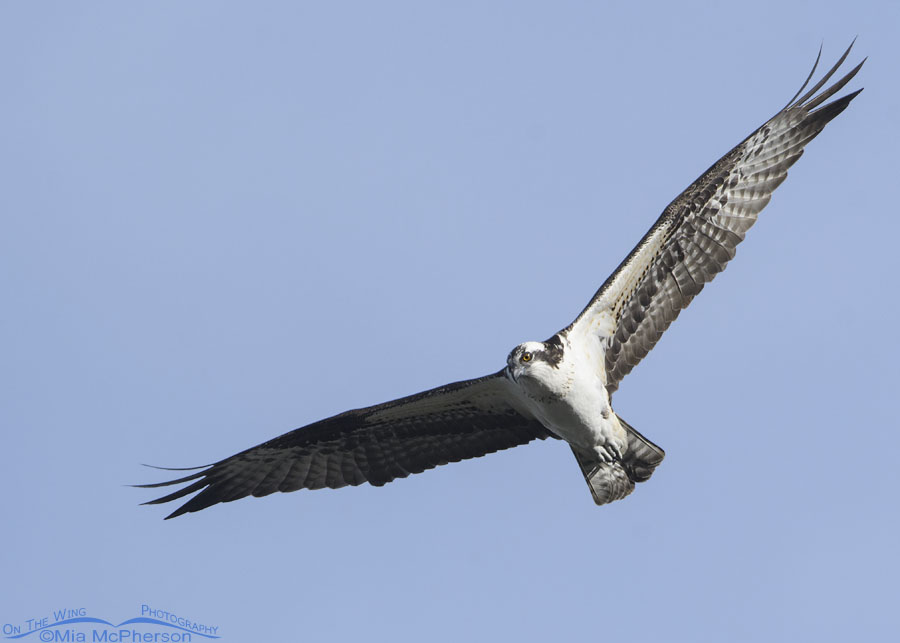
It is time for me to keep my eyes on the sky because Osprey migration is underway. Online, in the past week, I've seen them being reported in Montana and Idaho.
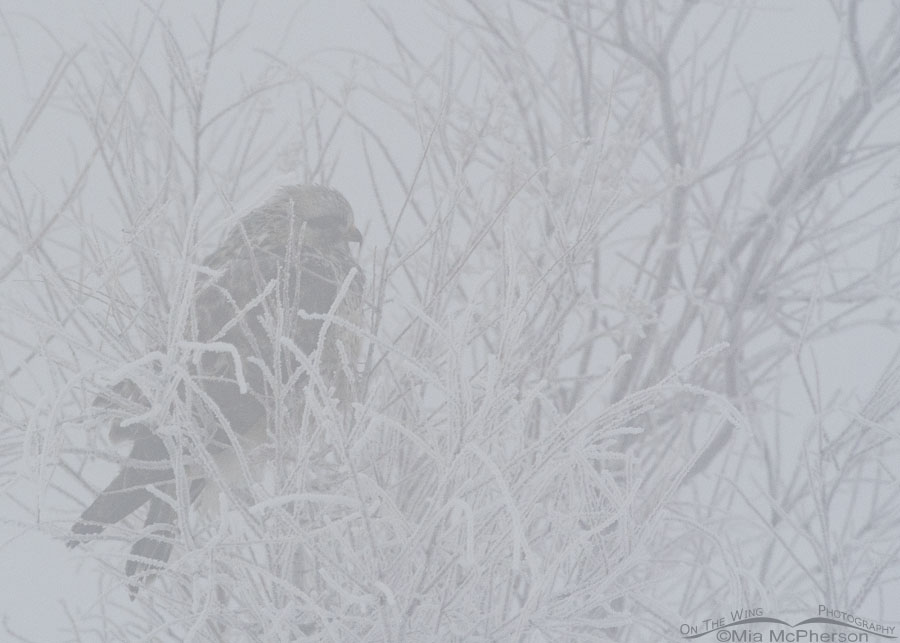
Some bird photographers might not share a photo like this Rough-legged Hawk in dense fog that I took two years ago today at Bear River Migratory Bird Refuge.
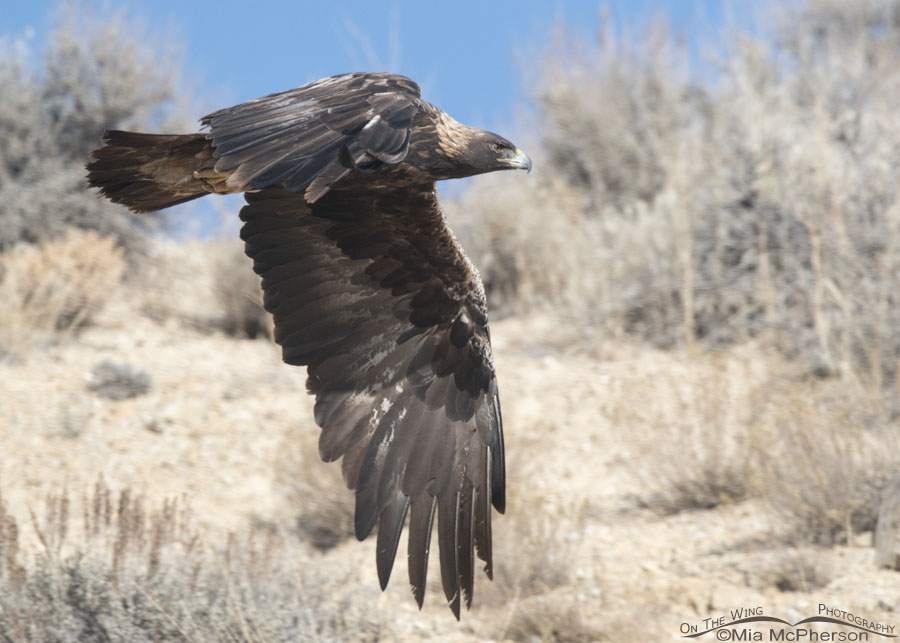
Back in November of 2017, I took this photo of an adult Golden Eagle flying past a ridge in Box Elder County. I'm not sure why I never shared it until today.
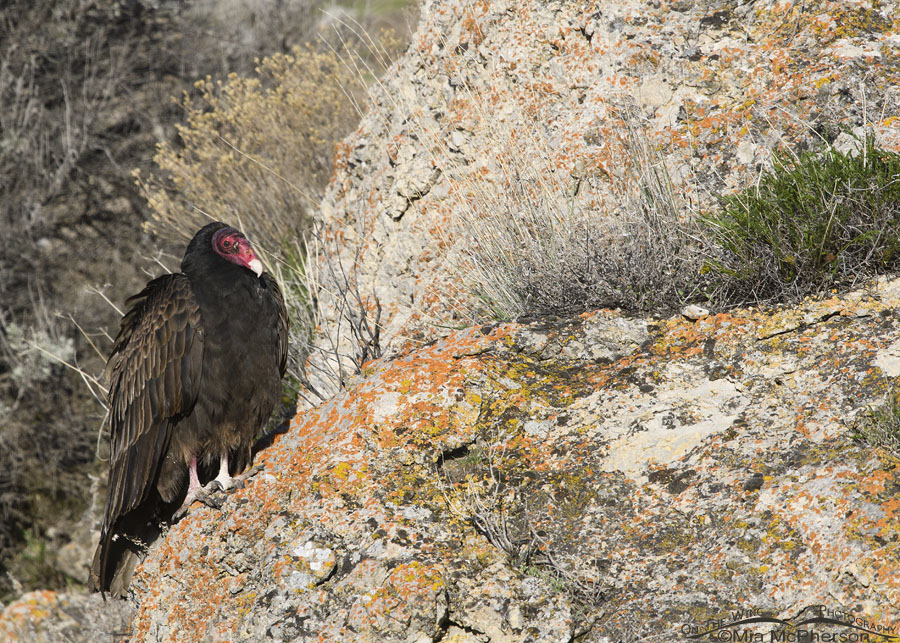
I took my first Turkey Vulture images of the season two days ago. That is later than usual for me, but this spring hasn't been normal at all.
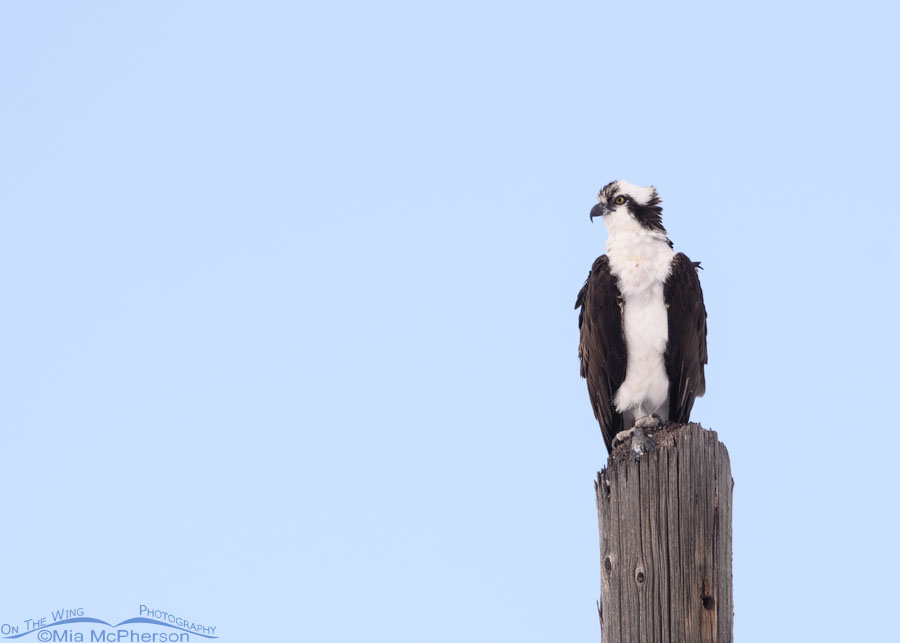
I had something wonderful happen yesterday following a spring snowstorm in Salt Lake City. I found my first of year Osprey close to home perched on a pole.
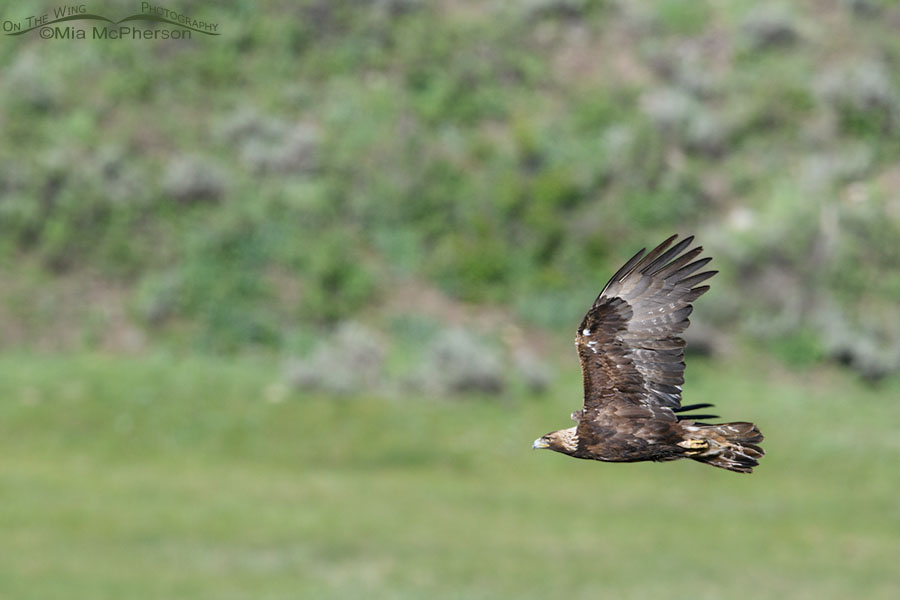
The last time I was in the Wasatch Mountains I had a brief window of opportunity to photograph an adult Golden Eagle in flight.
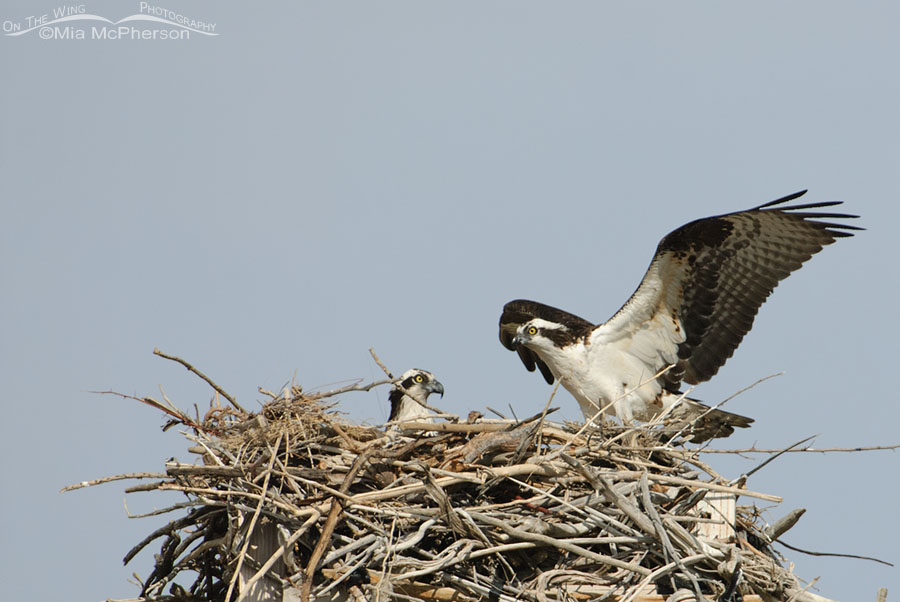
I was hoping to find my first of the year Swainson's Hawks yesterday but instead I spotted my first of year Ospreys.
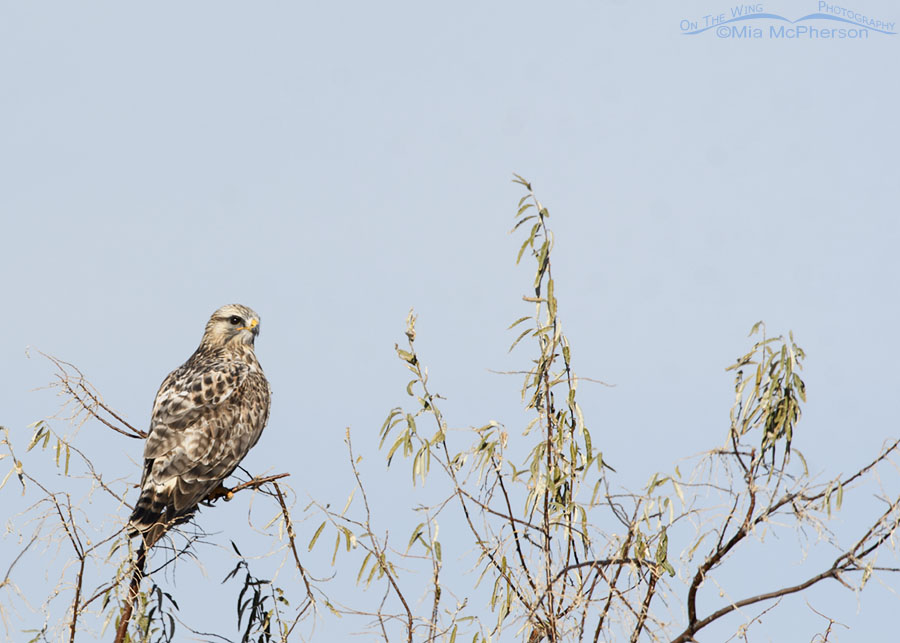
Ten days ago I found and photographed this adult male Rough-legged Hawk as it perched on a Russian Olive tree at Bear River Migratory Bird Refuge when I was heading home.
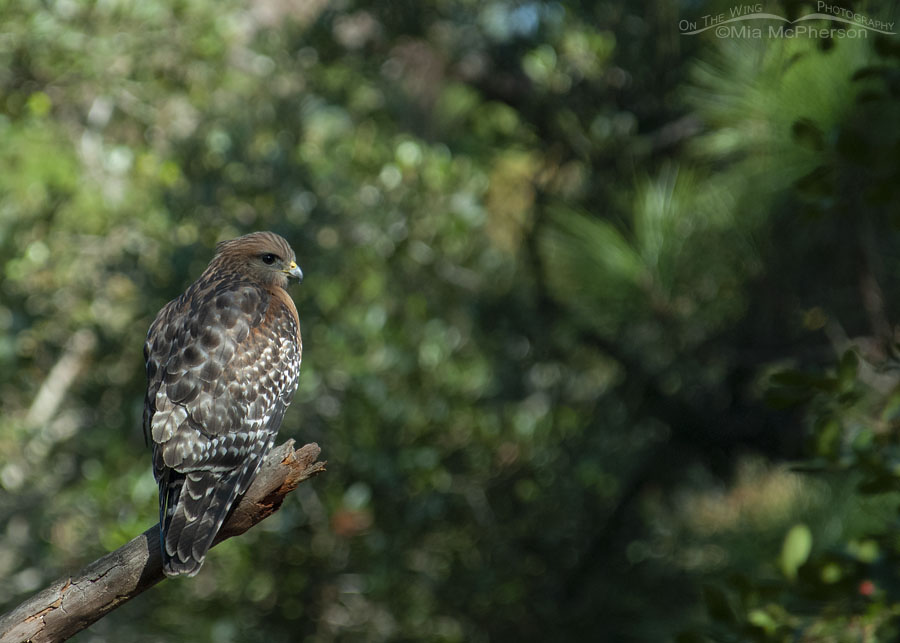
I came across this adult Red-shouldered Hawk while walking around at John Chesnut Sr. Park in Florida way back in January of 2009.
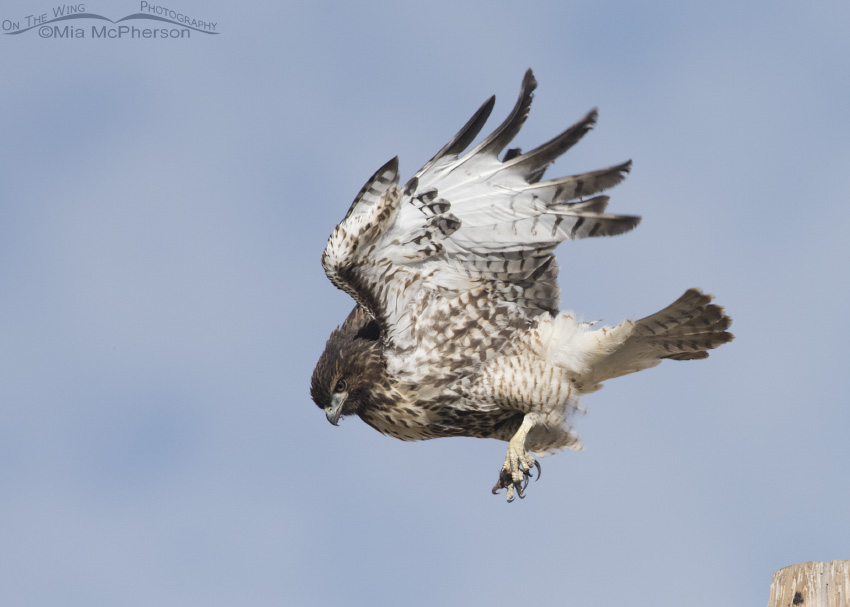
As a bird photographer who spends enormous amounts of time in the field with my feathered subjects I am able to see avian behaviors that other people don't see who aren't focused on birds.
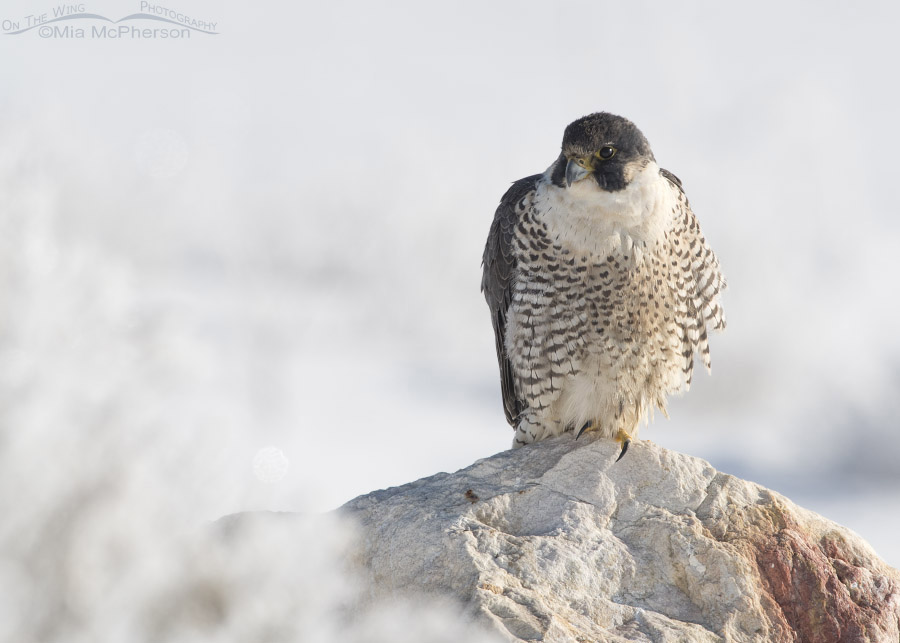
My best find of the day was a Peregrine Falcon in the snow perched on a colorful boulder with a snowy background.
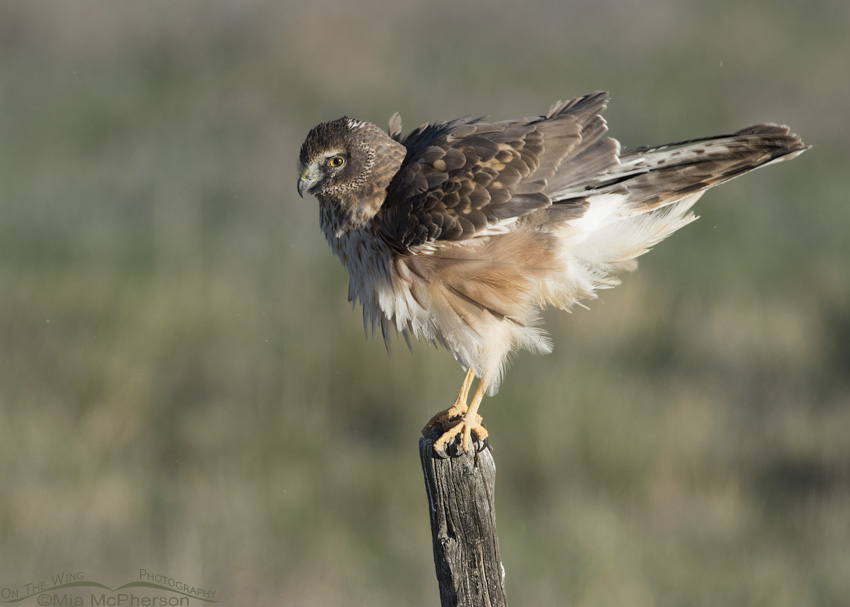
I was able to take quite a few images of a very cooperative first spring Northern Harrier that was perched on an old post next to the road in Box Elder County.
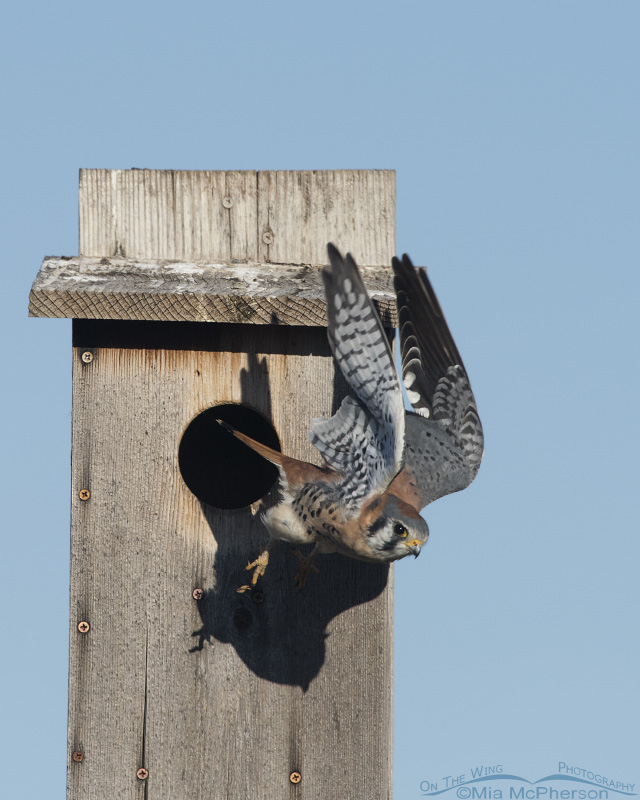
I photographed this male American Kestrel a few days ago at Farmington Bay WMA as it flew out of a nest box.
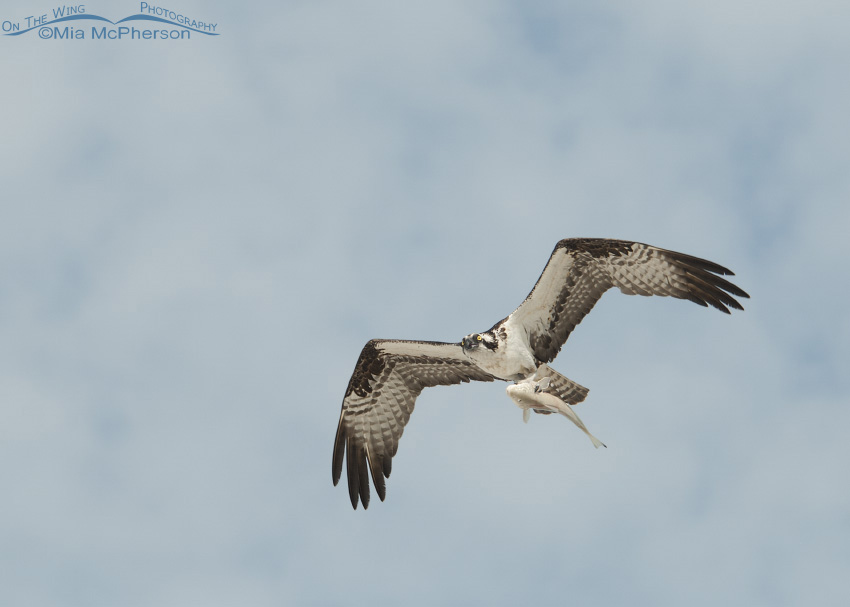
This Osprey image was taken in April of 2009 at Fort De Soto's north beach. I had been photographing smaller birds that were close to me when I noticed the Osprey flying in with a whiting.
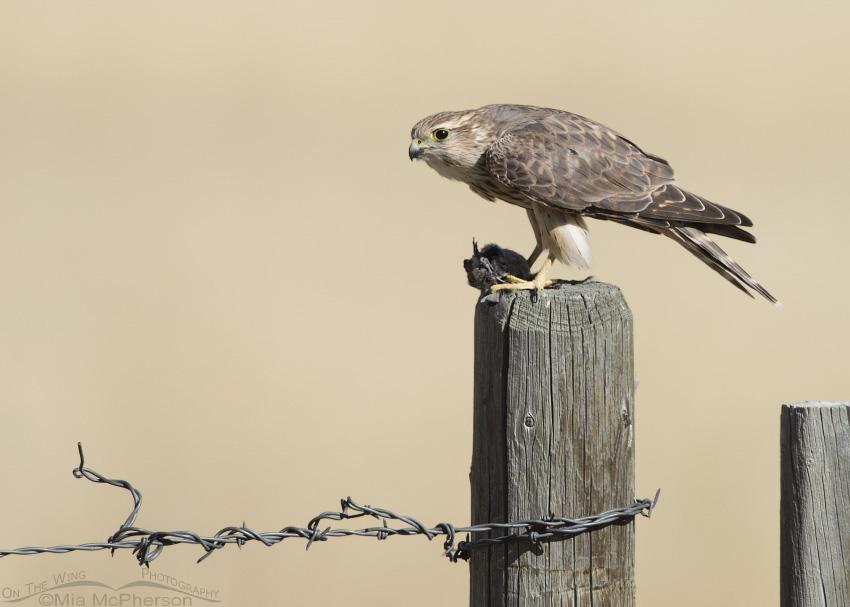
I don't often have the opportunity to photograph Merlins so I was plenty excited to find one yesterday on the South Valley Road in the Centennial Valley that stuck around for a bit!

To all the wonderful, deserving Dad's out there I'd like to wish you a Happy Father's Day!

Three days ago I had fun photographing a Northern Harrier searching for prey along the Antelope Island Causeway
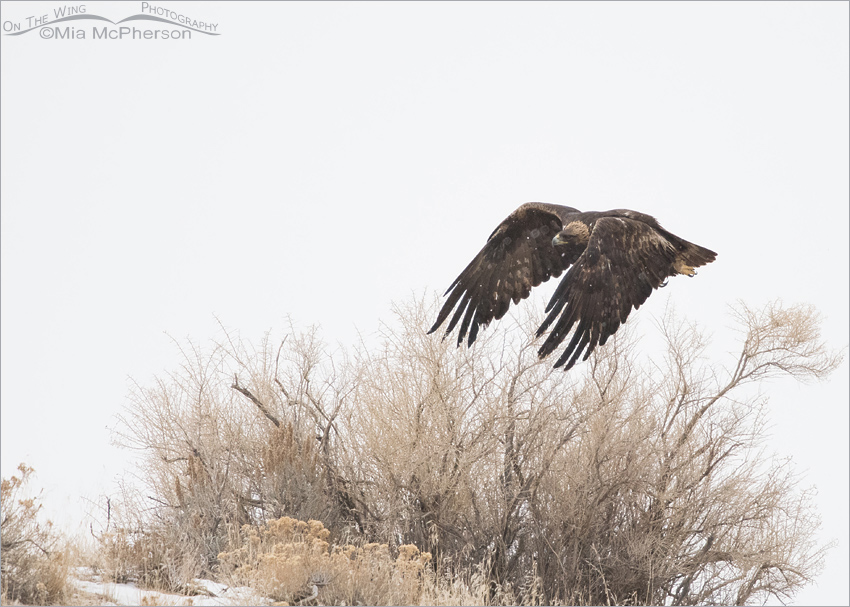
Yesterday morning found me on Antelope Island in low light and falling snow with a pair of Golden Eagles wishing for better light and clear skies.
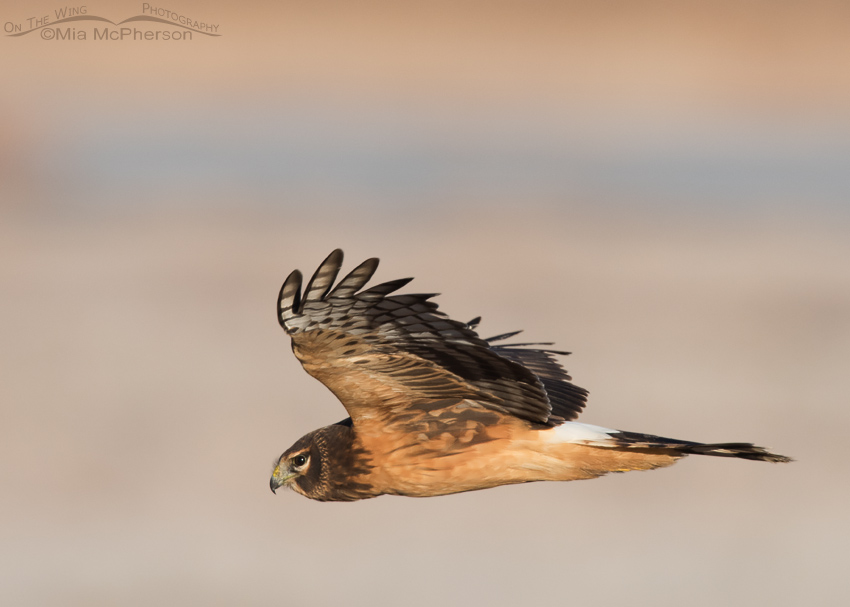
I love to photograph birds in flight and it doesn't matter which species it is. But I do thoroughly enjoy photographing raptors like this Northern Harrier as they fly by.
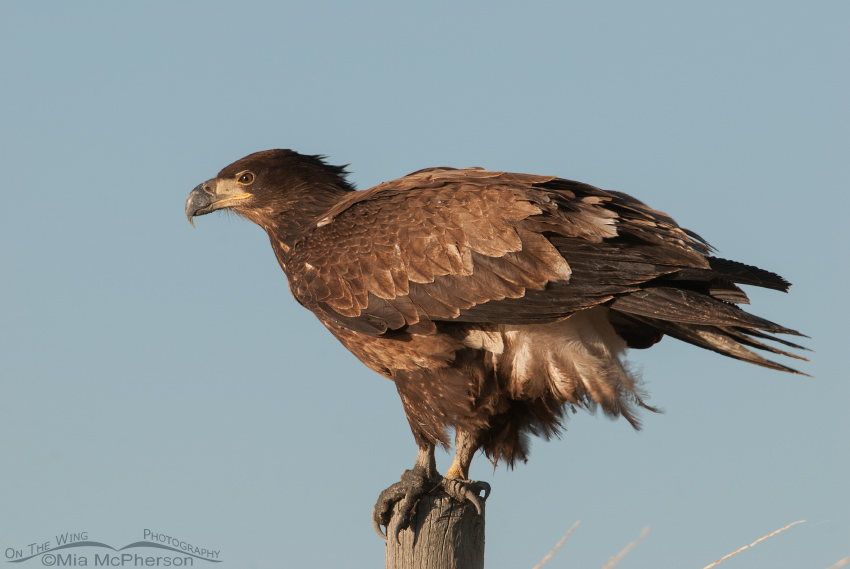
In February of 2011 there was a first year Bald Eagle at Farmington Bay WMA that seemed totally unafraid and unconcerned about the people near it.
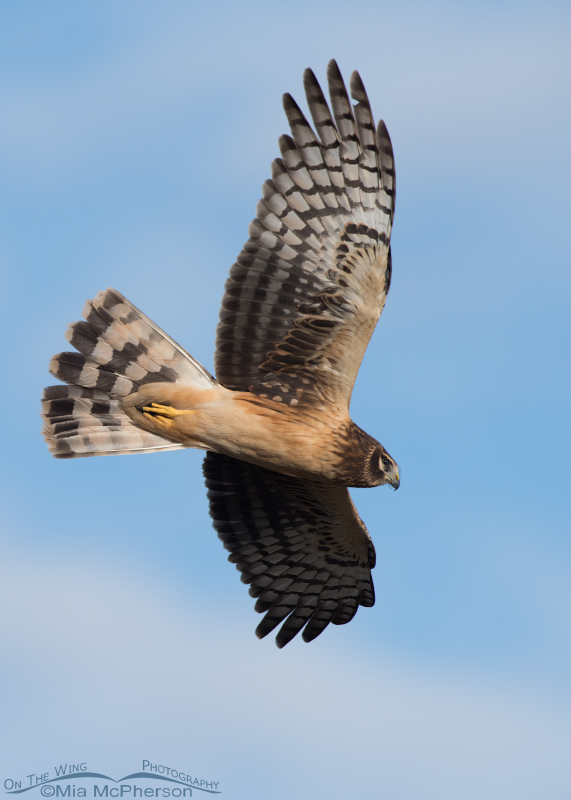
Northern Harriers are year round residents in Utah and I am encouraged by the numbers of them I have seen lately at Farmington Bay WMA.
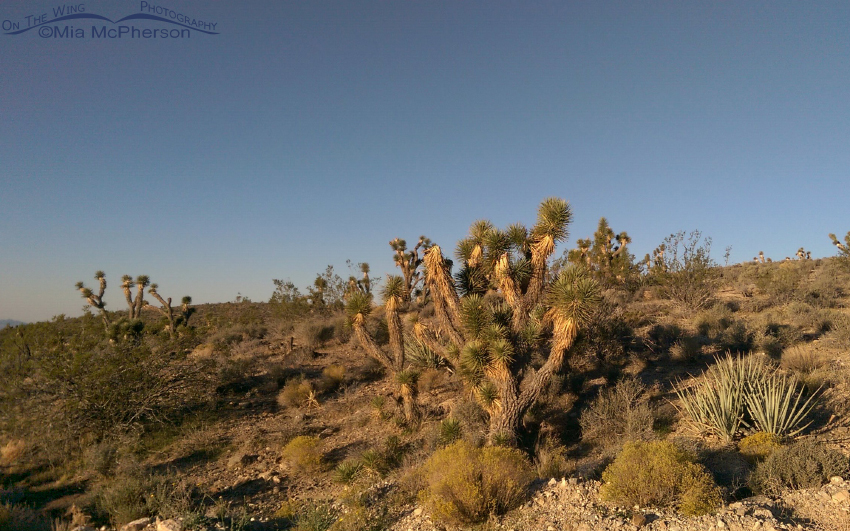
I enjoyed my journey to Beaver Dam Wash, Gunlock State Park and the Mojave Desert even though I didn't see the birds I hoped to photograph, every journey is an adventure.
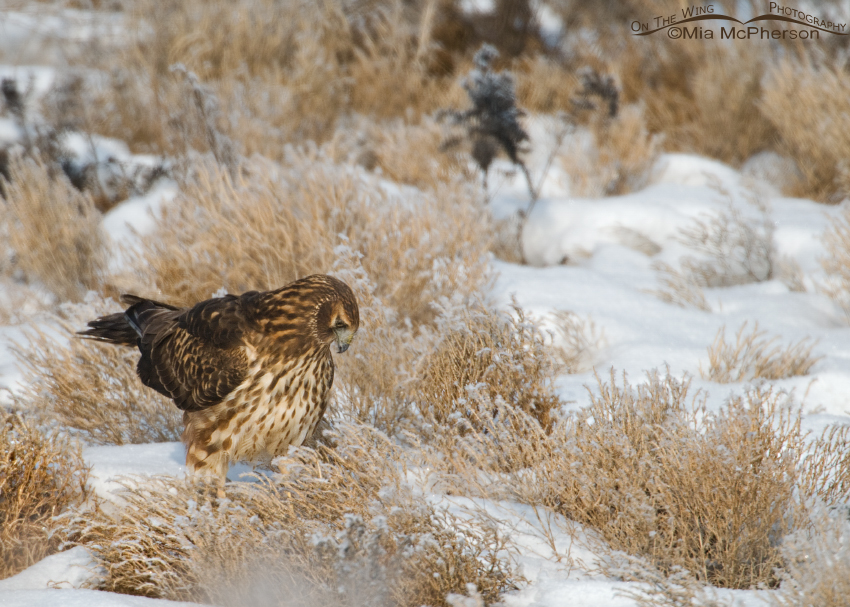
Whatever the reason for this behavior I know that I enjoy photographing Northern Harriers while they are ground hunting in a winter wonderland.
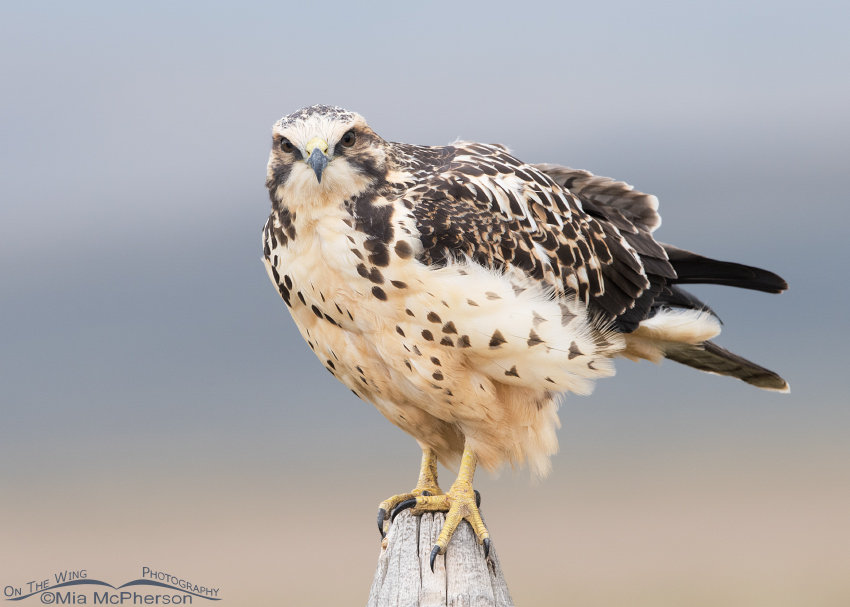
While in Montana earlier this month I had several opportunities to photograph juvenile Swainson's Hawks that were close and approachable but I didn't always have great light.
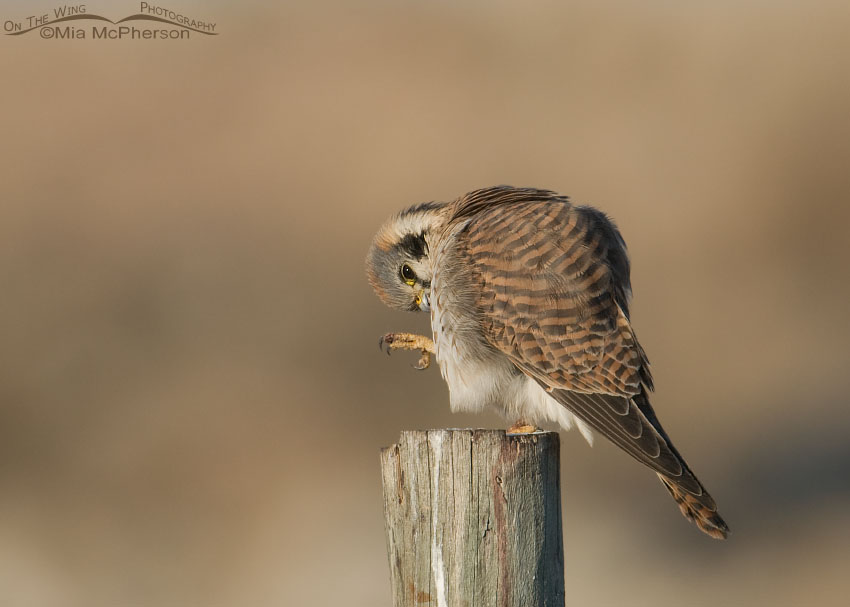
I have always liked this American Kestrel image because of the pose and how the female kestrel appears to be peeking at me while she preened.
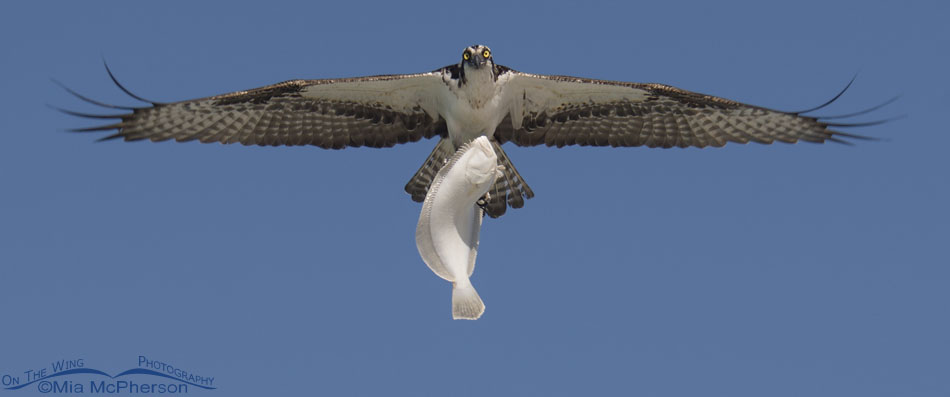
This Osprey flying in from the Gulf over the north beach of Fort De Soto came as a surprise to us so I had little time to prepare and get my setting right due to how fast the Osprey was flying.
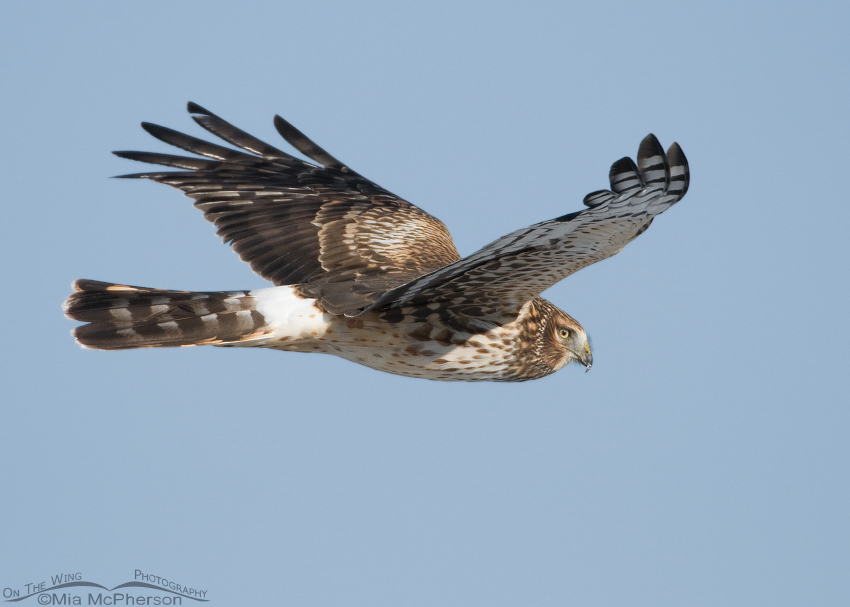
Even though I have been a bird photographer for some time now I still get a thrill when I am eye level with a bird of prey because it feels as if I am more strongly connected to the raptor when they fly in close at eye level.
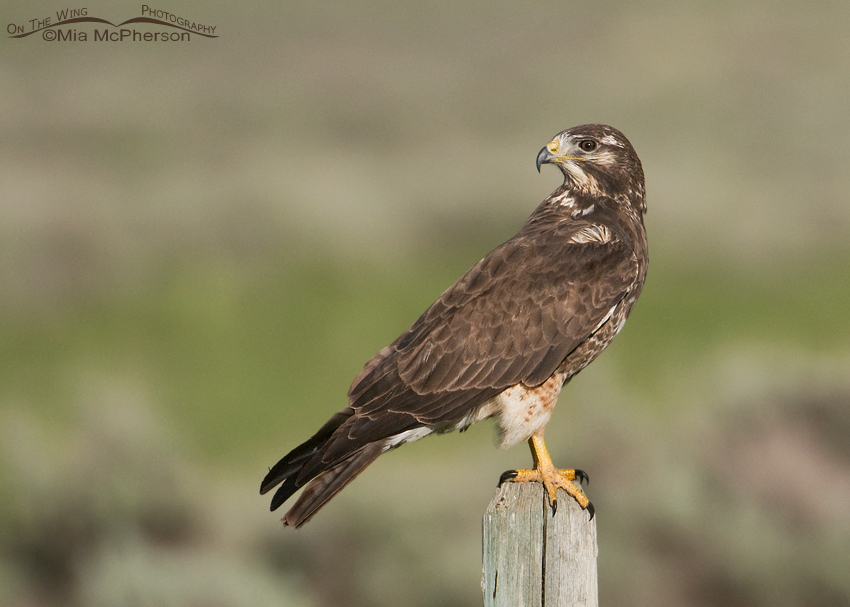
I've just returned from spending six wonderful days photographing in western Montana, the weather was lovely, the scenery spectacular and the birds; as usual, were awesome including these two Swainson's Hawks.

Yesterday Ron, Brian Gatlin and I went to Bear River National Wildlife Refuge and the Golden Spike National Historic Site area in bad light, falling snow and lake fog looking for birds to photograph and we came up pretty much empty-handed but we did find this adult Bald Eagle perched on some snow-covered rocks going towards the Golden Spike National Historic Site Visitor Center as the snow fell.
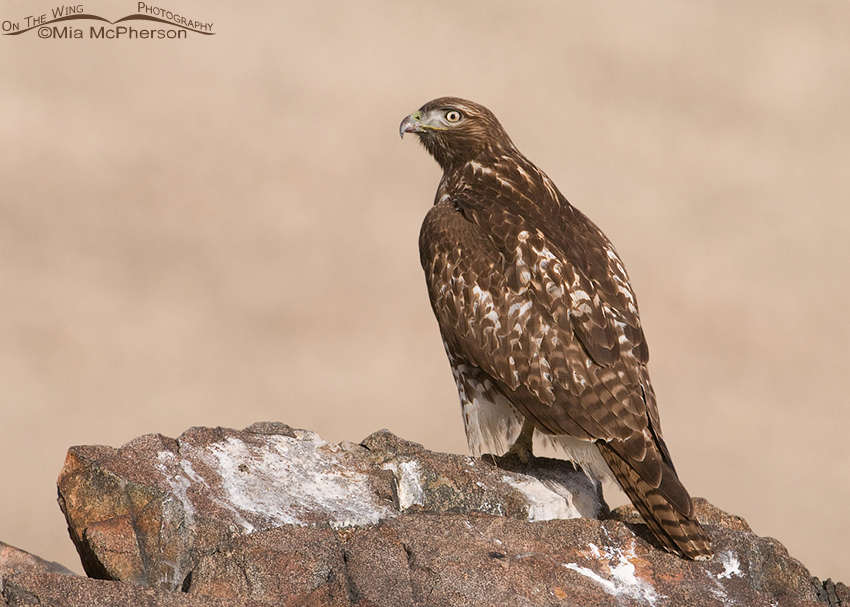
I recall that when I first started photographing the juvenile Red-tailed Hawks in this area back in August that they missed their prey more times than they would capture it and now they seem to have gone the other way, they are catching the prey more than they are missing it.