Gadwall In Multicolored Reflections
This Gadwall photo from last spring is the photo I decided to share this morning. It was taken at my local pond where the multicolored reflections appeal to me.


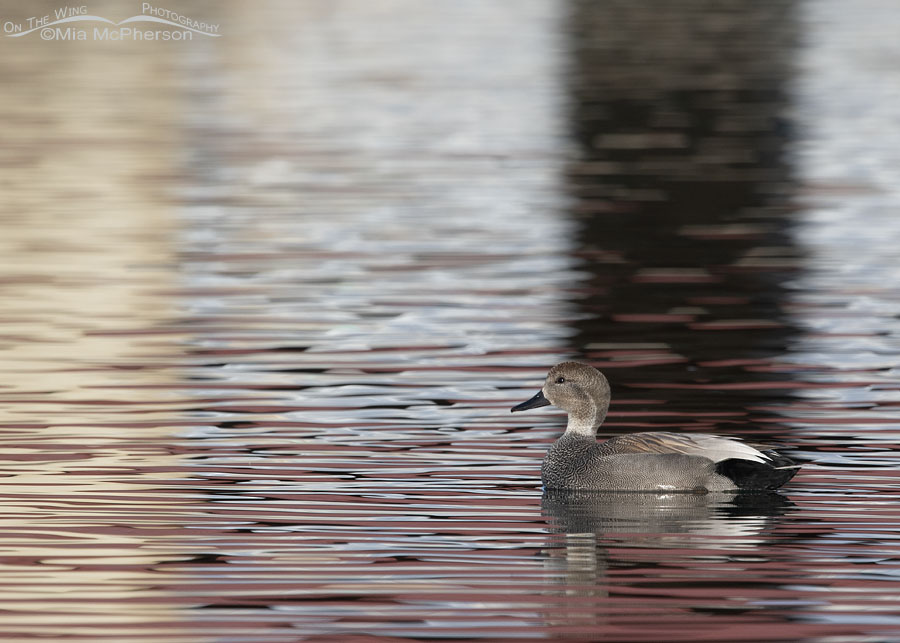
This Gadwall photo from last spring is the photo I decided to share this morning. It was taken at my local pond where the multicolored reflections appeal to me.
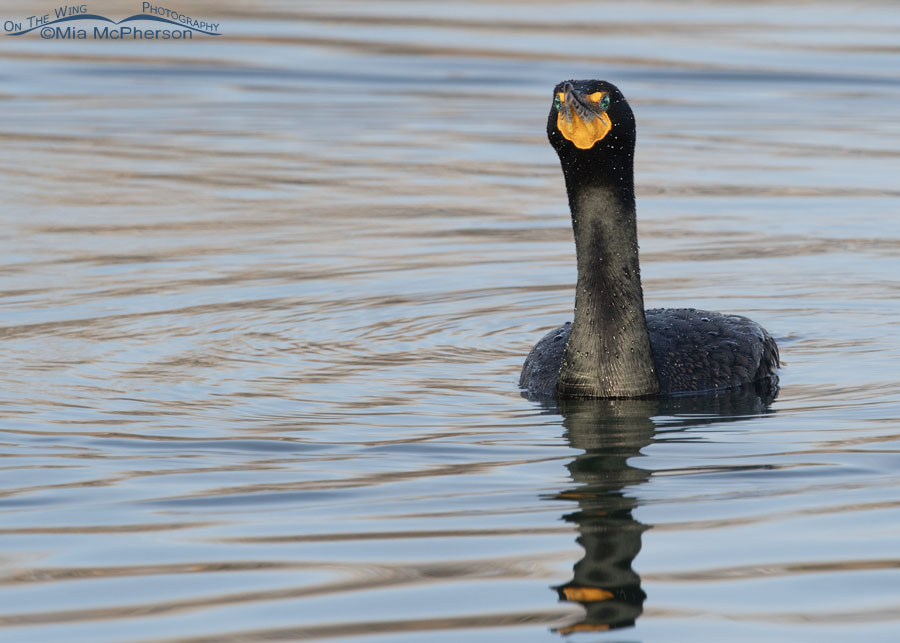
While looking at my Common Loon photos from last spring, I came across these Double-crested Cormorant photos that I took at the same time last year.
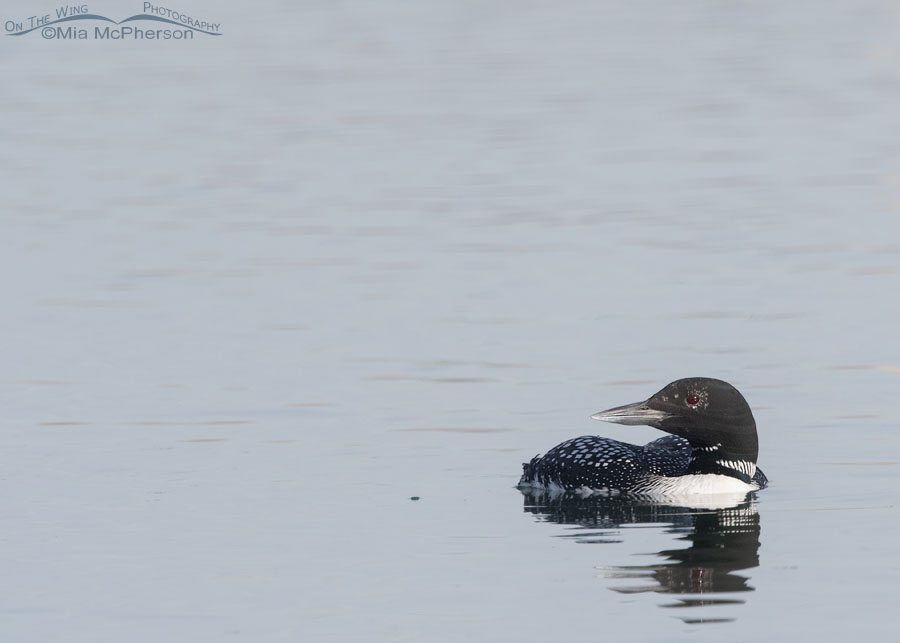
It has been a year since I was surprised and delighted to be able to take tons of Common Loon photos at a pond close to where I live in Salt Lake County.
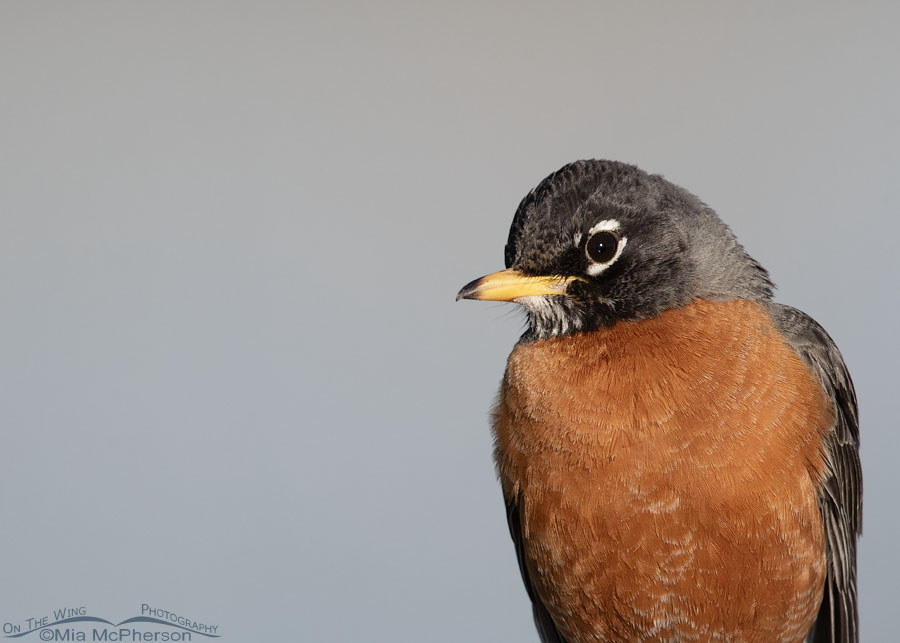
I was able to get outdoors and into the sunshine yesterday. I visited my local pond and took a series of American Robin portraits at the edge of the water.
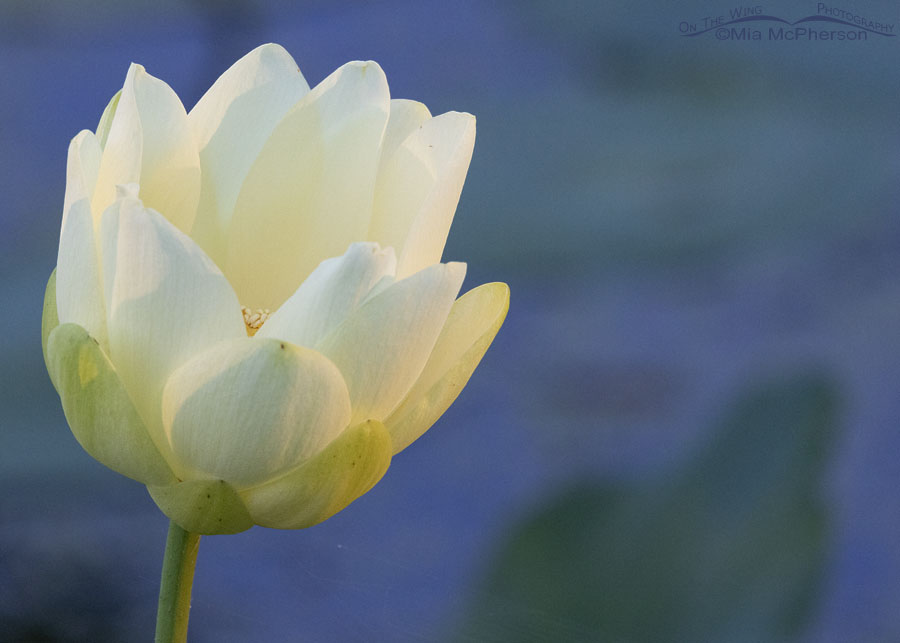
I had considered sharing this photo of this American Lotus on Easter Sunday, but I was feeling a little raw and sad. It was my first Easter without my mother.
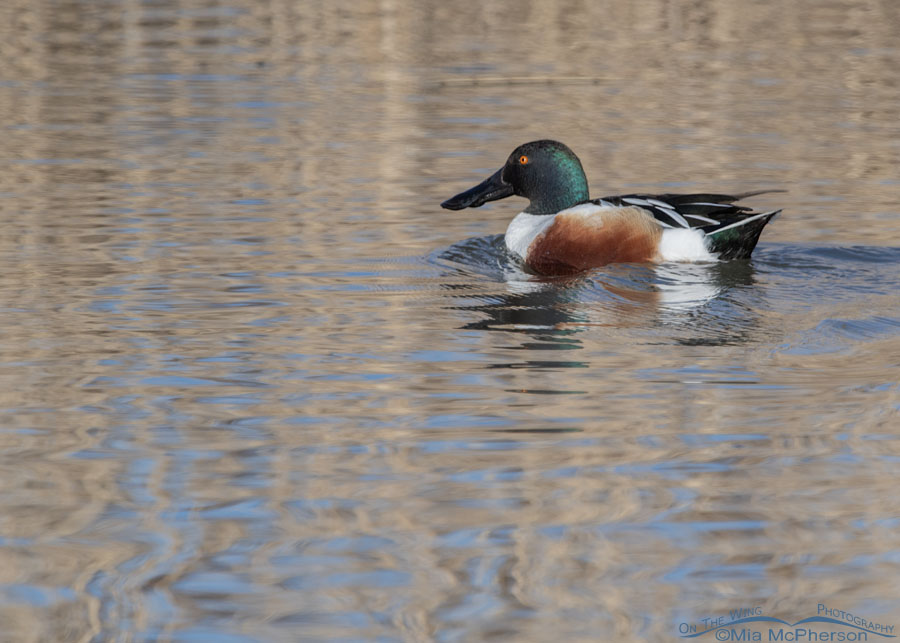
This drake Northern Shoveler swam past me on my last trip up to Bear River Migratory Bird Refuge. I couldn't resist taking photos of him. Why would I want to?
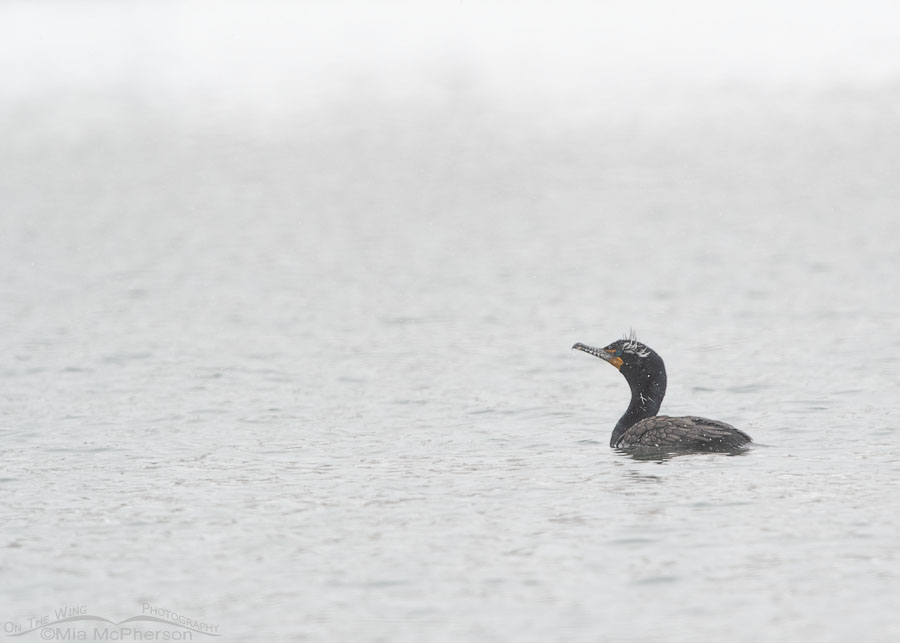
While going through photos from around this time last year, this adult Double-crested Cormorant photo, taken during a spring snowstorm, stood out to me.
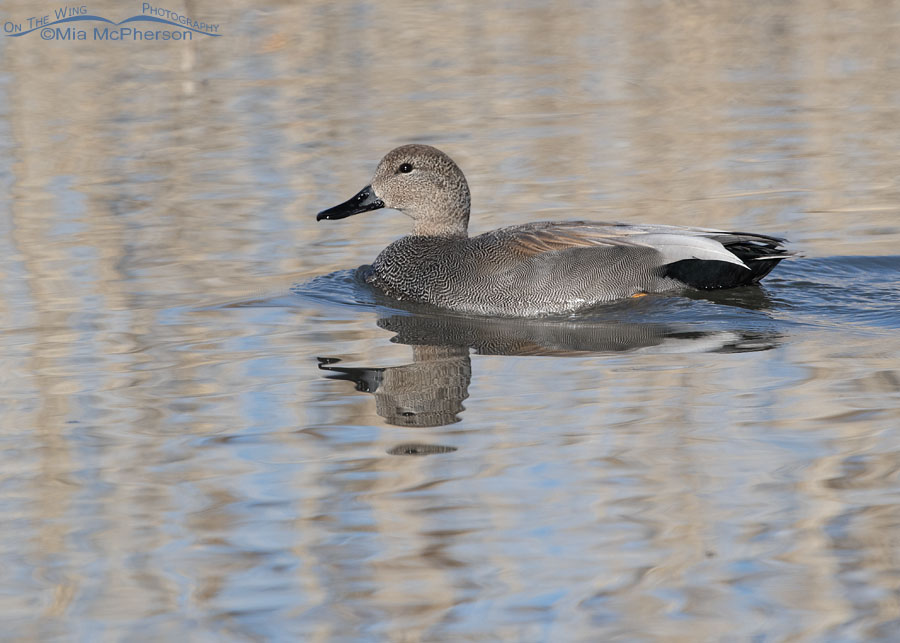
The last time I drove up to Bear River Migratory Bird Refuge, I was delighted to have this drake Gadwall in my viewfinder on the last leg of the auto tour loop.
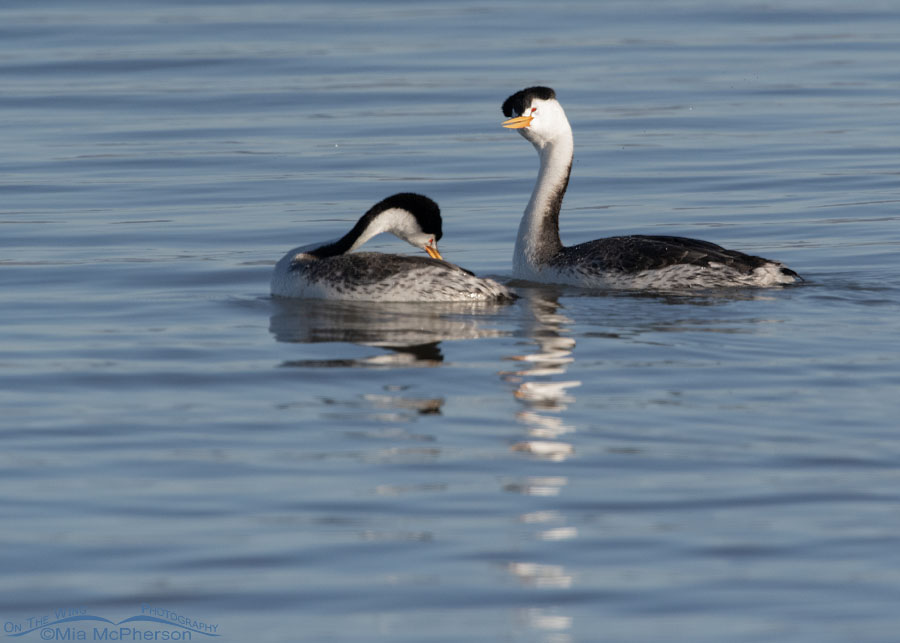
On my most recent trip to Bear River MBR, I stopped my Jeep on the west side of the auto tour loop to take a few images of a pair of Clark's Grebes.
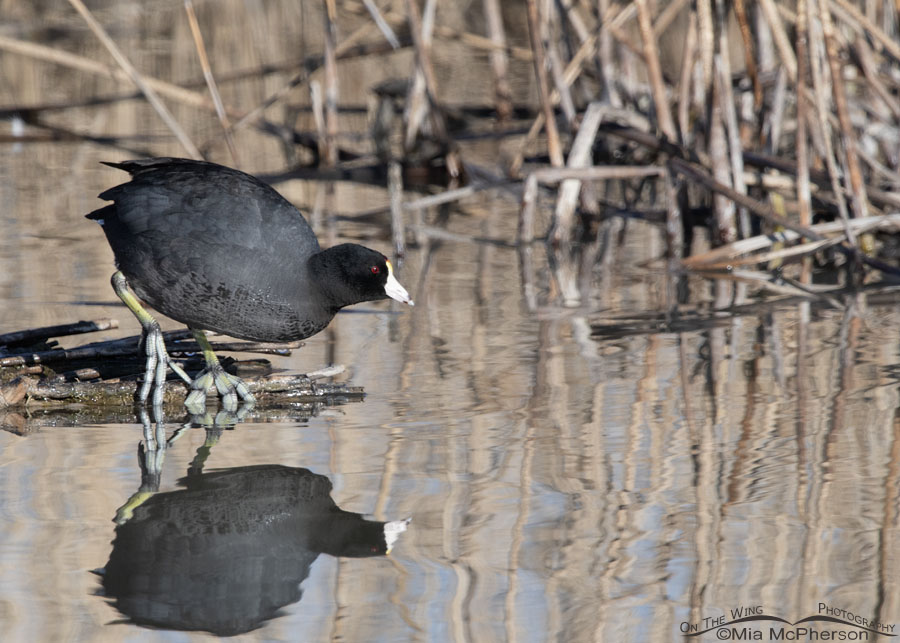
One of the birds I photographed on the last day of winter at Bear River MBR was an American Coot. I happen to like seeing their big, funky-looking feet.
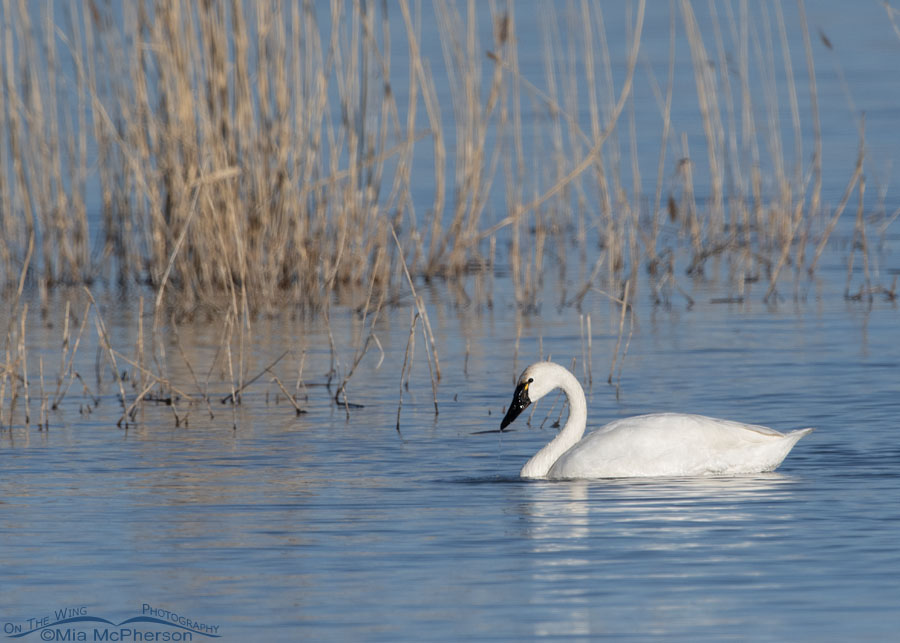
When I was at Bear River Migratory Bird Refuge on the last day of winter, I decided to take a video of some of the Tundra Swans I found on the auto tour loop.
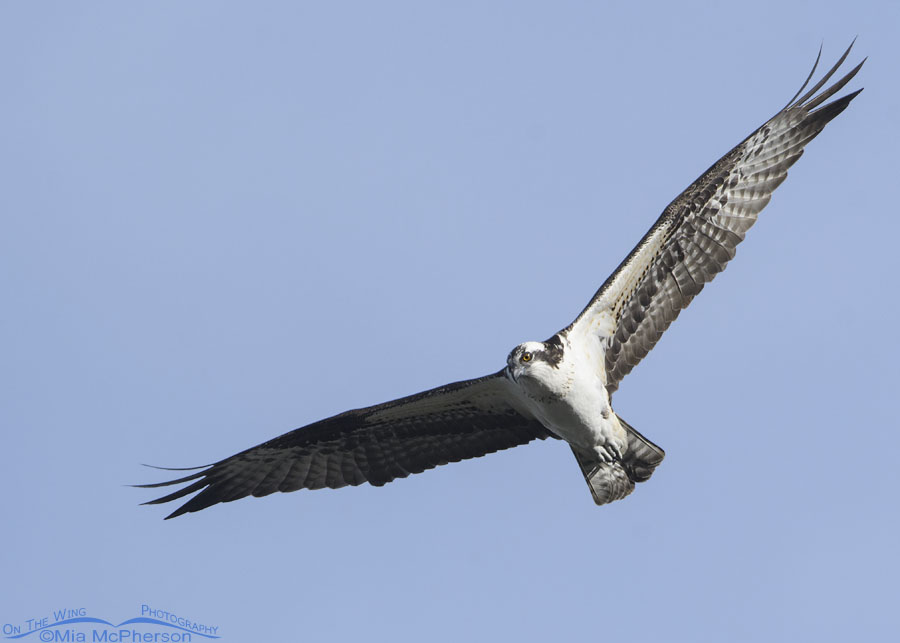
It is time for me to keep my eyes on the sky because Osprey migration is underway. Online, in the past week, I've seen them being reported in Montana and Idaho.
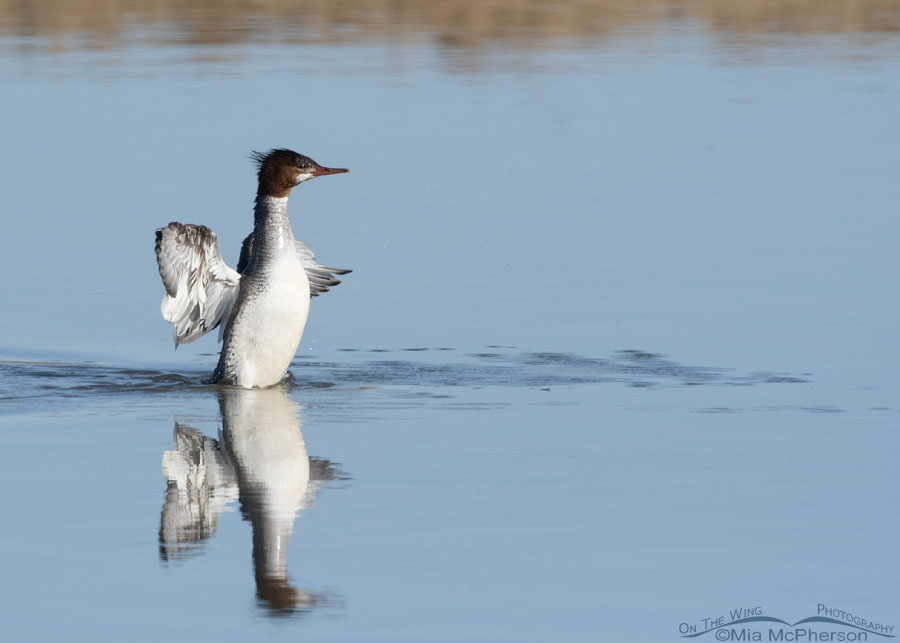
Just a simple photo of an immature Common Merganser today. I took this image of the merganser on the Bear River almost two years ago on a bright, sunny morning.
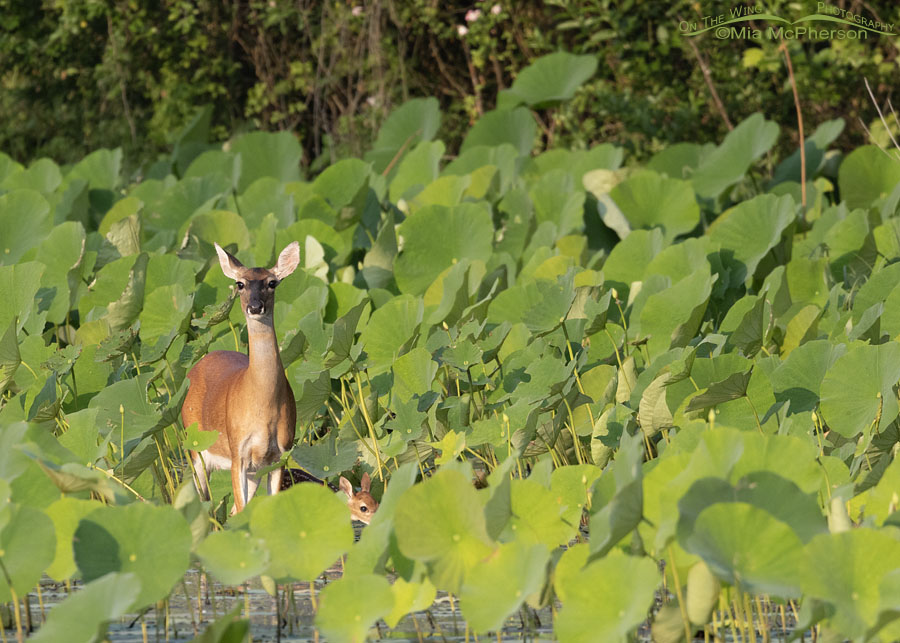
I photographed these White-tailed Deer does with a fawn last June at Reeve's Slough, which is part of Sequoyah National Wildlife Refuge in Oklahoma.
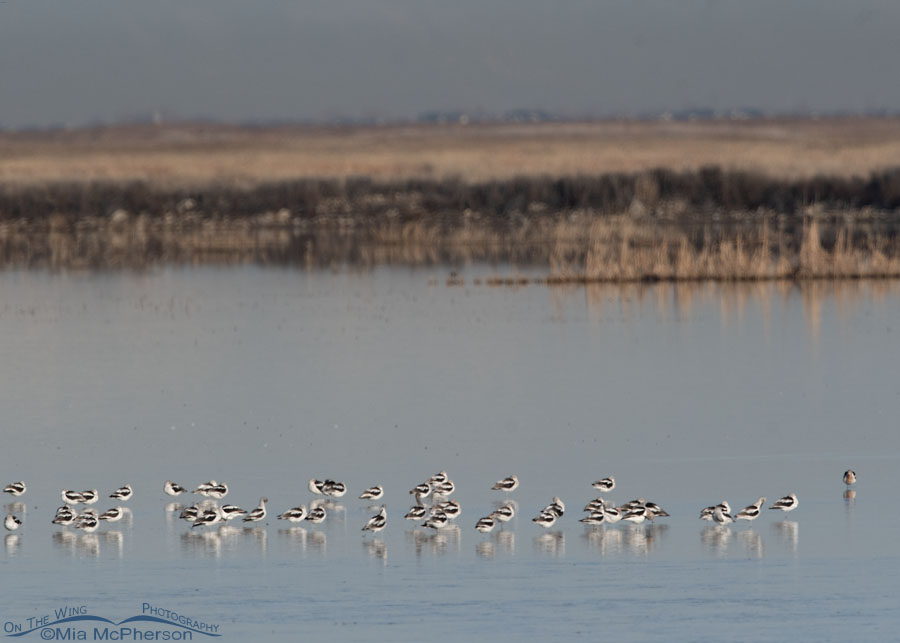
On my last trip to Farmington Bay WMA, I was delighted to have a resting flock of American Avocets in my viewfinder. Seeing these shorebirds delights me.
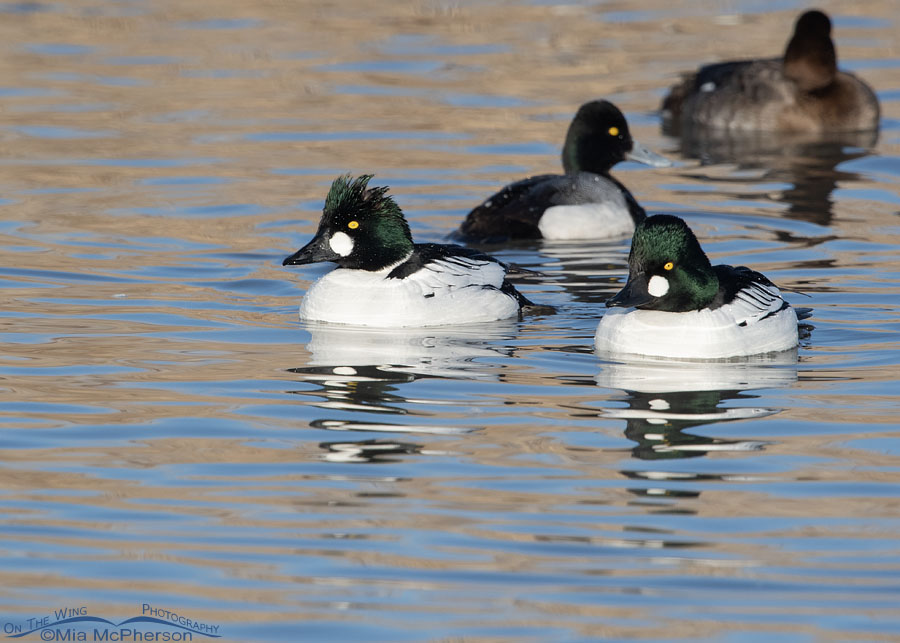
When I took this photo of two drake Common Goldeneyes at Bear River MBR almost two years ago, I was laughing as I hit my shutter button. I couldn't help myself.
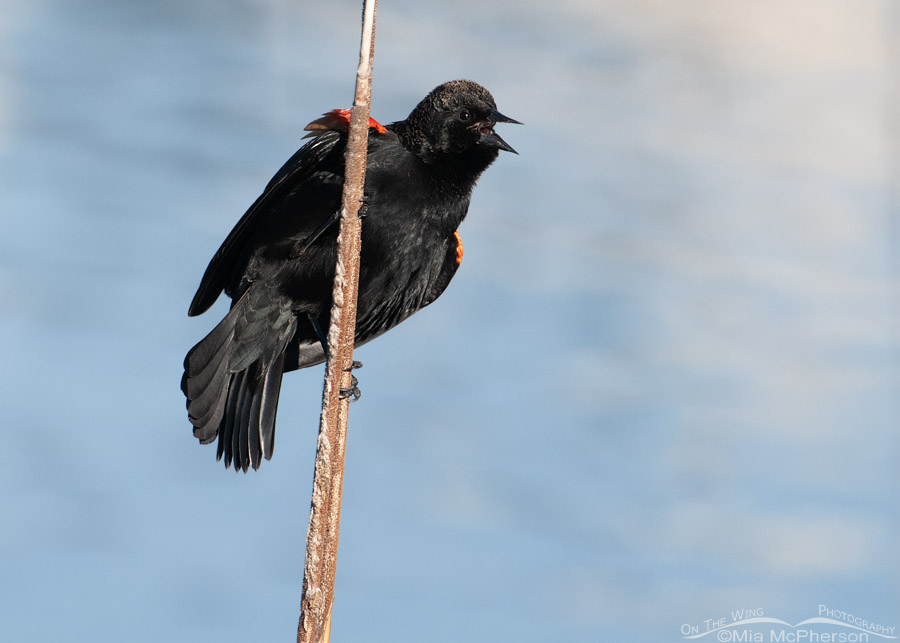
I dug way back into my files this morning to share this urban Red-winged Blackbird male singing. The date was February 23, 2014, the location was my local pond.
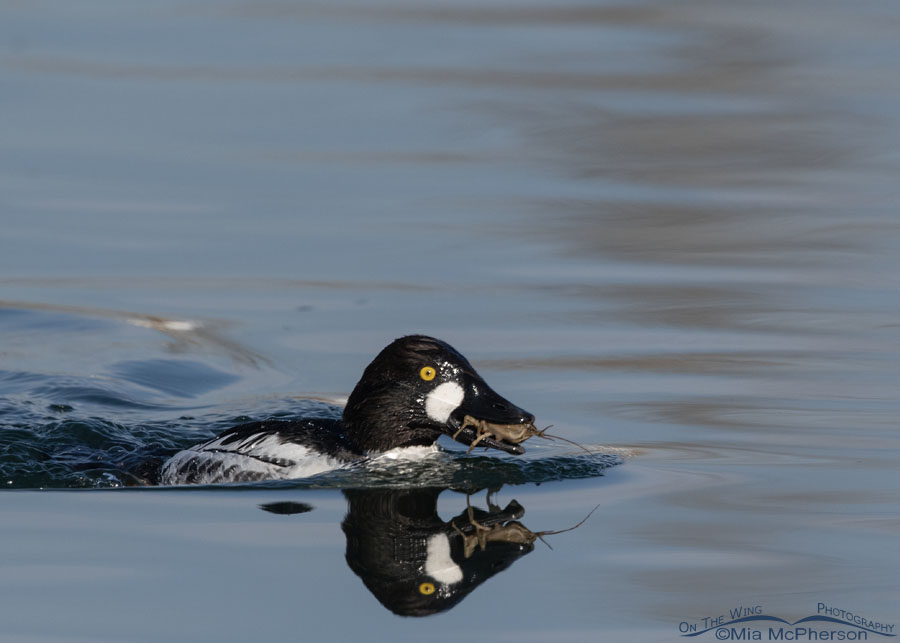
It is almost the end of February and I'm wondering what happened to winter this year in the Salt Lake Valley. Has winter gone on walkabout? Where is the snow?
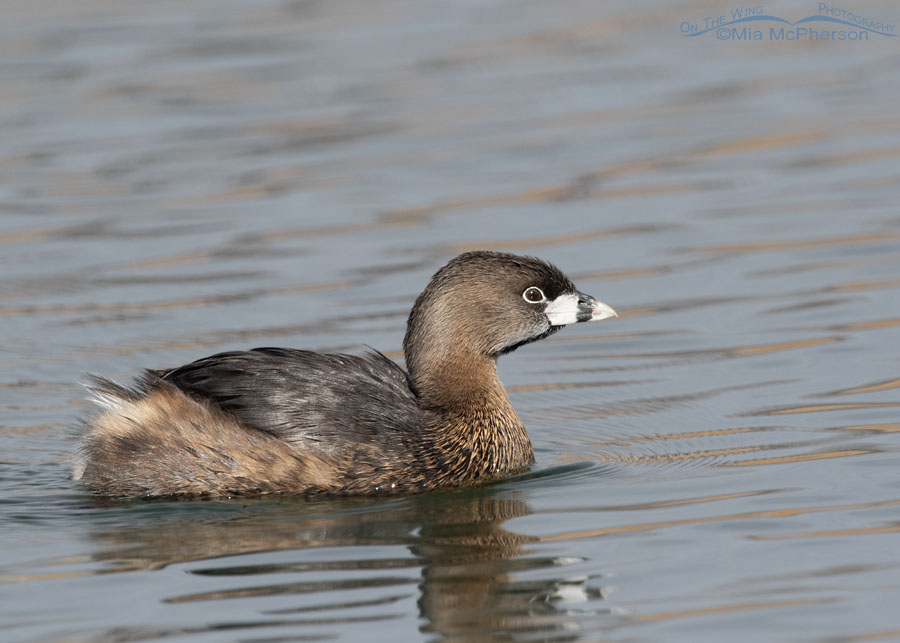
Last week, I took a photo of a Pied-billed Grebe in breeding plumage at my local pond. Today, I decided to do a comparison with one in nonbreeding plumage.
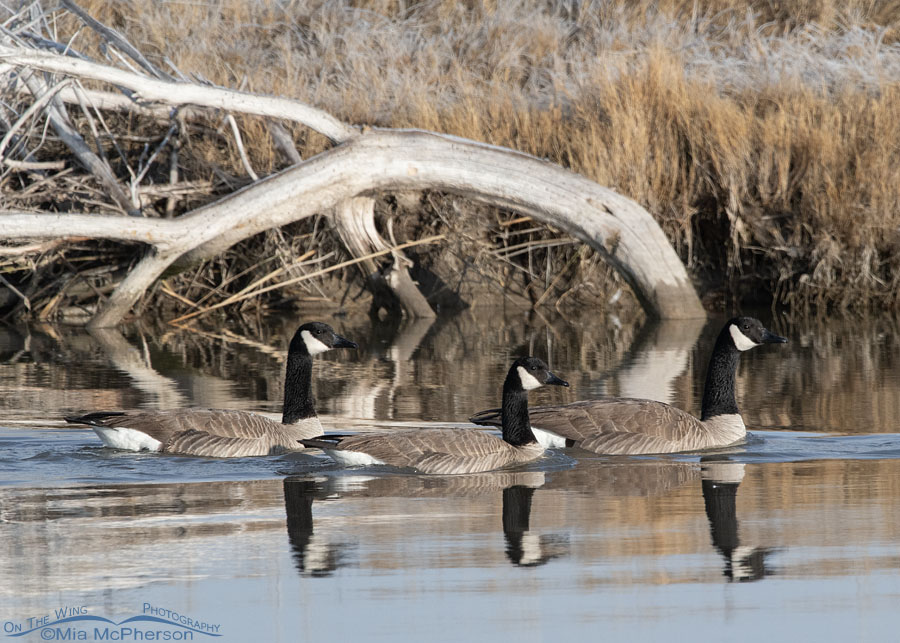
Yesterday morning, at Bear River Migratory Bird Refuge, I took a short video of Canada Geese in the road while I was on the north side of the auto tour loop.
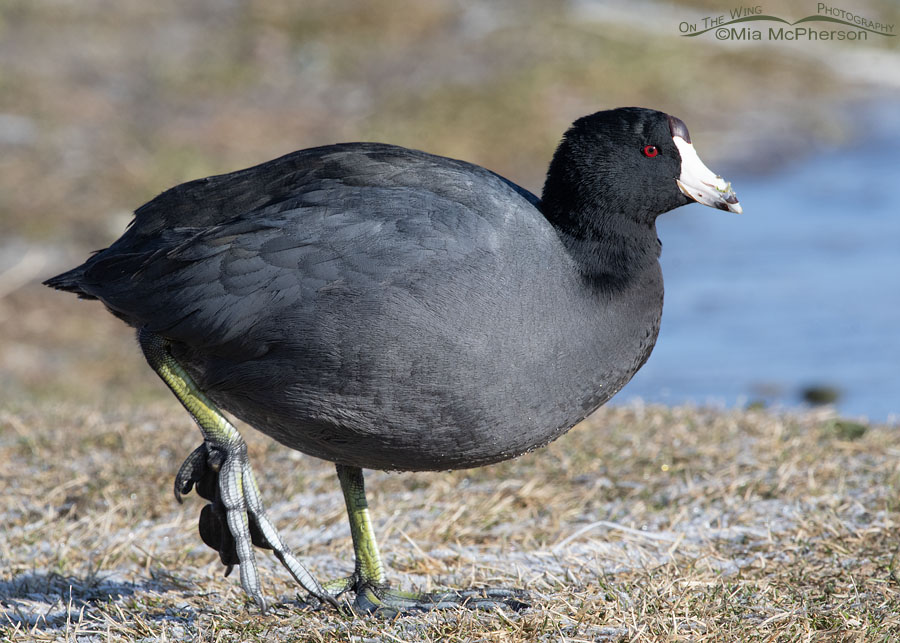
Because it was a bright, sunny day yesterday morning, I went down to my local ponds. I photographed an American Coot munching on frosty grass near one of them.
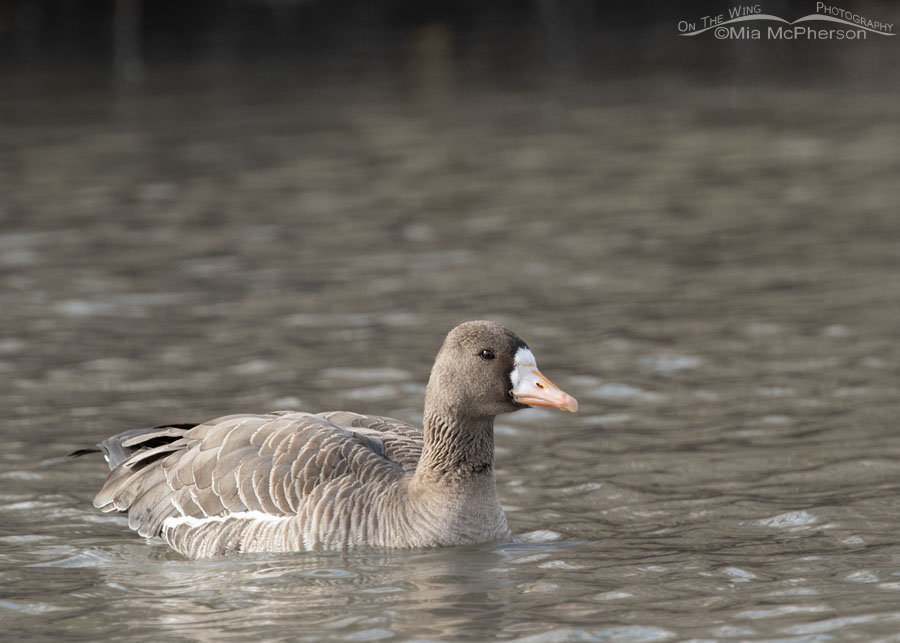
This morning, I wanted to share more of my Greater White-fronted Goose images I took six days ago. I haven't gone through all of my photos of this goose yet.
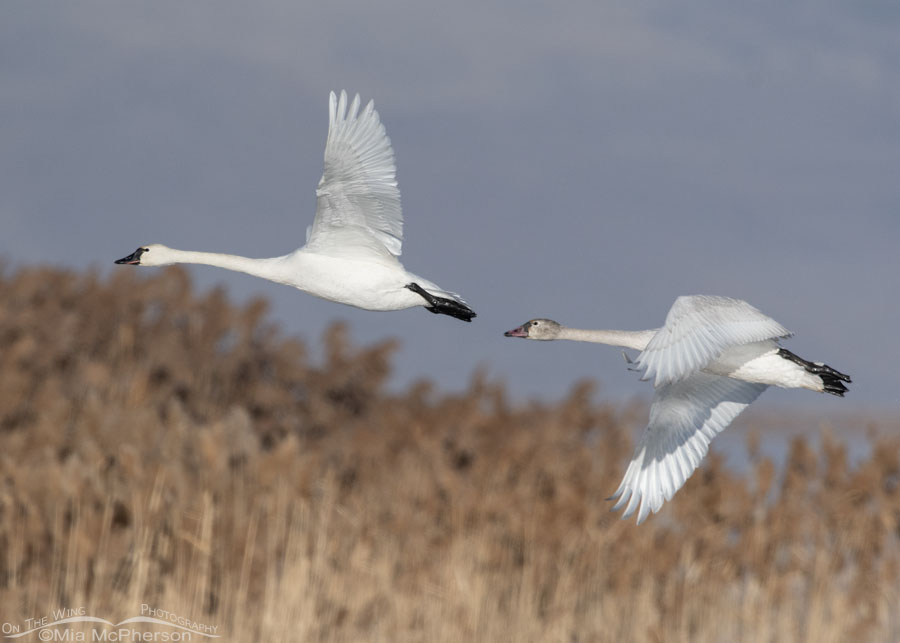
Tundra Swans and memories are on my mind this morning. Six years ago, I sat in my Jeep watching hundreds of Tundra Swans at Bear River Migratory Bird Refuge.
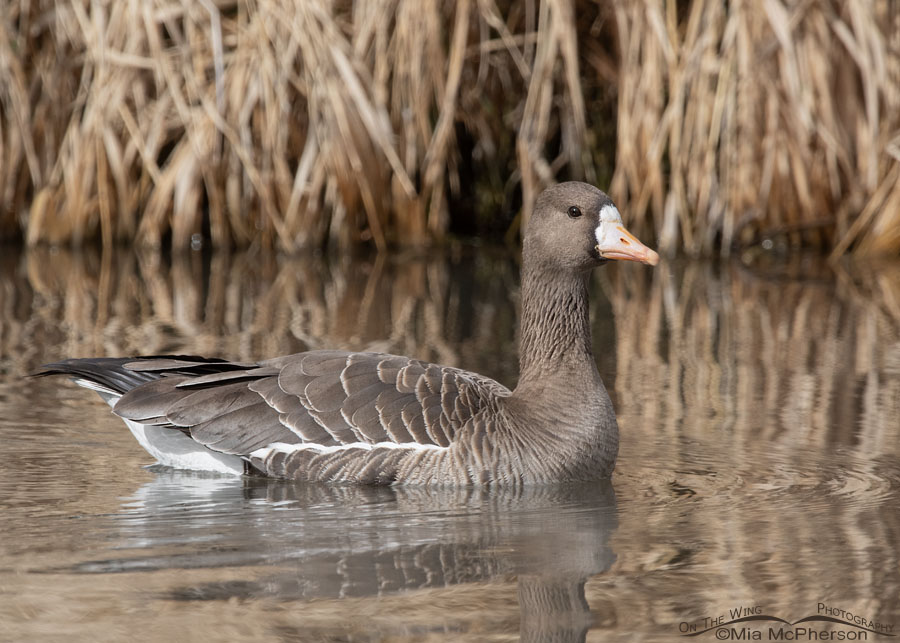
I was out running errands yesterday when I found a Greater White-fronted Goose. I drove home to grab my gear so I could photograph this 'specklebelly' goose.
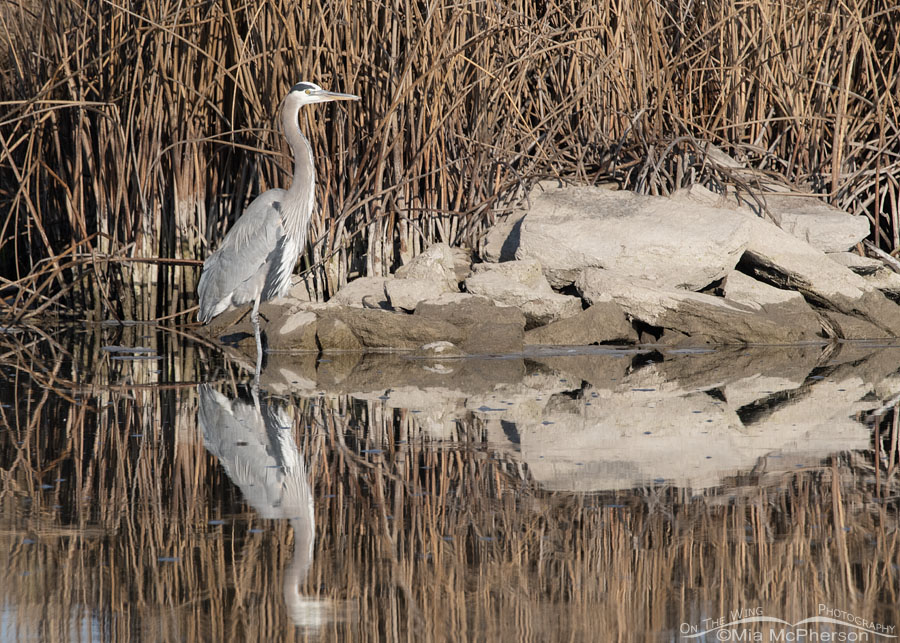
Today, I'm sharing a simple Great Blue Heron photo I took late last month at Bear River Migratory Bird Refuge. I liked the heron's reflection on the Bear River.
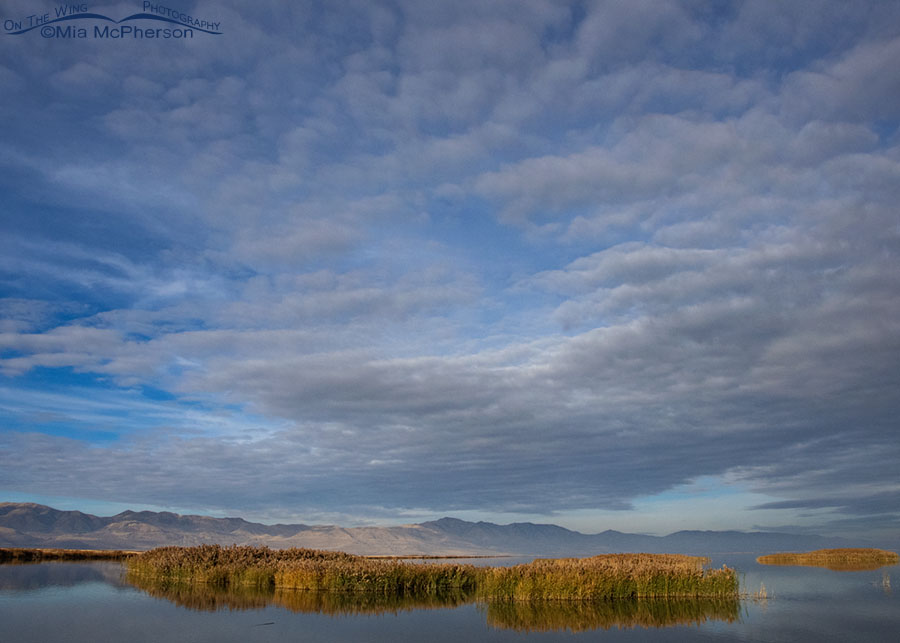
Today is World Wetlands Day, and we need to protect and preserve our wetlands. Wetlands provide a wide range of ecological, economic, and social benefits.
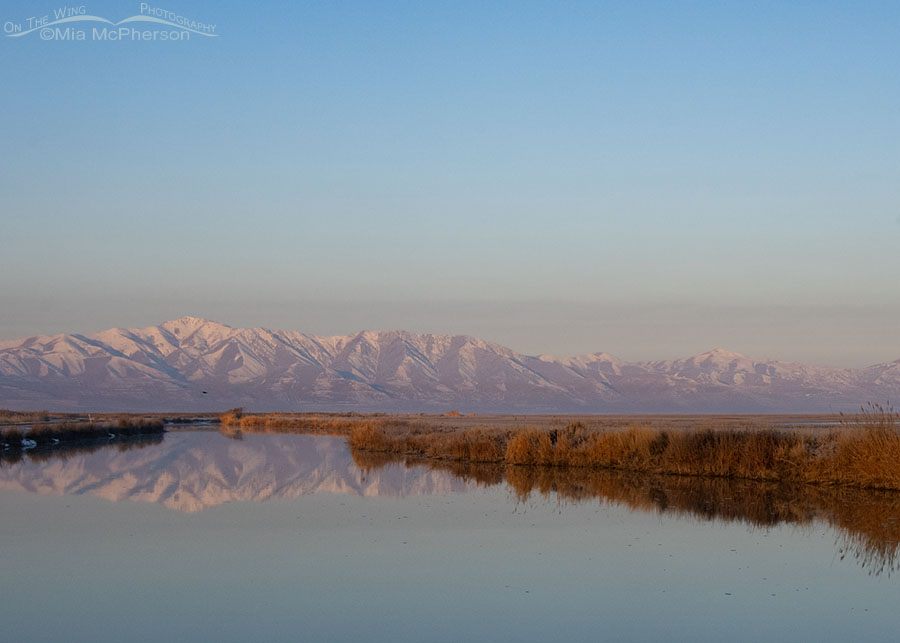
On January 30th, I spent my morning seeking refuge at Bear River Migratory Bird Refuge. Mother Nature supplied the refuge I sought with grand, gorgeous views.
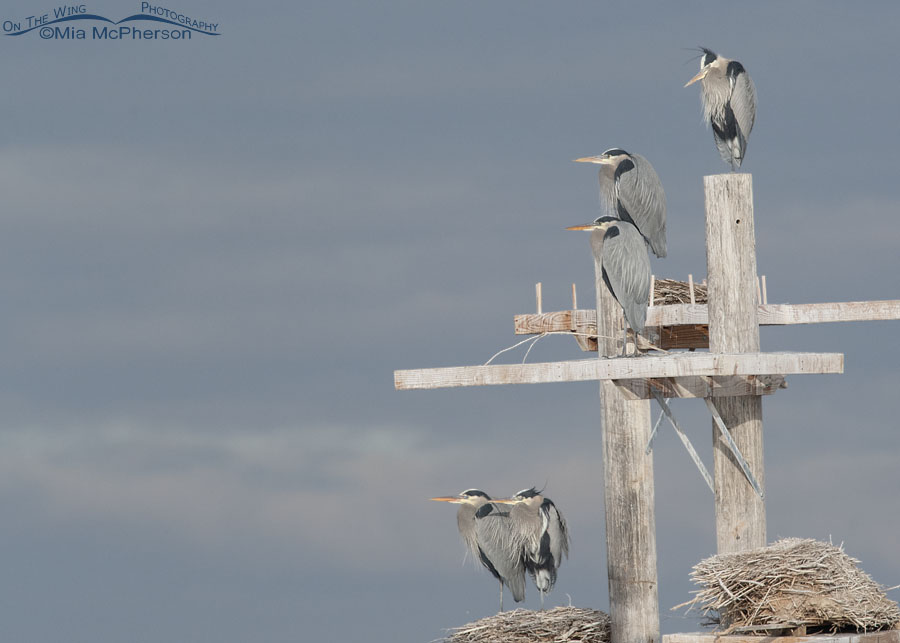
Yesterday morning, I was surprised to find Great Blue Herons already at the nests of the rookery at Farmington Bay WMA. There were more than twenty herons.
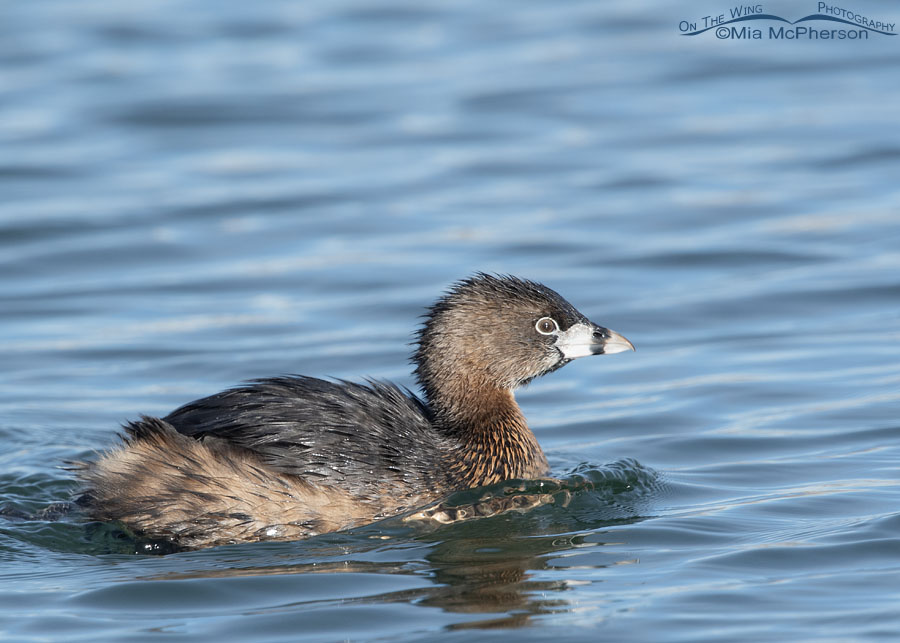
While I was out enjoying some sunshine yesterday morning, I photographed an adult Pied-billed Grebe from a distance and up close at one of my local ponds.
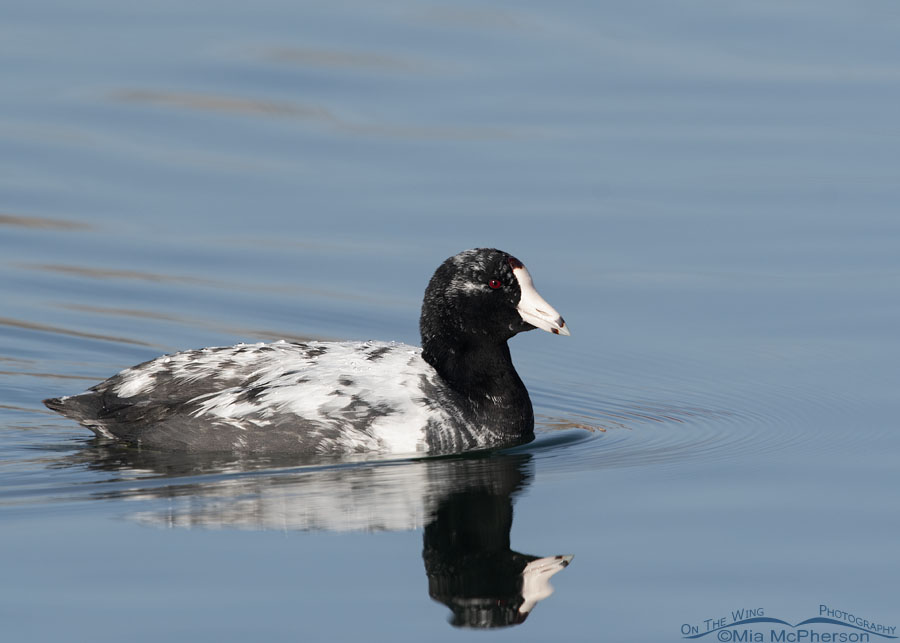
I remember feeling very thrilled when I found this leucistic American Coot on January 2, 2023. I'd been hoping to find a leucistic coot for quite a long time.