Roseate Spoonbill and Wood Stork size comparison

Roseate Spoonbill in a lagoonRoseate Spoonbill in a lagoon – Nikon D200, handheld, f6.3, 1/750, ISO 250, Nikkor 80-400mm VR at 400mm, natural light

Roseate Spoonbills are large wading birds with distinctive pink plumage, long spoon-shaped bills, bald heads and brilliant red eyes. Their length is about 32 inches, wing span 50 inches and they weigh about 3.3 pounds. When you are up close to them; as I was when I photographed the Spoonbill above, they seem rather large.

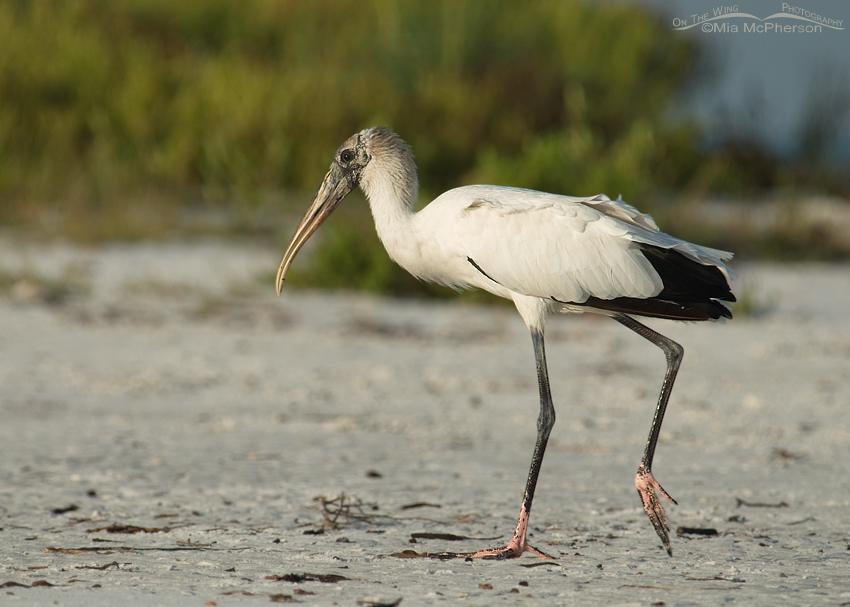
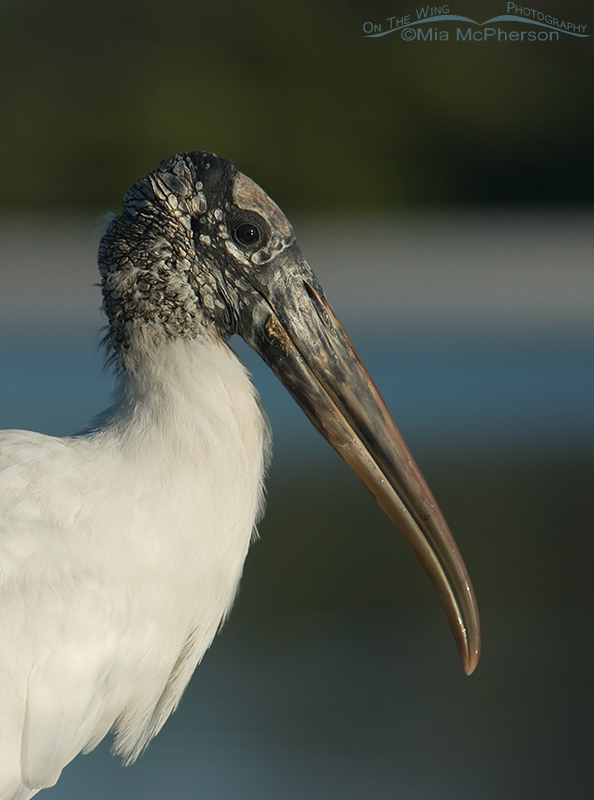
Wood Stork walking near a lagoonWood Stork walking near a lagoon - Nikon D200, handheld, f6.3, 1/1000, ISO 160, Nikkor 80-400mm VR at 400mm, natural light

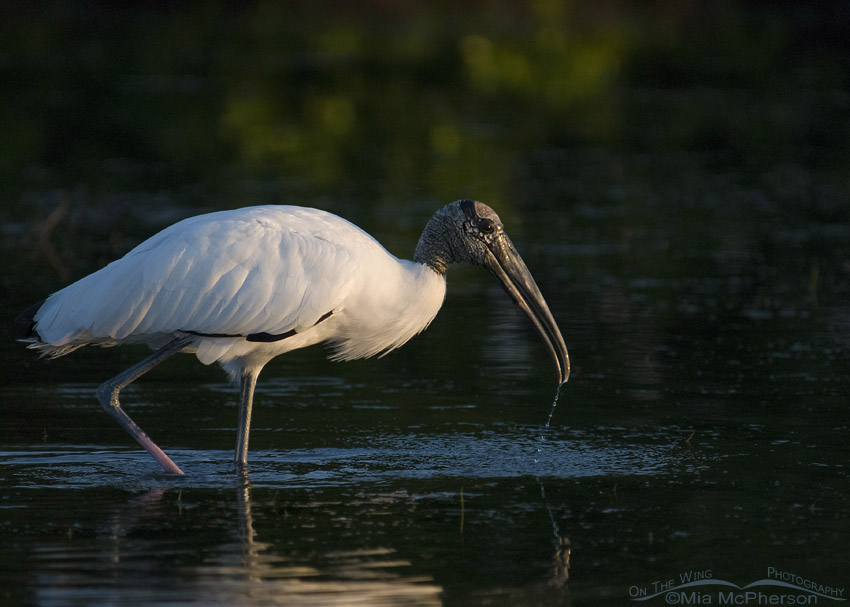
Wood Storks are about 40 inches in length, have a wingspan of 61 inches and weigh in at 5.3 pounds. Wood Storks are also distinctive with white plumage, bald heads and long bills that look like wood. The Stork above has not yet acquired full adult plumage, when it does its neck will be featherless, dark and have a scaly appearance. When they are close you get the impression of their large size.

Wood Stork and Roseate Spoonbill size comparisonWood Stork and Roseate Spoonbill size comparison - Nikon D200, handheld, f6.3, 1/750, ISO 200, Nikkor 80-400mm VR at 360mm, natural light

This photo shows a Roseate Spoonbill and Wood Stork on the shoreline of a tidal lagoon at Fort De Soto County Park in Florida and it shows how the Wood Stork can dwarf the Roseate Spoonbill in height.
I find both species fascinating, prehistoric looking and unique.

Mia

More Roseate Spoonbill and Wood Stork images

Facebook Twitter

Landing Wood Stork

Landing Wood Stork

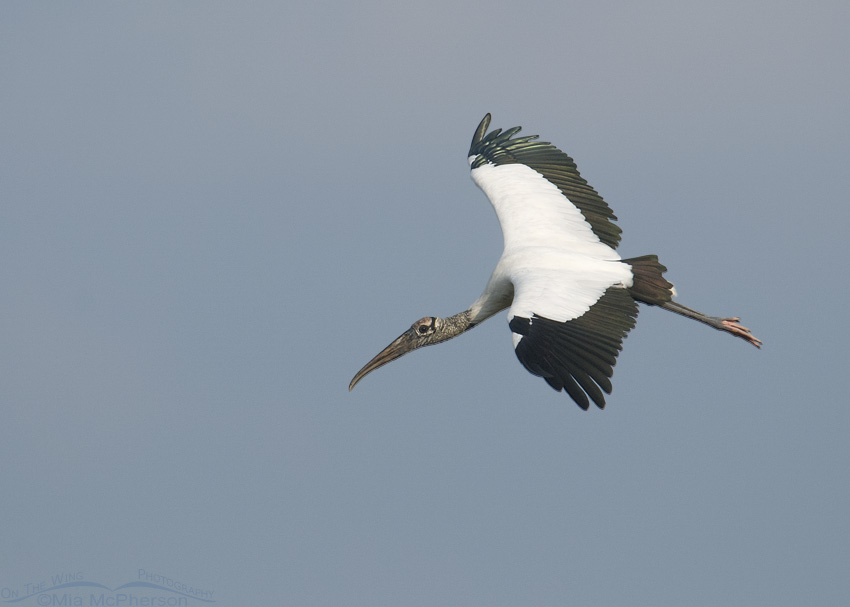
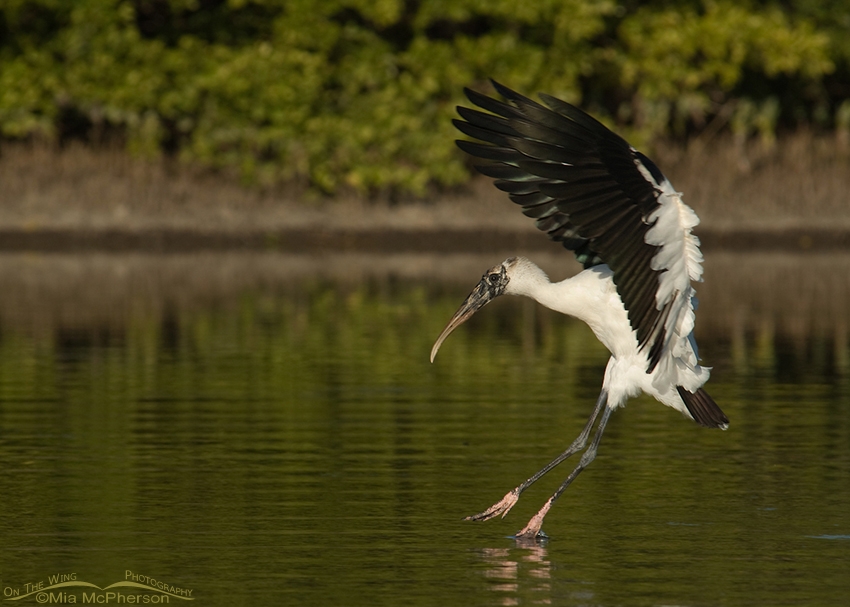
Landing Wood Stork – Nikon D200, handheld, f7.1, 1/750, ISO 200, Nikkor 80-400mm VR at 400mm, natural light

Wood Storks (Mycteria americana) are the largest wading bird in North America and the only stork that breeds in the U.S.. Wood Storks are considered endangered primarily due to loss of habitat. These huge wading birds can live up to 25 years.
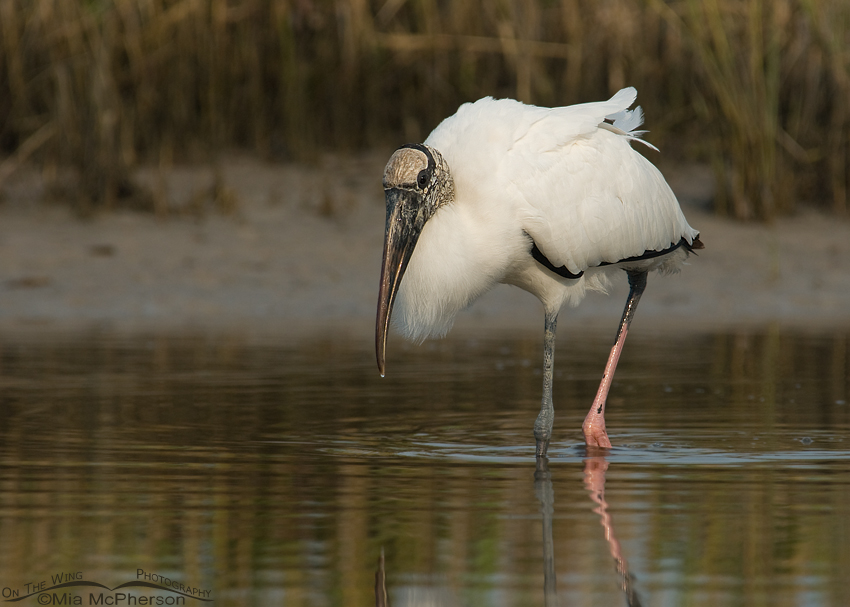
Their diet consists of aquatic prey which includes fish, crabs and insects, they swish their bills in the water to locate prey as well as using their feet to stir up the water.

Wood Storks have been known to fly at altitudes of 6000 feet and will fly as far as 50 miles to eat.

This sub-adult Wood Stork was photographed at Fort De Soto’s north beach as the bird came in for a landing in a tidal lagoon edged by mangroves.

Mia

More Wood Stork images

Facebook Twitter