


Saltmarsh Willet Images
Tringa semipalmata
- Saltmarsh Willets are large shorebirds with long legs, long, straight, heavy bills, grayish-brown bodies, and bluish-gray legs. Saltmarsh Willets have distinctive black and white stripes on their wings that are especially noticeable in flight. They are generally smaller and stockier than Prairie Willets, with shorter legs and thicker bills. Males and females look alike.
- Saltmarsh Willets are long distance migrators. Saltmarsh Willets breed along the Atlantic Coast from Canada south through the eastern U.S. to the Gulf Coast of Texas, with some populations breeding in the Caribbean. They migrate to South America for winter, primarily along the Atlantic Coast, especially Brazil. Saltmarsh Willets vacate nearly all of North America during winter.
- Saltmarsh Willets thrive in many habitats including coastal salt marshes, tidal flats, estuaries, mudflats, beaches, bays, lagoons, and shallow coastal wetlands. They are particularly associated with saltwater marshes during breeding season.
- Saltmarsh Willets eat aquatic insects, beetles, worms, snails, clams, small crabs, mollusks, small fish, crustaceans, and other invertebrates.
- Saltmarsh Willets usually lay 4 eggs which hatch in approximately 22 to 29 days. Both parents incubate the eggs and care for the young. Saltmarsh Willets are generally monogamous during the breeding season.
- A group of willets can be called a “fling”, “contradiction” or “whisper” of Willets.
- The oldest known willet in North America was at least 10 years and 3 months old.
I hope you enjoy viewing my Saltmarsh Willet photos.

Saltmarsh Willet on tidal mudflat in Florida
Title: Saltmarsh Willet on tidal mudflat in Florida
Location: Fort De Soto County Park, Pinellas County, Florida
Date: 3/8/2009

Restful immature Saltmarsh Willet at sunrise
Title: Restful immature Saltmarsh Willet at sunrise
Location: Fort De Soto County Park, Pinellas County, Florida
Date: 8/24/2008

Watchful Saltmarsh Willet
Title: Watchful Saltmarsh Willet
Location: Fort De Soto County Park, Pinellas County, Florida
Date: 7/9/2008

Saltmarsh Willet in flight at first light
Title: Saltmarsh Willet in flight at first light
Location: Fort De Soto County Park, Pinellas County, Florida
Date: 6/20/2008

Sleeping Saltmarsh Willet
Title: Sleeping Saltmarsh Willet
Location: Fort De Soto County Park, Pinellas County, Florida
Date: 8/26/2007
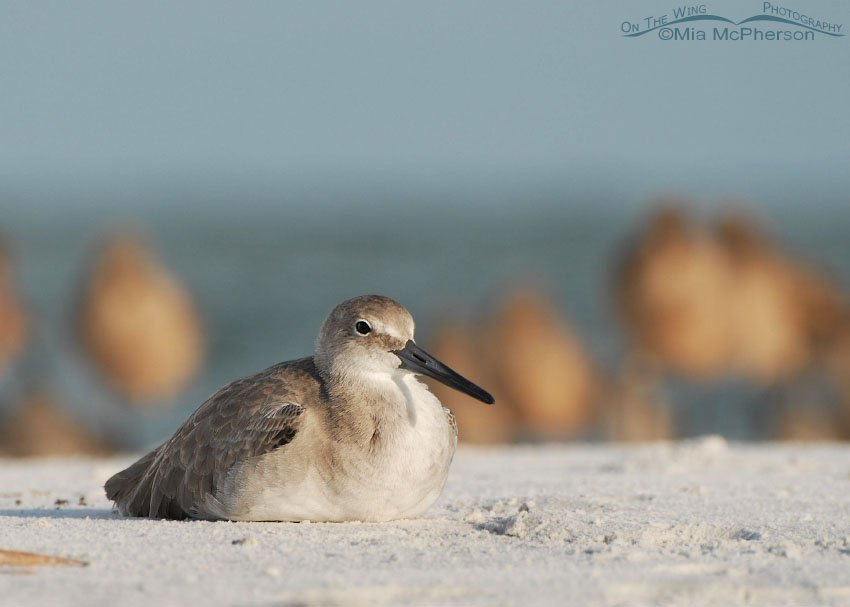
Resting Saltmarsh Willet on the shore of the Gulf of Mexico
Title: Resting Saltmarsh Willet on the shore of the Gulf of Mexico
Location: Fort De Soto County Park, Pinellas County, Florida
Date: 8/26/2007
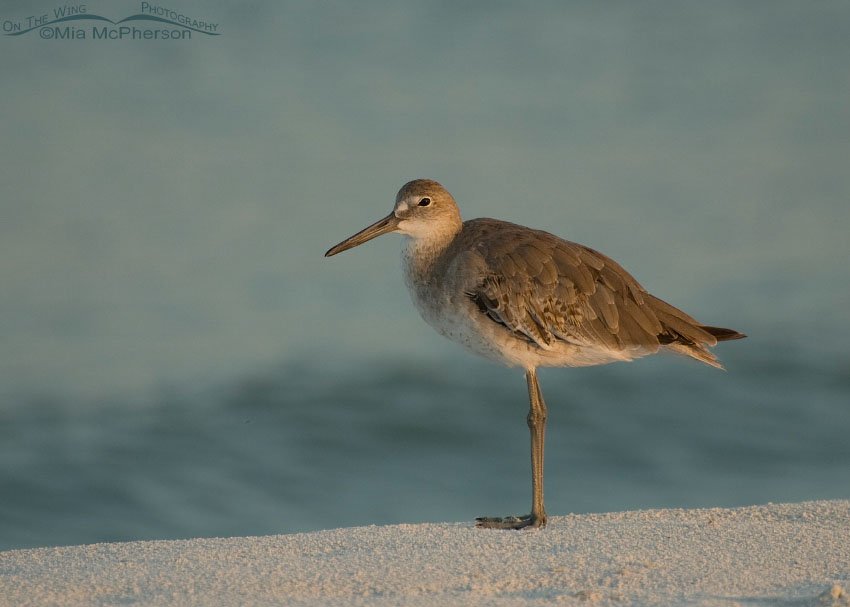
Solitary Saltmarsh Willet in soft morning light
Title: Solitary Saltmarsh Willet in soft morning light
Location: Fort De Soto County Park, Pinellas County, Florida
Date: 8/12/2007