


San Rafael Swell and The Wedge Images, Facts, and Information:
- San Rafael Swell, a vast geologic wonder in central Utah, was formed over 60 million years ago when layers of sandstone, shale, and limestone were uplifted into a giant dome. Wind and water erosion have since carved deep canyons, sculpted buttes, natural bridges, and expansive desert valleys across this rugged landscape.
- The Wedge, often called the “Little Grand Canyon,” sits on the northern edge of the San Rafael Swell. From its overlooks, visitors are treated to sweeping vistas of the San Rafael River winding through thousand-foot-deep canyons. This area is especially stunning at sunrise and sunset when the towering cliffs glow with shifting light and color.
- The Swell spans roughly 2,000 square miles and provides critical habitat for mule deer, desert bighorn sheep, golden eagles, prairie falcons, and a wide range of reptiles and songbirds. Cottonwood and willow groves along the San Rafael River offer shelter for migratory birds, while the arid uplands are home to hardy desert wildlife.
- Echoes of human history are also embedded in the Swell. Rock art panels created by the Fremont and Barrier Canyon cultures, some dating back nearly 2,000 years, can be found on canyon walls. Later, evidence of Native American use, pioneer trails, and historic ranching settlements mark the resilience of people who lived in this remote desert country.
I hope you enjoy viewing my San Rafael Swell and The Wedge photos.
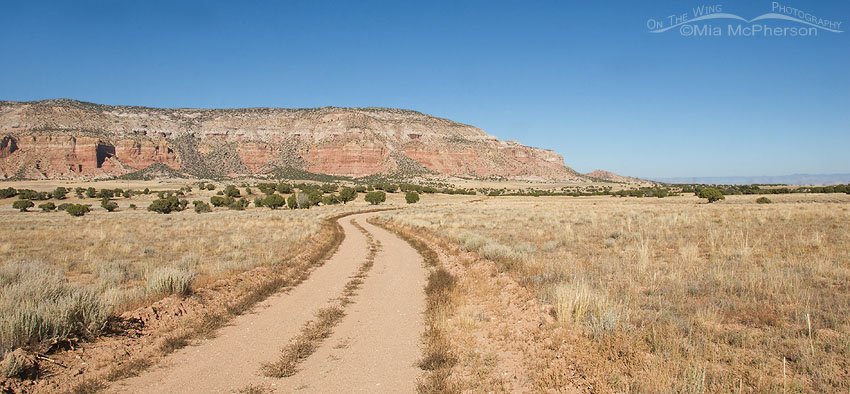
Dirt road within the San Rafael Swell
Title: Dirt road within the San Rafael Swell
Location: San Rafael Swell, Emery County, Utah
Date: 10/13/2011
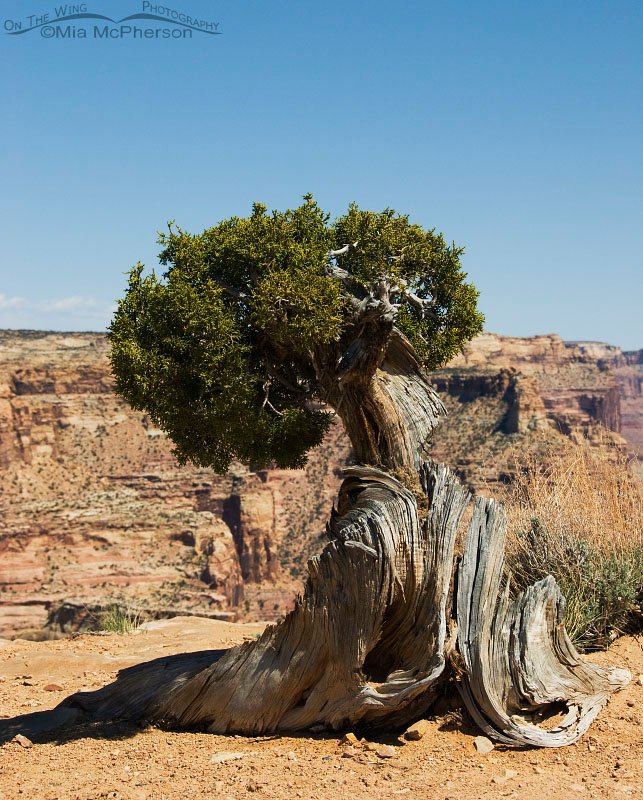
Old Utah Juniper at The Wedge
Title: Old Utah Juniper at The Wedge
Location: San Rafael Swell, The Wedge, Emery County, Utah
Date: 5/2/2011
Native
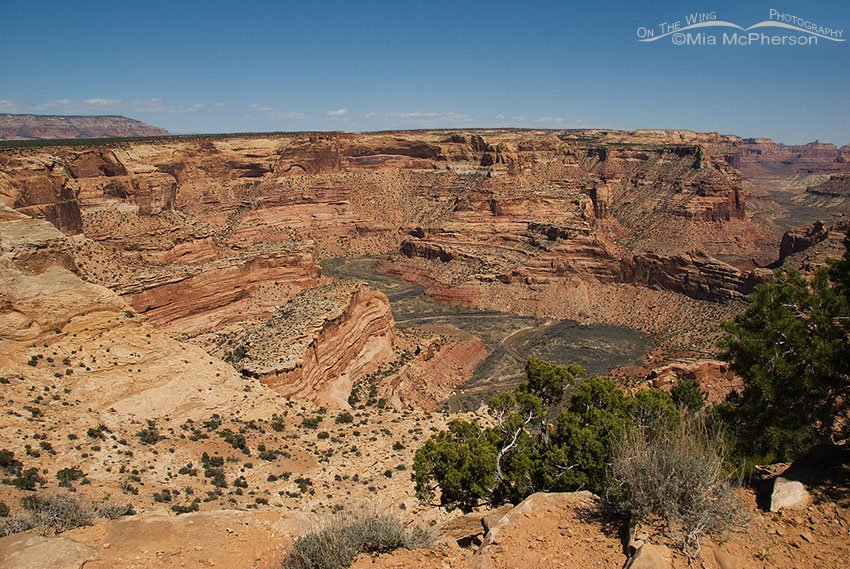
The Wedge Overlook
Title: The Wedge Overlook
Location: The Wedge, San Rafael Swell, Emery County, Utah
Date: 5/2/2011
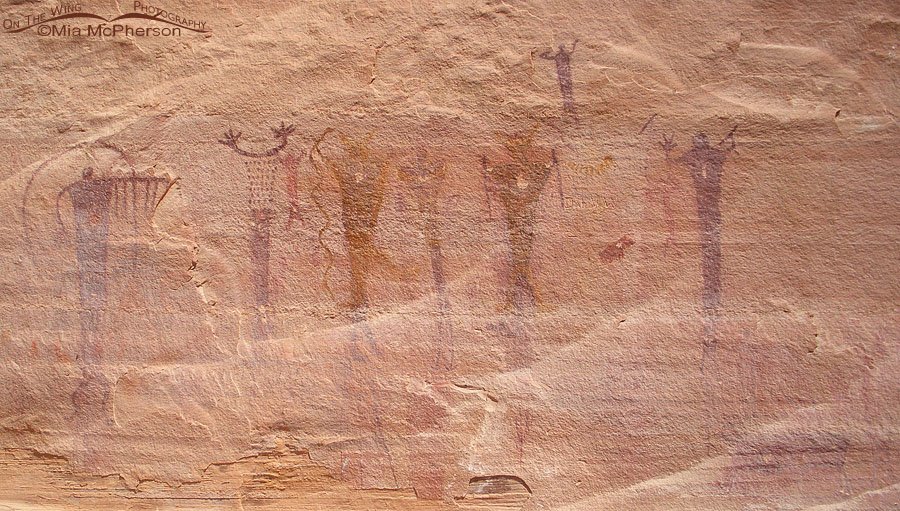
Human figures with spears pictograph
Title: Human figures with spears pictograph
Location: San Rafael Swell, Emery County, Utah
Date: 5/2/2011
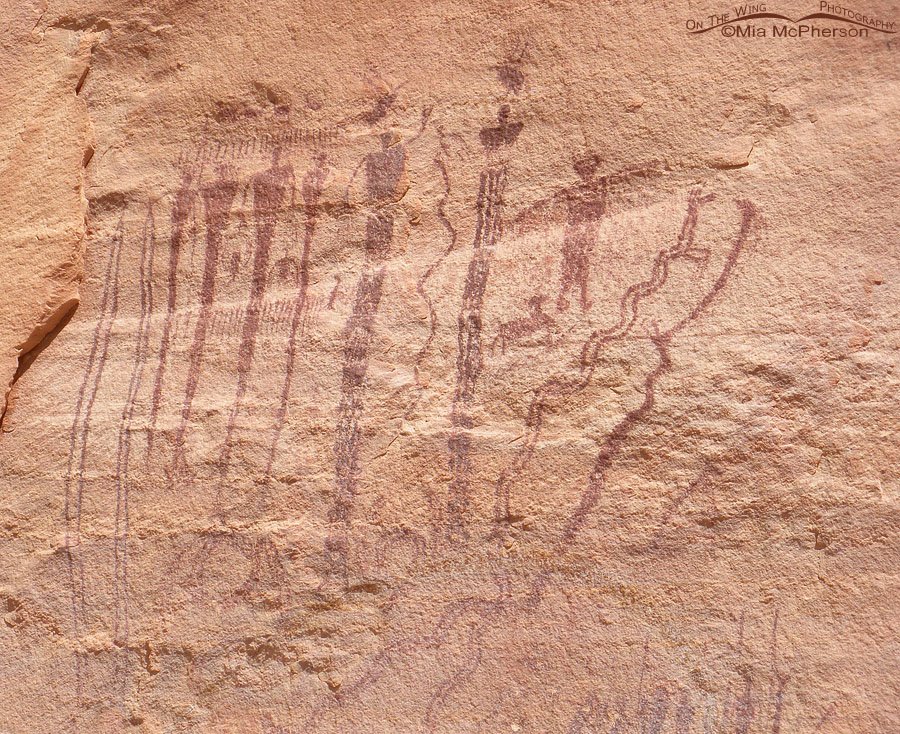
Human figures and sheep pictographs at Buckhorn Wash
Title: Human figures and sheep pictographs at Buckhorn Wash
Location: San Rafael Swell, Emery County, Utah
Date: 5/2/2011
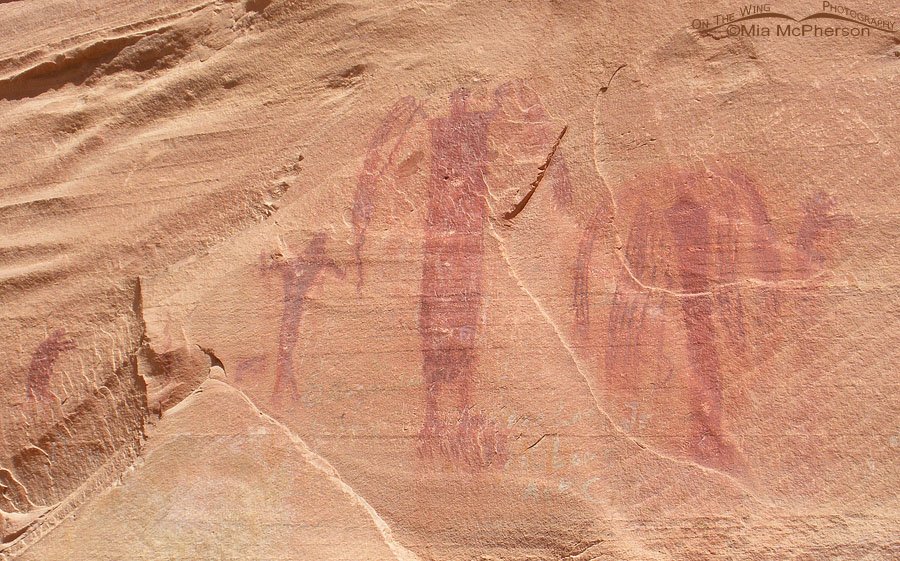
Rain Angels Pictograph on Buckhorn Wash Panel
Title: Rain Angels Pictograph on Buckhorn Wash Panel
Location: San Rafael Swell, Emery County, Utah
Date: 5/2/2011
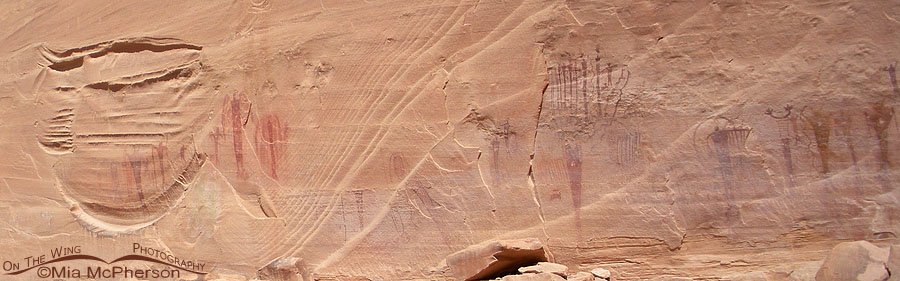
Buckhorn Wash Panel of Petroglyphs and Pictographs
Title: Buckhorn Wash Panel of Petroglyphs and Pictographs
Location: San Rafael Swell, Emery County, Utah
Date: 5/2/2011
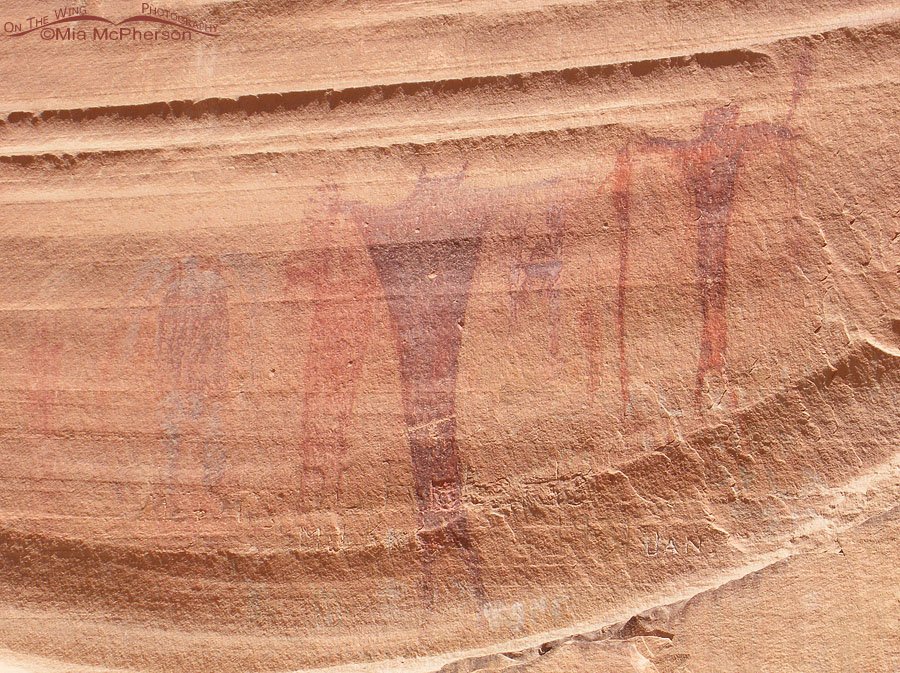
Buckhorn Wash – The Alcove Paintings
Title: Buckhorn Wash – The Alcove Paintings
Location: San Rafael Swell, Emery County, Utah
Date: 5/2/2011
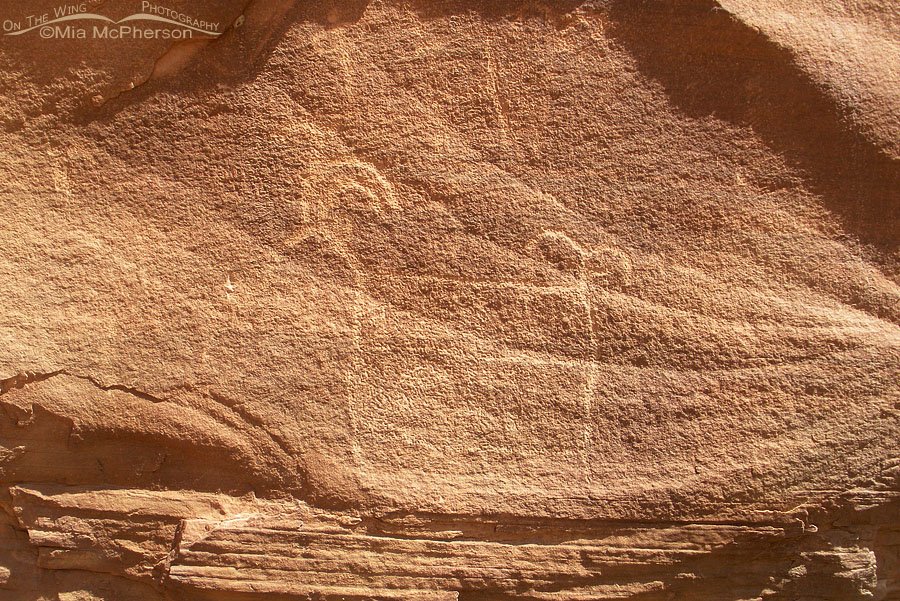
Buckhorn Panel Sheep Petroglyph
Title: Buckhorn Panel Sheep Petroglyph
Location: San Rafael Swell, Emery County, Utah
Date: 5/2/2011
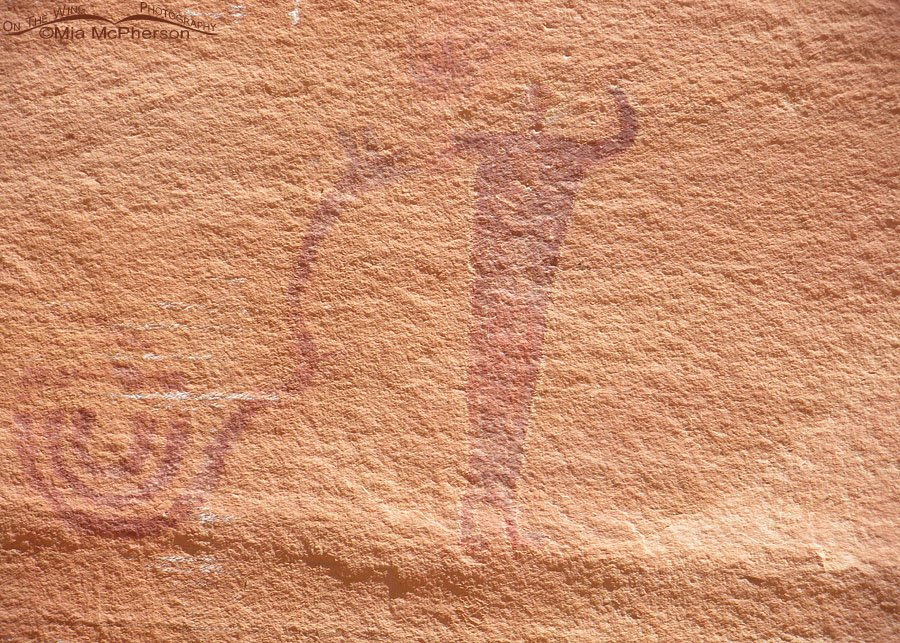
Human and Snake Pictograph
Title: Human and Snake Pictograph
Location: San Rafael Swell, Emery County, Utah
Date: 5/2/2011
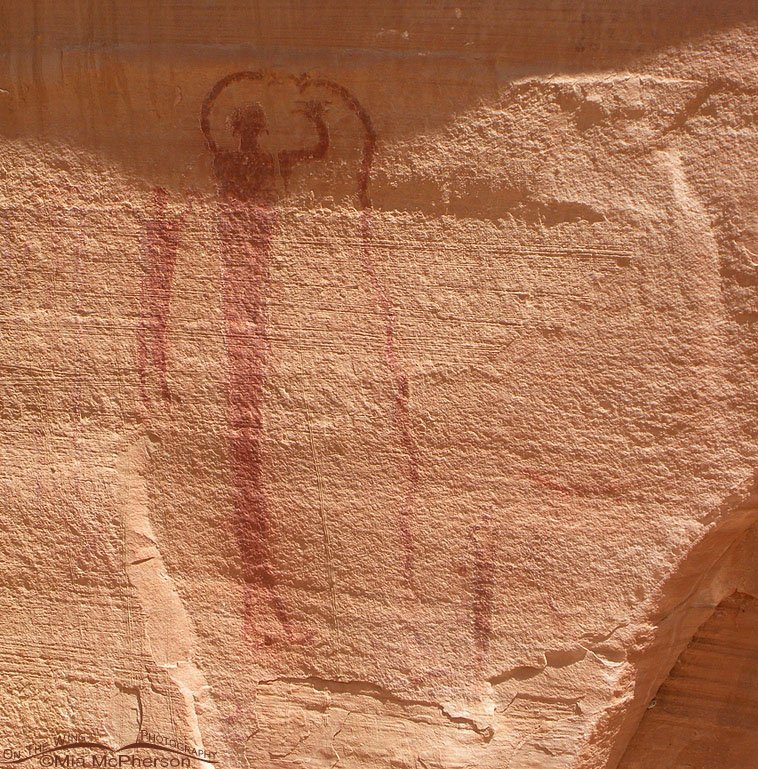
Ancient people rock art pictograph at Buckhorn Wash
Title: Ancient people rock art pictograph at Buckhorn Wash
Location: San Rafael Swell, Emery County, Utah
Date: 5/2/2011
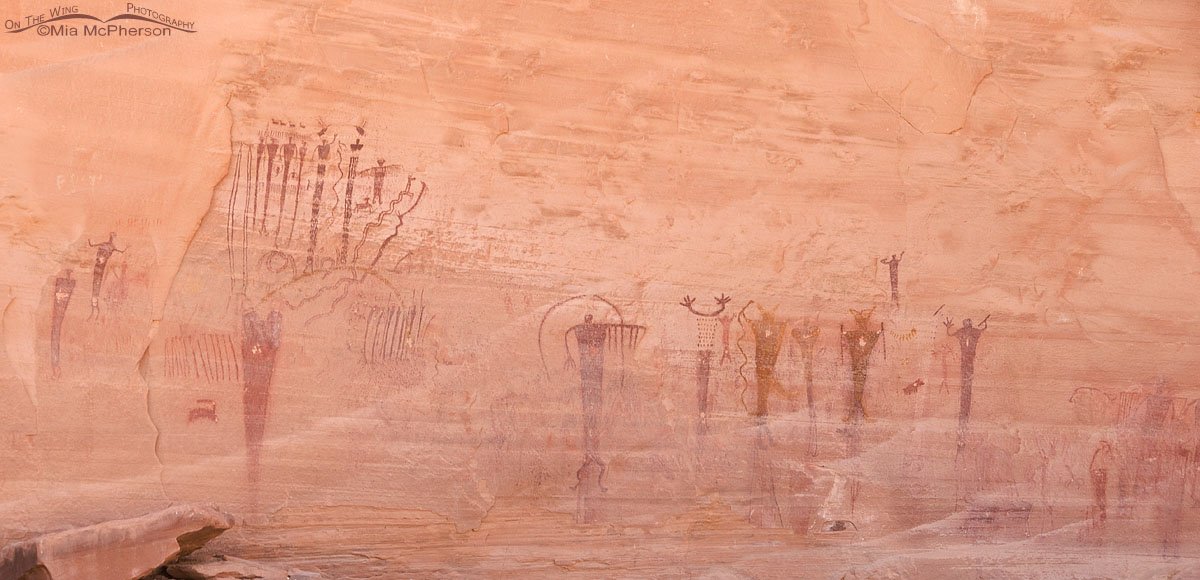
Buckhorn Draw Pictograph Panel – An area rich in cultural history
Title: Buckhorn Draw Pictograph Panel – An area rich in cultural history
Location: San Rafael Swell, Emery County, Utah
Date: 5/2/2011
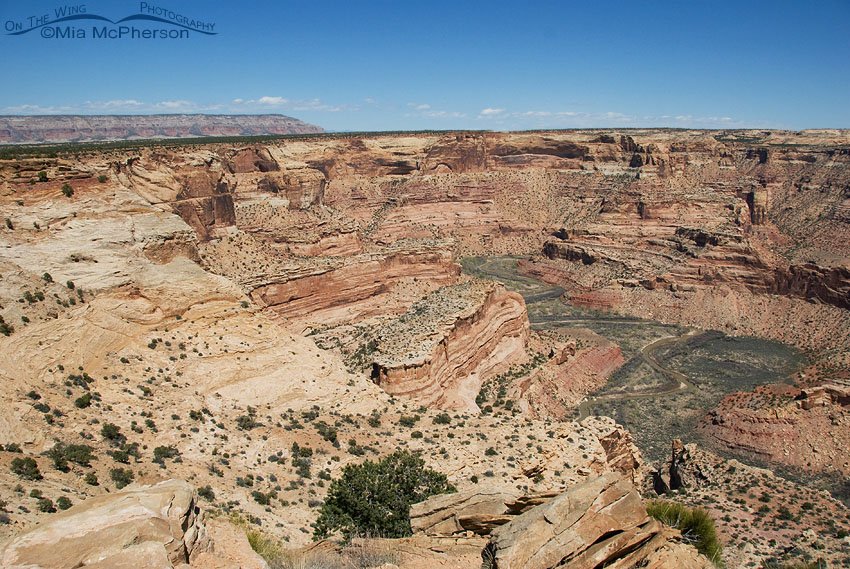
View from the top of The Wedge on a clear spring day
Title: View from the top of The Wedge on a clear spring day
Location: The Wedge, San Rafael Swell, Emery County, Utah
Date: 5/2/2011
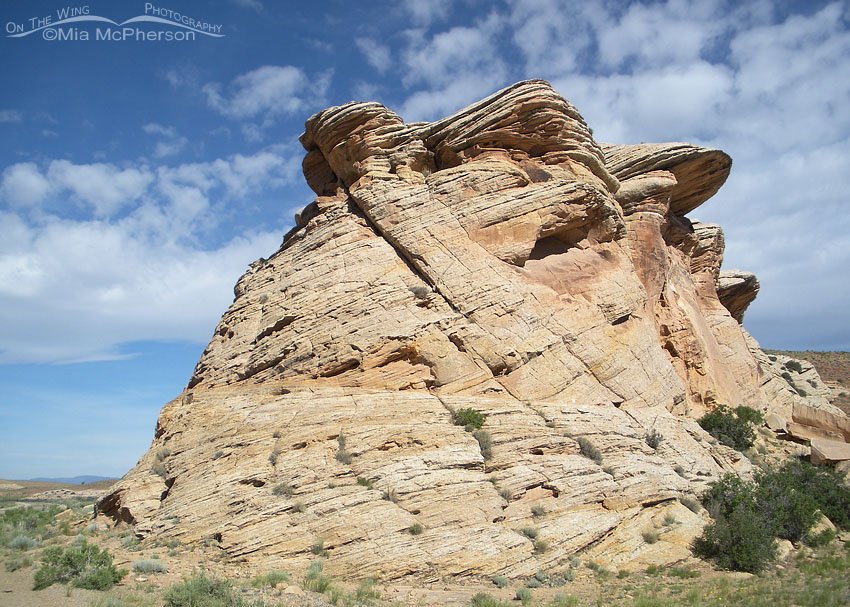
Petrified sand dune in the San Rafael Swell
Title: Petrified sand dune in the San Rafael Swell
Location: San Rafael Swell, Emery County, Utah
Date: 6/4/2010
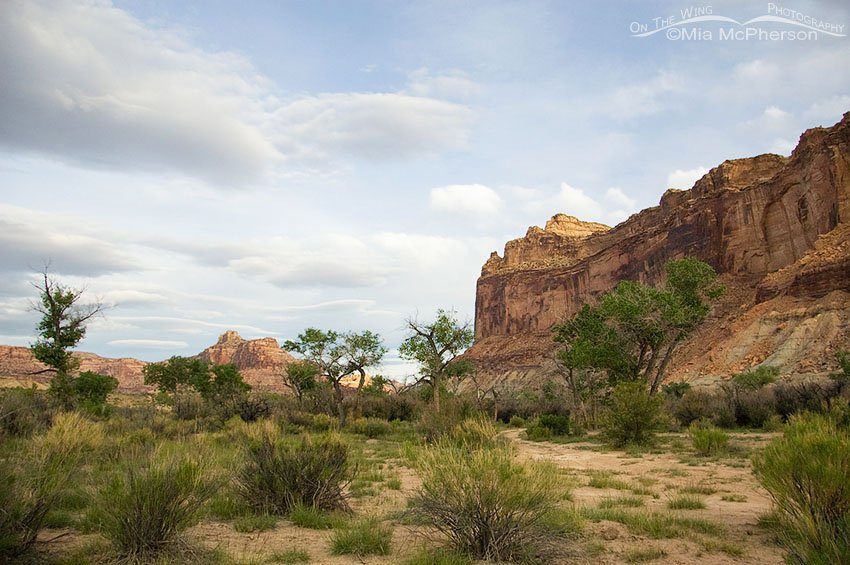
Morning at the San Rafael River campground
Title: Morning at the San Rafael River campground
Location: San Rafael Swell, Emery County, Utah
Date: 6/3/2010
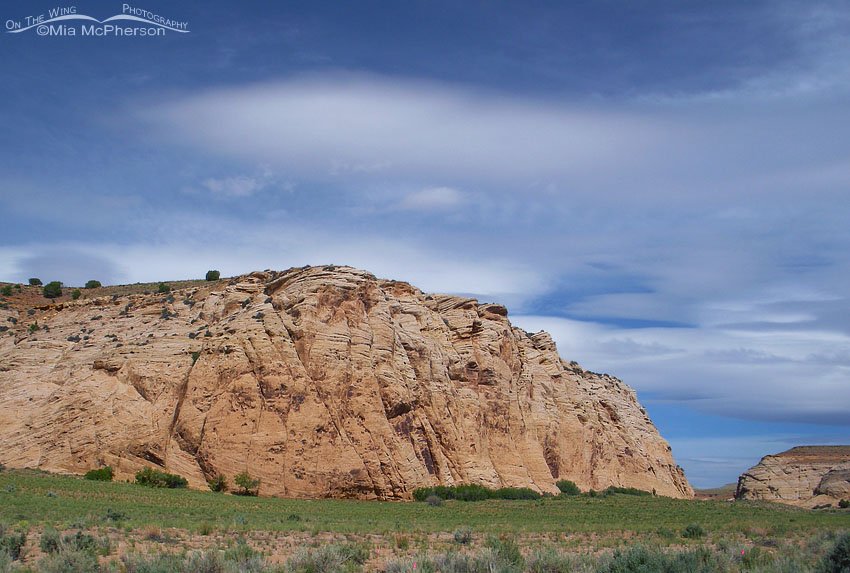
Exposed petrified sand dunes
Title: Exposed petrified sand dunes
Location: San Rafael Swell, Emery County, Utah
Date: 6/3/2010
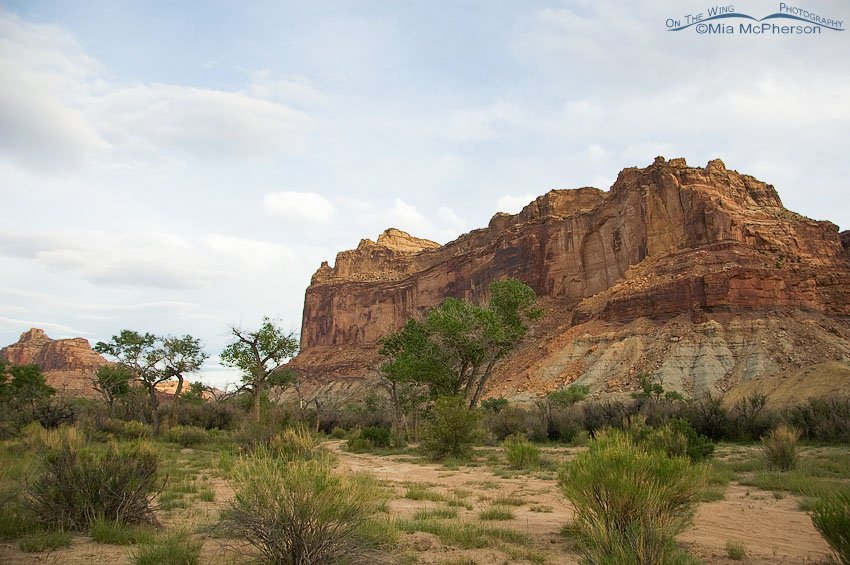
San Rafael Swell campground
Title: San Rafael Swell campground
Location: San Rafael Swell, Emery County, Utah
Date: 6/3/2010
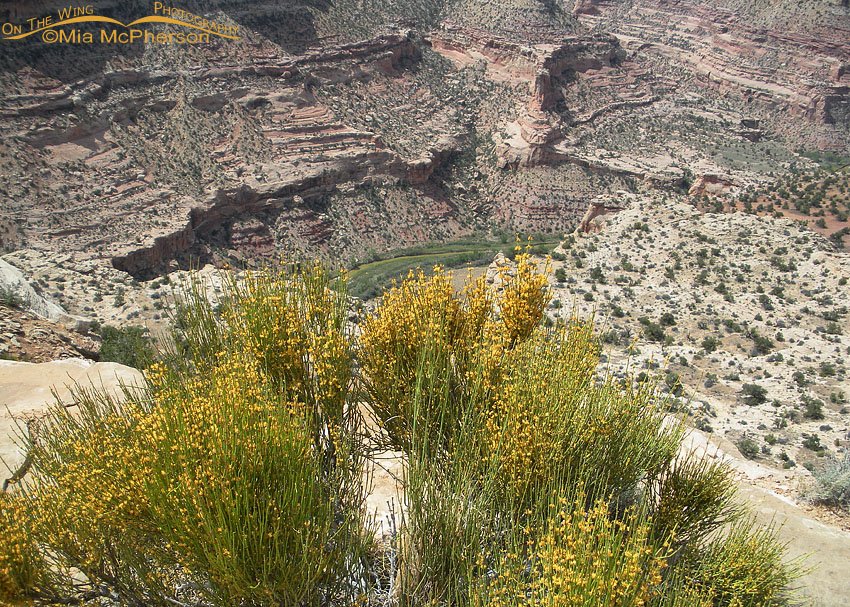
The Little Grand Canyon with the San Rafael River flowing through it from high on the Wedge
Title: The Little Grand Canyon with the San Rafael River flowing through it from high on the Wedge
Location: San Rafael Swell, The Wedge, Emery County, Utah
Date: 6/3/2010
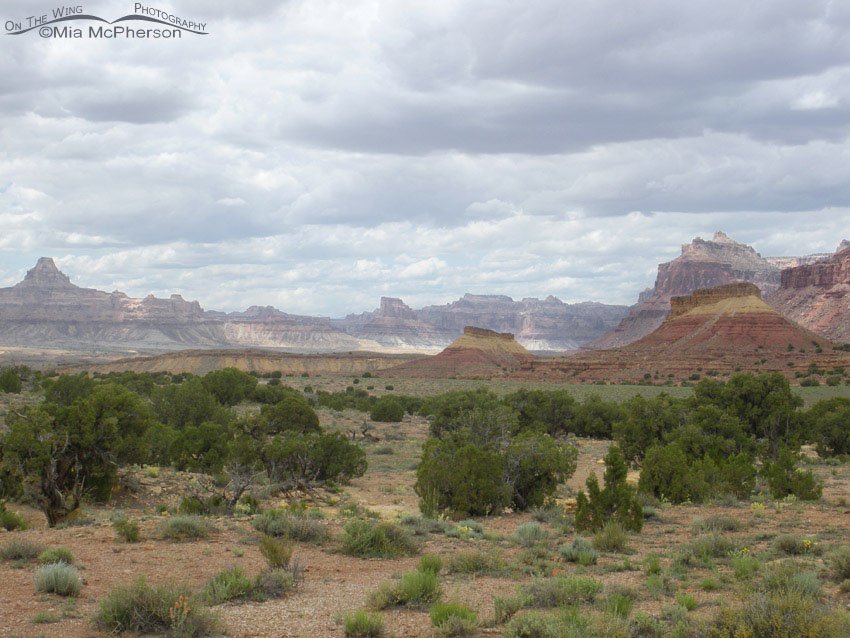
The San Rafael Swell area is a unique geological treasure
Title: The San Rafael Swell area is a unique geological treasure
Location: San Rafael Swell, Emery County, Utah
Date: 6/2/2010
The San Rafael Swell
Title: The San Rafael Swell
Location: San Rafael Swell, Emery County, Utah
Date: 6/2/2010