

My Story Timeline
I write about the true stories behind my images and share them on my site. One day, I might write about birds; the next, about an insect; and the following day, I might focus on a specific location. Each of these stories revolves around nature, my connection to it, or my concerns about preserving our natural world. This journal primarily serves as a collection of factual accounts from my journeys in the field.
While my primary passion is for birds, since everything in nature is interconnected, I photograph everything and write about it all. My life has always been intertwined with nature, and I hope it always will be.
Best wishes,
Mia

Auto Levels in Photoshop
Auto levels in Photoshop must be used with a light touch. Using auto levels can create too much contrast in an image, can cause color casts, it can brighten an image too much, it can strip the light and can make some images look very unnatural.
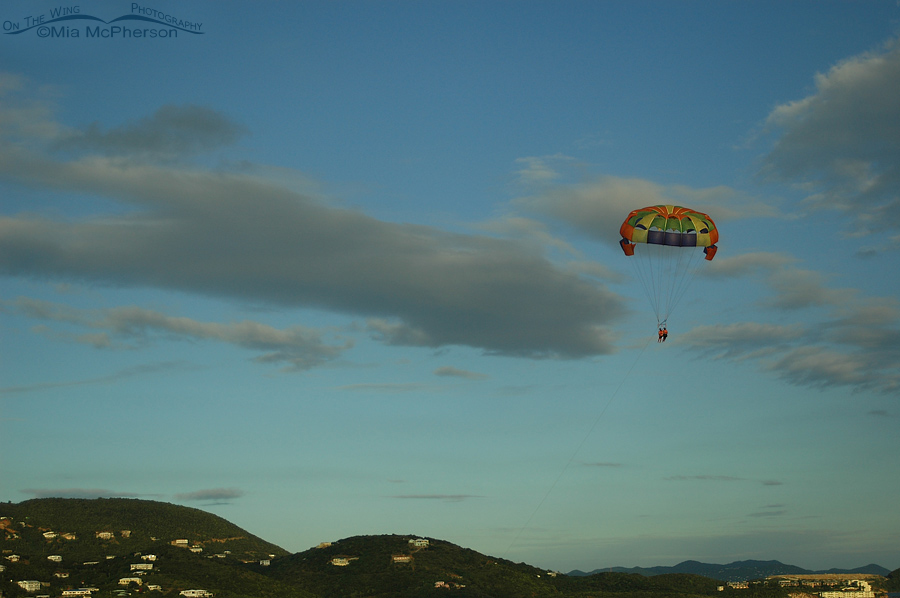
Evening Parasailers over St. Thomas
I was sailing out of St. Thomas at sunset when these parasailers caught my eye and fortunately I had my camera in hand with a wide angle lens attached.
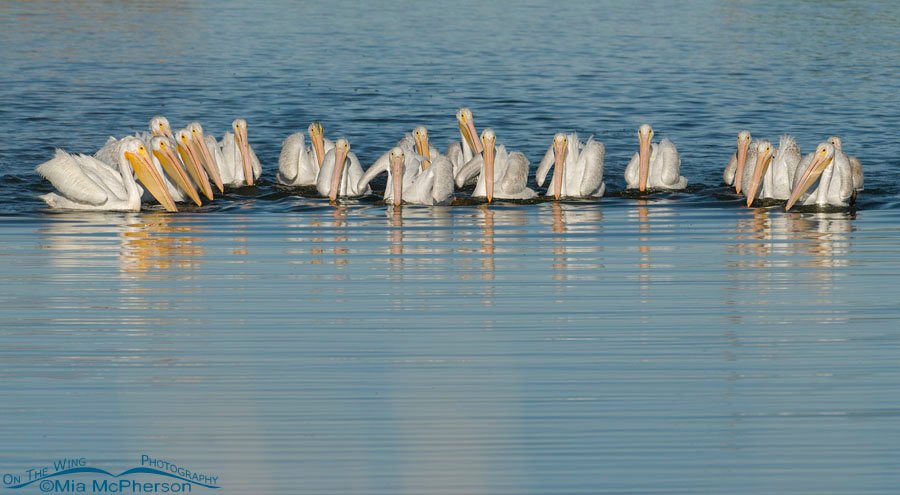
American White Pelicans – Class Picture
This image cracks me up as it reminds me of how in elementary school we would all have to line up for the class picture.

Juvenile Flycatchers – Mystery Identification
Near the camp site one afternoon I could hear tiny peeping sounds in the pines and I went to investigate, the sweet calls were coming from these juvenile Flycatchers.

Shorebirds of Fort DeSoto – Ruddy Turnstones
One of the easier medium-sized shorebirds to identify on Fort De Soto's beaches and tidal mudflats are the Ruddy Turnstones. The only other turnstone that frequents North America is the Black Turnstone and it occurs on the Pacific coast.

Rotation Adjustments – Sanderling At Dawn
Proper rotation can make an image work. Improper rotation can cause the the person viewing to wonder what isn't right about an image.
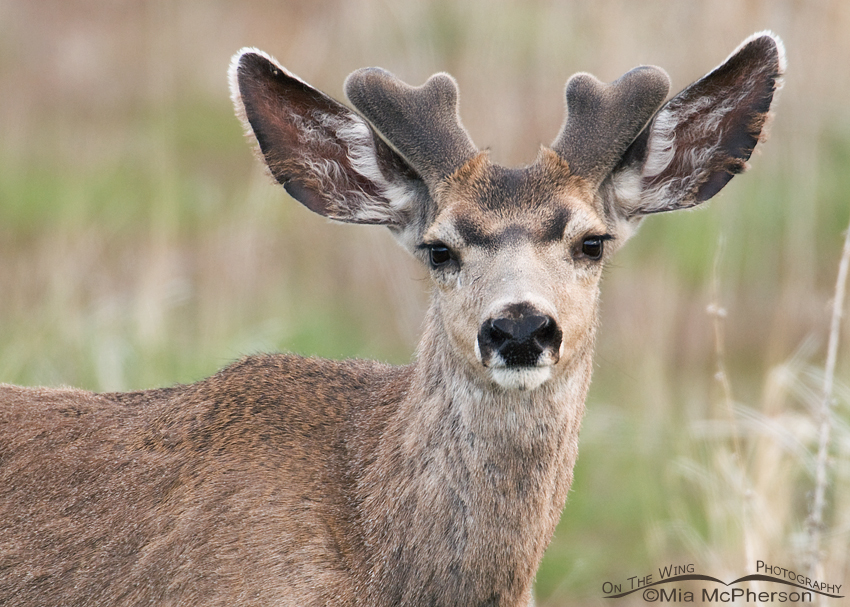
This Mule Deer is not a “dumb animal”
The truly dumb animals are the people who install high fences on private property to cage large game animals inside and then for enormous fees encourage and allow other dumb animals to shoot captive animals and call it hunting.

Shorebirds of Fort DeSoto – The Plovers
Throughout the year you can see and photograph many different species of Plovers on Fort De Soto’s beaches, tidal lagoons and spartina marshes.
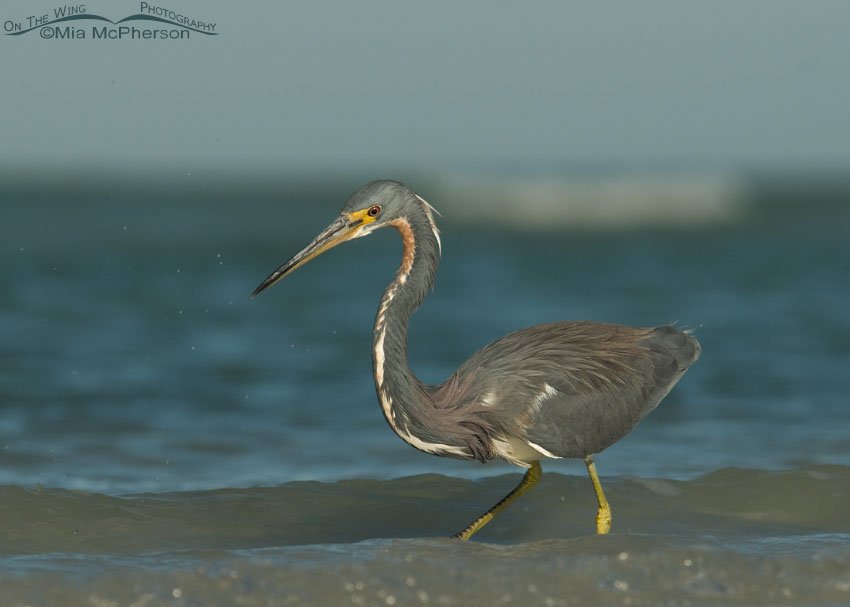
Tricolored Herons
Another one of my favorite wading birds is the Tricolored Heron, a bird that used to be called the Louisiana Heron. It can be found in estuaries along the Atlantic and Gulf coasts, in inland freshwater marshes in Florida.

Red Fox Kits
Late last spring I had a wonderful opportunity to photograph young Red Fox kits at Bear River National Wildlife Refuge in northern Utah.

Four Eyes For Bird Photography
One photographer might have better vision and be able to spot birds that the other person may not have seen. Four eyes are better than two.
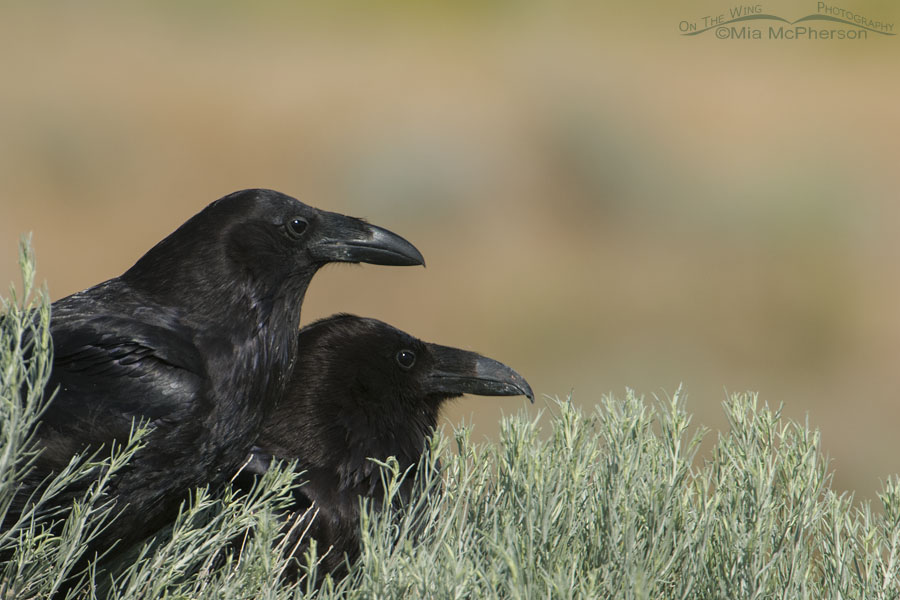
Nemesis Birds – Common Ravens
For a long time I have wanted images of Common Ravens, they are intelligent birds, and a challenge to photograph.

Great Blue Herons
Great Blue Herons are North America's largest heron and one of the three largest herons in the world.

Great Horned Owl Chick – Angles and Backgrounds
The photographs I have attached to this post are of the same Great Horned Owl fledgling, taken in the same location on the same morning.
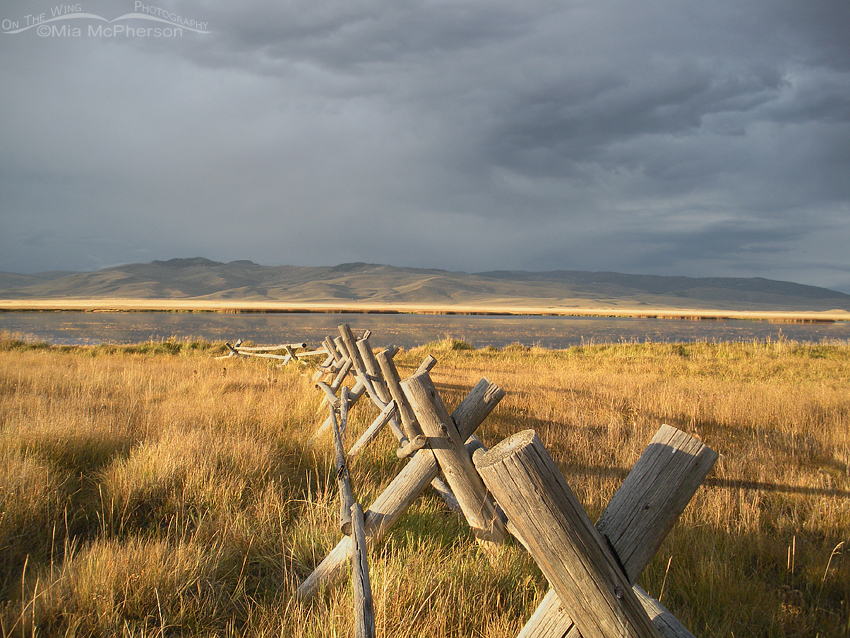
I’ve added a new favorite location
You can find my information and photos of Red Rock Lakes National Wildlife Refuge here

A Matter Of Taste?
I got excited while I was on the refuge when I spotted a female Short-eared Owl that flew up from the gravel road and landed on a fence post in a heavy, swirling fog.

Frost This Morning!
I get very excited about small things at times, a colorful sunrise, the sight of a shooting star, the first spring crocus and in the fall; the first time I see frost.
Colorful Capitol Reef National Park
The geological features of Capitol Reef National Park are amazing. About 75 miles of the 100 mile long monocline known as the Waterpocket Fold are within the park's boundaries extending from Lake Powell north to the Thousand Lake Plateau.

Pinto Bean Laughing Gulls
On several occasions I have seen and photographed Laughing Gulls that have strange colored markings on their bills and legs. I have assumed that they are partially leucistic though I could be wrong.
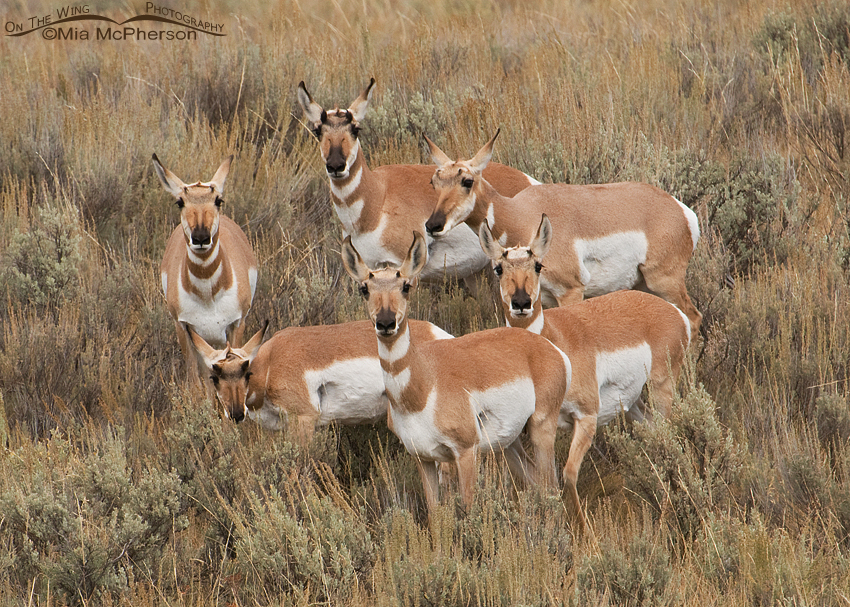
Pronghorns
Pronghorns are North America's fastest mammal, they can attain speeds of more than 40 miles per hour, with spurts to 70 mph and can out run almost all of their predators.

Birds With Bands
As a bird photographer it can some times be disheartening when you have great light, a wonderful setting and a beautiful specimen of a bird in front of your lens when you see the "jewelry" (bands) that some birds will be wearing.

American White Pelican Preening Session
Birds were scarce, the water level in the ponds was low so there were only a few shorebirds. On the way out of the refuge though we stopped to photograph some American White Pelicans and a few Double-crested Cormorants.

Comparing Two Grebe Species
Two Grebe species that are often misidentified are the Clark's and Western Grebes.
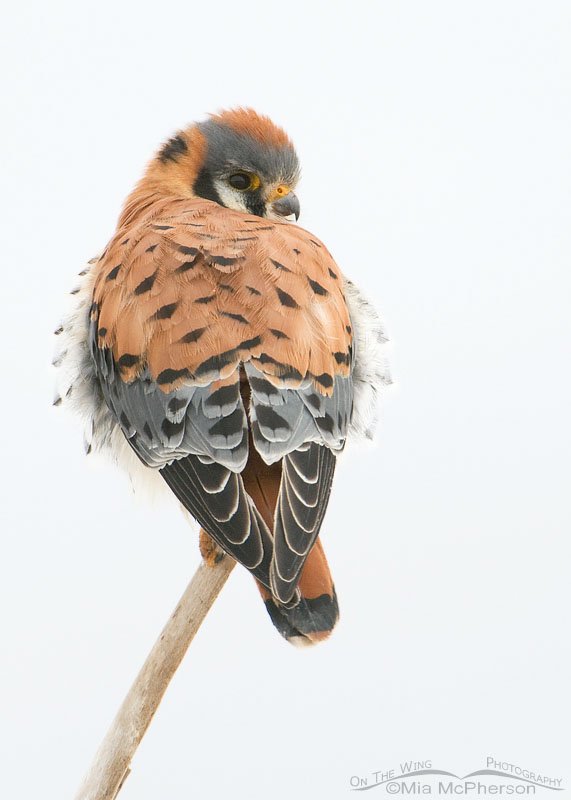
Low Light Bird Images
What I appreciate a great deal about my avian photography is working with the light, not fighting it in the camera or in post processing, so I am presenting these images below as what they are, photos taken in low light.

Injured Birds
Many people volunteer at bird rescue groups, donate time or money to help the injured birds. The rescue groups provide a safe haven for birds to recover before being released back into the wild.
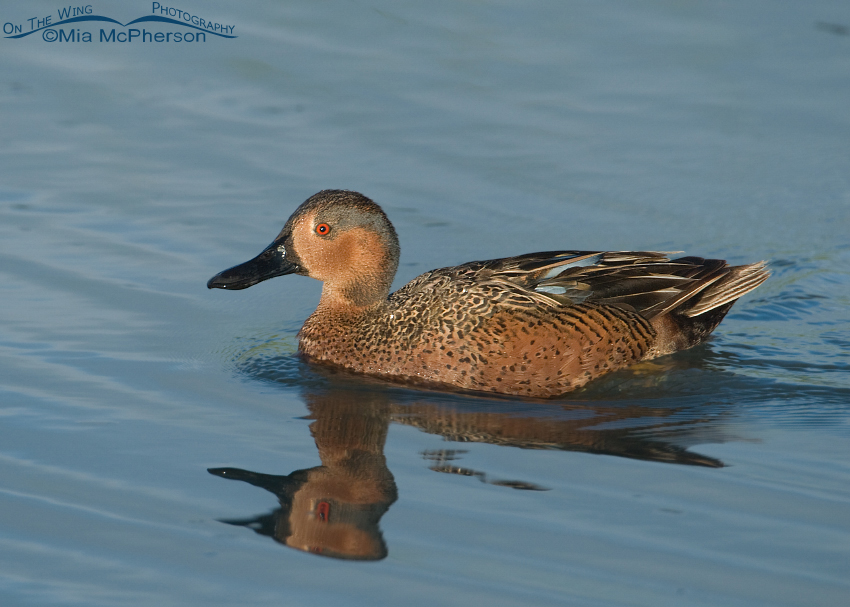
Cinnamon x Blue-winged Teal Hybrid Duck
It wasn't until I pulled the image up on my monitor that I saw that this duck was a hybrid, which turned out to be Cinnamon x Blue-winged Teal hybrid.

Sage Thrashers
Sage Thrashers are from the Mimid family. They forage mainly on the ground for insects, though they do eat berries at times.
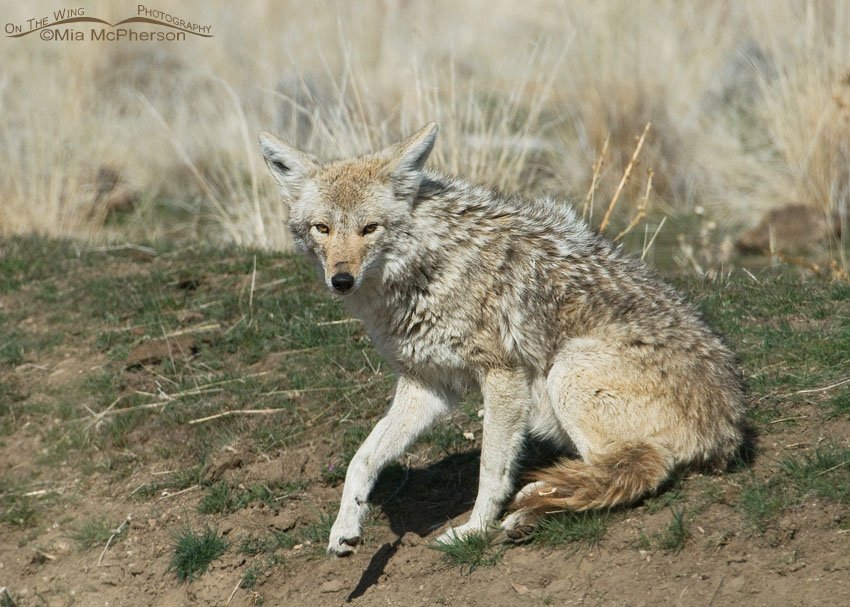
Lazy Coyote In Utah
We almost missed this Coyote and had to back up the vehicle to take a few photos. The coyote was laying down on a small hill and at first it barely lifted its head and still appeared to be dozing in the morning sunlight.

Hungry Yellow-crowned Night Heron
It didn't take long for the Yellow-crowned Night Heron to grab the crab and send the sand flying.

A Little Humor
Who doesn't need a bit of humor once in awhile?