Flowers for Mother’s Day

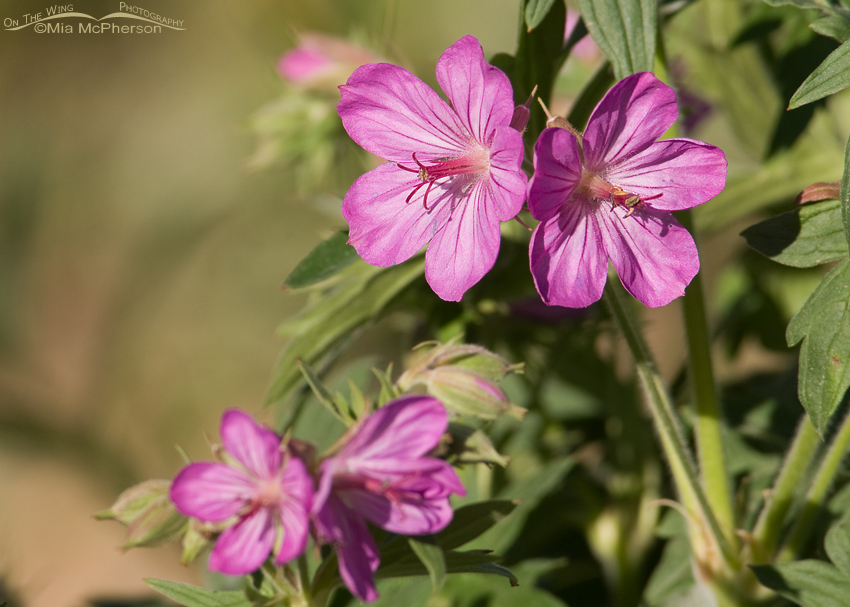
Cranesbill Geranium, Little Cottonwood Canyon, UtahCranesbill Geranium, Little Cottonwood Canyon, Utah

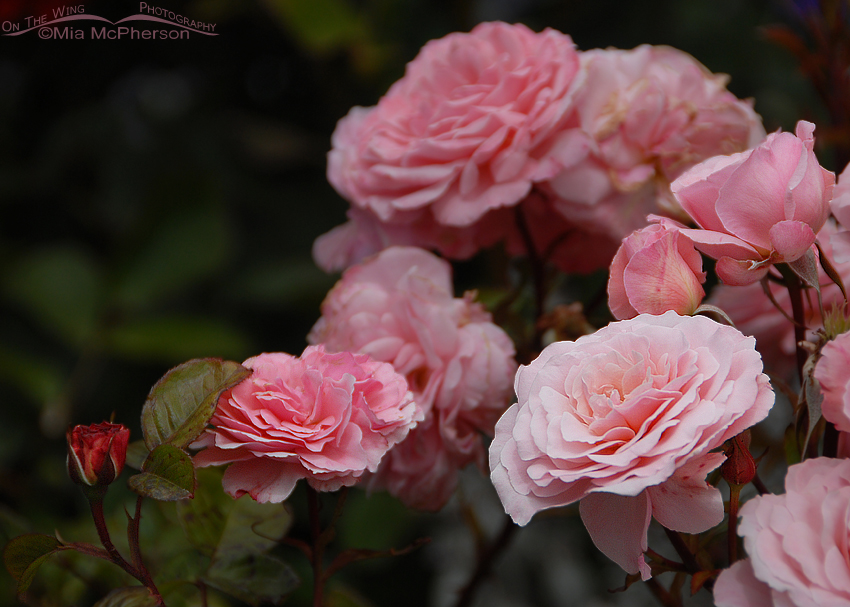
Moms are special, I know my mother is and always has been.  Moms love their children before they are born, when they are babies, toddlers, tweens, teens and adults.

Yellow Rose, Wellington, New ZealandYellow Rose, Wellington, New Zealand

For all the Moms out there, for the ones who are with us and those who have gone, Happy Mothers Day. We blossomed because of you.
Mia


Facebook Twitter

Thinking Pink – Birds, Sky and Flowers

Pink Lotus in Auckland, New ZealandPink Lotus in Auckland, New Zealand

I’m not sure why I wanted to do a post using images with pinks but here they are, a flower, a bird and pink kissed clouds.
I photographed this Pink Lotus in Auckland, New Zealand before flying back to the United States, I loved the combination of the soft pinks, the greens and the bright lemony yellow center of the flowers. It was a breezy day so I felt lucky to catch the Lotus while it wasn’t moving.

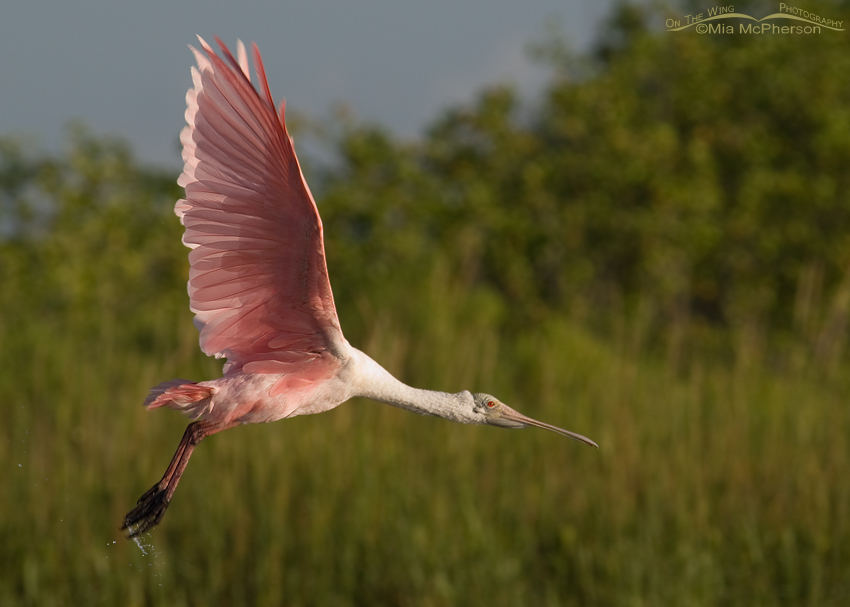
Roseate Spoonbill in flightRoseate Spoonbill in flight

And here is a pink colored wading bird, a Roseate Spoonbill in flight over a lagoon at Fort De Soto County Park in Florida, one of my favorite locations.

Pink Clouds at Fort De Soto before a stormPink Clouds at Fort De Soto before a storm

And last;  a photo I took at Fort De Soto County Park not long after the sun had risen above the horizon as storm clouds moved in. The only thing I photographed that morning was the clouds because I had to dash back to my vehicle before the rain started pouring down.

Just thinking pink.

Mia

Facebook Twitter

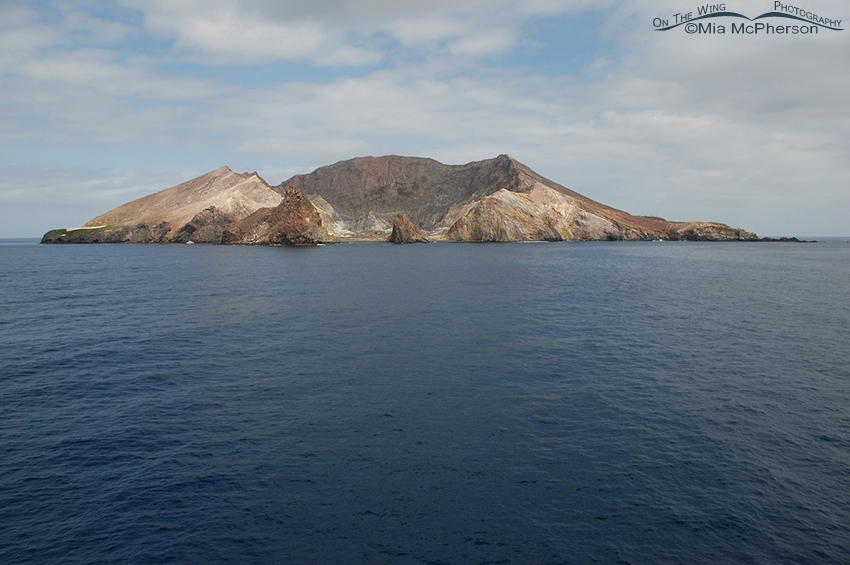
Whakaari / White Island, New Zealand

In January of 2008 I was onboard a cruise ship for a tour of New Zealand that included time spent viewing Whakaari / White Island which is an active andesite stratovolcano that rises 1,053 feet above the Bay of Plenty.

Whakaari / White Island, New Zealand

Whakaari / White Island, New Zealand – Nikon D200, handheld on board ship, f5.6, 1/1500, ISO 200, Nikkor 18-200mm VR at 18mm, natural light

This image shows Crater Bay near the center of the island. Captain Cook gave it the name “White Island” in 1769 because it appeared to always be in a white cloud of steam, he did not make landfall and did not know the island was an active volcano. The Māori name for the island is ‘Te Puia o Whakaari’, meaning ‘The Dramatic Volcano.’

At the time I remember thinking that I had never seen water that was such a deep and beautiful royal blue and that the island seemed to be alive with volcanic activity. (Eruptive History from the Smithsonian)

Before the trip I had purchased Nikkor’s 18-200mm VR lens and because of the Vibration Reduction it worked very well with the slight bobbing of the ship.

View of a steaming fumarole on Whakaari / White Island

View of a steaming fumarole on Whakaari / White Island – Nikon D200, handheld, f5.6, 1/2500, Nikkor 18-200mm VR at 200mm, natural light

An attempt to mine sulphur came to an end in 1914 when a flow of mud and debris; called a lahar, killed all 10 of the workers that were on the island at the time, only the camp cat survived. The last major eruption was in 2000 but volcanic activity is ongoing as seen by the steaming fumarole in this photo. In images taken from the air a lake can be seen in a crater but not from my perspective on board the ship. The island is now privately owned but there is access provided by several tour boat companies. Seismic activity is monitored by volcanologists and scientists.

People in the crater of Whakaari / White Island

People in the crater of Whakaari / White Island – Nikon D200, handheld, f5.6, 1/1600, ISO 200, Nikkor 18-200mm VR at 200mm, natural light

I am not certain if the people in the crater in this image are tourists or scientists but they are just tiny specs to the left of the large rock on the right side of the frame, all of them were wearing hardhats.

Remnants of the Pōhutukawa forest

Remnants of the Pōhutukawa forest – Nikon D200, handheld, f5.6, 1/2000, ISO 200, Nikkor 18-200mm VR at 200mm, natural light

Major eruptions from 1981 through 1983 decimated the pōhutukawa forest on the island, in the image above you can see existing pōhutukawa trees and in the foreground and left side of the frame the skeletons of trees that were killed by those eruptions. Pōhutukawa are coastal evergreen trees that are endemic to New Zealand that have brilliant red flowers from November through  January and is nicknamed the “New Zealand Christmas Tree”.

Australasian Gannet Colony on Whakaari / White Island

Australasian Gannet Colony on Whakaari / White Island – Nikon D200, handheld, f5.6, 1.2500, ISO 200, Nikkor 18-200mm VR at 200mm, natural light

Whakaari / White Island has breeding colony of Australasian Gannets (Morus serrator) of approximately 3000 pairs and has been named an Important Bird Area (IBA) by Birdlife International.  In this frame you can see the birds on the nesting ground and in flight.

Australasian Gannet

Australasian Gannet – Nikon D200, handheld, f5.6, 1/640, ISO 200, Nikkor 18-200mm at 200mm, natural light

My one huge regret for the time I spent viewing and photographing Whakaari / White Island is that I didn’t have the foresight to bring my Nikkor 80-400mm VR with me to the observation deck because with it I would have gotten some wonderful images of the Australasian Gannets flying by. They flew in close to the ship and quite often I could have gotten full frame shots of these beautiful birds.

Just a few images from my trip to Aotearoa better known as the “Land of the Long White Cloud”

Mia

~ I’m out of town so I pre-scheduled this post, please feel free to share it with your friends & family.

Facebook Twitter