Roseate Spoonbill In Evening Light
Evening can have marvelous light too though as shown in the Roseate Spoonbill image above that I photographed in Florida as it hunted for prey in a tidal lagoon.



Evening can have marvelous light too though as shown in the Roseate Spoonbill image above that I photographed in Florida as it hunted for prey in a tidal lagoon.

This image has always cracked me up, I wonder if the Great Blue Heron even realized its toenails were dragging in the water.

This is an adult White Ibis (Eudocimus albus) that I photographed at Fort De Soto's north beach that was feeding in a tidal lagoon by the mangroves
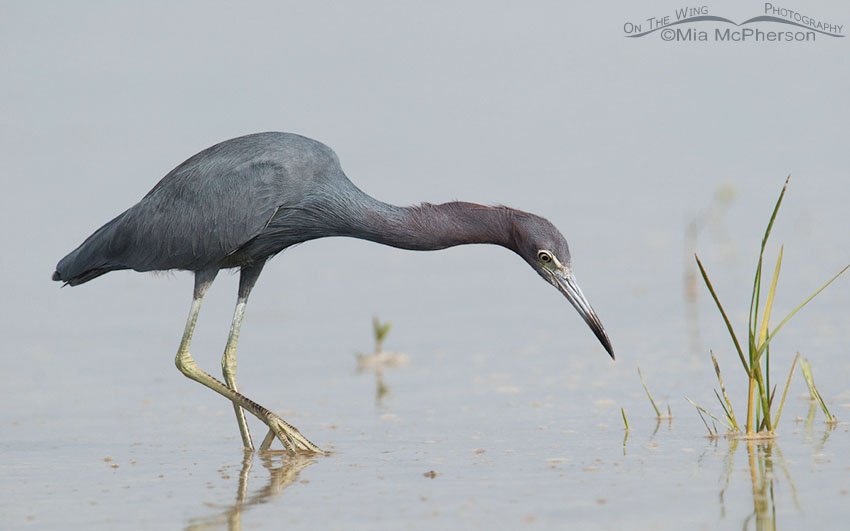
This Little Blue Heron (Egretta caerulea) was photographed in Florida as it hunted for prey in a shallow lagoon the edge of a marsh in late afternoon light.

Wood Storks (Mycetaria americana) are the largest wading bird in North America and the only stork that breeds in the U.S.. Wood Storks are considered endangered primarily due to loss of habitat.

I've been working up images for a long post and this American Oystercatcher (Haematopus palliatus) image is a clue as to what that post will be about.

As much as I like to compose images that are full frame I find that I often allow myself a touch of extra space around my subject so I can recompose in post processing by making different crops.

Short-billed Dowitchers feed on insects, crustaceans and aquatic mollusks. Quite often when I lived in Florida I would see them feeding on Coquinas which are small bivalves or tiny Fiddler Crabs.
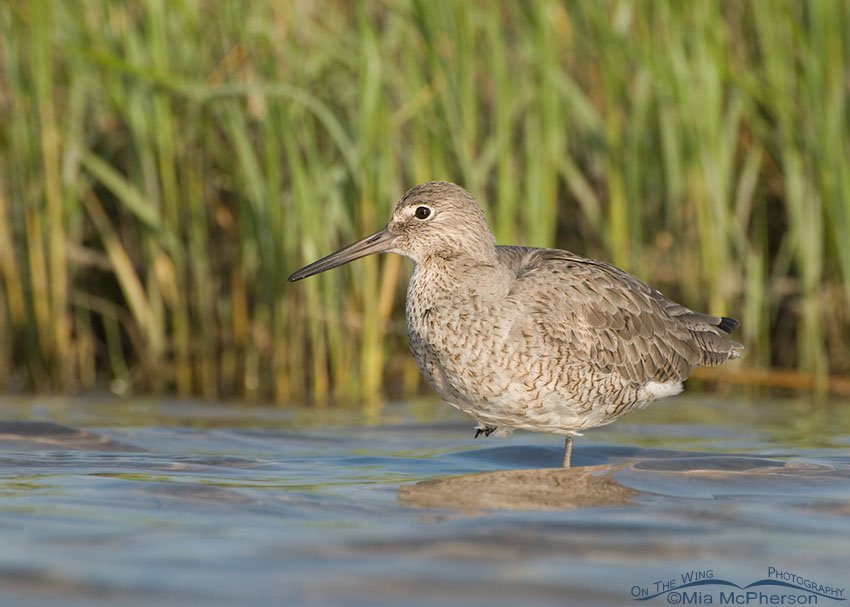
The image above was taken at Fort De Soto on Florida's Gulf coast. The Willets there are habituated to people and because they are it is easier to approach them than it is here in Utah.
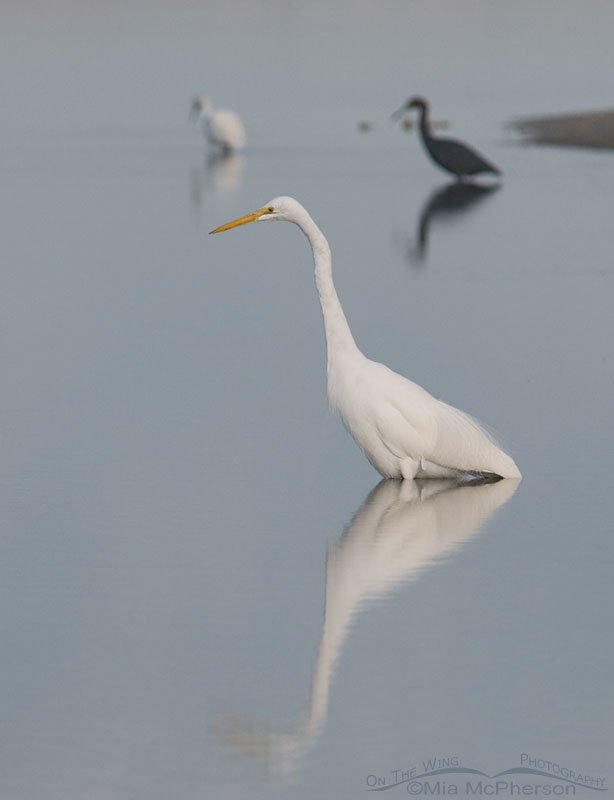
I've always liked the calm mood this image conveys partially because the stalking pose of the Great Egret (Ardea alba), the silky smooth surface of the water, the reflection and how the out of focus Snowy Egret and Little Blue Heron give the frame a depth that wouldn't be there without them.

When I photographed Semipalmated Plovers in Florida I found that if I got down to their level and laid still they would approach me very closely. That takes patience but the effort is well worth it.

A few days ago I read that a Long-billed Curlew had been spotted on Antelope Island State Park and that got me excited. I've waited to see them again since they left last fall and I simply can not wait to hear their mysterious and hauntingly beautiful call.

I'm always looking for great action or interesting poses when I am out photographing birds and usually I am not disappointed and once in awhile I get some very funny images. Mondays just seem like a great day for some humor.

Obtaining a low angle with small shorebirds can bring the viewer into the birds world by being down to their level. When I photographed shorebirds in Florida I was either constantly covered in sand or mud, wet or all three.
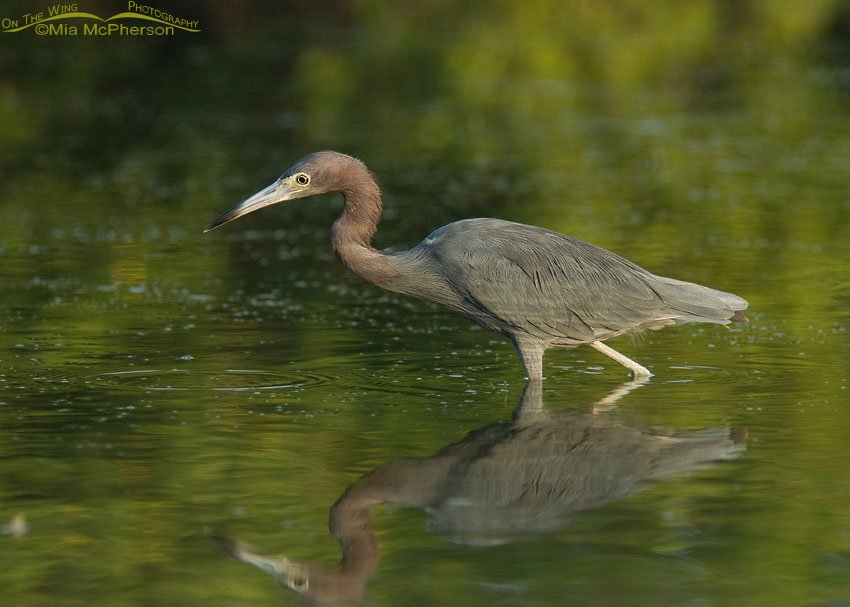
Little Blue Herons were a wading bird that I saw often in Florida. The day I photographed this Little Blue Heron I was sitting quietly in the shallow water of a lagoon when this bird flew in and began to hunt.

There were high thin clouds and that worked in my favor to photograph these large white birds without blowing out the whites.

This young Yellow-crowned Night Heron moved very slowly and it seemed to do that deliberately.

I know this photo will always remind me of the great times I had photographing birds at Fort De Soto, one of my favorite places on earth.