Gulf Coast Whimbrel
Among the shorebirds I enjoyed seeing and photographing while I lived in Florida were Whimbrels, I could see flocks of 25 or more during the winter along the coast.



Among the shorebirds I enjoyed seeing and photographing while I lived in Florida were Whimbrels, I could see flocks of 25 or more during the winter along the coast.

Early morning light is a delight and adds a nice mood to images like this one of a Willet in flight.
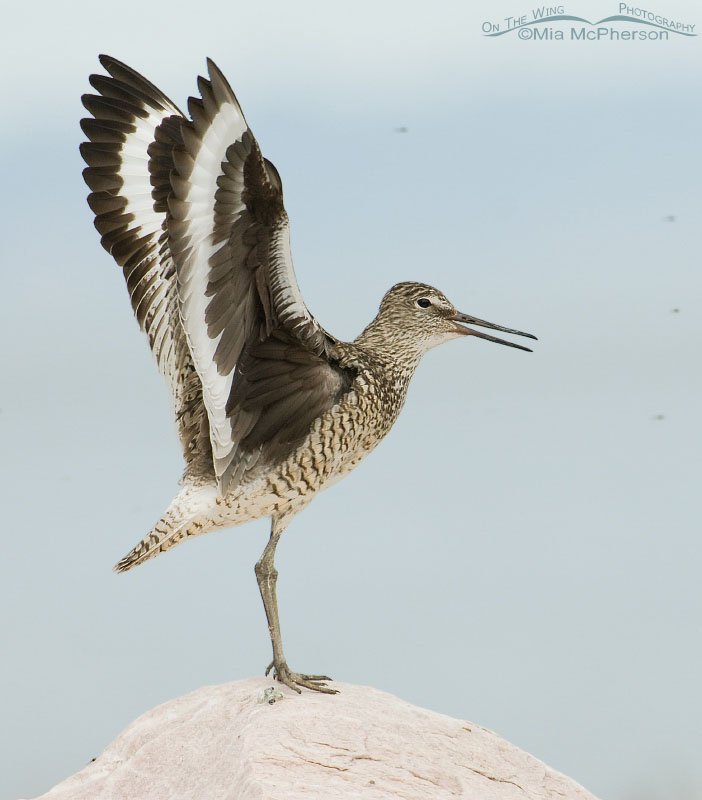
March is a month when I begin to anticipate the arrival of Willets, I have been listening carefully for them and hoping to catch sight of them along the causeway to Antelope Island any day now.

A simple image of a Red Knot taken in Florida in early morning light. Morning has been; and is, my favorite time of day to photograph birds and other wildlife because the rising sun can add drama and a warm glow to whatever subject I am photographing.

I've had the good fortune to photograph both the eastern and western Willets in breeding plumage, the eastern in Florida and the western in Utah and Montana.

Ruddy Turnstones in breeding and nonbreeding plumage can appear to be two different species to novice birders and bird photographers as can several other bird species.

Dunlins exhibit a vast difference between nonbreeding and breeding plumage, so different that a novice birder might mistakenly believe that they were two different species.

Least Sandpipers (Calidris minutilla) are the world's smallest shorebird, weighing in at a mere 0.7 ounces (20 g), a length of 6 inches and a wingspan of 13 inches.

On the first day of my recent trip to southwestern Montana I came across two Willets (Tringa semipalmata) near a lake shore, one was an adult and one was a juvenile.

I haven't heard a Long-billed Curlew calling for several weeks here in northern Utah and I already miss hearing their calls.
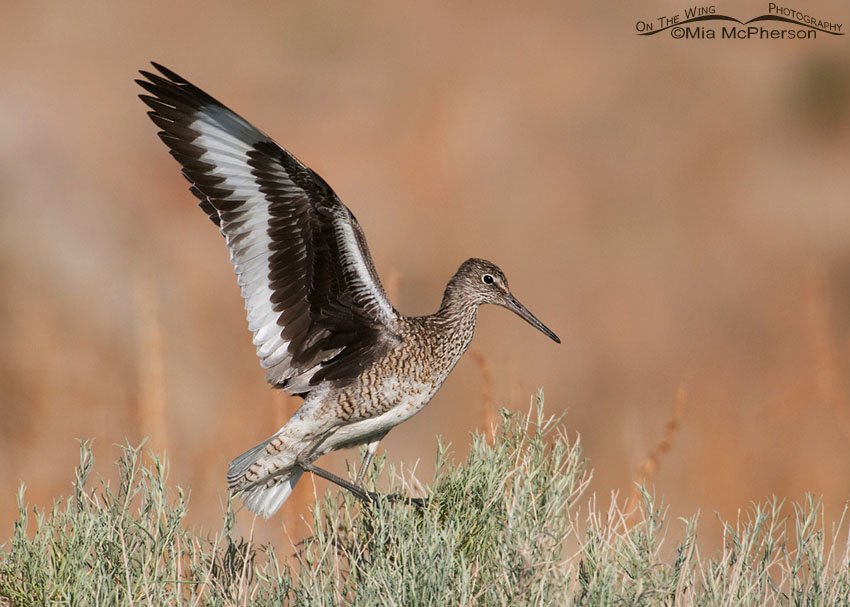
I've heard people call Willets "Plain Brown Birds". I reckon they may have never seen one looking like this Willet.

It dawned on me this morning that I haven not posted an image of a Western Sandpiper here yet so I pulled this one out of my archives that I photographed at Fort De Soto as the small shorebird ran in front of me on the shoreline.

Cheatgrass is invasive but I sure think it can be pretty especially with a lovely bird amongst it like this male Long-billed Curlew that I photographed on Antelope Island State Park recently.

Willets have returned to Utah, on the causeway to Antelope Island hundreds of them can be seen in the shallow water. They seem to spend some time there fattening up after migration before they get down to the serious business of mating and rearing their young.

Short-billed Dowitchers feed on insects, crustaceans and aquatic mollusks. Quite often when I lived in Florida I would see them feeding on Coquinas which are small bivalves or tiny Fiddler Crabs.
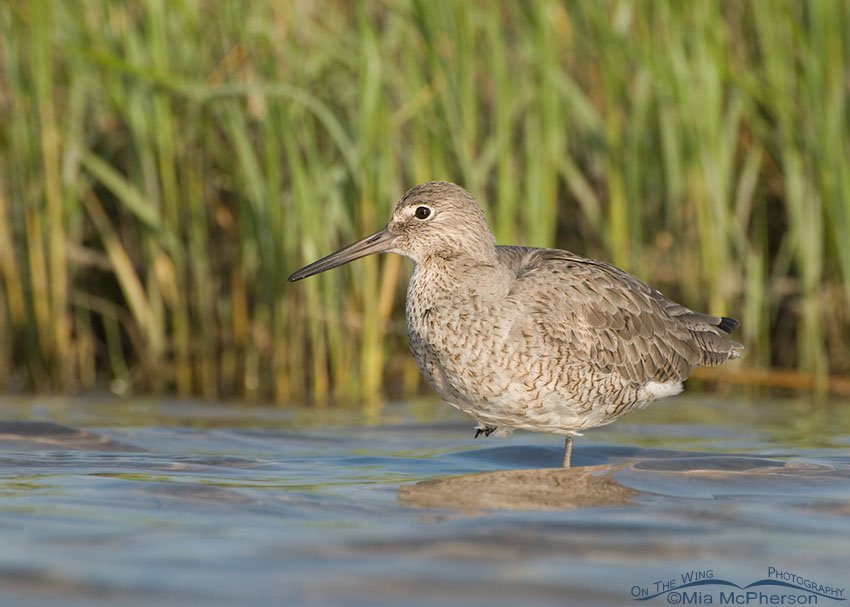
The image above was taken at Fort De Soto on Florida's Gulf coast. The Willets there are habituated to people and because they are it is easier to approach them than it is here in Utah.

A few days ago I read that a Long-billed Curlew had been spotted on Antelope Island State Park and that got me excited. I've waited to see them again since they left last fall and I simply can not wait to hear their mysterious and hauntingly beautiful call.

Sanderlings can be a challenge to photograph because they move erratically at a very fast pace but creating images of them at their level is well worth the trouble of getting dirty and being exhausted by trying to follow the movements of these tiny dynamos.
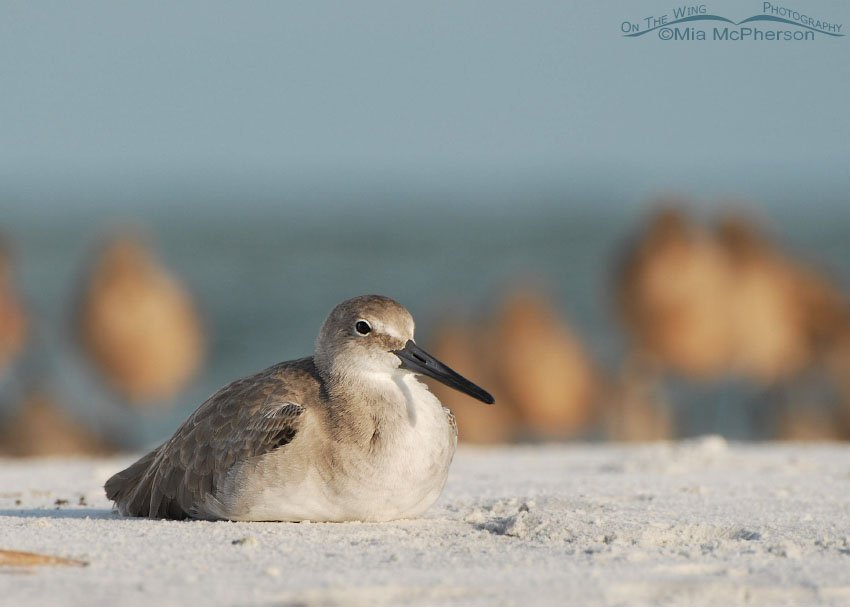
There are images that I have created that as soon as I see them on my monitor become listed as one of my favorites.

Yesterday I observed an adult Willet defending its young from a group of Black-billed Magpies that were near the Willet's chicks.

Spotted Sandpipers are fun to watch as they walk along the shoreline as they teeter, bob and bounce their rear ends up and down.
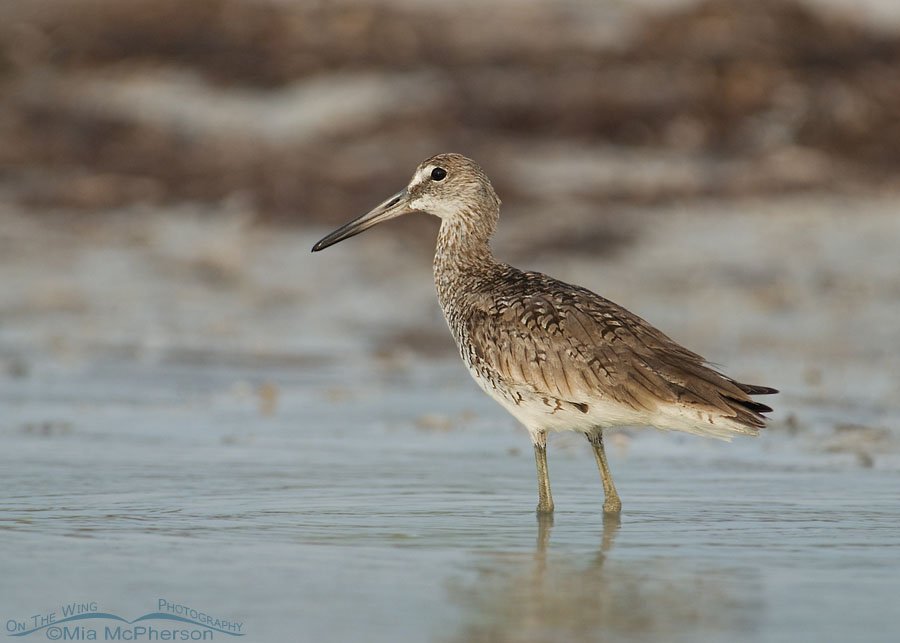
The Willet is thought by many people to be a "plain brown bird" but I find their subtle coloring quite appealing whether they are in breeding or nonbreeding plumage.

Auto levels in Photoshop must be used with a light touch. Using auto levels can create too much contrast in an image, can cause color casts, it can brighten an image too much, it can strip the light and can make some images look very unnatural.