Yellow-crowned Night Heron or Orange-eyed Day Heron?
Despite having "Night Heron" in their name Yellow-crowned Night Herons (Nyctanassa violacea) are not strictly denizens of the dark, they can and do stalk their prey during the daylight hours too.



Despite having "Night Heron" in their name Yellow-crowned Night Herons (Nyctanassa violacea) are not strictly denizens of the dark, they can and do stalk their prey during the daylight hours too.

A simple image of a beautiful Snowy Plover in a rather goofy looking pose. The plover had been preening and paused for a few frames with its tail lifted up

I photographed this adult Laughing Gull (Larus atricilla) in breeding plumage while it bathed in the shallow waters of a tidal lagoon at Fort De Soto's north beach a few years ago.
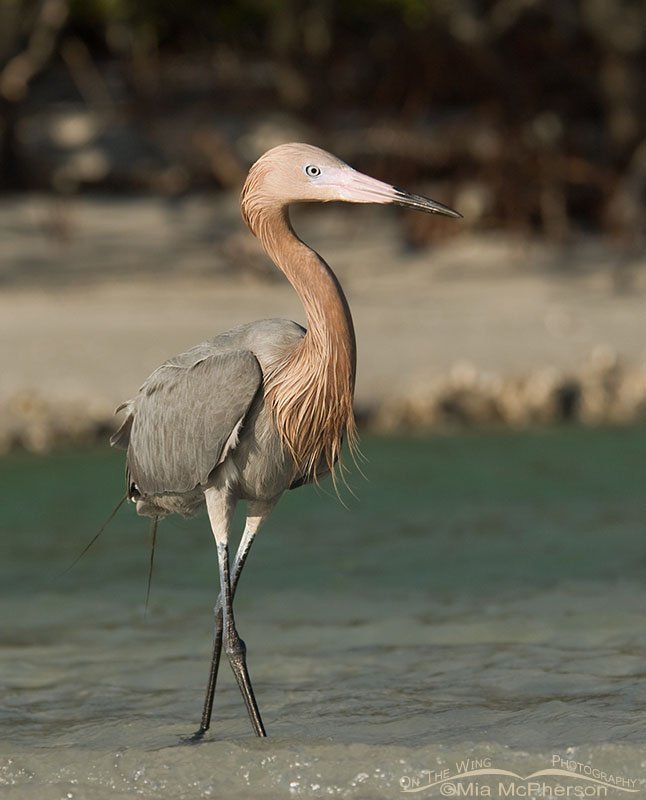
This adult Reddish Egret was going into breeding plumage, it has the pink and black bi-colored bill and the lores are turning bluish purple.

Not that long ago Common Gallinules (Gallinula galeata) were called Common Moorhens (Gallinula chloropus), it will take me some time to get used to the new name.

This image could have been better. I have no doubt about that. I did get the exposure right and I like the action. But there are far too many things about this photo that just don't work.

Ruddy Turnstones in breeding and nonbreeding plumage can appear to be two different species to novice birders and bird photographers as can several other bird species.

Dunlins exhibit a vast difference between nonbreeding and breeding plumage, so different that a novice birder might mistakenly believe that they were two different species.
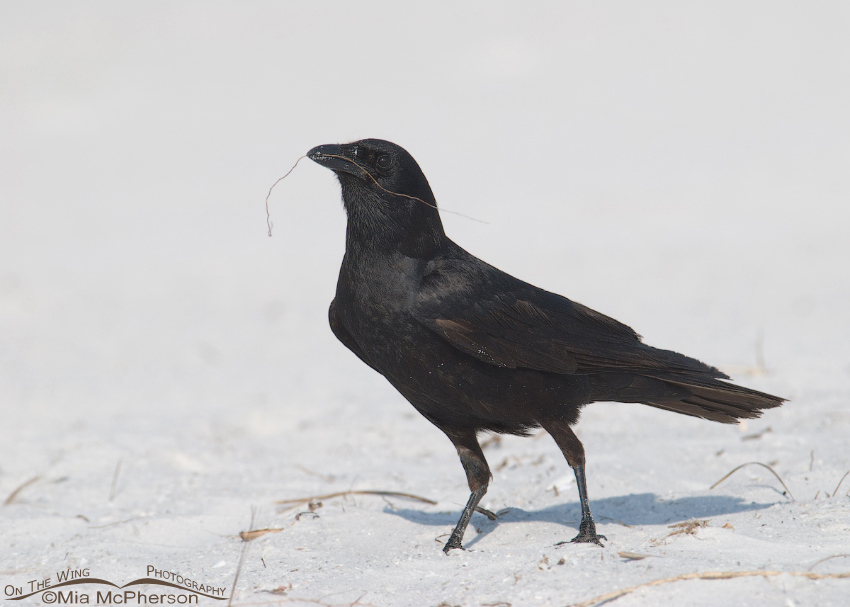
I was going to do a simple post about this image of a Fish Crow with a young Gopher Tortoise in its bill that was taken on Egmont Key State Park (also Egmont Key National Wildlife Refuge), an island located just to the west of Fort De Soto, Florida.
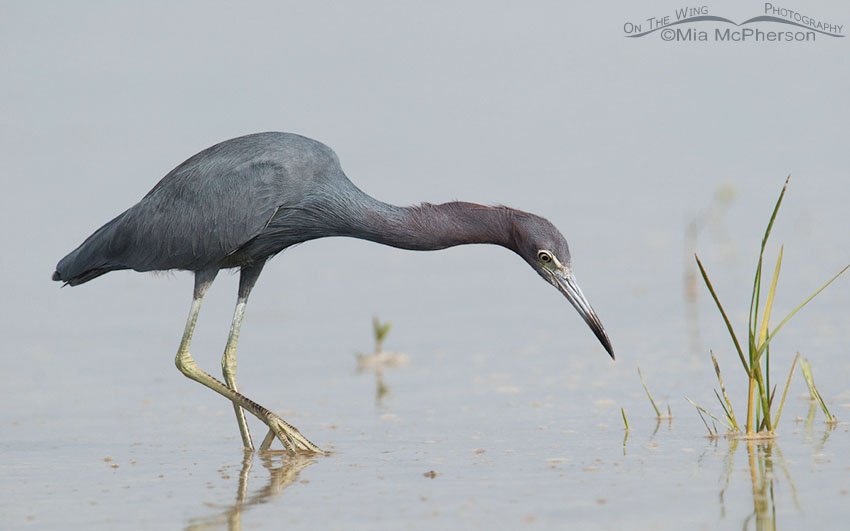
This Little Blue Heron (Egretta caerulea) was photographed in Florida as it hunted for prey in a shallow lagoon the edge of a marsh in late afternoon light.

I like the ribbons of different shades of blue in this image and even though the Semipalmated Plover (Charadrius semipalmatus) is small in the frame it stands out well from its habitat.

Wood Storks (Mycetaria americana) are the largest wading bird in North America and the only stork that breeds in the U.S.. Wood Storks are considered endangered primarily due to loss of habitat.

On the day that I photographed this Laughing Gull either Hurricane Ike or Gustav was out near the center of the Gulf of Mexico that was churning up the water

Least Sandpipers (Calidris minutilla) are the world's smallest shorebird, weighing in at a mere 0.7 ounces (20 g), a length of 6 inches and a wingspan of 13 inches.

This Great Blue Heron got up close and personal with me a few years ago in Florida, it largely ignored my presence altogether as it stalked prey on shore of the Gulf of Mexico.
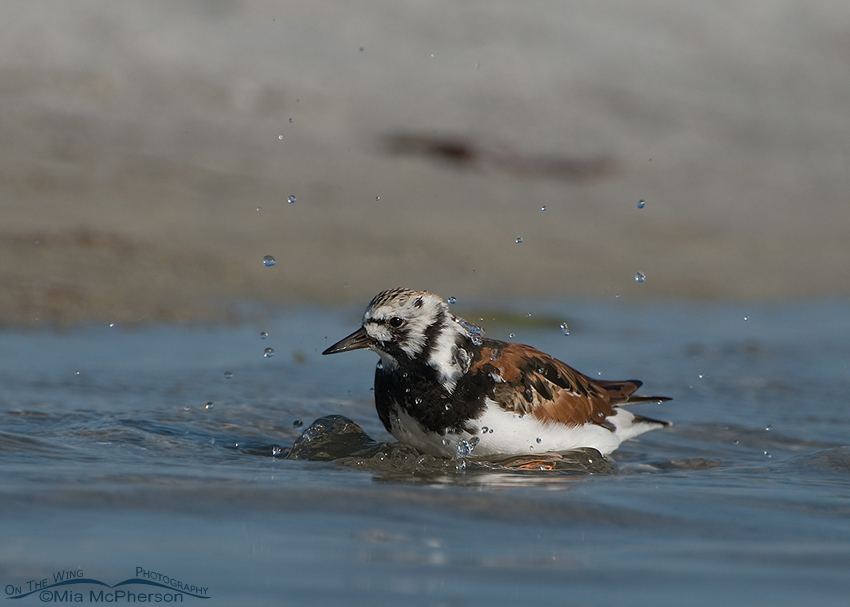
This Ruddy Turnstone (Arenaria interpres) image was created several years ago at Fort De Soto County Park's north beach in central Florida.

This Marbled Godwit had been feeding on the mudflats of a tidal lagoon at Fort De Soto's north beach.

I photographed this Reddish Egret (Egretta rufescens) in October of 2008 at Fort De Soto's north beach.

I think it is great to see a bird with sea blue eyes feeding along a shoreline with water nearly of nearly the hue.
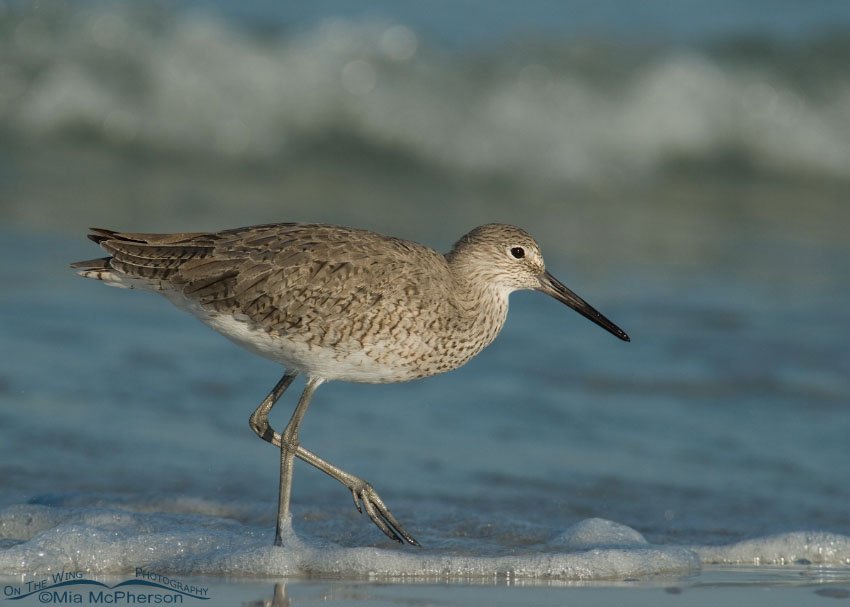
Getting "Down & Dirty" pays off when photographing shorebirds like this Willet in the surf I photographed in Florida as it walked along the shoreline of the Gulf of Mexico.

In 2008 I had the great pleasure of observing and photographing a family of American Oystercatchers from the day after the chicks hatched until three and a half months later.

I've been working up images for a long post and this American Oystercatcher (Haematopus palliatus) image is a clue as to what that post will be about.

I love how peaceful this image is with the Marbled Godwit (Limosa fedoa) paying absolutely no attention to me as I sat very still in the warm waters of a tidal lagoon photographing it.
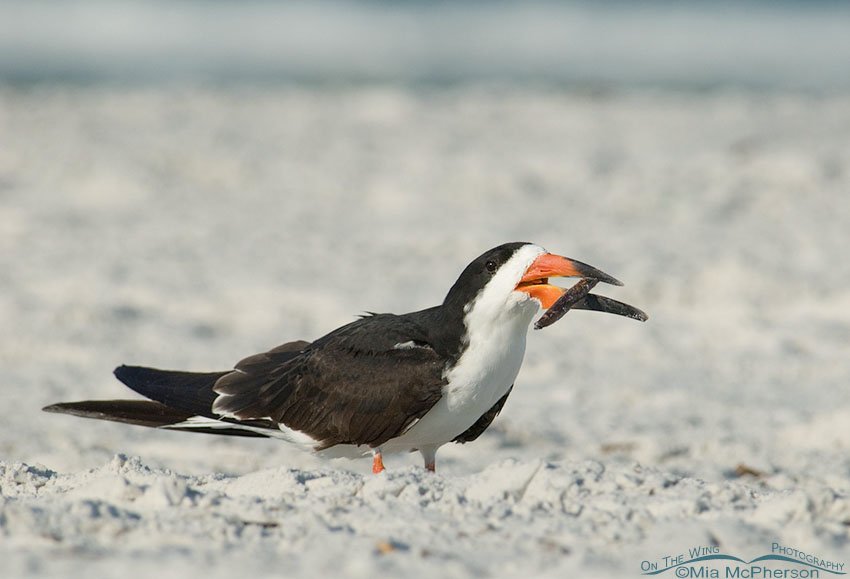
The Black Skimmer had a Mangrove seed pod in its bill and it was twirling the seed pod with its bill, at times the seed pod even went over the top of the bill but unfortunately I didn't get any images of that.
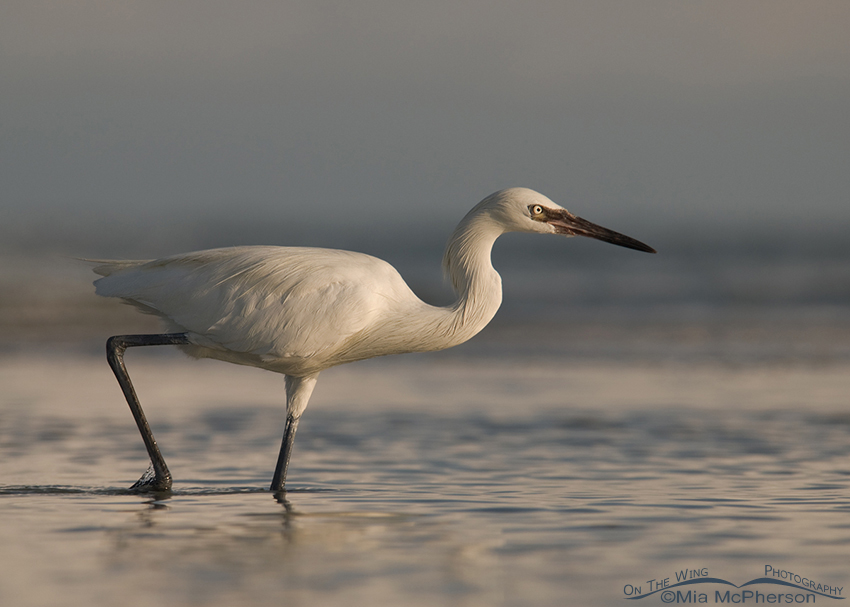
In my two previous posts of a Snowy Egret and a Great Egret I mentioned how the early morning light and a nearby storm gave those images a feeling of drama. These white morph Reddish Egret images were taken that same morning not long after I created the Great Egret photos.

Yesterday I posted a Snowy Egret hunting in early morning light and mentioned that early morning or late afternoon light can add drama to an image, in today's post I will explain a bit more about the dramatic light in the Snowy Egret image and these images of a Great Egret (Ardea alba).

Light plays a huge part in my photography, I try to be at my location just before the sun comes up or goes down to take advantage of the beautiful light that occurs at those times of the day.

Two Herring Gulls (Larus argentatus) at different stages of life, one an adult in breeding plumage, the other an immature gull in flight.

One of the shorebird species I am able to see in Utah during migration that I photographed often while I lived in Florida are the lovely Black-bellied Plovers (Pluvialis squatarola).

White-winged Doves (Zenaida asiatica) are one of the larger gray-colored dove species in North America and they are more at home in semi-arid and desert areas than Mourning Doves.