Black-crowned Night Heron Portrait
Since I moved to Utah I have never been able to get as close to Black-crowned Night Herons like I was able to approach this bird in Florida.


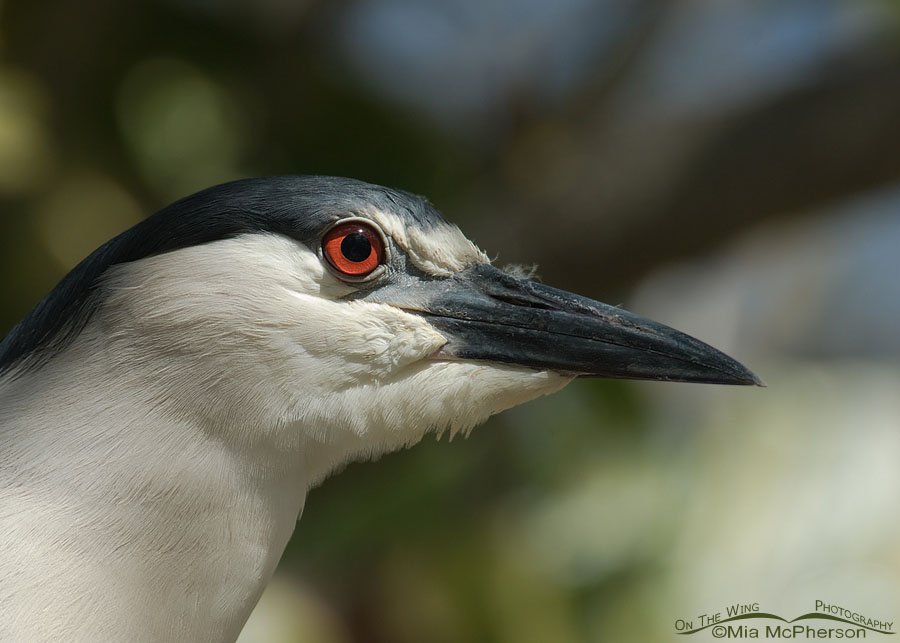
Since I moved to Utah I have never been able to get as close to Black-crowned Night Herons like I was able to approach this bird in Florida.
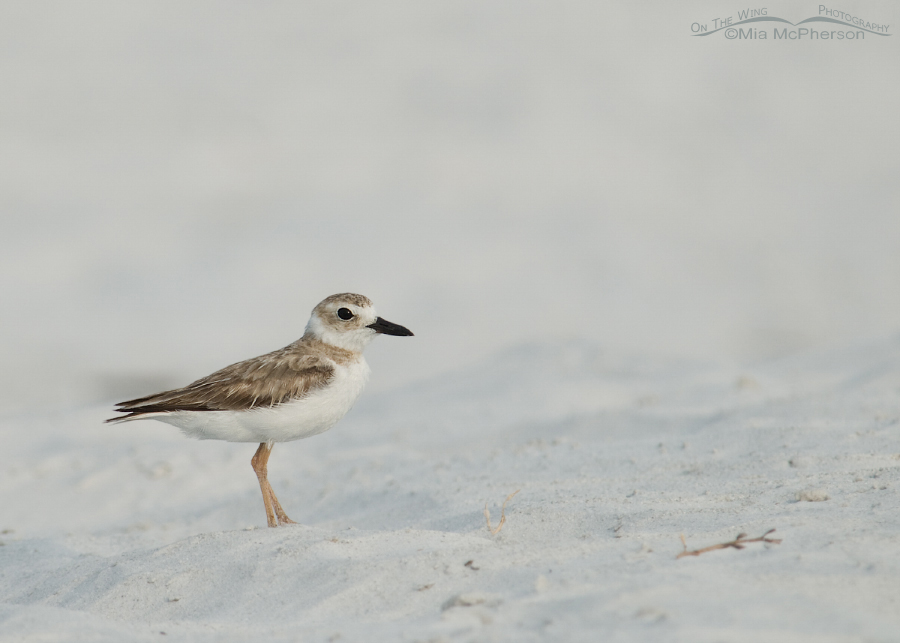
This juvenile Wilson's Plover was in the company of an adult bird and both of them were scurrying along some vegetation on the north beach of Fort De Soto.
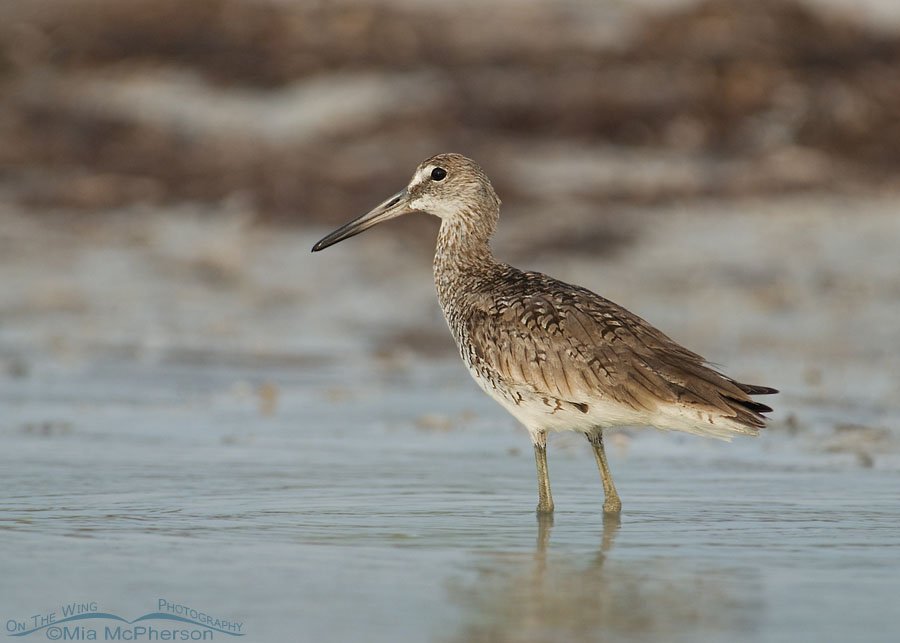
The Willet is thought by many people to be a "plain brown bird" but I find their subtle coloring quite appealing whether they are in breeding or nonbreeding plumage.
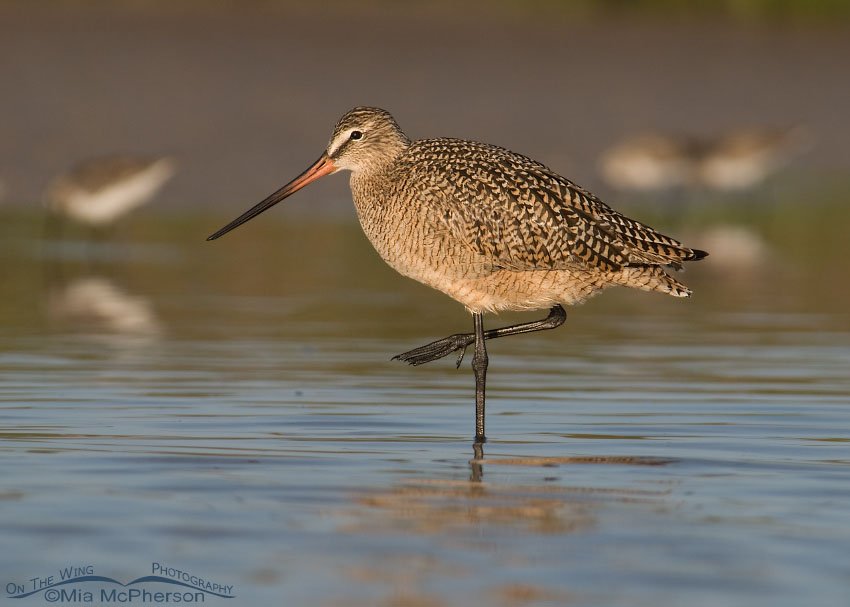
Marbled Godwits are graceful birds while on the ground, feeding and in flight.

Auto levels in Photoshop must be used with a light touch. Using auto levels can create too much contrast in an image, can cause color casts, it can brighten an image too much, it can strip the light and can make some images look very unnatural.

One of the easier medium-sized shorebirds to identify on Fort De Soto's beaches and tidal mudflats are the Ruddy Turnstones. The only other turnstone that frequents North America is the Black Turnstone and it occurs on the Pacific coast.

Proper rotation can make an image work. Improper rotation can cause the the person viewing to wonder what isn't right about an image.

Throughout the year you can see and photograph many different species of Plovers on Fort De Soto’s beaches, tidal lagoons and spartina marshes.
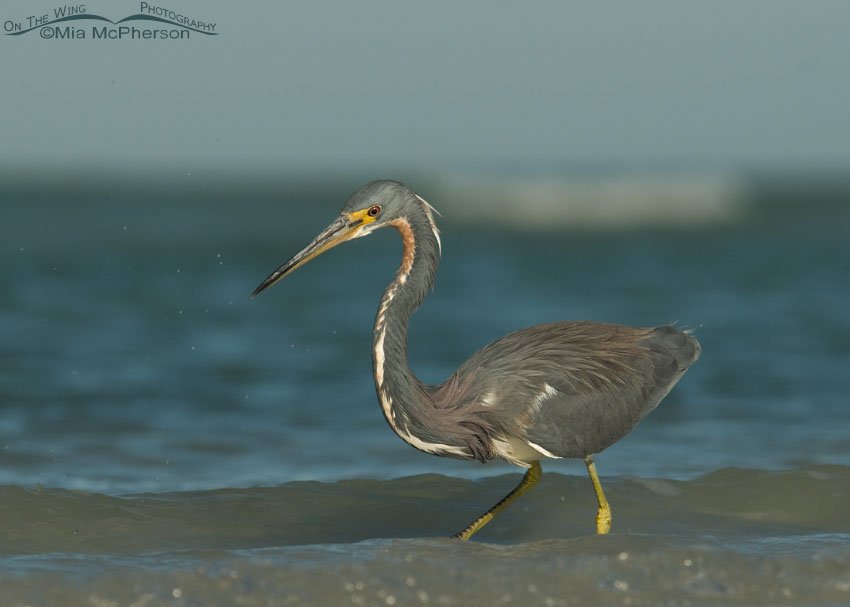
Another one of my favorite wading birds is the Tricolored Heron, a bird that used to be called the Louisiana Heron. It can be found in estuaries along the Atlantic and Gulf coasts, in inland freshwater marshes in Florida.

Great Blue Herons are North America's largest heron and one of the three largest herons in the world.

On several occasions I have seen and photographed Laughing Gulls that have strange colored markings on their bills and legs. I have assumed that they are partially leucistic though I could be wrong.

As a bird photographer it can some times be disheartening when you have great light, a wonderful setting and a beautiful specimen of a bird in front of your lens when you see the "jewelry" (bands) that some birds will be wearing.

Many people volunteer at bird rescue groups, donate time or money to help the injured birds. The rescue groups provide a safe haven for birds to recover before being released back into the wild.

It didn't take long for the Yellow-crowned Night Heron to grab the crab and send the sand flying.
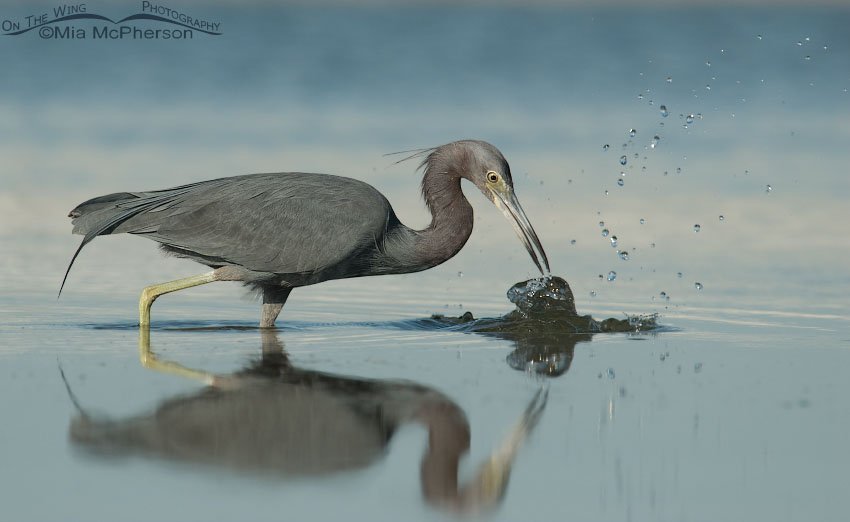
Each time I look at one of the images of this Little Blue Heron I have to smile and relish that amazing morning. Yes... some day are magic. I treasure each one.

Though I quite often photograph birds so that they are what is labled "frame filling" I also like to compose images that show the bird or animals small in the frame.

Nesting American Oystercatchers create simple scrapes on coastal beaches, dunes and salt marshes to lay their eggs in. They usually lay between 2-3 eggs around April to May.