Long-billed Curlews Are Back In Utah!
I saw my first of the year Long-billed Curlews two days ago on Antelope Island State Park flying overhead. They weren't close enough to photograph but I know that soon I will have them in my viewfinder again.



I saw my first of the year Long-billed Curlews two days ago on Antelope Island State Park flying overhead. They weren't close enough to photograph but I know that soon I will have them in my viewfinder again.

These Great Blue Heron photos were taken of the same bird, photographed at same location on the same day just one minute apart.

Laughing Gulls are commonly seen at Fort De Soto County Park but novices to birding and bird watching might think they are three different kinds of gulls depending on their age and plumage.

One of two species of oystercatchers in North America the American Oystercatchers quickly stole my heart after I first saw them because of their colors, long bills, pink legs and their Goth-like black toenails.

Shorebirds like this tiny Snowy Plover on a sugar sand beach were my "spark" birds when it comes to my bird photography and they are what made my passion for bird photography catch fire.
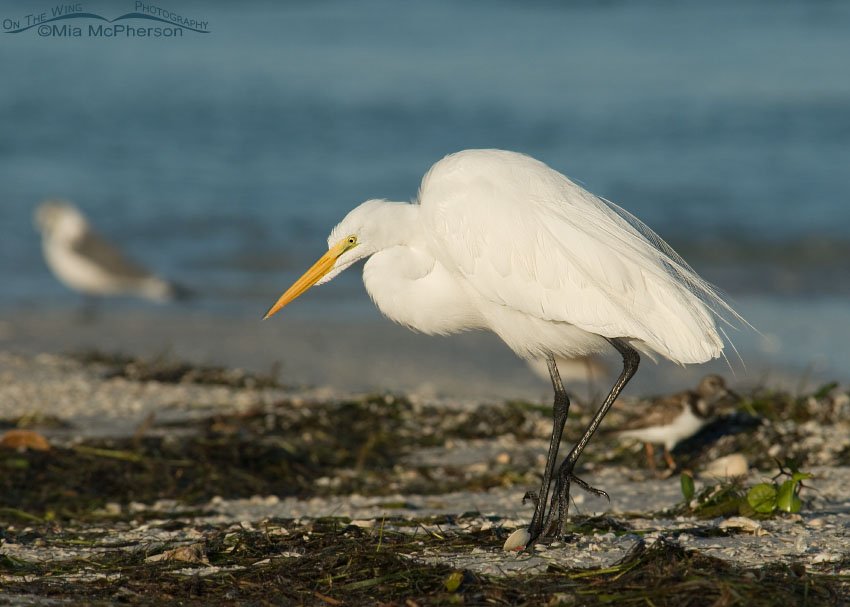
Five years ago today I photographed this Great Egret foraging in a wrack line along the Gulf of Mexico in Florida at Fort De Soto.

These Sandwich Terns were courting early one morning at Fort De Soto's north beach and even though the light wasn't "sweet" I felt their courtship behavior was interesting.

Of the six species of spoonbills only the Roseate Spoonbill is found in North America and it is the only Spoonbill that is so vividly colored.

Shorebirds; like this tiny Piping Plover I photographed on the shore of the Gulf of Mexico, are the primary reason I became addicted to bird photography.

I photographed this Snowy Plover one September morning in Florida and it was actually cool that day... for Florida.

Black Skimmers are known by several nicknames which include scissorbills, knifebill and cut-water for how their bills slice through the water when they are hunting and how their bills snap shut on prey.

A while back I did a post on the Least Sandpiper which is the world's smallest sandpiper so I thought I would do a post about North America's smallest plover, the Snowy Plover.

Laughing Gulls are quite noisy when they are in a flock but I never minded listening to them, in fact they often made me laugh.

In Florida I found it easy to get close up images of Great Blue Herons because quite often they are used to the presence of humans but here in Utah that isn't the case and Great Blue Herons are sort of skittish.

Five years ago today I headed to the north beach of Fort De Soto County Park despite knowing that there were looming storms off of the coast hanging just off shore over the Gulf of Mexico and I am glad that I did because the light that day on the beach was exquisite.

I like to include habitat in my images when I am able to do so, especially when the habitat doesn't obstruct the view of my subject or when the habitat helps to define a sense of place.

There are two subspecies of Willets which Western and Eastern, here in Utah I only see the Western subspecies but in Florida I could see both during the course of a year.

Five years ago today I was laying in the warm wet sands of Fort De Soto County Park's north beach as the salty water from the Gulf of Mexico soaked my skin while photographing a Ruddy Turnstone doing what they do best, turning things.

American Oystercatchers were among my favorite shorebirds to photograph at Fort De Soto County Park's north beach when I lived in Florida.
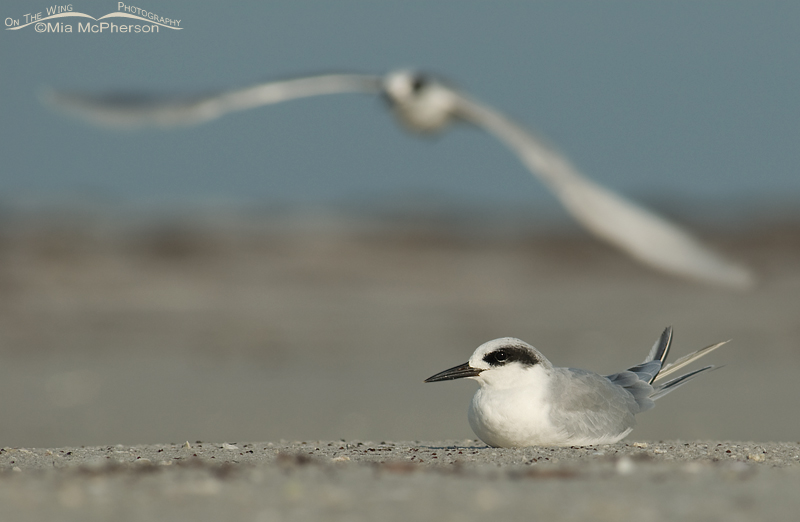
This Forster's Tern image was taken several years ago on Fort De Soto County Park's north beach while it was resting on the sand as another tern was flying towards us both.
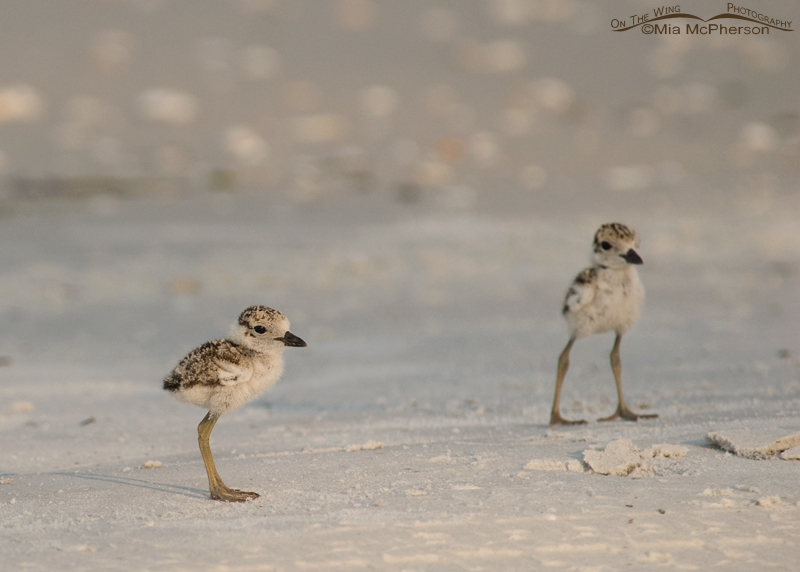
I enjoyed my brief, long distance opportunity to photograph and observe these Wilson's Plovers and chicks, it was a small window into their life.

I photographed this Ruddy Turnstone in early morning light at Fort De Soto County Park in Florida several years ago as it stood on the sandy beach.

This photo shows a Roseate Spoonbill and Wood Stork on the shoreline of a tidal lagoon at Fort De Soto County Park in Florida and it shows how the Wood Stork can dwarf the Roseate Spoonbill in height.

Since I moved to Utah I think of Long-billed Curlews as my personal harbinger of spring.
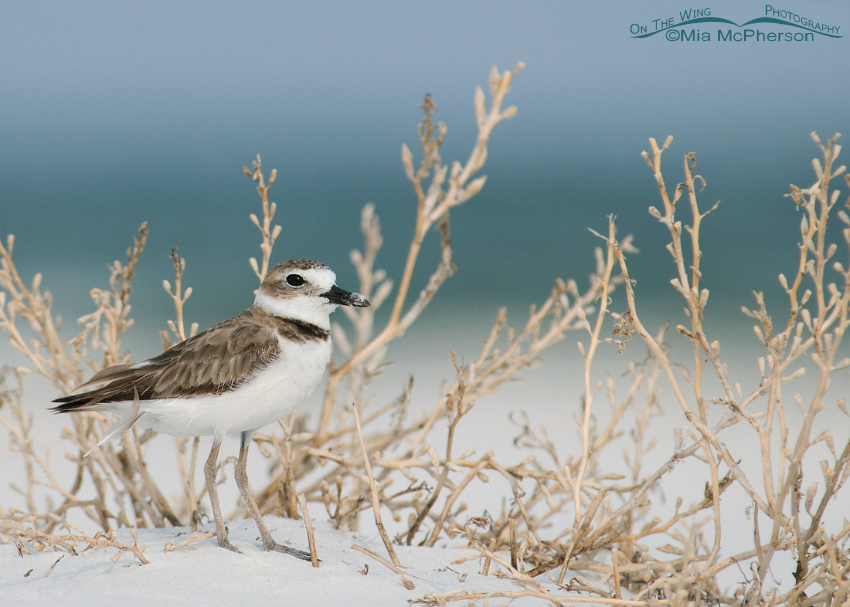
This Wilson's Plover and its mate were being run ragged chasing after the two chicks they had fledged, this adult stopped in front of me where I had laid down in the sugary white sand and rested a few moments in the dried Sea Purslane stalks.

Sanderlings look very different in appearance during breeding season and winter and novice birders might even think they are two different species.

Since winter has thus far decided to stay in more northern latitudes and higher elevations I decided to post an image of a Long-billed Curlew taken in southern, sub-tropical climes a few years ago.
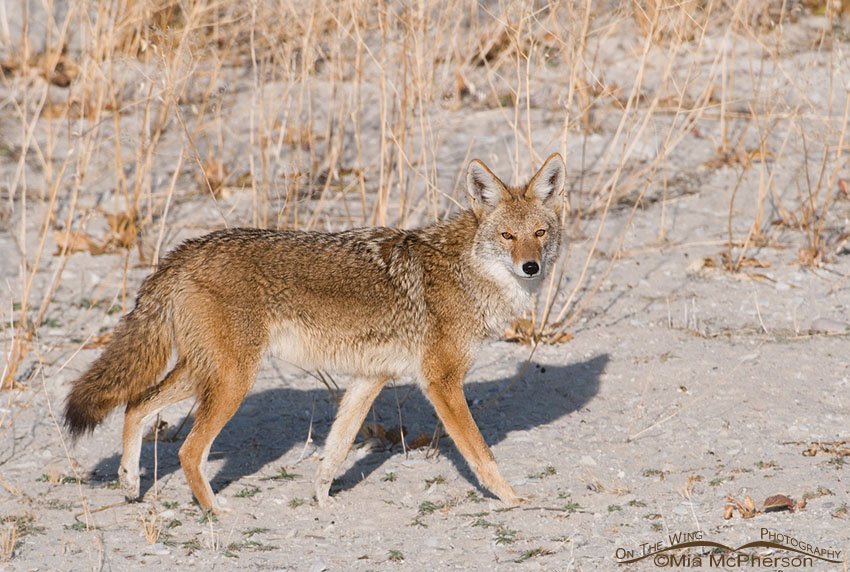
I hope that no one is getting sick of my Coyotes images. I took this Coyote photo two days ago as it walked on a Great Salt Lake beach.

While photographing this Snowy Plover in June of 2008 I was able to observe the tiny shorebird snatch an ant from the sugar sand of the north beach of Fort De Soto.

I don't get to see or photograph Oystercatchers here in Utah but I still dream about these shorebirds and can hear their calls when I look at the thousands of images I took of them.