Gray Catbirds with Black Twinberry Honeysuckle Berries
I'm going to keep trying to obtain better photos of the Gray Catbirds with the Black Twinberry berries and perhaps before long the catbirds will bring their young to feast on these berries too!



I'm going to keep trying to obtain better photos of the Gray Catbirds with the Black Twinberry berries and perhaps before long the catbirds will bring their young to feast on these berries too!

Gray Catbirds aren't flashy and except for the spot of cinnamon colored feathers under their tails they are mostly an overall gray with a black cap. While their appearance isn't dazzling the variety of songs they sing certainly can be.

I enjoyed my time yesterday morning photographing the Gray Catbird and the Hound's Tongue in bloom but I really wish I had been as happy with my catbird photos as I am the wildflower images.

I can barely wait to see my first Sage Thrasher of the year warming up on a rock in front of the Great Salt Lake, scurrying along on the ground, perched on top of sage or rabbitbrush singing or displaying.

I was delighted to be able to photograph a Gray Catbird in a willow thicket yesterday up in a canyon in the Wasatch Mountains.

Gray Catbirds are related to mockingbirds and thrashers and are in the family Mimidae and all of them are noted for their vocalizations and their ability to mimic a wide variety of bird songs and calls and human made sounds.

Yesterday I had an immature Sage Thrasher get so close to me that I was able to take portraits of it as it perched out in the open.

This Sage Thrasher and Lark Sparrow on rabbitbrush are only two of the birds that benefit from the rabbitbrush on Antelope Island.

I didn't get to see Greater Sage Grouse on my recent trip to southern Utah but I did get a few brief looks at another sagebrush obligate when a single Sage Thrasher popped up into view.
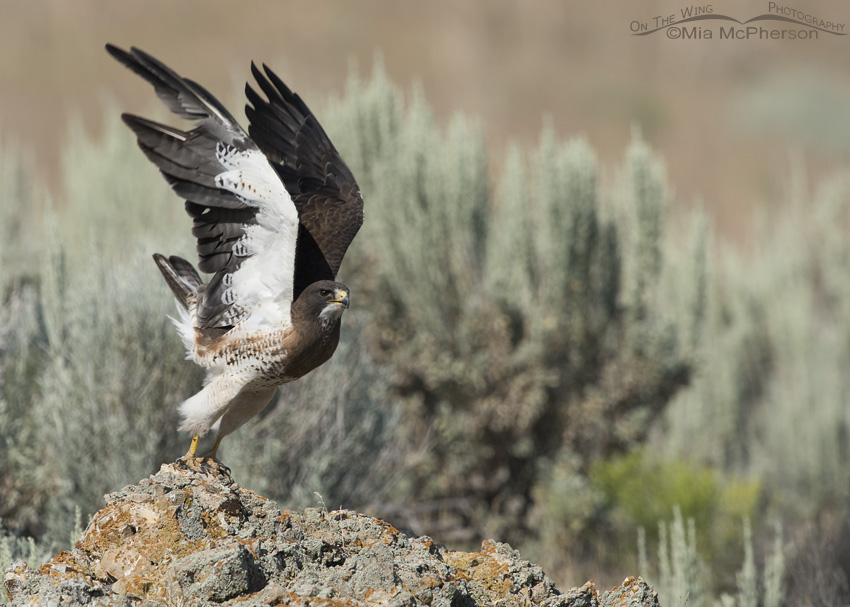
I am always happy to photograph Swainson's Hawks no matter where I find them so I was pleased to find this one perched on a lichen covered rock yesterday in Box Elder County, Utah.
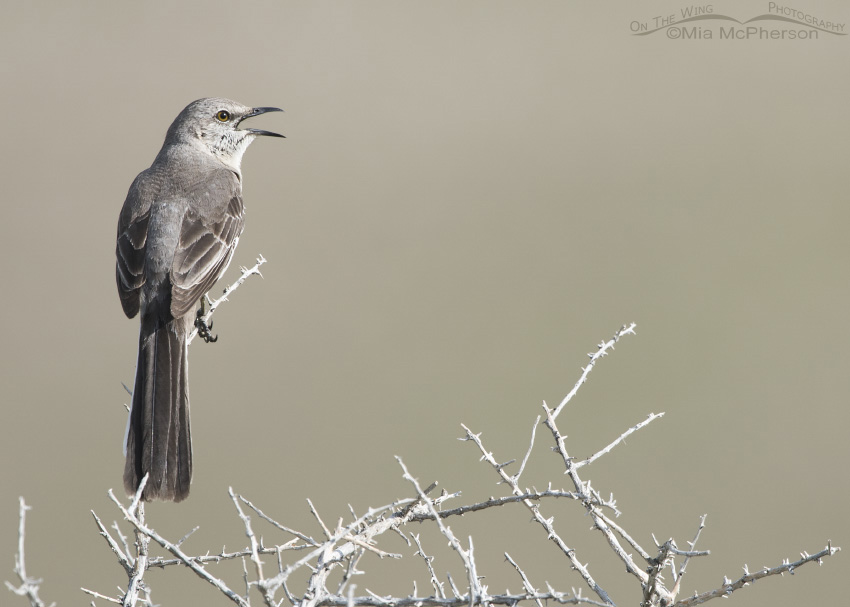
It was nice to photograph this Northern Mockingbird singing in between the clouds and rain yesterday on Antelope Island State Park.

Yesterday I had my first opportunity to photograph a Sage Thrasher with nesting materials in its bill on Antelope Island State Park.

Can the disappearance of Sagebrush Seas be stopped? Yes, it could be but we need lawmakers that believe in science and act on it.
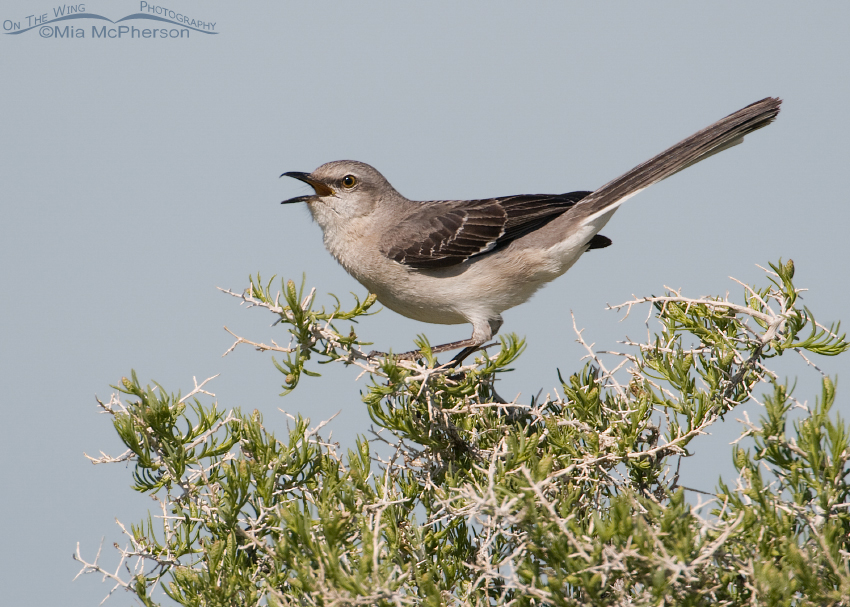
When I lived in Florida I saw Northern Mockingbirds all the time but they are not so common here in Utah and typically I only see a pair or two during the whole breeding season.

Sage Thrashers are considered sagebrush obligates meaning that they require sagebrush for some part of their life cycle and for the Sage Thrashers in Utah that means they need it during the breeding cycle.

There are Sage Thrashers aplenty on Antelope Island State Park right now and they have been thrashing, dashing and singing their little hearts out the last three trips I have made out to the island.
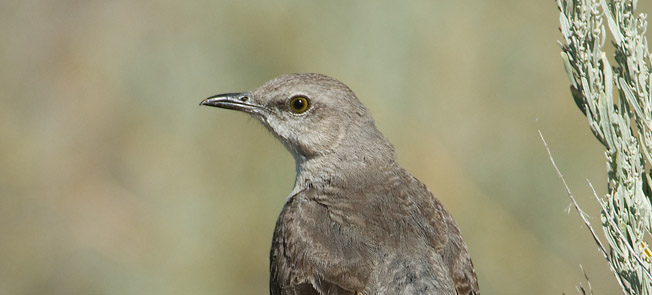
A Loggerhead Shrike flew into a sagebrush and right after that I could hear a bird that sounded upset. The upset bird was this Northern Mockingbird.