Female Short-eared Owl Stretching One Wing
I really liked this frame of the female Short-eared Owl stretching on a leaning fence post because of the eye contact, the view of her talons, fanned out tail and extended wing.



I really liked this frame of the female Short-eared Owl stretching on a leaning fence post because of the eye contact, the view of her talons, fanned out tail and extended wing.

How could I resist taking images of a fledgling Short-eared Owl in tumbleweeds? I just couldn't.

I know that blurs aren't everyone's cup of tea but I have grown quite fond of this beautiful, shaking, Short-eared Owl blur.

It felt amazing to be alone with these northern Utah Short-eared Owl chicks for a few brief moments yesterday.

Yesterday morning while in Box Elder County I was delighted to photograph a Western Kingbird with a Hint of Black Mustard in the background as it perched on a fence near the road.
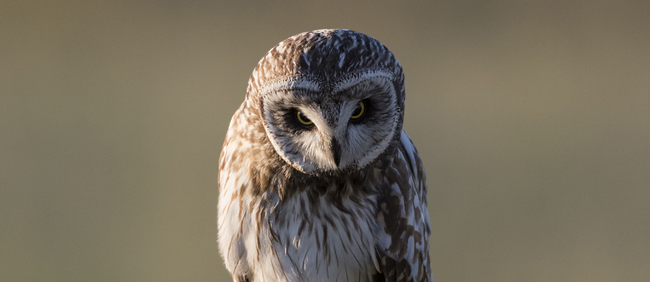
I liked this image of the side lit Short-eared Owl more than I thought I could.
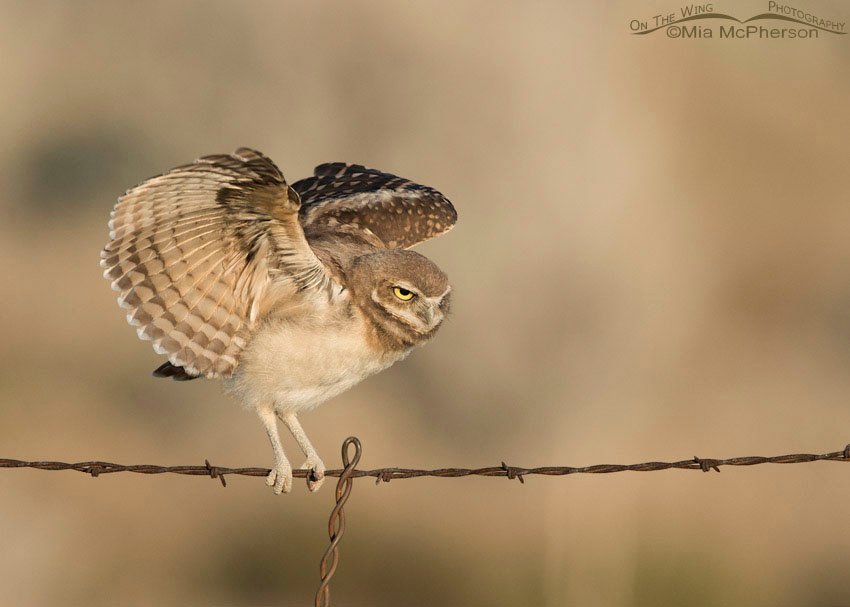
I photographed this juvenile Burrowing Owl balancing act last year in northern Utah not long after the sun came up

I am not sure why the Red-tailed Hawk lifted off with nesting material in its bill from the nest, maybe the hawk felt that piece of nesting material wasn't suitable.
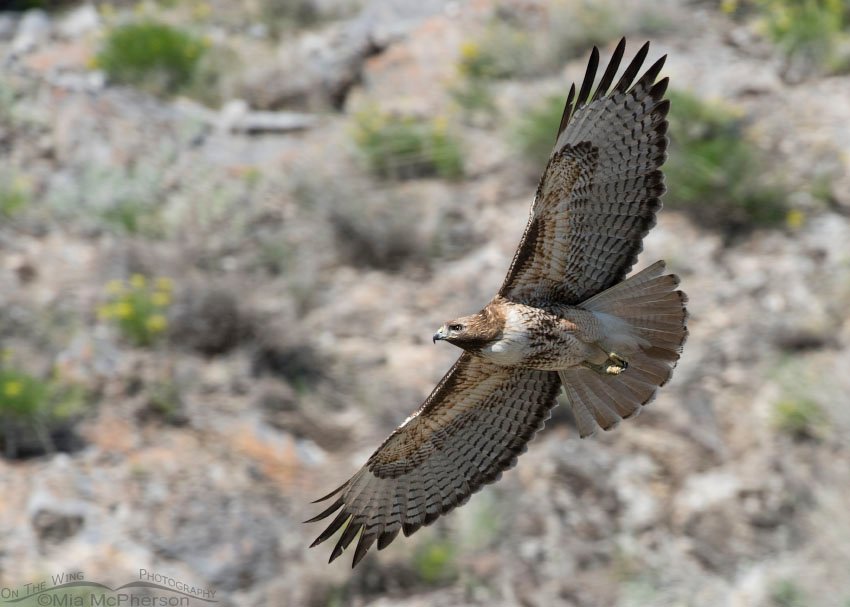
This banking Red-tailed Hawk is one of the pair that are busy building their nest and making nearby forays to find nesting materials.
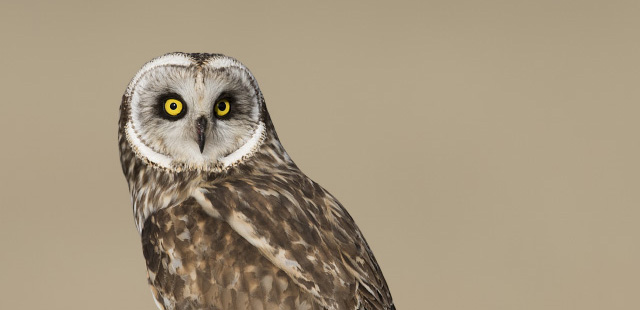
This image shows a Short-eared Owl nictitating membrane that is partially exposed. The dark line near the center of the eye is the edge of the nictitating membrane.

I was able to take quite a few images of a very cooperative first spring Northern Harrier that was perched on an old post next to the road in Box Elder County.
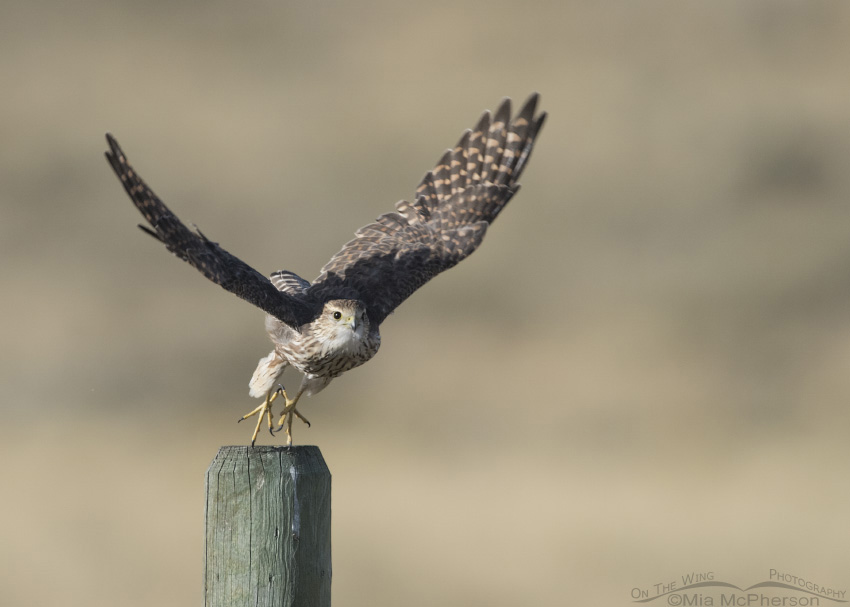
Last September I was able to observe and photograph a Merlin in southwestern Montana over a period of several days.

There are always exceptions. So yes, Red-tailed Hawks do sit on wires and that is one rule of birding to discount.
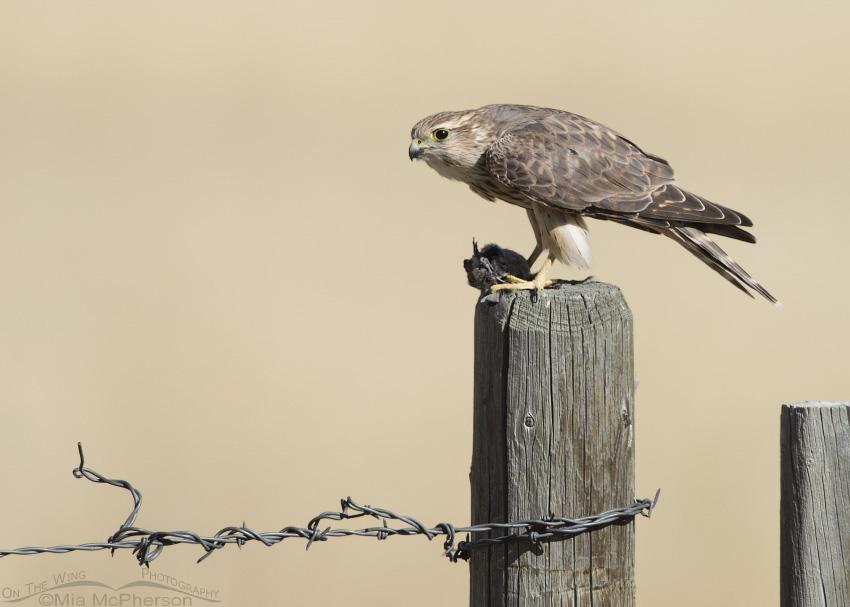
I don't often have the opportunity to photograph Merlins so I was plenty excited to find one yesterday on the South Valley Road in the Centennial Valley that stuck around for a bit!

I was in far northern Utah yesterday and saw the hawks I expected to see but finding this Great Horned Owl was a bit of a surprise since I wasn't looking for Great Horned Owls.

When I looked at this Burrowing Owl image on my monitor I had to chuckle because in a strange way it reminded me of myself when I first dove off of a 10 meter platform and how my toes were the last to let go.

Last week I posted an image of Burrowing Owl siblings that I found in northern Utah and today I am posting images of that burrow after spending yesterday morning being delighted by them once more.
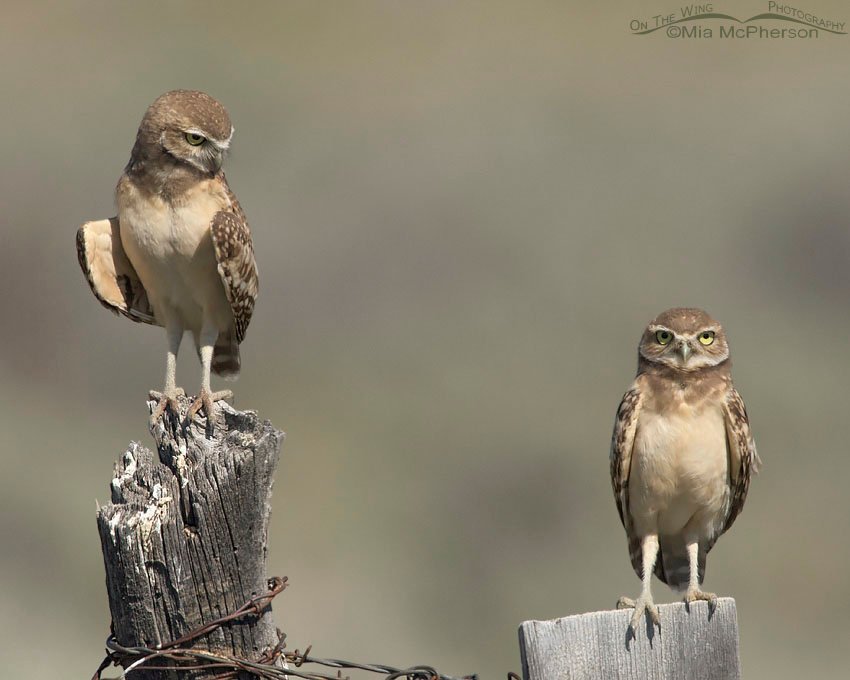
Yesterday while wandering around in northern Utah I spotted an adult and then 5 sibling Burrowing Owls also showed up to perch on an old fence line.

I only have time for a quick post this morning and decided to post one of the migrant kingbirds I look forward to seeing every year, an Eastern Kingbird.
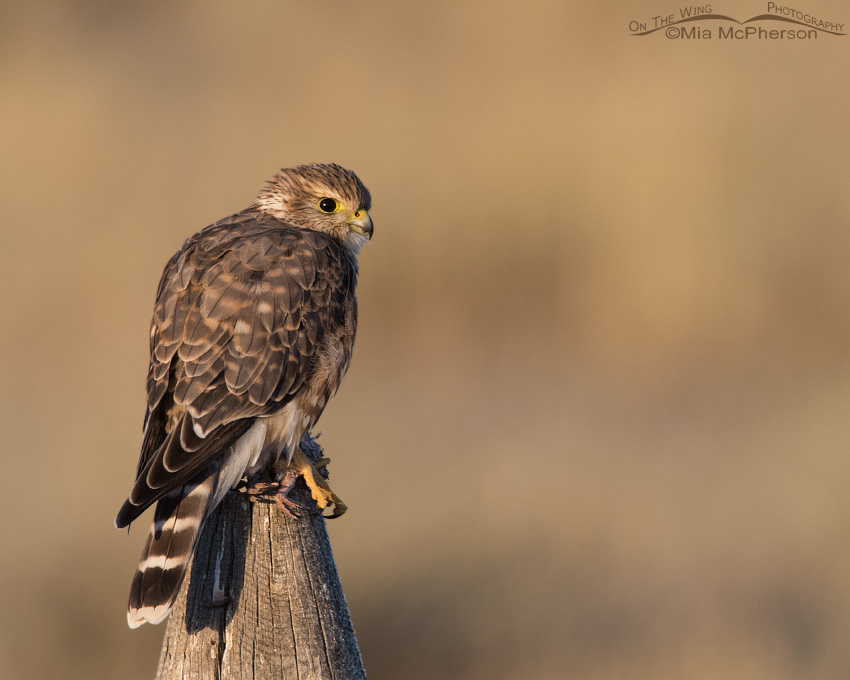
I saw a fleeting glimpse of a bird a few days ago that I suspect was a Merlin that migrated to winter here in Utah and it inspired me to post a few Merlin images today.
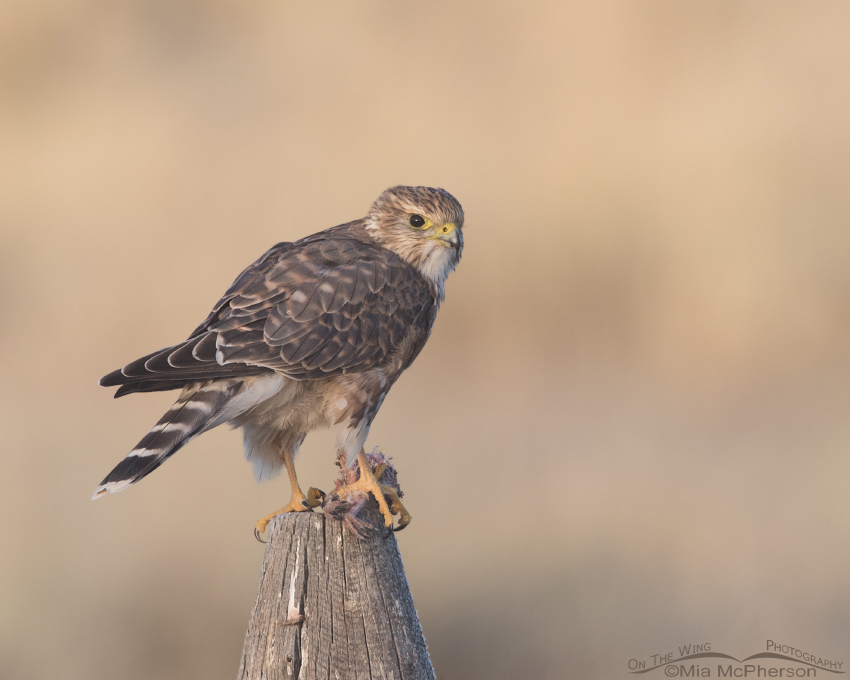
Earlier this month I had the opportunity to photograph a Merlin two mornings in a row in the Centennial Valley of Montana, once in low light and once as a fog rolled in.
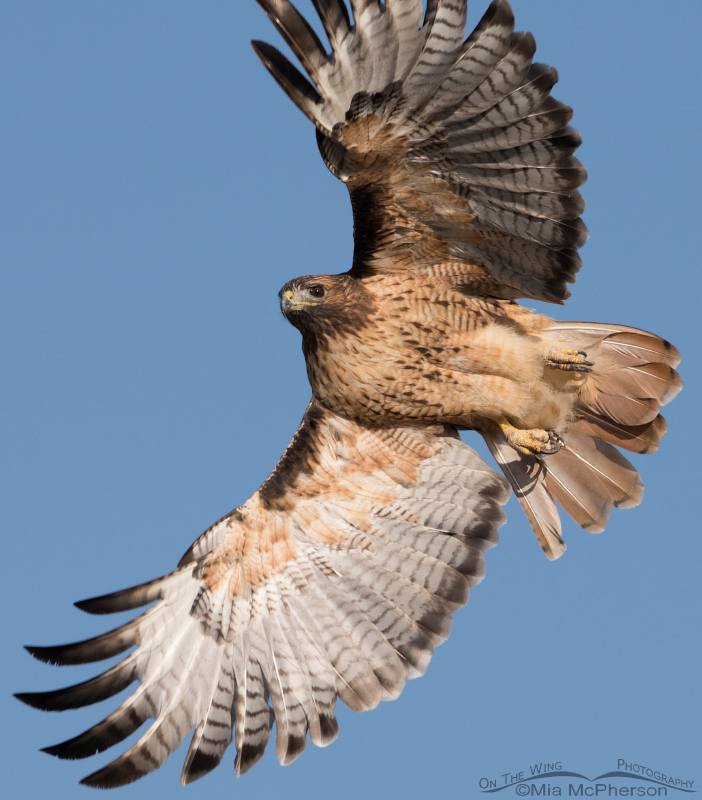
There are times when the birds I want to photograph are too far away and then there are times when the birds get too close, this Red-tailed Hawk got too close.
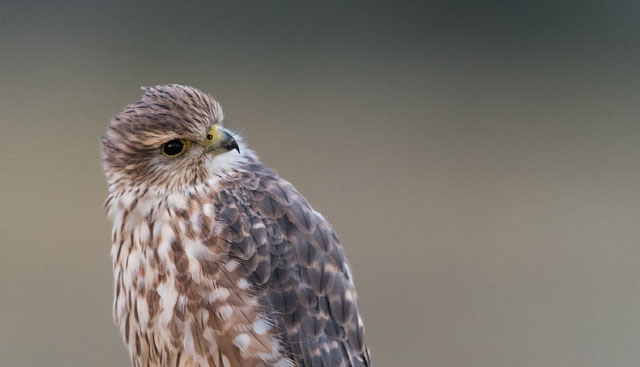
Just a short Merlin post today from my Montana trip, a teaser for the images I will soon be posting.
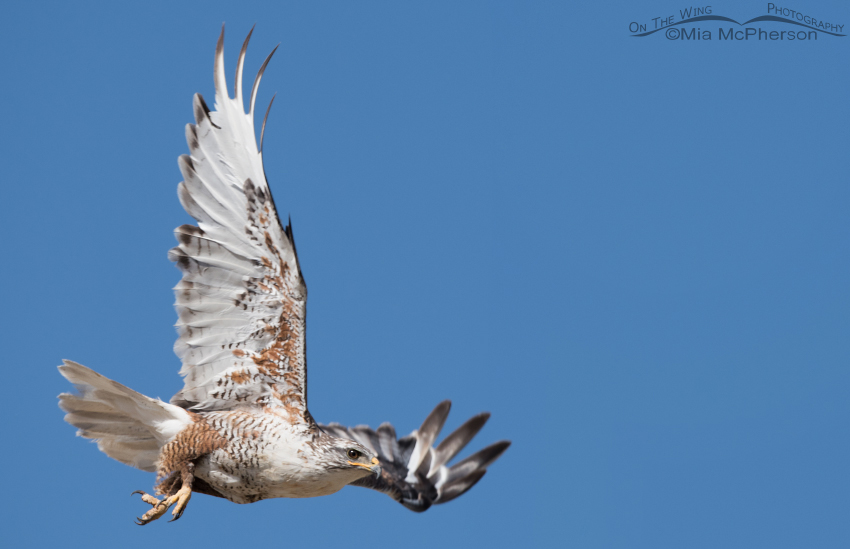
I think all raptors have a ferocious appearance but this Ferruginous Hawk definitely looked ferocious to me yesterday right after it lifted off from its perch high on a pole.
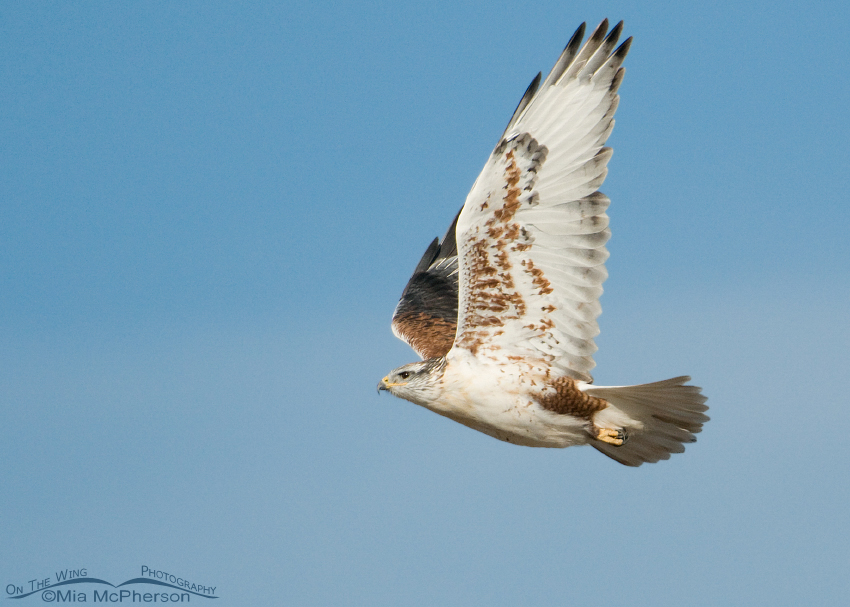
Ferruginous Hawks are the largest hawk in North America which are only found in Canada and the United States and recent DNA analysis suggests that Ferruginous Hawks may be closer to Eagles in taxonomy than that of a hawk.
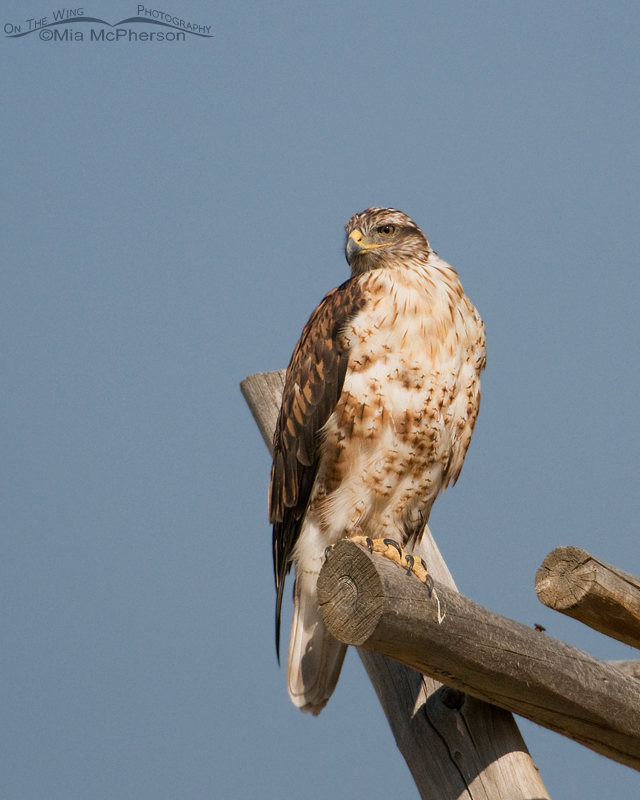
Ferruginous Hawks fascinate me, they are large, handsome and regal raptors. This one just appears to me to be surveying its kingdom from the top of a ranch gate in the Centennial Valley.

The scientific name of Eastern Kingbirds is Tyrannus tyrannus, Tyrannus means "tyrant" and they are well named because they will harass any bird that comes near their nests including crows, ravens and much larger birds like hawks.

I always look forward to seeing and photographing Eastern Kingbirds (Tyrannus tyrannus) during the warmer months of the year. I was fortunate to see a few yesterday at Bear River Migratory Bird Refuge in northern Utah.