Snowy Great Egret
I was thrilled to have this big, white wading bird where I could take photos of it in what was on that day a winter wonderland.


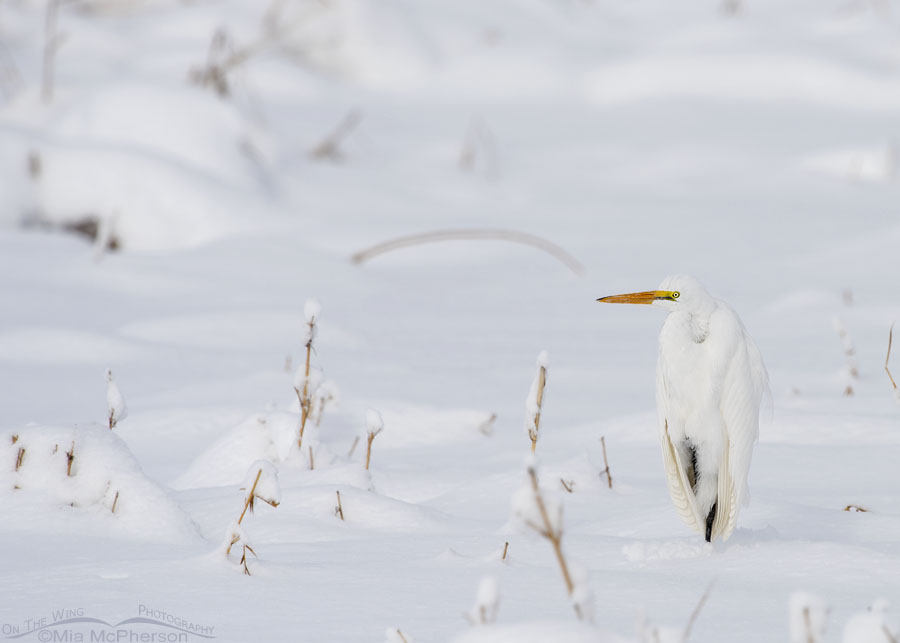
I was thrilled to have this big, white wading bird where I could take photos of it in what was on that day a winter wonderland.
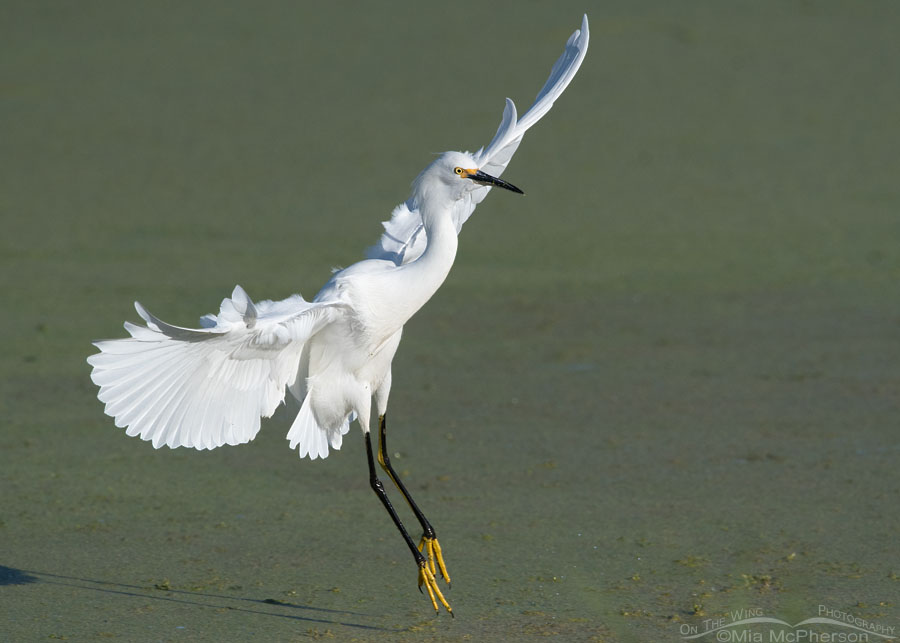
These nine Snowy Egret photos are just a fraction of the images I took of a small flock of these snowy, white birds with golden slippers yesterday morning on the marshes of Farmington Bay WMA.
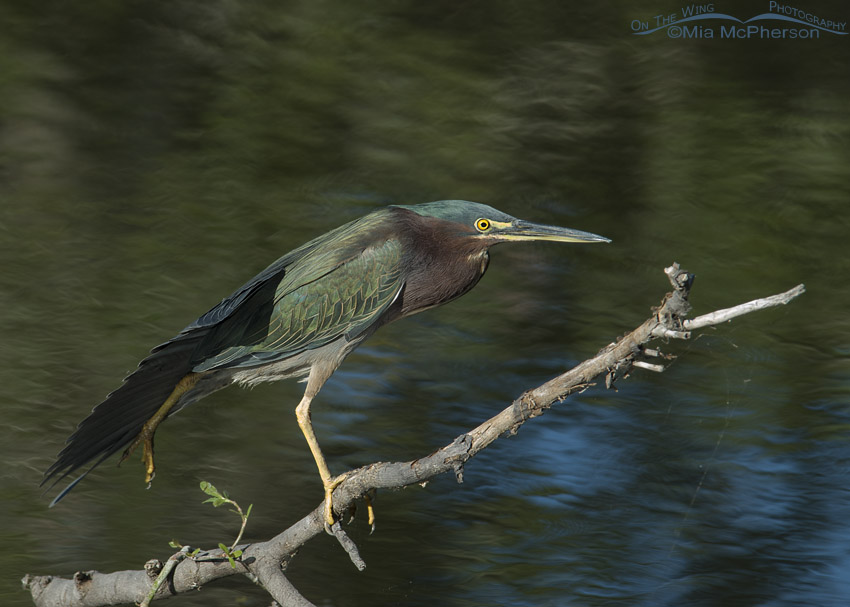
This Green Heron was photographed from and elevated boardwalk at Sawgrass Lake Park, it had been preening when I walked slowly up to it and when it stretched its wing I took this image.
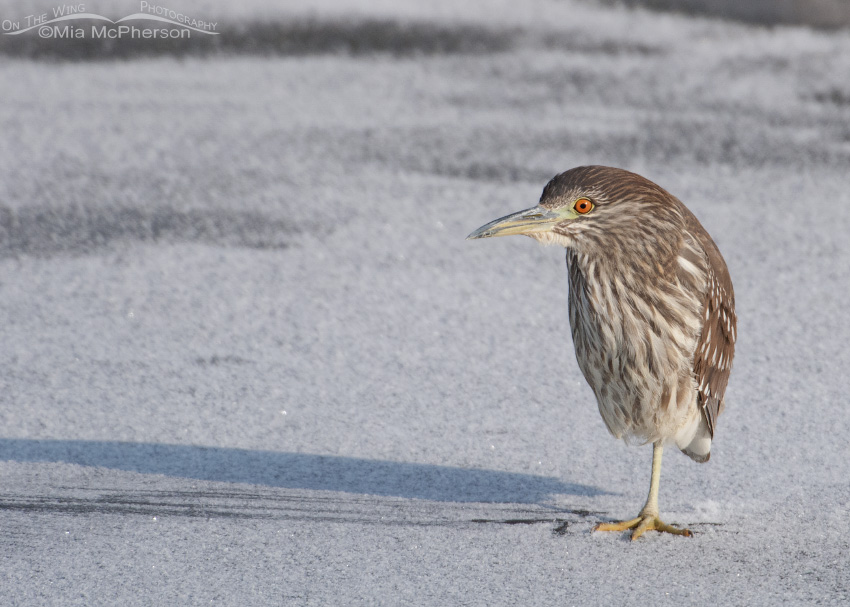
On a January morning in 2013 I photographed this juvenile Black-crowned Night Heron on ice for about a half an hour at Farmington Bay.
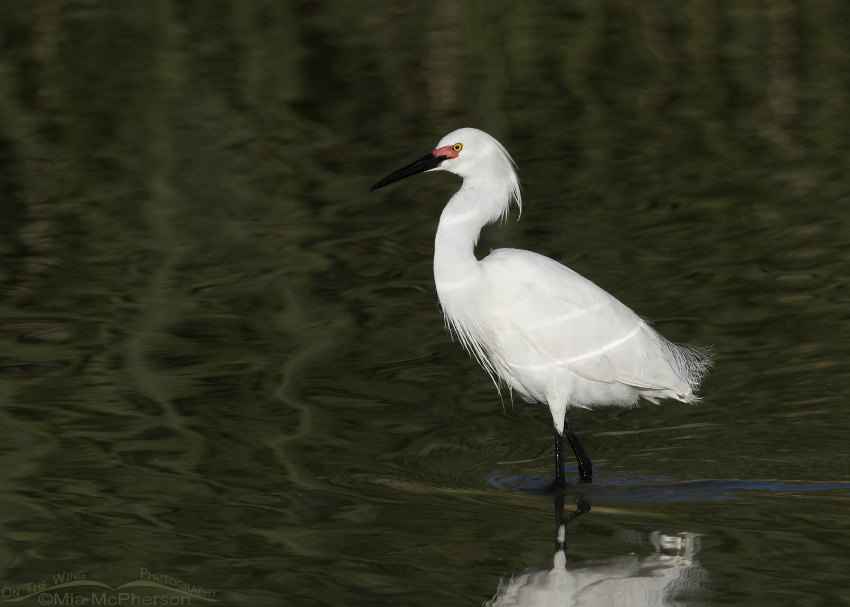
Mornings this time of the year at Bear River Migratory Bird Refuge are cool, delightful and early on the subjects can appear to glow from the soft light like this Snowy Egret.
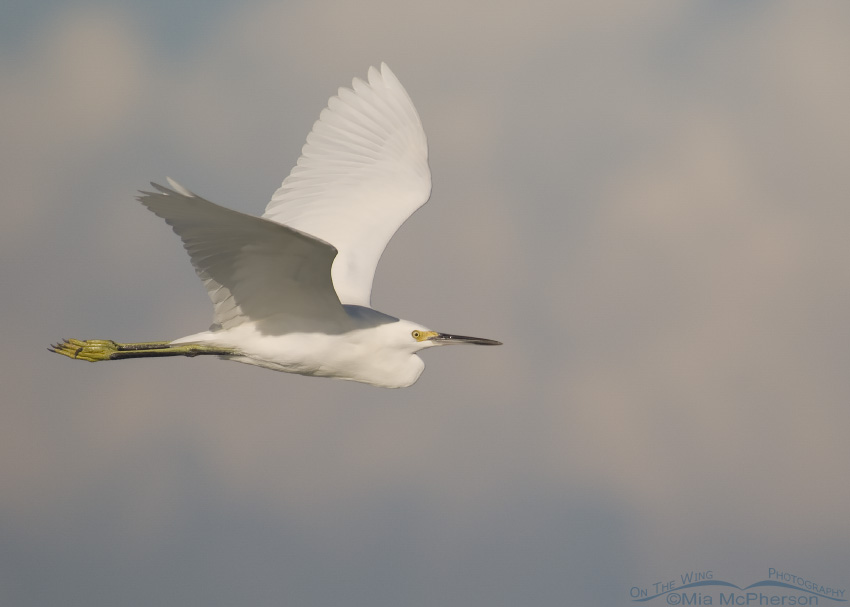
I'm hoping to add images of Snowy Egrets to my portfolio this summer that might be taken at Farmington Bay WMA or up north at Bear River National Wildlife Refuge.

The best light can be fleeting though so it is always best to photograph as much as you can during the "golden hours".
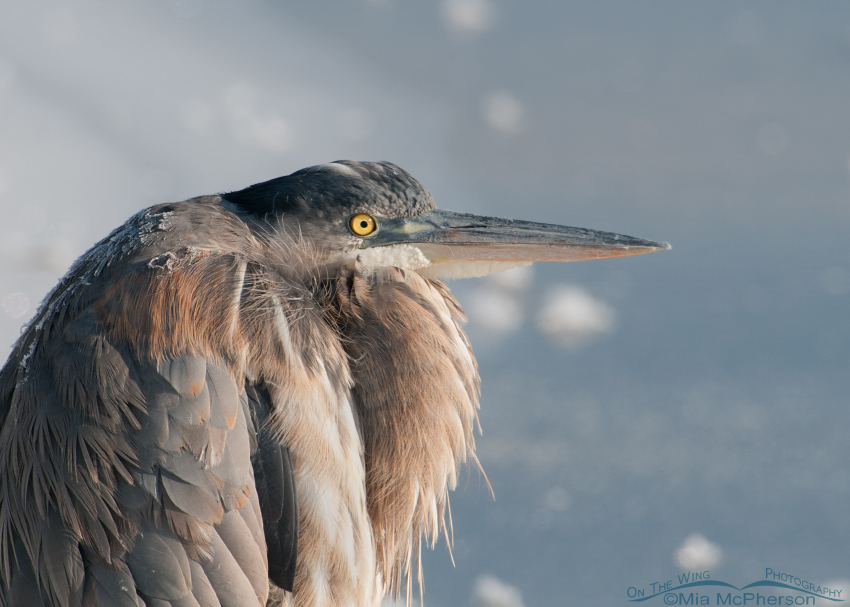
Last December I photographed this Great Blue Heron as it hunkered down against the brutal cold at the edge of the water in a marsh.
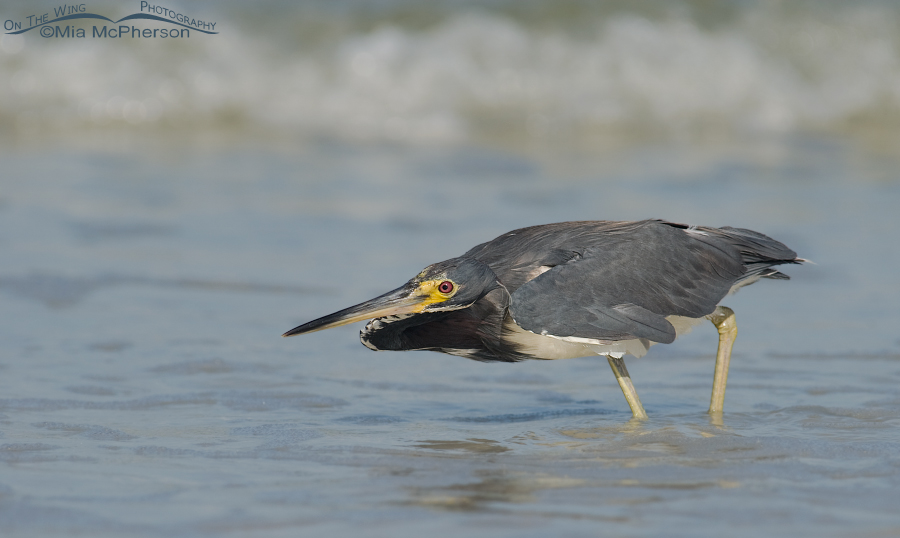
Tricolored Herons use many foraging behaviors to obtain their prey including walking quickly then crouching before stabbing their prey.
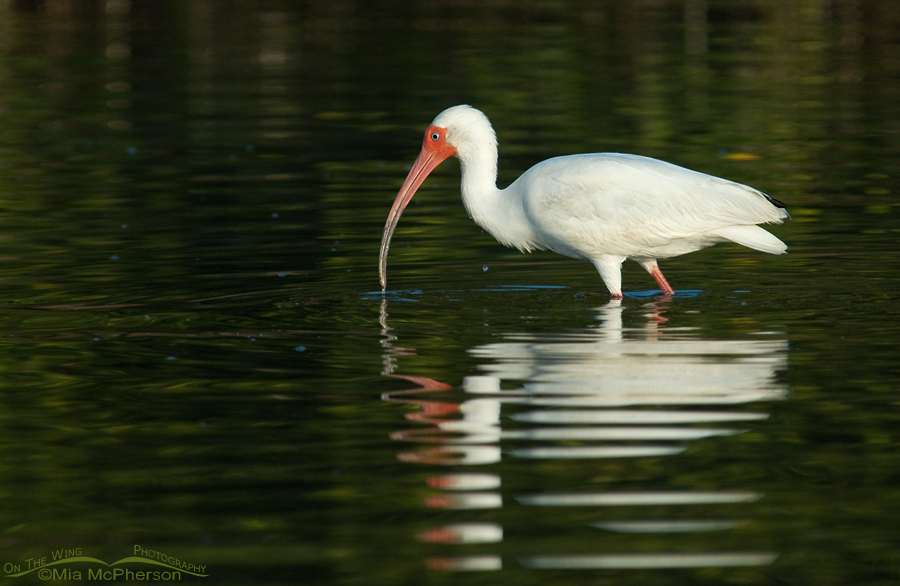
When I lived in Tampa, Florida the Whites Ibises were often called "Lawn Chickens" because they would feed in people's yards in big flocks.
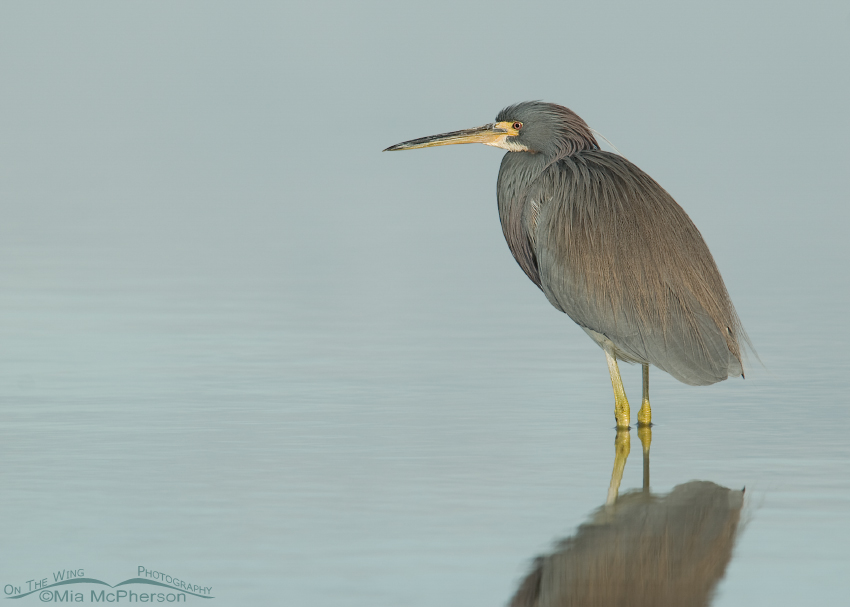
There is a quality that feels very tranquil about this Tricolored Heron image for me. It may be the still, silky texture of the water or the soft pastel color of the water created by the early morning light.
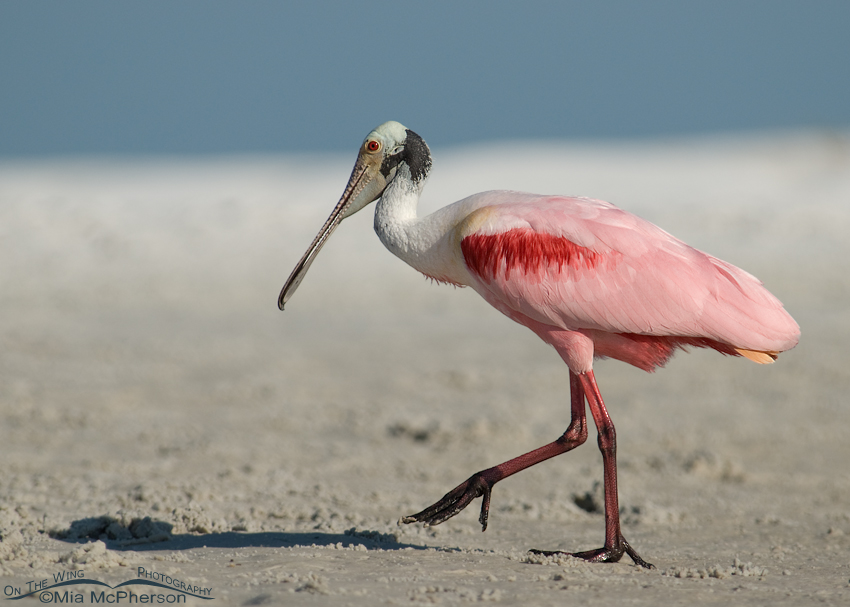
Of the six species of spoonbills only the Roseate Spoonbill is found in North America and it is the only Spoonbill that is so vividly colored.
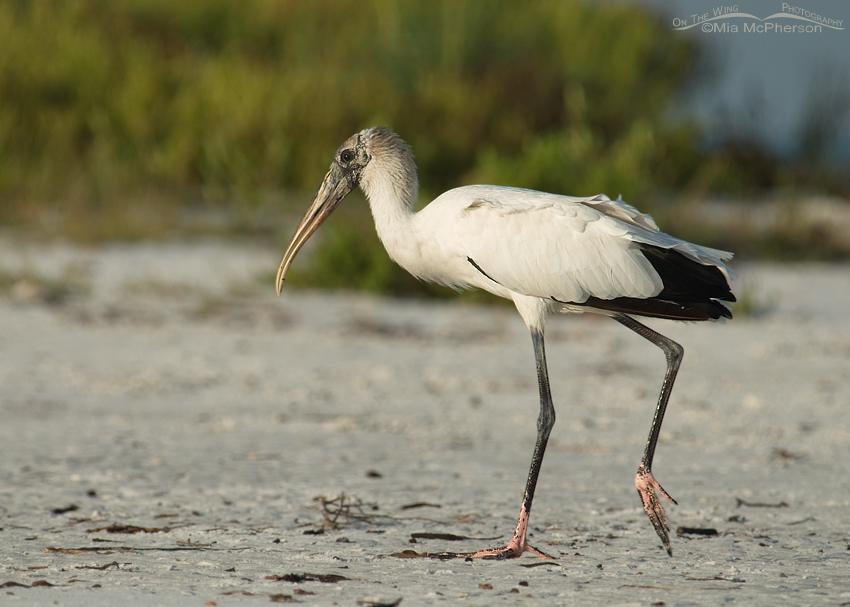
This photo shows a Roseate Spoonbill and Wood Stork on the shoreline of a tidal lagoon at Fort De Soto County Park in Florida and it shows how the Wood Stork can dwarf the Roseate Spoonbill in height.
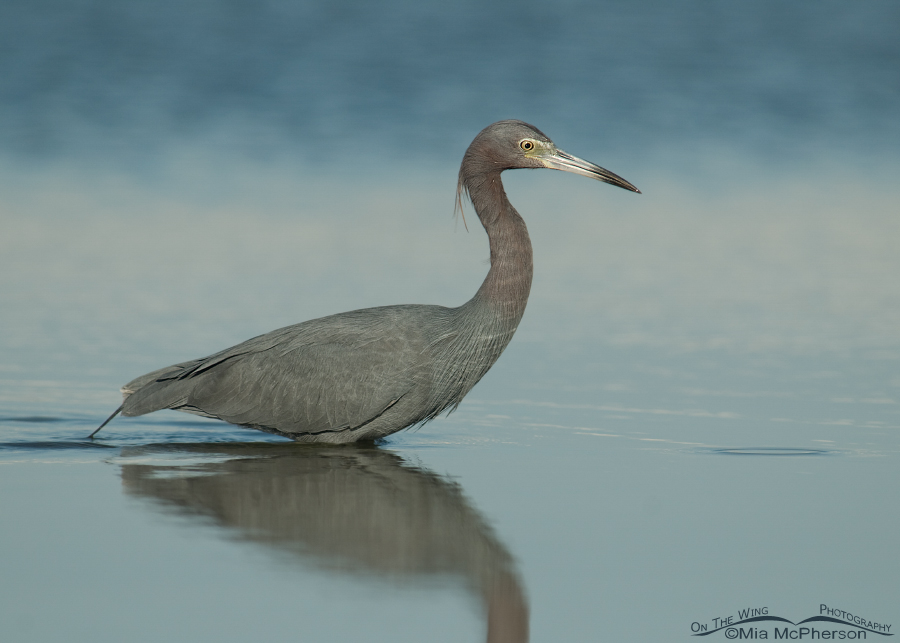
I don't know how much snow fell over night here in the Salt Lake Valley because it is still dark outside and while I am truly not "blue" about it I thought some images from warmer times of a blue bird might be in order for a Monday.
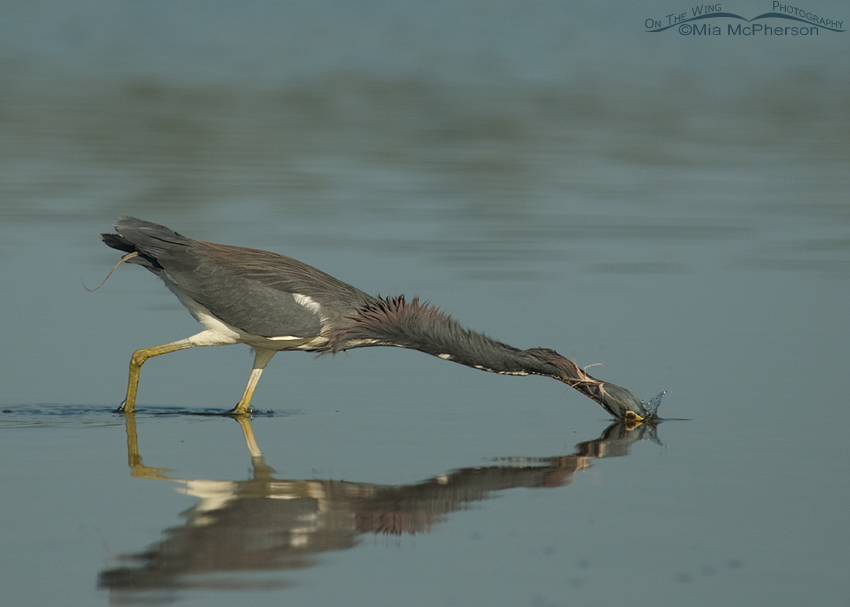
I am intrigued by how these herons evolved to have long necks that give them the ability to make lightning fast strikes at their prey some distance from their bodies.
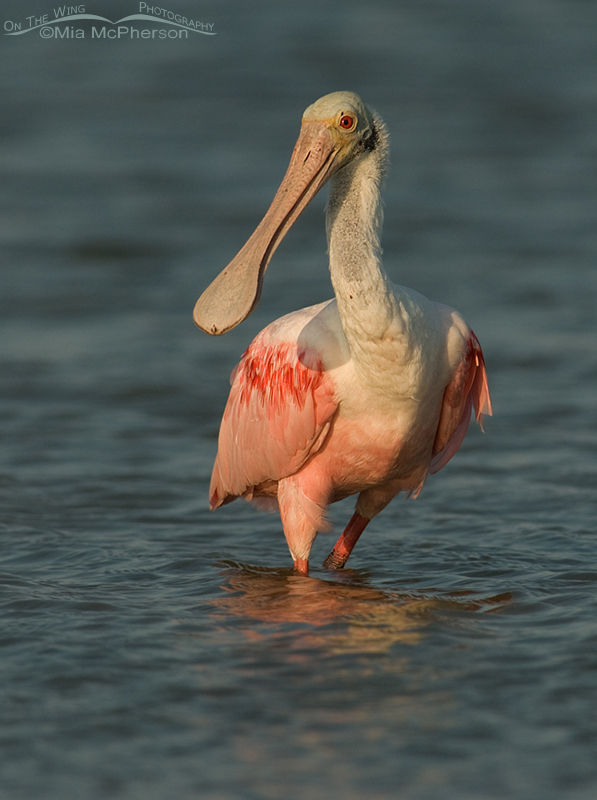
Evening can have marvelous light too though as shown in the Roseate Spoonbill image above that I photographed in Florida as it hunted for prey in a tidal lagoon.
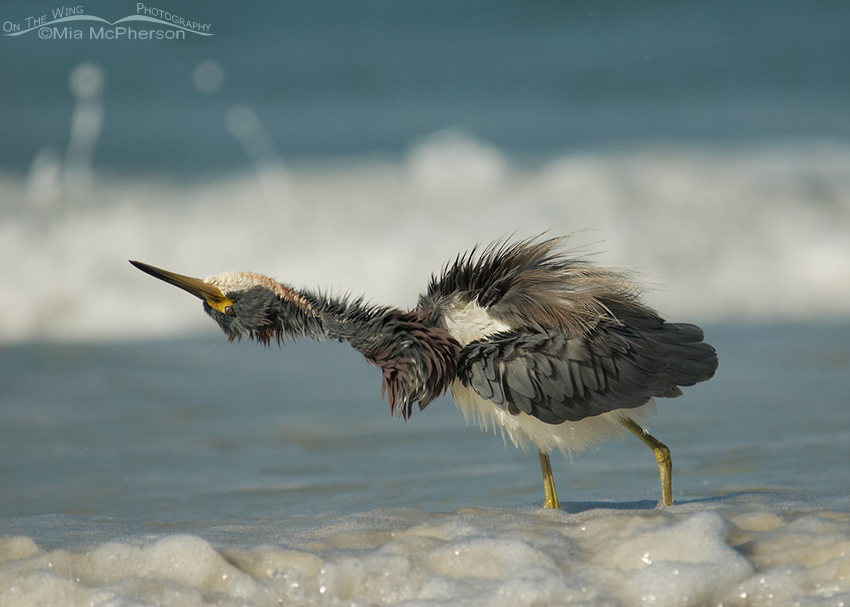
Maybe the Tricolored Heron thought Monday might look better upside down? Just a bit of humor for a Monday.
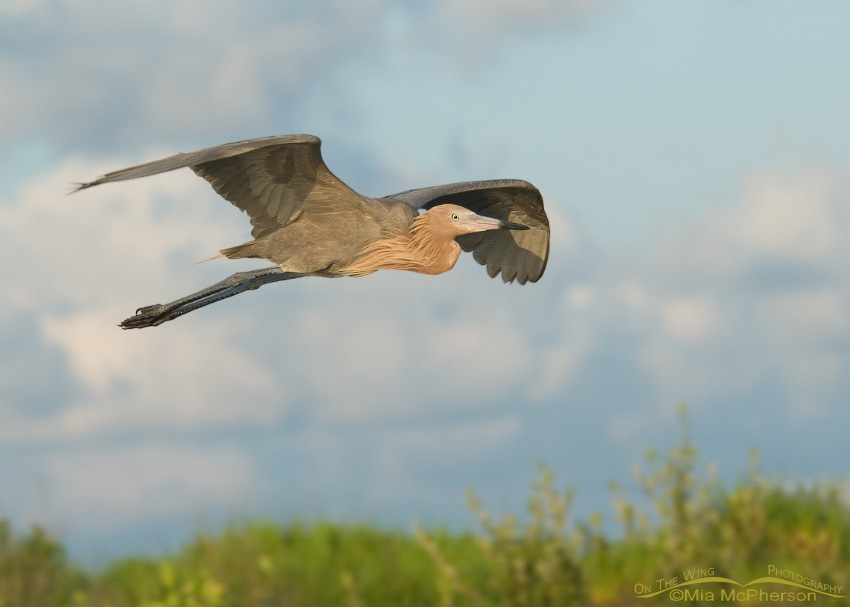
Just a very simple image today of a Reddish Egret (Egretta rufescens) flying over some sand dunes.
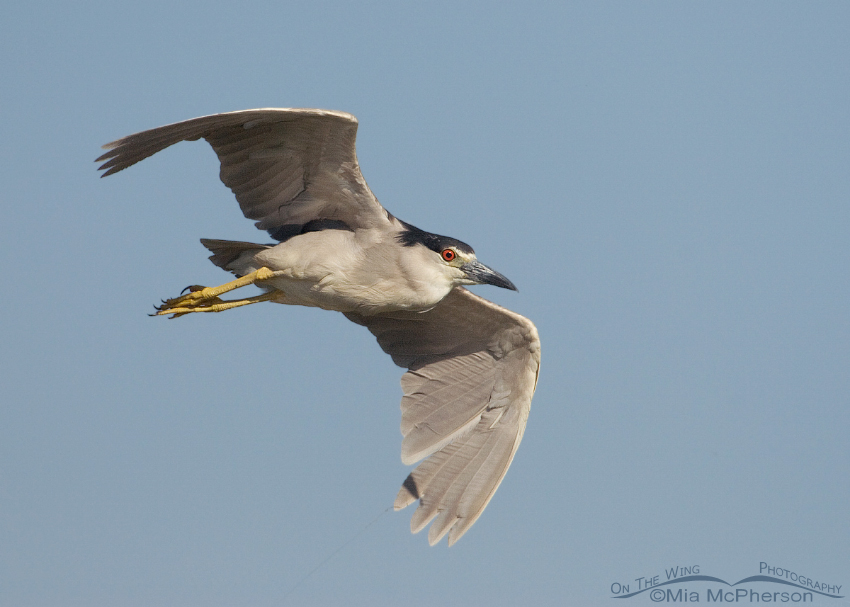
I spent yesterday morning photographing at Bear River Migratory Bird Refuge in Box Elder County, Utah. Black-crowned Night Herons seemed to be everywhere on the south side of the auto tour loop, both adults and hatch year birds.
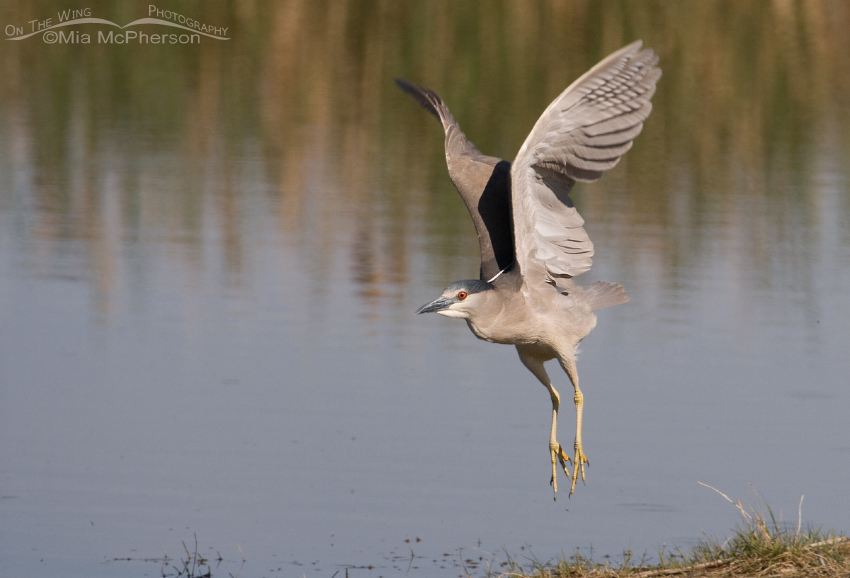
I was able to take a nice series of images of the Black-crowned Night Heron lift off and when the heron was in flight as it flew past me
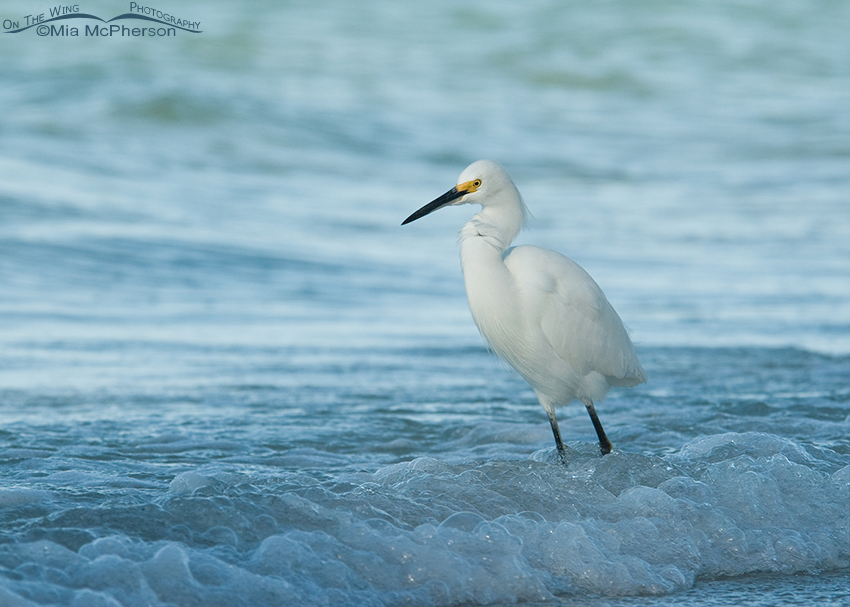
Just a simple image of a Snowy Egret (Egretta thula) today. I photographed this Egret as it stalked along the shore of the Gulf of Mexico in Florida.
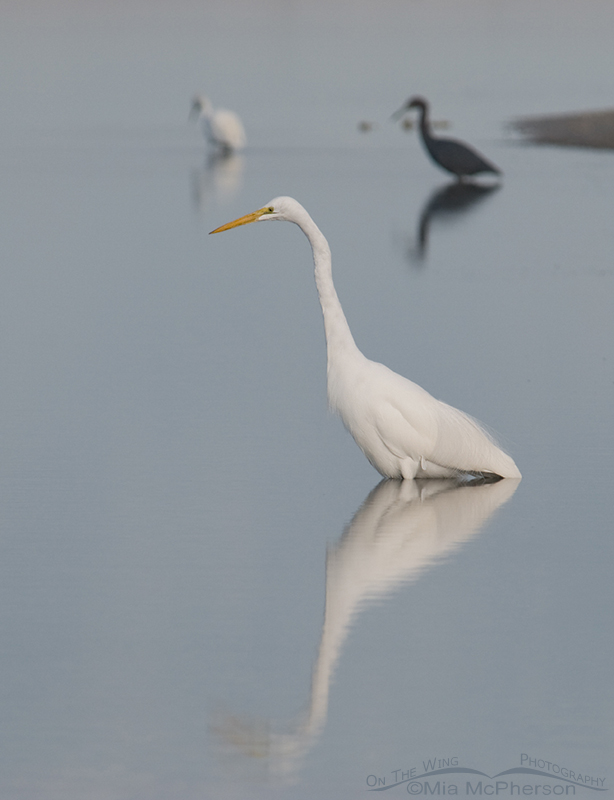
I've always liked the calm mood this image conveys partially because the stalking pose of the Great Egret (Ardea alba), the silky smooth surface of the water, the reflection and how the out of focus Snowy Egret and Little Blue Heron give the frame a depth that wouldn't be there without them.
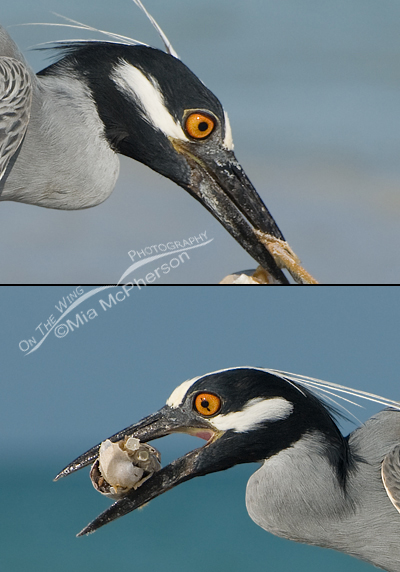
I recently read about a congenital condition in humans called "iris colobomas" which is also found in other mammals and birds and have begun to wonder if that might not be the cause of the abnormal pupils I see in some species of birds instead of an injury to the eye.
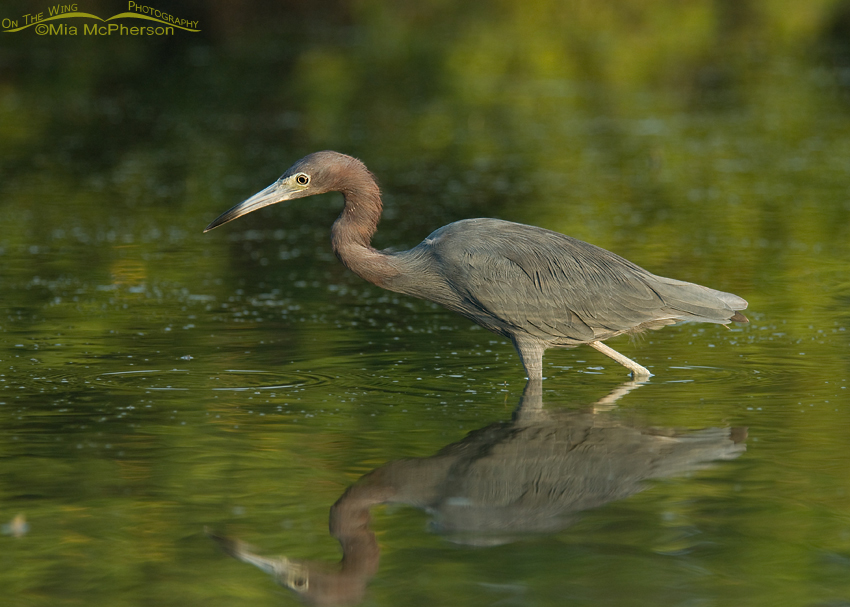
Little Blue Herons were a wading bird that I saw often in Florida. The day I photographed this Little Blue Heron I was sitting quietly in the shallow water of a lagoon when this bird flew in and began to hunt.
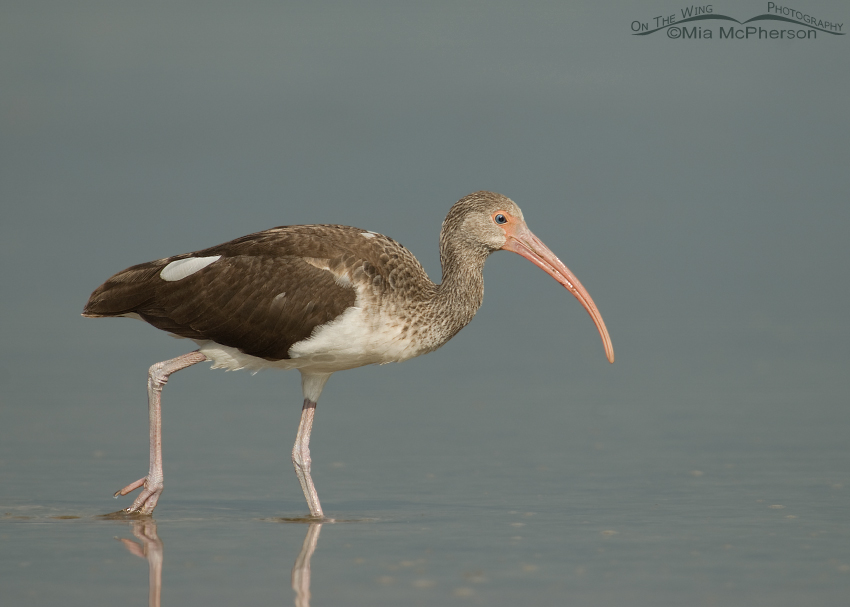
In Florida White Ibis (Eudocimus albus) are a fairly common wading bird in Florida they are also seen along the coast of the Gulf of Mexico
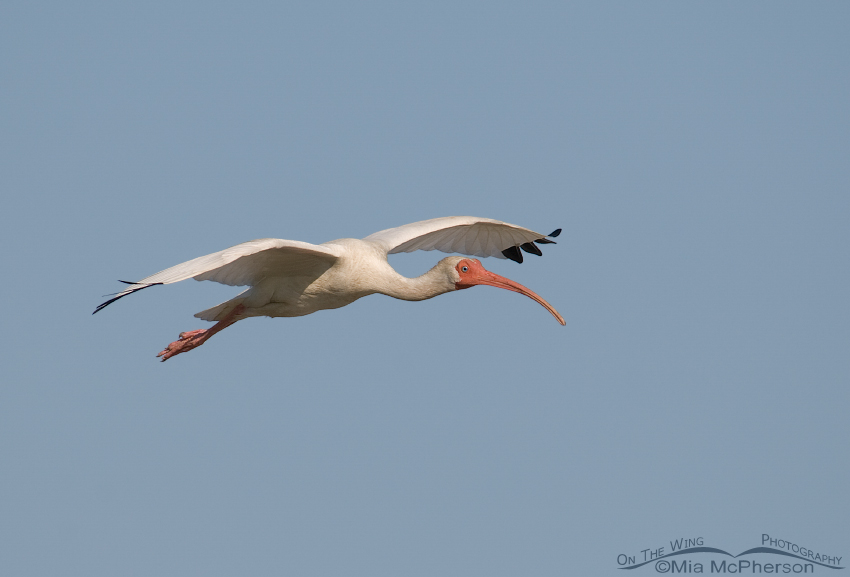
After my experience with screwing my white balance up that day I had to make a note to myself to remember to check my white balance setting on the camera.
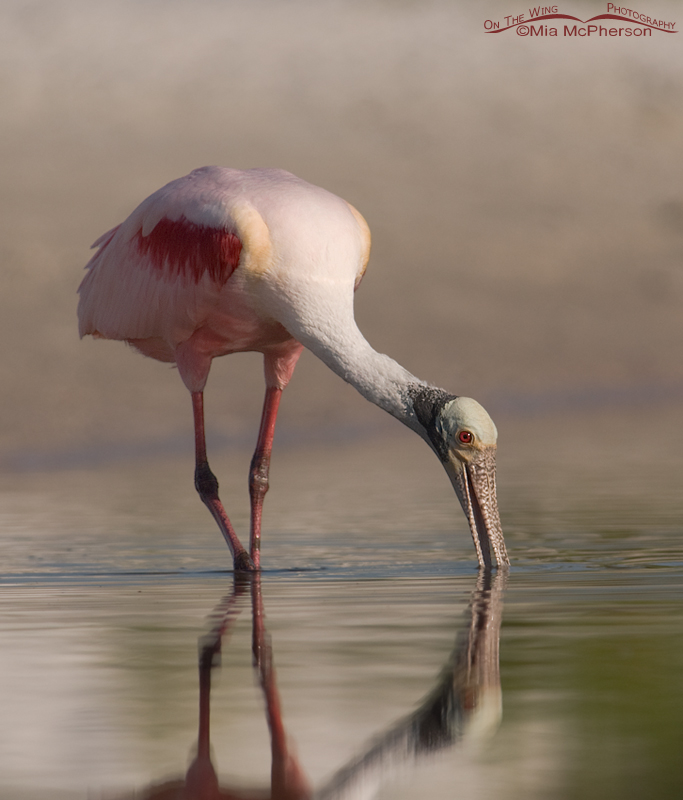
Cotton candy pink... are the descriptive words I thought of when I saw my first Roseate Spoonbill.
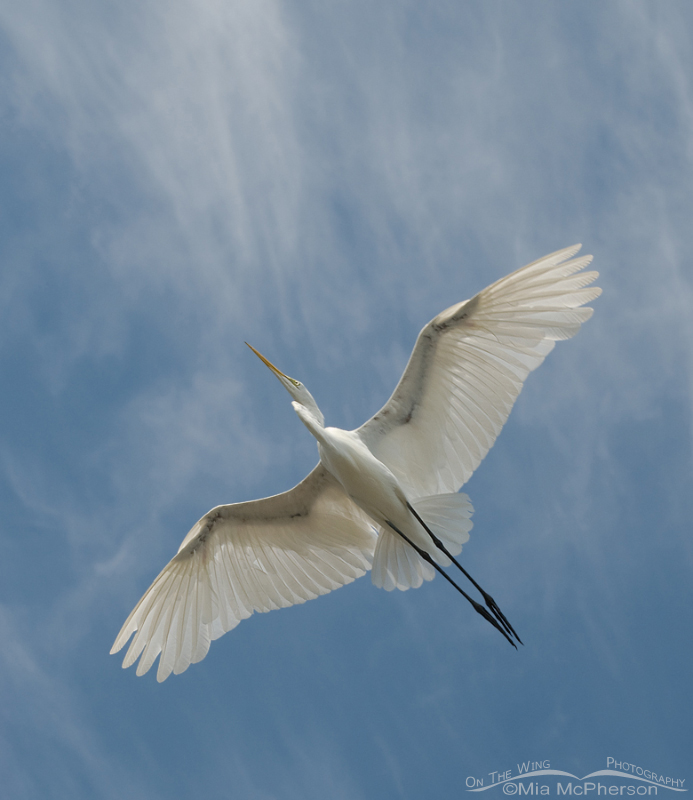
Great Egret (Ardea alba) in flight, a balance of whites and light
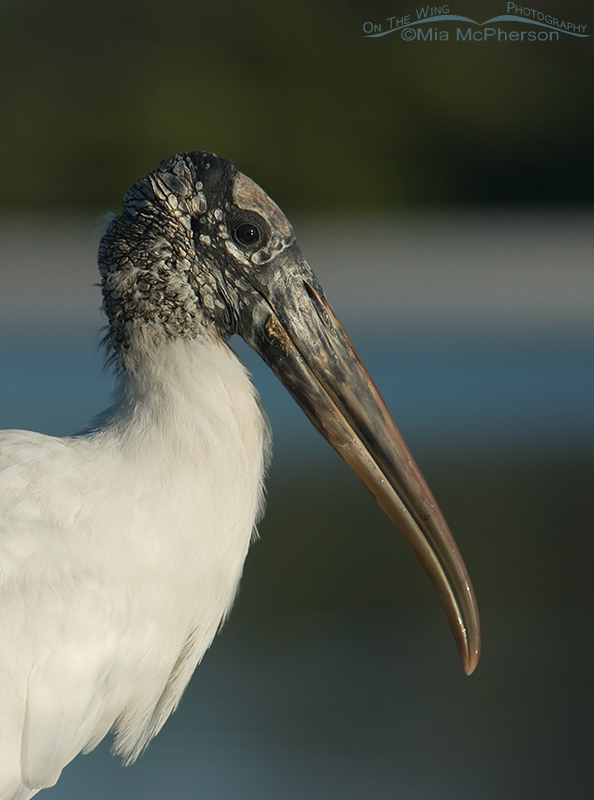
It is my opinion that Wood Storks do not get nearly the same exposure as other big white wading birds.
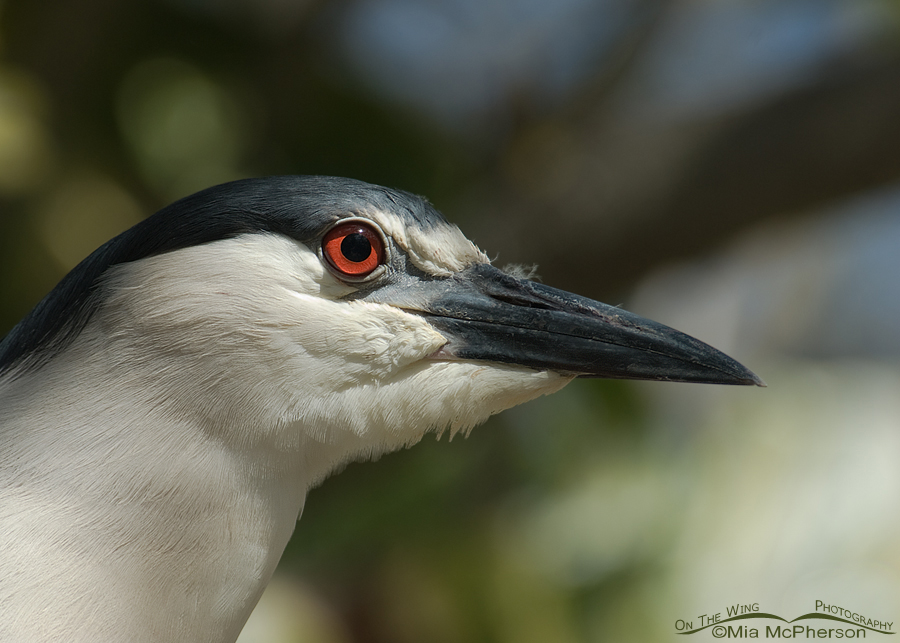
Since I moved to Utah I have never been able to get as close to Black-crowned Night Herons like I was able to approach this bird in Florida.