Friday Photos – White Morph Reddish Egret
Reddish Egrets seem to be natural born "Dancers" when they are hunting for prey, they twirl, spin, piroquette and dip.



Reddish Egrets seem to be natural born "Dancers" when they are hunting for prey, they twirl, spin, piroquette and dip.

When looking at a Greater Yellowlegs there is NO mistaking how they got the name "Yellowlegs".
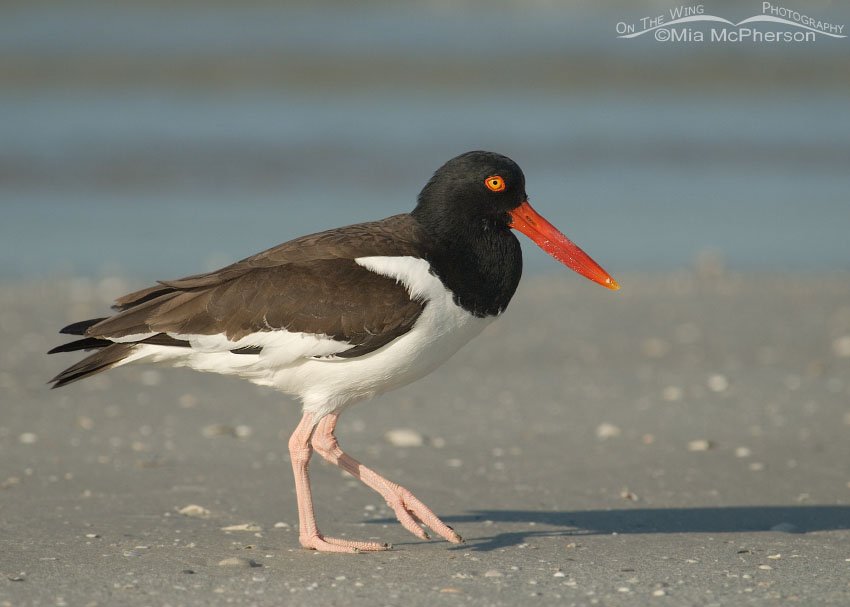
American Oystercatchers are fascinating birds to photograph, They can strike unusual poses and their plumage is spectacular in flight. I enjoyed watching them pry open bivalves with their long bill

Spotted Sandpipers are fun to watch as they walk along the shoreline as they teeter, bob and bounce their rear ends up and down.

After my experience with screwing my white balance up that day I had to make a note to myself to remember to check my white balance setting on the camera.

Brown Pelicans feed by diving head first into the water to trap fish in the pouches of their bills.

There were quite a few Laughing Gulls on and near the shoreline, a few Ring-billed Gulls and two Reddish Egrets hunting on the beach that day.
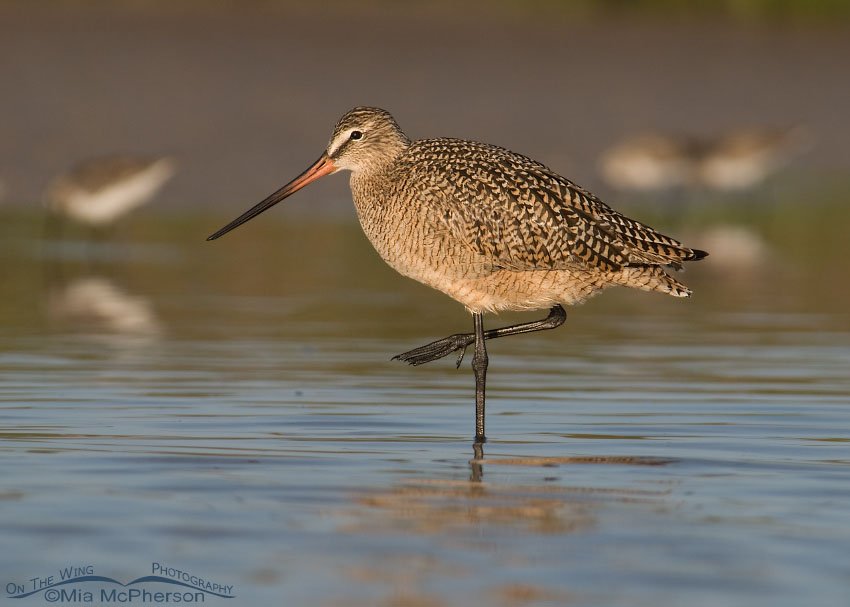
Marbled Godwits are graceful birds while on the ground, feeding and in flight.

One of the easier medium-sized shorebirds to identify on Fort De Soto's beaches and tidal mudflats are the Ruddy Turnstones. The only other turnstone that frequents North America is the Black Turnstone and it occurs on the Pacific coast.

Proper rotation can make an image work. Improper rotation can cause the the person viewing to wonder what isn't right about an image.

On several occasions I have seen and photographed Laughing Gulls that have strange colored markings on their bills and legs. I have assumed that they are partially leucistic though I could be wrong.

It didn't take long for the Yellow-crowned Night Heron to grab the crab and send the sand flying.