Birds of the Shore: American Oystercatchers
American Oystercatchers are specialized in that their diet consists of bivalves and they do use that flashy orange bill to pry some of them open.



American Oystercatchers are specialized in that their diet consists of bivalves and they do use that flashy orange bill to pry some of them open.

Six years ago this morning I was photographing birds at Fort De Soto County Park and I wanted to share a few images and memories of that day.

Moving; even just a little bit, can change the background of an image even when the subject is stationary.

This photo of a Semipalmated Plover on the shore of the Gulf was purposely photographed so that the plover would be small in the frame

I've mentioned in another post that "Some Days are Magic" and I felt that magic the morning I created this image of a Red-breasted Merganser.
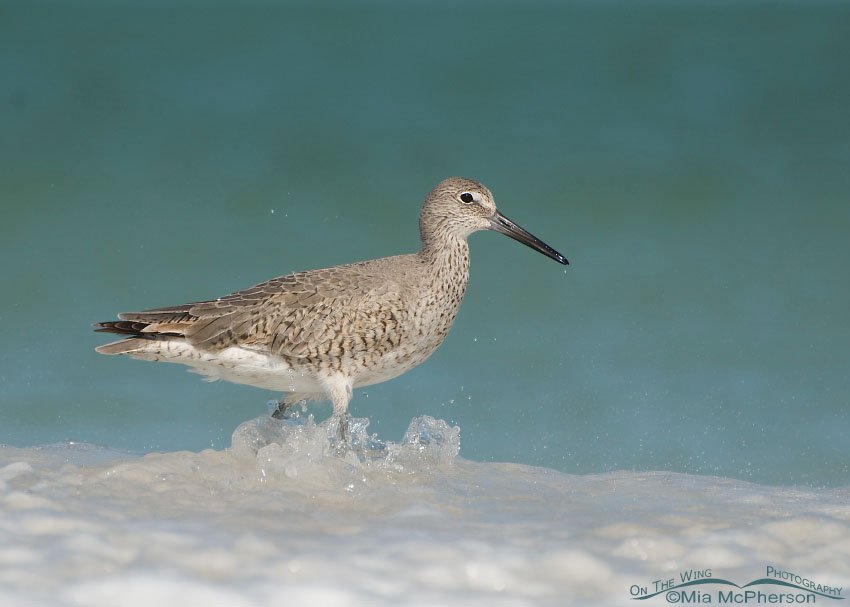
Yesterday for the first time this season I saw and heard Willets on Antelope Island State Park.

Laughing Gulls are commonly seen at Fort De Soto County Park but novices to birding and bird watching might think they are three different kinds of gulls depending on their age and plumage.
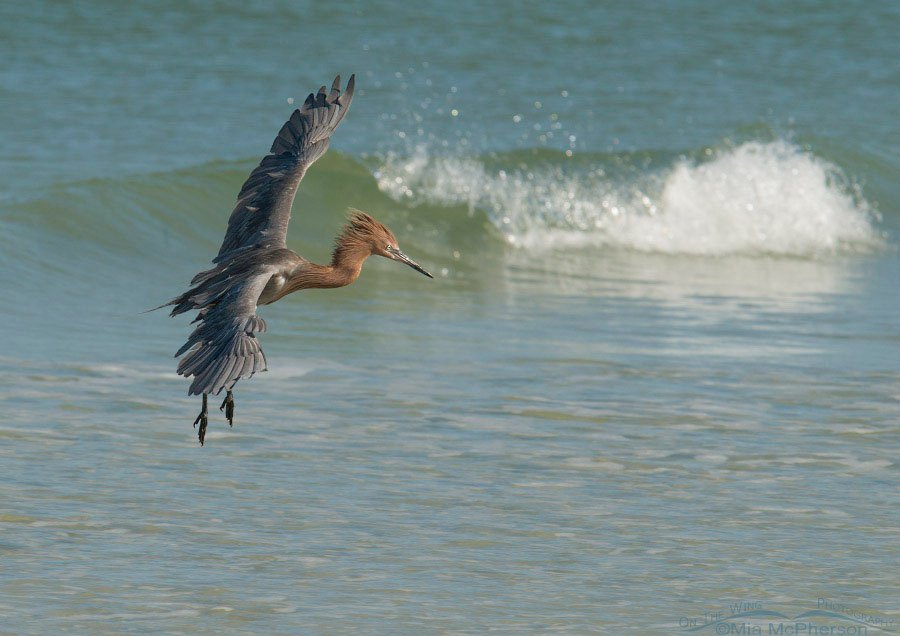
This is one of my favorite Reddish Egret images that I have taken at Fort De Soto County Park's north beach.
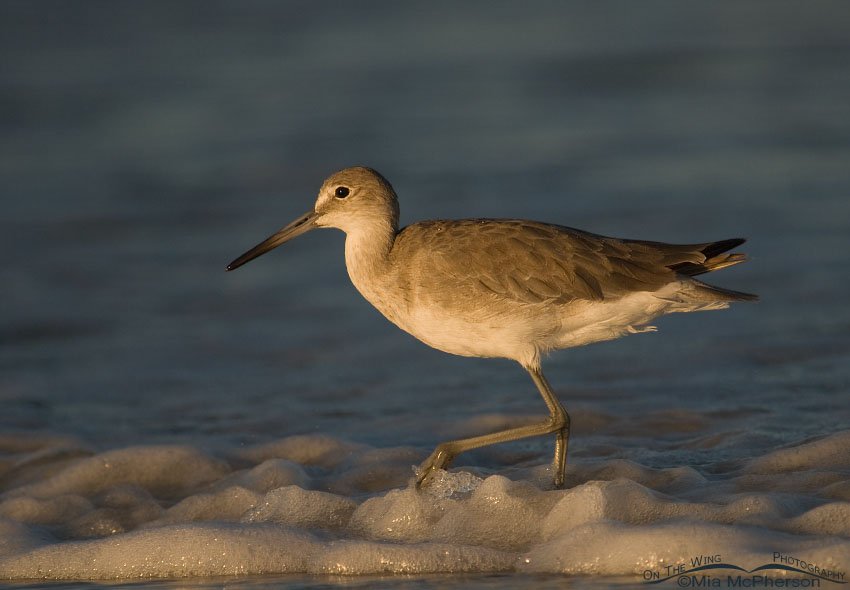
For those of us; including myself, who are tired of gray, cold days I thought this Willet photographed in Florida might delight in the sweet light, sea foam and warm Gulf waters the image contains.

My post for today is just a simple image of a Tricolored Heron I photographed as it hunted in the surf of the Gulf of Mexico in coastal Florida one June day in 2008.

This morning I wanted to share another "happy accident" of this Marbled Godwit blur in flight taken along the Gulf of Mexico in coastal Florida.

In 2008 I spent several months during the summer watching an American Oystercatcher family from the time the chicks were tiny until one of the chicks became independent.
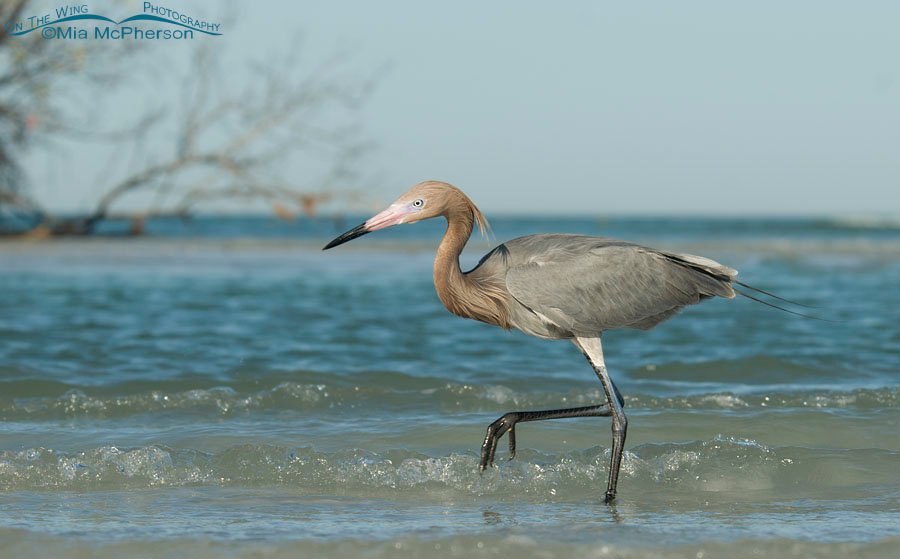
Recently I posted images of a Tricolored Heron and a Black-bellied Plover where I wrote that I enjoyed images that include habitat, the same could be said about this photo of a Reddish Egret hunting on the shoreline of the Gulf Coast.
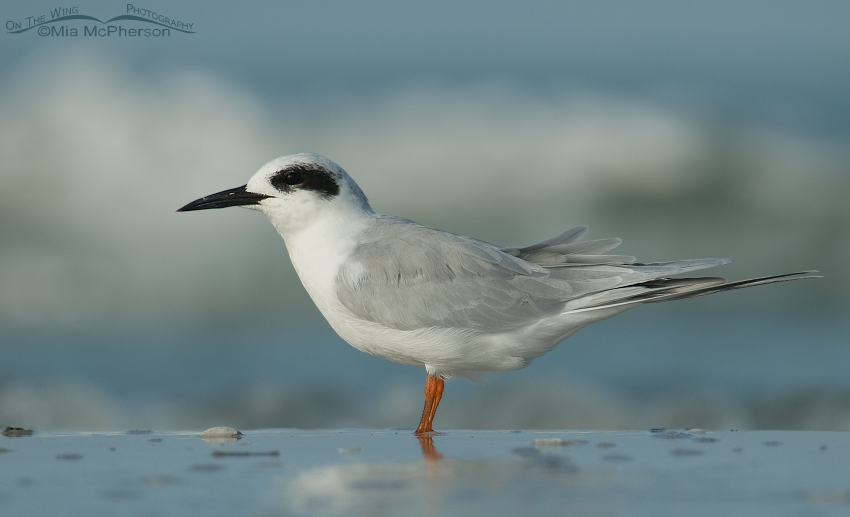
The nonbreeding Forster's Tern in these two images is the same bird and the images were taken ten frames and a few seconds apart as the tern stood on the shoreline of the Gulf of Mexico in Florida.

I was digging through my image files yesterday and came across a series of Tricolored Heron images that I had never edited from a May morning in 2009 when I was photographing birds at Fort De Soto's north beach.

Among the shorebirds I enjoyed seeing and photographing while I lived in Florida were Whimbrels, I could see flocks of 25 or more during the winter along the coast.

A simple image of a Red Knot taken in Florida in early morning light. Morning has been; and is, my favorite time of day to photograph birds and other wildlife because the rising sun can add drama and a warm glow to whatever subject I am photographing.

While in breeding plumage Tricolored Herons have redder legs, darker red eyes, blue lores and blue on the bill plus a longer, white occipital plume than they do during the nonbreeding season.

Just a simple post today to show the differences in the breeding and nonbreeding plumage of Royal Terns.
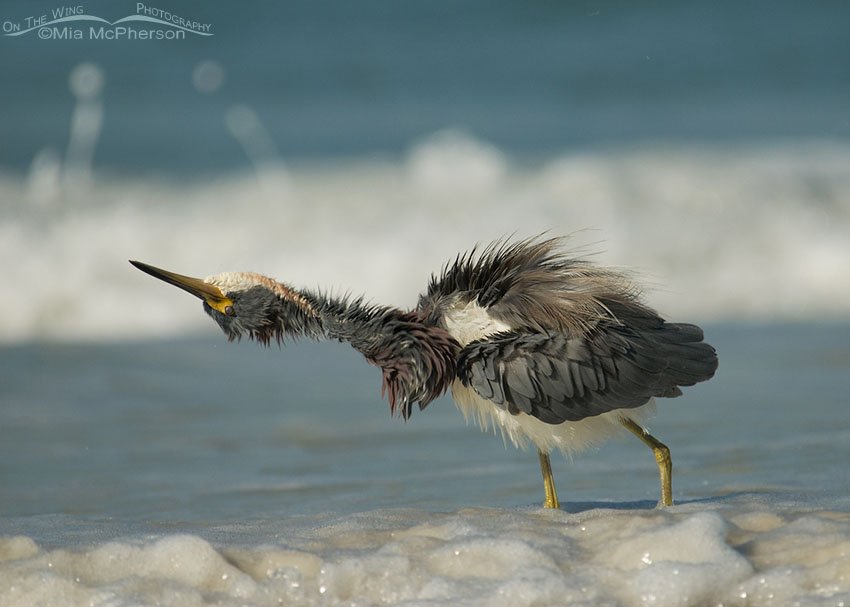
Maybe the Tricolored Heron thought Monday might look better upside down? Just a bit of humor for a Monday.

I don't get to see or photograph Oystercatchers here in Utah but I still dream about these shorebirds and can hear their calls when I look at the thousands of images I took of them.

I photographed this Tricolored Heron (Egretta tricolor) a few years ago when I still lived in Florida.

Four years ago today Hurricane Ike was out in the middle of the Gulf of Mexico and the waves that it generated made a strong splash at Fort De Soto County Park.

Despite having "Night Heron" in their name Yellow-crowned Night Herons (Nyctanassa violacea) are not strictly denizens of the dark, they can and do stalk their prey during the daylight hours too.

On the day that I photographed this Laughing Gull either Hurricane Ike or Gustav was out near the center of the Gulf of Mexico that was churning up the water
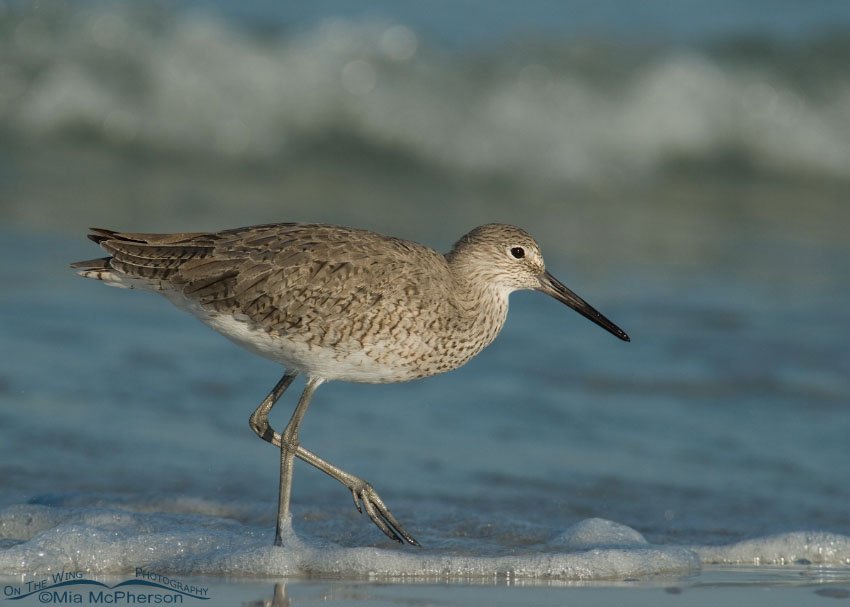
Getting "Down & Dirty" pays off when photographing shorebirds like this Willet in the surf I photographed in Florida as it walked along the shoreline of the Gulf of Mexico.

In 2008 I had the great pleasure of observing and photographing a family of American Oystercatchers from the day after the chicks hatched until three and a half months later.
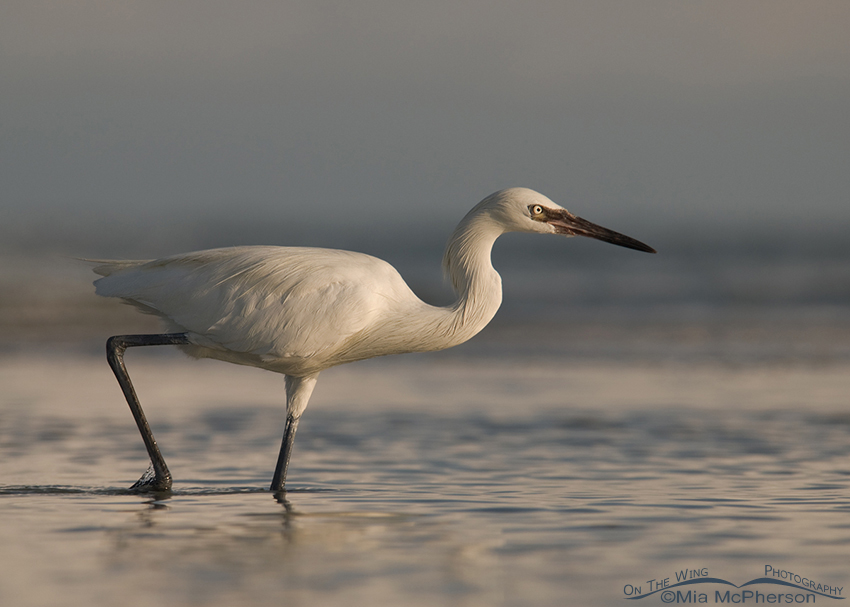
In my two previous posts of a Snowy Egret and a Great Egret I mentioned how the early morning light and a nearby storm gave those images a feeling of drama. These white morph Reddish Egret images were taken that same morning not long after I created the Great Egret photos.

Light plays a huge part in my photography, I try to be at my location just before the sun comes up or goes down to take advantage of the beautiful light that occurs at those times of the day.

One of the shorebird species I am able to see in Utah during migration that I photographed often while I lived in Florida are the lovely Black-bellied Plovers (Pluvialis squatarola).