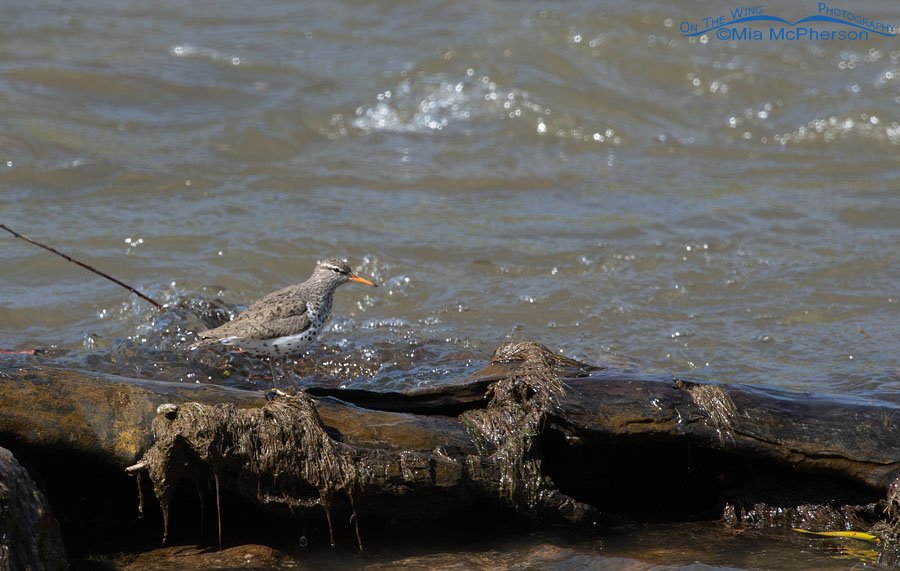

Spot the Sandpiper on the Seawall

Spotted Sandpiper on a seawallSpotted Sandpiper on a seawall – Nikon D200, handheld, f6.3, 1/750, ISO 200, Nikkor 80-400mm VR at 400mm, natural light

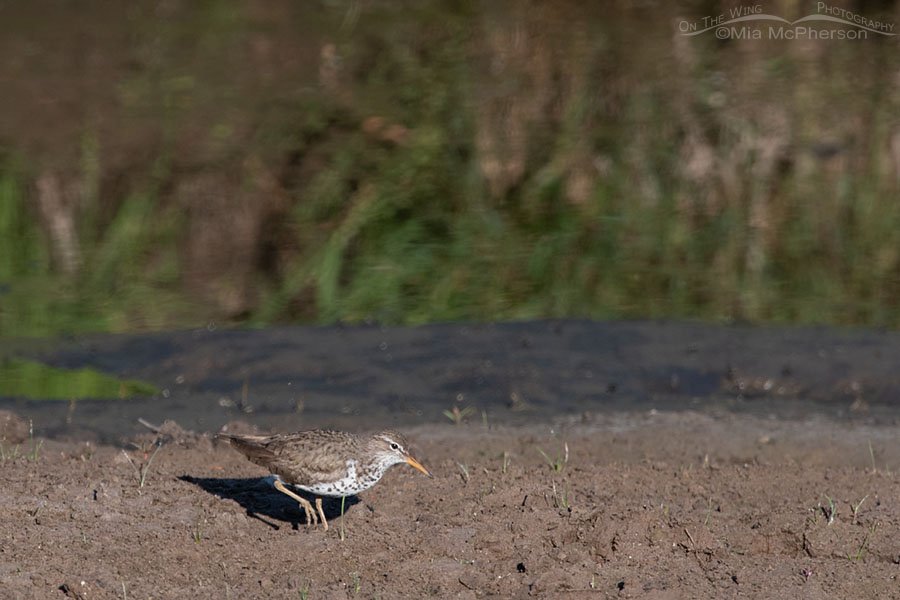
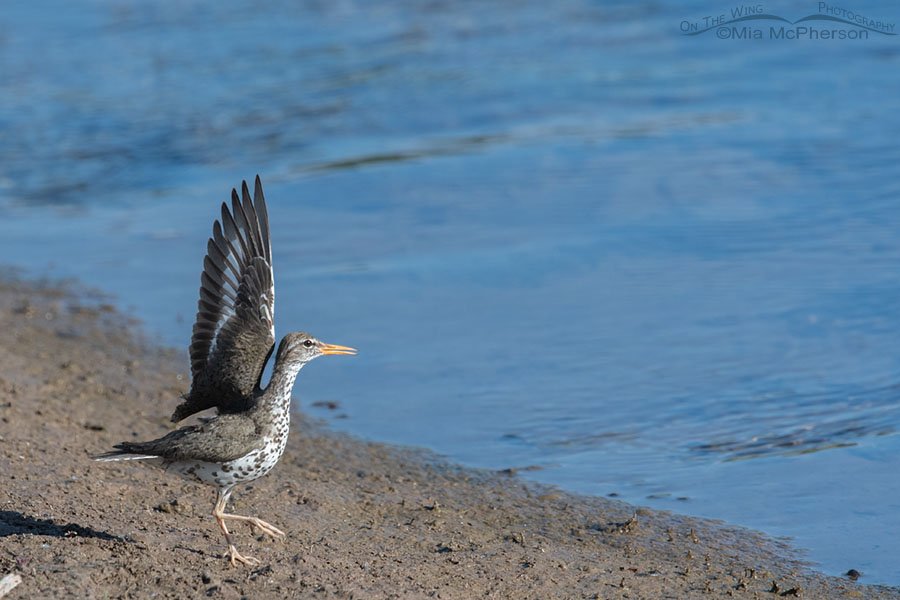
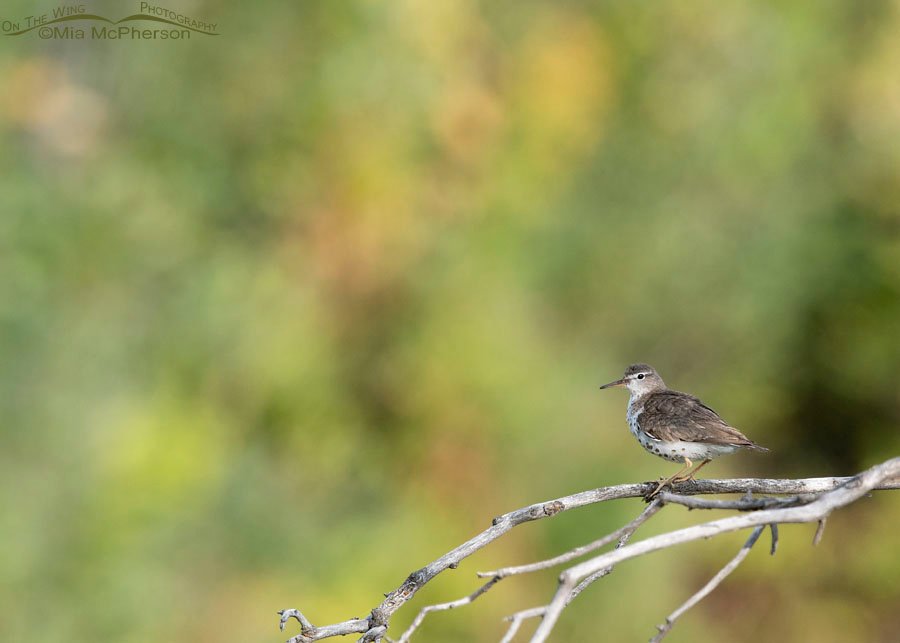
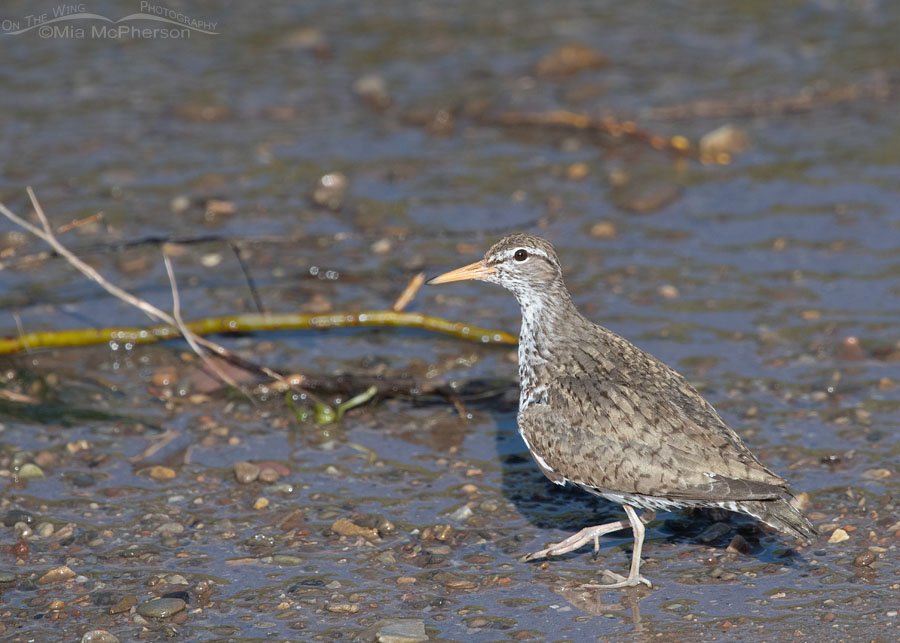
It really isn’t too hard to spot this Spotted Sandpiper on the seawall, I just thought it was a catchy title. I  saw my FOY (first of year) Spotted Sandpiper this past week and that got me excited. I was able to get close up images of them in Florida during the winter but still haven’t gotten images I can be proud of with them in breeding plumage. They are back though and that gives me hope.

The image above was taken at Fort De Soto County Park towards the end of January 2009, there is a lagoon that has some rip rap type of seawall and I would find Spotted Sandpipers there until around the end of March or beginning of April.

These sandpipers have the funniest little butt-bobbing walk and yesterday I found a video that shows that butt-bobbing well, you can view it here. Let me know if you think that is the cutest walk you have seen for a sandpiper! I sure think they do.

Mia

I am behind on commenting on everyone’s blogs and behind on replying to the wonderful comments you have made on my posts, I keep thinking I will get caught up and the more I think that the behindier I get. I’m trying though.

More Spotted Sandpiper images

Facebook Twitter

Shorebirds: Spotted Sandpipers

Fluffed up Spotted Sandpiper

Fluffed up Spotted Sandpiper (Actitis macularia)
Fort De Soto County Park, Pinellas County, Florida
Nikon D200, handheld, f6.3, 1/640, ISO 200, Nikkor 80-400mm VR at 400mm, natural light 

Spotted Sandpipers are fun to watch as they walk along the shoreline as they teeter, bob and seem to bounce their rear ends and that motion does make them easy to identify even from a distance. In short flights they flap their wings in short bursts and then glide and the flight pattern is distinctive enough to also use for identification. In North America these sandpipers winter in the lower southern states and Mexico.

Spotted Sand Piper perched on oysters near the shoreline

Spotted Sandpiper (Actitis macularia) perched on oysters near the shoreline
Fort De Soto County Park, Pinellas County, Florida
Nikon D200, handheld, f6.3, 1/160, ISO 250, Nikkor 80-400mm VR at 400mm, natural light

Spotted Sandpipers are the most widespread shorebirds found in North America. They breed across most of the United States, up into Canada and Alaska though they do not breed in the high Arctic tundra. An unusual mating habit that Spotted Sandpipers exhibit is that it is the females who become aggressive to defend the mating territory and will often mate with three or males during the breeding period.

They are coastal inhabitants and during migration and winter they can be found near freshwater, streams, beaches, rivers lake shorelines, ditches, small ponds seawalls and estuaries.

An inquisitive look from a Spotted Sandpiper

An inquisitive look from a Spotted Sandpiper (Actitis macularia)
Fort De Soto County Park, Pinellas County, Florida
Nikon D200, handheld, f6.3, 1/1250, ISO 320, Nikkor 80-400mm VR at 400mm, natural light

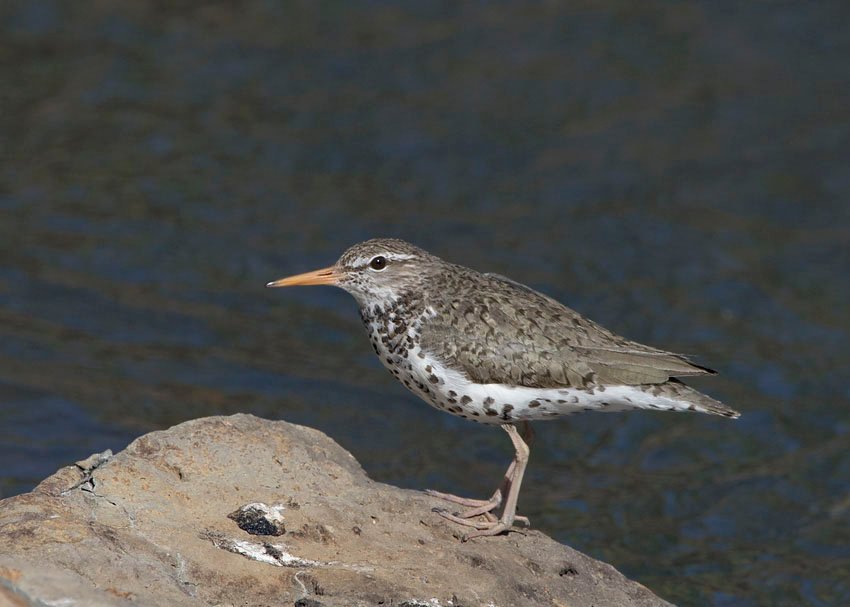
All of the images I have presented in this post have shown the Spotted Sandpipers in nonbreeding plumage. I’m hoping that since I now live within their breeding range that I will be able to photograph the sandpipers with their spotted breeding plumage.

Mia

More Spotted Sandpiper images

Facebook Twitter