Western Meadowlark About To Fly
This Western Meadowlark was about to take off from the boulder it was on when I photographed it on Wednesday.



This Western Meadowlark was about to take off from the boulder it was on when I photographed it on Wednesday.
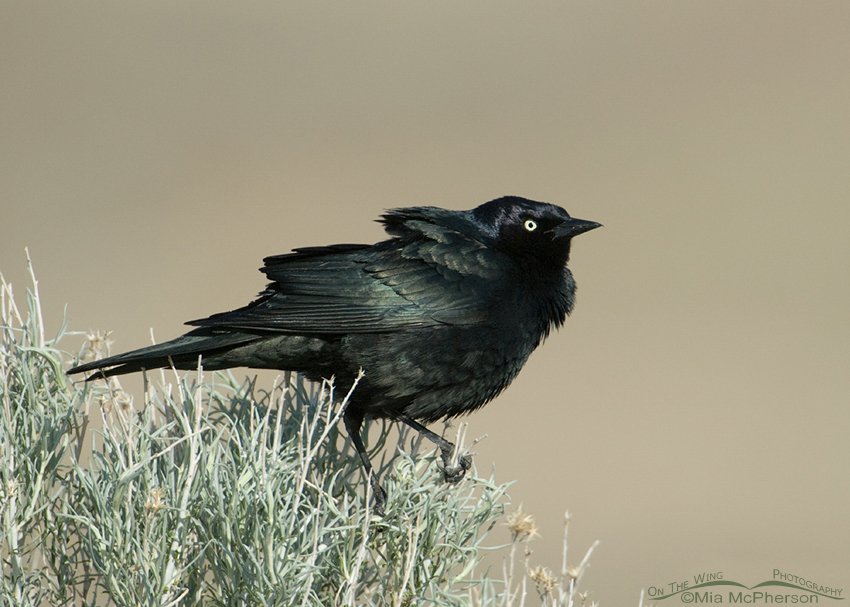
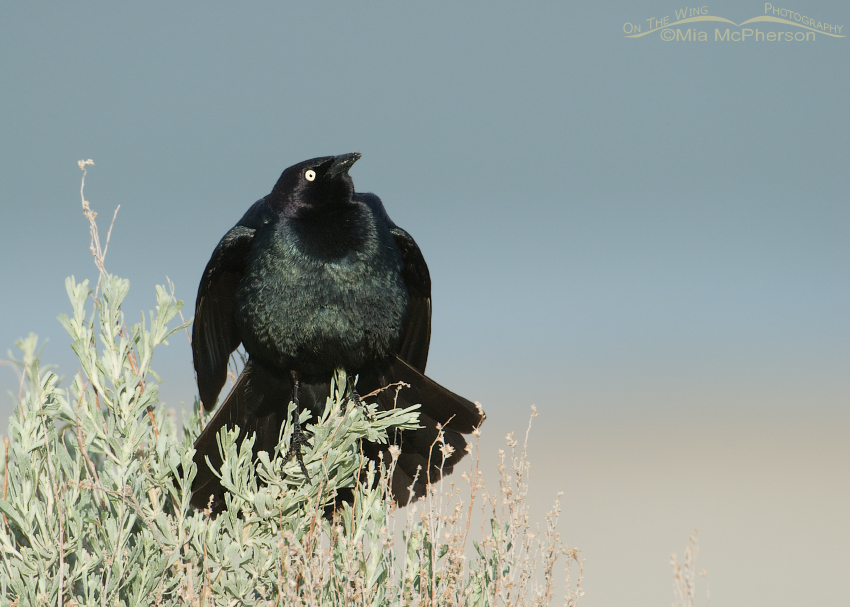
While out on Antelope Island State Park on Friday I spotted a male Brewer's Blackbird on top of a bush, the light was just great for viewing and photographing the iridescent teals, blues, greens and purples that can show up on these "black" birds.
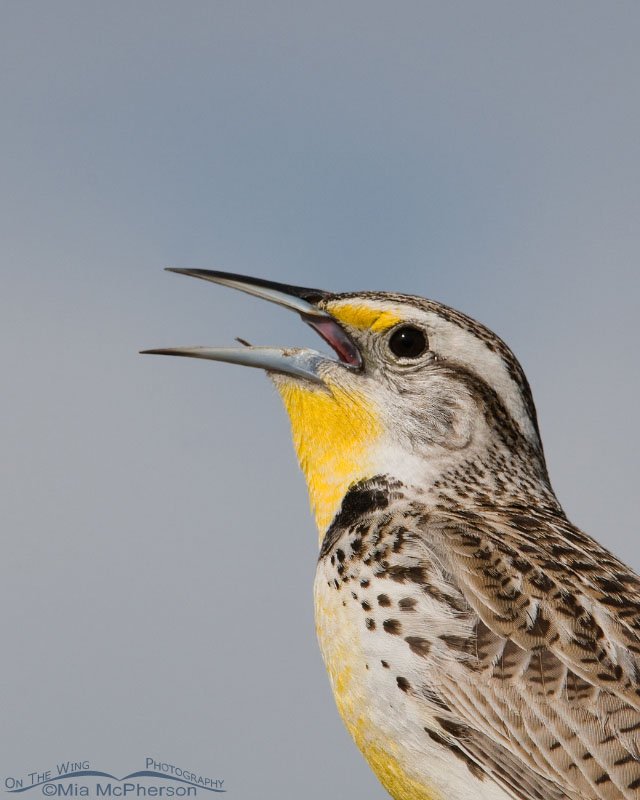
During the spring Western Meadowlarks (Sturnella neglecta) can be easy to locate and then approach because they spend so much time singing from the tops of boulders, bushes, posts and other manmade objects.

Yellow-headed Blackbirds (Xanthocephalus xanthocephalus) can perch on cattails, reeds, rushes or mounds of vegetation and snatch Midges right out of the air.

Had I not seen that moving, tan blob beyond my viewfinder I could have easily missed being able to create these Chukar images. Sure, I have hundreds (if not thousands) of Chukar images but I am always looking for different poses, light conditions and settings to photograph my subjects in and this worked out very well.

Yellow-headed Blackbirds have begun to show up in large numbers in my area of the country. I'm seeing them perched on cattails, phragmites and in flight.
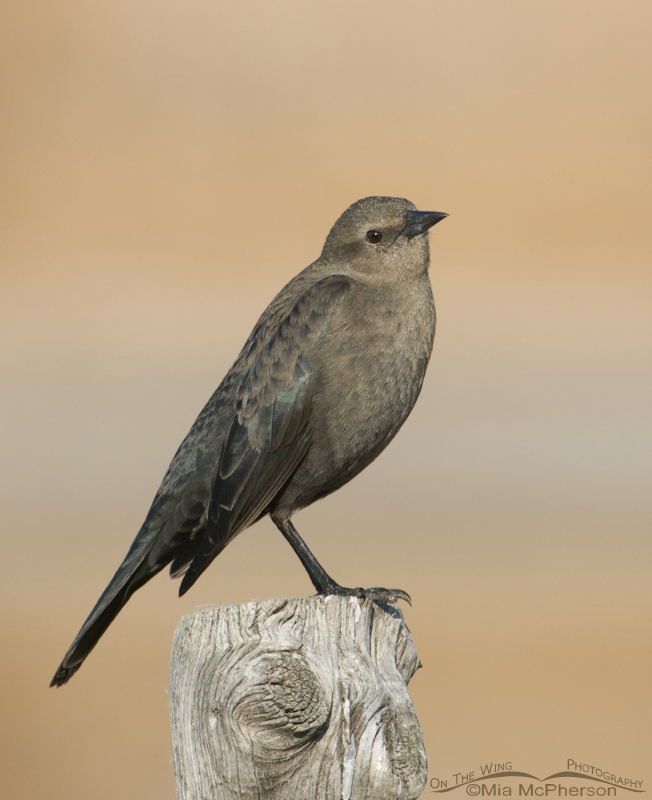
Brewer's Blackbirds may not be the most well known of the Blackbird family; I am fairly certain that the Red-winged Blackbirds have that claim to fame, but they are beautiful and interesting subjects to photograph.

Red-winged Blackbirds are birds that I associate with spring, the males begin calling perched on top of reeds, cattails, grasses and shrubs and flash their brightly colored coverts to attract a mate.

It was real slow for bird photography out on Antelope Island this morning but I did get a nice lift off shot from this Western Meadowlark.
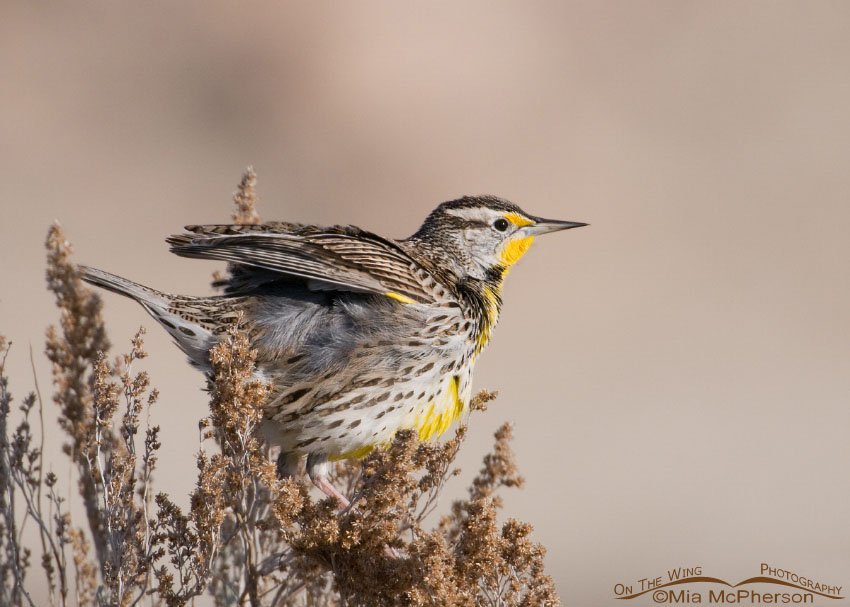
I couldn't resist posting another Western Meadowlark image that I created today even though I posted one earlier this morning.
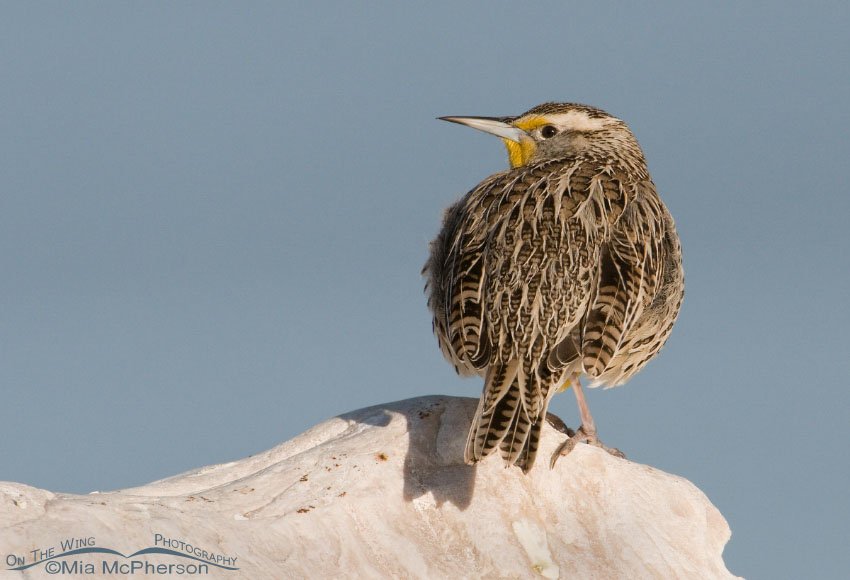
Tis the season of changes, for a bit it acts like winter and soon switches to act like spring. . The flute like call of Western Meadowlarks is a sound I associate with spring and lately I have been hearing them quite often.

This is the third post in my series about Wild and Wonderful Antelope Island State Park, I've saved the best (and longest) for last. The Birds! Okay, maybe they aren't the best thing about Antelope Island State Park, but I am a bird photographer and they are what I am most passionate about!

Horned Larks and Western Meadowlarks are birds that I enjoy photographing all year long in Utah and yesterday they gave me some wonderful opportunities.
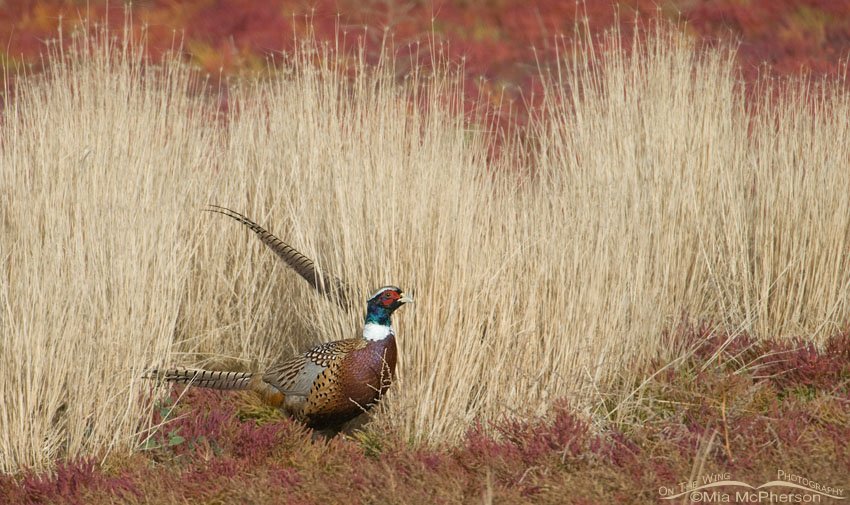
Photographing birds during Autumn is a wonderful time for me in Utah, the beautiful fall colors delight and enthrall me, the air gets nippy and I find myself feeling a surge of energy whenever I am outdoors.
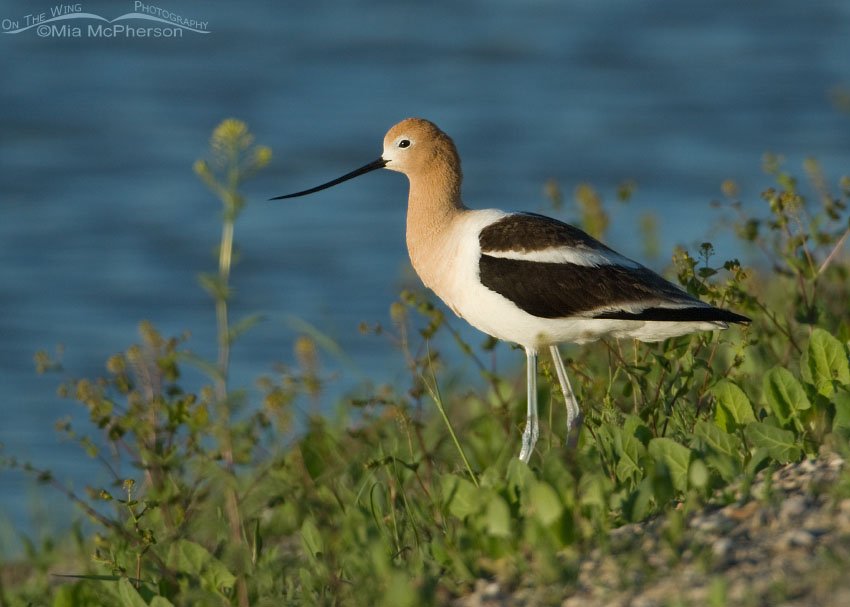
This is the time of the year that "midges" are as thick as flies on you-know-what at the Bear River Migratory Bird Refuge.
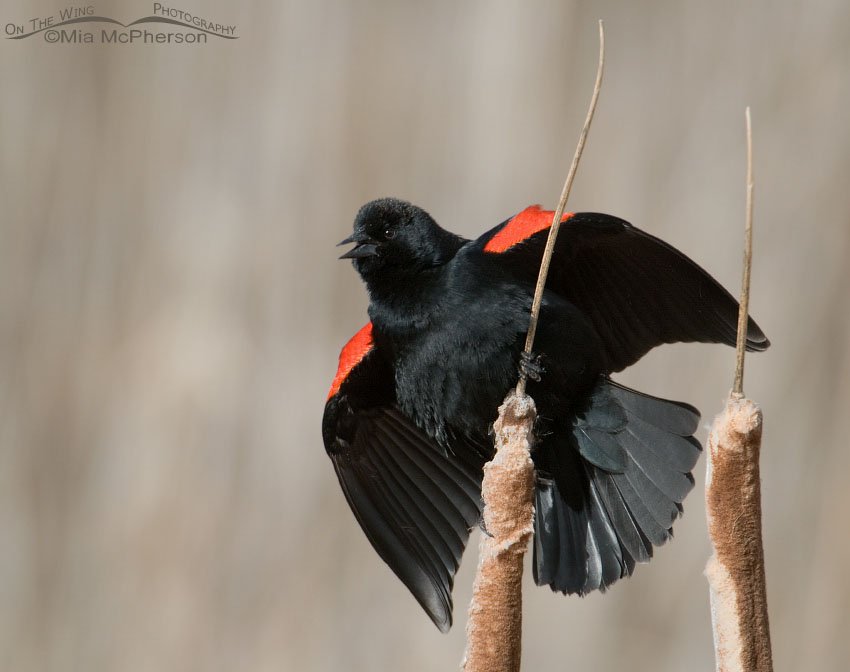
Spring seduces me. Refreshes me. It whispers to me softly to come outside and savor nature and wildlife.
Recently the USDA accepted responsibility for a smaller die off in South Dakota which brought to light a little known program called "Bye bye Blackbird" which uses DRC-1339, a poison that is also called an avicide.

Not too long after I had gotten to my location I spotted a Western Meadowlark hunkered down on a rock trying to warm up with the rays of the rising sun.