
Black-bellied Plover – Up Close
One of the shorebird species I am able to see in Utah during migration that I photographed often while I lived in Florida are the lovely Black-bellied Plovers (Pluvialis squatarola).
Some images remind me of the wonderful day I had when I created a certain image, this photo of a Tricolored Heron in breeding plumage photographed at the north beach of Fort De Soto, Florida is one of those files.
Getting "Down & Dirty" is a way of being at eye level with your subject which brings the viewer into the bird's world and it can make the image feel more intimate too. Achieving those low angle perspectives can be quite messy and/or uncomfortable depending on the habitat.
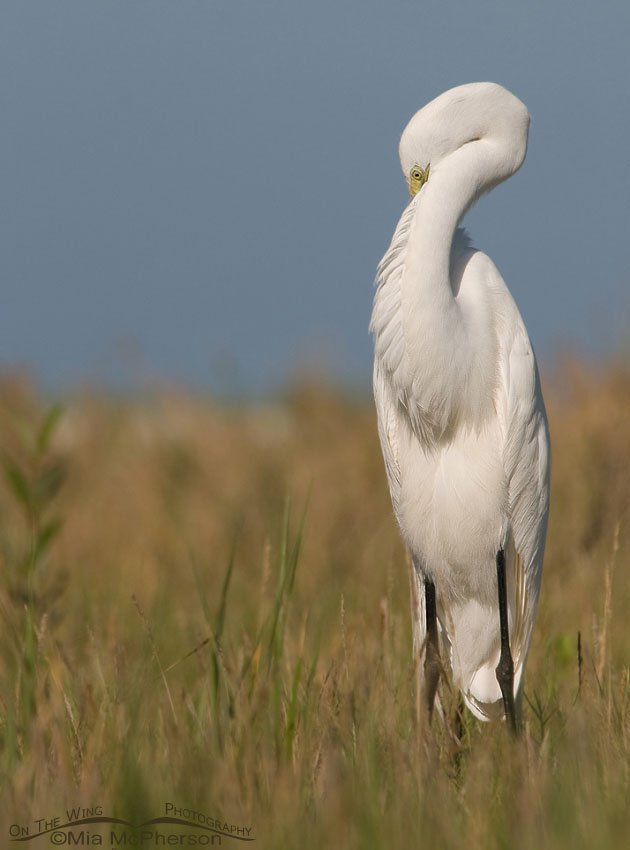
Just a simple Great Egret (Ardea alba) image that always seems to tickle my funny bone when I view it because of the pose.
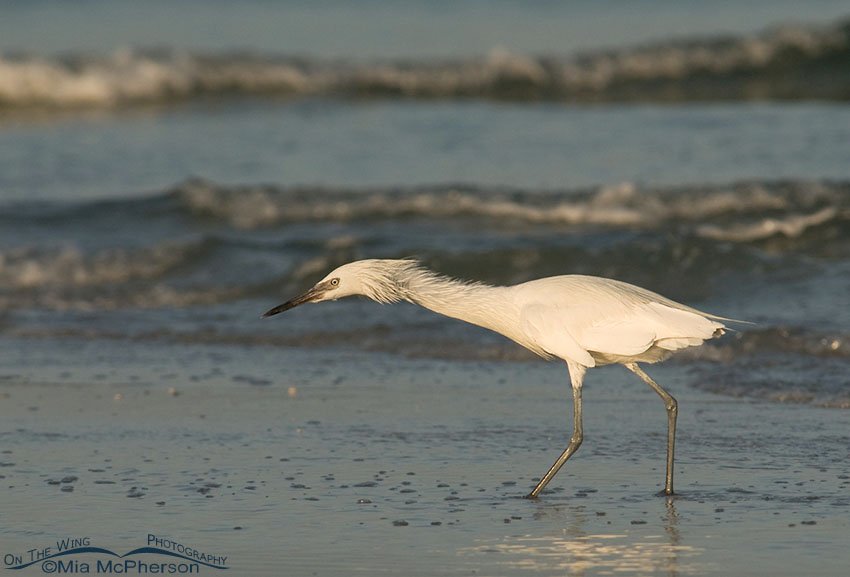
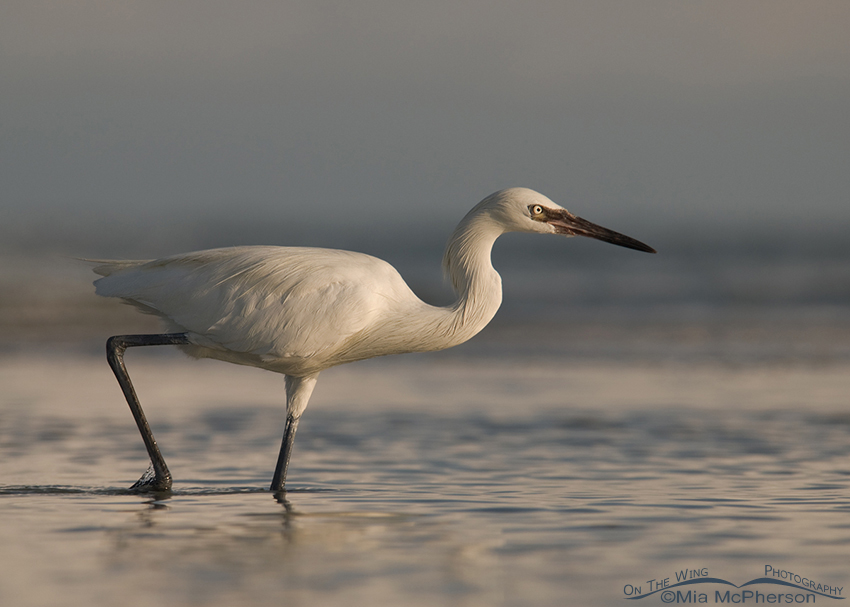
There were two Reddish Egrets (Egretta rufescens) on the north beach of Fort De Soto that day and it was a blast to watch them race around catching the small fish.
As much as I like to compose images that are full frame I find that I often allow myself a touch of extra space around my subject so I can recompose in post processing by making different crops.
Short-billed Dowitchers feed on insects, crustaceans and aquatic mollusks. Quite often when I lived in Florida I would see them feeding on Coquinas which are small bivalves or tiny Fiddler Crabs.
These two photos are of the same adult American Oystercatcher (Haematopus palliatus) in sequential order taken at Fort De Soto County Park in Florida. I was laying in the sand while I created the images to get a low angle and the bird was on a ridge elevated slightly higher than my location.
Brown Pelicans (Pelecanus occidentalis) were common year round along the Gulf coast when I lived in Florida. I would see them floating in the water, resting on sandbars and beaches, diving for prey and in flight.
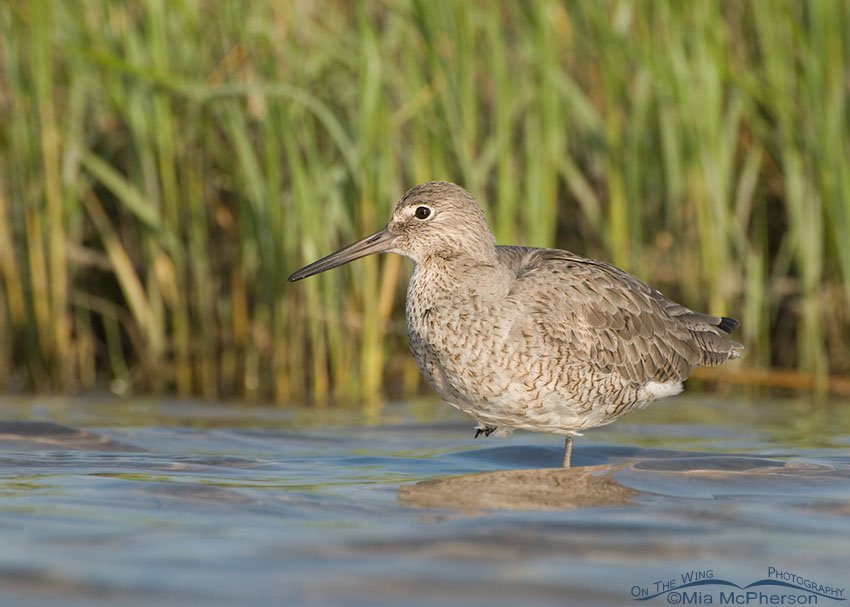
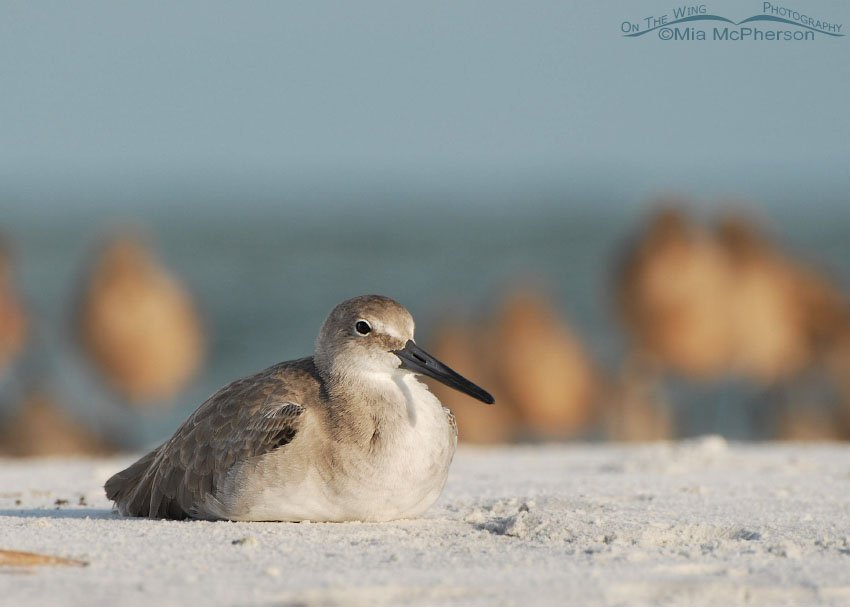
The image above was taken at Fort De Soto on Florida's Gulf coast. The Willets there are habituated to people and because they are it is easier to approach them than it is here in Utah.
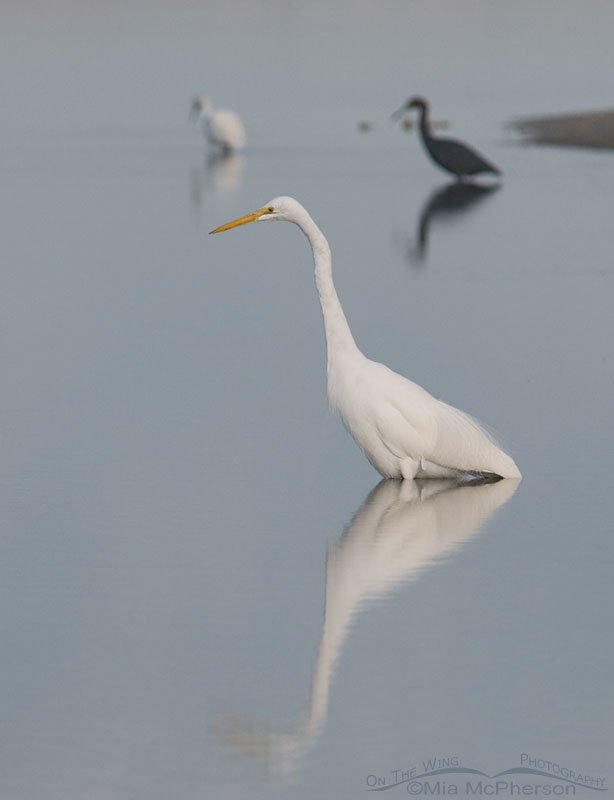
I've always liked the calm mood this image conveys partially because the stalking pose of the Great Egret (Ardea alba), the silky smooth surface of the water, the reflection and how the out of focus Snowy Egret and Little Blue Heron give the frame a depth that wouldn't be there without them.
When I photographed Semipalmated Plovers in Florida I found that if I got down to their level and laid still they would approach me very closely. That takes patience but the effort is well worth it.
I've always liked this photo because it shows how this American Oystercatcher (Haematopus palliatus) is using its long bill to pry open a shell.
A few days ago I read that a Long-billed Curlew had been spotted on Antelope Island State Park and that got me excited. I've waited to see them again since they left last fall and I simply can not wait to hear their mysterious and hauntingly beautiful call.
Red-winged Blackbirds are birds that I associate with spring, the males begin calling perched on top of reeds, cattails, grasses and shrubs and flash their brightly colored coverts to attract a mate.
While I lived in Florida I simply adored being able to photograph Reddish Egrets, they can be graceful or goofy looking, they twirl, dash and dance.
I was laying down in the wet sand with my lens about an inch from the surface of the beach when I photographed these shorebirds, one needs to watch out for those rogue waves because they don't only wash away the bird's prey... they can soak your lens & camera too!
I'm always looking for great action or interesting poses when I am out photographing birds and usually I am not disappointed and once in awhile I get some very funny images. Mondays just seem like a great day for some humor.
The weather outside hasn't been good for bird photography today but since I am always behind on editing I thought I'd process this Red-breasted Merganser image that I took in Florida a few years ago.
When I am out in the field I take a large amount of photos and there are times I don't get around to processing them until much later, these are two such images taken at Fort DeSoto, Florida in 2008.
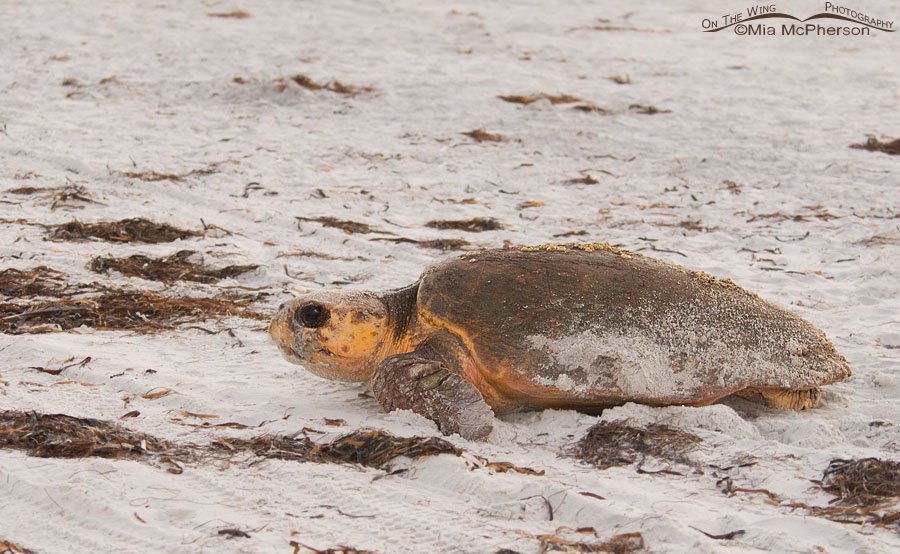
At first I was so stunned that I wasn't taking any images of the Loggerhead Turtle, I just stood there admiring this temporarily earthbound sea creature. She was so beautiful to me.
I could always tell when a flock of Black Skimmers were flying in to Fort De Soto's north beach when I was photographing there because I could usually hear their soft, nasal barking yips or yeps before I saw them.
There are images that I have created that as soon as I see them on my monitor become listed as one of my favorites.
After my experience with screwing my white balance up that day I had to make a note to myself to remember to check my white balance setting on the camera.
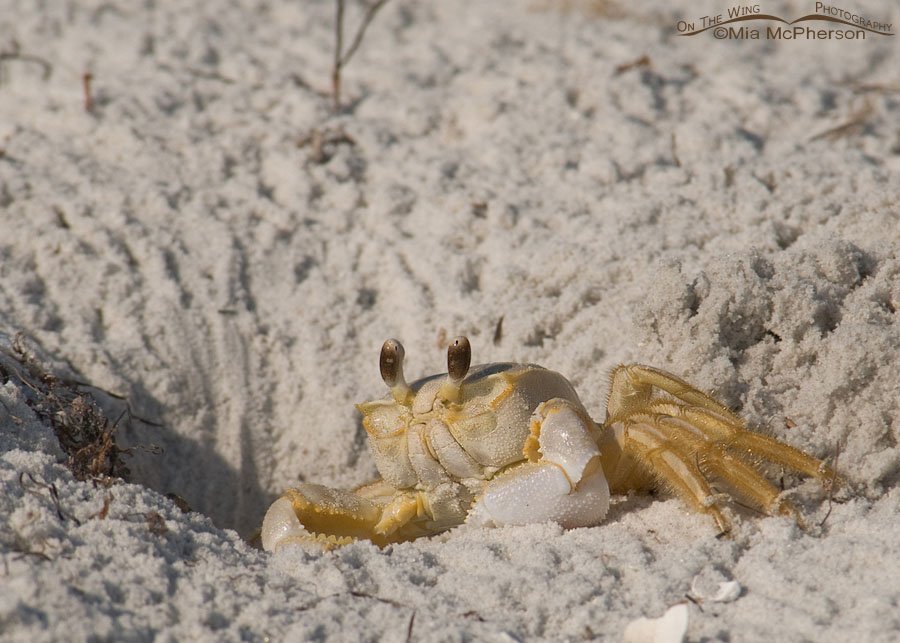
This Atlantic Ghost Crab image was taken on the Gulf coast of Florida while I still lived there.
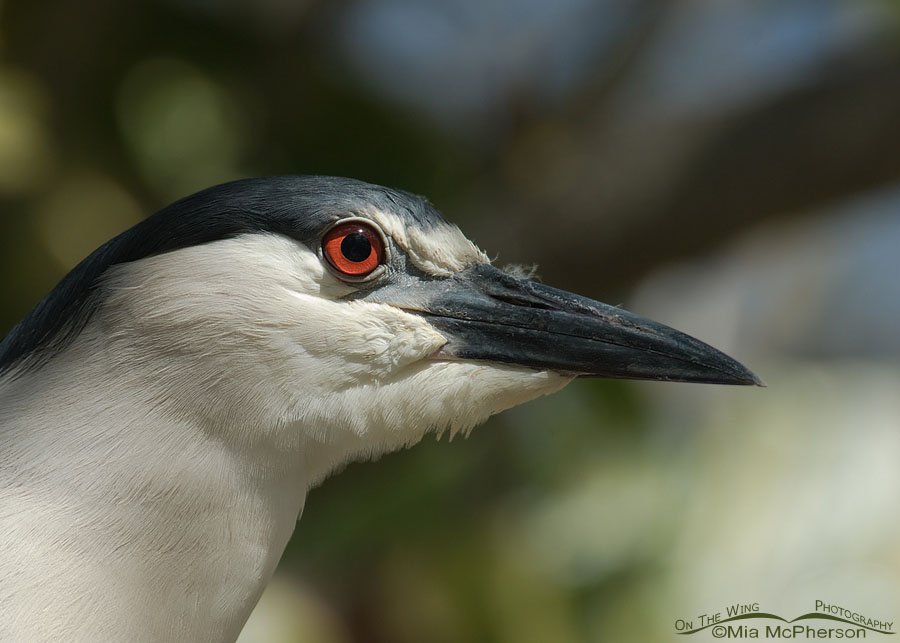
Since I moved to Utah I have never been able to get as close to Black-crowned Night Herons like I was able to approach this bird in Florida.
Proper rotation can make an image work. Improper rotation can cause the the person viewing to wonder what isn't right about an image.