Spot The Sandpiper On The Seawall
It really isn't too hard to spot this Spotted Sandpiper on the seawall, I just thought it was a catchy title. I saw my FOY (first of year) Spotted Sandpiper this past week and that got me excited.



It really isn't too hard to spot this Spotted Sandpiper on the seawall, I just thought it was a catchy title. I saw my FOY (first of year) Spotted Sandpiper this past week and that got me excited.
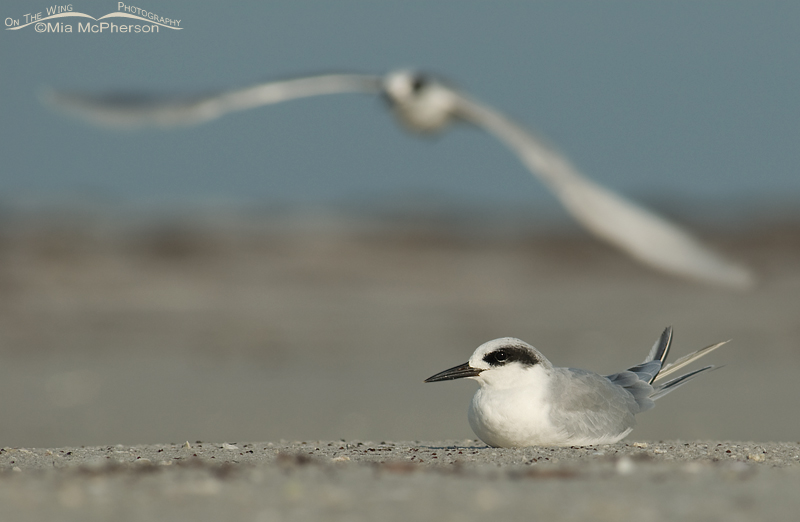
This Forster's Tern image was taken several years ago on Fort De Soto County Park's north beach while it was resting on the sand as another tern was flying towards us both.

I photographed this Ruddy Turnstone in early morning light at Fort De Soto County Park in Florida several years ago as it stood on the sandy beach.
I don't know how much snow fell over night here in the Salt Lake Valley because it is still dark outside and while I am truly not "blue" about it I thought some images from warmer times of a blue bird might be in order for a Monday.

This Great Egret image was taken in Florida in 2009, the beautiful blue in the background is the water of the Gulf of Mexico.

A simple image of a Red Knot taken in Florida in early morning light. Morning has been; and is, my favorite time of day to photograph birds and other wildlife because the rising sun can add drama and a warm glow to whatever subject I am photographing.

Last week I saw quite a few Common Mergansers at Bear River Migratory Bird Refuge but I wasn't able to get close enough to them to get any quality images but they reminded me of images I had been able to take of Common Mergansers several years ago at Farmington Bay Waterfowl Management Area.

Just a simple post today to show the differences in the breeding and nonbreeding plumage of Royal Terns.
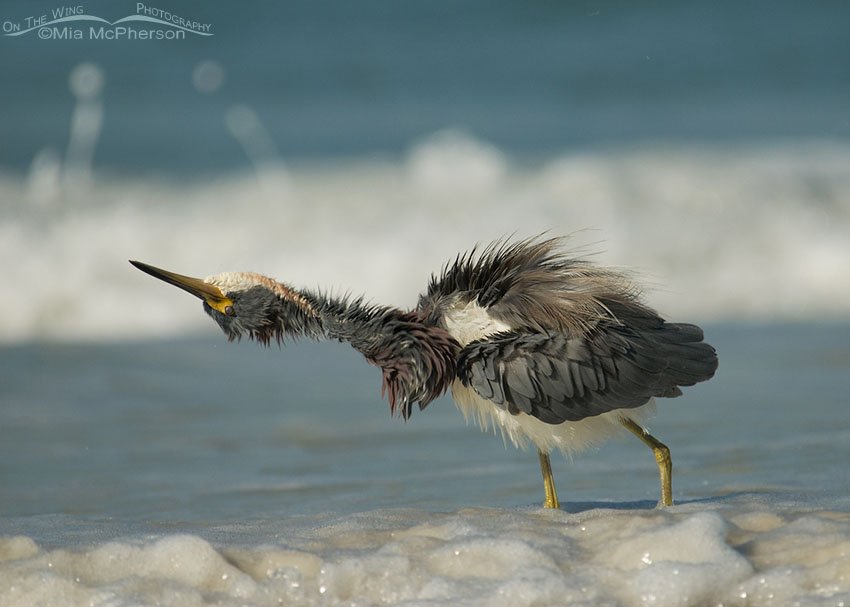
Maybe the Tricolored Heron thought Monday might look better upside down? Just a bit of humor for a Monday.

Yesterday I had a bit of fun photographing this Ring-billed Gull (Larus delawarensis) at Farmington Bay Wildlife Management Area, I love the snowy whites these gulls exhibit in their plumage year round

Just a very simple image today of a Reddish Egret (Egretta rufescens) flying over some sand dunes.

Black-bellied Plovers in breeding and nonbreeding plumage can look like two different plover species but they aren't.
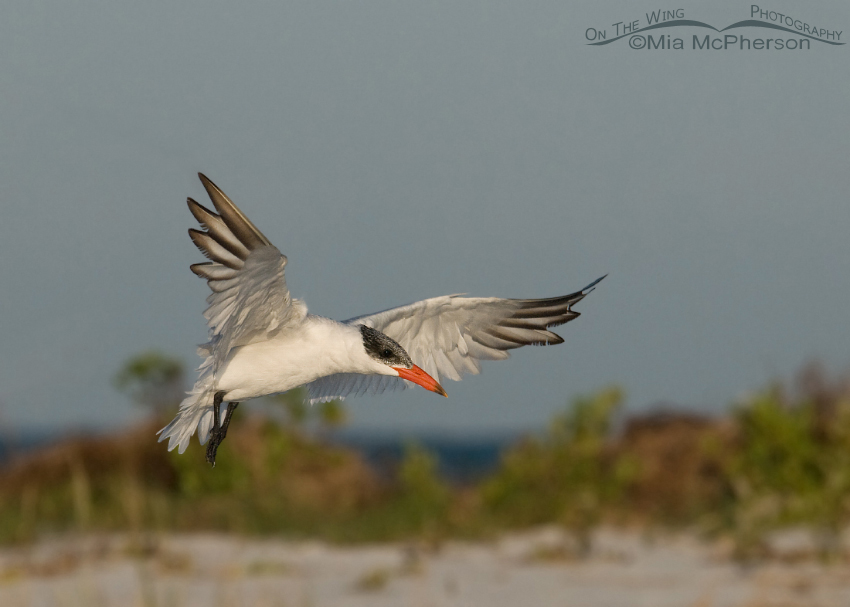
Caspian Terns (Hydroprogne caspia) are North America's largest tern with a wingspan of 50 inches and weighing in at 1.4 pounds.
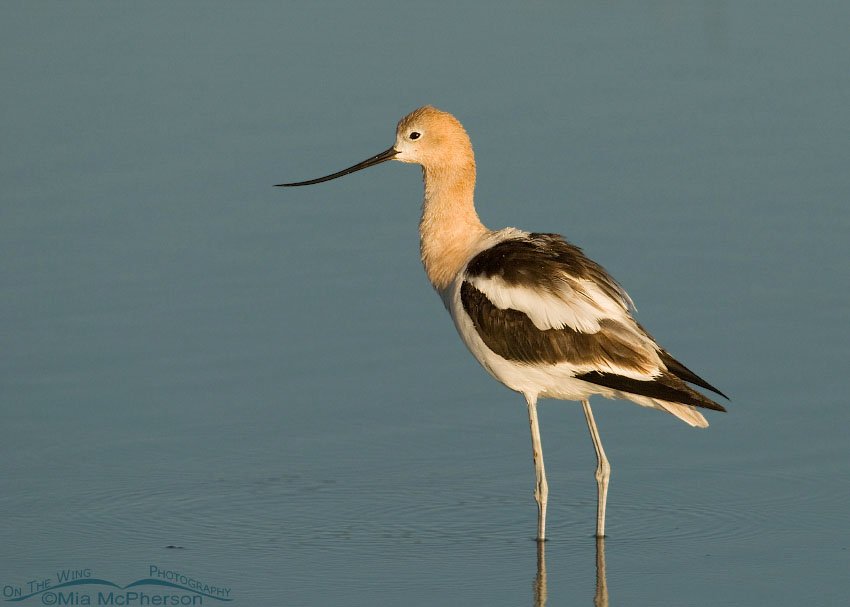
I photographed this American Avocet in nonbreeding plumage as it foraged in Glover's Pond at Farmington Bay Waterfowl Management Area in northern Utah a few years ago in the month of November.

Ruddy Turnstones in breeding and nonbreeding plumage can appear to be two different species to novice birders and bird photographers as can several other bird species.

Dunlins exhibit a vast difference between nonbreeding and breeding plumage, so different that a novice birder might mistakenly believe that they were two different species.
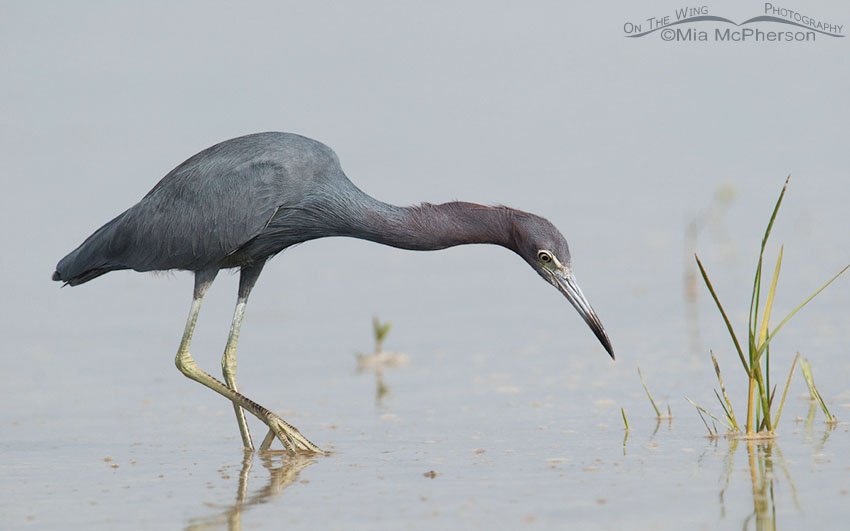
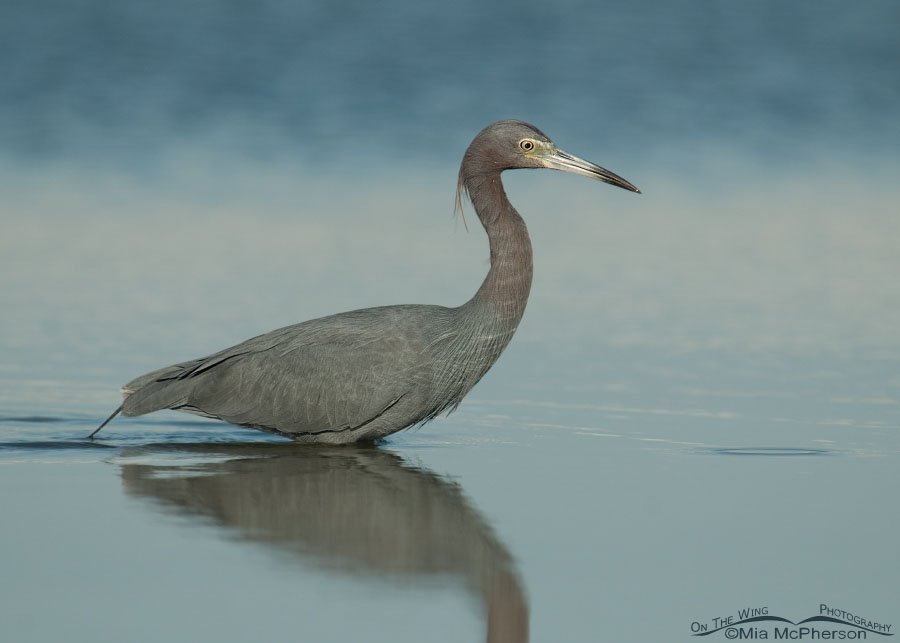
This Little Blue Heron (Egretta caerulea) was photographed in Florida as it hunted for prey in a shallow lagoon the edge of a marsh in late afternoon light.

On the day that I photographed this Laughing Gull either Hurricane Ike or Gustav was out near the center of the Gulf of Mexico that was churning up the water
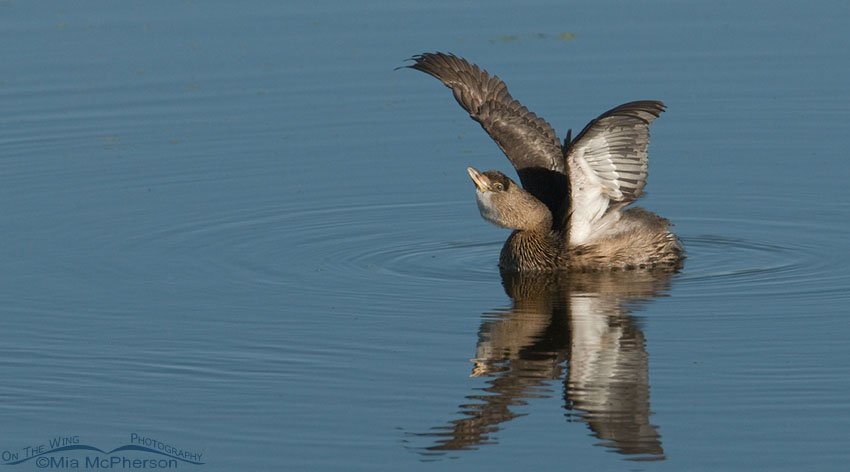
This Pied-billed Grebe; photographed at Farmington Bay Waterfowl Management Area in northern Utah, is a tease. Really, it is.
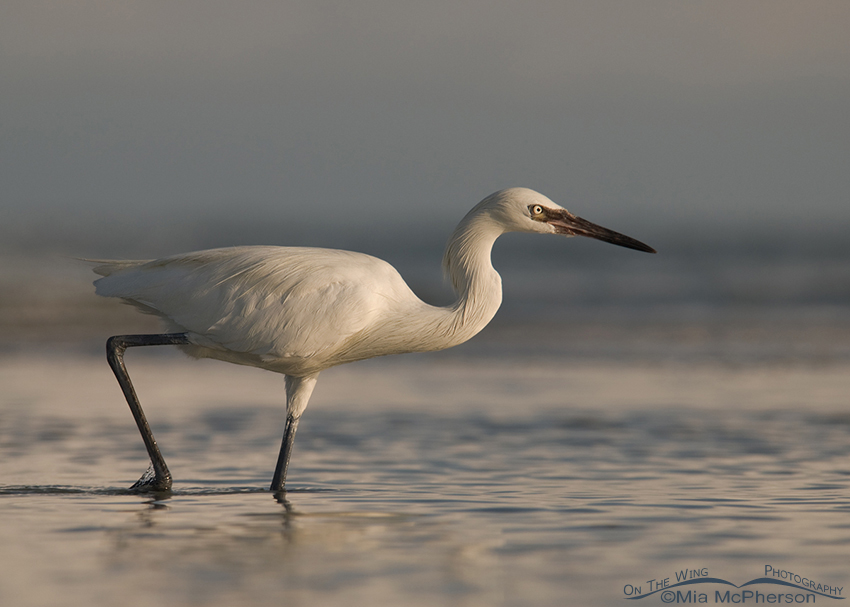
In my two previous posts of a Snowy Egret and a Great Egret I mentioned how the early morning light and a nearby storm gave those images a feeling of drama. These white morph Reddish Egret images were taken that same morning not long after I created the Great Egret photos.

You don't always need to have long focal lengths to get close up images, this image was taken with a moderately priced Nikkor 70-300mm VR at only 220mm and it is practically full frame.

As much as I like to compose images that are full frame I find that I often allow myself a touch of extra space around my subject so I can recompose in post processing by making different crops.
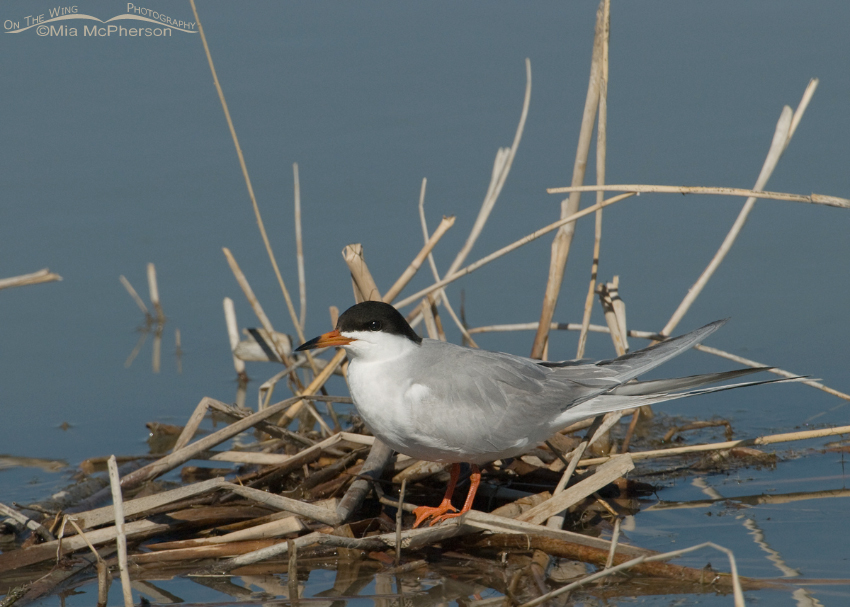
When I moved from Florida to Utah I felt it was fortunate that some of the nonbreeding birds I used to see in Florida during the winter I now get to see in breeding plumage on their nesting grounds.
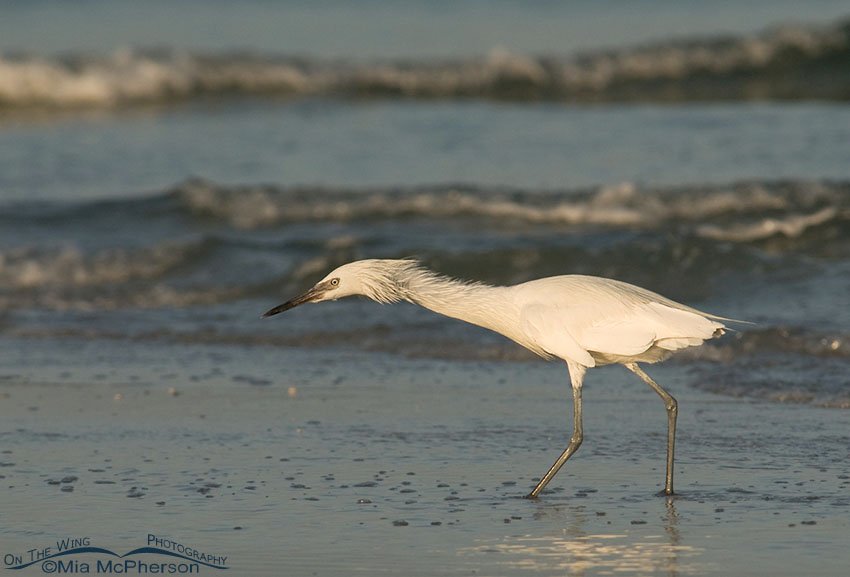
While I lived in Florida I simply adored being able to photograph Reddish Egrets, they can be graceful or goofy looking, they twirl, dash and dance.

The weather outside hasn't been good for bird photography today but since I am always behind on editing I thought I'd process this Red-breasted Merganser image that I took in Florida a few years ago.

Sanderlings can be a challenge to photograph because they move erratically at a very fast pace but creating images of them at their level is well worth the trouble of getting dirty and being exhausted by trying to follow the movements of these tiny dynamos.

I spotted this plover resting near the wrack line near the Gulf of Mexico during the winter and sand-crawled up close to it to get a low angle in the beautiful light.

Spotted Sandpipers are fun to watch as they walk along the shoreline as they teeter, bob and bounce their rear ends up and down.

Laughing Gulls are quite common on the east and Gulf coastlines of the US, during breeding season they are usually found near saltwater but in nonbreeding season they are known to wander widely.

Eared Grebes are the most abundant grebe in North America, there are times I see huge flocks of them on the Great Salt Lake numbering in the tens of thousands.