Royal Tern Splashing And Bathing In A Florida Lagoon
This image of a splashing and bathing Royal Tern in a Florida lagoon was taken nearly ten years ago and I'd never processed it until today.



This image of a splashing and bathing Royal Tern in a Florida lagoon was taken nearly ten years ago and I'd never processed it until today.

It felt amazing to have that Great Blue Heron gift us with its presence for those few seconds. You just never know what might happen when you are out looking for birds.
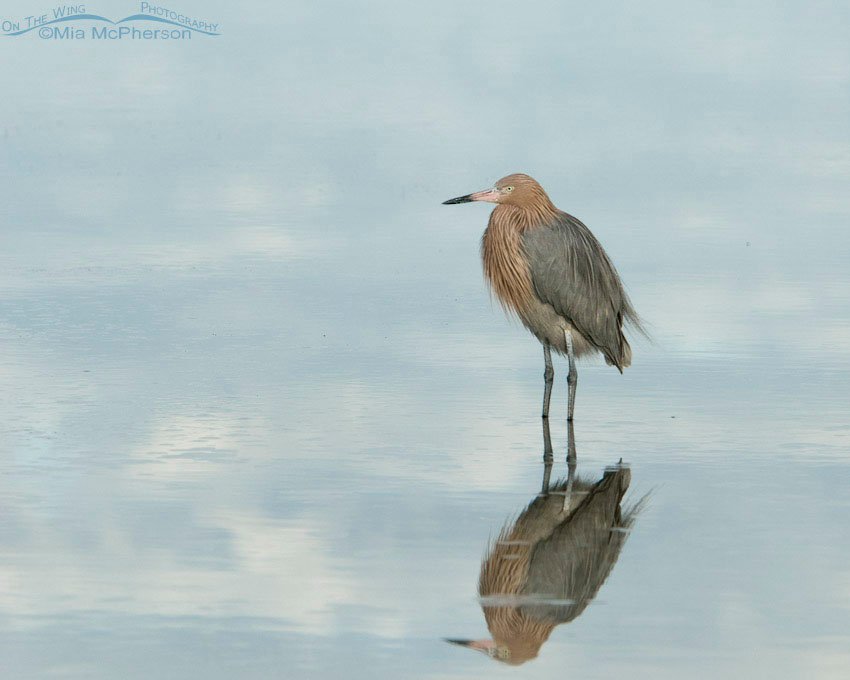
It has been nearly ten years since I took this photo and it remains one of my favorite Reddish Egret photos because of the clouds reflecting on the still waters of a lagoon at Fort De Soto County Park.

This morning I'm thinking back on warmer days where I took photos of Spotted Sandpipers on the Gulf Coast as they scurried among those oyster beds looking for food and somehow I feel just a little bit warmer looking at this photo and the howling wind doesn't seem quite so loud.

It is always nice to be able to point out a lifer bird to someone else and that is what I did on June 25th after I spotted a tiny Snowy Plover at Bear River Migratory Bird Refuge foraging in the mud.

Taking photographs of shorebirds at eye level was very fulfilling for me and the images that resulted from my down & dirty technique have always made me feel an intimate connection to the birds.

It was one year ago today that I saw and heard my first Long-billed Curlews of the year and this morning as I sit here knowing there are cloudy skies outside I am wondering if the curlews have returned to northern Utah today as well.

The sun hadn't yet come up when I spotted this Great Egret in the tidal lagoon with the Sunshine Skyway Bridge in the background and it looked like the water was on fire.

In Florida I most often photographed Red-winged Blackbirds at north beach of Fort De Soto County Park where I could reliably find them in the sand dunes, sea oats, spartina and mangroves all year long.
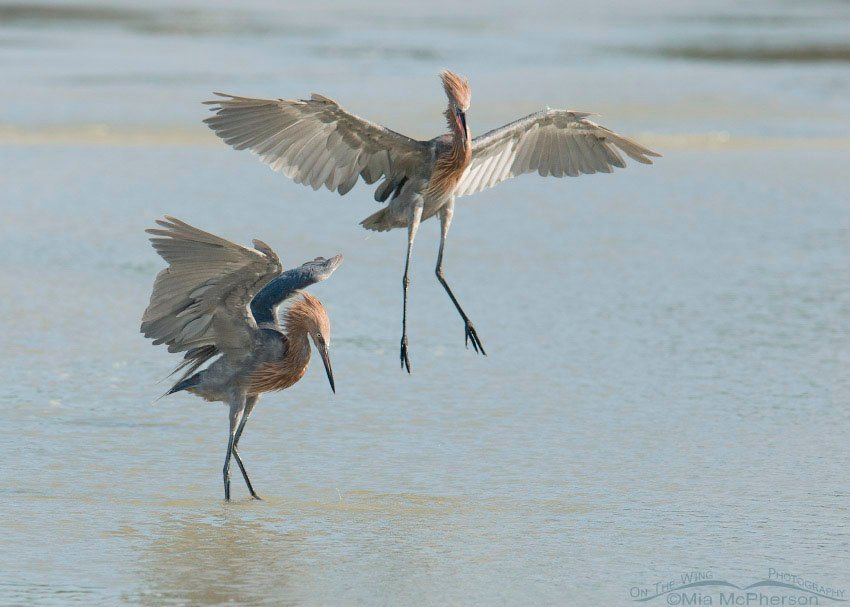
I didn't have a great angle of light when I photographed this pair of Reddish Egrets but I didn't want to move and disturb the birds so I stood still as I could.

After taking the quick bath in the tidal lagoon the Black-bellied Plover flew off towards the shoreline of the lagoon to shake and fluff its feathers until they were dry.
On a May morning in 2008 while photographing this Wilson's Plover it began to scratch itself with its foot and when I took this photo it looked like the plover was dancing.

My entire focus was on the calm Great Blue Heron in front of me and I felt as relaxed as the heron appeared to be that morning.
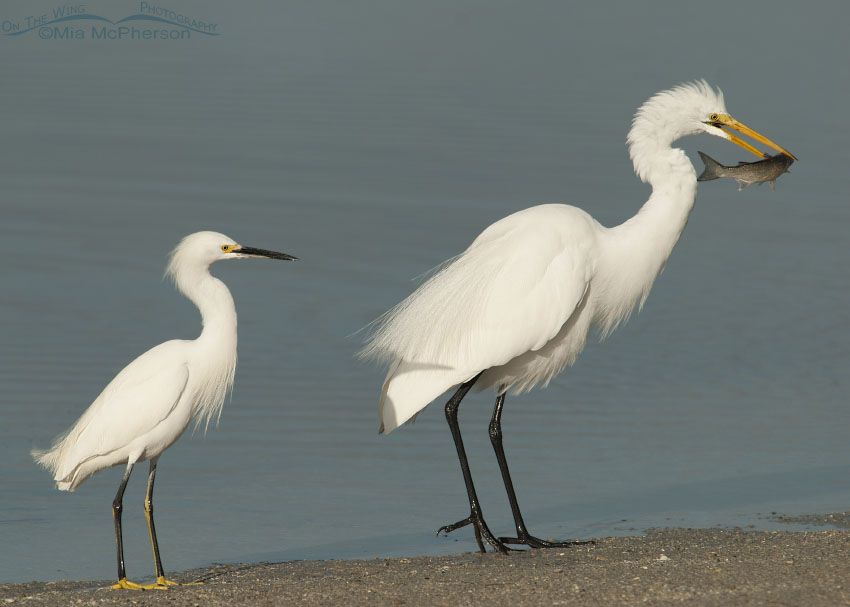
There are some other differences between Great and Snowy Egrets in appearance of course but I think the comparisons I have written about are the most helpful for me in the field for identification and may be for other people too.

Among my favorite plovers to photograph when I lived in Florida were Semipalmated Plovers, I only saw them during their nonbreeding season where they spent time along the Gulf coast.

This Short-billed Dowitcher slowly made its way through the Sargassum on the wrack line as I laid in the damp sand photographing it and the other shorebirds that were searching the seaweed for food.

The first bird I photographed that day was a Yellow-crowned Night Heron wandering in the sea fog near the dunes and shoreline of the Gulf of Mexico.

The lives of these Great Blue Herons sure are different when you compare December in Utah to December in Florida.

I don't often see wading birds in flight with large prey in their bills so in April of 2009 I was excited to see a Great Egret landing in a lagoon with a large fish in its bill.

One of the things that make my feathers ruffle though is when I see people post a bird photo and call it a "seagull" because there is no such thing as a seagull.

As the Wood Stork foraged for it breakfast it kept an eye on me as I sat low and very still in the lagoon.
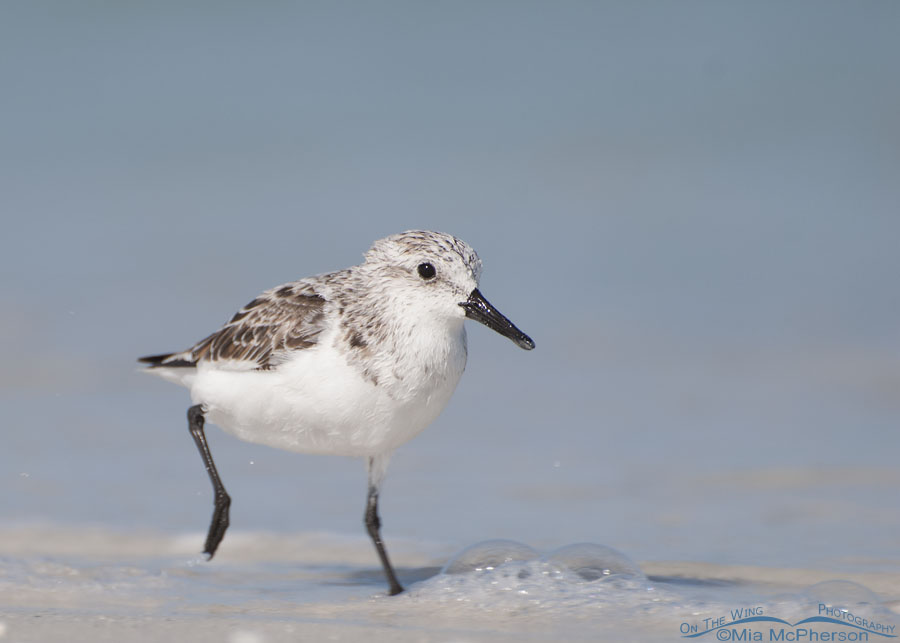
I wanted to share this photo of a Sanderling racing the waves at Fort De Soto County Park in Florida because I photographed it on a warm, sunny day.

Immature or adult, dark or white morph, Reddish Egrets are spectacular and fascinating wading birds to see, observe and photograph.

There are big differences in the ways I photograph Greater Yellowlegs here in Utah than there were when I photographed them in Florida.

When I look at this photo of the juvenile Sanderling I see a bird that was so relaxed that it fell asleep while I photographed it because it was comfortable with my presence and I felt honored that it was.

This Great Blue Heron wandered past me one December morning at Fort De Soto County Park's north beach on a gray, windy day and because it was close I simply had to take a photo of the large wading bird.

Just because Willets weren't split this year doesn't mean they won't be split in the future, who knows what changes will be made a year from now.

I knew when I photographed this Snowy Egret in a shallow lagoon at Fort De Soto County Park that the dark reflections of the mangroves and mangrove roots on the water would produce a high contrast image.
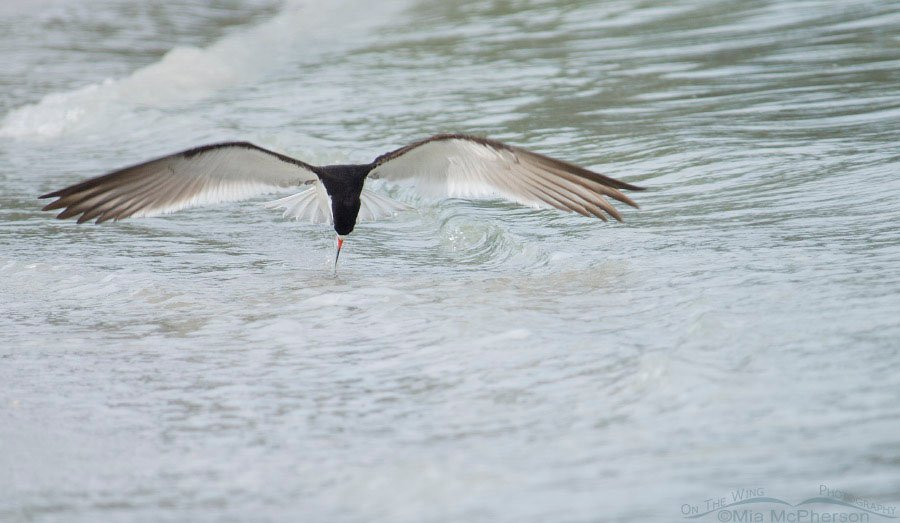
Black Skimmers forage by skimming their bills in the waves just off shore and snap up fish when their sensitive bills locate them.

Female Red-winged Blackbirds seem to be the birds that are most often misidentified probably because they look so different from the males. Red-winged Blackbirds are sexually dimorphic .