American Herring Gulls
Two Herring Gulls (Larus argentatus) at different stages of life, one an adult in breeding plumage, the other an immature gull in flight.



Two Herring Gulls (Larus argentatus) at different stages of life, one an adult in breeding plumage, the other an immature gull in flight.

One of the shorebird species I am able to see in Utah during migration that I photographed often while I lived in Florida are the lovely Black-bellied Plovers (Pluvialis squatarola).

It dawned on me this morning that I haven not posted an image of a Western Sandpiper here yet so I pulled this one out of my archives that I photographed at Fort De Soto as the small shorebird ran in front of me on the shoreline.

This Snowy Egret image was taken just after the sun had risen above the horizon in about the same location as the egret image I posted yesterday but at a completely different time of the year.
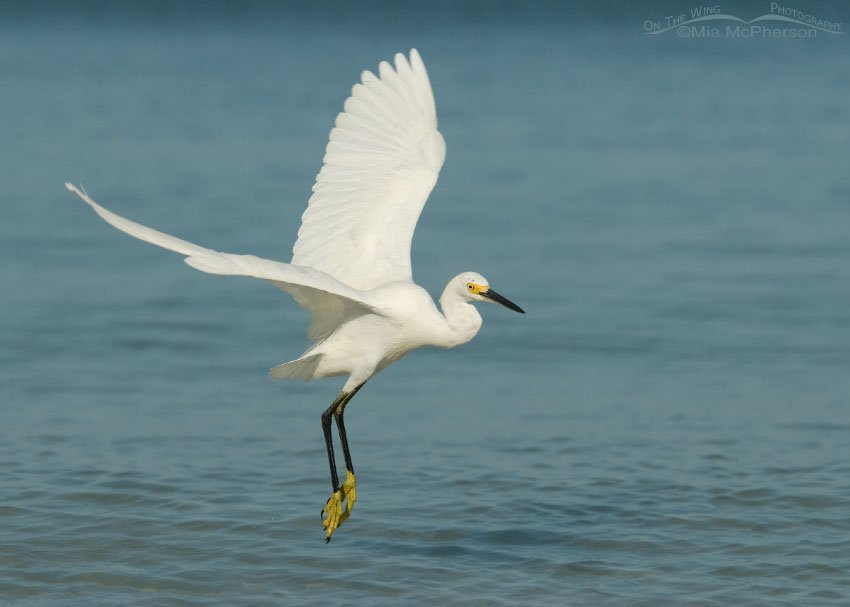
I was photographing at Fort De Soto's north beach on May 30th, 2008 when I had a very cooperative Snowy Egret start fishing in the warm waters of the Gulf of Mexico right in front of me.

Willets have returned to Utah, on the causeway to Antelope Island hundreds of them can be seen in the shallow water. They seem to spend some time there fattening up after migration before they get down to the serious business of mating and rearing their young.

Just a simple image of a Snowy Egret (Egretta thula) today. I photographed this Egret as it stalked along the shore of the Gulf of Mexico in Florida.

There were two Reddish Egrets (Egretta rufescens) on the north beach of Fort De Soto that day and it was a blast to watch them race around catching the small fish.

These two photos are of the same adult American Oystercatcher (Haematopus palliatus) in sequential order taken at Fort De Soto County Park in Florida. I was laying in the sand while I created the images to get a low angle and the bird was on a ridge elevated slightly higher than my location.

Brown Pelicans (Pelecanus occidentalis) were common year round along the Gulf coast when I lived in Florida. I would see them floating in the water, resting on sandbars and beaches, diving for prey and in flight.
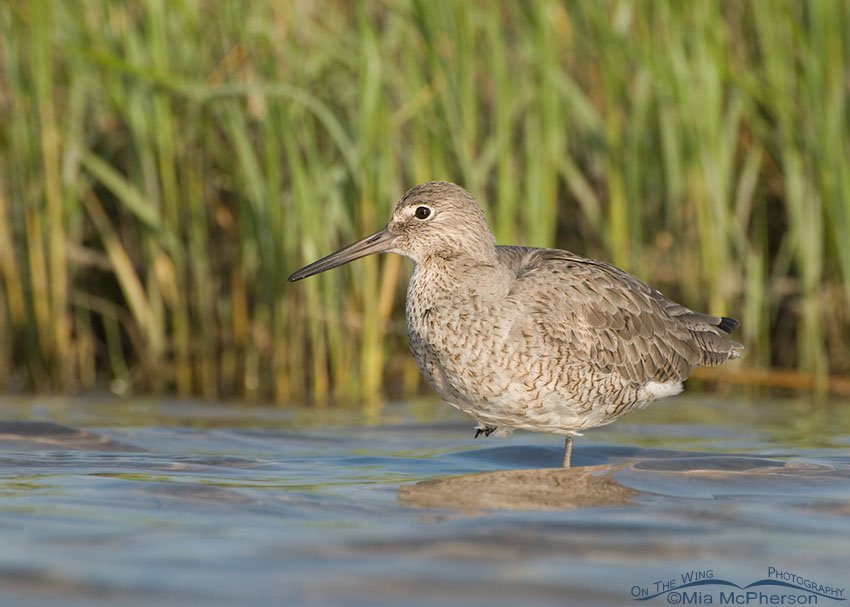
The image above was taken at Fort De Soto on Florida's Gulf coast. The Willets there are habituated to people and because they are it is easier to approach them than it is here in Utah.

I've always liked this photo because it shows how this American Oystercatcher (Haematopus palliatus) is using its long bill to pry open a shell.

A few days ago I read that a Long-billed Curlew had been spotted on Antelope Island State Park and that got me excited. I've waited to see them again since they left last fall and I simply can not wait to hear their mysterious and hauntingly beautiful call.

Red-winged Blackbirds are birds that I associate with spring, the males begin calling perched on top of reeds, cattails, grasses and shrubs and flash their brightly colored coverts to attract a mate.

Piping Plovers nest in shallow scrapes in sand, gravel, salt flats or dunes which leaves their nests vulnerable to predators and in danger of being accidentally stepped on.

The sun had not yet crested the eastern horizon when I photographed this Great Blue Heron as it hunted in the shallow waters on the shoreline of the Gulf of Mexico.
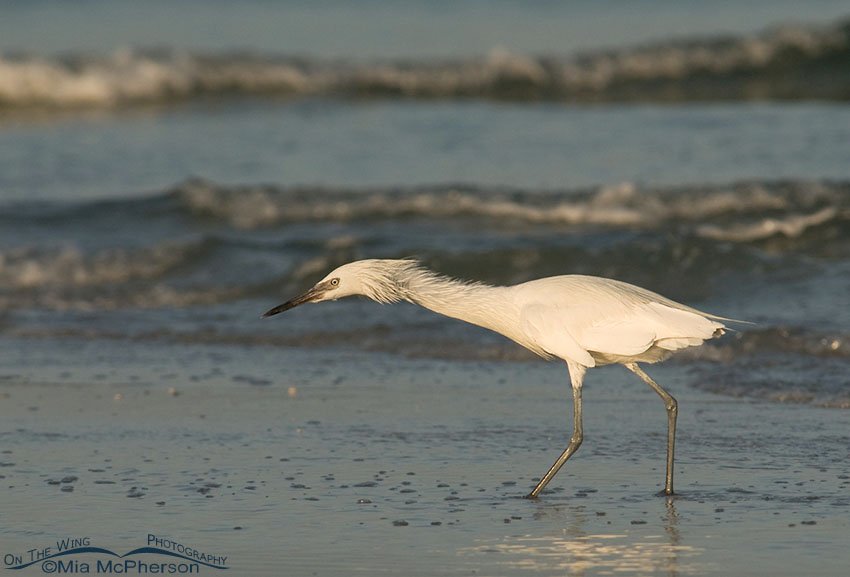
While I lived in Florida I simply adored being able to photograph Reddish Egrets, they can be graceful or goofy looking, they twirl, dash and dance.

I was laying down in the wet sand with my lens about an inch from the surface of the beach when I photographed these shorebirds, one needs to watch out for those rogue waves because they don't only wash away the bird's prey... they can soak your lens & camera too!
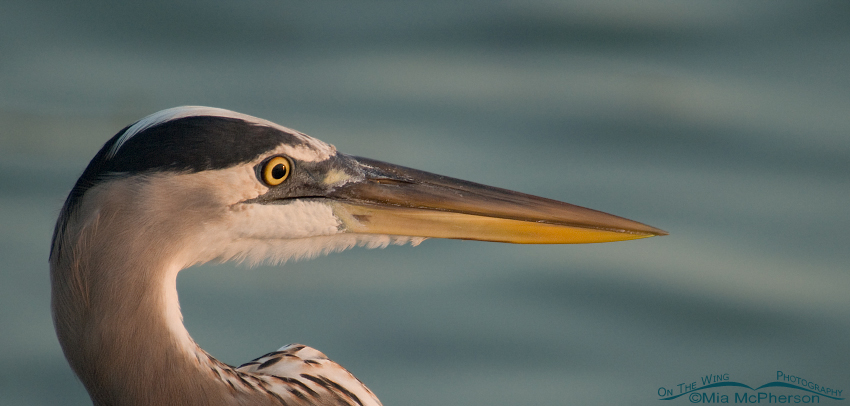
Another one of the reasons I enjoy this photo is that the eye of the Great Blue Heron has a colored catchlight that is from the sun glowing yellow on the eastern horizon.
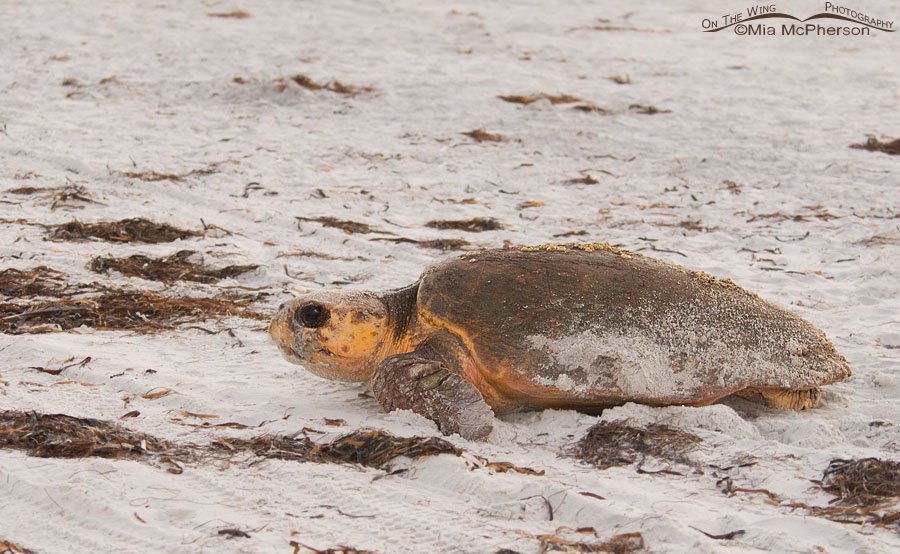
At first I was so stunned that I wasn't taking any images of the Loggerhead Turtle, I just stood there admiring this temporarily earthbound sea creature. She was so beautiful to me.
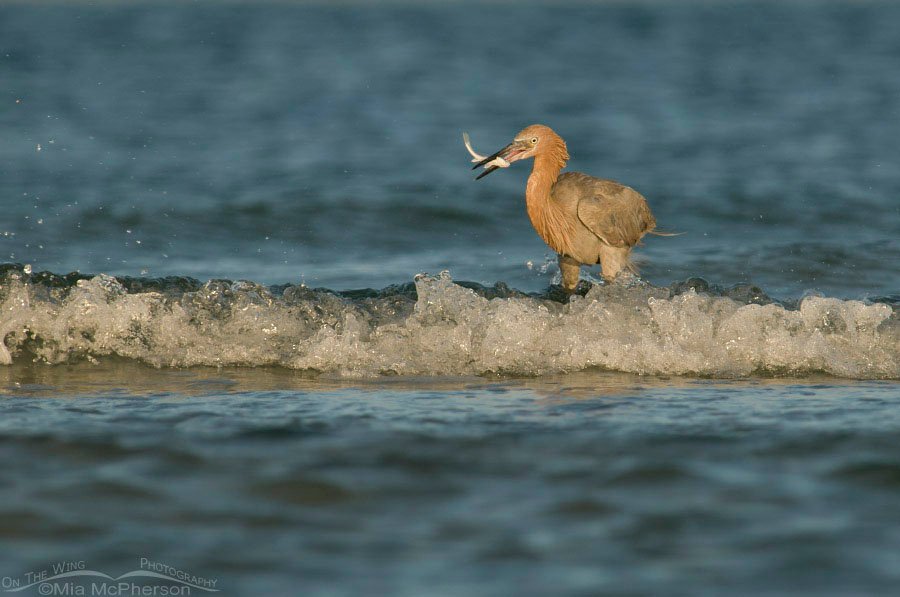
While I lived in Florida I took thousands (and thousands) of images of Reddish Egrets and I am very glad that I did because they are rarities in Utah, where I now live.

I could always tell when a flock of Black Skimmers were flying in to Fort De Soto's north beach when I was photographing there because I could usually hear their soft, nasal barking yips or yeps before I saw them.

It didn't take long for me to check my ISO, my aperture and other techs as I dropped onto my knees before laying flat on my belly to photograph the flock of 20 or so Whimbrels.

Sanderlings can be a challenge to photograph because they move erratically at a very fast pace but creating images of them at their level is well worth the trouble of getting dirty and being exhausted by trying to follow the movements of these tiny dynamos.
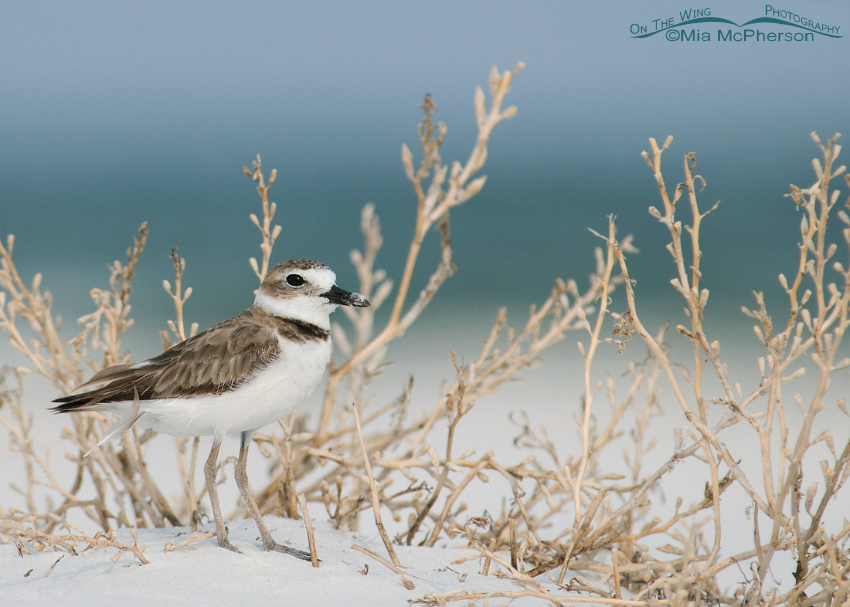
This Friday's Photo is that of a Wilson's Plover, a species I very much enjoyed photographing while I lived in Florida.

I love to photograph in pre-dawn light because of the subtle almost pastel tones that can be captured at that time of the morning.
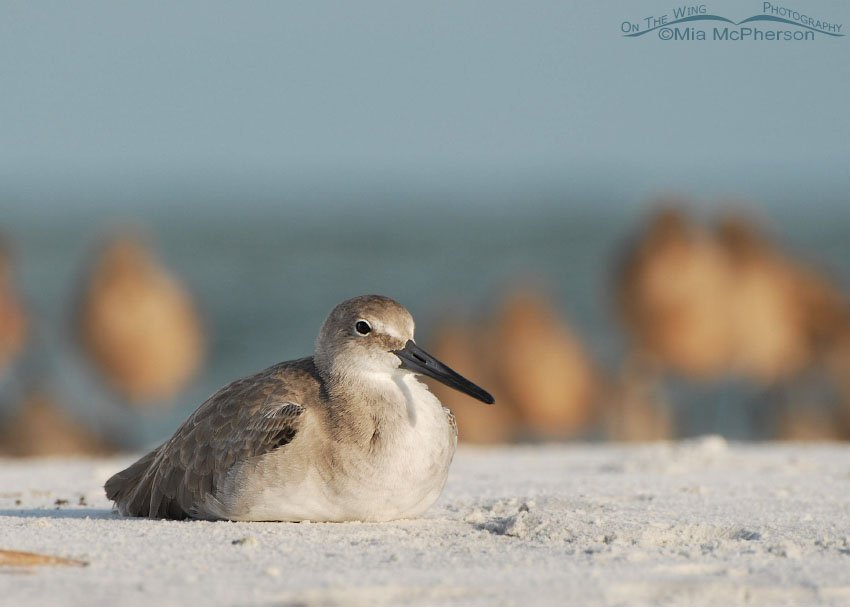
There are images that I have created that as soon as I see them on my monitor become listed as one of my favorites.

Yesterday the monsoons came up from the south which meant lots of rain on moisture laden winds.

I watched this American Oystercatcher juvenile and its sibling from the time they were just tiny chicks beginning the day after they had hatched.

I spotted this plover resting near the wrack line near the Gulf of Mexico during the winter and sand-crawled up close to it to get a low angle in the beautiful light.