Nonbreeding American Avocet foraging at Bear River MBR
The American Avocets look a bit different now than they did earlier in the year because they are now in their paler, less colorful nonbreeding plumage.



The American Avocets look a bit different now than they did earlier in the year because they are now in their paler, less colorful nonbreeding plumage.

Two days ago while on the auto tour loop at Bear River MBR an American White Pelican caught my eyes because of its unusually dark crown, nape, and neck plumage.
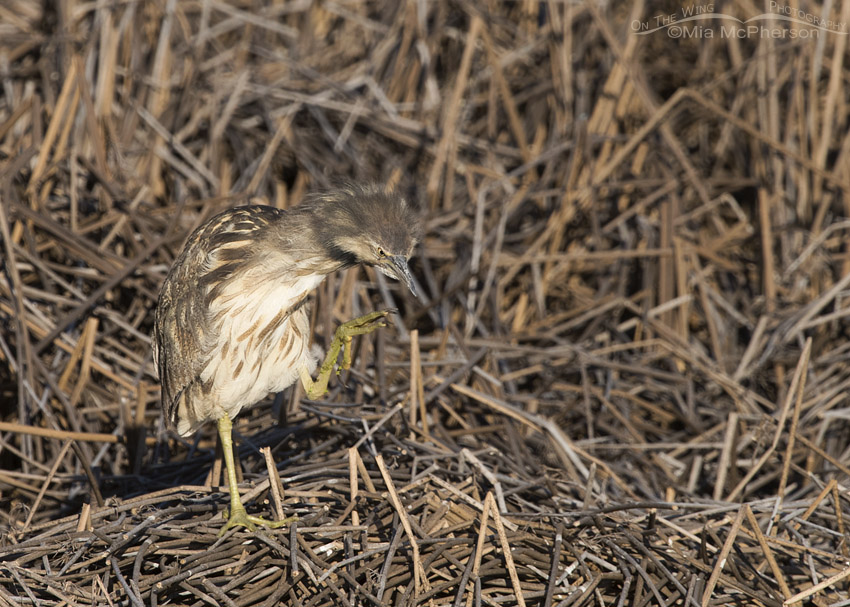
The bird I was looking at wasn't a juvenile Black-crowned Night Heron at all, it was an adult American Bittern out in the open!

I liked the crouched position of this Snowy Egret as it was about to strike the prey it was hunting and when it struck it did capture and eat the small fish.

I saw plenty of birds yesterday including juvenile Black-crowned Night Herons at Bear River MBR every where I looked.

Killdeer chicks are precocial and active soon after hatching and will leave the nest as soon as their down dries.

On the day I photographed this Wood Duck hen with her duckling the duckweed covered the surface.

Because I was close I wasn't able to get a single image with all of the ducklings and the hen in the frame so I focused on the Mallard hen and with one duckling resting right behind her.

I spent the morning at Bear River Migratory Bird Refuge yesterday and one of the birds I photographed the most was this resting Double-crested Cormorant.

One of my favorite things is to see is squadrons of American White Pelicans wheeling in the sky high overhead circling until they are out of sight.
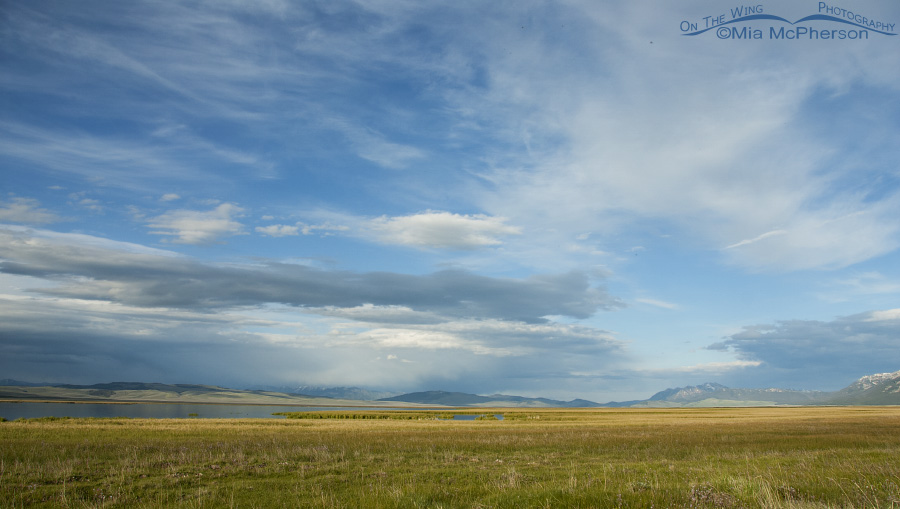
Nature is calling and I am answering her call. I am happy to be off on another new amazing adventure.

When I photographed these two Snowy Egrets at Bear River MBR last August they were already through raising their young for the season.
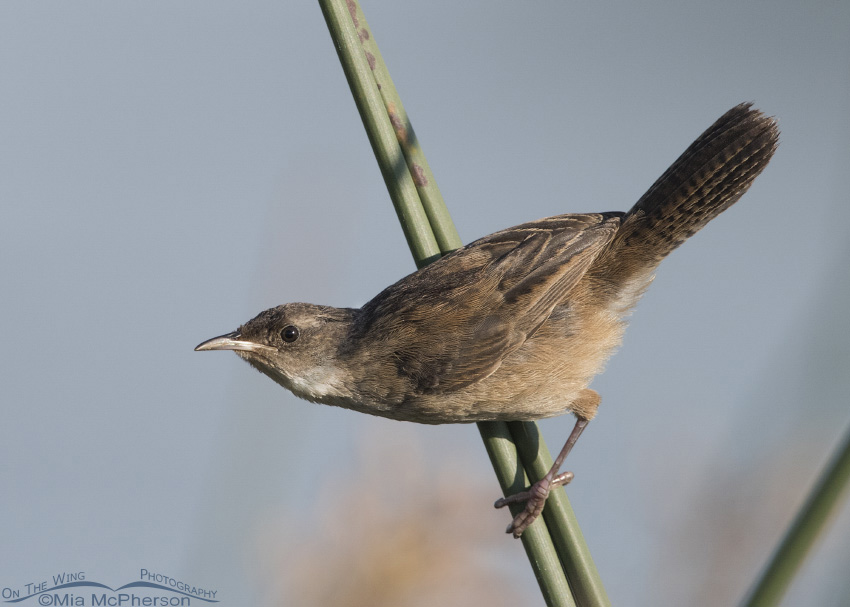
Last August I was a bit surprised to see a House Wren at Bear River Migratory Bird Refuge from the auto tour loop around the marshes there.

It is breeding season for Killdeer at Bear River MBR and for all of Utah.
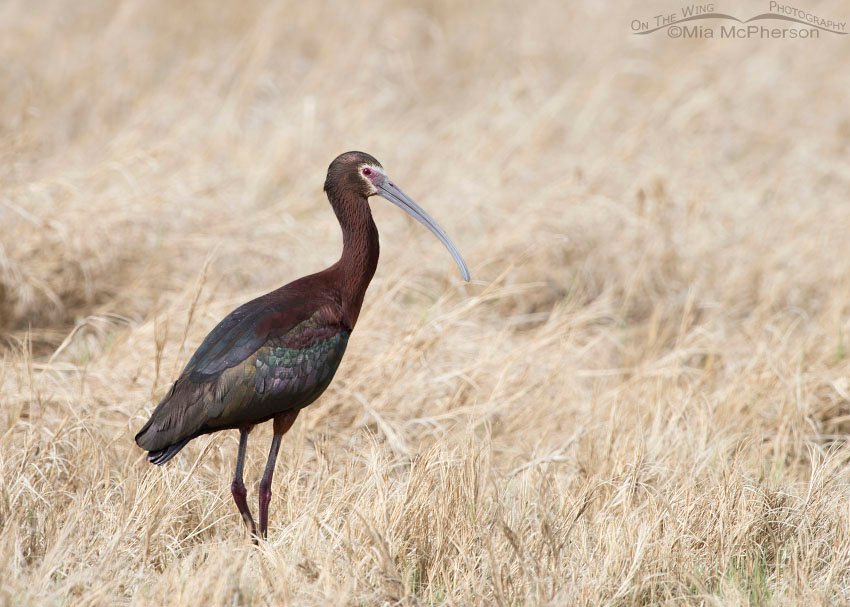
For weeks I have been seeing White-faced Ibis fly overs and yesterday I had my first opportunity to photograph them for the year at Bear River Migratory Bird Refuge.

When I photographed this Forster's Tern hovering over prey there were several others in the area doing the same thing which makes it difficult to decide on which bird to photograph.

I was able to take this male Yellow-headed Blackbird portrait because the bird seemed more intent on catching midges than being nervous about me.
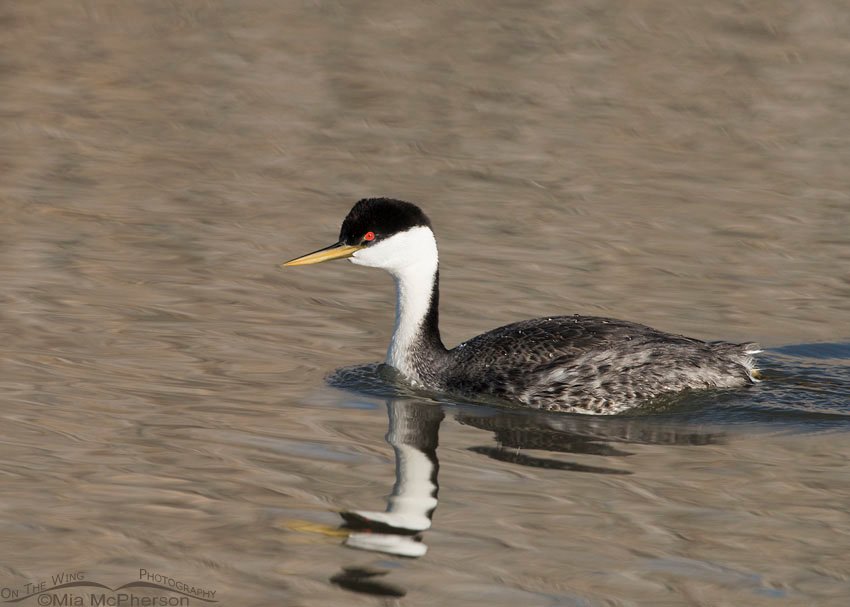
I eagerly anticipate the birds that arrive with spring including an early spring Western Grebe who will soon be courting and rushing at the refuge.

After they burn the phragmites it doesn't take long for life to go back to normal for some of the birds like this Killdeer in a burned area.

These images of a Great Blue Heron at Bear River Migratory Bird Refuge were taken last September on the auto tour route at the refuge.

Last year in mid August I photographed a very cooperative juvenile Barn Swallow at Bear River MBR and realized I hadn't posted any images of the bird or written about my encounter with it.
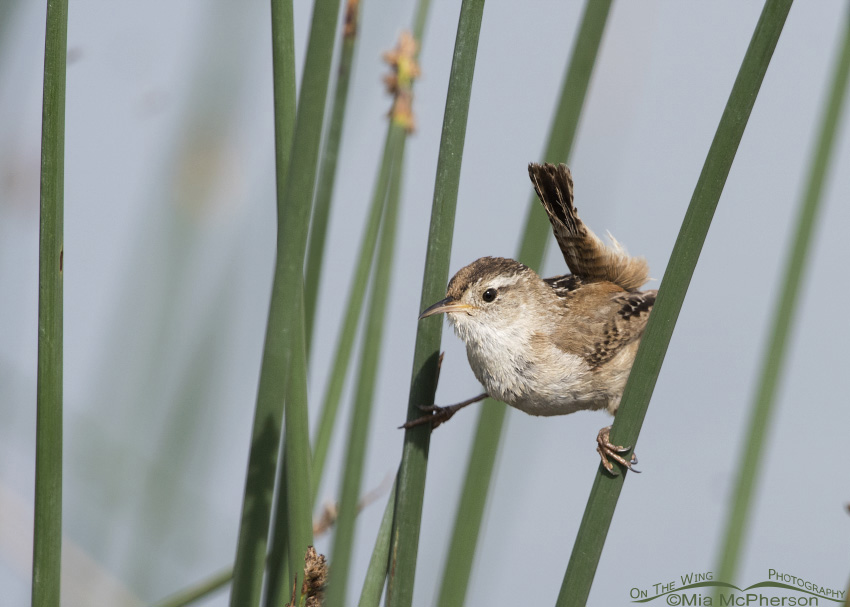
The males will start singing before too long and the Marsh Wren nesting season in Utah will begin.

Watching and photographing the Tundra Swans lifting off from Bear River Migratory Bird Refuge yesterday was slightly bittersweet for me because I know they will soon be heading north to mate.
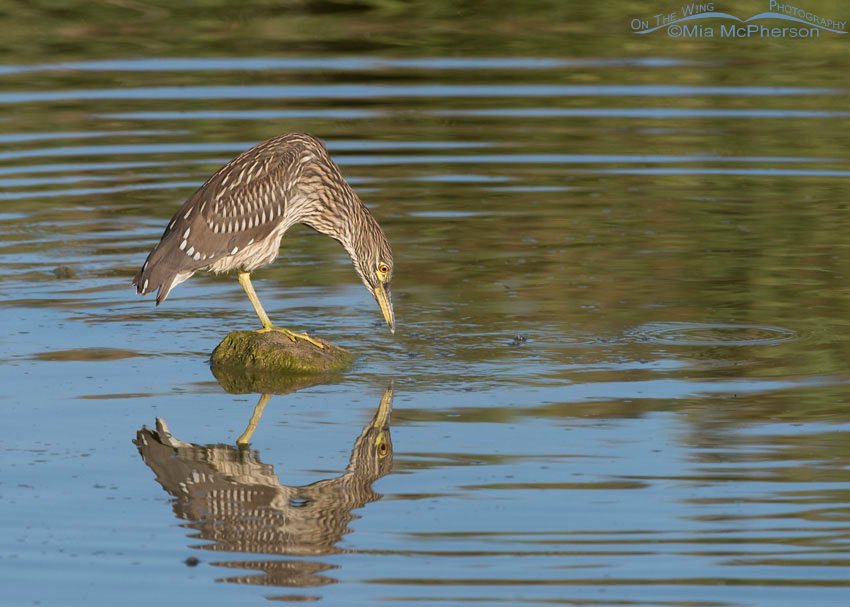
Last August I was able to spend time observing and photographing this juvenile Black-crowned Night Heron stalking prey at Bear River Migratory Bird Refuge.

I thought a comparison of adult and juvenile White-faced Ibis might be interesting for those of you who aren't familiar with this western species of ibis.

The Snowy Egrets of Bear River Migratory Bird Refuge never fail to delight me with their bright white plumage, golden feet, bright yellow lores and feathery plumes.

I went looking for a Snowy Owl and got Barn Owls in flight instead at Bear River Migratory Bird Refuge.

There isn't much open water right now but in a few places where it is open it attracts waterfowl including this bathing Common Merganser male in breeding plumage.

I took this image of a Western Grebe in late Summer last year at Bear River Migratory Bird Refuge when the marsh vegetation has started to turn gold and mornings had begun to feel crisp and invigorating.

Ring-billed and California Gulls are the typical gulls I find in Utah so it wasn't much of a surprise to find this California Gull at Bear River Migratory Bird Refuge.