Marbled Godwit And The Gulf Of Mexico
I have always thought of Marbled Godwits as graceful, elegant shorebirds and I still do.


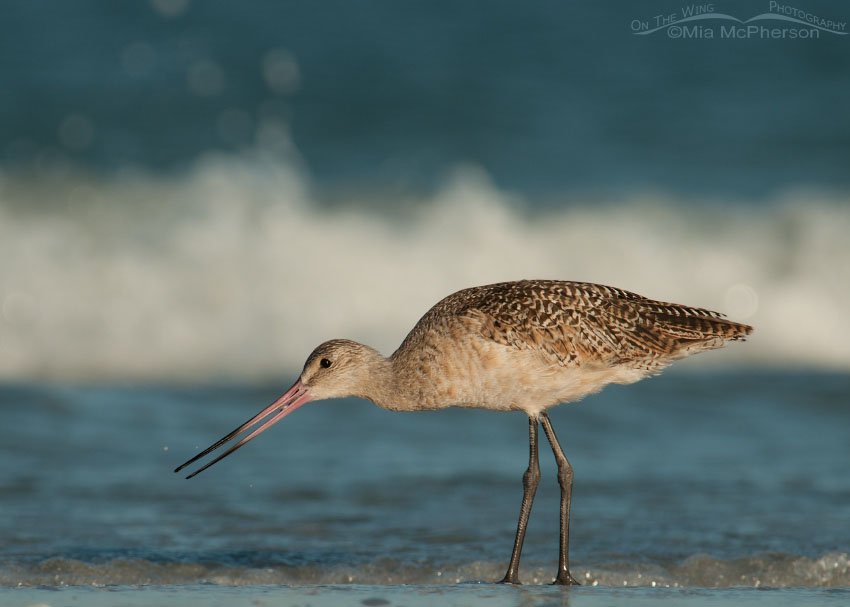
I have always thought of Marbled Godwits as graceful, elegant shorebirds and I still do.

This morning I wanted to keep my post simple and how much more simple could this image of a Semipalmated Plover with its eye on me be?

American Oystercatchers are specialized in that their diet consists of bivalves and they do use that flashy orange bill to pry some of them open.

Six years ago this morning I was photographing birds at Fort De Soto County Park and I wanted to share a few images and memories of that day.

Moving; even just a little bit, can change the background of an image even when the subject is stationary.

In the fall of 2011 I enjoyed being able to photograph this first year Prairie Falcon several times close to the Great Salt Lake in Utah.

I've mentioned in another post that "Some Days are Magic" and I felt that magic the morning I created this image of a Red-breasted Merganser.

I saw my first of the year Long-billed Curlews two days ago on Antelope Island State Park flying overhead. They weren't close enough to photograph but I know that soon I will have them in my viewfinder again.

There are times when one subject will make my day in the field worthwhile, yesterday it was a lone Coyote hunting for voles on the shoreline of the Great Salt Lake.

Yesterday morning I spotted a lone Common Merganser at Farmington Bay Waterfowl Management Area nearly hidden in some phragmites and when we came around the corner the bird seemed to have disappeared but after a bit it came out from its hiding spot and gave us quite a show.
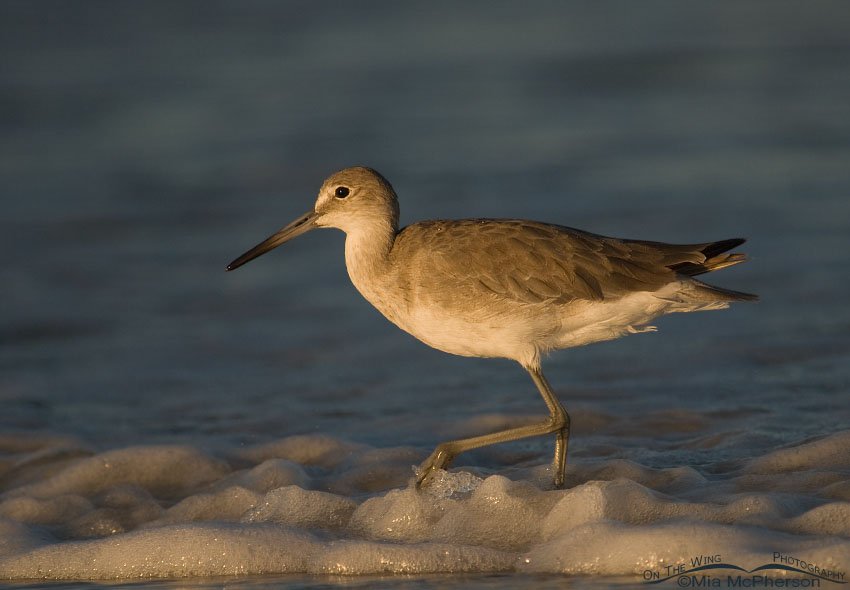
For those of us; including myself, who are tired of gray, cold days I thought this Willet photographed in Florida might delight in the sweet light, sea foam and warm Gulf waters the image contains.

In 2008 I spent several months during the summer watching an American Oystercatcher family from the time the chicks were tiny until one of the chicks became independent.

Shorebirds; like this tiny Piping Plover I photographed on the shore of the Gulf of Mexico, are the primary reason I became addicted to bird photography.

Snowy Egret in a hurry that I photographed almost exactly 5 years ago while sitting low in a Florida lagoon.
Which copyright watermark should I use? The small one that doesn't detract from the Greater Yellowlegs or the larger one that would make it harder for image thieves to use?

Five years ago today I headed to the north beach of Fort De Soto County Park despite knowing that there were looming storms off of the coast hanging just off shore over the Gulf of Mexico and I am glad that I did because the light that day on the beach was exquisite.

It won't be long before I start seeing juvenile Willets that are about the size of the one pictured here.
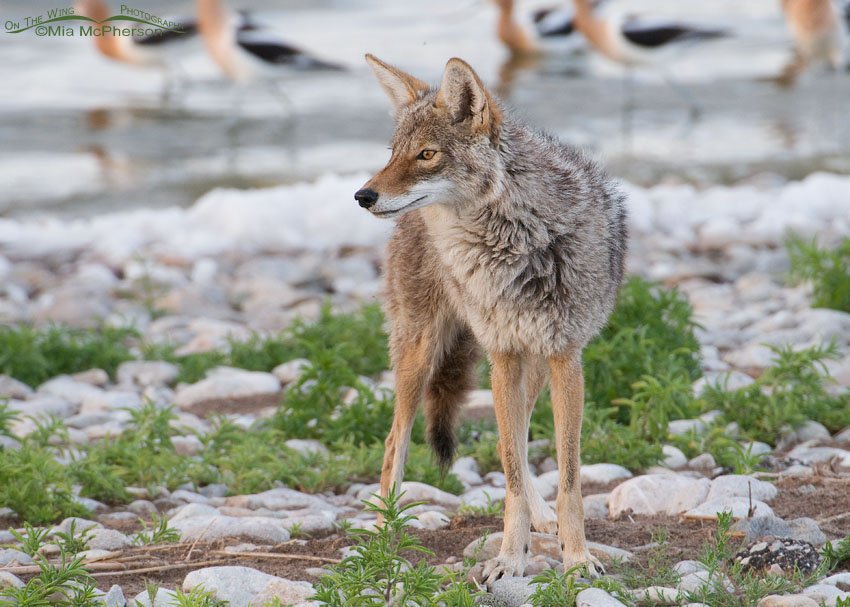
It was a fascinating experience to see and photograph this Coyote locating and eating the egg and I'm tickled to have witnessed the Coyote's egg carrying behavior plus once again I am very glad to have been in the right place at the right time.

This Snowy Egret was photographed as it stood in the shallow water of the Gulf of Mexico at Fort De Soto County Park's north beach one early August morning in 2007.

Five years ago today I was laying in the warm wet sands of Fort De Soto County Park's north beach as the salty water from the Gulf of Mexico soaked my skin while photographing a Ruddy Turnstone doing what they do best, turning things.

Not long after arriving at Antelope Island yesterday I heard the sound of Coyotes singing, it is a sound that always brings a smile to my lips and delights me.

I was tickled to get these images and the others I created of these two Snow Geese yesterday, especially since they were close.

Earlier this morning I spotted a Prairie Falcon perched on a rock while on the Antelope Island Causeway, before we could get stopped and into position to photograph the falcon it took off over the water and attacked a Northern Shoveler.
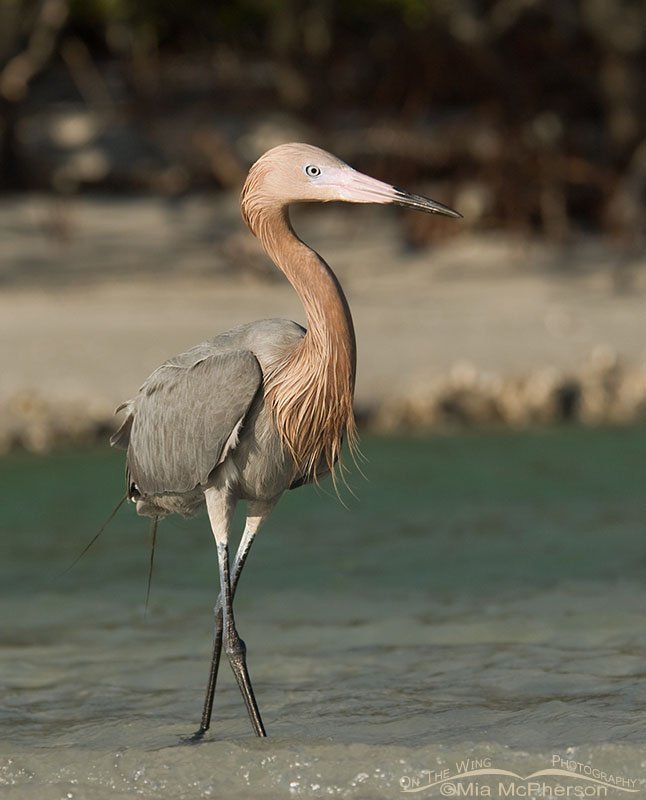
This adult Reddish Egret was going into breeding plumage, it has the pink and black bi-colored bill and the lores are turning bluish purple.

Dunlins exhibit a vast difference between nonbreeding and breeding plumage, so different that a novice birder might mistakenly believe that they were two different species.

Least Sandpipers (Calidris minutilla) are the world's smallest shorebird, weighing in at a mere 0.7 ounces (20 g), a length of 6 inches and a wingspan of 13 inches.

In 2008 I had the great pleasure of observing and photographing a family of American Oystercatchers from the day after the chicks hatched until three and a half months later.

I've been working up images for a long post and this American Oystercatcher (Haematopus palliatus) image is a clue as to what that post will be about.

I don't know if the birds think the water of the Great Salt Lake looks refreshing but when the heat is on like today, I sure do!

One of the shorebird species I am able to see in Utah during migration that I photographed often while I lived in Florida are the lovely Black-bellied Plovers (Pluvialis squatarola).