Semipalmated Plover – Small In Frame With Layers Of Color
This photo of a Semipalmated Plover on the shore of the Gulf was purposely photographed so that the plover would be small in the frame



This photo of a Semipalmated Plover on the shore of the Gulf was purposely photographed so that the plover would be small in the frame

There is just something about this Coyote image that makes me feel happy.

As a bird photographer I feel it is very important to me that my images show my subjects and the settings they are in as accurately as possible.

In the fall of 2011 I enjoyed being able to photograph this first year Prairie Falcon several times close to the Great Salt Lake in Utah.

There are times when one subject will make my day in the field worthwhile, yesterday it was a lone Coyote hunting for voles on the shoreline of the Great Salt Lake.

Back in March of 2009 while I was photographing a Great Blue Heron on the north beach of Fort De Soto County Park in Florida a Great Egret flew in and walked close to the Great Blue Heron and me.

In 2008 I spent several months during the summer watching an American Oystercatcher family from the time the chicks were tiny until one of the chicks became independent.

Snowy Egret in a hurry that I photographed almost exactly 5 years ago while sitting low in a Florida lagoon.
Which copyright watermark should I use? The small one that doesn't detract from the Greater Yellowlegs or the larger one that would make it harder for image thieves to use?
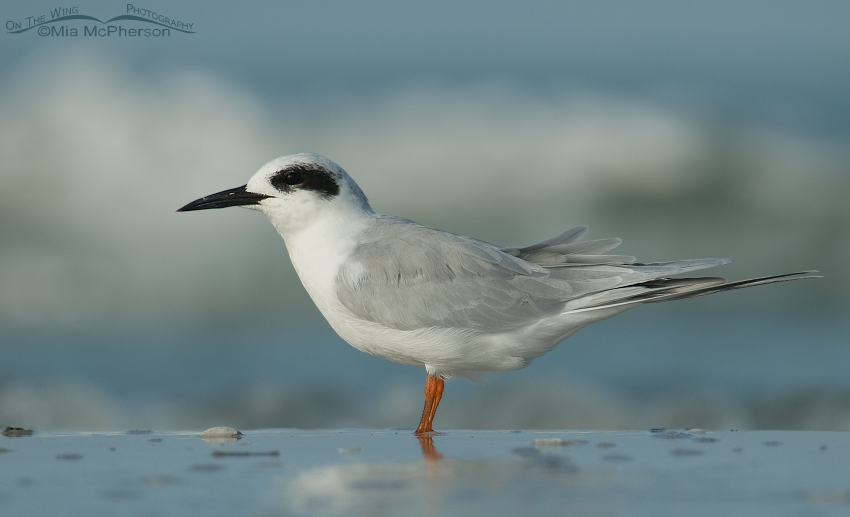
The nonbreeding Forster's Tern in these two images is the same bird and the images were taken ten frames and a few seconds apart as the tern stood on the shoreline of the Gulf of Mexico in Florida.
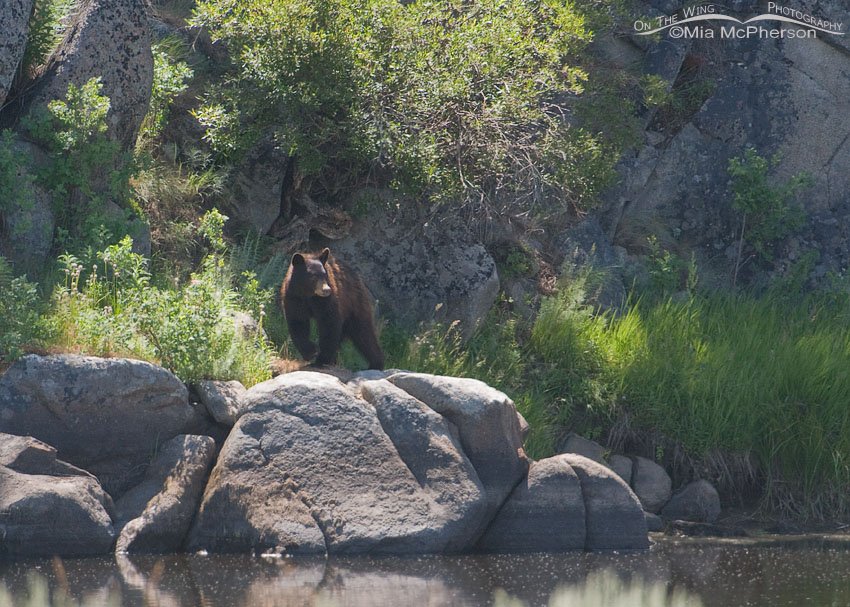
I had been looking at the shoreline where the tree line comes down to the river when I saw what appeared to be a large dark boulder move only the "boulder" had legs and the face of a Black Bear!

Five years ago today I headed to the north beach of Fort De Soto County Park despite knowing that there were looming storms off of the coast hanging just off shore over the Gulf of Mexico and I am glad that I did because the light that day on the beach was exquisite.

Last week I was photographing shorebirds and a Chukar eating Brine flies on the shore of the Great Salt Lake when this European Starling flew in and started to eat them too.

It won't be long before I start seeing juvenile Willets that are about the size of the one pictured here.
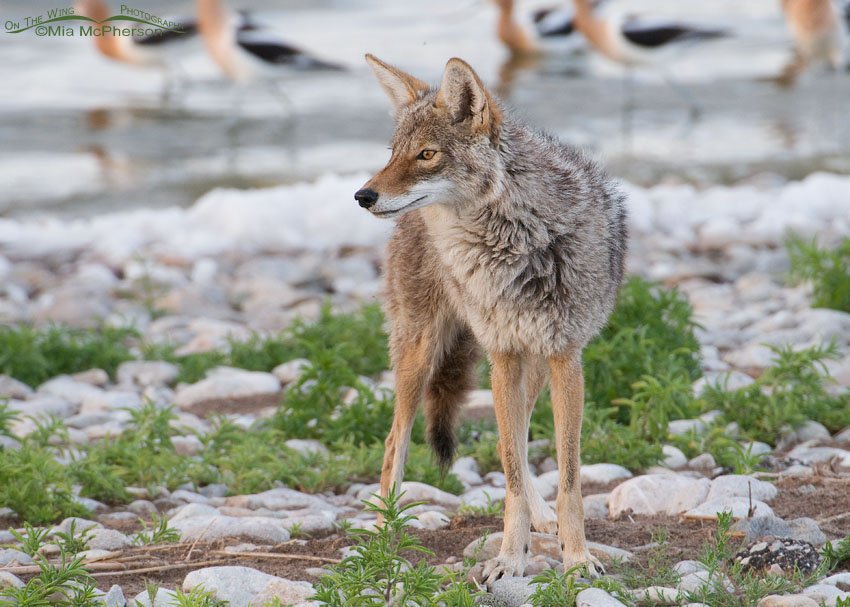
It was a fascinating experience to see and photograph this Coyote locating and eating the egg and I'm tickled to have witnessed the Coyote's egg carrying behavior plus once again I am very glad to have been in the right place at the right time.

I'm hoping to go on a "Goose Chase" this morning, the sky is supposed to be clear so there should be good light and I would be delighted to see some snow, Snow Geese that is!

Sanderlings look very different in appearance during breeding season and winter and novice birders might even think they are two different species.
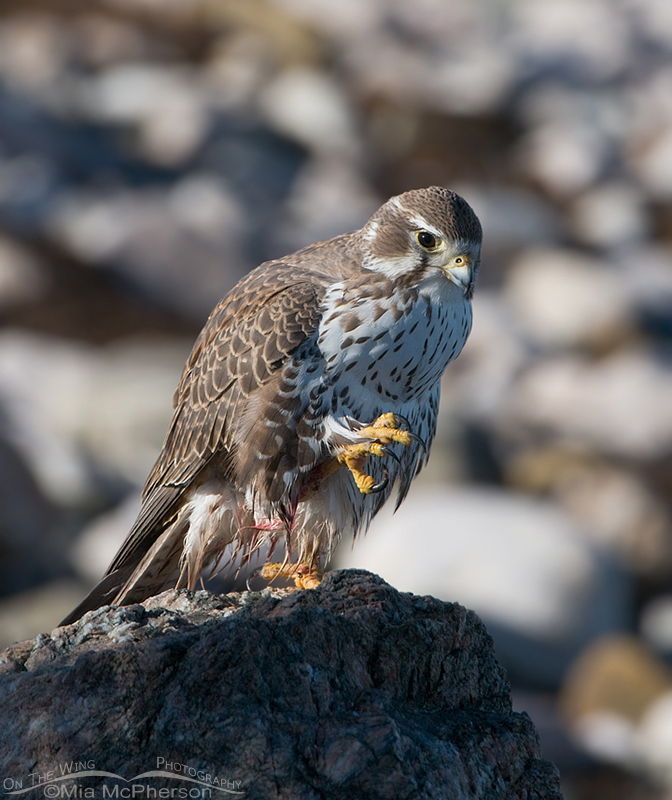
I wish I had been in a better position with a better angle of light but due to vegetation growing along the road there were just a few clear areas between the Rabbitbrush to get an unobstructed view of the Prairie Falcon but I do like how the photo shows off the full crop.

Not long after arriving at Antelope Island yesterday I heard the sound of Coyotes singing, it is a sound that always brings a smile to my lips and delights me.

I was tickled to get these images and the others I created of these two Snow Geese yesterday, especially since they were close.

Earlier this morning I spotted a Prairie Falcon perched on a rock while on the Antelope Island Causeway, before we could get stopped and into position to photograph the falcon it took off over the water and attacked a Northern Shoveler.
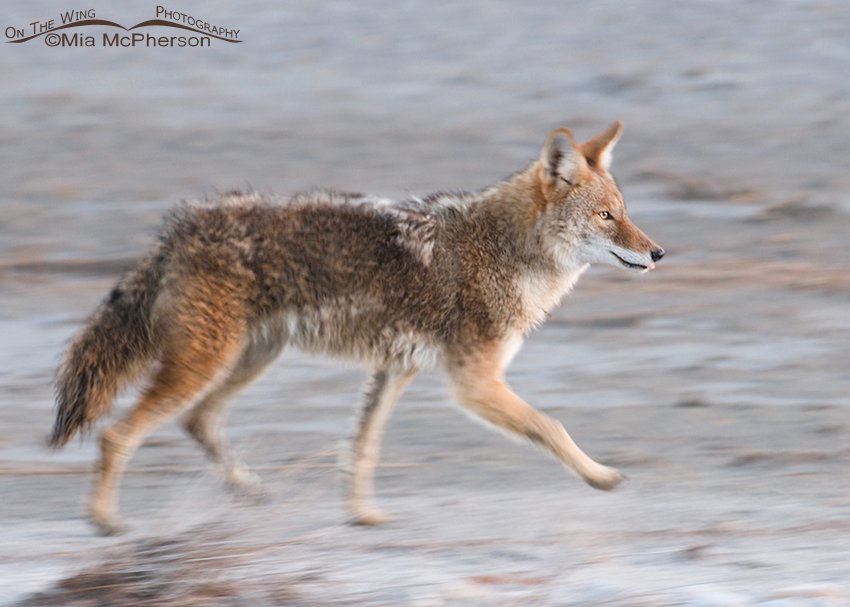
Do not clean or adjust your glasses, this image really is that blurry!

This was a life bird for my mother and I am glad she was able to see it strolling among the rocks on the shoreline of the Great Salt Lake while I photographed the curlew last week.

I photographed this Tricolored Heron (Egretta tricolor) a few years ago when I still lived in Florida.
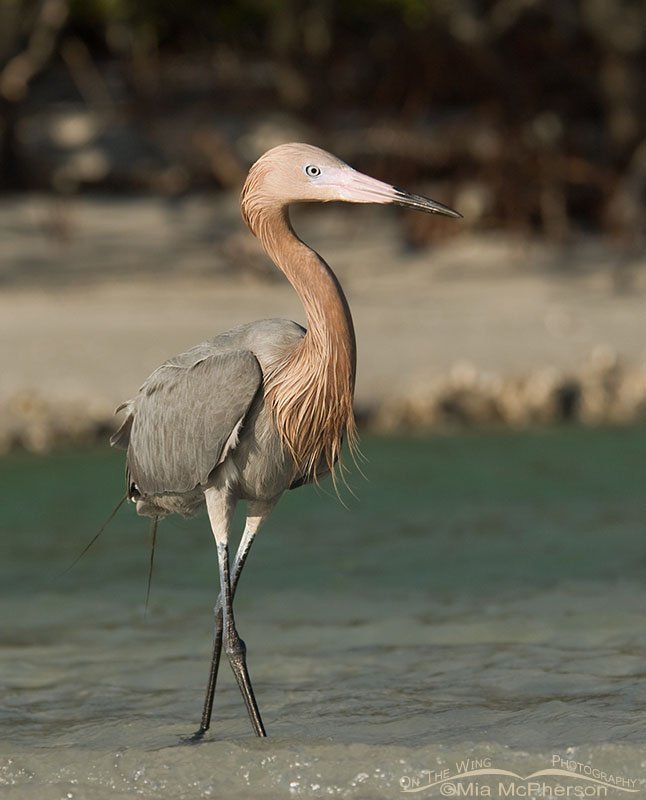
This adult Reddish Egret was going into breeding plumage, it has the pink and black bi-colored bill and the lores are turning bluish purple.

This image could have been better. I have no doubt about that. I did get the exposure right and I like the action. But there are far too many things about this photo that just don't work.

Dunlins exhibit a vast difference between nonbreeding and breeding plumage, so different that a novice birder might mistakenly believe that they were two different species.

Wood Storks (Mycetaria americana) are the largest wading bird in North America and the only stork that breeds in the U.S.. Wood Storks are considered endangered primarily due to loss of habitat.

I think it is great to see a bird with sea blue eyes feeding along a shoreline with water nearly of nearly the hue.

In 2008 I had the great pleasure of observing and photographing a family of American Oystercatchers from the day after the chicks hatched until three and a half months later.